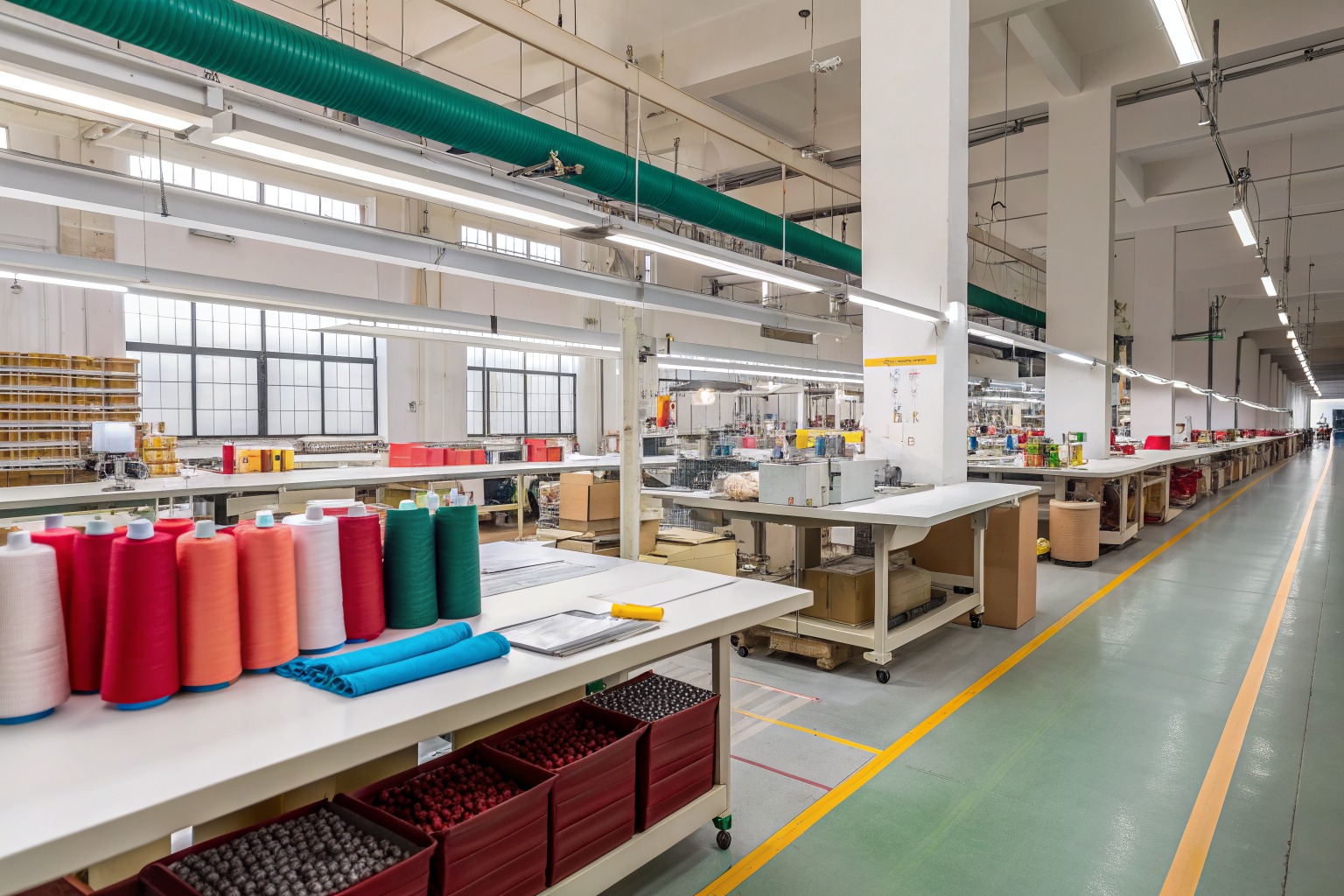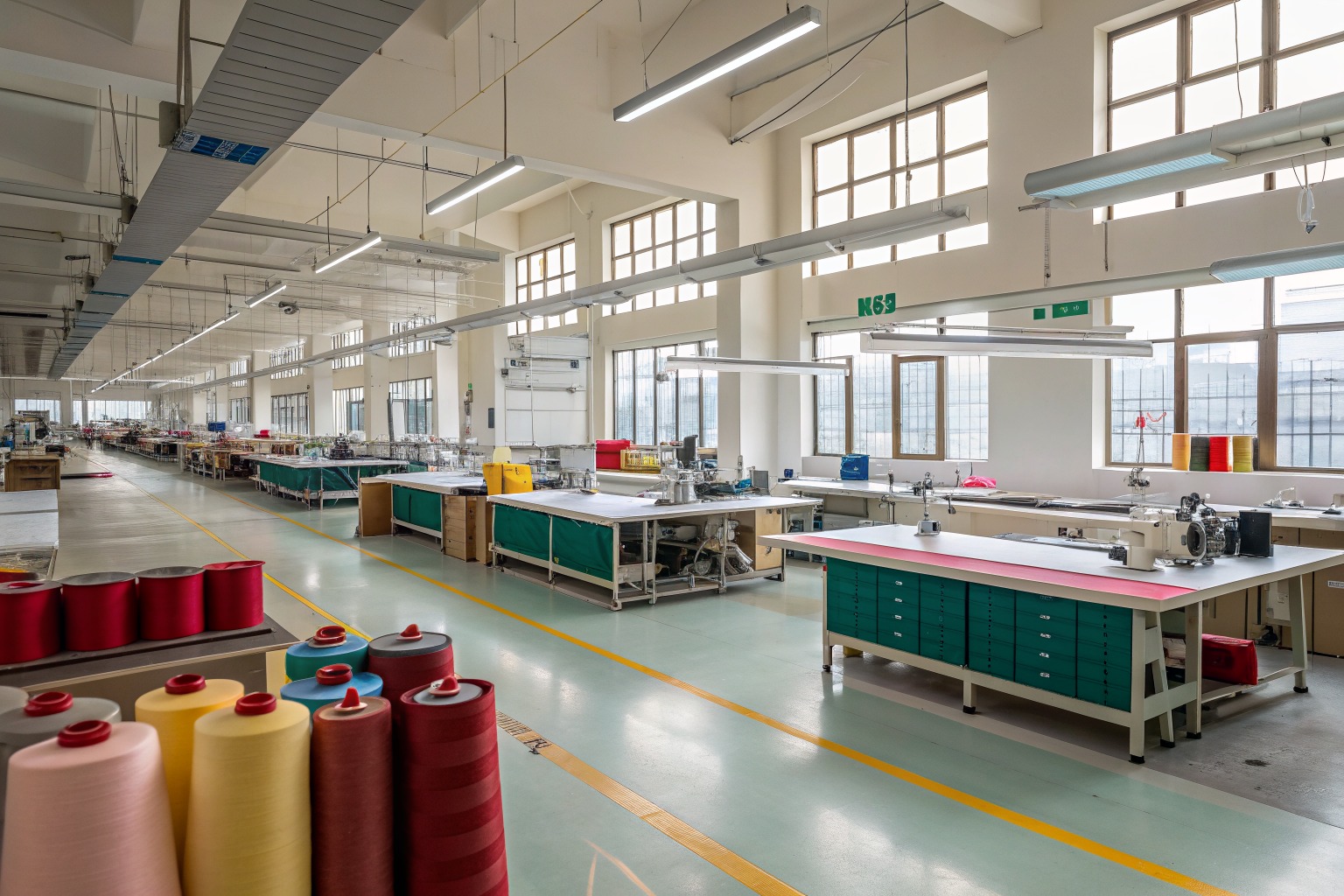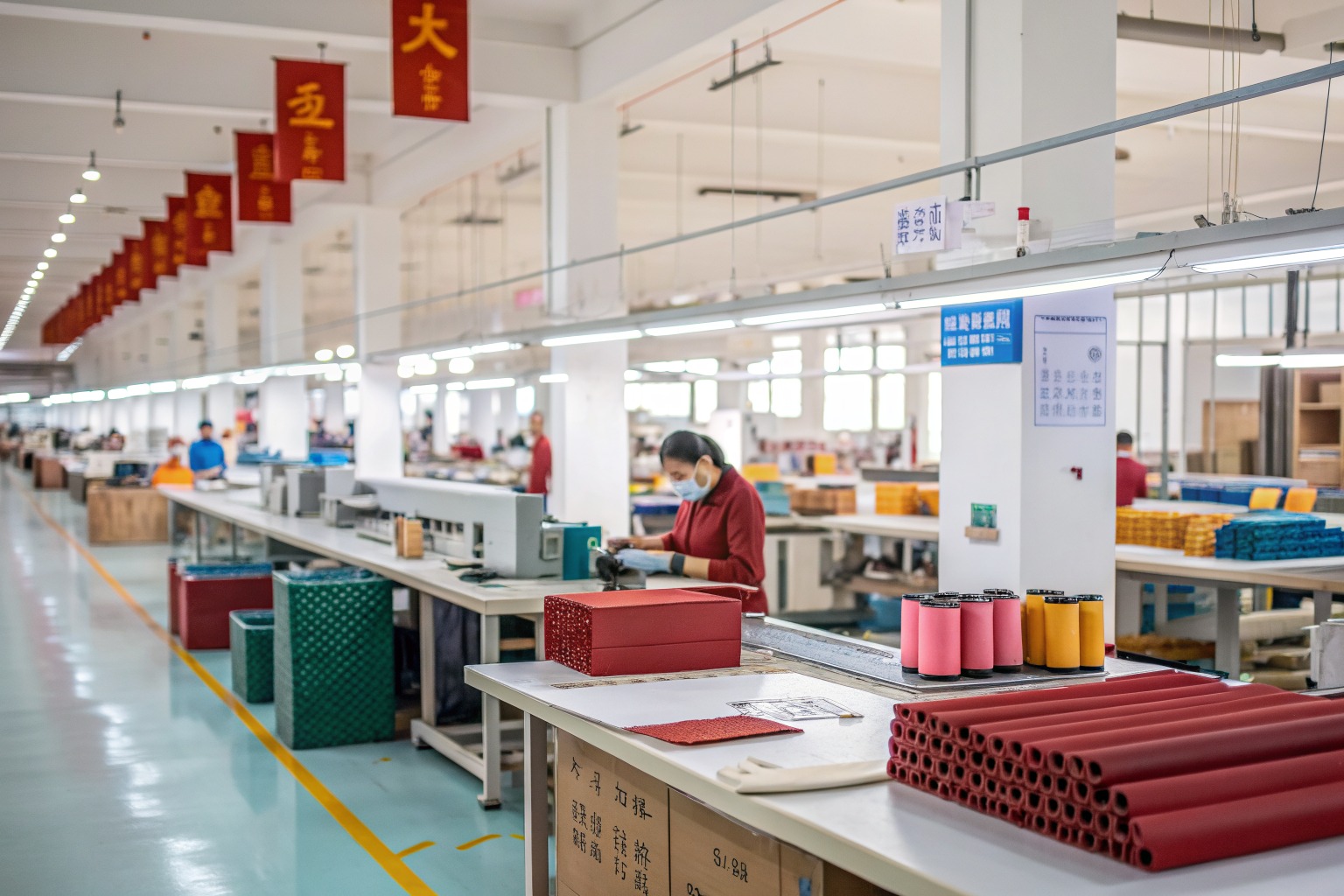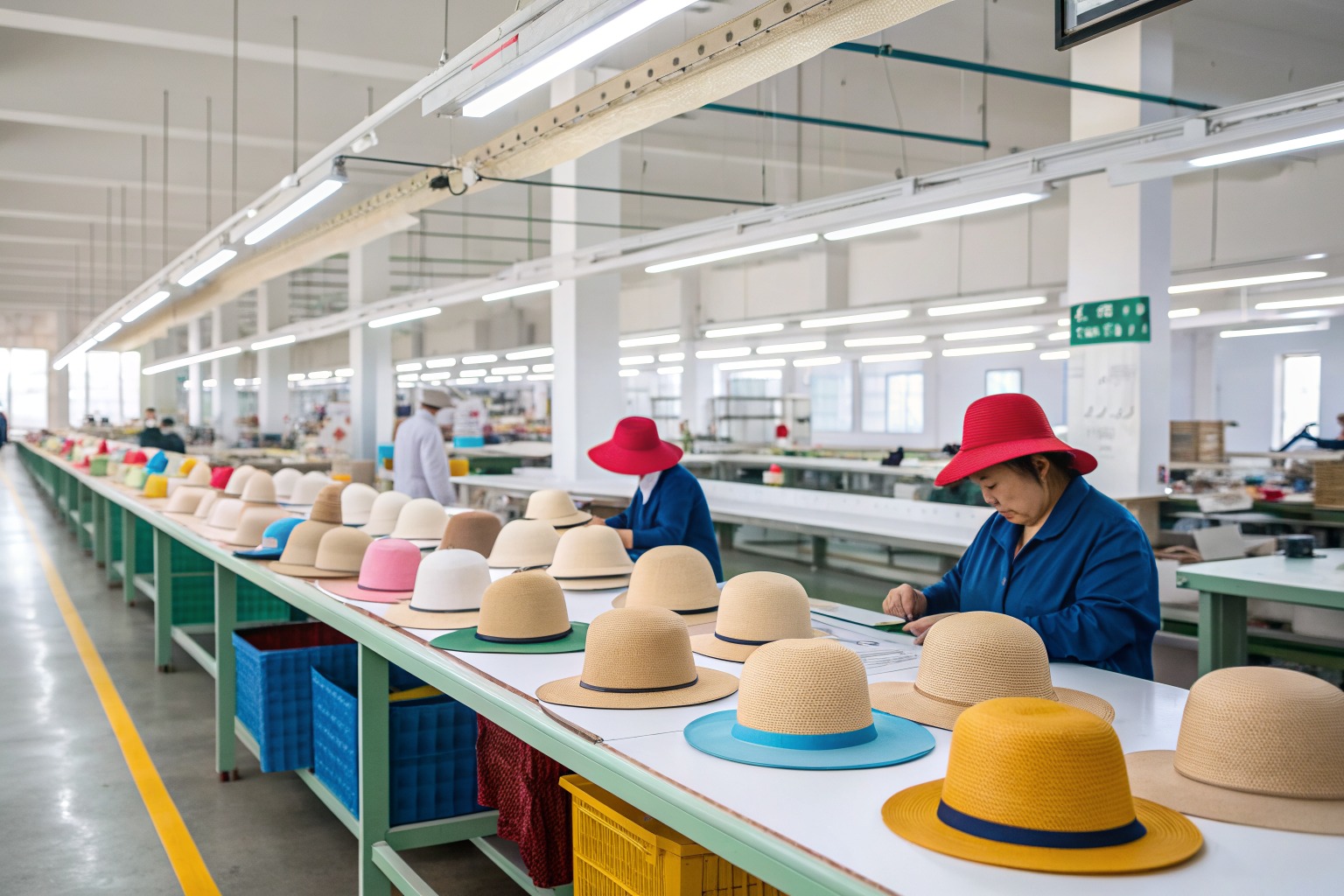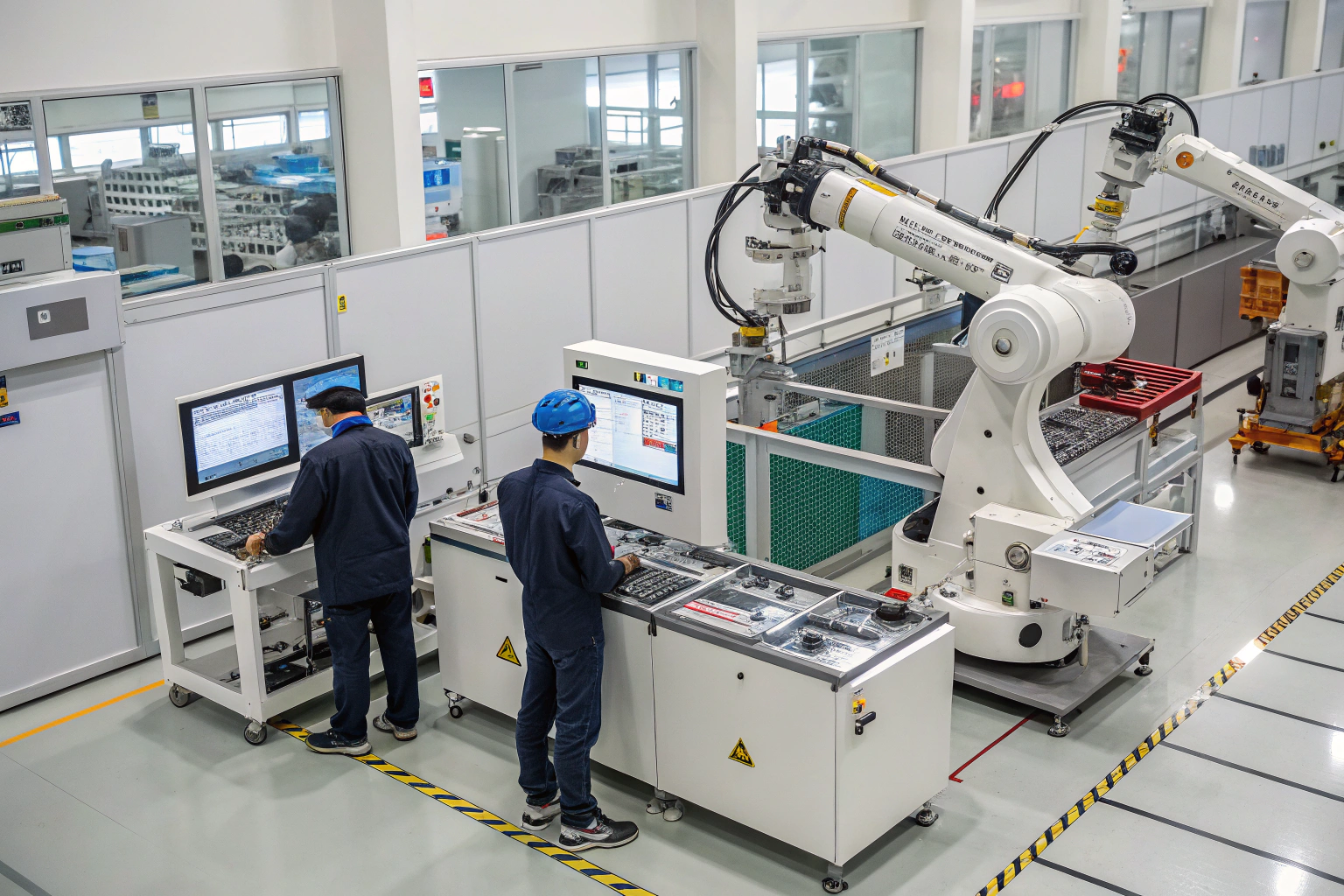
Traditional hair hoop manufacturing often struggles with consistency, design limitations, and efficiency challenges that impact both quality and profitability. The integration of artificial intelligence represents a fundamental transformation in how hair accessories are designed, produced, and brought to market. Through our implementation of AI systems across our hair hoop production lines, we’ve documented significant advantages that redefine what’s possible in accessory manufacturing.
AI-powered hair hoop manufacturing delivers unprecedented precision in production consistency, accelerates design innovation through generative algorithms, optimizes material usage to near-perfect efficiency, and enables real-time quality control that virtually eliminates defects.These advantages collectively transform hair hoops from simple accessories to precision-engineered fashion statements.
The AI revolution in hair hoop manufacturing isn’t incremental—it’s transformative. Let’s examine the specific advantages that make this technological integration so valuable for brands and manufacturers.
How does AI enhance production precision and consistency?
Manual manufacturing processes inevitably introduce variations that affect hair hoop quality, fit, and appearance. Even highly skilled artisans struggle to maintain perfect consistency across large production runs, leading to products that look and feel slightly different from piece to piece.
AI systems bring mathematical precision to every aspect of hair hoop manufacturing, ensuring that each product matches design specifications exactly, regardless of production volume or complexity.
What role do computer vision systems play in quality assurance?
Traditional quality control relies on human inspection, which is inherently limited by fatigue, subjectivity, and the inability to detect microscopic defects. Our AI vision systems employ high-resolution cameras and machine learning algorithms that inspect every hair hoop from multiple angles with superhuman consistency. These systems detect imperfections like microscopic surface flaws, color inconsistencies as slight as 1-2% deviation, and dimensional variations smaller than 0.1mm. The AI compares each piece against digital perfection standards rather than subjective human judgments, ensuring rejection criteria remain constant throughout production runs. This approach has reduced quality-related returns by over 80% while ensuring customers receive products that consistently meet their expectations.
How does AI maintain dimensional accuracy?
Hair hoops require precise dimensions to ensure proper fit and function, but traditional manufacturing often experiences subtle variations. Our AI-controlled production systems continuously monitor and adjust manufacturing parameters in real-time to maintain exact specifications. For metal hoops, the AI regulates bending machines to compensate for material spring-back variations. For plastic hoops, it adjusts injection molding parameters to prevent shrinkage inconsistencies. The systems use laser measurement technology to verify critical dimensions thousands of times per hour, making micro-adjustments before deviations exceed tolerance limits. This relentless precision ensures every hair hoop not only looks identical but functions identically—providing consistent tension and comfort regardless of when it was manufactured.
How does AI accelerate design innovation?
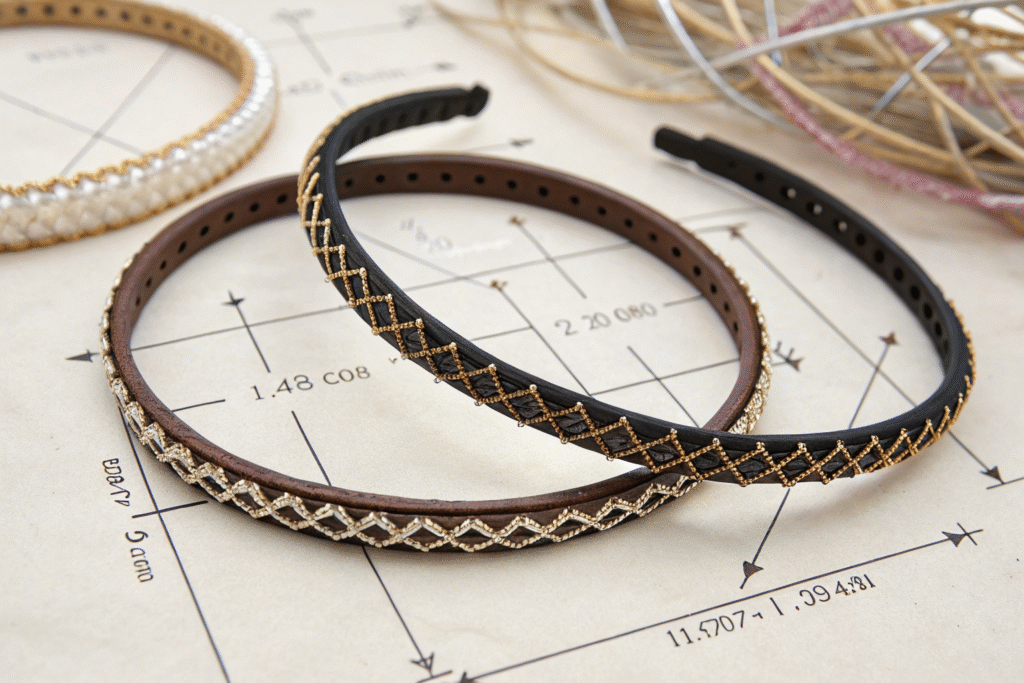
The design process for hair hoops has traditionally been slow, relying heavily on designer intuition and gradual iteration. AI transforms this creative process by generating innovative concepts, predicting market response, and optimizing designs for both aesthetics and manufacturability.
AI-powered design tools expand creative possibilities while reducing development time, enabling brands to respond faster to trends and consumer preferences.
What generative design capabilities does AI offer?
Our AI design platforms can generate thousands of viable hair hoop concepts based on specified parameters like target demographic, price point, material constraints, and style preferences. These systems don’t just create random variations—they learn from successful historical designs, current market trends, and even social media imagery to develop concepts with high probability of commercial success. The AI considers factors human designers might overlook, such as how designs will appear from multiple angles, how they’ll interact with different hair types, and how decorative elements will withstand daily use. This generative approach has helped us develop breakthrough designs that became category bestsellers, with some AI-assisted designs achieving 300% higher sales than traditionally developed concepts.
How does AI optimize designs for manufacturing?
Beautiful designs often face manufacturing challenges that require costly modifications. Our AI manufacturability analysis evaluates designs during the conceptual phase, identifying potential production issues before commitment to tooling. The system suggests modifications that maintain design intent while improving production efficiency—perhaps adjusting curvature radii for better metal forming, optimizing wall thickness for plastic injection, or repositioning decorative elements for easier assembly. This proactive approach has reduced our design-to-production time by 60% while eliminating the costly redesign cycles that traditionally plagued new product development. The result is faster market entry with designs that are both beautiful and efficiently manufacturable.

How does AI optimize material usage and sustainability?
Material waste represents a significant cost and environmental concern in hair hoop manufacturing. Traditional cutting and forming processes often generate substantial waste through suboptimal layout patterns and production errors.
AI algorithms dramatically reduce material waste through precise calculation, predictive modeling, and optimization that maximizes utilization while maintaining quality standards.
What nesting algorithms minimize material waste?
Our AI nesting systems calculate the most efficient layout patterns for cutting hair hoop components from raw materials. These sophisticated algorithms consider material grain direction, stress requirements, and aesthetic priorities to achieve utilization rates exceeding 92% for metal sheets and 88% for plastic materials—significant improvements over the 65-75% rates typical of manual layout methods. The AI continuously learns from production data, refining its algorithms to achieve even better efficiency over time. For decorated hoops with specific pattern orientations, the system balances material efficiency against design requirements to find the optimal compromise. This precision not only reduces costs but supports sustainability initiatives by minimizing waste.
How does AI prevent material-related defects?
Material imperfections often cause production issues that only become apparent after significant processing. Our AI material assessment systems analyze raw materials upon arrival, identifying potential problems before manufacturing begins. For metals, the system detects inconsistencies in temper, thickness, or surface quality that might affect forming or finishing. For plastics, it identifies variations in resin properties that could impact molding consistency. The AI either flags materials for rejection or, more valuably, suggests processing adjustments that accommodate material peculiarities. This predictive approach has reduced material-related defects by over 70%, saving significant costs associated with rework and scrap while ensuring consistent final quality.
How does AI enhance production efficiency and flexibility?
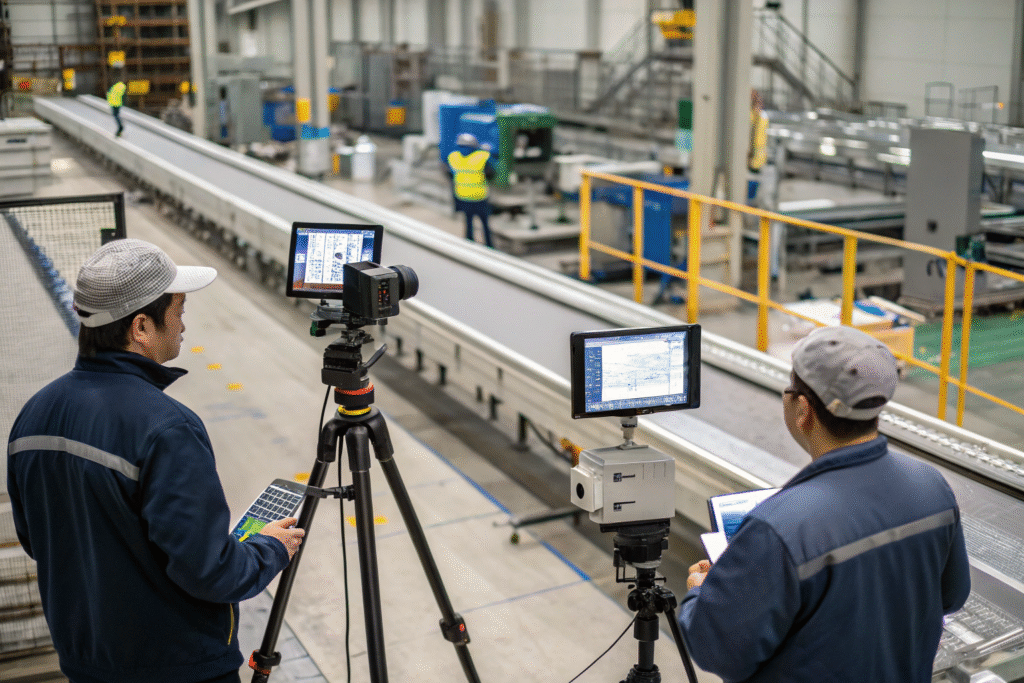
Traditional manufacturing systems struggle to balance efficiency with flexibility, often requiring lengthy changeovers between product variations. AI-enabled smart factories maintain high efficiency while accommodating the product customization and rapid changeovers that modern markets demand.
AI coordination of production elements creates manufacturing environments that are both highly efficient and remarkably adaptable to changing requirements.
How do AI scheduling systems optimize workflow?
Our AI production schedulers analyze orders, material availability, machine status, and workforce capacity to create optimized production sequences. These systems minimize changeover times by grouping similar products, balance workloads across production lines to prevent bottlenecks, and prioritize urgent orders without disrupting overall efficiency. The AI continuously adjusts schedules in response to unexpected events like machine downtime or material delays, automatically reorganizing production to minimize disruption. This dynamic scheduling has increased our overall equipment effectiveness by 35% while reducing lead times by 50%, allowing us to respond faster to customer requests while maintaining cost efficiency.
How does AI enable mass customization?
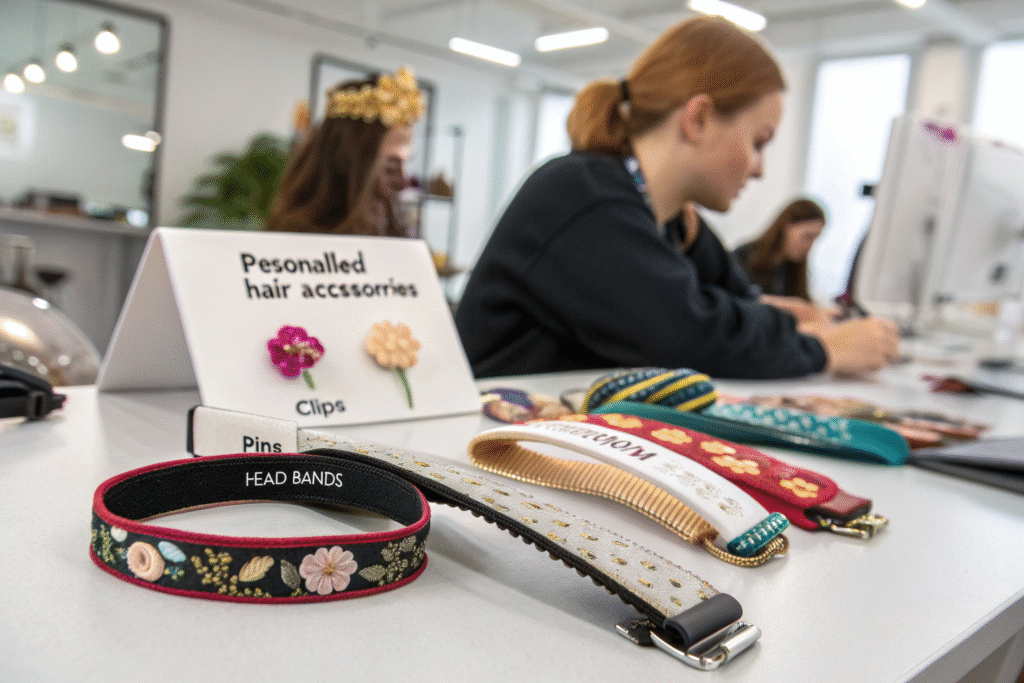
The future of hair accessories lies in personalization, but traditional manufacturing struggles with custom orders. Our AI customization platforms allow customers to personalize designs while the system automatically generates manufacturing instructions, adjusts production parameters, and ensures quality standards are maintained regardless of customization options. The AI verifies that custom requests are manufacturable within existing capabilities and provides instant feedback on design feasibility. This capability has opened new business models where we efficiently produce small batches of customized hair hoops alongside volume production, creating premium revenue streams without sacrificing efficiency in our core business.
Conclusion
AI-powered hair hoop manufacturing delivers transformative advantages across design, production, quality assurance, and business operations. The precision, efficiency, and innovation capabilities enabled by artificial intelligence represent not just incremental improvements but fundamental advancements that redefine what’s possible in accessory manufacturing. Companies that embrace these technologies position themselves at the forefront of their industry, capable of delivering superior products with greater efficiency and responsiveness to market demands.
If you’re interested in leveraging AI technologies to enhance your hair hoop collections, we invite you to contact our Business Director, Elaine. Our successful implementation of AI systems across design and manufacturing processes has positioned us to help brands achieve new levels of quality, innovation, and efficiency. Reach her at: elaine@fumaoclothing.com.