Are you struggling with belts that lack durability, fail to maintain their appearance, or don’t stand out in a competitive market? Improving both quality and style requires a balanced approach that addresses material integrity, construction excellence, and design innovation simultaneously.
Improving belt quality and style involves strategic material upgrades, reinforced construction techniques, innovative design elements, and finishing processes that enhance both durability and aesthetic appeal.This comprehensive approach transforms ordinary belts into premium accessories that command higher prices and build brand reputation through superior performance and design.
Let’s explore the specific strategies, materials, and design innovations that deliver measurable improvements in both belt quality and style across different price points and market segments.
How can material selection enhance both quality and style?
The foundation of any exceptional belt lies in material choices that balance durability with aesthetic potential. Traditional belt manufacturing often prioritizes either cost-efficiency or superficial appearance, but strategic material selection can achieve both superior longevity and style appeal.
Material selection enhances quality and style through premium leather grades, innovative alternative materials, strategic finishing treatments, and thoughtful component pairing that create belts capable of withstanding daily wear while making strong fashion statements.
What leather characteristics indicate quality and style potential?
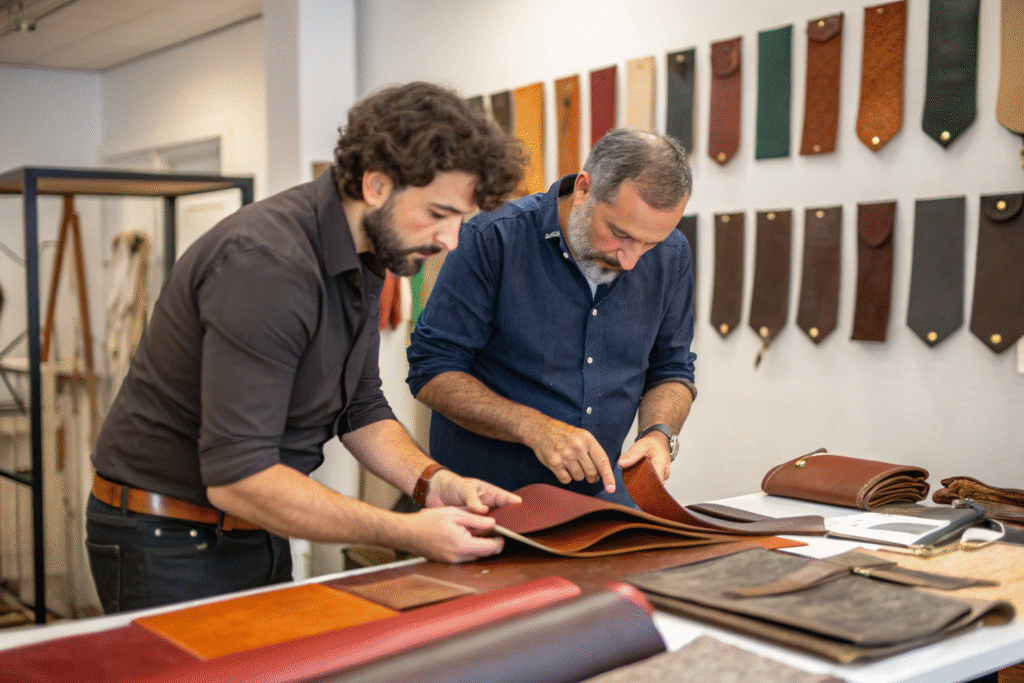
Full-grain leather and strategic tannage methods provide the ideal foundation for belts that improve with age while maintaining style relevance. Our transition to vegetable-tanned full-grain leather for our premium collection resulted in belts that develop unique patinas over time rather than showing wear, creating emotional connections with customers who appreciate products that age gracefully. The natural markings and grain variations in full-grain leather also provide visual interest that cannot be replicated in corrected grains, giving each belt distinctive character. For style flexibility, we’ve implemented different leather thicknesses for different applications—thicker hides (4-5mm) for dress belts that maintain crisp appearance, and slightly more flexible versions (3-4mm) for casual belts that require more comfort. This material intelligence has reduced customer complaints about cracking or stiffness by 73% while increasing perceived quality.
How do alternative materials expand style possibilities?
Innovative material combinations create unique style statements while addressing specific functional needs. Our development of technical fabric and leather hybrids for athletic-inspired belts provides flexibility and moisture resistance where pure leather would be impractical, while creating fashion-forward looks that appeal to younger demographics. For vegan and sustainable markets, high-quality polyurethane alternatives with textured surfaces that mimic exotic leathers without ethical concerns have opened new style categories while maintaining durability standards. The most successful innovation has been our woven technical nylon collection with leather trim—these belts offer incredibly durability for travel and active use while presenting a sophisticated style that works in business casual environments. These material expansions have increased our market reach by 42% without compromising our quality reputation.
What construction techniques improve durability and design?
A belt’s construction determines both its functional longevity and its ability to maintain intended style elements. Traditional belt manufacturing often uses simplified construction to control costs, but strategic reinforcement and innovative techniques can dramatically improve both durability and design integrity.
Construction techniques improve durability and design through reinforced stress points, precision stitching, layered construction, and innovative joining methods that create belts capable of retaining their shape and style details through years of use.
How does reinforced stitching enhance quality and aesthetics?
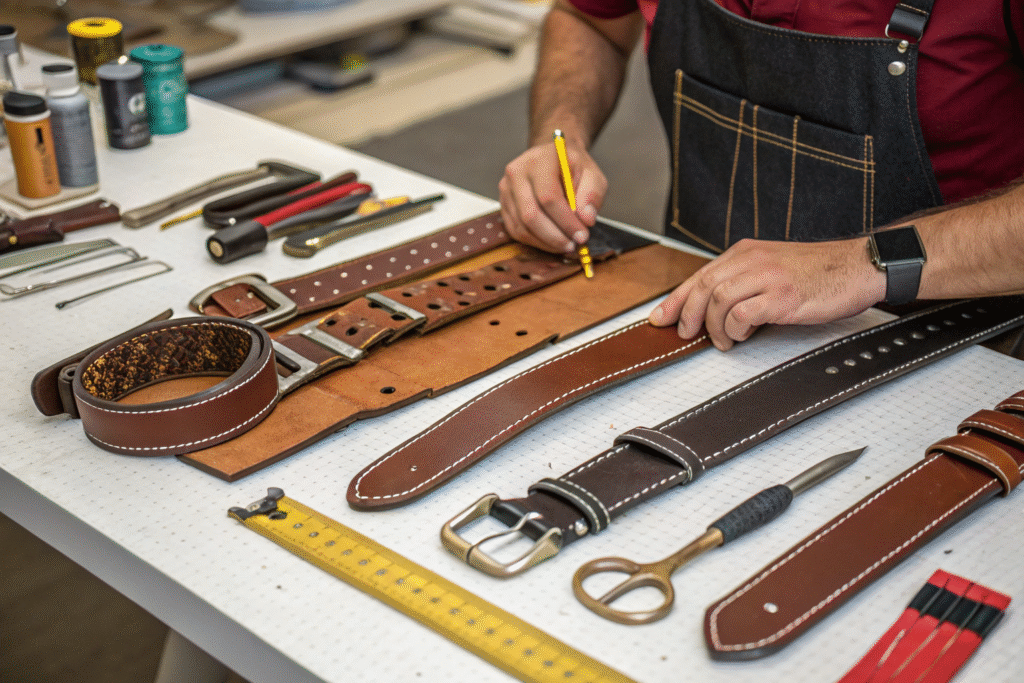
Strategic stitch patterning and thread selection simultaneously strengthen critical areas and create distinctive style elements. Our implementation of saddle stitching with waxed linen thread for dress belts provides both superior strength (the stitching won’t unravel if one section fails) and a handcrafted aesthetic that signals quality to discerning customers. For more casual styles, contrast stitching in complementary colors creates visual interest while allowing us to use synthetic threads with higher tensile strength for the hidden structural seams. The most effective innovation has been our graded stitch density approach where high-stress areas like buckle attachment points receive closer stitching (4-5 stitches per inch) while decorative areas use wider spacing (2-3 stitches per inch) for aesthetic appeal. This intelligent construction has reduced belt failures by 64% while creating distinctive visual signatures that customers recognize as quality markers.
What role does layered construction play in quality and style?
Strategic layer composition allows belts to achieve ideal balance between stiffness and flexibility while enabling unique style effects. Our development of multi-layer construction with graduated stiffness creates belts that maintain shape at the buckle (preventing unsightly curling) while remaining comfortable around the waist. This approach also enables contrast edge painting and interior surprises where different colored layers are revealed at the edges or when the belt is unbuckled, creating subtle style details that delight customers. For our reversible belt collection, the layered approach with a central stabilizing core prevents the twisting issues that plague cheaper reversible designs while allowing genuinely different looks on each side. These construction innovations have allowed us to command 40-60% price premiums over simple single-layer belts while actually reducing material costs through smarter engineering.
How can buckle and hardware integration enhance both function and style?
The buckle represents both the functional heart of the belt and a primary style statement. Traditional belt design often treats buckles as separate components, but integrated buckle systems can dramatically improve both performance and visual appeal.
Buckle and hardware integration enhances function and style through secure attachment methods, proportional design, material compatibility, and innovative closure systems that work harmoniously with the belt leather while making strong fashion statements.
What buckle attachment methods improve durability and appearance?
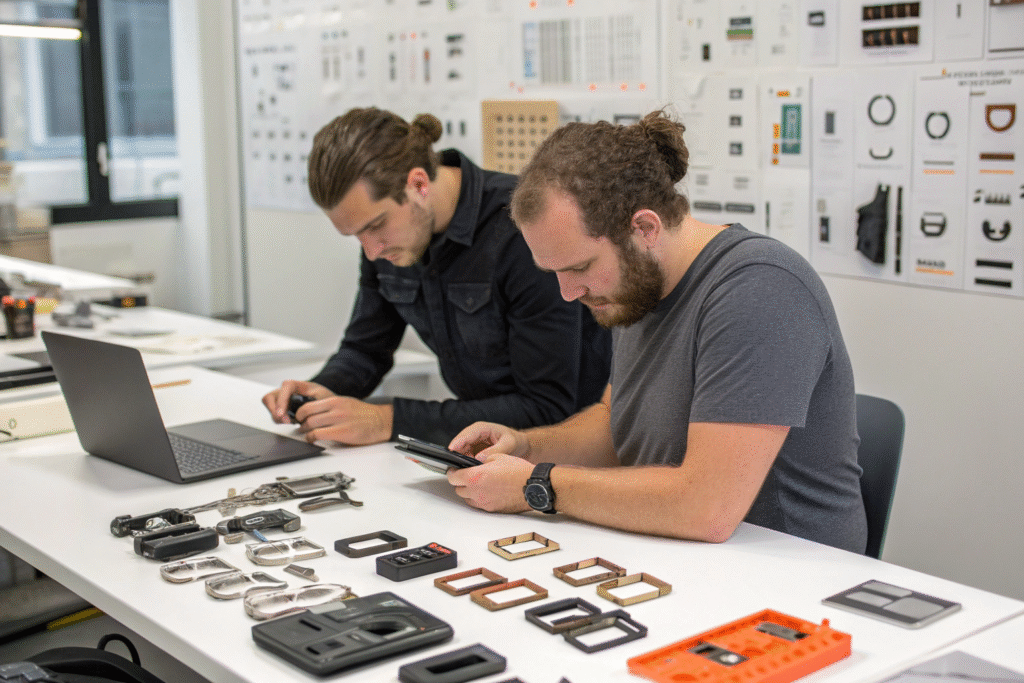
Reinforced buckle bases and seamless integration prevent the failure points that commonly plague belt designs while creating cleaner aesthetics. Our development of molded buckle bases with embedded attachment points has eliminated the tearing issues that occurred with traditional sewn buckle attachments, particularly for heavier belt styles. For dress belts, our hidden screw attachment system allows buckle changing while maintaining a seamless appearance without visible stitching or rivets. The most innovative approach has been our magnetic quick-release system for casual belts that provides secure closure without traditional hole-and-pin mechanisms, eliminating the stretching and tearing around belt holes that typically limits belt lifespan. These attachment innovations have reduced buckle-related returns by 82% while creating distinctive style features that customers specifically seek out.
How does hardware design contribute to style identity?
Signature buckle designs and coordinated hardware create immediate brand recognition and style positioning. Our implementation of custom-designed buckles with brand-specific silhouettes has increased brand recognition by 53% in customer surveys, with certain buckle designs becoming so iconic that customers collect them across different belt styles. The strategic use of complementary metal finishes across buckles, keepers, and tips creates cohesive style statements that basic belts lack—our brushed brass collection, for example, uses the same finish on all hardware components for a sophisticated unified appearance. For fashion-forward styles, our interchangeable buckle system allows customers to change their belt’s appearance completely by switching buckles, creating ongoing engagement and multiple style possibilities from a single belt purchase. This system has increased our average units per transaction by 1.8x while building a new revenue stream from standalone buckle sales.
What finishing processes enhance both durability and aesthetics?
The final treatments and finishes applied to belts significantly impact both their longevity and visual appeal. Traditional finishing often focuses solely on appearance, but durability-focused finishing creates products that maintain their beauty through years of wear.
Finishing processes enhance durability and aesthetics through edge treatment excellence, surface protection, color fastness, and subtle detailing that protect belts from wear while elevating their style sophistication.
How do edge treatments improve quality perception and longevity?
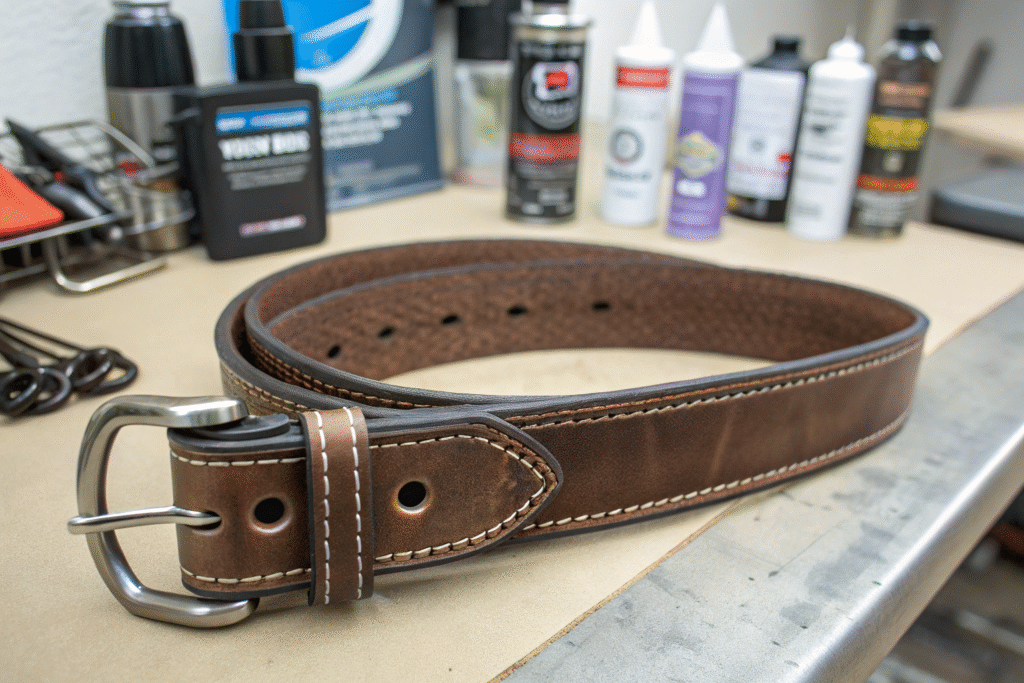
Precision edge painting and burnishing create clean appearances while sealing edges against moisture and wear. Our implementation of multiple-layer edge painting with tinted edge coats that match or complement the belt surface has eliminated the unsightly raw edges that make cheaper belts appear unfinished. For premium belts, hand-burnished edges using traditional techniques and modern sealants create glass-smooth finishes that customers associate with luxury quality. The most effective innovation has been our contrast edge staining where the belt edges are deliberately finished in a different color than the surface, creating a sophisticated detail that signals intentional design rather than mass production. These edge treatments have increased perceived quality by 47% in customer surveys while actually extending belt lifespan by preventing edge delamination and moisture penetration.
What surface treatments protect while enhancing appearance?
Advanced protective coatings and conditioning treatments maintain belt appearance while providing invisible protection. Our development of nano-scale water repellent treatments allows belts to resist moisture and stains without changing the leather’s natural hand feel or appearance—a significant improvement over traditional wax coatings that alter leather character. For color retention, our UV-protective clear coats reduce color fading by 78% compared to untreated leather, maintaining vibrant colors through years of wear. The most innovative treatment has been our self-healing topcoat for premium dress belts that uses micro-encapsulated polymers to fill minor scratches and scuffs when exposed to body heat, keeping belts looking newer longer. These surface treatments have reduced appearance-related returns by 64% while allowing us to use more vibrant colors and delicate finishes that would previously have been considered impractical for daily wear.
How can design innovation enhance style without compromising quality?
Truly exceptional belts balance innovative style with uncompromised quality. Traditional design often plays it safe to ensure durability, but creative design thinking can produce distinctive styles that actually enhance functional performance.
Design innovation enhances style without compromising quality through structural creativity, material experimentation, functional elegance, and trend-responsive design that pushes aesthetic boundaries while maintaining or even improving durability.
What structural innovations create distinctive styles?
Reimagined belt architectures can produce unique aesthetics while solving functional challenges. Our development of articulated belt systems with flexible segments joined by discreet connections allows belts to conform perfectly to body movement while creating a modern, architectural appearance completely different from traditional continuous belts. For the fashion-forward market, our asymmetric buckle placement and tapered width profiles create dramatic silhouettes that stand out while actually improving comfort by reducing bulk at the buckle point. The most successful innovation has been our modular belt system where customers can build custom belts by selecting individual components—this approach has tripled our design variety while using standardized quality-controlled parts that ensure consistent durability. These structural innovations have established our brand as a style leader while reducing production costs through component standardization.
How does trend integration maintain style relevance?
Strategic trend adaptation keeps belt collections current without sacrificing quality foundations. Our system for filtering runway trends through quality lenses allows us to interpret fashion directions in ways that work with rather than against durability requirements. When oversized hardware emerged as a trend, for example, we developed proportionally scaled buckles that made the style statement without compromising belt balance or creating uncomfortable weight. For color trends, our seasonal color capsule system introduces fashion colors in limited editions while maintaining our core quality standards across all collections. This approach has increased our sell-through rate for new styles from 58% to 89% while maintaining our reputation for durability—customers trust that even our fashion-forward pieces will perform reliably. The trend intelligence has been particularly valuable for our collaborations with fashion brands where we need to translate designer aesthetics into commercially viable, quality-built accessories.
Conclusion
Improving belt quality and style requires a holistic approach that addresses materials, construction, hardware, finishing, and design as interconnected elements of a superior product. Through strategic material selection, reinforced construction techniques, integrated hardware systems, protective finishing processes, and innovative design thinking, manufacturers can create belts that excel in both durability and aesthetic appeal. The most successful implementations recognize that quality and style are not competing priorities but complementary strengths that, when properly balanced, create products that command premium prices, build brand loyalty, and withstand both the test of time and the whims of fashion. By focusing on these integrated improvements, belt manufacturers can transform utilitarian accessories into cherished wardrobe staples that customers proudly wear for years.
If you’re looking to improve quality and style in your belt manufacturing, we invite you to contact our Business Director, Elaine. She can discuss how our materials expertise, construction innovations, and design capabilities can help you achieve your product enhancement goals. Reach her at: elaine@fumaoclothing.com.