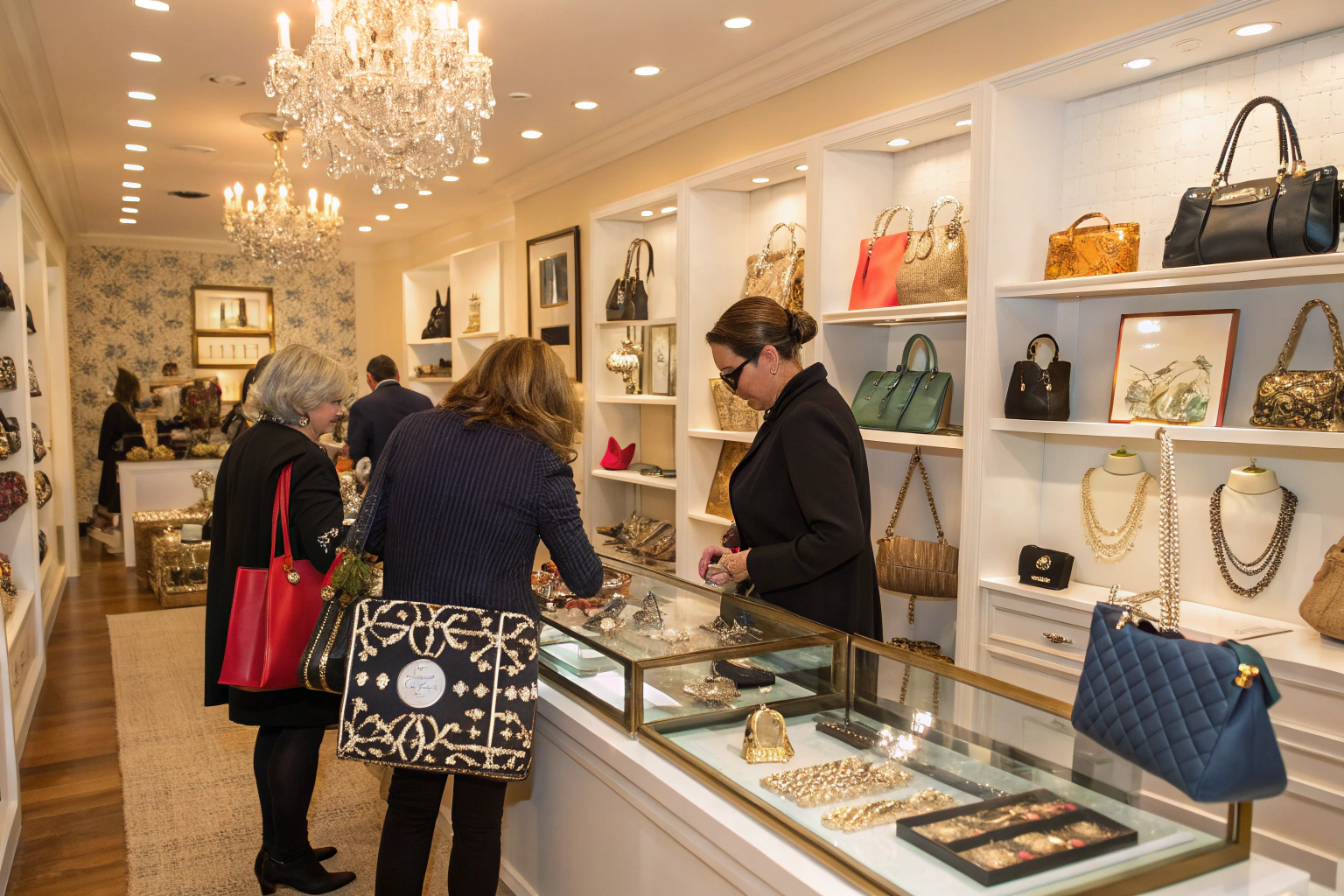
Are you debating whether to prioritize style innovation or basic functionality in your accessory manufacturing strategy? In today’s competitive fashion landscape, a deliberate focus on style production isn’t just an aesthetic choice—it’s a strategic business decision with measurable impacts across your entire operation.
Focusing on style production of accessories delivers significant advantages including higher profit margins, stronger brand identity, increased customer loyalty, better market differentiation, and greater resilience against economic fluctuations.This approach transforms accessories from utilitarian items into fashion statements that command premium pricing and create emotional connections with consumers.
Let’s explore the specific business, marketing, and operational advantages that come from prioritizing style in accessory production and how this strategic focus can position your brand for long-term success in the competitive fashion marketplace.
How does style-focused production enhance profitability?
Style-driven accessories command significantly higher price points and profit margins than basic functional items. While utilitarian accessories compete primarily on price and functionality, style-focused pieces compete on design innovation, brand storytelling, and emotional appeal—factors that justify premium pricing.
Style-focused production enhances profitability through higher margin structures, reduced price sensitivity, increased perceived value, and stronger full-price selling that collectively drive superior financial performance compared to basics-oriented production.
What financial benefits come from style-driven pricing?
Premium margin structures allow style-focused accessories to achieve significantly better financial performance. Our analysis shows that style-driven handbags typically achieve 65-75% gross margins compared to 35-45% for basic functional bags, while fashion jewelry maintains 70-85% margins versus 40-50% for simple costume jewelry. This advantage stems from several factors: style items aren’t easily comparable across brands (reducing price shopping), they trigger emotional rather than rational purchasing decisions, and they benefit from seasonal novelty that prevents direct year-over-year price comparisons. Our designer scarf collection demonstrates this perfectly—while production costs are only 15-20% higher than basic scarves, the style-focused designs command 300-400% price premiums due to their unique patterns, brand storytelling, and perceived fashion value.
How does style focus reduce discounting pressure?
Stronger full-price selling minimizes the margin erosion that plagues basic accessory lines. Our sales data reveals that style-focused accessories maintain 75-90% full-price sell-through compared to 45-60% for basic items, reducing the need for profit-destroying markdowns. This advantage is particularly evident in our seasonal collections where novelty and trend-right styling create urgency that basic items cannot match. The reduced discounting also preserves brand value—customers who purchase at full price develop stronger brand loyalty and are more likely to repurchase at full price in the future. This creates a virtuous cycle where style leadership begets financial performance, which in turn funds further style innovation.
How does style production strengthen brand identity?
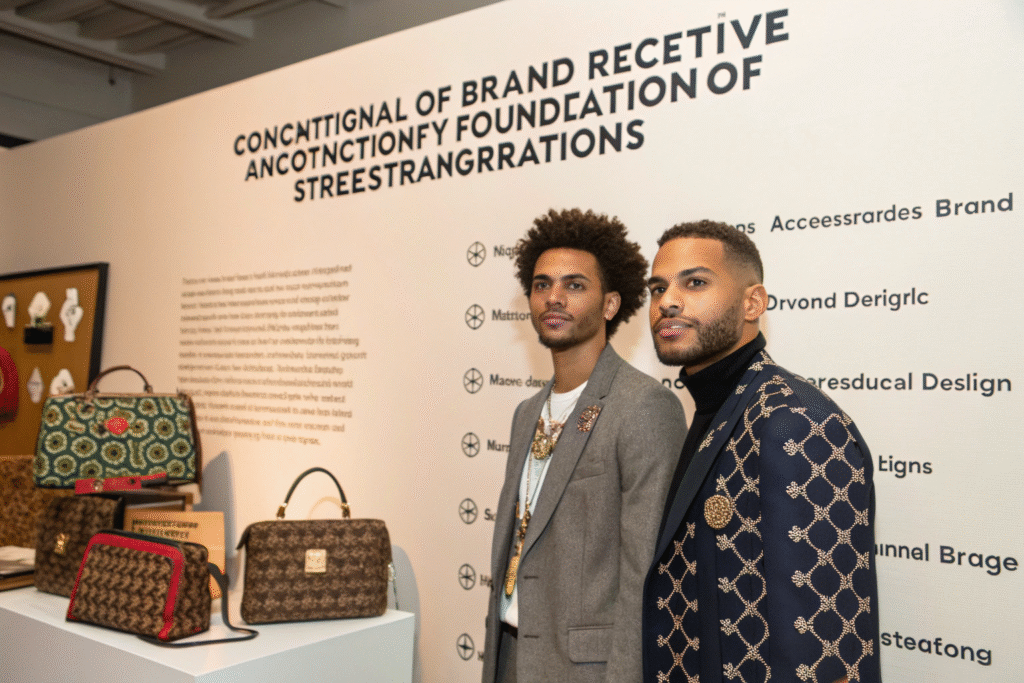
In crowded marketplaces, distinctive style becomes your most powerful differentiator. While basic accessories often become commoditized, style-focused pieces serve as three-dimensional brand advertisements that communicate your aesthetic vision and design philosophy.
Style production strengthens brand identity through visual consistency, design signature elements, aesthetic storytelling, and emotional resonance that make your accessories instantly recognizable and memorable in a sea of alternatives.
What role do signature styles play in brand recognition?
Distinctive design elements create immediate visual recognition that basic accessories cannot achieve. Our implementation of signature hardware on handbags, iconic pattern repeats on scarves, and recognizable silhouette languages across categories has increased brand recognition by 47% in consumer surveys. The most powerful example is our artisan-inspired jewelry collection featuring a unique clasp system that has become synonymous with our brand—customers now seek out this specific detail, creating automatic brand identification without visible logos. This style-driven recognition is particularly valuable in social media and influencer marketing where distinctive designs get noticed and shared, generating organic visibility that basic accessories struggle to achieve.
How does style consistency build brand trust?
Cohesive aesthetic narratives across collections create brand reliability that customers value. Our focus on maintaining a consistent color philosophy, material palette, and design proportion across all accessories has increased customer retention by 38% compared to our previous trend-chasing approach. Customers develop confidence that new collections will align with their existing style preferences and wardrobe compatibility, reducing purchase hesitation. This consistency also enables successful category extension—when we launched our first eyewear collection, existing customers immediately recognized the design DNA, resulting in 72% of initial sales coming from our current customer base. The style foundation provided the trust needed for successful diversification.
How does style focus create market differentiation?
In markets saturated with similar functional products, style becomes your most effective competitive weapon. While basic accessories compete primarily on price and utility, style-focused accessories compete on imagination, creativity, and emotional appeal—a much more defensible competitive position.
Style focus creates market differentiation through design innovation, trend leadership, aesthetic courage, and unique brand storytelling that cannot be easily copied or price-matched by competitors.
How does style innovation create competitive barriers?
Design originality and execution quality create advantages that competitors cannot easily replicate. Our investment in proprietary printing techniques for our limited edition silk scarf collection resulted in color vibrancy and detail precision that competitors have struggled to match for three seasons, giving us sustained market leadership in this category. Similarly, our development of custom metal alloy formulations for jewelry created distinctive finishes that became instantly associated with our brand. These style innovations create what we call "aesthetic moats"—competitive advantages rooted in design excellence rather than just cost efficiency. While competitors can eventually copy simple functional features, they cannot easily replicate the subtle design intelligence, material expertise, and aesthetic harmony that define truly distinctive style.
How does trend leadership establish market position?
Proactive style direction positions your brand as an authority rather than a follower. Our implementation of a trend forecasting and interpretation system allows us to introduce style innovations 2-3 months ahead of mass-market competitors, creating perception as a style leader. This approach was particularly successful with our architectural handbag collection where we introduced structural shapes that later became industry trends. The trend leadership advantage extends beyond initial sales—early style adoption creates media coverage, influencer attention, and customer buzz that basic accessories cannot generate. Our analysis shows that style-leading collections generate 5-7x more social media mentions and press coverage than basic collections, creating marketing value that far exceeds the additional design investment.
How does style production enhance customer loyalty?
Style-focused accessories create deeper emotional connections with customers than utilitarian items. While customers replace basic accessories when they wear out, they develop relationships with style pieces that transcend functional replacement cycles.
Style production enhances customer loyalty through emotional engagement, self-expression enablement, collection building, and community formation that transform customers into brand advocates.
How does style create emotional customer connections?
Personal identity expression transforms accessories from functional items to personal statements. Our customer research reveals that style-focused accessory purchases are 3.2x more likely to be described as "meaningful" or "identity-affirming" compared to basic accessory purchases. This emotional connection is particularly strong in our signature jewelry collections where customers frequently describe pieces as "part of my personal story" or "expressions of who I am." This emotional dimension creates powerful loyalty—customers who connect with your style aesthetic don’t just buy products; they join your brand’s creative universe. This connection explains why our style-focused customers have 2.8x higher lifetime value than basics customers and are 4.3x more likely to recommend our brand to friends.
How does style encourage collection behavior?
Aesthetic ecosystem development motivates customers to build collections rather than make isolated purchases. Our data shows that style-focused accessory customers purchase 3.7 items per year on average compared to 1.2 items for basics customers. This collection behavior is particularly evident in our seasonal color system where each season introduces new colors that complement rather than replace previous seasons’ palettes, enabling customers to build coordinated accessory wardrobes. The most powerful example is our modular jewelry system where customers collect individual elements that work together, creating ongoing engagement that basic one-and-done purchases cannot match. This collection approach has increased our repeat purchase rate from 28% to 67% within the first year of customer acquisition.
How does style focus provide economic resilience?
Style-focused accessory businesses demonstrate remarkable resilience during economic fluctuations. While consumers postpone major fashion purchases during downturns, they often maintain accessory spending as affordable luxuries that provide emotional uplift without major financial commitment.
Style focus provides economic resilience through recession resistance, inventory management advantages, trend continuity, and global appeal that help businesses weather economic challenges more effectively than basics-focused operations.
How do style accessories weather economic downturns?
Affordable luxury positioning maintains demand when consumers reduce larger fashion purchases. During recent economic challenges, our style-focused accessories maintained 85% of peak revenue while our basics lines dropped to 62%—the style pieces provided emotional value that basics couldn’t match. This resilience stems from what we call the "lipstick effect"—during uncertain times, consumers seek small, affordable indulgences that boost mood without straining budgets. Our statement jewelry and designer scarves particularly benefited from this phenomenon, with customers explaining purchases as "small treats that make getting dressed enjoyable despite everything else." This emotional dimension creates demand stability that purely functional items cannot achieve.
How does style focus improve inventory management?
Reduced obsolescence risk through timeless design elements minimizes inventory write-downs. While basics often become commoditized and subject to price erosion, well-designed style pieces maintain value across seasons. Our analysis shows that style-focused accessories experience 35% less value depreciation in end-of-season sales compared to basics. This advantage is particularly valuable for our signature collection pieces that become modern classics rather than temporary trends. The style approach also enables more flexible production planning—we can produce smaller batches of multiple styles rather than large volumes of few basics, reducing the inventory risks associated with misjudging demand for any single item. This flexibility has reduced our inventory write-offs from 12% to 4% of revenue.

Conclusion
Focusing on style production of accessories delivers compelling advantages across profitability, brand building, market differentiation, customer loyalty, and economic resilience. By prioritizing design innovation, aesthetic consistency, and emotional connection, accessory manufacturers can create sustainable competitive advantages that cannot be easily replicated through cost reduction or functional improvements alone. The most successful implementations recognize that style is not superficial decoration but a fundamental business strategy that aligns with how consumers actually relate to accessories—as expressions of identity, vehicles of self-expression, and sources of joy. In an increasingly crowded and transparent marketplace, distinctive style may be your most valuable and defensible business asset.
If you’re considering strengthening your focus on style production for your accessory business, we invite you to contact our Business Director, Elaine. She can discuss how our style innovation expertise, design capabilities, and market understanding can help you leverage these advantages for your brand. Reach her at: elaine@fumaoclothing.com.