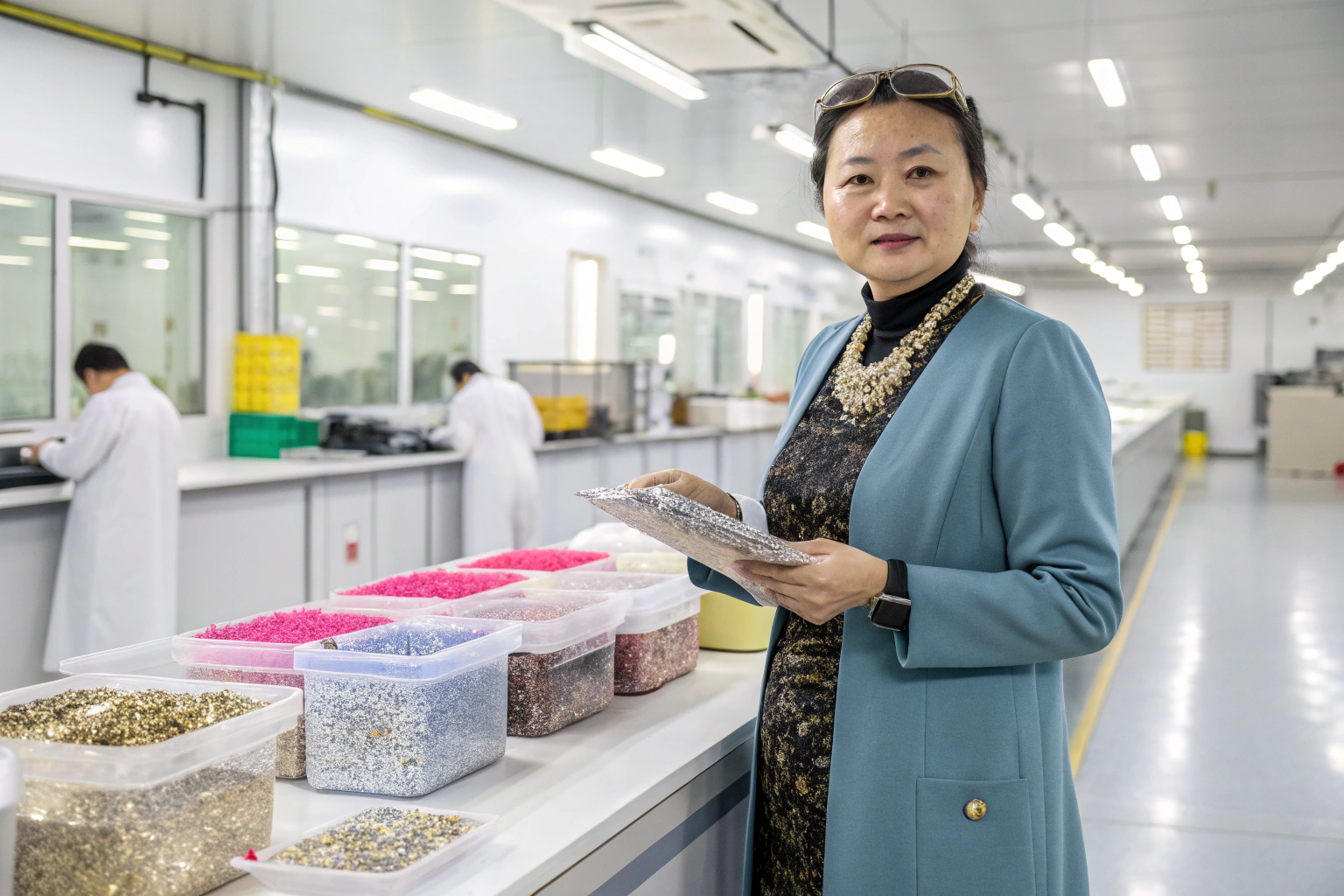
Launching a large order of fashion accessories—whether it’s 50,000 hair clips, 20,000 scarves, or 10,000 belts—is a major investment. The gap between a perfect sample and a perfect mass production run is where most costly mistakes happen. So, how do you bridge that gap? The answer lies in a disciplined, detailed Pre Production Meeting (PPM). Many buyers see the PPM as a formality, a box to check before production starts. In reality, it is the single most important meeting to align expectations, prevent errors, and set the stage for a smooth, on-schedule, and on-budget manufacturing process.
As the owner of AceAccessory, I have sat through countless PPMs, both as a supplier and when collaborating with our own material vendors. I can unequivocally say that the orders with the most thorough PPMs are the ones that ship on time, meet quality standards, and result in happy, repeat clients. For a large order, the PPM transforms a one-way instruction into a two-way collaborative plan. It’s where your vision is stress-tested against the realities of manufacturing, ensuring that what is designed can be produced efficiently and consistently.
This article will explain why the PPM is non-negotiable for large orders. We’ll break down its core objectives, the critical documents reviewed, the key participants, and how it directly prevents the most common and expensive production pitfalls. By the end, you will understand how to leverage this meeting to de-risk your investment and secure a successful outcome.
What are the core objectives of a Pre Production Meeting?
The PPM is not a casual discussion; it’s a structured review with clear, actionable outcomes. Its primary objectives are to achieve absolute clarity, identify and solve potential problems before they occur, and establish a unified project timeline. It’s the moment to move from “what we want” to “how we will make it happen.”
For a large order, ambiguity is the enemy. A minor misunderstanding, when multiplied by tens of thousands of units, becomes a disaster. The PPM forces every detail out into the open. Is “navy blue” the same Pantone code for both the buyer and the factory? Does the “soft touch” finish on the PU leather belt require a specific coating? By locking in these details, the PPM creates a binding reference point for the entire production run. At Shanghai Fumao, we treat the PPM minutes and approved samples as the contractual bedrock of the order.

How does a PPM achieve absolute clarity and alignment?
Clarity is achieved by reviewing every component of the product against a set of approved standards. This means physically laying out the golden sample alongside all raw materials—fabric swatches, thread, metal buckles, plastic clips, packaging—and confirming they match the approved specifications.
The discussion must be granular. For a knit hat, this includes: yarn composition and weight, knitting gauge, logo embroidery thread type and stitch count, patch attachment method, and even the elasticity of the cuff. When producing for large retailers or brands, this also includes compliance with their specific quality control manuals and testing standards (like wash tests, colorfastness, etc.). This alignment ensures that the factory’s interpretation of “quality” is identical to the buyer’s.
What potential problems can a PPM identify and solve?
A PPM proactively uncovers issues that would otherwise cause stoppages mid-production. Common problems identified include:
- Material Sourcing Challenges: A specific Pantone color yarn may have a longer lead time. The PPM allows for approval of an alternative supplier or a slight adjustment to the schedule.
- Manufacturability Issues: A design detail on a hair clip may be beautiful but could break during the high-speed assembly. The factory’s production engineer can suggest a slight redesign that maintains aesthetics but improves durability.
- Cost Overruns: If a specified material has spiked in price, the PPM is the forum to discuss value-engineering alternatives before production commits to purchase.
- Logistical Hurdles: Packaging dimensions may have changed, affecting the total CBM and potentially the shipping container size needed. Early identification allows for accurate logistics planning.
Solving these issues before the production line starts saves enormous time and money, preventing the need for rework, air freight of replacement materials, or missed delivery deadlines.
What critical documents are reviewed in a PPM?
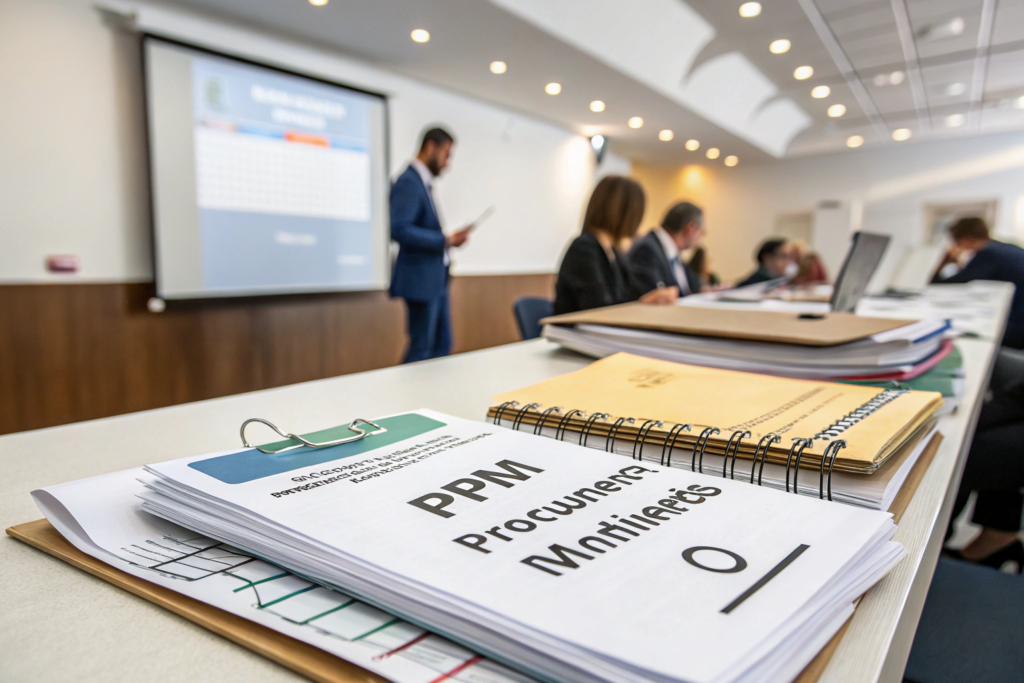
The PPM is a document-driven meeting. Walking in without the right paperwork is a recipe for failure. These documents serve as the objective criteria for every decision and approval made. They transform subjective opinions into measurable benchmarks.
The essential dossier includes: The Approved Golden Sample, Technical Pack / Spec Sheet, Bill of Materials (BOM), Approved Lab Dip & Strike-Offs, Packaging Mock-up, and the Production Timeline. Reviewing these together line-by-line is the heart of the meeting. As a professional manufacturer, we prepare this entire package for our clients to ensure nothing is left to chance.

Why are the Tech Pack and Bill of Materials so crucial?
The Tech Pack is the engineering blueprint of your product. It contains detailed drawings, dimensions, stitch details, and construction notes. The Bill of Materials (BOM) is the recipe, listing every single component, its supplier, material code, and quantity per unit. During the PPM, these are cross-checked against the physical golden sample.
An error here is catastrophic. Imagine the BOM for a canvas tote bag lists the wrong gusset width, or the tech pack for a scarf omits the hemming specification. Catching this in the PPM means a simple document correction. Discovering it during production means thousands of incorrectly made items. The rigorous review of these documents is a primary defense against such quality control failures.
How do lab dips and packaging approvals fit in?
Lab dips (for fabrics) and strike-offs (for prints) are the factory’s proof that they can match your color and print specifications. The PPM is the final stage to approve these under agreed lighting conditions (e.g., D65 daylight). Once approved, they become the standard for bulk material procurement.
Similarly, packaging—from polybags to hangtags to retail boxes—must be approved for copy, graphics, materials, and barcodes. A mistake on a care label or a missing regulatory warning can hold an entire shipment at customs. The PPM ensures every physical element that will ship with the product is finalized and approved.
Who are the essential participants in a successful PPM?
The right people in the room (or on the call) determine the meeting’s effectiveness. This is not a meeting for junior staff alone. It requires decision-makers and experts from both the buyer’s and the supplier’s sides. Their collective authority and knowledge are needed to resolve issues on the spot.
From the buyer’s side, ideally, the product developer/designer, merchandiser/buyer, and quality assurance representative should attend. From the factory side, the project manager, production manager, head of quality control, and head of sourcing/procurement are critical. This ensures that questions about design, timeline, quality standards, and material availability can be answered immediately.
What is the role of the factory's production manager?
The factory’s production manager is the key technical participant. They translate design into a feasible production plan. They can flag processes that may slow down the line, identify which machines will be used, and estimate realistic daily output. Their input on the production timeline is vital for setting accurate expectations. They ensure that the beautiful sample can be replicated 10,000 times with consistent quality, which is the core promise of a reliable manufacturer.
Why is the buyer's QA representative critical?
The buyer’s quality assurance representative brings the perspective of the end-market’s standards and the specific compliance requirements of the buyer’s company or retail partners. They can clarify inspection protocols, AQL levels for final inspection, and any mandatory third-party testing (e.g., for lead content in accessories, flammability for sleepwear). Their sign-off during the PPM on the quality plan prevents disputes later.
How does a PPM directly impact timeline and cost control?
A well-executed PPM is a project management tool that directly safeguards your schedule and budget. By front-loading the problem-solving, it creates a predictable path forward. The agreed-upon production schedule that comes out of the PPM is a realistic roadmap, not an optimistic guess. It accounts for material lead times, sample approval windows, production capacity, and shipping schedules.
From a cost perspective, the PPM locks in variables. Once materials are approved and purchased, and the production plan is set, the risk of unforeseen expenses plummets. There are no mid-production surprises that require expensive fixes. This predictability is invaluable for your financial planning and is a hallmark of professional service.
How is the master production schedule finalized?
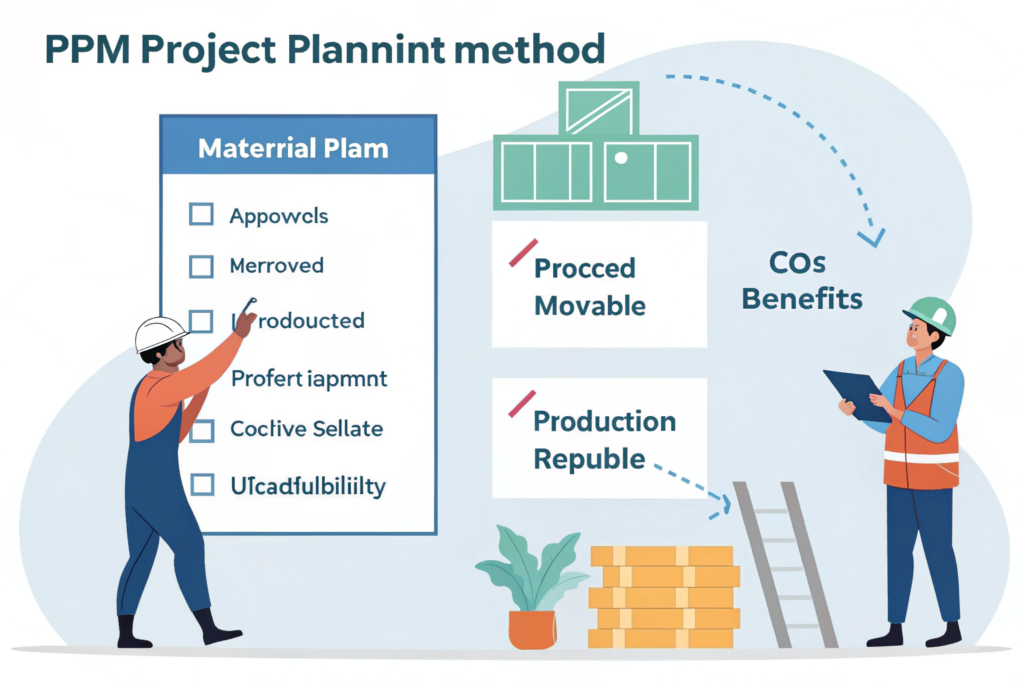
During the PPM, a detailed backward timeline is built from the Confirmed Ship Date. The group agrees on:
- Final Sample Approval Date
- Bulk Material Delivery Date to the factory
- Production Start Date
- During Production Inspection (DUPRO) Date
- Final Inspection (FRI) Date
- Packing and Shipping Date
This schedule is documented in the meeting minutes. Every participant commits to their deadlines. This shared accountability is what keeps a complex project like a large accessory order on track.
What cost risks are mitigated by a thorough PPM?
The PPM mitigates major cost risks:
- Re-work and Rejection Costs: By approving everything upfront, the likelihood of bulk rejection due to non-conformity is drastically reduced.
- Expedited Shipping Costs: Identifying material delays early prevents the need to air freight components to keep the line running.
- Demurrage and Detention Fees: Accurate timeline planning ensures finished goods are ready to ship as planned, avoiding costly port fees.
- Missed Sales Window Penalties: For seasonal items like summer hats or winter gloves, hitting the shipment date is critical. The PPM’s timeline management protects this.
In essence, the cost of a comprehensive PPM is a tiny insurance premium compared to the potential losses it prevents.
Conclusion
The Pre Production Meeting is far from a procedural formality; it is the strategic linchpin for the success of any large manufacturing order. It is the process that converts a promising sample into a viable, executable production plan. By forcing alignment on every minute detail, proactively solving problems, and establishing a clear, committed timeline, the PPM de-risks your investment and sets the foundation for a seamless partnership.
Skipping or rushing through a PPM is a gamble with extremely high stakes. The few hours invested in this collaborative review can save weeks of delays, thousands of dollars in unexpected costs, and irreparable damage to business relationships.
If you are planning a large order of fashion accessories and seek a manufacturing partner who values rigorous planning and transparent communication, we invite you to experience our process. At Shanghai Fumao, we structure our client partnerships around detailed Pre Production Meetings to ensure flawless execution from concept to delivery. To discuss your next large-scale project, please contact our Business Director, Elaine, at elaine@fumaoclothing.com. Let's plan for success, together.