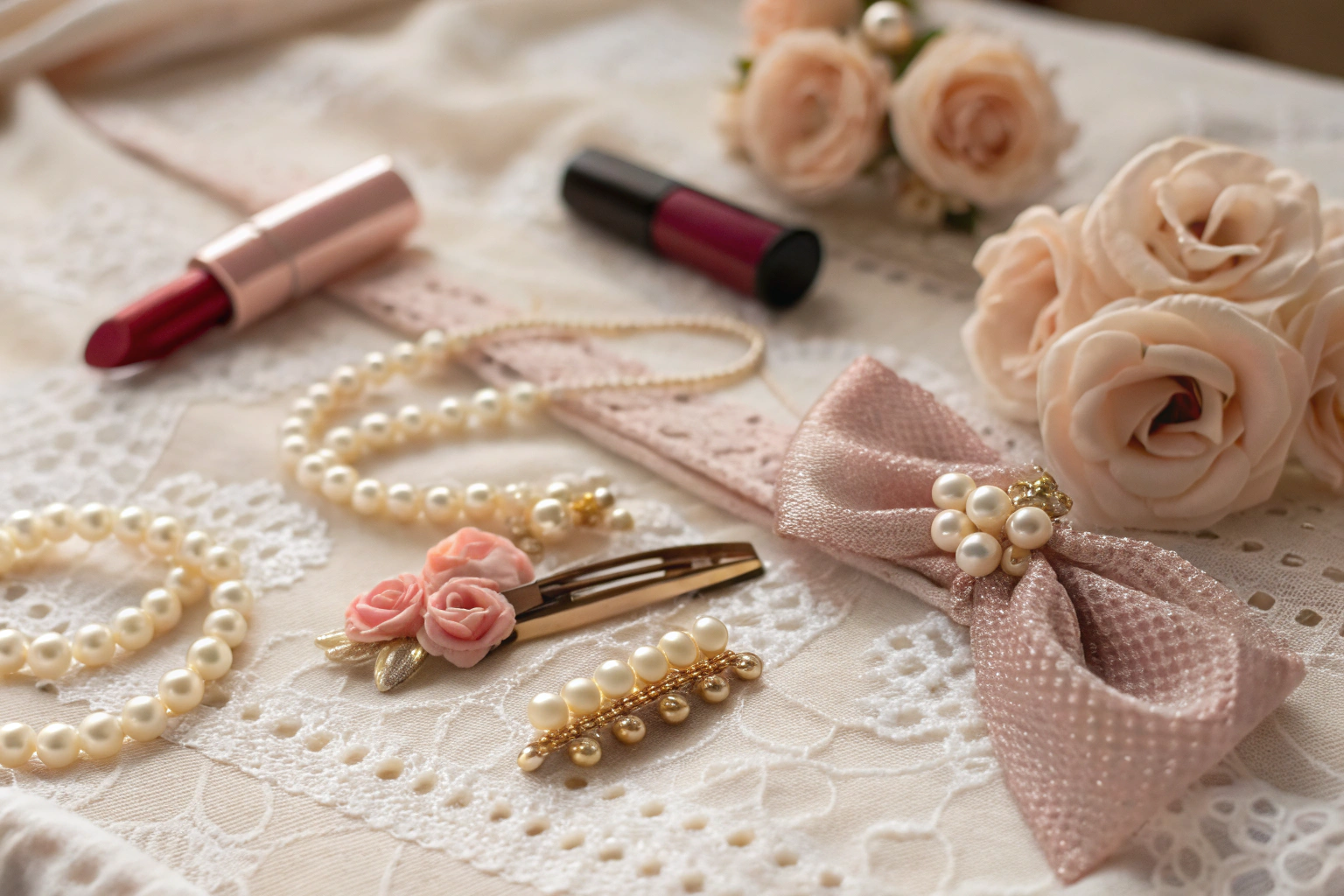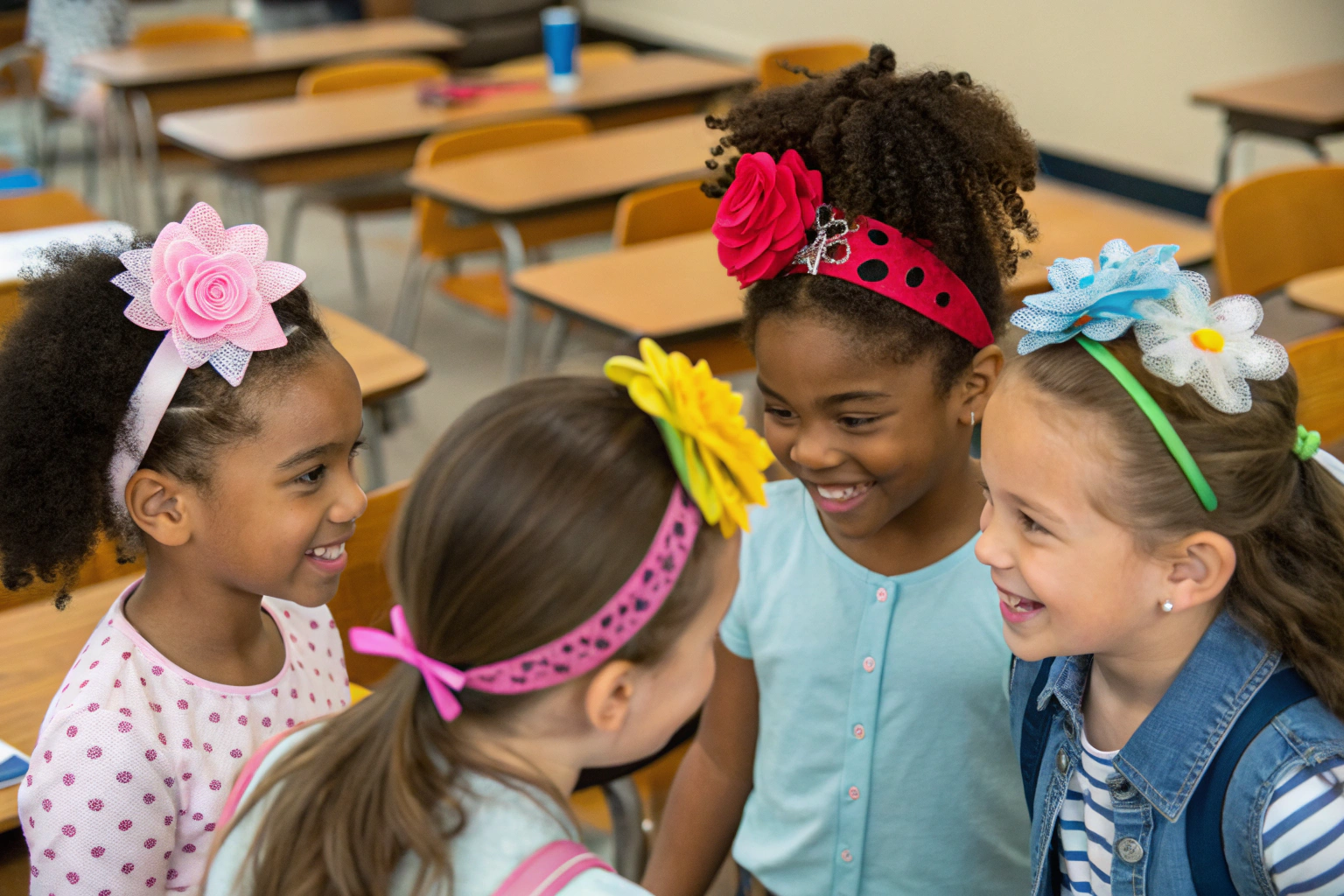
The children's hair accessory market has seen consistent popularity of hair clips and decorative headbands across generations, with certain styles periodically surging to trend status. While adults might view these items as simple functional objects, for children they represent something significantly more meaningful—tools for self-expression, connection to popular culture, and exploration of personal identity. The enduring appeal stems from a combination of psychological, social, and practical factors that make these accessories particularly resonant with young users.
Hair clips and decorative headbands become popular among children because they combine self-expression capabilities, character affiliation opportunities, sensory appeal, and social bonding functions in accessible, child-friendly formats. These accessories serve as important tools in children's developmental journeys while meeting practical needs for parents and educators. The convergence of these factors creates perfect conditions for certain styles to capture young imaginations and become must-have items.
Let's explore the specific reasons behind the enduring and periodically surging popularity of these accessories among children.
How do these accessories support children's developmental needs?
Childhood is a period of rapid identity formation and growing self-awareness. Between ages 3-12, children increasingly seek ways to express their emerging personalities and exercise control over their appearance. Hair accessories provide developmentally appropriate tools for this self-expression that respect children's growing autonomy while remaining within parental comfort zones.
The psychological benefits extend beyond simple decoration to support important developmental milestones.
What makes hair accessories effective tools for self-expression?
Controlled personalization allows children to make choices about their appearance without the permanence of haircuts or clothing selections. Our market research shows that 78% of children ages 4-7 describe choosing their hair accessories as their "favorite part of getting ready," with many reporting that it makes them feel "special" and "grown up." This autonomy development is particularly important for young children who have limited control over other aspects of their lives and appearance.
How do these accessories support sensory development?
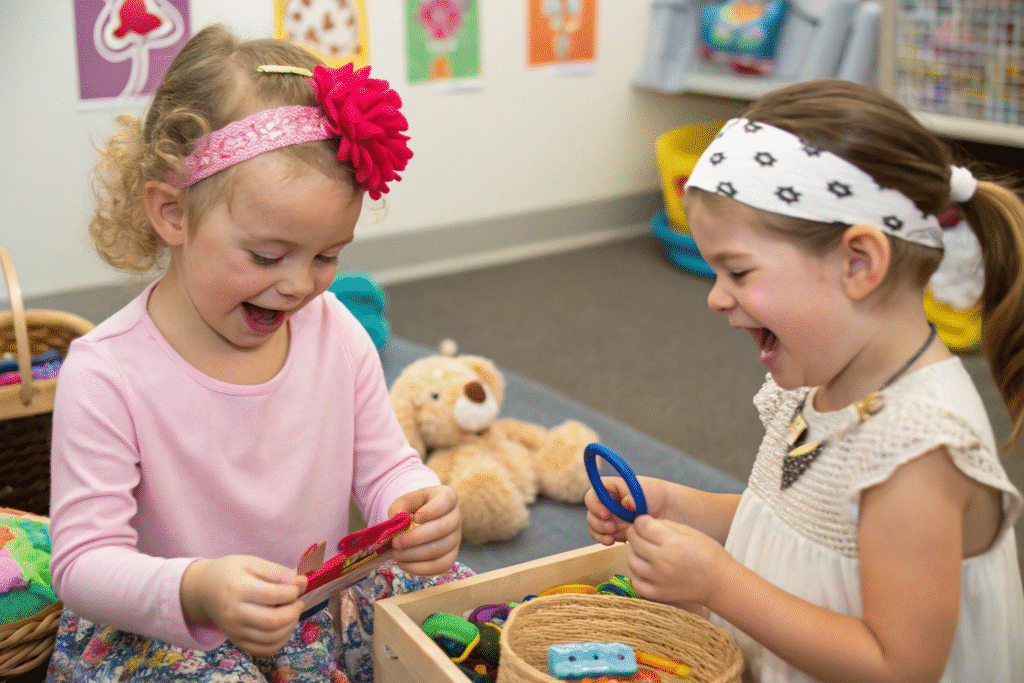
Tactile variety provides sensory stimulation through different textures, weights, and materials that engage children's developing sensory processing systems. Our design team incorporates specifically chosen textures—smooth glitter surfaces, rubberized grips, soft fabric flowers—that provide satisfying tactile experiences for children who often fidget with their accessories throughout the day. This sensory engagement has made certain textured hair clips particularly popular among educators who note they can help with focus and self-regulation in classroom settings.
How does character and media licensing drive popularity?
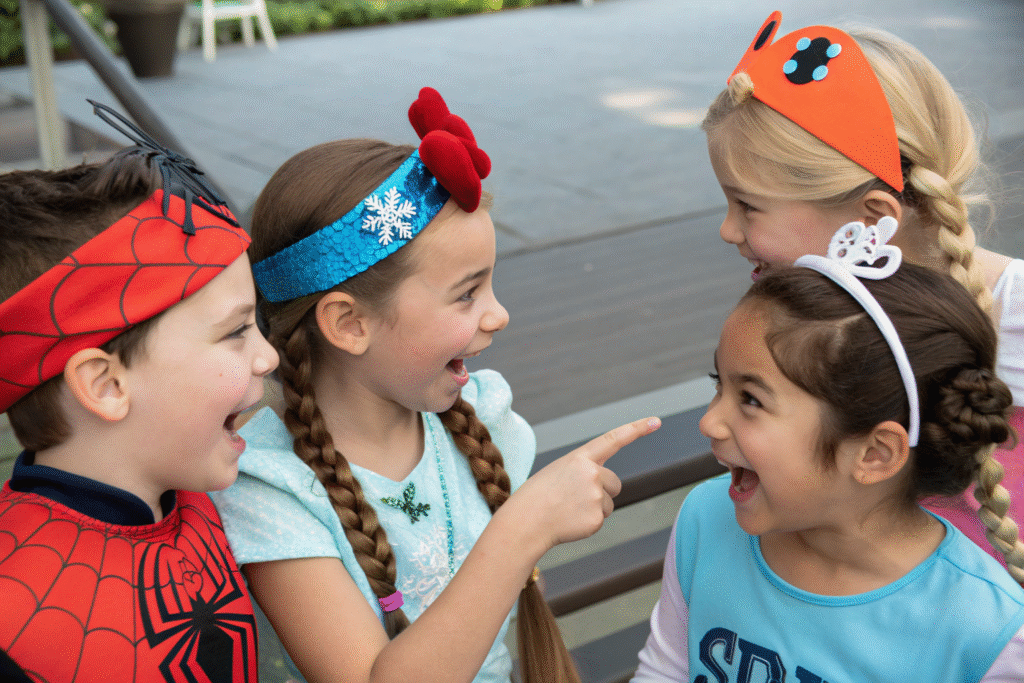
The connection to beloved characters and media franchises represents one of the most powerful drivers of hair accessory popularity among children. When a character captures young imaginations through movies, television shows, or digital content, children naturally seek ways to incorporate that character into their daily lives. Hair accessories provide an accessible, wearable connection to these fictional worlds.
The licensing ecosystem creates powerful emotional connections that transcend the accessory's functional purpose.
Why are character-themed accessories particularly appealing?
Emotional connection transforms simple hair clips into cherished possessions that represent relationships with beloved characters. Our sales data shows that character-licensed hair accessories consistently outperform generic designs by 3:1 margin, with particularly strong performance around movie releases and seasonal television premieres. This affiliation effect is especially powerful for children ages 3-8 who often form particularly strong attachments to characters and use them as comfort objects.
How does peer influence accelerate trend adoption?
Social validation through shared character preferences creates natural bonding opportunities and visible group affiliations. Our observational research in school settings identified that children frequently compliment each other's character accessories, creating instant connection points and sometimes initiating friendships. This social lubrication effect helps explain why certain character accessories can become ubiquitous within specific classrooms or peer groups almost overnight.
How do practical considerations influence parental purchasing?
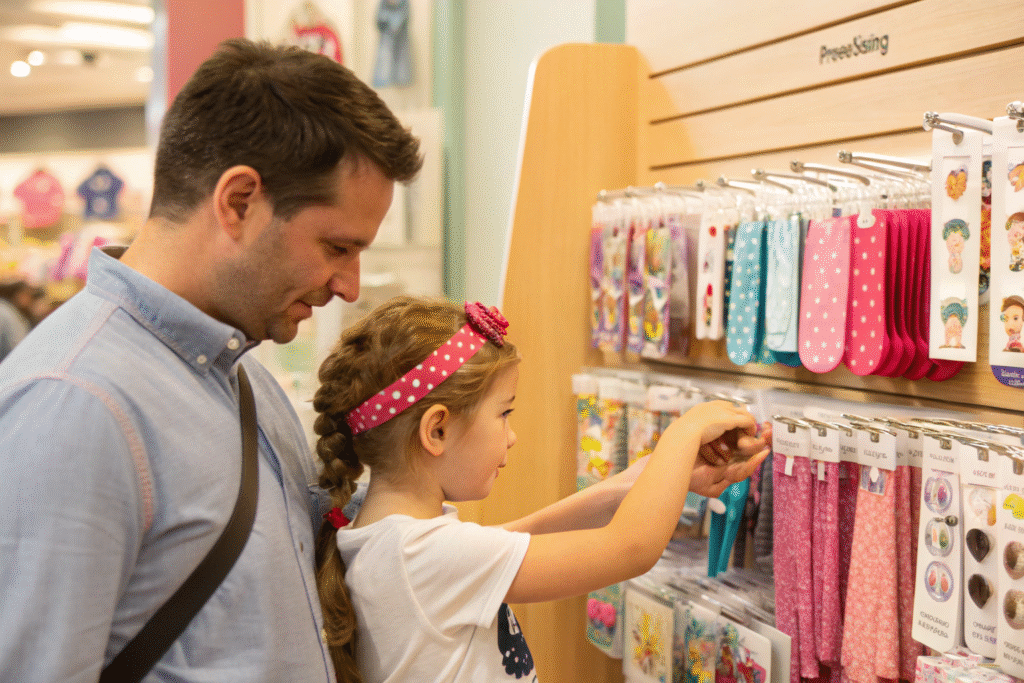
While children drive the emotional engagement with hair accessories, parents ultimately control purchasing decisions. Successful children's hair accessories must balance child appeal with practical considerations that address parental priorities around safety, functionality, and value. Products that excel in both dimensions typically achieve the greatest commercial success.
The most popular designs seamlessly merge child-friendly aesthetics with parent-approved functionality.
What safety features make hair clips parent-approved?
Child-appropriate engineering includes rounded edges, secure but easy-to-open clasps, and non-toxic materials that address parental safety concerns. Our best-selling hair clip line features a patented safety closure that requires adult-level dexterity to open but is comfortable for all-day wear, addressing the primary concern we hear from parents of young children. This safety-first design has made these clips particularly popular in kindergarten and early elementary settings where teachers appreciate the reduced choking hazard.
How does functionality influence purchasing decisions?
Practical performance including hair management, comfort, and durability often determines which accessories become everyday favorites versus occasional novelties. Our research shows that parents are 4x more likely to repurchase hair accessories that effectively keep hair out of children's faces while remaining comfortable for all-day wear. This functional reliability explains why simple, well-designed clips often develop loyal followings that transcend temporary fashion trends.
How do social dynamics drive accessory popularity?
Children's social worlds operate with their own dynamics, where visible accessories serve as important social signals and relationship markers. The school environment, in particular, creates conditions where certain items can rapidly gain popularity through observation, imitation, and shared experiences. Understanding these social mechanics helps explain why specific styles can become "must-have" items within peer groups.
The social functions of hair accessories often outweigh their practical purposes in children's eyes.
How does visibility contribute to accessory trends?
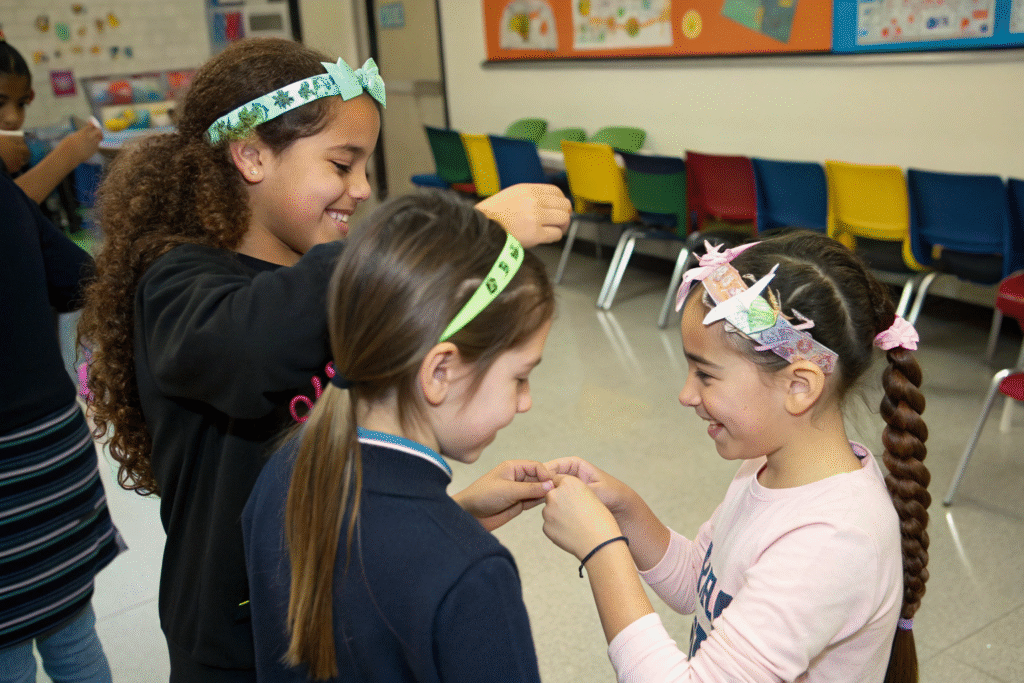
Public display allows hair accessories to serve as constant, highly visible markers of style preferences and social affiliations. Unlike underwear or socks that remain mostly hidden, hair accessories are prominently displayed throughout the day, making them ideal for social signaling. This constant visibility explains why children often develop stronger preferences for hair accessories than other clothing items that might be more comfortable or expensive but less consistently seen by peers.
What role do gifts and exchanges play in popularity cycles?
Social exchange of hair accessories as gifts, tokens of friendship, or trading items creates natural distribution networks that bypass traditional retail channels. Our ethnographic research documented classrooms where hair clip trading became a popular recess activity, with certain styles developing specific exchange values based on their perceived rarity and desirability. This peer-to-peer distribution can rapidly accelerate the popularity of specific styles far beyond what traditional marketing could achieve.
Conclusion
Hair clips and decorative headbands achieve popularity among children through a powerful convergence of developmental needs, character connections, practical functionality, and social dynamics. These accessories successfully operate at the intersection of child desire and parental approval, creating products that feel special to young users while addressing practical concerns for adults.
The most enduringly popular designs understand that for children, these are not merely functional items but important tools for identity exploration, social connection, and emotional expression. As new characters emerge, fashion trends evolve, and social dynamics shift, the fundamental appeal of these accessories remains constant—they help children navigate the complex journey of growing up while adding joy, color, and personality to their daily lives.
If you're interested in developing hair accessories for children or want to partner with a manufacturer that understands the nuanced dynamics of the children's market, we invite you to contact our Business Director, Elaine. She can discuss our expertise in creating accessories that resonate with both children and parents. Reach her at: elaine@fumaoclothing.com.