A premium belt brand founder from northern Italy sat in my office two years ago, and she was facing a crisis she had not anticipated. Her brand had built its reputation on vegetable-tanned, full-grain Italian leather belts. Her customers were luxury-conscious, sustainability-minded, and willing to pay a premium for a product that aligned with their values. A major German department store chain that had been her largest wholesale account had just sent her a new supplier compliance document. It was thirty pages long. Buried in the chemical management section was a requirement she had never seen before. Every leather tannery and dyehouse in her supply chain must be ZDHC certified by the end of the following year, or her products would be delisted. She had called her leather supplier in Tuscany. They had never heard of ZDHC. She had called two other tanneries. Same response. She needed to either get her supply chain compliant or find a new supplier who was already compliant. She was running out of time.
European brands require ZDHC certification for belt dyeing because ZDHC, the Zero Discharge of Hazardous Chemicals program, has become the de facto global standard for chemical management in the textile, leather, and footwear industries. Major European retailers, brands, and luxury groups have collectively adopted the ZDHC Manufacturing Restricted Substances List, or MRSL, as the minimum chemical compliance requirement for their entire supply chain. ZDHC certification provides independent, third-party verification that a dyeing and finishing facility does not use banned hazardous chemicals in its production processes and that its wastewater discharge meets stringent limits for priority chemicals. For leather belt dyeing specifically, ZDHC certification addresses the use of restricted azo dyes, formaldehyde-based tanning agents, chromium VI, nonylphenol ethoxylates, and other hazardous substances that have historically been used in leather processing. European brands require this certification because it provides legal compliance with EU REACH regulations, it satisfies the sustainability commitments they have made to their customers and investors, it protects their brand reputation from the devastating consequences of a toxic chemical scandal, and it is increasingly mandated by European environmental legislation such as the EU Green Deal and the EU Strategy for Sustainable and Circular Textiles.
The ZDHC program is not just another sustainability certification. It is a fundamental shift in how the global fashion and accessories industry manages chemicals. It moves the industry from a reactive model, testing finished products for restricted substances, to a proactive model, eliminating hazardous chemicals at the input stage, before they ever enter the factory. For belt dyeing, this means changing the dyes, the tanning agents, the fatliquors, and the finishing chemicals that have been used for decades. It means installing advanced wastewater treatment systems. It means documenting every chemical that enters the facility. It is a significant operational and financial commitment. At AceAccessory, we achieved ZDHC certification for our belt dyeing and leather processing operations two years ago. It was one of the most challenging and most rewarding projects we have ever undertaken. Let me walk you through what ZDHC is, why it matters, and how it is reshaping the global belt supply chain.
What Is ZDHC and How Does It Apply to Leather Dyeing
ZDHC stands for Zero Discharge of Hazardous Chemicals. It is a multi-stakeholder organization founded in 2011 by a group of major apparel and footwear brands, including Adidas, Nike, H&M, and Levi Strauss, who recognized that the industry’s chemical management was fragmented, reactive, and insufficient to protect workers, consumers, and the environment. The ZDHC program provides a unified framework for eliminating hazardous chemicals from the global supply chain. The framework has several components. The Manufacturing Restricted Substances List, or MRSL, which is the definitive list of chemical substances that are banned from intentional use in manufacturing processes. The ZDHC Gateway, an online platform where chemical suppliers register their products and provide test data showing compliance with the MRSL. The ZDHC Wastewater Guidelines, which set limits for the concentration of priority chemicals in wastewater discharged from manufacturing facilities. And the ZDHC Supplier to Zero program, which provides a pathway for manufacturing facilities to demonstrate their progress toward full MRSL compliance and wastewater performance.
ZDHC applies to leather belt dyeing through the MRSL, which directly restricts the chemicals that can be used in the tanning, retanning, dyeing, fatliquoring, and finishing processes. For belt leather dyeing specifically, the MRSL prohibits azo dyes that can release carcinogenic aromatic amines, a class of dyes that has been widely used for decades because they produce vibrant, fast colors on leather. It restricts formaldehyde, which is used in certain tanning agents and finishing resins, and which is a known carcinogen and skin sensitizer. It restricts chromium VI, the toxic form of chromium that can form from chromium III tanning agents under certain conditions. It restricts nonylphenol ethoxylates, a class of surfactants used in degreasing and dyeing that are endocrine disruptors and persistent environmental pollutants. It restricts chlorinated paraffins, used as fatliquors, which are persistent, bioaccumulative, and toxic. The ZDHC program requires that leather dyeing facilities use only chemical products that have been registered on the ZDHC Gateway as compliant with the MRSL. The facility must maintain an inventory of all chemicals used, with Safety Data Sheets and ZDHC Gateway certificates for each product. The facility must test its wastewater according to the ZDHC Wastewater Guidelines and achieve a passing score. An independent, ZDHC-approved third-party audit verifies the facility’s compliance.
The impact of ZDHC on leather dyeing is profound. It requires reformulating the dye recipes, replacing restricted dyes with compliant alternatives, changing the tanning process, and installing wastewater treatment capable of removing the restricted substances to the required levels. Let me detail the two most critical aspects.
What Is the ZDHC Manufacturing Restricted Substances List?
The ZDHC MRSL is the foundation of the entire program. It is a list of chemical substances that are banned from intentional use in manufacturing processes. The key word is intentional. The MRSL is not a limit on trace contaminants that may be present at very low levels due to impurities in raw materials. It is a prohibition on deliberately adding these chemicals to the manufacturing process. The MRSL is organized by chemical class. Each entry specifies the substance or group of substances, the CAS number, the chemical function, the reason for restriction, and the concentration limit in commercial chemical formulations. For leather dyeing, the most impactful MRSL entries are the azo dye restrictions. The MRSL prohibits azo dyes that can release any of 24 listed carcinogenic aromatic amines above a concentration of 30 parts per million in the finished leather. This effectively bans a large percentage of the azo dye palette that has historically been used for dark, intense colors on leather. The formaldehyde restriction limits free and releasable formaldehyde in chemical formulations to 0.1 percent, or 1000 parts per million. This restricts the formaldehyde-based tanning agents, called oxazolidine and oxazolidinone tanning agents, and the formaldehyde-based finishing resins that are used to give leather a firm, smooth surface. The chromium VI restriction does not ban chromium III tanning, which is the standard tanning method for most leather. But it requires that the tanning process be controlled and monitored to prevent the oxidation of chromium III to chromium VI. If the finished leather contains chromium VI above 3 parts per million, it fails. The nonylphenol ethoxylate restriction limits NPEOs to less than 100 parts per million in chemical formulations. This requires replacing conventional degreasing agents and dyeing auxiliaries with NPEO-free alternatives. The MRSL is updated periodically as new scientific evidence emerges. The current version is MRSL 3.0, and facilities must stay current with revisions.
How Does ZDHC Differ From REACH and OEKO-TEX?
ZDHC, REACH, and OEKO-TEX are three interconnected but distinct frameworks for chemical safety in the textile and leather industries. Understanding the differences is essential for brands navigating the European compliance landscape. REACH, the Registration, Evaluation, Authorisation and Restriction of Chemicals, is a European Union regulation. It is law. It applies to all chemical substances manufactured or imported into the EU. REACH restricts or bans specific substances in finished products sold in the EU. For example, REACH Annex XVII restricts azo dyes, chromium VI, and certain phthalates in consumer products. REACH is a product-level regulation. It tests the finished belt for restricted substances. It does not regulate the manufacturing process itself. A factory could use a banned chemical, thoroughly wash it out, and produce a finished product that passes REACH testing. ZDHC operates at the input and process level. It bans the use of hazardous chemicals in the manufacturing process, regardless of whether they appear in the finished product. ZDHC audits the factory’s chemical inventory, its processes, and its wastewater. A factory that uses a banned chemical cannot be ZDHC compliant, even if the finished product tests clean. OEKO-TEX Standard 100 is a product-level certification. It tests the finished product for a long list of harmful substances and certifies that the product is safe for human use. OEKO-TEX is focused on the consumer. ZDHC is focused on the factory worker, the local community, and the environment. ZDHC asks, "Is the manufacturing process safe?" OEKO-TEX asks, "Is the finished product safe?" REACH is the legal minimum. ZDHC and OEKO-TEX are voluntary standards that demonstrate beyond-compliance performance. European brands typically require all three. REACH compliance is non-negotiable. OEKO-TEX provides consumer-facing assurance. ZDHC provides supply chain integrity and environmental responsibility. The frameworks are complementary, not redundant.
Why Is ZDHC Becoming Mandatory for European Retailers
ZDHC certification is transitioning from a voluntary leadership standard to a de facto mandatory requirement for any factory or brand that wants to do business with major European retailers. This transition is being driven by a convergence of forces. The retailers’ own sustainability commitments, which they have made publicly to their customers and investors. The regulatory pressure from the European Union, which is steadily tightening chemical and environmental legislation. The reputational risk of being associated with a toxic chemical scandal, which in the age of social media can destroy a brand in days. And the simple fact that once a critical mass of major retailers adopts a standard, it becomes the industry norm. The question is no longer, "Why do you require ZDHC?" The question is, "Why would you not?"
ZDHC certification is becoming mandatory for European retailers because it is the most effective and credible mechanism for ensuring chemical safety across a complex, global supply chain. For a large European department store that sells thousands of products from hundreds of suppliers in dozens of countries, it is impossible to audit every factory’s chemical management individually. ZDHC provides a standardized, third-party verified assurance that a factory’s chemical management meets an internationally recognized standard. The retailer can specify ZDHC certification as a condition of doing business, and the supplier is responsible for obtaining and maintaining the certification. This transfers the assurance burden from the retailer to the supplier. The retailer’s compliance team can check the ZDHC Gateway to verify that a supplier’s facility is certified, rather than conducting their own audits. This efficiency is compelling for large organizations with limited sustainability staff. The regulatory trend is also pushing in this direction. The EU Green Deal and the EU Strategy for Sustainable and Circular Textiles include proposals for mandatory supply chain due diligence on environmental and human rights impacts. The proposed Ecodesign for Sustainable Products Regulation includes requirements for chemical transparency and restrictions. ZDHC certification provides a ready-made compliance pathway for these emerging regulations. Retailers that get ahead of the regulatory curve by requiring ZDHC now will have a smoother transition when the regulations become mandatory.
The commercial reality is that a factory without ZDHC certification is locking itself out of the largest and most profitable segment of the European accessories market. Let me detail the two most powerful drivers.

How Does ZDHC Align With EU Green Deal Chemical Strategies?
The European Green Deal, launched in 2019, is the EU’s overarching strategy to transform the EU into a modern, resource-efficient, and competitive economy with no net emissions of greenhouse gases by 2050. A core component of the Green Deal is the Chemicals Strategy for Sustainability, published in 2020, which aims to achieve a toxic-free environment. The Chemicals Strategy specifically targets the textile and leather industries, which are identified as priority sectors for chemical risk reduction. The strategy proposes several actions that directly align with ZDHC. The extension of the generic approach to risk management to consumer products, which would ban the use of the most harmful chemicals in all consumer products, including accessories, by default. The strengthening of REACH restrictions, including a faster process for restricting harmful chemicals and a lower burden of proof for regulators. The introduction of a mandatory supply chain due diligence requirement for companies to identify, prevent, and mitigate environmental and human rights impacts in their supply chains. And the development of a harmonized EU framework for sustainable products, including a digital product passport that would include information on chemicals used in manufacturing. ZDHC aligns with all of these strategic directions. The ZDHC MRSL is essentially an early implementation of the generic approach to risk management for the textile and leather sectors. A factory that is ZDHC certified is already eliminating the most harmful chemicals from its processes. When the EU regulations become mandatory, the ZDHC-certified factory will already be compliant. The non-certified factory will face a scramble to catch up. The European Commission has explicitly referenced the ZDHC program as a positive example of industry self-regulation that supports the objectives of the Chemicals Strategy. This official recognition strengthens ZDHC’s position as the de facto compliance pathway.
Which Major Retailers Now Require ZDHC for Leather Accessories?
The list of major European retailers that require ZDHC certification for leather accessories is extensive and growing. It includes department store groups like Galeries Lafayette, El Corte Inglés, and Selfridges. Mass-market fashion retailers like H&M, Inditex, which owns Zara, and Primark. Premium and luxury groups like Kering, which owns Gucci and Saint Laurent, and LVMH, which owns Louis Vuitton and Dior. Sporting goods retailers like Adidas, Nike, and Puma. Outdoor and performance brands like Jack Wolfskin, The North Face, and Patagonia. Home and living retailers like IKEA, which sells leather accessories as part of its home furnishing range. And online platforms like Zalando and About You, which have their own sustainability standards for brands selling on their platforms. Each of these retailers has its own specific implementation timeline and its own specific requirements, but the common thread is ZDHC certification. A typical requirement reads, "All leather tanneries and dyehouses in the supplier’s supply chain must be ZDHC Supplier to Zero certified at the aspirational level or higher by the compliance deadline." The deadline is typically 2025 or 2026 for most of these retailers. A supplier that cannot demonstrate ZDHC certification by the deadline will be delisted. This is not a hypothetical threat. Retailers have already delisted suppliers for failure to meet chemical compliance requirements. The commercial risk of non-certification is real and immediate. For a belt brand that supplies any of these retailers, ZDHC certification for its dyeing and tanning facilities is not optional. It is a business license.
What Production Changes Are Required for ZDHC Compliance
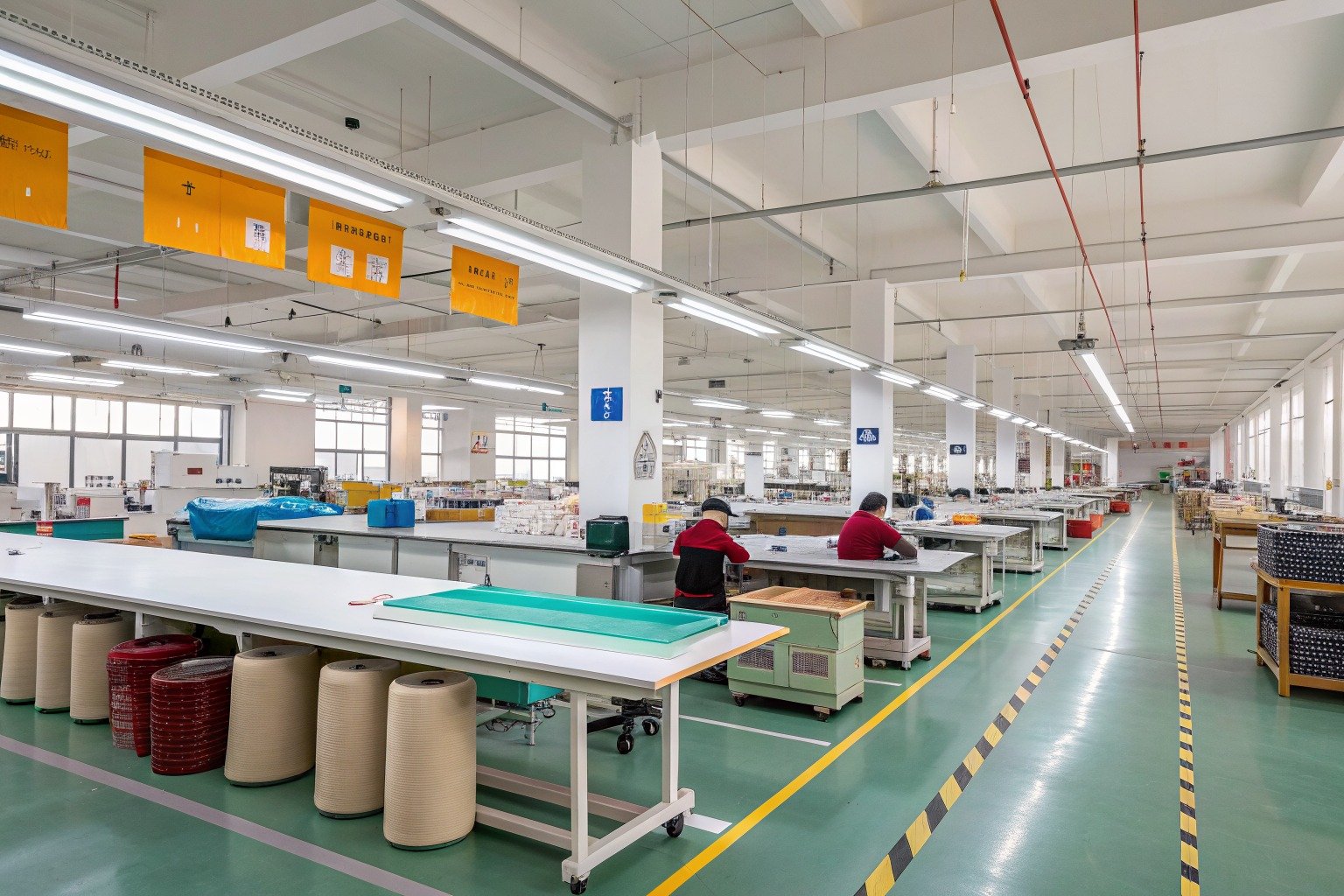
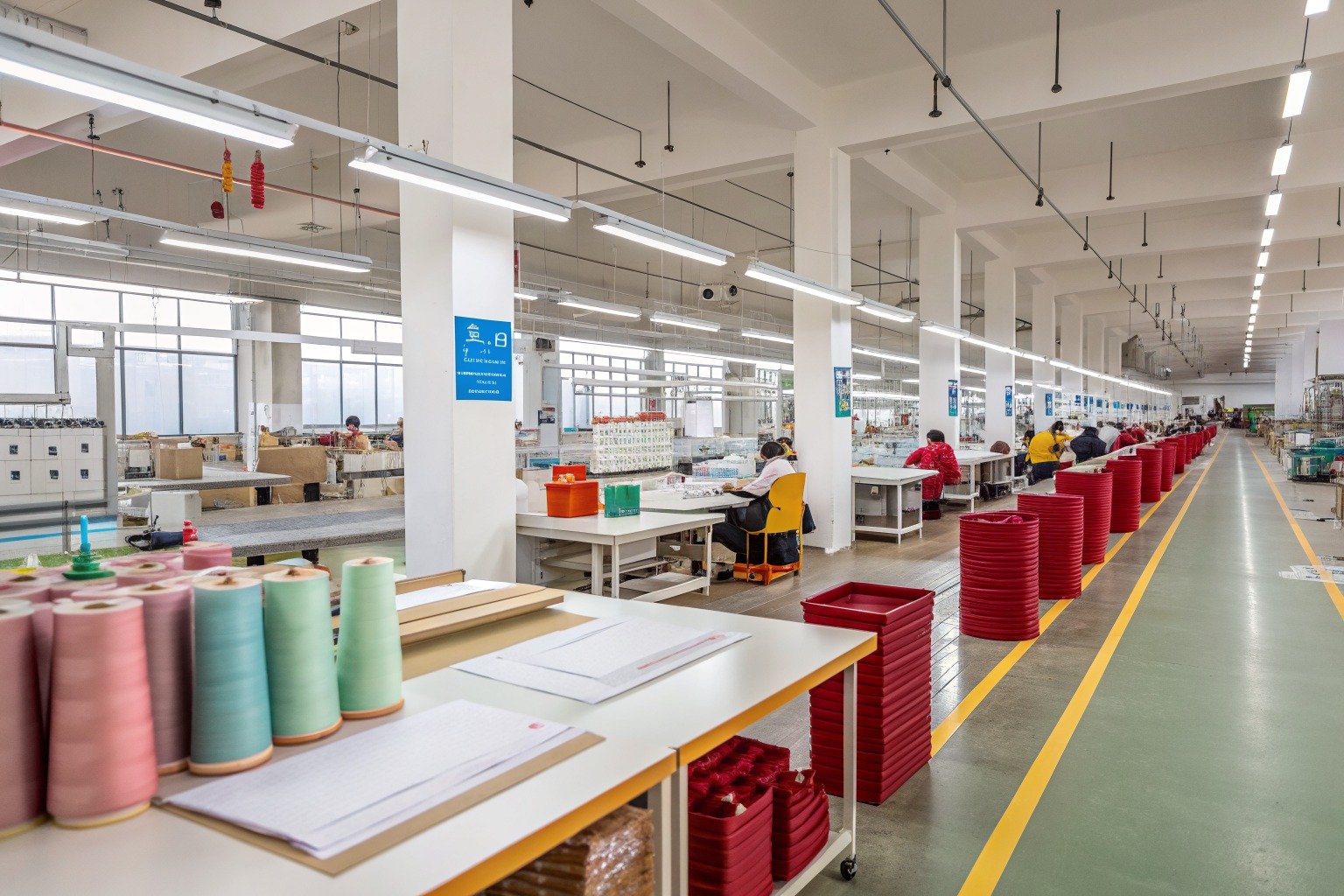
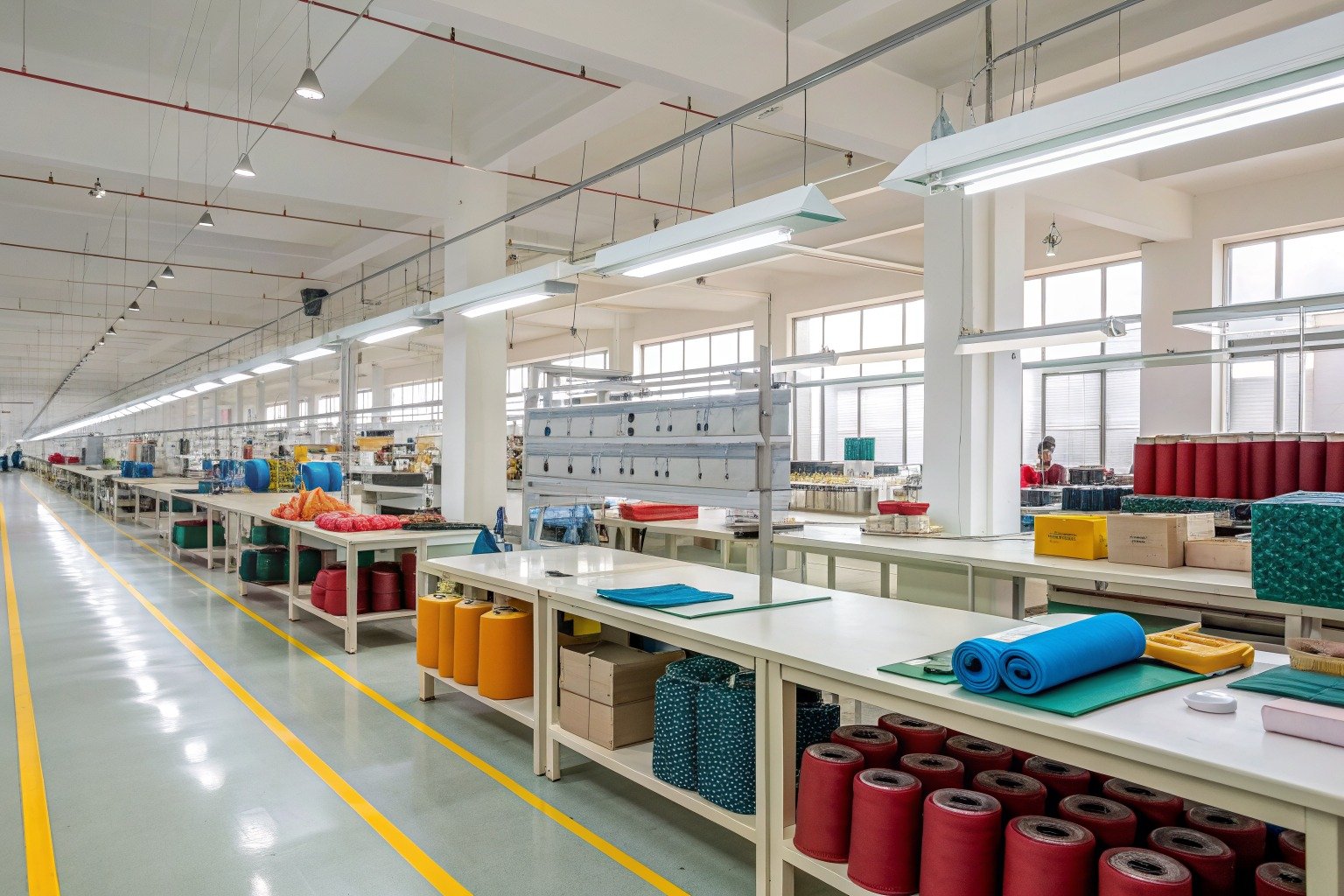
Achieving ZDHC certification for a belt dyeing operation is not a paper exercise. It requires real, physical changes to the production process. The dyes, the tanning agents, the auxiliaries, and the finishing chemicals that the factory has used for years may need to be replaced. The wastewater treatment system may need to be upgraded or completely rebuilt. The chemical management system, the way chemicals are purchased, stored, used, and documented, must be transformed from an informal, experience-based system to a formal, documented, auditable management system. The cost of these changes can be significant, and the process takes time, typically 12 to 18 months for a medium-sized facility.
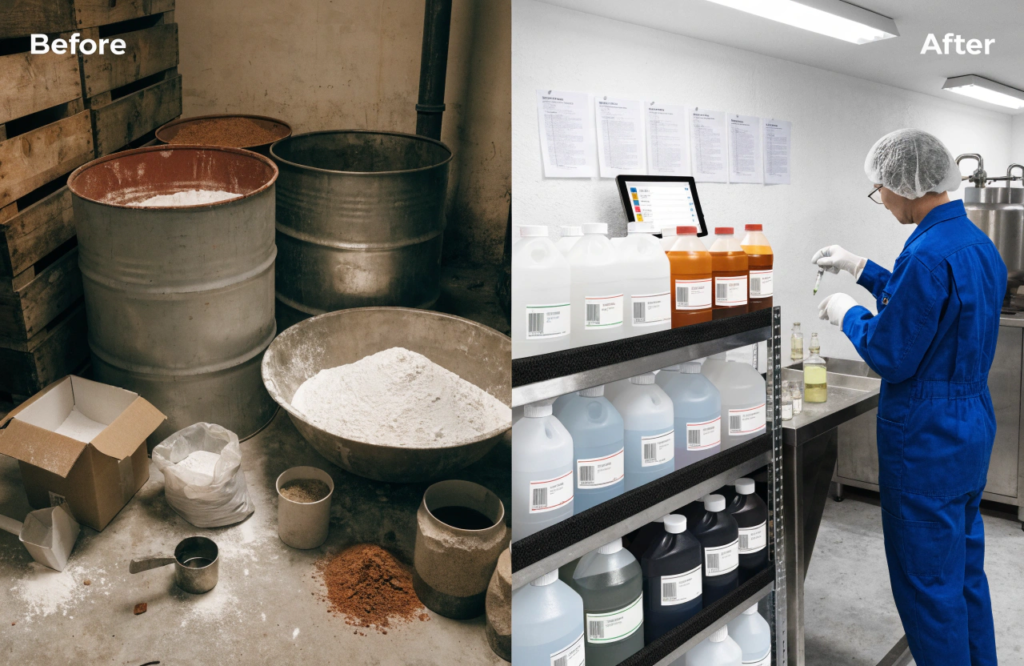
The production changes required for ZDHC compliance in belt dyeing include a complete chemical portfolio review and reformulation, where every chemical product used in the tannery and dyehouse, from the beamhouse through to finishing, is inventoried. The Safety Data Sheet for each product is obtained from the supplier. The SDS is checked against the ZDHC MRSL. Any product that contains a restricted substance above the MRSL limit must be replaced with a compliant alternative. This often requires working with new chemical suppliers who have registered their products on the ZDHC Gateway. The dye recipes for every color must be reformulated using compliant dyes. This is a major technical undertaking, as the replacement dyes may have different color fastness, different leveling properties, and different compatibility with other chemicals. Each new recipe must be tested and adjusted. The wastewater treatment system must be upgraded to meet the ZDHC Wastewater Guidelines. This typically involves adding a tertiary treatment stage, such as activated carbon filtration or advanced oxidation, to remove the trace concentrations of priority chemicals. The treated wastewater must be tested by a ZDHC-approved laboratory at a specified frequency and the results uploaded to the ZDHC Gateway. A formal chemical management system must be implemented, including a chemical inventory, a chemical purchasing policy, a chemical storage procedure, and training for all workers who handle chemicals. The entire system is documented and audited by a ZDHC-approved third-party auditor.
The operational impact of these changes is significant, but the benefits go beyond certification. The new dyes often produce more consistent, higher-quality results. The improved chemical management reduces waste, reduces worker exposure to hazardous chemicals, and improves the working environment. Let me detail the two most impactful changes.
How Do You Replace Restricted Dyes With ZDHC-Compliant Alternatives?
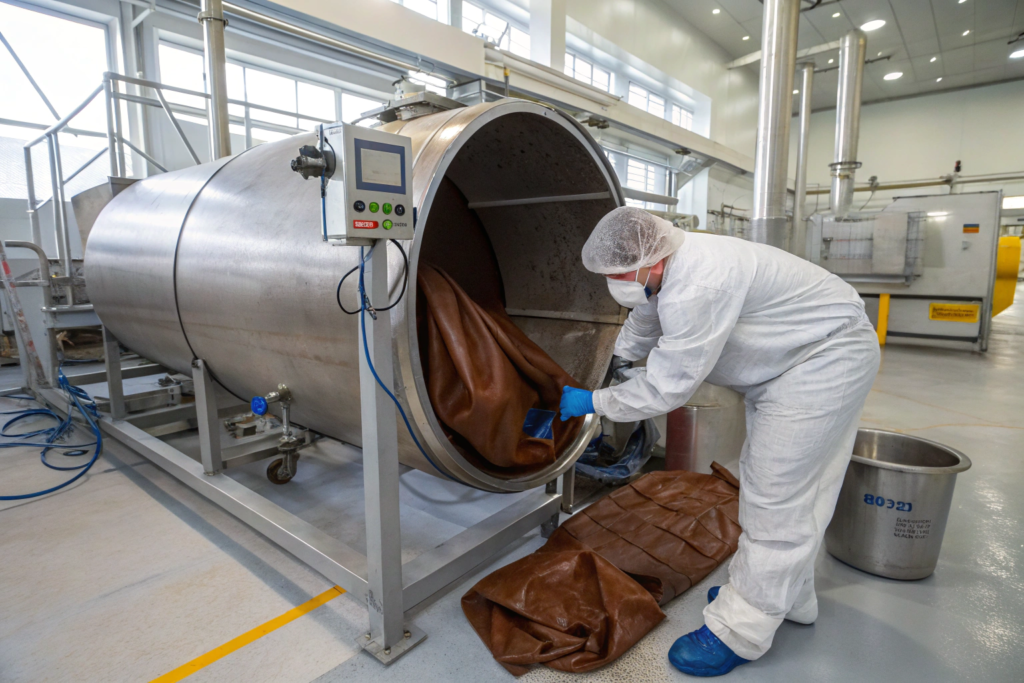
Replacing restricted dyes is the most technically challenging aspect of ZDHC compliance for a dyehouse. The restricted azo dyes, which are the primary target of the MRSL, have been used for decades because they are effective, economical, and produce a wide gamut of deep, vibrant colors on leather. The alternative, compliant dyes are typically more expensive, and their performance characteristics, leveling, uptake, fastness, can be different. The dyehouse cannot simply swap one dye for another and expect the same results. The replacement process involves a systematic reformulation of every color in the production palette. The starting point is a dye audit. Every dye currently used is identified by its Colour Index name and its chemical composition. The MRSL status of each dye is checked. The restricted dyes are flagged for replacement. The replacement dyes are selected from the ZDHC Gateway, from chemical suppliers who have registered their products as MRSL compliant. The new dyes are tested in the laboratory on small leather samples. The dye concentration, the pH, the temperature, the process time, and the auxiliary chemicals are adjusted until the color matches the approved standard. The fastness properties, light fastness, wet fastness, rubbing fastness, are tested according to ISO standards and compared to the original dye. Once the lab recipe is approved, a pilot batch is run in the production dyeing drum to verify that the color and fastness are consistent at scale. The pilot batch is subjected to the full battery of finished product tests, including REACH restricted substances and OEKO-TEX certification. Only when the pilot batch passes all tests is the new recipe approved for production. This process is repeated for every color. For a dyehouse that produces fifty different belt colors, the reformulation process can take months. The cost is significant, both in the direct cost of the new dyes and in the labor cost of the reformulation. But it is a one-time investment. Once the new recipes are established, the dyehouse operates with a fully MRSL-compliant dye palette.
What Wastewater Treatment Upgrades Are Needed for ZDHC?
The ZDHC Wastewater Guidelines set stringent limits for the concentration of priority chemicals in wastewater discharged from the facility. The guidelines cover conventional parameters, pH, temperature, chemical oxygen demand, biochemical oxygen demand, total suspended solids, heavy metals, including chromium, copper, nickel, and cadmium, and specific organic chemicals, including nonylphenol ethoxylates, chlorinated paraffins, and perfluorinated compounds. The limits are set at levels that require effective wastewater treatment. A typical leather dyehouse has a primary treatment system that removes solids and a secondary biological treatment system that reduces organic load. For ZDHC compliance, this is often not sufficient. The tertiary treatment needed depends on the specific chemicals used and the local discharge limits, but it typically involves one or more of the following technologies. Activated carbon filtration, where the wastewater is passed through beds of activated carbon. The carbon adsorbs dissolved organic chemicals, including residual dyes and NPEOs. The carbon must be periodically replaced or regenerated. Advanced oxidation, where the wastewater is treated with ozone, hydrogen peroxide, or ultraviolet light in combination with a catalyst. The oxidation process breaks down complex organic molecules into simpler, less harmful compounds. Membrane filtration, where the wastewater is forced through a semi-permeable membrane, either nanofiltration or reverse osmosis. The membrane rejects dissolved chemicals and produces a clean permeate stream. The concentrated reject stream must be managed separately. The choice of technology depends on the specific wastewater characteristics and the discharge requirements. The capital cost of a tertiary treatment system can range from 50,000 dollars for a small activated carbon system to 500,000 dollars or more for a comprehensive membrane and oxidation system for a large facility. The operating cost, energy, consumables, and maintenance, is also significant. Despite the cost, the wastewater treatment upgrade is often the most visible and most impactful change a facility makes for ZDHC certification. It directly benefits the local community and the receiving water body. The treated wastewater can often be partially recycled back into the production process, reducing the facility’s overall water consumption and water bills.
How to Verify a Belt Factory’s ZDHC Certification
A factory’s claim of ZDHC certification must be independently verified. The ZDHC program is a credible standard because it includes a robust verification mechanism. The certification is not a self-declaration. It is not a paper certificate that the factory can print from a template. It is an entry in a publicly accessible, independent database, the ZDHC Gateway, that is backed by a third-party audit and verified wastewater test results. A brand or a retailer that is relying on a factory’s ZDHC certification should verify that certification directly, not accept a copy of a certificate at face value. The verification process is straightforward and can be done online in minutes.
To verify a belt factory’s ZDHC certification, follow a three-step process. First, request the factory’s ZDHC Gateway ID. Every facility that is part of the ZDHC program has a unique identifier on the ZDHC Gateway platform. The factory should provide this ID. Second, access the ZDHC Gateway, create a free account if you do not have one, and search for the facility using the Gateway ID or the facility name. The platform will display the facility’s profile. Third, review the facility’s certification status. The key information to verify is the Supplier to Zero level, which is the facility’s certification level within the ZDHC program. The levels are Aspirational, which is the entry level and requires basic chemical management and a commitment to progress. Progressive, which requires a more advanced chemical management system and passing wastewater test results. And Foundational, which is the highest level and requires sustained performance over multiple reporting periods. The certification level is displayed on the facility’s profile. You should also check the date of the last audit and the audit report. The audit report provides details of the auditor’s findings and any non-conformances. And you should check the wastewater test results. The ZDHC Gateway displays the facility’s wastewater test results, including the date of the test, the parameters tested, and the pass-fail result for each parameter. A facility that is genuinely ZDHC compliant will have a complete, up-to-date profile on the ZDHC Gateway with passing wastewater test results. A facility that cannot provide a Gateway ID, or whose profile shows an expired certification or failed wastewater tests, is not compliant.
The verification should be performed before placing an order and periodically thereafter to ensure that the certification remains current. Let me detail the two key elements of the verification.

What Is the ZDHC Gateway and How Do You Use It?
The ZDHC Gateway is the central information technology platform of the ZDHC program. It has two main modules. The Chemical Module, where chemical suppliers register their products and upload test data demonstrating MRSL compliance. And the Supplier Module, where manufacturing facilities, like belt dyehouses, register their facility, upload their chemical inventory, report their wastewater test results, and undergo the Supplier to Zero assessment. The Gateway is a public platform. Anyone can create a free account and search for facilities and chemical products. The Supplier to Zero assessment is the facility’s certification pathway. The facility self-assesses its chemical management practices against the ZDHC standard, uploads supporting evidence, undergoes a third-party audit, and receives a certification level. The certification level, Aspirational, Progressive, or Foundational, is displayed on the facility’s Gateway profile. The wastewater test results are uploaded by the facility or by the ZDHC-approved laboratory that performed the testing. The results are displayed in a standardized format, with the parameter, the test result, the ZDHC limit, and a pass-fail indicator. A facility that consistently passes its wastewater tests demonstrates that its chemical management system is effective and that its wastewater treatment is performing as required. A facility with failing wastewater tests is required to investigate the root cause and take corrective action. To use the Gateway for verification, you search for the facility by name or by Gateway ID. You review the facility’s profile. You check the certification level and the audit date. You review the wastewater test results. You download the audit report if you need more detail. The Gateway provides a transparent, standardized, and independent view of the facility’s ZDHC performance.
Can You Audit a Factory’s Chemical Inventory Yourself?
While the ZDHC Gateway and the third-party audit provide the primary assurance, a brand or a technical representative can also conduct a supplemental review of the factory’s chemical inventory during a factory visit. This is not a substitute for the formal ZDHC audit, but it provides additional confidence. The review involves walking through the chemical storage area, observing the organization and labeling, checking the Safety Data Sheets for a sample of chemicals, and verifying that the chemicals in use match the inventory registered on the ZDHC Gateway. The key things to look for are proper labeling, where every chemical container should have a legible label with the product name, the manufacturer, the hazard pictograms, and the batch number. Unlabeled containers are a red flag. Safety Data Sheets, which should be available for every chemical, either in a physical binder or on a digital system, and should be current, typically less than three years old. MRSL compliance documentation, where for a sample of chemicals, you can check the product name against the ZDHC Gateway Chemical Module to verify that it is registered as MRSL compliant. Storage conditions, where chemicals should be stored on bunded shelving to contain spills, with incompatible chemicals segregated, and with appropriate personal protective equipment available. And general housekeeping, where the chemical storage area should be clean, organized, and free of spills and leaks. A well-organized, well-documented chemical storage area is a positive indicator of good chemical management. A disorganized, unlabeled, and poorly maintained storage area is a red flag, even if the factory has a ZDHC certificate. The chemical inventory review provides a practical, on-the-ground complement to the formal Gateway verification.
Conclusion
The requirement for ZDHC certification in belt dyeing is the new reality of the European accessories market. It is driven by a powerful alignment of regulatory pressure, retailer mandates, and consumer expectations that is irreversible. The EU Green Deal and the Chemicals Strategy for Sustainability are creating a legal framework that will make chemical transparency and hazardous substance elimination mandatory. The major European retailers, from H&M to Kering, have already made ZDHC a contractual requirement for their suppliers. And the European consumer, informed by two decades of sustainability awareness, expects the products they buy to be safe for their families and for the planet. ZDHC certification is the mechanism by which the leather accessories industry demonstrates that it meets these expectations.
We have explored what ZDHC is, the Manufacturing Restricted Substances List that bans hazardous chemicals from intentional use, and the wastewater guidelines that verify effective treatment. We have detailed how ZDHC applies specifically to leather belt dyeing, restricting azo dyes, formaldehyde, chromium VI, and nonylphenol ethoxylates. We have examined why ZDHC is becoming mandatory, the alignment with EU Green Deal strategies, and the growing list of retailers that require it. We have described the production changes required, the dye reformulation, the wastewater treatment upgrades, and the chemical management system implementation, that transform a conventional dyehouse into a ZDHC-compliant facility. And we have explained how to verify a factory’s ZDHC certification through the Gateway platform and on-site chemical inventory review.
At AceAccessory, ZDHC certification is not just a compliance checkbox. It is a reflection of our commitment to manufacturing excellence. We achieved ZDHC Supplier to Zero certification for our leather processing and belt dyeing operations two years ago, and we maintain our certification through regular audits and continuous improvement. Our chemical inventory is managed digitally. Our wastewater treatment system produces effluent that consistently passes the ZDHC limits. Our dye recipes are fully MRSL compliant. We provide our European brand clients with our ZDHC Gateway ID, our audit reports, and our wastewater test results as part of our standard compliance documentation package. We are transparent about our chemical management because we are proud of it.
If you are sourcing leather belts or any leather accessories for the European market, and you need a manufacturing partner who is fully ZDHC certified and who understands the chemical compliance landscape, I invite you to contact us. Reach out to our Business Director, Elaine, at elaine@fumaoclothing.com. Tell her about your product requirements and your compliance documentation needs. She can provide our ZDHC Gateway information, share our audit reports, and give you the confidence that your leather accessories are manufactured in a facility that meets the highest standards of chemical safety and environmental responsibility. Do not wait for the 2026 deadline to arrive and find your supply chain non-compliant. Secure your ZDHC-certified supply chain now.