You walk into a store and see a wall of beautiful leather wallets, belts, and bags. They all look similar, yet one stands out because it has a subtle, elegant monogram. That small touch makes it feel uniquely "owned" before it’s even purchased. As a manufacturer who has worked with brands across the US and Europe, I've seen the demand for personalization skyrocket. Why does a simple set of initials command such a powerful appeal?
Personalized initials on leather goods are popular because they transform a mass-produced accessory into a one-of-a-kind possession, elevating its emotional value, perceived quality, and status as a gift. In an era of digital anonymity, physical personalization creates a tangible connection between the owner and the object, making it less likely to be discarded and more likely to be cherished as a heirloom. For brands, it’s a powerful tool to increase average order value, reduce return rates, and foster customer loyalty.
This trend is more than just a fad; it’s rooted in deep-seated consumer psychology and smart commerce. Let’s explore the key reasons behind its enduring popularity and how brands can effectively implement it.
How Does Personalization Create Emotional Value and Ownership?
The core driver is emotional. An impersonal item is just a product. A personalized item becomes a possession, a part of the owner's identity. This psychological shift is profound and directly impacts how the item is valued and used.
The act of adding one’s initials is a declaration of ownership. It signals that the item is intentionally chosen, not just acquired. This significantly increases the perceived value of the good. A study in the Journal of Marketing found that consumers ascribe higher value to and are more attached to products they have customized. For leather goods, which are already associated with durability and heritage, personalization cements this bond. It tells a story: "This was made for me." This emotional investment makes the item a cherished part of daily life rather than a disposable accessory. Furthermore, it becomes a deterrent against loss or theft—a monogrammed item is harder to resell and easier to identify. This sense of unique ownership is why personalized items from trusted manufacturers like Shanghai Fumao Clothing see significantly higher customer satisfaction rates.
Why Do Initials Feel More "Luxurious" Than a Full Name?
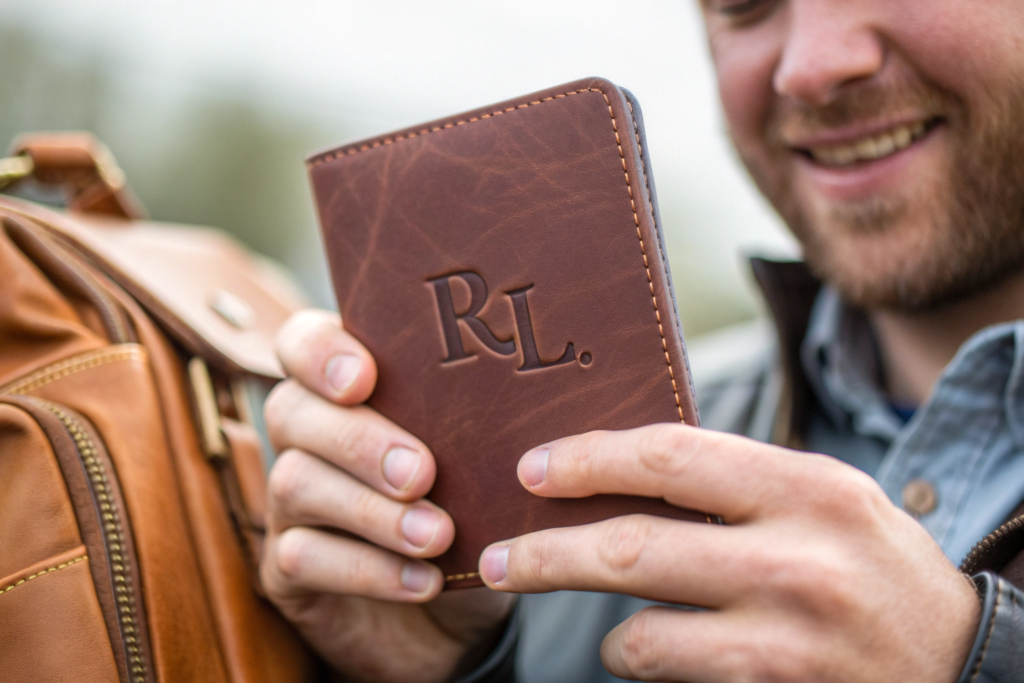
Initials offer a balance of uniqueness and subtlety. A full name can feel overly bold or informal on a classic leather item. Initials, especially in a stylized monogram, carry a heritage of tradition—think of family crests, signet rings, and luxury brand logos. They imply a sense of history and refinement. This subtlety is key to perceived luxury; it’s a signal to those "in the know" rather than a loud announcement. It allows the quality of the leather and craftsmanship to remain the focal point, with the personalization acting as a sophisticated, integrated accent.
How Does Personalization Combat "Fast Fashion" Mentality?
In a world of disposable trends, personalized items resist being thrown away. Because they are made-to-order and carry individual meaning, they are viewed as long-term investments. This aligns perfectly with the inherent qualities of full-grain leather, which ages and develops a unique patina over time. The personalization ensures the story of that aging process is intimately tied to the owner. This creates a powerful narrative of longevity and sustainability, directly countering the fast-fashion cycle and building brand loyalty around enduring quality.
Why Is Personalization a Strategic Advantage for Brands and Retailers?
Beyond customer sentiment, personalization is a concrete business strategy. It transforms the retail transaction from a simple purchase into a collaborative creation, offering tangible benefits to the bottom line.
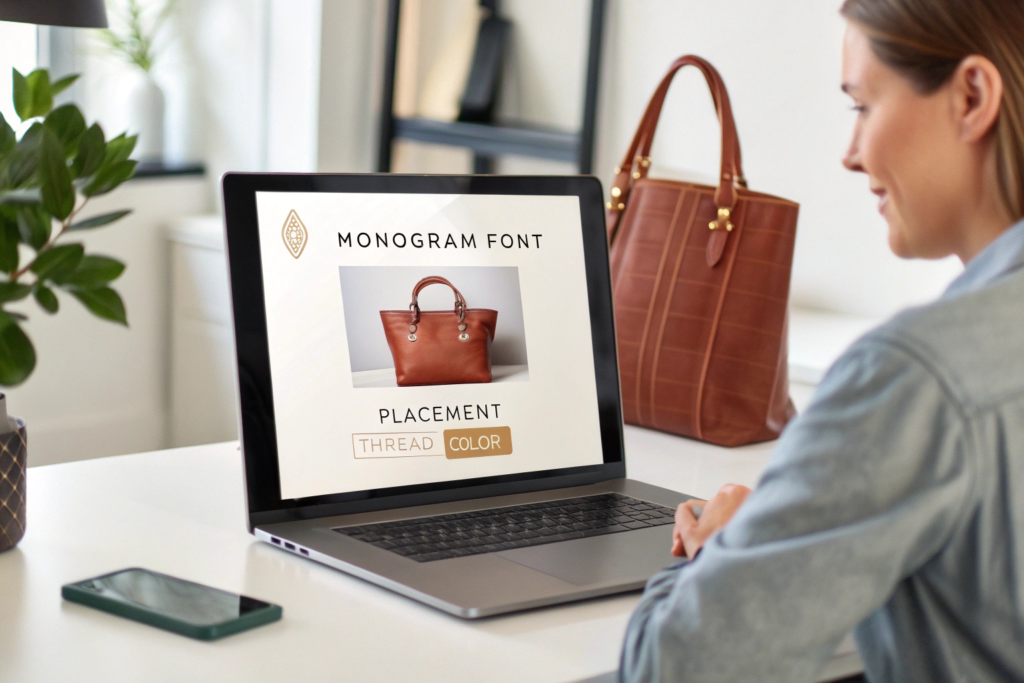
From a commercial standpoint, personalization is a powerhouse. Firstly, it commands a price premium. Customers are willing to pay 10-20% more for an item that is uniquely theirs. Secondly, it effectively eliminates returns for reasons of "I didn’t like it" or "it didn’t fit my style," as the customer actively participated in its design. This drastically reduces operational costs. Thirdly, it increases customer engagement. The time spent selecting fonts, placements, and thread colors creates a deeper investment in the brand. Finally, a monogrammed item is a walking advertisement. Every time it’s used in public, it sparks conversations and showcases the brand’s bespoke service. Implementing a seamless personalization program requires a manufacturer with a flexible and efficient production system, capable of handling small-batch, customized orders without sacrificing speed or quality—a core competency of our operations at Shanghai Fumao Clothing.
Can Personalization Reduce Inventory Risks for Retailers?
Absolutely. It enables a make-to-order model for a portion of inventory. Instead of stocking every possible color and style combination, retailers can hold neutral base stock and personalize on demand. This reduces capital tied up in unsold inventory and minimizes markdowns. It allows for a broader virtual catalog without the physical storage burden, making it an ideal strategy for both large retailers and small boutique online stores.
What Are the Most Profitable Leather Goods to Personalize?
The highest-margin categories are often gift-oriented items and daily carries. Wallets, cardholders, keychains, and passport covers are top performers because they are affordable entry points for personalization. For higher-ticket items, belts, duffle bags, and laptop sleeves see excellent uptake. The common thread is visibility and frequent use, maximizing both the customer's enjoyment and the brand's visibility.
What Are the Key Techniques for High-Quality Leather Personalization?
Not all personalization is created equal. The method used directly impacts the aesthetic, durability, and perceived quality of the final product. Understanding these techniques is crucial for brands specifying their products.
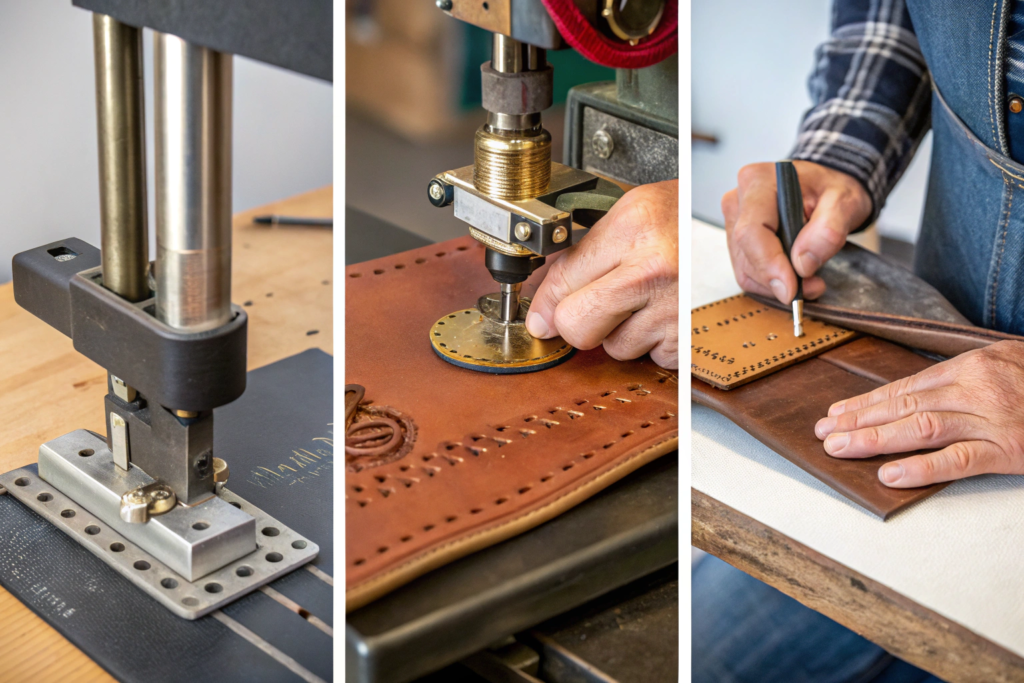
The choice of technique depends on the leather type, product style, and desired look. The three most respected methods are:
- Hot Foil Stamping: Uses heated brass dies and colored foil (gold, silver, etc.) to create a crisp, shiny impression. Ideal for smooth calfskin and a formal, luxurious finish.
- Debossing: Uses pressure to press a die into the leather, creating a deep, clean impression without color. It showcases the leather's natural texture and ages beautifully as the patina deepens.
- Embroidery: Uses thread to stitch the design onto the leather (common for thicker items like backpack straps or hat patches). It adds a textured, tactile, and sporty feel.
| Technique | Best For | Feel & Look | Durability |
|---|---|---|---|
| Hot Foil Stamping | Wallets, small leather goods, formal accessories | Crisp, shiny, luxurious | Excellent, but foil may microscrack over extreme flex |
| Debossing | Belts, bags, rustic or heritage-style items | Subtle, elegant, integrates with patina | Outstanding, becomes part of the leather |
| Embroidery | Backpacks, hats, casual bags, patches | Textured, colorful, robust | Very high, thread is highly wear-resistant |
Partnering with a factory that masters these techniques is essential. Poor execution—like misaligned stamps, burnt leather, or shallow impressions—can ruin an otherwise perfect product. Resources like the Leather Working Group provide guidelines on sustainable and responsible leather production, which can be part of a brand’s quality narrative.
How Do You Choose the Right Personalization Method for Your Product Line?
The choice is a balance of brand identity, cost, and leather type. For a modern, luxury brand, hot foil stamping on smooth Italian leather communicates precision. For a rugged, heritage brand, deep debossing on vegetable-tanned leather enhances the rustic appeal. For active or collegiate styles, contrast-thread embroidery is ideal. Consider the production scale: foil stamping and debossing are faster for larger runs, while embroidery offers more color flexibility. A good manufacturer will provide samples of each technique on your chosen leather.
What Are Common Pitfalls in Leather Personalization to Avoid?
Key pitfalls include: 1) Poor Die Design: Fonts that are too thin can break in the die; overly complex logos may not imprint clearly. 2) Incorrect Pressure/Temperature: Too much heat burns leather; too little pressure creates a faint impression. 3) Wrong Leather Selection: Not all leathers take stamping well; overly porous or heavily textured hides can yield blurry results. 4) Placement Errors: Consistent, aesthetically pleasing placement is crucial. This is where an experienced factory’s quality control team is invaluable, checking each monogrammed item before shipment.
How to Successfully Market Personalized Leather Goods?
Offering personalization is one thing; convincing customers to use it is another. Effective marketing must highlight the emotional and practical benefits, making the customization process feel effortless and desirable.
Marketing must tell the story of uniqueness and craftsmanship. Use visuals that showcase the personalization process—short videos of artisans at work, close-ups of hands tracing debossed initials. On product pages, use a dynamic customizer tool that lets customers see a realistic preview of their design choices. Frame personalization as the ultimate gift-giving solution: "Give a gift as unique as they are." Share user-generated content of customers with their monogrammed items. Importantly, educate the customer on the value it adds—not just as decoration, but as a mark of ownership and quality. For example, collaborating with a manufacturer like Shanghai Fumao Clothing means we can provide high-quality process visuals and ensure the promised customization is flawlessly executed, protecting your brand’s reputation. Platforms like Shopify’s blog often feature successful case studies on personalization strategies that can offer valuable insights.
How Can You Leverage Gifting Seasons to Boost Personalized Sales?
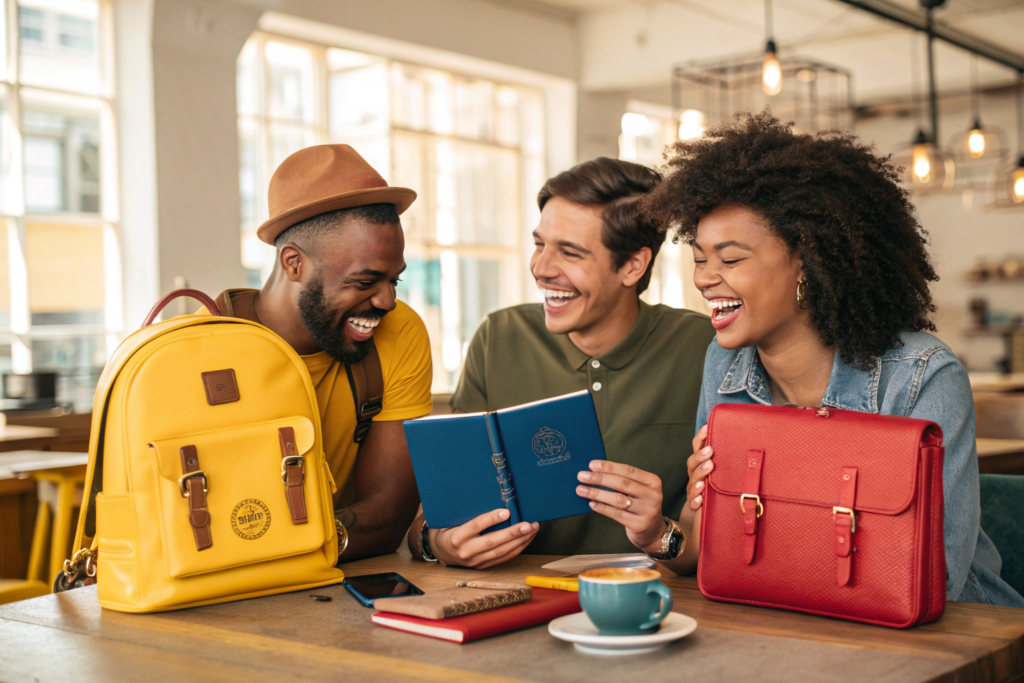
Gifting is the cornerstone of personalization marketing. Create dedicated "Gift Guide" collections in the lead-up to holidays like Christmas, Father's Day, and graduation season. Offer limited-time gift packaging with a card that reads "Made Especially For You." Implement a gift message option at checkout. Clearly communicate production and shipping timelines for personalized items to manage expectations during peak seasons, turning a potential logistics challenge into a promise of thoughtful, made-to-order care.
What's the Role of Packaging in the Personalized Experience?
The unboxing experience is the final, critical touchpoint. Packaging for a personalized item should feel special. Use a branded dust bag, a thank-you note, and present the item in a way that highlights the monogram immediately. This reinforces the premium nature of the purchase and encourages social sharing. It transforms delivery into a memorable event, cementing the customer's positive emotional connection with their custom piece.
Conclusion
The popularity of personalized initials on leather goods is a powerful convergence of emotion and commerce. It satisfies the human desire for individuality and ownership while providing brands with a proven strategy to increase value, loyalty, and profitability. From choosing the right debossing technique to marketing the finished product as a unique treasure, success lies in the details of execution.
Ultimately, offering exceptional personalization requires more than just a monogram machine; it demands a supply chain partner that understands quality, consistency, and timely delivery for made-to-order items. If you are looking to develop a line of leather accessories where personalization is a key selling point, partnering with a factory that has deep expertise in both craftsmanship and flexible production is essential. To discuss how we can help you build a successful personalized leather goods collection, please contact our Business Director, Elaine. Her email is elaine@fumaoclothing.com.