For accessory buyers and fashion brands planning their summer collections, selecting the right material for bags is a critical decision that balances aesthetics, consumer appeal, and practical performance. The summer season presents unique challenges: intense heat, humidity, spontaneous outdoor activities, and a consumer mindset geared towards lightness, freshness, and sustainability. Choosing a synthetic, non-breathable material can lead to products that feel uncomfortable, look cheap in bright sunlight, or fail to align with the growing demand for eco-conscious fashion.
Natural materials are preferred for summer bags because they inherently offer superior breathability, moisture-wicking properties, and a unique aesthetic texture that aligns perfectly with the season's casual, earthy, and sustainable ethos. Materials like cotton canvas, linen, jute, raffia, and leather are not just stylistic choices; they provide functional benefits that enhance user comfort and product longevity in warm weather, while simultaneously telling a compelling story of natural origin and artisanal quality.
Let's delve into the specific functional, aesthetic, and market-driven reasons that make natural materials the dominant choice for summer bags, from tote bags and beach baskets to crossbody pouches.
How Do Natural Materials Enhance Functional Comfort in Heat?
The primary practical advantage of natural fibers over synthetic counterparts (like polyester or PVC) during summer is their inherent interaction with heat and moisture. Synthetic materials often trap heat and sweat against the body, creating a sticky, uncomfortable microclimate. Natural materials, due to their organic cellular structure, behave differently.
Breathability is the key. Natural fibers like linen and cotton have porous structures that allow air to circulate freely through the fabric. This ventilation helps to regulate temperature, preventing the bag itself from becoming overly hot to the touch and allowing any dampness (from a damp towel or condensation) to evaporate quickly. Furthermore, many natural fibers are hygroscopic, meaning they can absorb a significant amount of moisture vapor from the air (sweat, humidity) without feeling wet, and then release it. This moisture-wicking property keeps the bag's surface drier and more comfortable to carry against the body.

What Are the Specific Properties of Key Summer Materials?
- Linen: Made from flax fibers, it is renowned for being one of the most breathable and cool-to-the-touch fabrics. It absorbs moisture quickly and dries fast, making it ideal for high-humidity environments.
- Cotton Canvas: Durable, relatively breathable, and highly versatile. It can be woven tightly for structure or loosely for a more casual drape. Its natural fiber content allows for good air permeability.
- Raffia & Jute: These plant-based fibers are inherently stiff and structured, providing excellent shape for bags without the need for synthetic interfacing. Their open weaves allow for maximum airflow. Raffia, from the palm tree, has a smooth, glossy finish, while jute offers a more rustic, textured look.
- Natural Leather (Full-grain or Vegetable-tanned): While warmer, high-quality leather is still breathable. It molds to the user over time and develops a beautiful patina when exposed to sun and use, telling a unique story. It is durable and ages gracefully with summer adventures.
How Does Material Choice Impact Product Longevity and Care?
Natural materials often age gracefully rather than deteriorate suddenly. A linen bag softens beautifully; a leather bag develops character. They are also generally easier to clean and maintain with non-chemical methods. For instance, many cotton and linen bags can be spot-cleaned or gently machine-washed. This ease of care aligns with the casual, low-maintenance attitude of summer. From a manufacturing standpoint at Shanghai Fumao Clothing, working with these materials requires expertise in handling their unique characteristics—such as pre-shrinking fabrics or using specialized stitching techniques for leather—to ensure the final product is both beautiful and durable.
How Do Natural Aesthetics Drive Seasonal Consumer Desire?
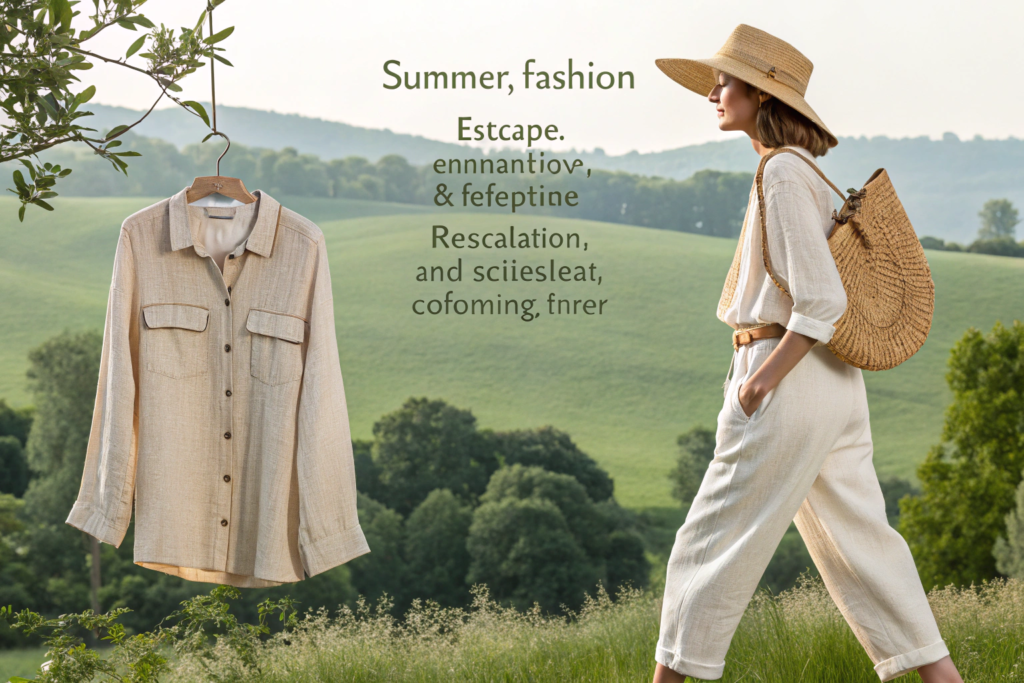
Summer fashion is psychologically linked to concepts of escape, nature, relaxation, and authenticity. The visual and tactile qualities of natural materials directly communicate these values. They provide an aesthetic that feels authentic, textured, and connected to the earth, which is highly desirable during a season when people spend more time outdoors.
The look of natural materials is inherently varied and imperfect—the slubs in linen, the uneven weave of raffia, the natural markings on leather. These "flaws" are perceived as marks of authenticity and craftsmanship, offering a stark contrast to the uniform, often plasticky appearance of mass-produced synthetics. This aesthetic aligns perfectly with trends like cottagecore, coastal grandmother, and sustainable minimalism. A natural material bag doesn't just hold belongings; it serves as a style accessory that complements flowing dresses, linen trousers, and swimwear in a way that feels coherent and intentional.
Why is Texture a Dominant Visual Trend in Summer Accessories?
Texture is a powerful design element in summer. It adds visual interest without relying on bold prints or colors. The tactile appeal of a woven straw bag, the crinkled surface of linen, or the grainy feel of canvas invites touch and creates a multi-sensory experience. This focus on texture over sheen or gloss reflects a move towards understated, quality-driven style. In marketing imagery and social media, these textures photograph beautifully in natural sunlight, enhancing the product's desirability. This trend is frequently highlighted in seasonal fashion trend forecasts from major style authorities.
How Do Natural Materials Facilitate Versatile Styling?
A bag made from a natural material possesses a neutral, organic quality that makes it incredibly versatile. A beige raffia tote can pair with a bright sundress just as easily as with white jeans and a navy blazer. A tan leather crossbody bag transitions seamlessly from a day at a summer market to an evening dinner. This versatility is a key selling point for consumers looking to invest in pieces that work across multiple occasions within their summer wardrobe, supporting a capsule wardrobe approach. This adaptability is a core principle in contemporary fashion merchandising.
What is the Sustainability and Ethical Appeal?
The modern consumer, especially one investing in a seasonal item, is increasingly conscious of the environmental and ethical footprint of their purchases. Natural materials offer a compelling narrative that resonates deeply with this values-driven mindset.
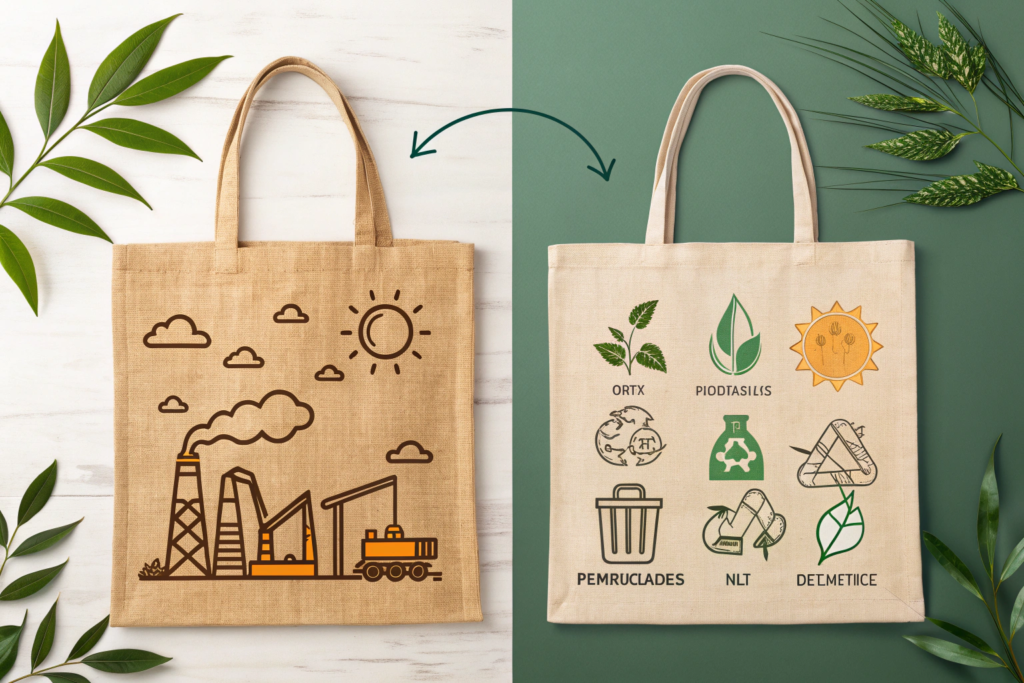
From a sustainability perspective, plant-based fibers like linen, cotton (especially organic), jute, and raffia are biodegradable and renewable. At the end of their long life, they will break down naturally, unlike synthetic plastics that persist for centuries. Furthermore, the production of many natural materials, when managed responsibly, has a lower carbon footprint and relies less on petrochemicals. For brands, promoting the use of natural materials is a direct way to align with circular economy principles and appeal to eco-conscious shoppers.
How Does Transparency in Sourcing Build Brand Trust?
The story of a natural material is traceable. Brands can communicate the origin of their cotton, the region where their raffia is woven, or the tannery that processes their leather using eco-friendly methods. This supply chain transparency builds immense trust with consumers who want to know the provenance of their products. It allows brands to move beyond vague "green" claims to specific, verifiable storytelling. Certifications like GOTS (Global Organic Textile Standard) for cotton or OEKO-TEX for leather provide third-party validation that supports these claims. This level of detail is now a key component of brand marketing in the conscious consumer space.
Why is the "Artisanal" Narrative So Powerful?
Natural materials are often associated with traditional, artisanal crafting techniques—hand-weaving, vegetable tanning, hand-stitching. This connection to human skill and slower production processes stands in opposition to fast, anonymous factory output. It adds a layer of emotional value and uniqueness to the product. A consumer feels they are purchasing a piece of craftsmanship, not just a commodity. For a manufacturer, showcasing these techniques—whether through collaboration with artisan communities or in-house mastery—adds significant brand equity. This aligns with the global appreciation for craft preservation and ethical manufacturing.
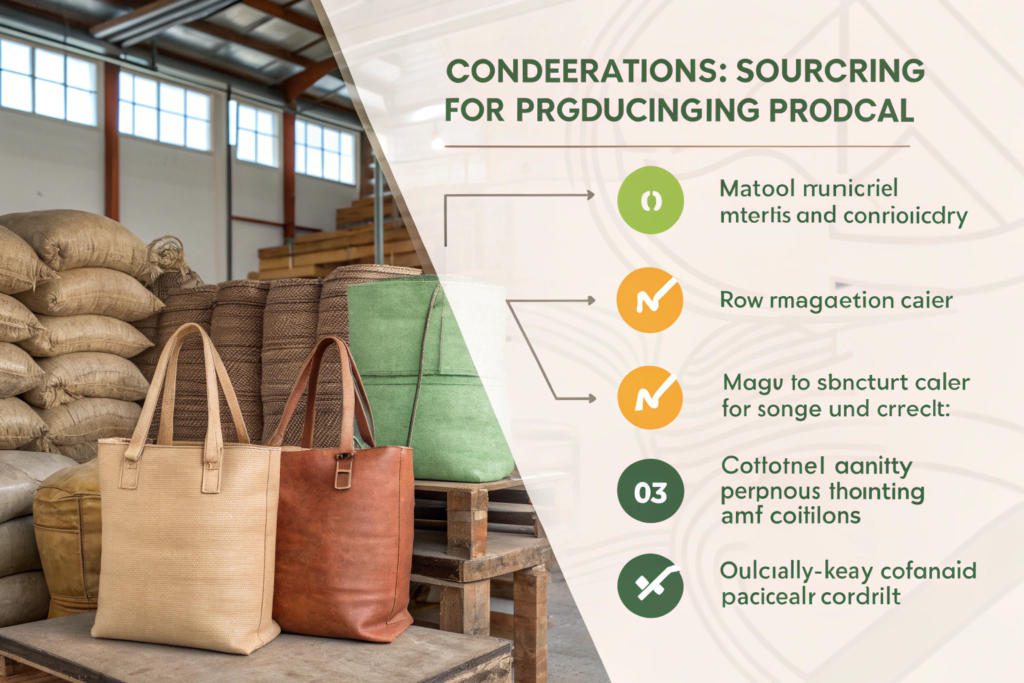
What Should Buyers Consider for Sourcing and Production?
While the benefits are clear, sourcing and producing bags with natural materials requires specific knowledge and partnerships to ensure quality, consistency, and commercial viability.
Key considerations include:
- Material Consistency: Natural fibers can have batch-to-batch variations in color and texture. A reliable supplier must have rigorous raw material inspection to manage these variations and set correct client expectations.
- Production Techniques: Sewing linen requires different handling than canvas; assembling a structured raffia bag is different from working with leather. The factory must have proven expertise with the specific material.
- Cost Structure: High-quality natural materials and skilled labor can command a higher price. However, this is offset by the ability to sell at a higher Average Unit Retail (AUR) due to the perceived value.
- Durability Treatments: While natural, materials may need approved water-resistant or stain-resistant finishes (like eco-friendly wax coatings on canvas) to enhance practicality for summer use, without compromising their core benefits.
How to Partner with a Supplier for Optimal Results?
The ideal manufacturing partner is one that understands both the romance and the rigor of working with natural materials. They should:
- Have a diverse material sourcing network for reliable access to quality linen, certified cotton, etc.
- Demonstrate technical skill in pattern-making and construction for these specific fabrics.
- Offer transparent costing that reflects the true value of the materials and craftsmanship.
- Provide samples that accurately represent the final product's look, feel, and performance.
A partner like Shanghai Fumao Clothing brings this holistic approach, ensuring that the beautiful, sustainable summer bag you envision is executed with precision and integrity from concept to delivery.Why are natural fibers such as cotton and linen more refreshing to the touch at high temperatures?
It's a question that dances on the edge of science and sensory delight, where the very essence of nature meets the human need for comfort. Imagine standing in the sweltering embrace of a midsummer afternoon, the sun a relentless furnace overhead, sweat beading on your brow and soaking into whatever fabric you wear. In this moment, the difference between a garment made of cotton or linen and one crafted from synthetic materials becomes starkly apparent—a difference rooted in the unique properties of these natural fibers, which seem to whisper coolness even when the air itself feels thick with heat.
Cotton, with its soft, cloud-like texture, is a marvel of nature's engineering. Each fiber is a hollow tube, a tiny vessel that traps air within its structure. When the temperature rises, this trapped air acts as a natural insulator, but more than that—it creates a microclimate between the fabric and your skin. As your body perspires, the moisture from your sweat seeps into the cotton fibers, which are highly absorbent. The water molecules within the fibers then evaporate, a process that draws heat away from your skin, leaving a cooling sensation in their wake. It's like a gentle breeze woven into the very fabric, a tactile reminder of the earth's ability to soothe.
Conclusion
Natural materials are preferred for summer bags because they deliver an unbeatable combination of functional performance, authentic aesthetic appeal, and a strong alignment with contemporary values of sustainability and craftsmanship. They provide tangible comfort in hot weather, embody the relaxed yet sophisticated spirit of the season, and tell a product story that resonates deeply with today's conscious consumer.
For brands and buyers, investing in well-made bags from natural materials is a strategic choice that satisfies immediate seasonal demand while building long-term brand loyalty through quality and ethical integrity.
Ready to create a best-selling line of summer bags with authentic natural materials? Partner with Shanghai Fumao Clothing. Our expertise in sourcing premium linens, cottons, raffia, and leathers, combined with our skilled craftsmanship, ensures your collection is both beautiful and built to last. Contact our Business Director, Elaine, at elaine@fumaoclothing.com to develop your perfect summer accessory line.