Transitional weather—those unpredictable weeks between seasons—poses a unique challenge for dressing comfortably and stylishly. As temperatures fluctuate between cool mornings and warm afternoons, the need for adaptable layers becomes paramount. For accessory manufacturers and fashion brands, this seasonal shift is not a logistical headache but a significant commercial opportunity. The lightweight scarf emerges as the quintessential solution, a hero product that perfectly bridges functional need and fashion desire during these in-between periods.
Lightweight scarves are the ideal accessory for transitional weather due to their unparalleled functional versatility in temperature regulation, their role as a cornerstone of effortless "layering" style, and their unique ability to serve multiple purposes—from a neck wrap to a hair accessory—within a single, compact item. They act as a personal climate control system and a style amplifier, making them an indispensable and highly sellable item for consumers navigating the uncertainties of spring and autumn.
The perfection of the lightweight scarf lies at the intersection of textile technology, fashion psychology, and practical utility. This analysis will break down the key reasons behind their indispensability, providing a framework for sourcing, designing, and marketing them effectively.
How Do Lightweight Scarves Master Temperature Regulation?
The primary functional advantage of a lightweight scarf is its exceptional capacity for dynamic temperature management. Transitional weather is characterized by instability—a chilly morning breeze, a warm midday sun, and a cool evening. A heavy winter scarf is too warm, while no accessory leaves one vulnerable to sudden chills. Lightweight scarves, typically woven from breathable natural fibers or fine technical synthetics, provide just the right amount of adjustable insulation.
The secret lies in the physics of trapped air. When loosely wrapped, the scarf creates a thin layer of still air around the neck and chest, one of the body's key temperature-regulation zones. This micro-layer acts as a buffer against wind and cool air without causing overheating. As the day warms up, the scarf can be easily loosened, removed, or repurposed, offering a level of control that bulkier layers cannot match. This makes it an essential tool for maintaining all-day comfort amidst fluctuating conditions.

What Are the Ideal Fabrications for This Function?
Not all lightweight fabrics are created equal for this purpose. The best choices offer a blend of warmth, breathability, and drape:
- Natural Fibers: Merino wool is a superstar for its natural temperature regulation and moisture-wicking properties; it provides warmth without weight and resists odor. Silk offers a luxurious, insulating layer that is incredibly light and soft against the skin. Linen and lightweight cotton are excellent for warmer transitional days, offering breathability and absorbency.
- Synthetic & Blends: Fine-gauge acrylic or polyester can mimic the drape of natural fibers at a lower cost and offer easy care. Advanced performance blends that incorporate moisture-wicking or temperature-regulating technologies are increasingly popular for an active, on-the-go demographic.
How Does Design Enhance the Functional Role?
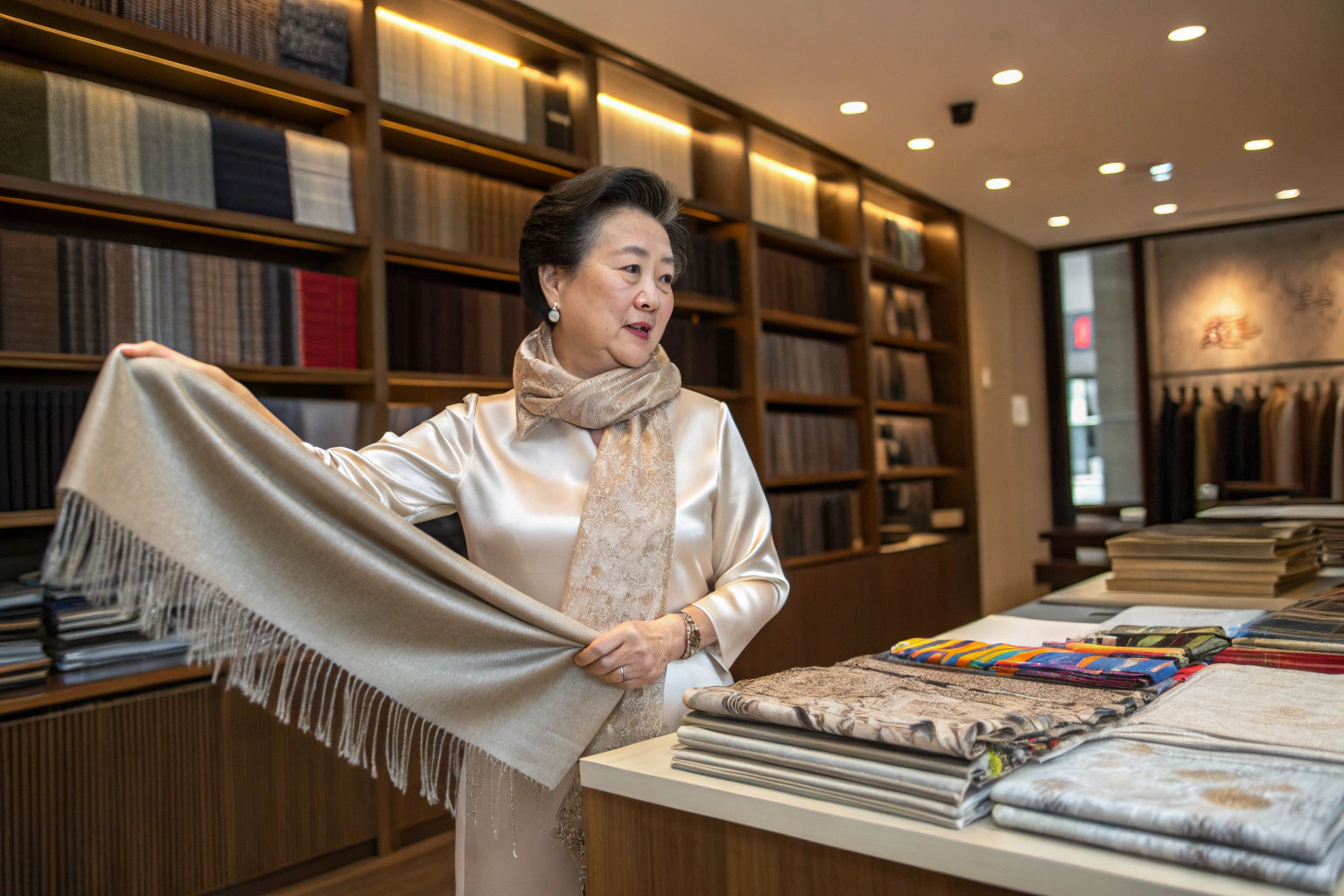
Design elements directly impact functionality. A generous length and width (e.g., 70cm x 180cm) allow for multiple wrapping styles, from a simple loop to a cozy shawl, providing adjustable coverage. Fringed or hemmed edges add to the aesthetic but also influence the drape and weight of the scarf. Fabrics with a slight open weave or knit enhance breathability, making them perfect for the mild warmth of a sunny afternoon, while still providing a barrier against a draft.
Why Are They a Cornerstone of Effortless, Layered Style?
Beyond pure function, lightweight scarves are a powerful fashion tool that epitomizes the art of effortless layering. In transitional weather, outfits are built in layers to adapt to temperature changes, and a scarf is the most visually impactful layer to add or subtract. It introduces texture, color, and pattern to an outfit without the commitment or bulk of another garment.
This accessory solves the common style dilemma of looking "put together" when wearing simpler, layered basics like a t-shirt and jacket or a sweater dress. A lightweight scarf instantly adds a focal point, sophistication, and a sense of intentionality. It allows wearers to refresh and redefine their core wardrobe with minimal effort, making it a highly valued item for consumers seeking cost-per-wear value and sustainable fashion practices through versatility.

How Do Scarves Facilitate Micro-Trend Adoption?
Lightweight scarves are a low-risk, high-impact vehicle for consumers to engage with current color and print trends. Investing in a scarf in the season's "it" color or a trending pattern (like abstract florals or subtle checks) is far more accessible than buying a whole garment. This allows brands to offer on-trend products that have a long shelf life beyond a single season, as a classic scarf shape remains wearable for years. For the brand, it's an efficient way to stay relevant and drive repeat purchases.
What Styling Techniques Maximize Their Impact?
The styling versatility is key to their perfection. They can be worn in countless ways: knotted loosely at the neck, draped over the shoulders, belt over a coat, or even tied to a handbag strap. Each style creates a different silhouette and mood. This adaptability means one scarf can work with a wide range of outfits—from professional wear to weekend casual—maximizing its utility and justifying its place in a consumer's accessory drawer. This multi-way styling potential is a major selling point that should be highlighted in marketing imagery and how-to content.
How Do They Excel in Multi-Functional Utility?
The modern consumer, especially one navigating a busy lifestyle, prizes items that offer multi-functional utility. The lightweight scarf is a champion in this category, transcending its traditional role to become a multi-tasking travel and lifestyle essential. This greatly increases its perceived value and practicality.
Beyond neck warmth, it can effortlessly transform into a light head wrap or hair scarf on a windy day, a cover-up for shoulders in an overly air-conditioned restaurant or on a plane, or a small blanket for an impromptu park picnic. When folded, it can serve as a pouch or bag organizer. This "one item, many uses" proposition is incredibly compelling, especially for travel, where packing light is a priority. It effectively replaces several potential single-use items.

Why Are They Ideal for the "One-Bag" and Mobile Lifestyle?
For the growing segment of "one-bag" travelers and mobile professionals, every item in a suitcase must earn its place. A lightweight scarf, due to its minimal pack weight and volume, is a top-tier choice. It provides warmth, can elevate a limited travel wardrobe to create multiple looks, and serves the practical functions mentioned above. Its role as a cultural or situational adapter—such as a respectful head cover when visiting religious sites—further cements its status as an indispensable travel accessory. Marketing this aspect taps directly into the lifestyles of affluent, experience-driven consumers.
How Does This Utility Drive Purchase Decisions?
This multi-functionality directly addresses key consumer purchase drivers: convenience, value, and preparedness. It’s an item that solves multiple potential problems (chill, sun, style monotony, travel bulk) with one elegant solution. For the brand, this allows for storytelling that goes beyond fashion, positioning the scarf as a smart, indispensable tool for modern living. This functional narrative can be as compelling as the aesthetic one, appealing to a broader audience.
What Are the Key Sourcing and Market Positioning Strategies?
For a manufacturer or brand, successfully capitalizing on this product category requires strategic sourcing and clear positioning. The goal is to balance quality, cost, and desirability to create a product that feels like an essential, not an afterthought.
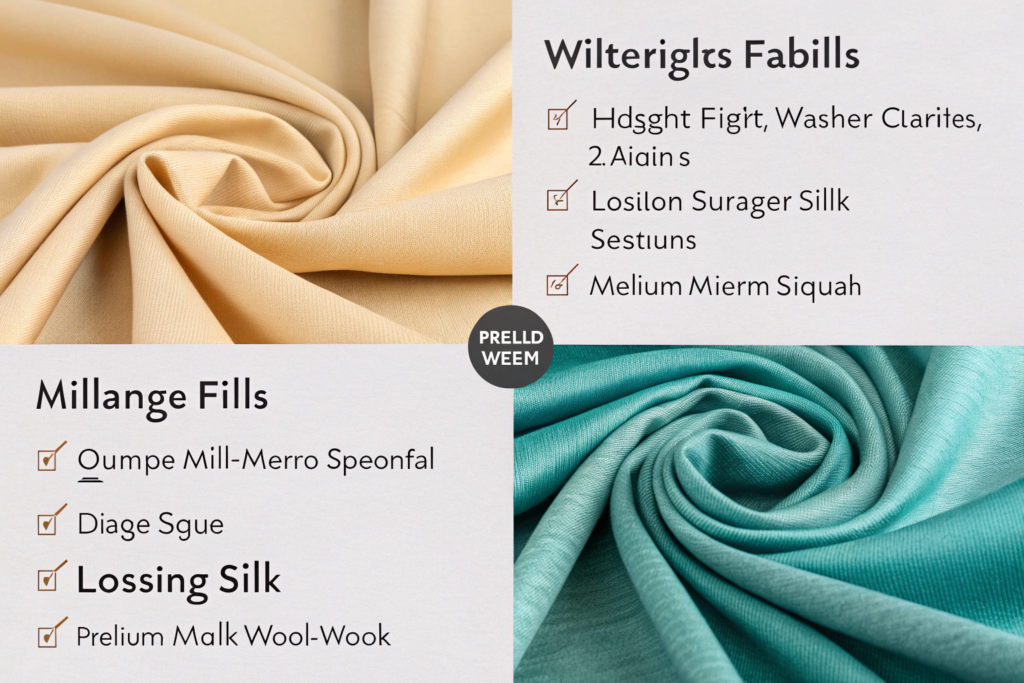
Sourcing must prioritize fabric hand-feel and durability. Even lightweight fabrics must have a pleasing drape and resist pilling or losing shape after washing. Building relationships with mills that specialize in fine-gauge merino, silk, or premium blends is crucial. Offering a range of weights within the "lightweight" category (e.g., a gossamer silk square versus a medium-weight wool challis) can cater to different climatic transitions and customer preferences.
How Should Brands Segment and Present Their Scarf Lines?
Effective market segmentation is key. Consider developing distinct lines:
- The Everyday Essential: Focused on solid colors in versatile neutrals and classic patterns (stripes, checks) in easy-care fabrics like cotton or polyester blends. Positioned for high volume and repeat purchase.
- The Luxury Layer: Utilizing premium natural fibers like cashmere-silk blends, featuring unique prints or artisan finishes like hand-rolled hems. Positioned as an investment piece.
- The Trend Driver: Featuring bold, seasonal colors and of-the-moment prints, possibly in more affordable fabrications to encourage trend adoption.
Presentation is equally important. Selling the idea of the scarf is vital. Use lifestyle photography and video that vividly demonstrates its versatility—show it worn in multiple ways, in different settings (city, travel, countryside), and as part of various outfits. Providing clear styling guides and inspiration can overcome any consumer hesitation about "how to wear it," directly lowering the barrier to purchase.
Can Styling Guides Really Lower the Barrier to Scarf Purchases?
In a world where fashion often feels like an exclusive language, filled with trends that shift faster than the seasons and styles that demand a level of confidence many feel they lack, scarf styling guides emerge as quiet revolutionaries—gentle yet powerful tools that promise to bridge the gap between aspiration and accessibility.
Imagine standing in a bustling boutique, surrounded by racks of scarves in every hue imaginable: soft pastels that whisper of spring meadows, deep jewel tones that echo the richness of autumn forests, and bold prints that seem to dance with life. The array is overwhelming, a sensory overload of color and texture, yet you hesitate.
Conclusion
Lightweight scarves are not merely accessories; they are intelligent design solutions for the specific challenges of transitional weather. Their perfection stems from a powerful combination of scientific comfort through adaptable insulation, significant aesthetic value as the ultimate styling layer, and unparalleled practical utility across travel and daily life. They meet the modern consumer's demand for versatile, value-driven, and stylish products that simplify and enhance their daily experience.
For fashion brands and manufacturers, this category represents a stable, evergreen opportunity with clear functional and emotional benefits to communicate. By focusing on quality materials that deliver on the promise of comfort, designs that inspire through color and pattern, and marketing that educates on versatility, you can establish lightweight scarves as a must-have, repeat-purchase staple in your accessory portfolio.
To develop a best-selling line of transitional scarves that blend function and fashion, partner with Shanghai Fumao. Contact our Business Director Elaine at elaine@fumaoclothing.com to leverage our expertise in fabric sourcing, trend-responsive design, and quality manufacturing.