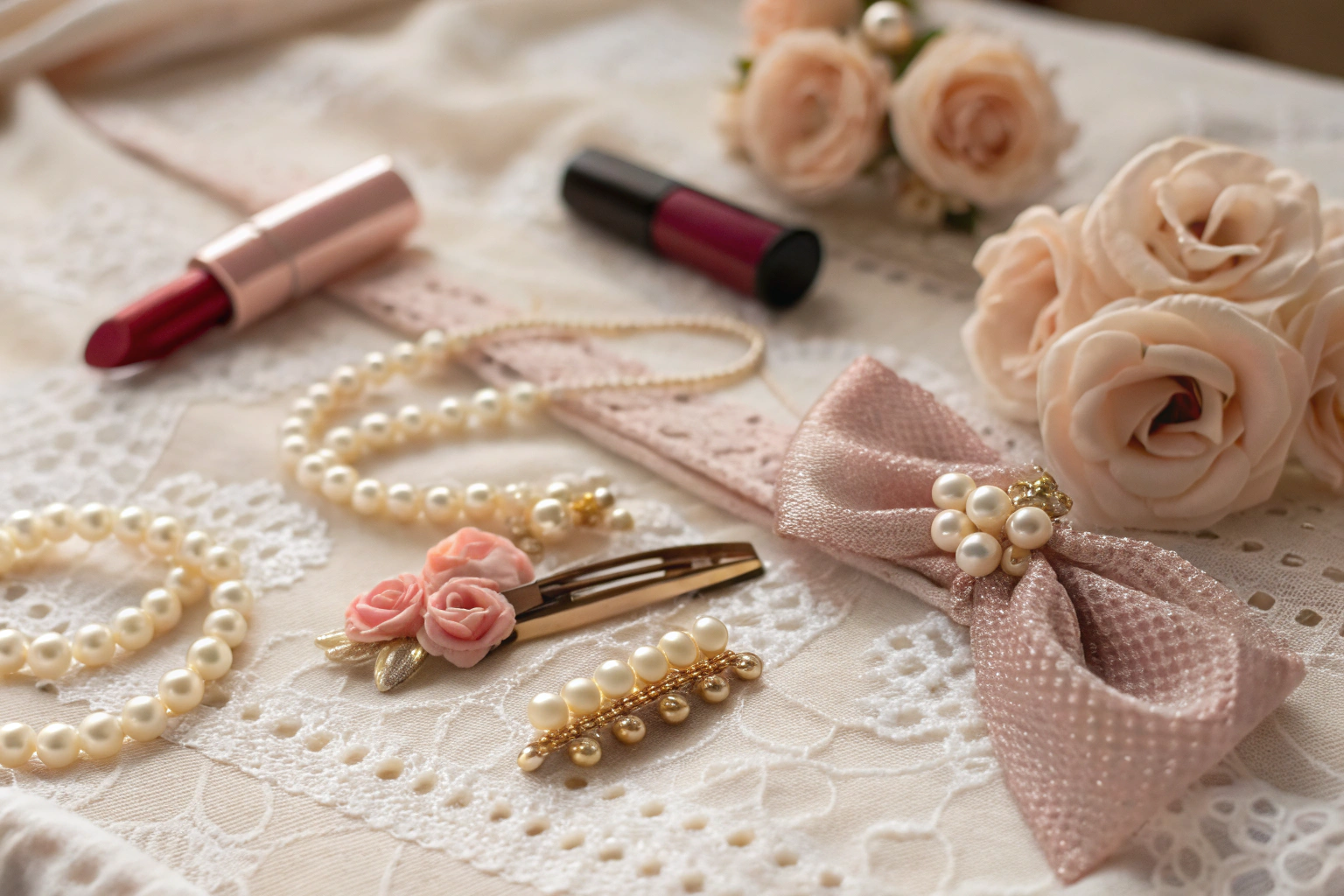
Traditional fashion accessories have primarily served aesthetic and basic functional purposes—jewelry for adornment, bags for carrying items, belts for fit, and watches for timekeeping. While beautiful and culturally significant, these items remained largely static in their capabilities, unable to adapt to the dynamic needs of modern life. The disconnect between our increasingly digital existence and our physical accessories created an experience gap that consumers increasingly noticed.
IoT-powered fashion accessories are revolutionizing wearable experiences by transforming passive items into responsive systems that bridge physical and digital worlds, deliver personalized functionality, enhance wellbeing, and create new forms of self-expression.This technological integration moves accessories from being merely worn to being actively interactive, creating seamless experiences that adapt to context, need, and personal preference throughout the day.
Let's explore the specific ways IoT technology is reshaping our relationship with the accessories we wear and carry every day.
How are IoT accessories creating seamless digital-physical integration?
Our daily lives increasingly straddle physical and digital realms, yet until recently, our accessories existed solely in the physical world. This created constant friction as we reached for smartphones to access digital services, breaking natural movement and social interaction. IoT accessories eliminate this friction by bringing relevant digital information and capabilities directly to the items we're already wearing and using.
The most successful implementations feel like natural extensions of the accessory's traditional function rather than awkward technology additions.
What makes smart notifications more elegant through accessories?
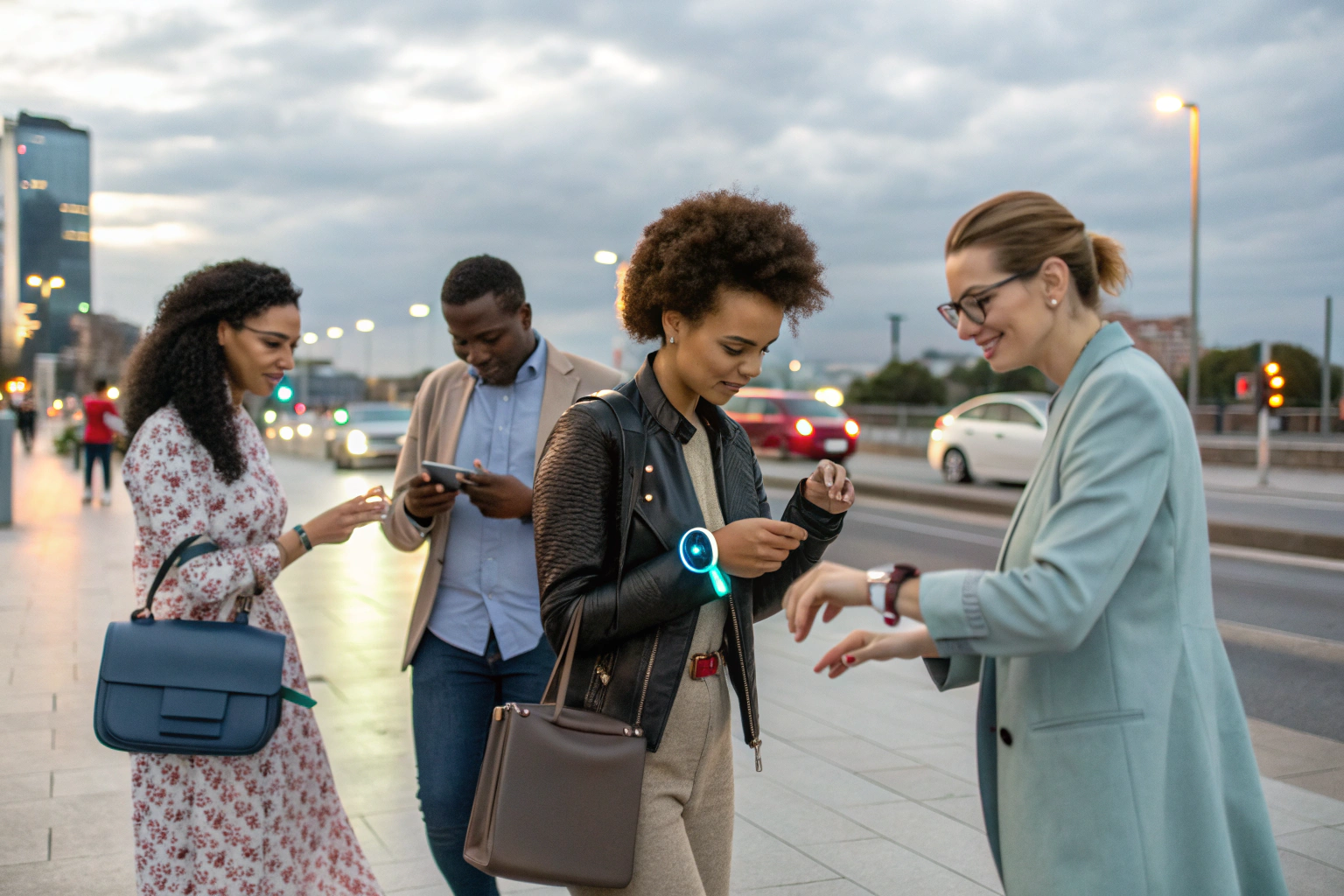
Context-aware alert systems in jewelry, watches, and bags can prioritize and display notifications based on urgency, sender importance, and current activity without requiring smartphone interaction. Our smart bracelet collection uses haptic patterns and subtle LED colors to convey notification types—blue for messages from key contacts, amber for calendar reminders, green for wellness milestones. This discreet communication allows wearers to stay connected without the social disruption of constantly checking phones, particularly valuable in meetings, social gatherings, and focused work sessions.
How do connected accessories enhance daily convenience?
Proactive functionality enables accessories to anticipate needs based on location, time, and behavior patterns. Our smart handbag line automatically activates interior lighting when opened in low-light conditions, reminds users if frequently forgotten items are missing, and can even weight contents to suggest redistributing weight for better comfort. This anticipatory assistance transforms accessories from passive containers to active partners in daily organization and efficiency.

How are biometric monitoring capabilities transforming personal wellbeing?
Traditional accessories might contribute to wellbeing indirectly through aesthetics or comfort, but they cannot actively monitor or respond to physiological states. The integration of miniature sensors and connectivity enables accessories to become continuous partners in health management, providing insights that were previously only available through medical devices or dedicated fitness trackers.
The key advancement lies in making health monitoring unobtrusive and integrated into items people already wear consistently.
What health insights can fashion accessories now provide?
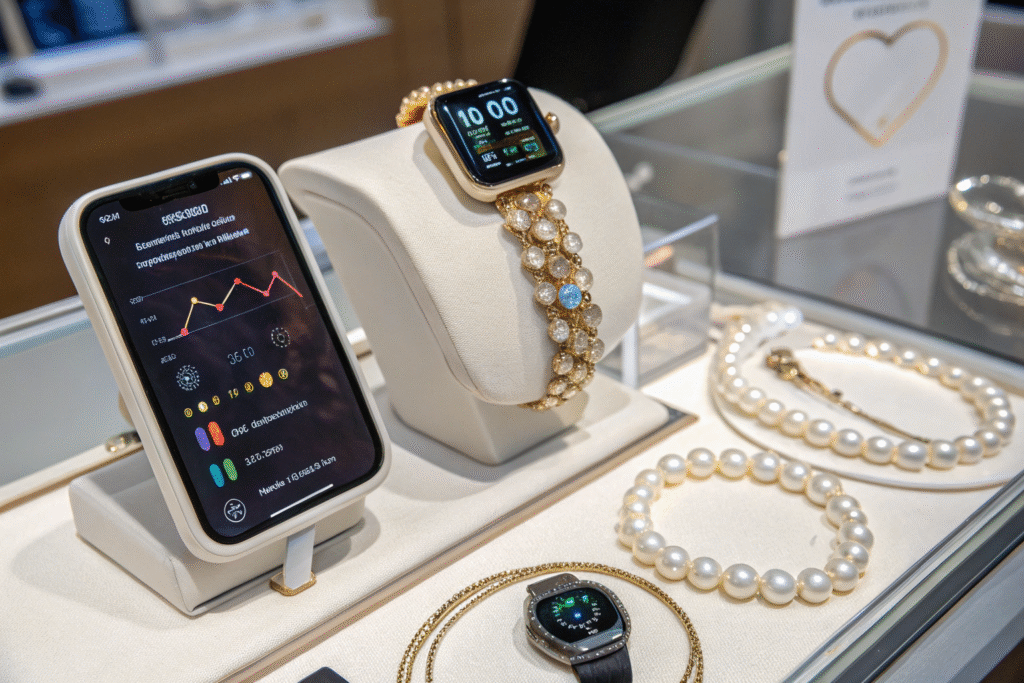
Continuous vital monitoring embedded in jewelry, belts, and glasses can track heart rate variability, stress indicators, activity levels, and sleep patterns without the aesthetic compromise of dedicated medical devices. Our wellness jewelry line incorporates FDA-cleared sensors that detect atrial fibrillation through elegant necklaces and bracelets that patients willingly wear continuously, providing cardiologists with significantly more data than occasional clinic visits. This clinical-grade design represents a breakthrough in making serious health monitoring socially acceptable and consistent.
How do adaptive accessories respond to physiological changes?
Real-time adjustment systems enable accessories to modify their function based on biometric feedback. Our smart belt collection automatically loosens slightly during meals to improve comfort and digestion, then gently retightens afterward to maintain optimal support. This physiological responsiveness creates a wearing experience that dynamically adapts to the body's changing needs throughout the day, moving beyond the static nature of traditional accessories.
How are IoT accessories enabling new forms of personal expression?
Self-expression through accessories has traditionally been limited to static aesthetic choices—selecting pieces that reflect personal style at a particular moment. IoT technology introduces dynamic, interactive expression that can change with mood, context, or intention, creating living art that responds to both internal states and external environments.
This evolution transforms accessories from statements of who we are to expressions of how we feel and what we're experiencing in real-time.
How do color-changing materials enable mood-based expression?
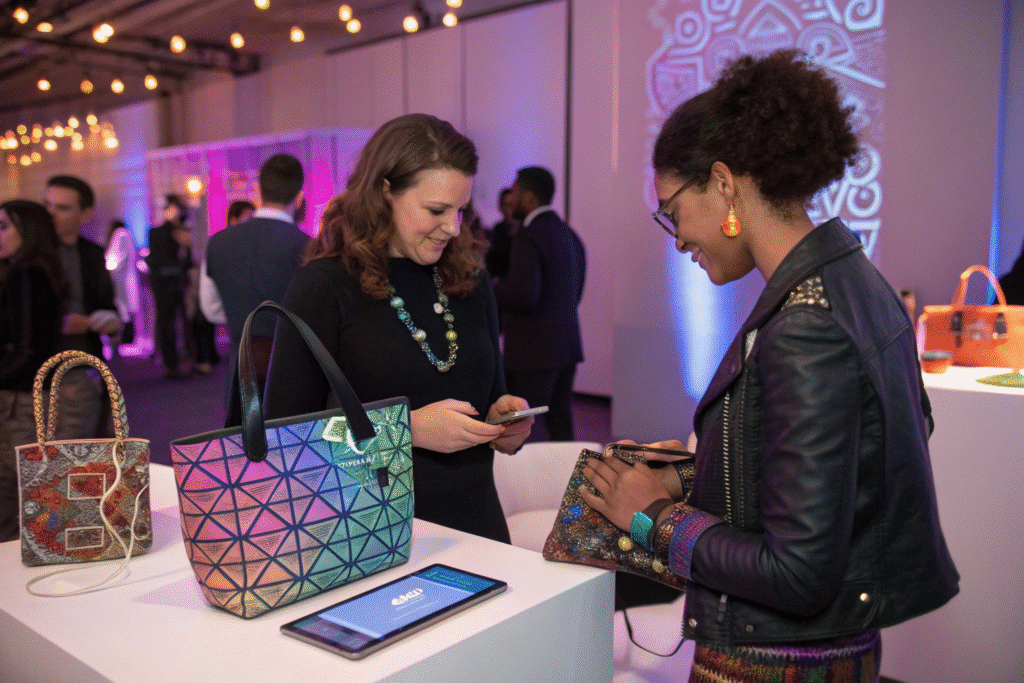
Programmable surfaces using E-ink, LED matrices, or electrochromic materials allow accessories to change colors, patterns, and even textures based on wearer preference or environmental conditions. Our responsive handbag collection features surfaces that shift from professional neutrals during work hours to vibrant patterns for evening socializing, all controlled through simple gesture commands or automated context detection. This adaptive aesthetics allows single accessories to serve multiple style personas without the need for multiple items.
What role does environmental interaction play in expressive accessories?
Context-aware displays enable accessories to respond to their surroundings, creating unique interactions between wearer and environment. Our architectural jewelry line changes its lighting patterns based on ambient sound levels, creating a visual representation of the acoustic environment that turns urban noise into beautiful light displays. This environmental dialogue transforms accessories from self-contained art to interactive pieces that mediate between wearer and world, creating unique experiences in different locations and situations.
How are sustainability benefits accelerating IoT adoption?
The fashion industry faces increasing scrutiny regarding its environmental impact, particularly around fast fashion and disposable accessories. IoT integration creates opportunities to enhance sustainability through longevity, efficiency, and circular economy principles that traditional accessories struggle to achieve.
Smart features can transform the economic and environmental calculus of accessory ownership, making quality and longevity more appealing than frequent replacement.
How do connected accessories promote longer product lifespans?
Upgradable functionality allows IoT accessories to gain new capabilities through software updates rather than requiring replacement, while condition monitoring alerts owners to maintenance needs before issues become irreparable. Our connected leather goods feature embedded sensors that monitor structural stress points and alert users when professional maintenance is recommended, significantly extending product lifespan. This longevity engineering has increased the average ownership period of our bags from 2.3 years to 5.1 years, dramatically reducing their environmental impact per year of use.
What circular economy benefits do IoT accessories provide?
Material tracking and authentication enables better resale markets and recycling processes, while modular designs allow damaged components to be replaced individually rather than discarding entire items. Our smart jewelry system uses blockchain verification to create certified ownership histories that maintain value for resale, with modular construction that allows worn chains to be replaced while preserving sentimental centersones. This circular design approach has created a thriving secondary market for our products while reducing raw material consumption by 38% through improved repairability and resale value.
Conclusion
IoT-powered fashion accessories are revolutionizing wearable experiences by transforming passive items into active partners that enhance our digital-physical integration, personal wellbeing, self-expression, and environmental responsibility. The most successful implementations feel like natural evolutions of traditional accessory functions rather than technology for technology's sake, creating seamless experiences that consumers embrace rather than awkward compromises they tolerate.
As the technology continues to mature—becoming smaller, more efficient, and more intuitive—we'll see these enhanced capabilities become standard expectations rather than premium features. The accessories that understand and adapt to our lives, rather than simply adorning them, represent the future of how we'll express ourselves and interact with our world through what we wear and carry.
If you're interested in developing IoT-enhanced accessories or want to partner with a manufacturer that understands how to blend technology with fashion, we invite you to contact our Business Director, Elaine. She can discuss our smart accessory capabilities and how they create new value for brands and consumers. Reach her at: elaine@fumaoclothing.com.