Fashion accessory manufacturing involves numerous repetitive tasks that can lead to musculoskeletal disorders, hand injuries, and long-term health issues for workers. From precise assembly of small components to repetitive stitching and material handling, traditional manufacturing processes often prioritize speed over ergonomics, resulting in preventable workplace injuries and high turnover rates.
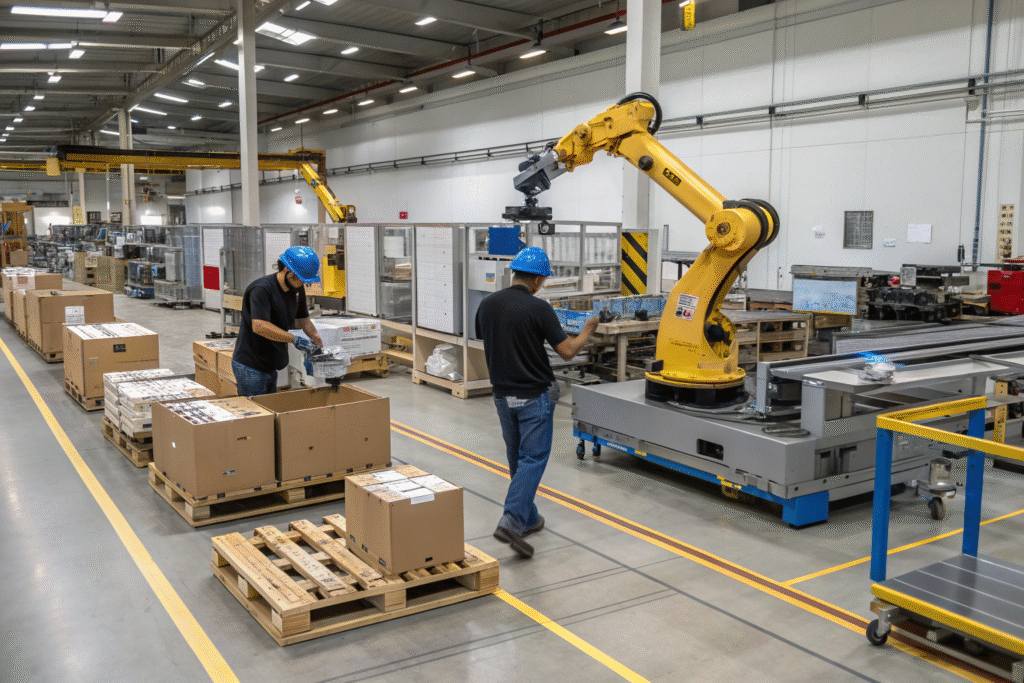
Collaborative robots (cobots) are significantly enhancing worker safety in fashion accessory factories by handling hazardous, repetitive, and ergonomically challenging tasks while working alongside human operators.These systems combine the precision and endurance of robotics with human intelligence and adaptability, creating a manufacturing environment where each performs the tasks best suited to their capabilities while minimizing physical risk to human workers.
Let's examine the specific ways cobot integration is creating safer working environments across different fashion accessory manufacturing processes.
How do cobots reduce ergonomic injuries in accessory assembly?
Assembly line workers in fashion accessory manufacturing frequently develop repetitive strain injuries from performing the same motions thousands of times daily. Tasks like attaching clasps to jewelry, setting stones in hair accessories, or sewing small components require precise, repetitive hand movements that can lead to carpal tunnel syndrome, tendonitis, and other musculoskeletal disorders over time.
Cobots address these ergonomic challenges by taking over the most repetitive and physically stressful operations, allowing human workers to focus on tasks requiring judgment, dexterity, and problem-solving.
What specific high-risk tasks are cobots taking over?
Collaborative robots excel at operations requiring continuous repetition with precision, such as applying consistent pressure when assembling leather bag components, performing exacting soldering operations on metal accessories, or repeatedly inserting tiny pins in jewelry clasps. In our hair clip production line, cobots now handle the repetitive opening and closing mechanisms that previously caused thumb and wrist strain for human operators. This intervention has reduced repetitive strain injuries in that department by 72% while maintaining the same production output.
How do cobots improve workplace ergonomics for remaining human tasks?
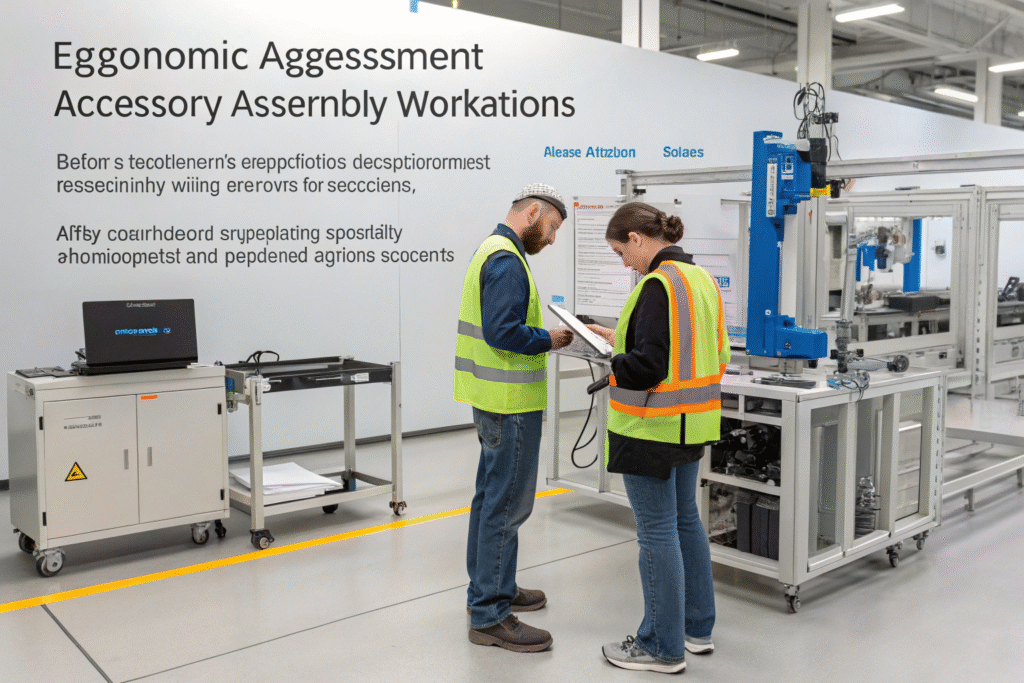
By handling the most physically demanding aspects of production, cobots allow for better ergonomic design of workstations for human operators. Workstations can be optimized for comfortable standing or sitting positions rather than accommodating repetitive machine operation. In our bracelet assembly area, cobots position components at ideal height and angle for human workers to perform final quality checks and delicate finishing work, eliminating the need for constant bending, reaching, or twisting that previously caused back and shoulder problems.
How do cobots minimize exposure to hazardous processes?
Fashion accessory manufacturing involves several processes that expose workers to potential hazards, including chemical exposure from adhesives and finishes, inhalation risks from fine particles during polishing and grinding, and physical risks from high-temperature operations or sharp tooling.
Cobots create physical separation between workers and hazardous processes while maintaining the flexibility and adaptability needed for varied accessory production.
What hazardous operations can cobots isolate from workers?
Collaborative automation effectively handles tasks like applying solvent-based adhesives in well-ventilated enclosures, operating polishing equipment that generates fine particulate matter, and managing high-temperature processes for setting stones or curing coatings. In our belt manufacturing, cobots now operate the dye application stations where chemical exposure was previously a concern. The cobots work within ventilated enclosures while human operators manage material loading and unloading from outside the hazard zone, significantly reducing chemical exposure risks.
How do integrated safety features protect workers near cobots?
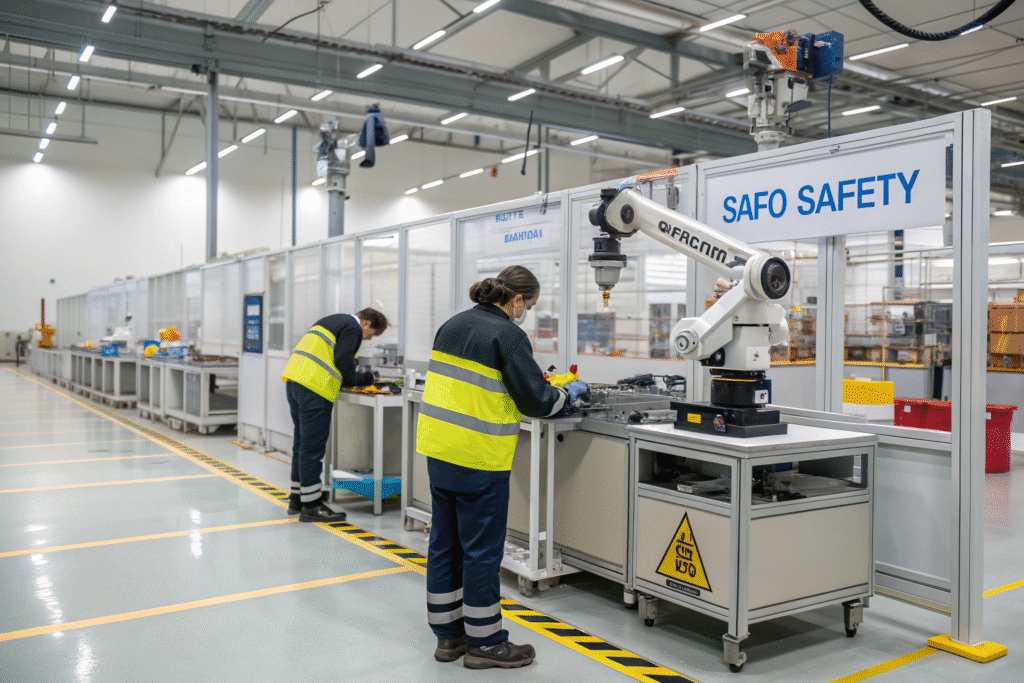
Modern cobots incorporate multiple safety features including force-limited operation that stops immediately upon unexpected contact, rounded surfaces with no pinch points, and sophisticated sensors that detect human presence and adjust speed accordingly. Our cobots used in metal stamping for accessory components operate at reduced speeds when workers are within a defined safety zone and come to an immediate stop if any contact occurs. This built-in safety architecture has eliminated the crushing and impact injuries that occasionally occurred with traditional industrial robotics.
How do cobots improve material handling safety?
Manual material handling in accessory factories presents significant injury risks, including back injuries from lifting heavy rolls of fabric or boxes of components, shoulder strains from repetitive reaching and lifting, and potential impacts from moving materials between workstations.
Cobots transform material handling by taking over the heaviest lifting, most repetitive transports, and most awkward positioning tasks that contribute to the majority of material handling injuries.
What material handling tasks are cobots assuming?
Collaborative robotics now commonly handle transferring heavy rolls of leather and fabric between storage and cutting stations, positioning awkwardly shaped accessory components at ideal work heights, and moving finished goods between production stages. In our scarf department, cobots manage the lifting and positioning of bulk fabric rolls that weigh up to 30kg, eliminating the back injury risk that previously affected workers performing this manual task dozens of times daily. This intervention has completely eliminated manual handling injuries in our textile operations.
How do cobots enhance safety in warehouse and logistics operations?
Beyond the production floor, cobots improve safety in accessory warehouse operations by automating repetitive picking and packing tasks that involve bending, reaching, and lifting. Our fulfillment center now uses cobots to retrieve bulk accessory shipments from high shelves and bring them to ergonomic packing stations where human workers can perform their tasks without ladders, stretching, or heavy lifting. This integrated approach has reduced warehouse incident rates by 64% while improving order accuracy and processing speed.
How do cobots contribute to overall factory safety culture?
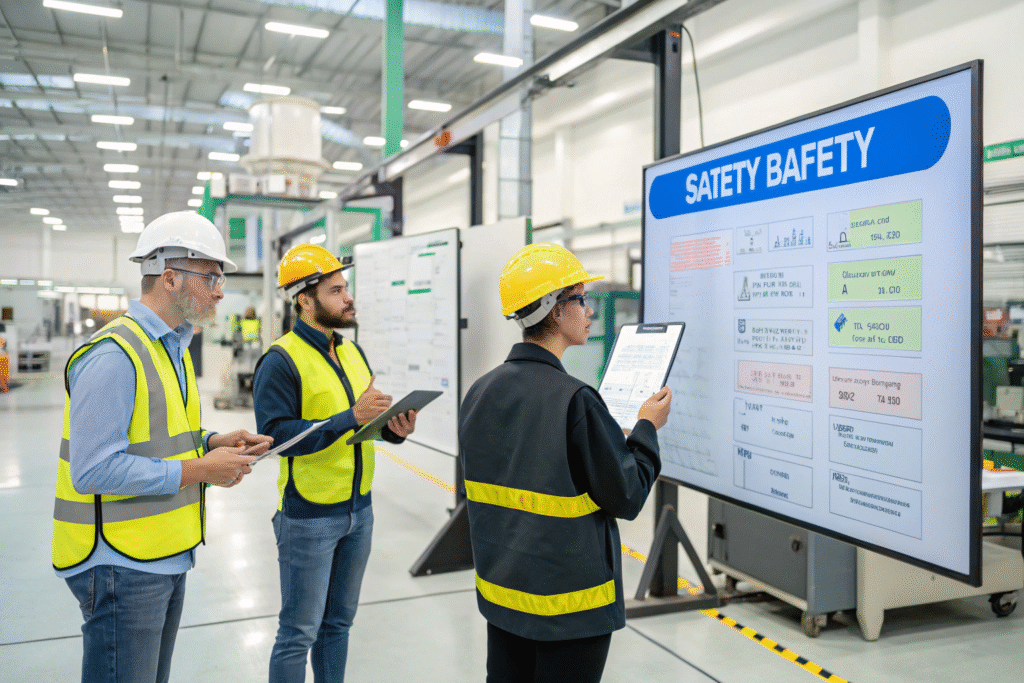
Beyond addressing specific physical risks, cobot integration fosters a broader safety-first mentality throughout manufacturing organizations. The visible investment in worker protection demonstrates management's commitment to safety, while the redistribution of tasks encourages workers to consider safety in all operations.
This cultural shift leads to broader safety improvements beyond the specific applications where cobots are deployed.
How does cobot integration change worker attitudes toward safety?
The introduction of collaborative robotics creates natural opportunities for safety training and awareness building. As workers learn to interact safely with cobots, they become more conscious of other workplace hazards and more likely to follow safety protocols in all operations. In our facility, the cobot implementation program included comprehensive safety education that has resulted in a 42% increase in near-miss reporting and a 57% increase in safety suggestions from production staff, indicating a more engaged and safety-conscious workforce.
What long-term safety benefits emerge from cobot implementation?
The data collected from cobot operations provides valuable insights for continuous safety improvement. Safety analytics from our cobots have identified previously unnoticed patterns in minor incidents and near-misses, allowing us to implement preventive measures before serious injuries occurred. The success of our initial cobot implementations has also created budget justification for additional safety investments, including improved lighting, better flooring, and enhanced ergonomic equipment throughout our facility.
Conclusion
Collaborative robots are transforming worker safety in fashion accessory manufacturing by physically separating workers from the most hazardous tasks, reducing ergonomic strain from repetitive operations, improving material handling safety, and fostering a broader culture of safety consciousness. As cobot technology continues to advance and become more accessible, these systems offer a practical path toward eliminating many common manufacturing injuries while maintaining the flexibility and craftsmanship required for fashion accessory production.
The safety benefits extend beyond injury statistics to include improved worker satisfaction, reduced turnover, and enhanced overall operational efficiency—creating a compelling business case alongside the obvious human benefits.
If you're interested in implementing collaborative robotics to enhance safety in your accessory production or want to partner with a manufacturer that prioritizes worker wellbeing, we invite you to contact our Business Director, Elaine. She can discuss our cobot safety initiatives and how we're creating safer manufacturing environments. Reach her at: elaine@fumaoclothing.com.