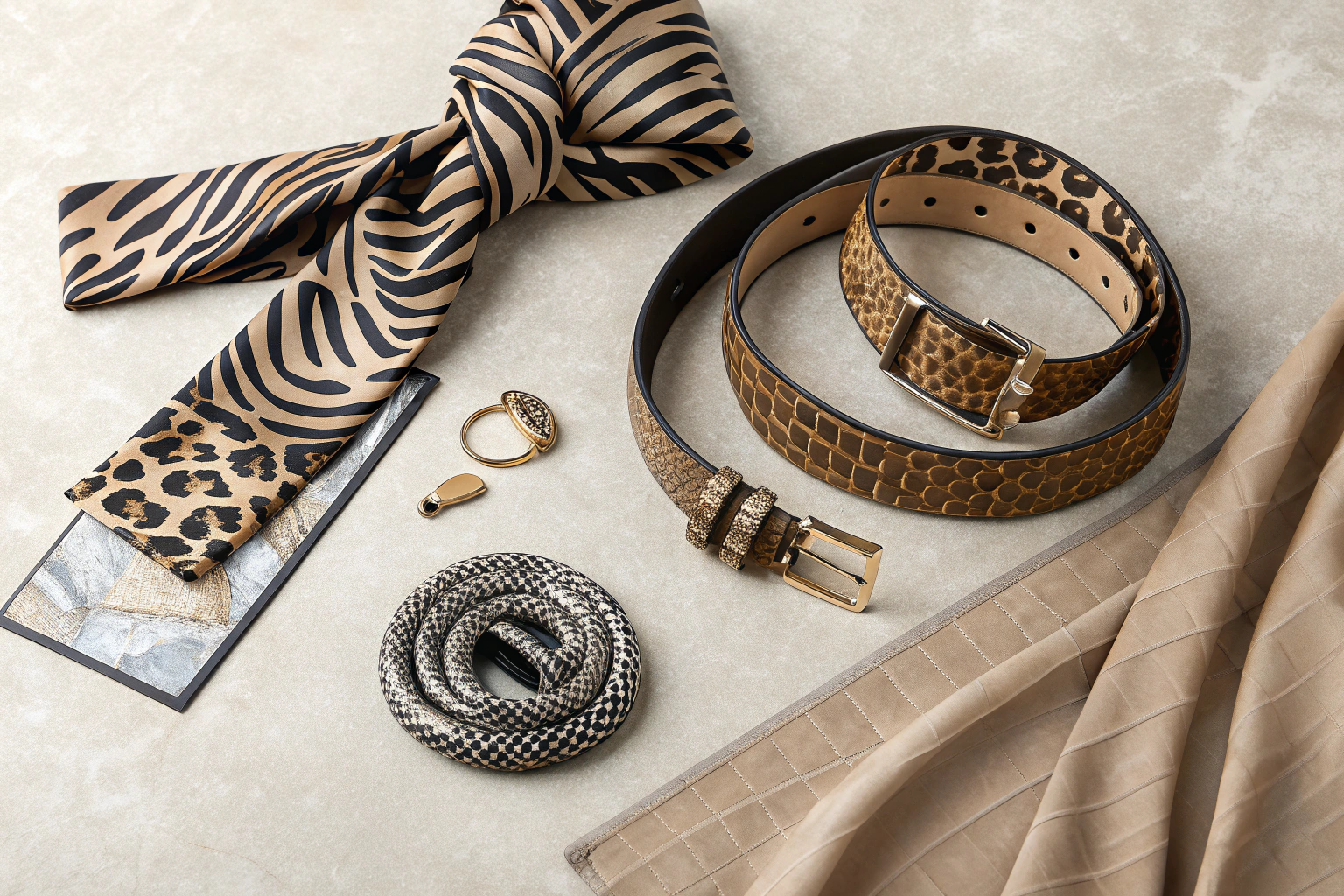
From leopard spots on a silk scarf to zebra stripes on a handbag clasp, animal prints are everywhere in fashion accessories this season. But why does this trend keep roaring back, and why is it particularly powerful in accessories right now? Many see animal prints as a bold, even risky, choice. However, they consistently capture consumer desire and dominate both high fashion and mainstream markets. The secret lies in a powerful blend of psychology, design flexibility, and cultural shifts that make these prints a timeless yet timely choice for accessory lines.
As the owner of AceAccessory, a factory producing belts, scarves, hats, and more for global markets, I see firsthand the surge in orders for leopard, snake, zebra, and cow prints. These designs are not random; they are a direct response to what consumers crave. Animal prints offer an instant dose of confidence, a touch of the wild, and a versatile neutral that works with almost any wardrobe. They are the perfect tool for accessory designers to create pieces that feel both classic and of-the-moment.
This article will explore the deep-rooted reasons behind the enduring appeal of animal prints. We'll examine the psychological pull, their practical versatility, their influence from pop culture, and how to successfully incorporate them into your next collection of hair accessories, bags, or belts. Understanding this trend will help you make strategic design and sourcing decisions.
What is the psychological appeal of animal prints?
The allure of animal prints goes deeper than aesthetics; it taps into primal psychology. Wearing these prints can be an expression of power, confidence, and a connection to the untamed natural world. In a modern context, they serve as "armor" or a personality statement, allowing the wearer to project attributes like strength, independence, and sensuality. This psychological hook is what makes animal prints so compelling in personal adornment.
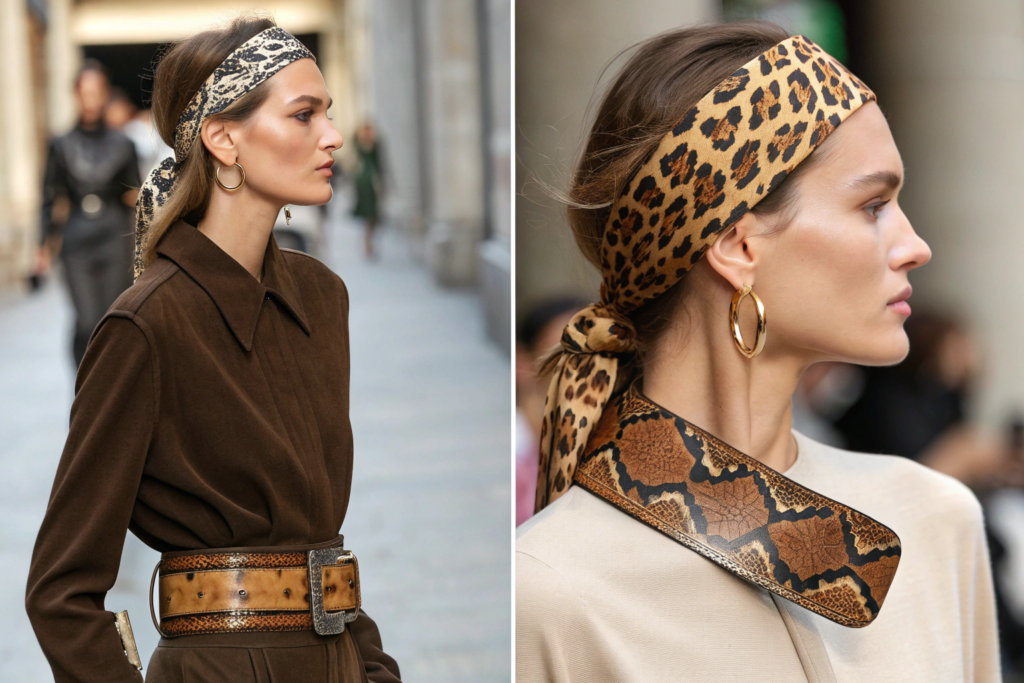
For accessories, which are often the finishing touch or focal point of an outfit, this effect is amplified. A leopard print hair band or a snakeskin belt becomes a conversation starter and a confidence booster. Consumers are not just buying a pattern; they are buying an attitude. This emotional connection drives purchase decisions more than many other geometric or floral prints, giving animal print accessories a competitive edge in a crowded market. It's a key factor in their enduring trend forecasting relevance.
Let's dissect the specific psychological drivers that make these prints so effective in accessory design.
How do these prints convey power and confidence?
Animal prints are intrinsically linked to the power of the animals they mimic. Leopard print suggests stealth, cunning, and apex predator status. Zebra stripes evoke uniqueness and bold contrast. Snake print symbolizes transformation and rebirth. By incorporating these motifs into accessories, wearers can "borrow" these symbolic qualities.
A customer choosing a crocodile-embossed leather handbag is often making a statement about status and resilience. A tiger stripe on a baseball cap can project a daring, energetic vibe. In the world of fashion accessories, these items act as non-verbal communication tools. They allow individuals to express a facet of their personality they wish to highlight—be it fierce independence, sophisticated mystery, or bold creativity. This symbolic value makes animal prints a powerful tool for brand identity and customer self-expression.
Why are they considered a "safe" form of fashion rebellion?
Animal prints offer a perfect balance between classic and daring. They are a widely accepted form of pattern that still feels bold and slightly rebellious. Unlike wearing head-to-toe neon colors or avant-garde silhouettes, incorporating an animal print accessory is a relatively low-risk way to stand out.
A person might wear a neutral outfit but add a cheetah print scarf or python texture belt to instantly elevate and personalize their look. It’s rebellion without revolution—a way to feel fashionable and adventurous without stepping too far outside comfort zones. This makes them incredibly popular for mass-market accessory lines targeting a broad audience. At Shanghai Fumao, we see this "safe rebellion" factor as a key driver for consistent, high-volume orders across seasons, from hair clips to bag charms.
How does versatility drive the trend in accessories?
Beyond psychology, pure practicality fuels the trend. Animal prints possess a unique chameleon-like quality; they can function both as a neutral and as a statement. This dual nature makes them exceptionally versatile for accessory designers and consumers alike. A single animal print item can refresh a wardrobe and be styled in countless ways, offering high perceived value.
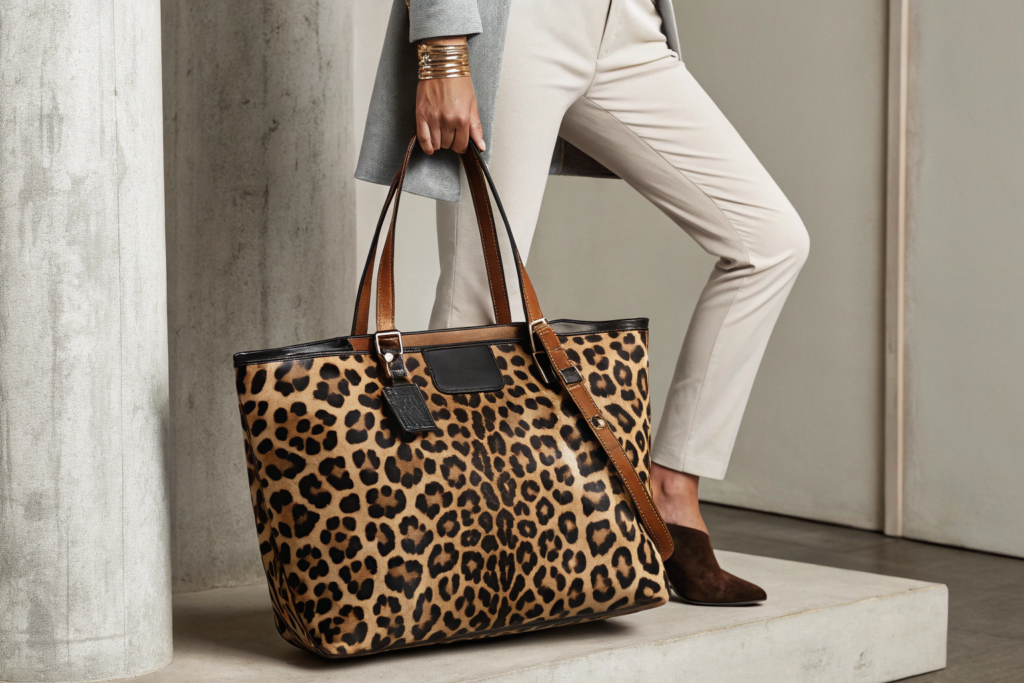
In accessories, this versatility is paramount. A consumer is more likely to invest in a leopard print tote bag if they know it will pair with black office wear, weekend denim, and even a summer dress. This wearability across seasons and occasions makes animal prints a commercially reliable choice for brands and retailers. They are a trend with longevity, reducing the risk of dead stock for buyers.
Can animal prints truly act as a neutral base?
Absolutely. When executed in a classic color palette—black/white, brown/beige, navy/cream—animal prints function as sophisticated neutrals. The pattern breaks up solid blocks of color without clashing, much like a tweed or herringbone fabric. A zebra print headband in black and white can anchor a colorful outfit or complement a monochromatic one.
This "patterned neutral" concept is a cornerstone of their success in accessory design. It allows them to be layered with other patterns (like stripes or florals) more easily than most prints. For manufacturers, this means producing these items in classic colorways ensures they have a long shelf life and appeal across different market segments, from conservative to fashion-forward. It’s a strategy that supports both fast fashion cycles and timeless capsule collections.
What makes them so easy to style across seasons?
Animal prints transcend seasonal color trends. While Pantone's Color of the Year changes annually, leopard print remains a constant. Their earthy, natural tones (taupes, browns, blacks, whites) seamlessly transition from fall/winter to spring/summer collections. In winter, a fake fur leopard print earmuff feels cozy and luxurious. In summer, the same print on a straw beach bag or canvas hat feels tropical and chic.
This cross-seasonal relevance is a major advantage for inventory planning and product development. It allows brands to carry over successful SKUs or easily adapt prints to different materials. For example, our factory might produce a snakeskin print on a heavy PU leather belt for autumn and on a lightweight silk twill scarf for spring, maximizing the trend's lifespan with minimal redesign effort.
What role do celebrities and social media play?
Trends are amplified at lightning speed in the digital age, and animal prints are no exception. Celebrities, influencers, and social media platforms like Instagram, TikTok, and Pinterest serve as massive accelerators. When a major celebrity is photographed wearing a distinctive animal print accessory, it creates immediate demand and validates the trend for millions of followers.
Social media, particularly visual platforms, is the perfect showcase for the bold, photogenic nature of animal prints. They create high-contrast, eye-catching content that stands out in a crowded feed. A cheetah print phone case or tiger stripe bucket hat becomes not just an accessory, but a content prop. This digital visibility creates a feedback loop: more visibility drives more demand, which leads to more production from accessory manufacturers like us.
How do influencers make animal prints feel new again?
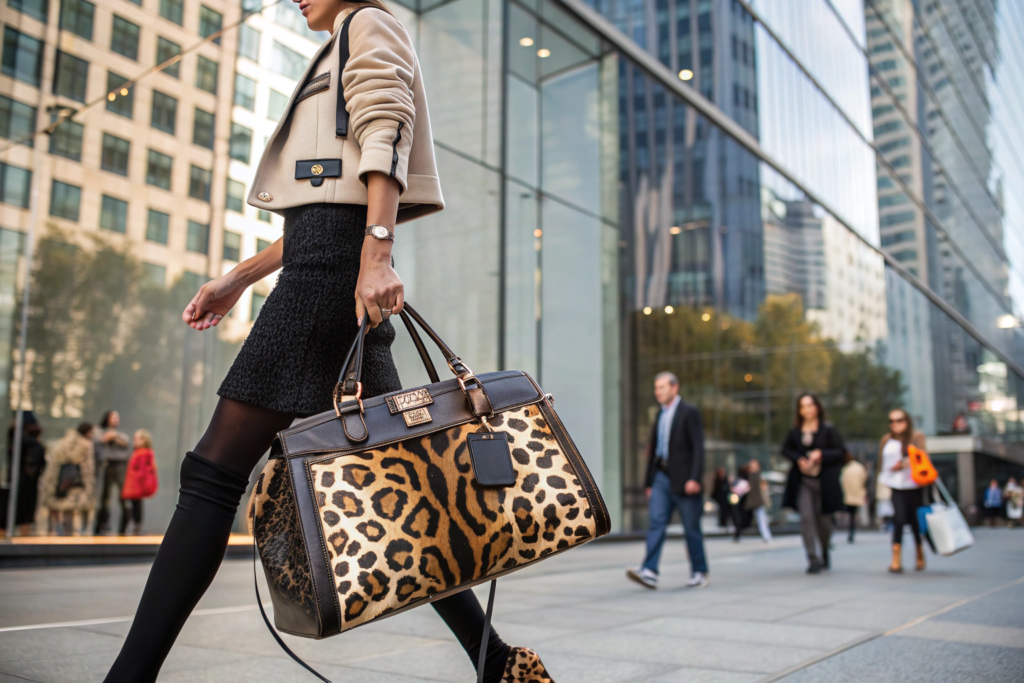
Influencers and stylists constantly reinvent how to wear classic trends. They demonstrate fresh styling techniques that make animal prints feel current. An influencer might layer a snakeskin belt over a trench coat, pair a cow print scarf with pastel sportswear, or use a leopard print bag as a pop against an all-white outfit.
These new contexts demystify the print for hesitant consumers and inspire them to try it. This continuous reinvention is crucial for a perennial trend. It prevents consumer fatigue and opens up new market segments. For brands, partnering with influencers who authentically resonate with animal prints can be a highly effective marketing strategy to reach targeted audiences on platforms like Instagram.
Are there specific animal prints dominating current trends?
While leopard is the perennial queen, trends within the category shift. Recent years have seen a strong resurgence of cow print (associated with the '90s/Y2K revival), python and snakeskin (for a sleek, modern feel), and zebra (for bold graphic impact). There's also a growing interest in more exotic and artistic interpretations, like giraffe or abstract animal-inspired patterns.
This sub-trending allows brands to cater to different consumer moods. A brand targeting a younger, Gen-Z audience might focus on cow print hair clips and bucket hats. A brand targeting sophisticated professionals might focus on embossed crocodile leather belts and subtle python print gloves. Monitoring these micro-trends through trend forecasting services and social listening helps in making precise product development decisions.
How to successfully source and produce animal print accessories?
Capitalizing on this trend requires more than just adding a leopard spot to a product. Success lies in thoughtful execution, material choice, and ethical considerations. The wrong shade, poor print quality, or stiff material can make an accessory look cheap rather than chic. Sourcing requires a keen eye for detail and a reliable manufacturing partner.
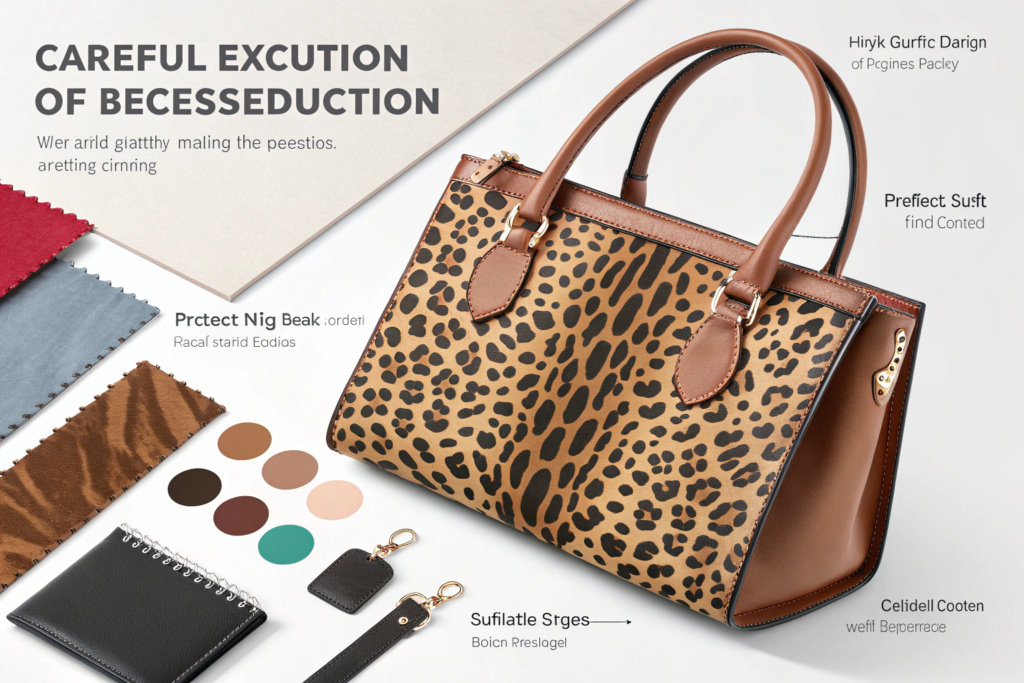
Key considerations include print scale (too large can be overwhelming on a small accessory), color accuracy, and the base material. The print must be aligned with the product's function and target price point. A luxury-feel animal print requires high-quality embossing or printing on suitable materials, while a fast-fashion version might use a printed fabric. Understanding these nuances is what separates a bestseller from a shelf-sitter.
What are the best materials and printing techniques?
The material dictates the technique and final look:
- For Leather/ PU Goods (Belts, Bags): Embossing or laser-etching creates a realistic, textured, and durable animal print effect on leather or PU leather. This is a high-quality finish.
- For Textiles (Scarves, Hair Bands, Apparel): Digital printing allows for photorealistic, complex patterns with vibrant colors on silk, cotton, or polyester. Sublimation printing is excellent for all-over prints on synthetic fabrics like those used for activewear headbands.
- For Knits (Hats, Gloves): Jacquard or intarsia knitting can incorporate animal print patterns directly into the knit structure for a premium, textural effect.
Working with a factory like Shanghai Fumao that has expertise across these different techniques ensures the chosen method enhances the product. We help clients select the right approach based on their design vision, cost target, and desired hand-feel, ensuring the accessory has the intended impact.
How to ensure ethical and sustainable practices?
The modern consumer is increasingly conscious. While real exotic skins are a luxury niche, most mainstream animal prints are faux. It is crucial to communicate this clearly. Sustainability questions arise around the materials used for faux prints (e.g., PVC vs. more eco-friendly PU) and the dyes/processes involved.
Proactive brands are now seeking:
- Bio-based or Recycled Materials: Using recycled polyester as a base for printed scarves or bags.
- Eco-friendly Inks: Sourcing products printed with OEKO-TEX certified, non-toxic dyes.
- Transparency: Clearly labeling items as "faux" or "vegan leather."
- Quality: Producing durable items that won't be discarded quickly, countering fast-fashion waste.
Embracing these practices is not just ethical; it's a strong branding and marketing advantage. It aligns your products with evolving consumer values and builds long-term loyalty. As a manufacturer, we are investing in these sustainable options to provide our clients with responsible choices for their trendy animal print collections.
Conclusion
Animal prints are trending in accessory fashion because they successfully fulfill multiple roles: they are psychological power tools, design chameleons, social media stars, and commercial workhorses. Their ability to feel both timeless and fresh, bold and wearable, makes them a uniquely resilient trend. For brands and buyers, they represent a strategic opportunity to create accessories with high emotional appeal and broad market reach.
The key to leveraging this trend lies in understanding its nuances—choosing the right print for your audience, executing it with quality on suitable materials, and considering the ethical implications. When done well, an animal print accessory becomes more than just an item; it becomes a beloved staple in a consumer's wardrobe.
If you are looking to develop a compelling line of animal print accessories—from statement belts and bags to subtle hair details—having a knowledgeable manufacturing partner is essential. At Shanghai Fumao, our design and production teams specialize in translating trends into high-quality, market-ready products. We can guide you through material selection, print techniques, and sustainable options to ensure your collection stands out. To start creating your next best-selling accessory line, contact our Business Director, Elaine, at elaine@fumaoclothing.com. Let's bring the power of the wild to your brand.