If you're planning your accessory line for 2026, understanding the next wave of fabric trends is not just about aesthetics—it's about meeting the evolving values of consumers. The market is shifting decisively towards materials that tell a story of well-being, responsibility, and intelligent design.
For scarves, the 2026 trends move beyond simple fiber content. The focus is on a fabric's origin, its functional intelligence, and the sensory experience it delivers. From industry-leading trend forecasts, we see a clear direction: consumers are seeking comfort that caters to both body and mind, demanding authenticity through natural and traceable materials, and valuing clever design that combines multiple benefits seamlessly. As a manufacturer serving global brands, we at Shanghai Fumao Clothing are translating these macro trends into tangible, beautiful, and commercial scarf collections.
The "Wander" Theme: Fabrics for Lightness & Emotional Well-being?
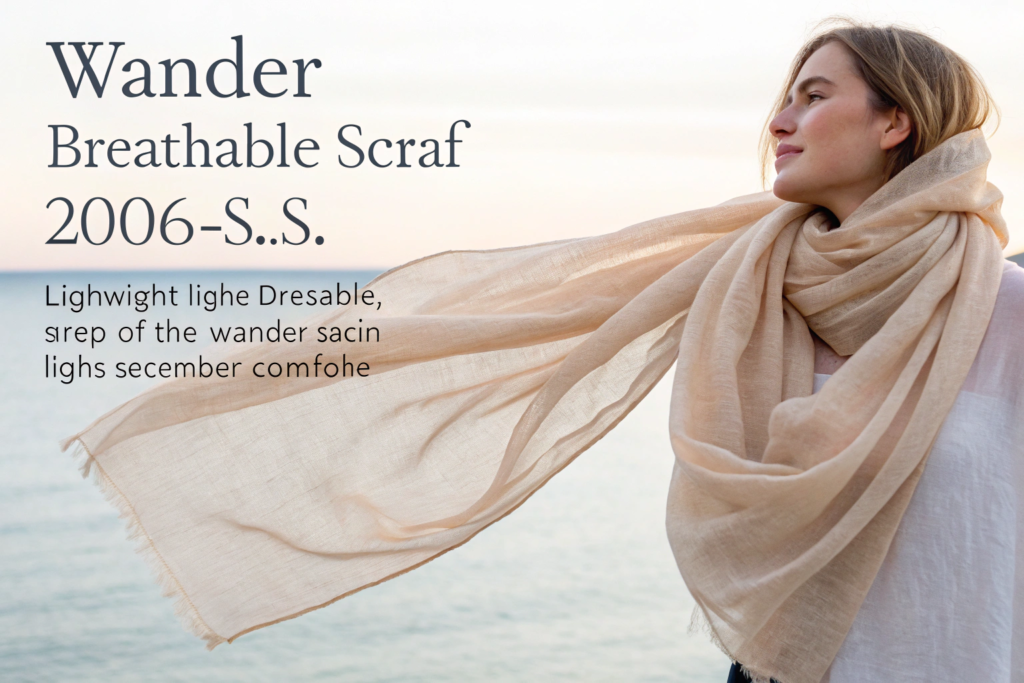
The first major trend pillar for 2026 S/S is "Wander," which centers on lightness, comfort, and a sense of emotional escape. This theme responds to a growing desire for items that provide a tactile, soothing experience in daily life.
Scarves that embody this trend are all about a gentle, "second-skin" feel and a visual softness that suggests ease. Think of fabrics that are inherently breathable and offer a delicate, floating drape. This isn't about heavy warmth, but about a layer of comfort that feels uplifting and effortless.
What specific fiber technologies enable this ultra-comfortable feel?
Modern fiber science is key to achieving this premium, comforting hand-feel. Leading innovations highlighted in the 2025/2026 fiber trends include "Supersense" fibers, which are engineered for exceptional softness and a dry, smooth touch. Another breakthrough is in temperature-regulating fibers. These intelligent materials, such as those with continuous cooling or moisture-wicking properties, can help maintain an ideal microclimate around the neck. For the "Wander" theme, combining these with natural, breathable bases like fine merino wool or lyocell creates a scarf that is both comforting and functionally smart, perfectly aligning with the trend's focus on "light living".
How can texture and color enhance the soothing character of a scarf?
Texture and color are direct translators of this trend's emotional language. The trend calls for soft, inviting textures—think fine ribs, gentle puckers, or a faint, cloud-like brushed surface. Visually, the color palette is derived from calm, natural inspirations. For 2026 S/S, key colors include muted, earthy tones like Flax Beige and refreshing, pale hues such as Mint Green. These colors are not loud; they are quiet, healing, and intended to integrate seamlessly into a relaxed, everyday style, making the scarf an instrument of personal calm.
The "Co-habitat" Theme: Celebrating Authentic & Natural Materials?
In direct contrast to synthetic uniformity, the "Co-habitat" trend celebrates raw, authentic, and naturally derived materials. This trend is driven by a desire for genuine connection to nature and a transparent, sustainable origin story.
This theme is perfect for scarves that market themselves on authenticity and eco-consciousness. It favors materials that are inherently biodegradable and have a lower environmental footprint from the start. The look and feel are rustic, tactile, and honest, often showcasing the innate irregularities and character of natural fibers.

Which natural and bio-based fibers are leading this trend?
The trend is championed by a new generation of advanced natural and bio-based fibers. Organic linen and hemp are cornerstone materials, prized for their breathability, texture, and natural appeal. Beyond traditional naturals, innovative bio-based chemical fibers are gaining massive traction. These include fibers made from renewable resources like recycled cotton textiles or non-food plant sources. For example, new solvent-based regenerated cellulose fibers offer the sublime drape and feel of high-end rayon but originate from recycled cotton, providing a compelling sustainable narrative.
Why is traceability becoming a critical feature for materials?
For the discerning 2026 consumer, it's no longer enough to claim a material is "green." They demand proof through transparency and traceability. This is where technologies like blockchain tracking or fiber identification systems become a powerful selling point. Brands can now offer stories like "This scarf is made from 100% traceable recycled cellulose, sourced from post-consumer cotton garments." This level of detail satisfies the ethical consumer and builds immense brand trust. Furthermore, certifications for low-carbon production processes and biodegradability are moving from nice-to-haves to essential requirements for products under this trend.
The "Follow the Meaning" & "Symphony" Themes: Where High-Tech Meets High-Fashion?
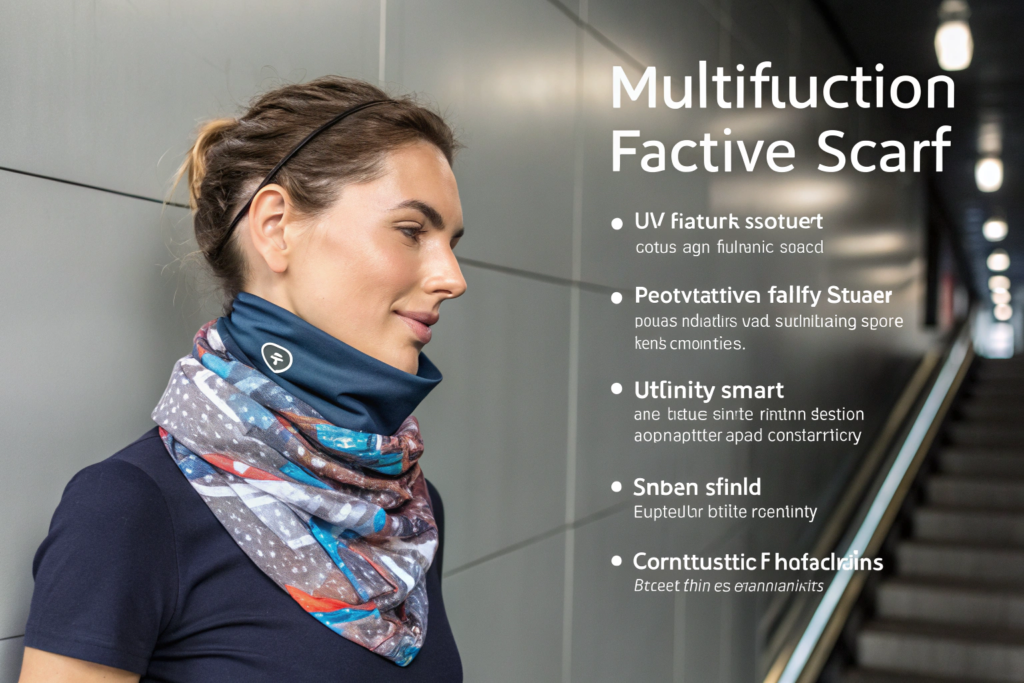
The final trend quadrant combines the "Follow the Meaning" theme, which merges modern creativity with future-smart utility, and the "Symphony" theme, which fuses urban and athletic elements. Together, they point toward scarves that are multifunctional, technologically enhanced, and designed for dynamic lifestyles.
This is for the fashion-forward, active consumer. Scarves here might transform in use—think of a decorative scarf that also provides UV protection on a sunny day. They often feature hybrid constructions, mixing yarns for unexpected effects, or incorporate performance finishes without sacrificing style.
What functional finishes are relevant for fashion scarves?
The integration of practical, invisible technology is key. Based on fiber trend reports, highly relevant functional finishes for 2026 include:
- Advanced UV Protection: Moving beyond basic blocking to smart, durable coatings that are integrated into the fiber itself.
- Odor-Control & Antibacterial: Technologies that use mineral or plant-based additives to keep the fabric fresh, ideal for scarves worn close to the skin.
- Weather Resistance: A light, durable water repellent (DWR) finish that protects against light rain or wind without a plastic-like feel.
These functionalities align perfectly with the "urban outdoor" style narrative, allowing a scarf to be a true companion from a city commute to a weekend hike.
How are smart material hybrids creating new scarf categories?
The most exciting developments are in material hybrids. Designers are creating "performance-luxe" by blending fine natural fibers with high-tech synthetics. Imagine a cashmere yarn twisted with a temperature-regulating filament, or a silk weave combined with recycled polyester for added durability and shape retention. Furthermore, the rise of new Chinese-style ("Xin Zhong Shi") aesthetics is influencing this category. This can manifest in scarves that use high-tech, eco-friendly fibers but are decorated with patterns or weaving techniques inspired by traditional Chinese art, creating a powerful fusion of heritage and innovation that is highly relevant for the global market.
Won’t Sustainable & Eco-Friendly Fabrics Lead the 2026 Scarf Trend?
With the deepening of the "double carbon" strategy and the rising awareness of environmental protection among consumers, sustainable and eco-friendly fabrics have become an irreversible trend in the scarf market. Data shows that the market size of China's scarf industry is expected to break through 720 billion yuan by 2030, and the proportion of eco-friendly materials such as recycled fibers is projected to exceed 35%.
Isn’t Recycled Synthetic Fiber Becoming a Mainstream Sustainable Choice for Scarves?
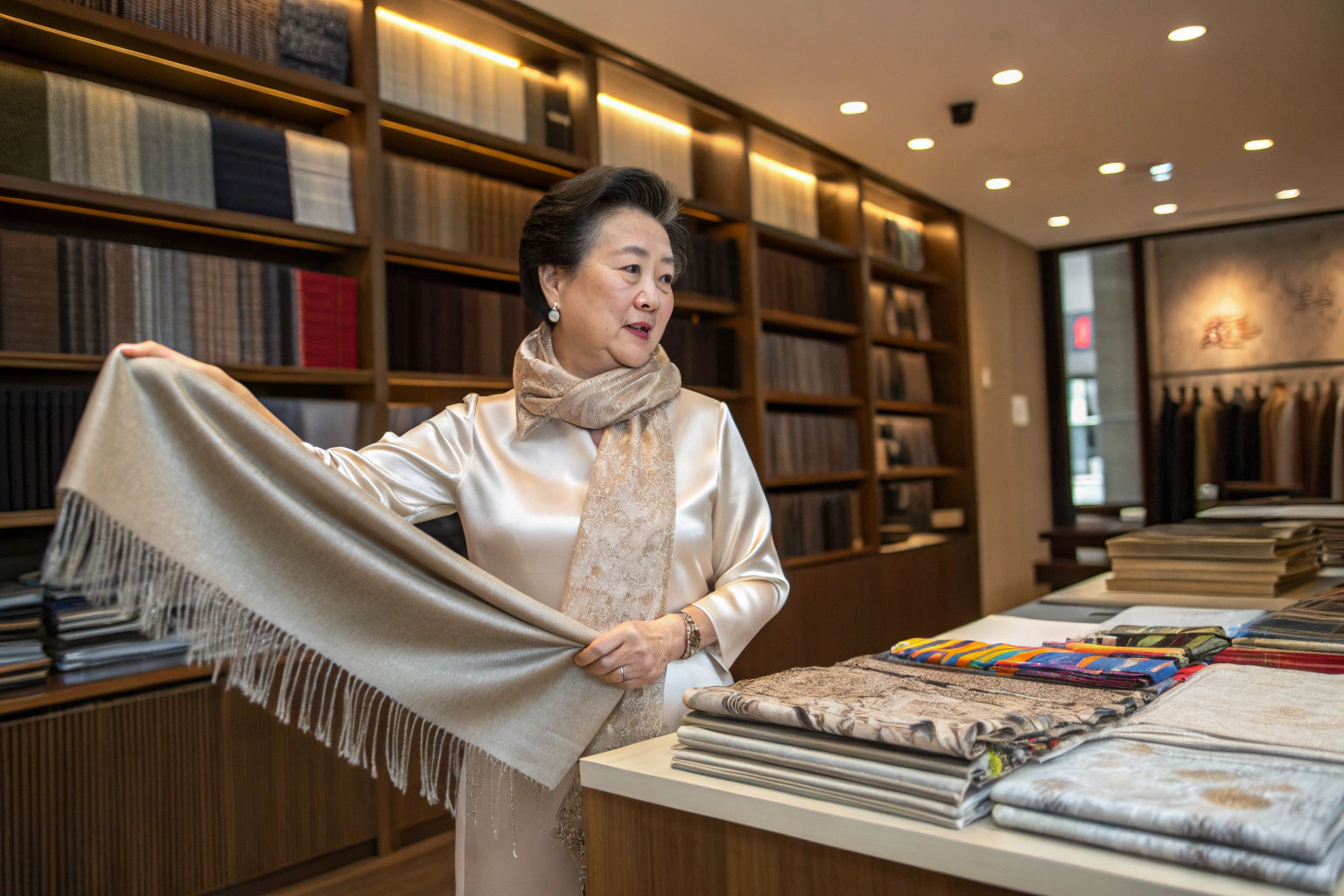
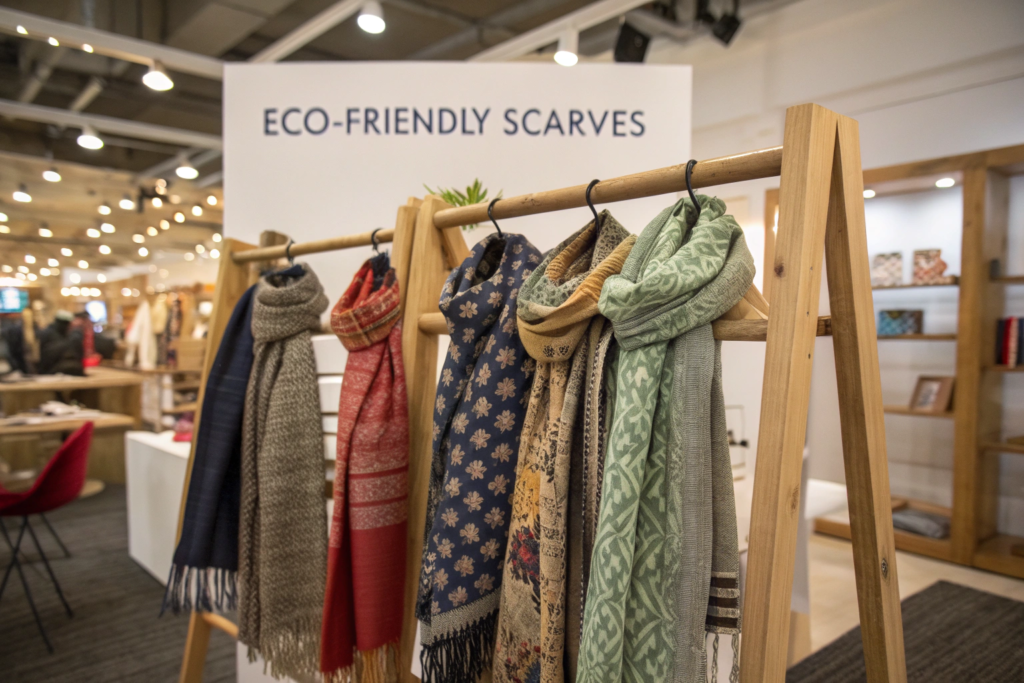
Recycled polyester is a standout choice, favored for its eco-responsibility, excellent durability, and easy maintenance. Made from recycled materials such as discarded beverage bottles, it realizes the recycling of resources and responds to the call of sustainable development. It meets the growing consumer demand for environmental commitment while offering a soft touch and versatile styling options like fringed finishes. The market share of recycled chemical fibers in scarves is expected to rise significantly, becoming a mainstream sustainable material. Moreover, its cost advantage makes it popular in the mid-range market, balancing environmental protection and affordability for consumers.
Can Natural Green Fibers Like Organic Cotton and Bamboo Fiber Be Ignored in 2026?
Organic cotton, bamboo fiber, and linen are gaining traction. Organic cotton’s market share in scarves is projected to surge to over 25% by 2030, driven by its renewable and skin-friendly properties, which are particularly favored by consumers with sensitive skin. Bamboo fiber and linen, with natural moisture-wicking and antibacterial features, are also popular, especially suitable for spring and summer scarves. When blended with polyester, they balance structure and elasticity, making the products more adaptable to different wearing scenarios. In addition, the natural texture and plant-dyed colors of these fibers align with the "ecological poetry" design trend in 2026, adding a sense of simplicity and luxury to scarves.
Conclusion
The 2026 scarf fabric landscape is rich with opportunity, defined by three interconnected movements: the pursuit of emotional and tactile comfort ("Wander"), the demand for authentic and traceable naturalism ("Co-habitat"), and the innovation in smart, hybrid performance fabrics ("Follow the Meaning"/"Symphony"). Success will come from choosing materials that align with these core consumer values, not just seasonal colors.
For brands and buyers, this means partnering with a manufacturer that understands both the poetry of these trends and the practical science behind them. It requires a source with strong R&D capabilities to access innovative fibers, a rigorous quality control team to ensure these advanced materials perform consistently, and a professional design team that can translate trends into commercially viable products.
If you are looking to develop a scarf line that captures the spirit of 2026 with quality, innovation, and competitive pricing, let's discuss how we can bring your vision to life. Contact our Business Director, Elaine, at elaine@fumaoclothing.com to start a conversation about your next accessory collection with Shanghai Fumao Clothing.