Your finger is always on the pulse of global fashion. You've seen how streetwear has evolved from a niche subculture into a dominant force in the luxury market. Now, you're looking to expand your headwear collection to target the sophisticated, trend-setting streetwear scene in European cities like Paris, London, and Milan. But you immediately recognize a challenge. The loud, logo-heavy, flat-brimmed styles that might work in some markets feel out of place. You're asking a crucial product development question: What specific characteristics define a baseball cap that will resonate with the discerning European streetwear consumer?
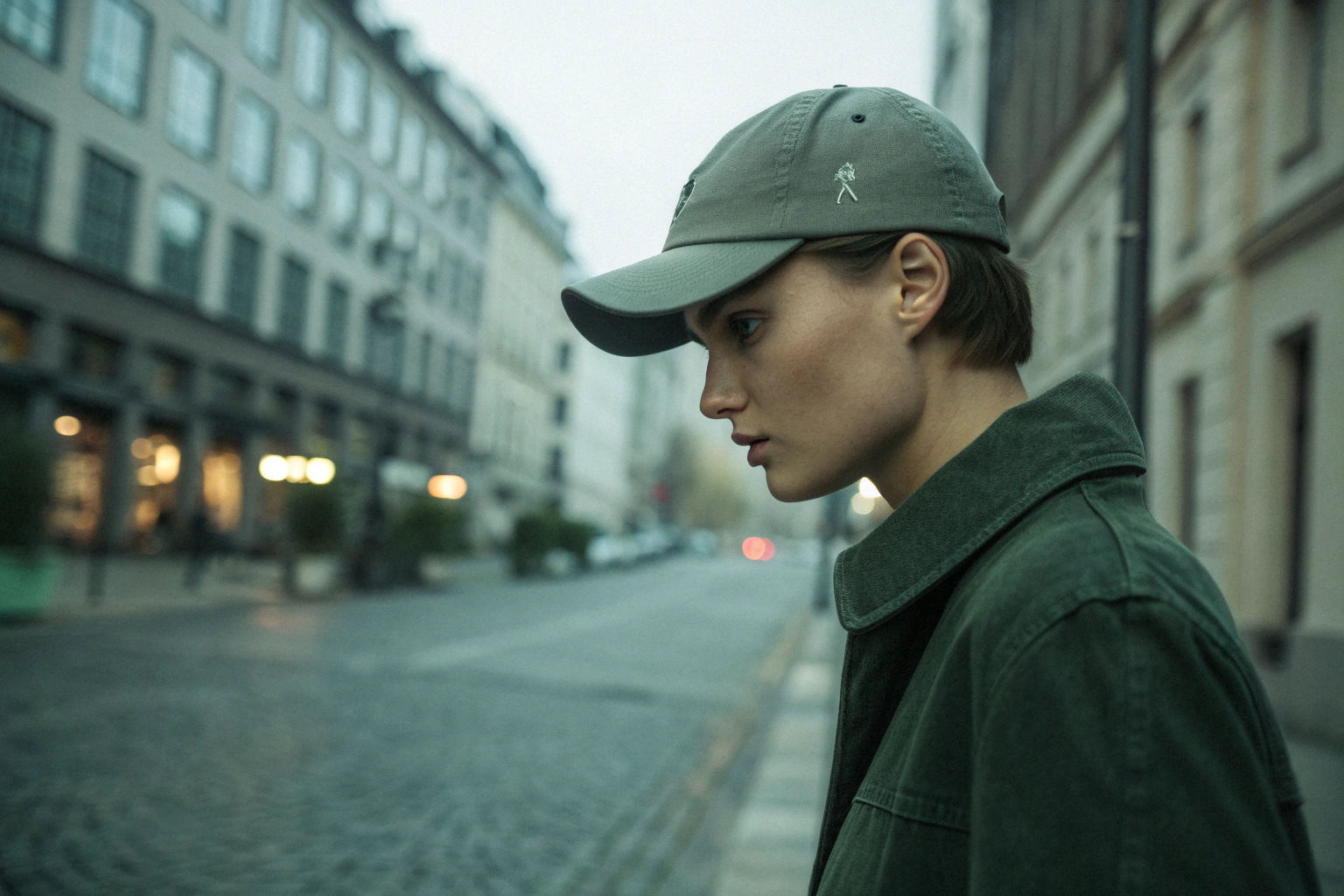
Baseball caps suitable for European streetwear brands are defined by a philosophy of "understated quality" and minimalist design. The most successful styles are typically unstructured or low-profile "dad caps" and 5-panel caps crafted from premium, textured fabrics like cotton twill, corduroy, or wool. The focus is on a muted, sophisticated color palette, a perfectly curved brim, and subtle, high-quality branding—often a small, meticulously embroidered icon or a clean, typographic logo—rather than large, bold graphics.
I'm the owner of Shanghai Fumao, and we've manufactured headwear for dozens of successful streetwear brands targeting the European market. I've learned that the European consumer, particularly in the streetwear space, approaches fashion with a different eye. They value material, fit, and subtle details over loud branding. They are not buying a logo; they are buying a beautifully made object that complements their personal style. Understanding this mindset is the key to designing a cap that doesn't just get worn, but gets coveted. Let's break down the specific elements that make a baseball cap a perfect fit for the European street.
Why is the "Dad Cap" the Reigning Silhouette?
The foundation of any cap is its shape, or "silhouette." In the European streetwear scene, one style has overwhelmingly dominated all others for its relaxed, versatile, and anti-fashion fashion appeal: the "dad cap."
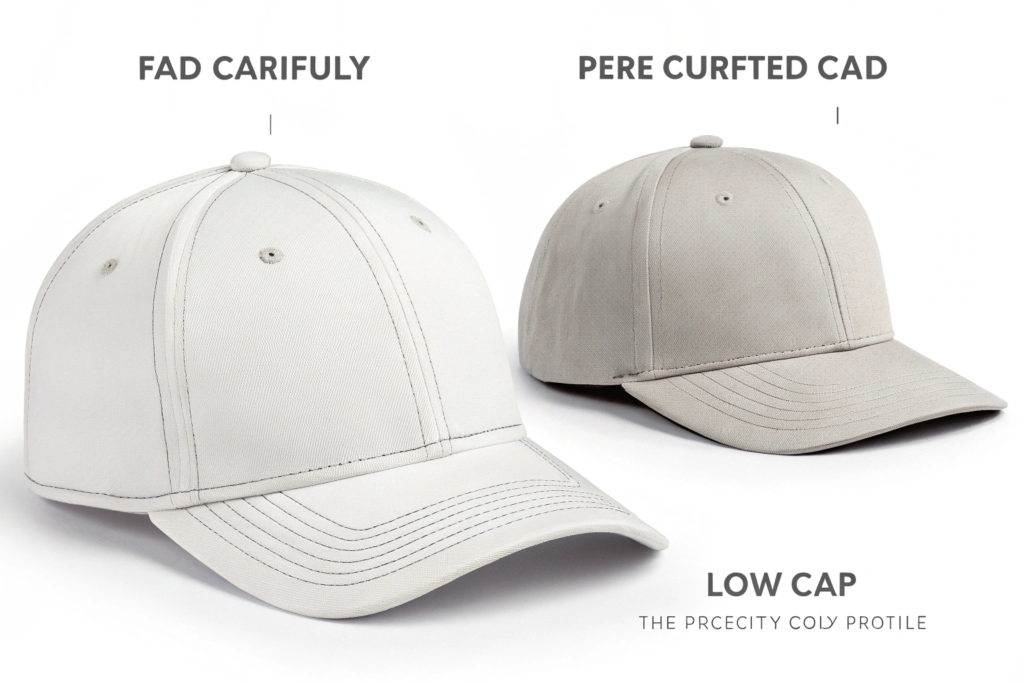
The "dad cap" is the reigning silhouette for European streetwear because its unstructured, low-profile design projects an image of effortless, unpretentious cool. Unlike the rigid, high-profile structure of traditional baseball caps, the soft, conforming fit of a dad cap feels more personal and less like a uniform. Its inherent casualness and pre-curved brim make it incredibly versatile, easily pairing with everything from a tailored overcoat to a vintage hoodie, which perfectly aligns with the eclectic, high-low styling of European fashion.
Let's analyze why this specific shape works so well:
- Unstructured Crown: The front panels of a dad cap have no stiff backing (buckram). This allows the crown to be soft and "unstructured," conforming to the shape of the wearer's head. This creates a more relaxed, natural, and less imposing look compared to the "billboard" effect of a stiff, structured cap.
- Low Profile: The crown of the cap is shallower, meaning it sits lower on the head and doesn't stand up as high. This contributes to its understated, less "shouty" aesthetic.
- Pre-Curved Brim: The brim is already curved into a classic shape. This is a direct rejection of the flat-brimmed snapback style that dominated streetwear in a previous era. The curved brim is timeless, practical, and universally flattering.
- The "Effortless" Vibe: The dad cap looks like something you've owned for years, even when it's brand new. It has a lived-in, comfortable feel that aligns perfectly with the streetwear ethos of authenticity and not trying too hard. It's a subtle nod to vintage Americana, re-contextualized in a modern European setting.
What is a 5-Panel Cap?
The 5-panel cap is another hugely popular silhouette in streetwear, often associated with skate and cycling culture. Instead of the six triangular panels of a dad cap, it has five panels: one large, seamless front panel, two top panels, and two side panels. This large front panel is a perfect, flat canvas for a patch, a label, or a graphic, making it a favorite for many brands. It has a slightly more "technical" or "outdoorsy" feel than a dad cap but is equally at home in the European streetwear scene.
What about the closure?
The closure on the back of the cap is a key detail. For the European market, the preferred closures are:
- Fabric Strap with Metal Buckle: This is the classic choice for a dad cap. A high-quality, antique brass or silver buckle adds a touch of class and durability.
- Leather Strap with Metal Clasp: This is a premium option that elevates the entire cap, pushing it towards the luxury end of the market.
- Avoid: The plastic snapback closure is generally seen as less sophisticated and is more associated with American sportswear or a bygone era of streetwear.
Which Fabrics Communicate "Understated Quality"?
If the silhouette is the skeleton, the fabric is the skin. In a market that values subtlety, the texture, weight, and quality of the material do most of the talking. A premium fabric is a signal to the discerning consumer that this is a well-made object, not a cheap promotional item.
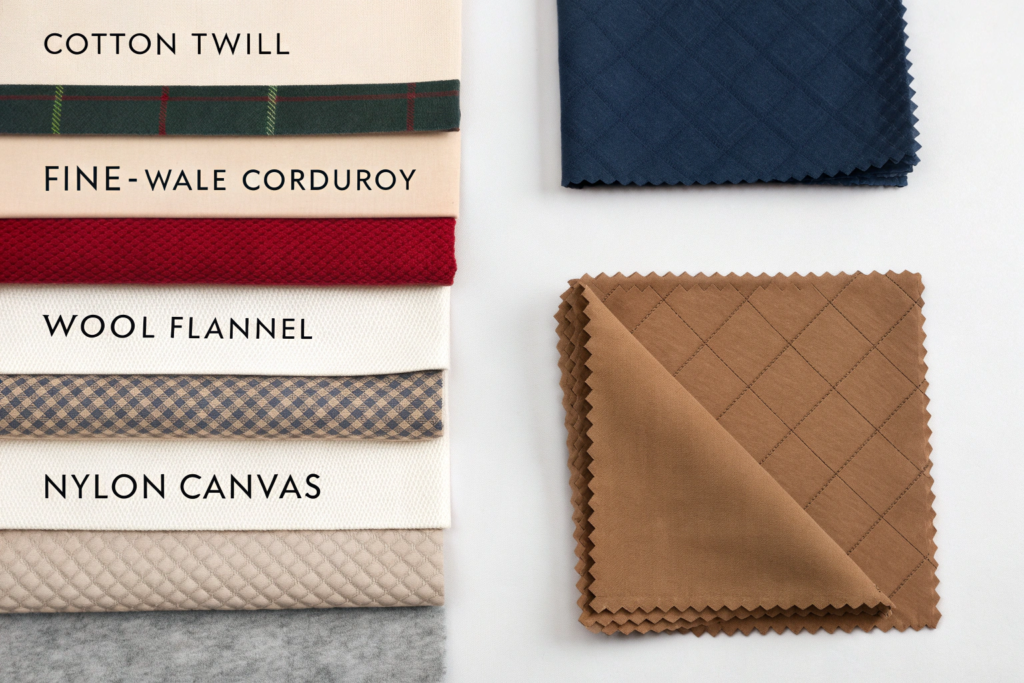
The fabrics that communicate "understated quality" in the European streetwear scene are those with a rich texture, a satisfying weight, and a connection to classic, utilitarian apparel. Heavyweight cotton twill is the timeless standard. However, fine-wale corduroy, wool flannel, and durable nylon or canvas are increasingly popular choices that add a layer of textural interest and seasonal relevance, elevating the cap from a simple accessory to a considered piece of design.
Here are the top fabric choices to consider:
- Cotton Twill (The Gold Standard): You cannot go wrong with a high-quality, heavyweight cotton twill. It's the original and most authentic fabric for a baseball cap. It's durable, breathable, and holds its shape well. The key is "heavyweight"—a flimsy, lightweight twill will feel cheap.
- Corduroy (The Textural Favorite): Fine-wale corduroy has been a massive trend in headwear. It adds a rich, velvety texture and a touch of vintage, academic charm. It works beautifully in autumnal colors like olive, rust, and navy.
- Wool & Wool Blends (The Winter Essential): For fall and winter collections, a wool flannel or a wool blend cap is a sophisticated choice. It adds warmth and a luxurious, sartorial feel. It pairs perfectly with the wool overcoats and knitwear that are staples of European winter fashion.
- Nylon/Canvas (The Utilitarian Option): A durable canvas or a technical nylon fabric gives the cap a more utilitarian, workwear, or outdoorsy feel. This aligns with the Gorpcore trend (the aesthetic of functional, outdoor-inspired clothing) and appeals to a customer who values durability and function. Brands like Carhartt WIP have mastered this aesthetic.
When you choose a premium fabric, you are creating a product that will not only look better but will also last longer, which is a key tenet of the sustainable fashion movement that is very strong in Europe.
What is "washed" cotton twill?
"Washed" or "garment-washed" twill is a fabric that has been pre-washed before being sold. This process softens the fabric, gives it a slightly faded, lived-in look, and helps to pre-shrink it. A cap made from washed twill has an even more relaxed, comfortable, and vintage feel right from the start, making it a perfect choice for a dad cap.
Should I use the same fabric for the brim and the crown?
Typically, yes. A classic cap uses the same material for all its panels and the top of the brim. However, using a different material for the undervisor (the bottom of the brim) is a common design detail. A classic green cotton undervisor is a nod to vintage baseball caps, while a contrasting color or even a patterned fabric can be a fun, hidden detail.
How Should Branding Be Approached for This Market?
This is the most crucial element to get right. The European approach to branding, especially in streetwear, is fundamentally different from the American "logomania" of the past. Here, subtlety is strength. The brand mark should be a quiet sign of belonging, not a loud advertisement.
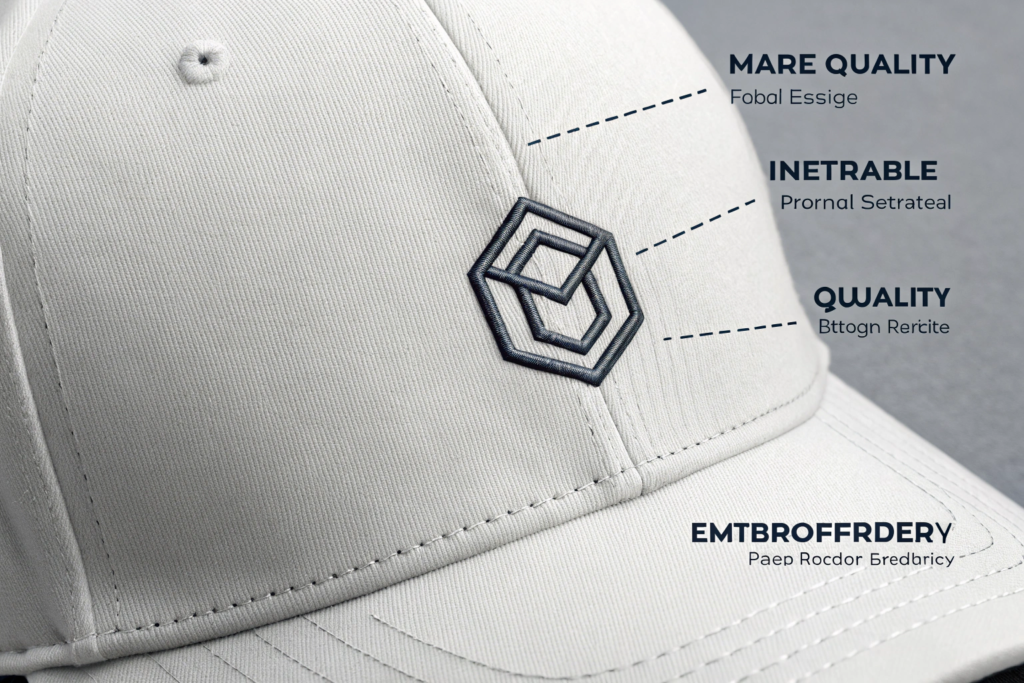
Branding on a European streetwear cap should be treated like a signature, not a billboard. The most successful approach is "micro-branding." This involves using a small, meticulously embroidered logo, icon, or a single word in a clean, sans-serif font. The emphasis is on the quality of the execution—the density of the embroidery, the precision of the lines—rather than the size of the logo. The goal is for another person "in the know" to recognize the subtle mark of a cool, independent brand.
Here are the golden rules for branding:
- Think Small: The logo or icon should be small, often no more than 1-2 inches (2.5-5 cm) wide. It should be a detail, not the main event.
- Embroidery is King: High-quality, high-density embroidery is the preferred method. It has a tactile, premium feel that a printed graphic lacks.
- 3D Embroidery: This technique, where the embroidery is raised, can be used, but it should be for a very simple, clean shape. A complex 3D embroidered logo can look messy.
- Woven Labels/Patches: A small, neatly stitched woven label or patch is another excellent, understated option, often used by brands with a workwear or utilitarian aesthetic.
- Placement Matters: Don't just default to placing the logo dead center. Consider placing it slightly off-center, on the side of the cap, or even on the back above the closure. This shows a more considered, design-led approach.
- Typographic Logos: If you are using your brand's name, it should be in a clean, modern, and often minimalist font. A simple, well-chosen sans-serif typeface is almost always a better choice than a complex, ornate script.
The ultimate test is this: does the branding add to the cap's aesthetic appeal, or does it detract from it? If the cap would look better without the logo, then the logo is too big, too loud, or in the wrong place.
What is "high-density" embroidery?
High-density embroidery refers to the number of stitches used in a given area. A high stitch count creates a very tight, smooth, and solid-looking logo with sharp, clean edges. A low stitch count, often used on cheap promotional caps, looks sparse, and you can see the fabric through the stitches. Specifying "high-density" embroidery to your supplier, like Shanghai Fumao, is a key part of ensuring a premium finish.
What about graphics or images?
Full-color graphics or images are much less common in this space. If they are used, they are typically on a 5-panel cap and have a more artistic, illustrative, or photographic style, rather than a cartoonish or "mascot" style. Think more along the lines of a cool, indie record label's aesthetic.
What Color Palettes Resonate with the European Aesthetic?
Color is the final piece of the puzzle. The color palette for European streetwear is generally more muted, sophisticated, and versatile than the bright, primary colors often associated with American sportswear. The goal is to choose colors that can be easily integrated into a thoughtful, layered wardrobe.
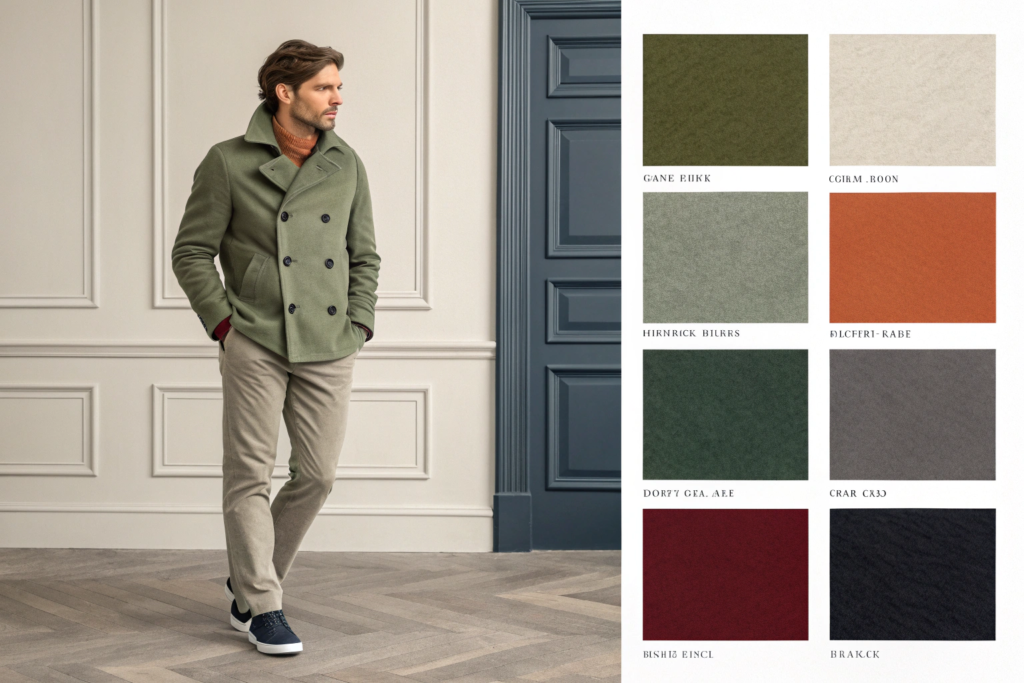
The dominant color palettes for European streetwear are rooted in neutral, earthy, and desaturated tones. Think of a spectrum of olives, charcoals, navies, beiges, and blacks. These colors are versatile, timeless, and easy to style. While this muted palette forms the core, it is often punctuated by seasonal, tastefully chosen "pop" colors, such as a burnt orange for autumn or a dusty rose for spring, which are used to add a touch of personality and newness to a collection.
Here's a guide to building your color palette:
- The Core Neutrals (80% of your collection): These are the colors that should form the foundation of your headwear program. They are the proven best-sellers.
- Black
- Navy Blue
- Olive / Khaki Green
- Charcoal Grey / Melange Grey
- Beige / Stone / Taupe
- The Seasonal Tones (20% of your collection): These are the colors that will make your collection feel fresh and current for a specific season.
- Autumn/Winter: Burnt Orange, Rust, Deep Burgundy, Forest Green, Brown.
- Spring/Summer: Dusty Rose, Sage Green, Light Blue, Off-White/Ecru.
- Color Theory: The key is that the colors feel "washed out" or "desaturated," not bright and primary. Think of the color of a vintage military jacket, not a new sports jersey. This muted quality is what makes them feel sophisticated and easy to wear.
By building your collection around a core of essential neutrals and adding a few well-chosen seasonal colors, you can create a range that is both commercially safe and fashion-forward.
Should I offer a lot of colors?
It's generally better to offer 4-6 really well-chosen colors than 20 mediocre ones. A tight, curated color palette looks more professional and confident. It also makes inventory management much easier for you and your retailers.
What about contrast stitching?
Contrast stitching (e.g., white stitching on a navy cap) can be a nice detail, but it should be used sparingly. It creates a more "workwear" or "utilitarian" look. For a more minimalist, high-fashion aesthetic, tonal stitching (where the thread is the same color as the fabric) is the preferred choice.
Conclusion
Designing a baseball cap for the European streetwear market is an exercise in restraint and a celebration of quality. It's about understanding that in a world saturated with logos, true luxury lies in the perfect fit, the beautiful fabric, and the subtle, well-executed detail. By embracing the relaxed silhouette of the dad cap, choosing rich, premium fabrics like twill and corduroy, adopting a "micro-branding" approach with small, high-quality embroidery, and curating a sophisticated, muted color palette, you can create a product that will be embraced by this discerning audience. It's a product that doesn't shout for attention but earns it through its quiet confidence and undeniable quality.
At Shanghai Fumao, we specialize in bringing these nuanced designs to life. We understand the difference between a standard promotional cap and a considered piece of fashion headwear. From sourcing the perfect heavyweight washed twill to executing a flawless, high-density micro-embroidery, we have the expertise and the commitment to quality to be your perfect manufacturing partner. If you are ready to create a headwear collection that truly resonates with the modern European consumer, please reach out to our Business Director, Elaine, at elaine@fumaoclothing.com.