As a seasoned buyer like Ron, you understand that not all manufacturing is created equal. When you're sourcing general accessories, you might have a broad list of potential partners. But when it comes to technical, performance-driven products like rain gear and umbrellas, the game changes. You're dealing with waterproof fabrics, seam sealing, and mechanical components. A mistake here isn't just a cosmetic flaw; it's a product that fails. You need a specialist, and you need to know where to find them.
To find the best manufacturers for rain gear and umbrellas, you must look to the specialized industrial clusters in China's Zhejiang and Fujian provinces, which are globally recognized as the epicenters for rainwear and umbrella production. The "best" manufacturer isn't just a factory; it's a partner with deep, concentrated expertise in waterproof technologies, access to a specialized supply chain of technical materials, and a proven track record of producing for major international brands.
I've been in this business for a long time, and I can tell you that geography is destiny in manufacturing. Just as Switzerland is known for watches, certain regions of China have become world leaders in specific product categories. At Shanghai Fumao Clothing, while we are based in Zhejiang, we have built a network that taps into these hyper-specialized clusters. Let me pull back the curtain and show you where the real experts are and what makes them the best.
Why Are These Specific Regions the Global Hubs for Rainwear?
You wouldn't go to a bakery to get your car fixed. So why would you go to a general apparel factory for a technical product like an umbrella? The expertise for these products is highly concentrated.
Zhejiang (specifically cities like Shangyu) and Fujian (cities like Jinjiang and Xiamen) have become global hubs because they possess a complete, vertically integrated ecosystem dedicated to rainwear. This includes specialized fabric mills producing nylon and polyester with waterproof coatings, factories making umbrella frames and fiberglass ribs, and assembly plants with the specific machinery and skilled labor required for this category. This concentration creates unmatched efficiency and innovation.
Think of it as a "Silicon Valley" for rain gear. The suppliers, the talent, and the knowledge are all in one place. When we need a new type of waterproof zipper or a stronger, wind-resistant fiberglass rib for an umbrella, our sourcing team knows exactly which supplier in the cluster is developing it. This deep network is a massive competitive advantage that is nearly impossible to replicate elsewhere. It's the reason why a general factory can't simply "decide" to start making high-quality umbrellas. This regional expertise is the foundation for understanding the key technologies involved.

What is Shangyu, Zhejiang known for?
Shangyu is often called the "Umbrella City" of China. It's home to thousands of factories that produce everything from the frame and fabric to the finished umbrella. This hyper-specialization means they have mastered the art of umbrella mechanics and can produce an incredible variety of styles, from compact travel umbrellas to large golf umbrellas. You can read about these industrial clusters in business publications that cover global trade, like the South China Morning Post.
What about Fujian province?
Cities in Fujian, like Jinjiang, are powerhouses in producing finished goods that often involve technical fabrics, including rain jackets, ponchos, and high-performance outerwear. They have deep expertise in fabric coating, lamination, and, most importantly, the techniques for sealing seams to make a garment truly waterproof.
What Key Technologies Should You Look For?
When you talk to a potential rain gear manufacturer, they should speak a specific language. If they can't discuss the details of waterproof and breathable technologies, they are not a specialist.
The two most critical technologies to look for are DWR (Durable Water Repellent) fabric coatings and seam sealing (or welded seams). A product can be made from a waterproof fabric, but if the seams are not properly sealed, water will leak through the stitch holes, and the product will fail. These two technologies are the difference between a "water-resistant" product and a truly "waterproof" one.
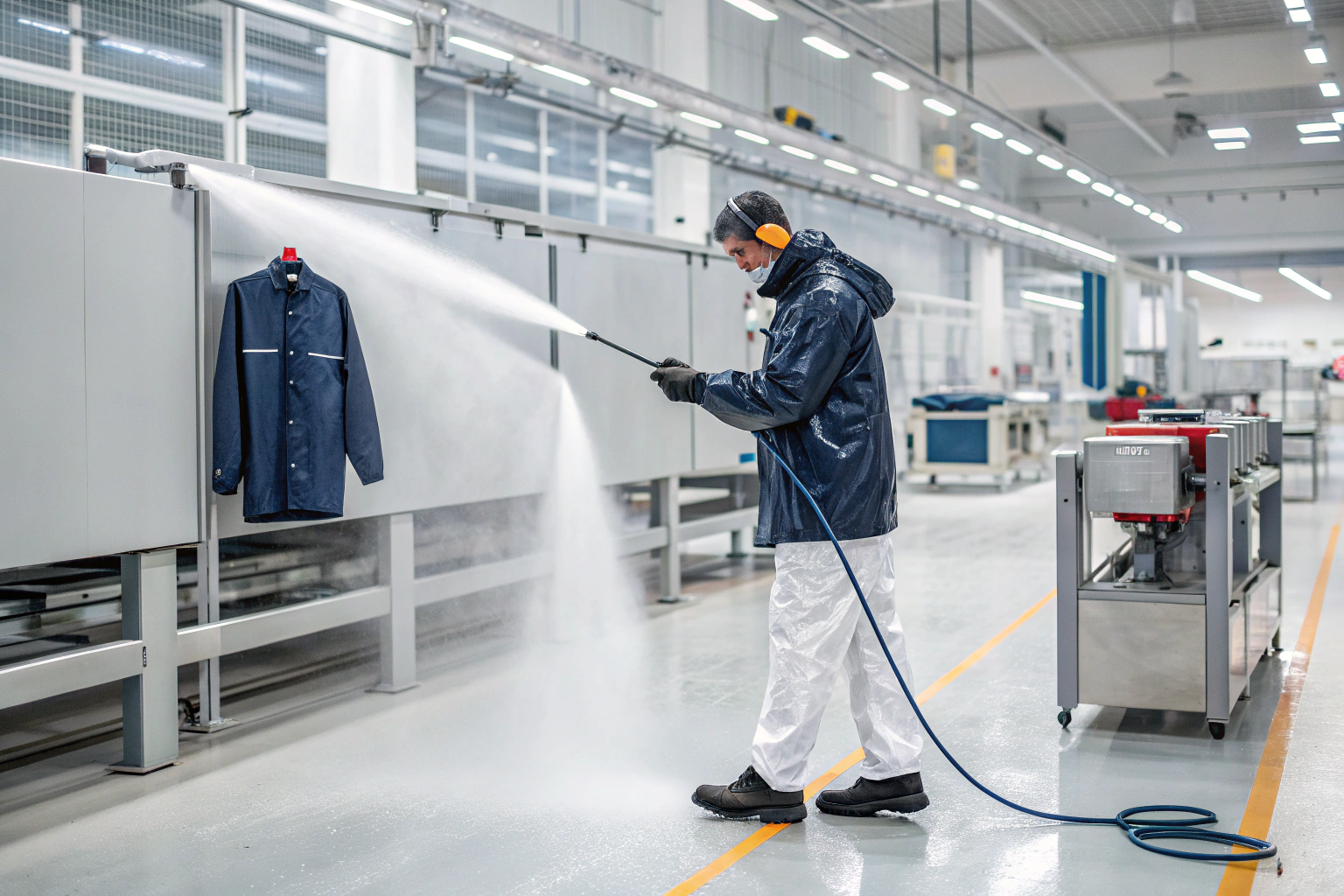
This is a non-negotiable quality point for us. When we produce a rain jacket, our process includes a dedicated seam-sealing step where a special machine uses heat and pressure to apply a waterproof tape over every single seam. For umbrellas, it's about the quality of the DWR coating on the fabric canopy. We test our fabrics to ensure they meet specific standards for water repellency. Understanding these technical details is crucial before you can even begin to discuss product customization.

What is DWR?
DWR is a chemical coating applied to the outside of the fabric that causes water to bead up and roll off, rather than soaking in. While the fabric itself (like nylon or polyester) is waterproof, the DWR finish prevents the outer layer from becoming saturated, which helps maintain the fabric's breathability and light weight. Performance outdoor brands like Patagonia and REI have excellent resources explaining how DWR works.
What's the difference between seam sealing and welded seams?
- Seam Sealing: This is the most common method, where a waterproof tape is applied over the stitched seams. It's highly effective and used in the vast majority of rainwear.
- Welded Seams (or RF Welding): This is a more advanced technique where high-frequency sound waves are used to bond two pieces of thermoplastic-coated fabric together without any stitching. It creates a completely seamless, 100% waterproof bond. This is a more expensive process reserved for very high-performance gear.
How Can You Customize These Products?
You've found a specialist manufacturer in the right region. Now, how do you take a standard product like an umbrella and make it unique to your brand?
You can customize rain gear and umbrellas through a wide range of options, including custom-printed canopy patterns, unique handle designs, branded details like logo snaps and engraved handle caps, and innovative functional features like wind-resistant frames or automatic open/close mechanisms. A good manufacturer won't just offer you a stock product; they will present you with a menu of customization possibilities.
This is the fun part of the process. For umbrellas, the handle is a fantastic place to express your brand's identity. We've made custom-molded acrylic handles, laser-engraved wooden handles, and soft-touch rubberized handles. For rain jackets, we can create custom-molded zipper pulls or print your brand's logo on the snap buttons. These small details elevate the product from a generic item to a piece of branded merchandise. This level of detail is a key part of vetting a potential partner.

What are some popular umbrella customization options?
- Canopy: All-over custom printing (your brand's pattern), or a "reveal" print that only appears when the fabric gets wet.
- Handle: Custom shape, material (wood, bamboo, acrylic, leather-wrapped), and color.
- Tie-Wrap: A custom-printed or woven label on the strap that holds the umbrella closed.
- End Cap: An engraved metal or wooden cap on the end of the handle.
- Mechanism: Manual, automatic open, or automatic open and close.
How can you customize rain jackets?
- Hardware: Custom zipper pulls, snaps, and cord locks.
- Lining: A custom-printed lining fabric.
- Seam Tape: Using a contrasting color for the seam tape on the inside can be a subtle but very cool design detail.
- Decoration: Beyond screen printing, consider high-frequency welded patches or reflective prints for a technical look.
How Do You Vet a Specialist Manufacturer?
You've identified a potential partner in the right region who talks a good game about technology. How do you confirm they are the real deal before placing a large order?
You vet a specialist manufacturer by requesting product-specific testing reports (like waterproofing or UPF tests), asking for samples of their work for major international brands (under NDA if necessary), and evaluating their engineering and problem-solving capabilities during the sampling process. A true specialist will have a portfolio of impressive work and the documentation to back up their claims.
When a potential client asks us for our credentials in this area, we don't just send them a photo of a jacket. We send them the third-party lab reports for the fabric we used. We show them a sample umbrella and encourage them to test its automatic mechanism 100 times. We explain why we chose a particular fiberglass for the ribs to improve wind resistance. The depth of their technical knowledge, which you can gauge through their answers and the quality of their samples, is the ultimate test.

What specific questions should you ask?
- "Can you provide a third-party test report for the waterproof rating (in mm) of this fabric?"
- "What is your standard procedure for seam seal testing?"
- "For your umbrellas, what are the material specifications of the frame and ribs? (e.g., steel, aluminum, fiberglass)"
- "Can you show me an example of a product you made with a custom-molded handle or a complex print?"
- "What is your process for quality controlling the mechanical parts, like the umbrella runner or the jacket's zippers?"
Why is seeing their work for other brands important?
If a factory is producing for major, well-known international brands, it's a strong signal that they have already been vetted and have passed rigorous quality and compliance audits. While they may not be able to tell you the brand names directly, they can often show you samples of the type of work they do. Reputable third-party auditing firms like SGS and Intertek are the ones who perform these factory audits.
Conclusion
Finding the best manufacturer for technical products like rain gear and umbrellas isn't about searching a general marketplace; it's about targeted sourcing. By focusing on the hyper-specialized industrial clusters in Zhejiang and Fujian, you tap into a world of concentrated expertise. The best partners in these regions will not only master the key waterproof technologies but will also offer a wealth of customization options to bring your brand's vision to life. Vetting them is a matter of demanding proof: test reports, high-quality samples, and deep engineering knowledge. By following this specialist approach, you can confidently source high-performance rainwear that will delight your customers and protect them from the elements, season after season.
At Shanghai Fumao Clothing, we have cultivated deep partnerships within these specialized ecosystems. We combine our broad accessory expertise with the specific, technical knowledge of our rainwear partners to offer our clients a seamless, reliable, and expert sourcing experience.
If you are looking to develop a collection of high-quality rain gear or umbrellas, let's talk. Please contact our Business Director, Elaine, at her email: elaine@fumaoclothing.com, to get started.