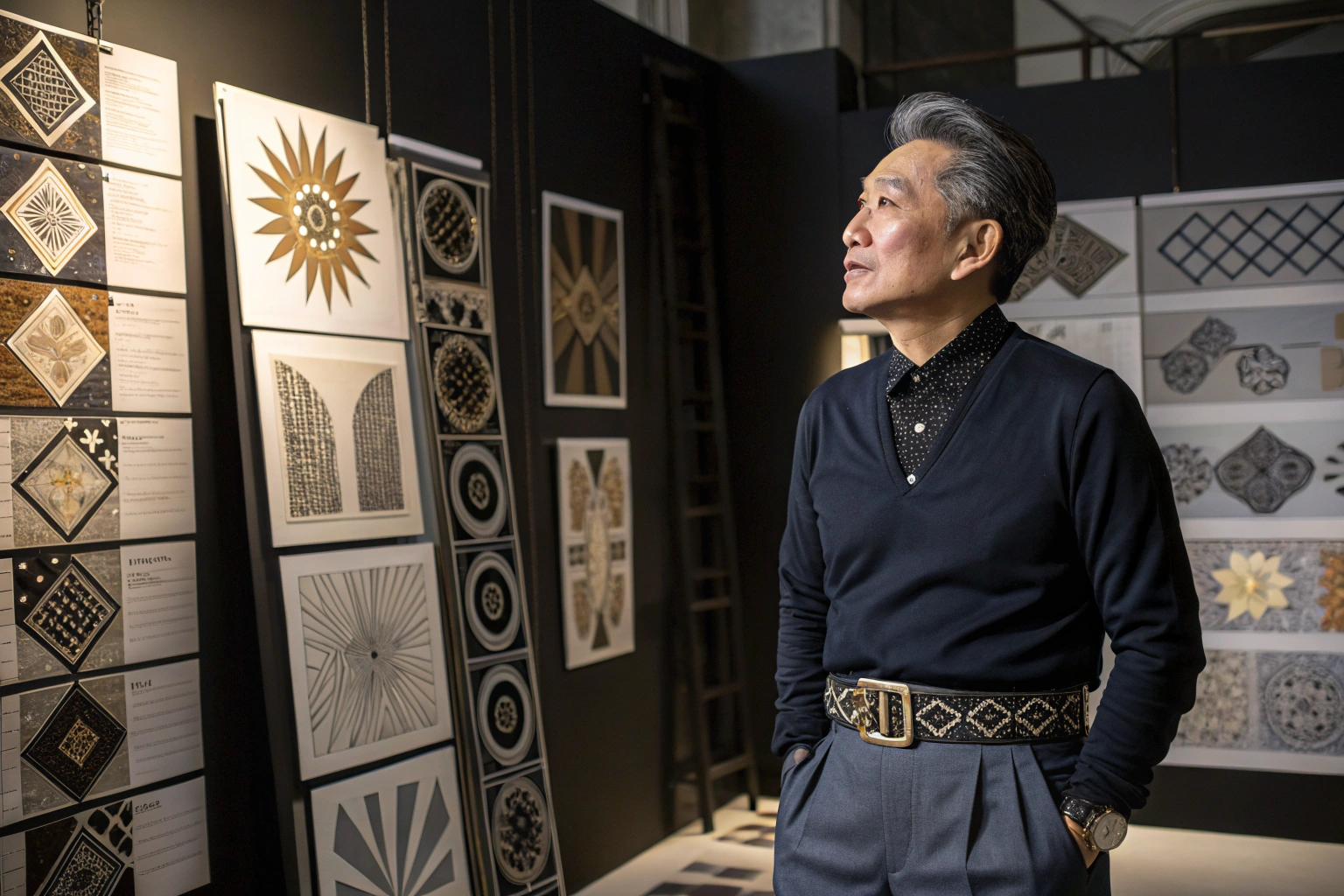
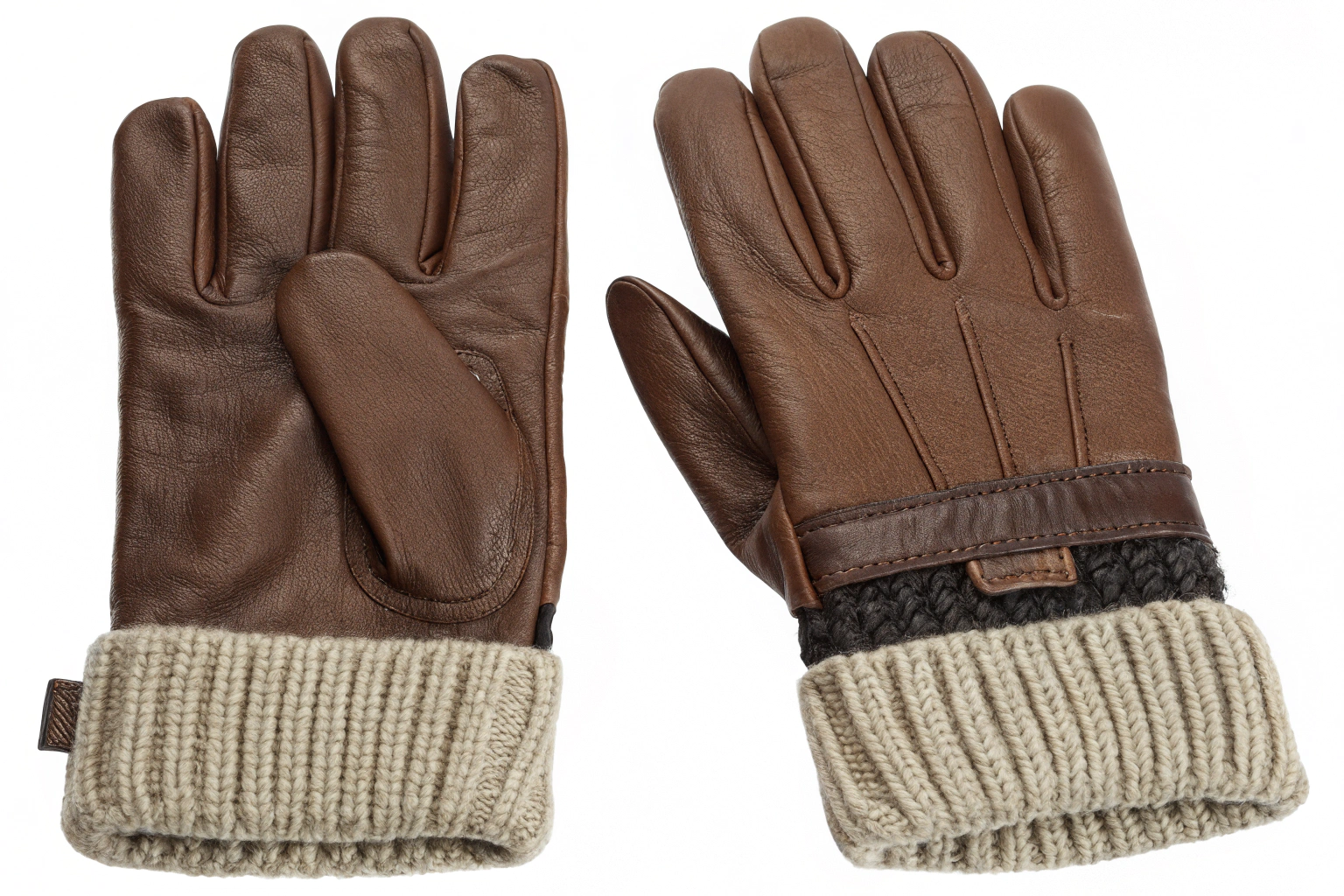
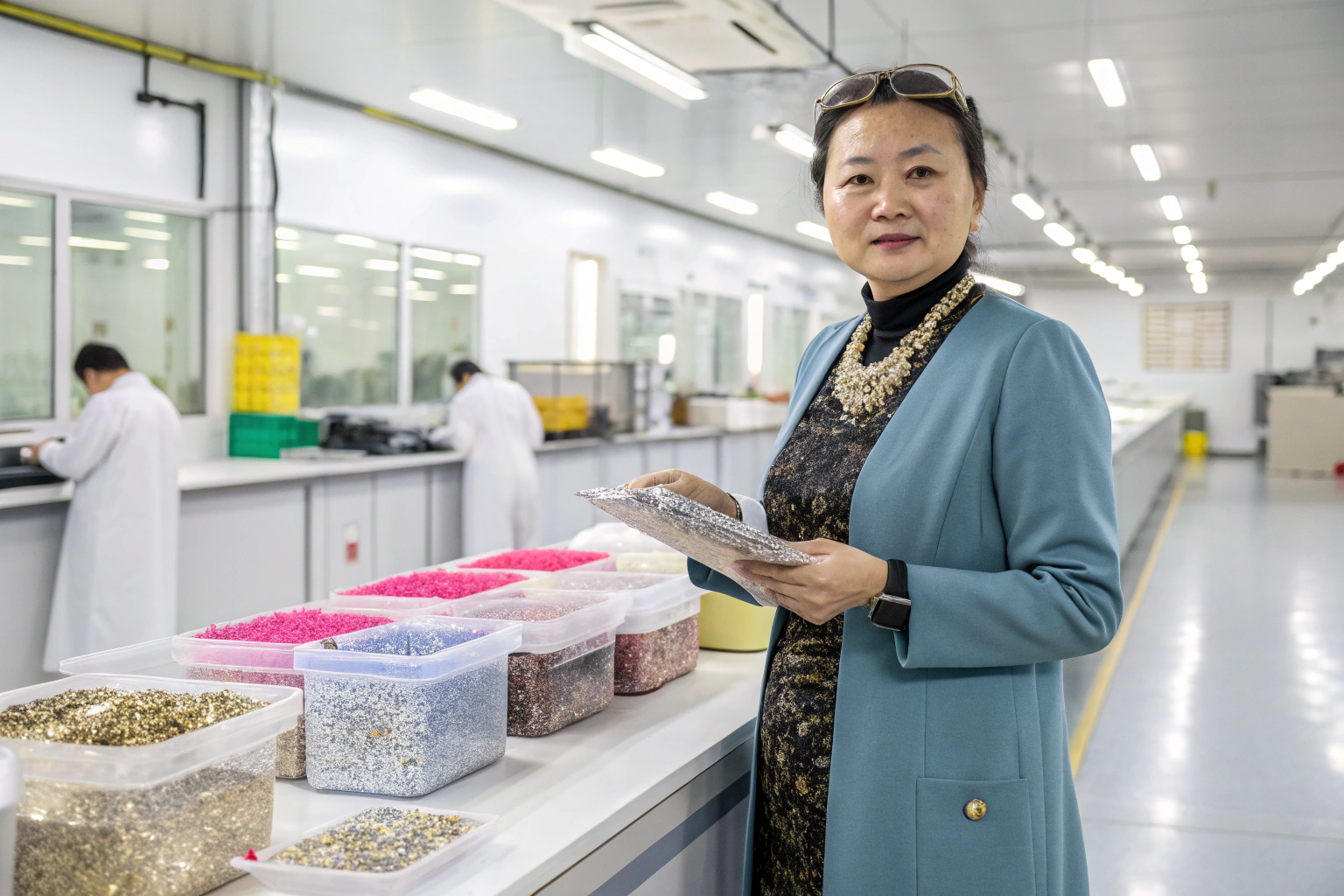
Are you concerned about preserving artistic integrity while embracing technological advancement in accessory craftsmanship? The future isn't about technology replacing traditional skills—it's about creating a new renaissance where digital precision and human artistry merge to elevate craftsmanship to unprecedented levels.
The future of accessory design craftsmanship technology will be characterized by human-AI creative partnerships, digital-physical hybrid techniques, sustainable precision manufacturing, and bio-integrated smart materials that preserve artistic soul while achieving impossible precision, personalization, and functionality.This represents the fourth wave of craftsmanship evolution, where technology amplifies rather than replaces human skill and creativity.
Let's explore the specific technologies, methodologies, and philosophical approaches that will define the next era of accessory craftsmanship and how these advancements will transform what's possible in creating beautiful, meaningful, and functional accessories.
How will human-AI collaboration redefine creative craftsmanship?
The future of accessory craftsmanship won't be about machines replacing artisans but about creating powerful partnerships where human creativity and machine precision enhance each other. This collaboration will preserve the "human touch" while achieving levels of precision and complexity previously unimaginable.
Human-AI collaboration will redefine creative craftsmanship through augmented creativity, skill amplification, artistic preservation, and co-creation systems that blend human intuition with computational power to create accessories with both soul and perfection.
What will AI-assisted design development look like?
Creative amplification systems will help artisans explore possibilities while maintaining artistic direction. Our experimental AI craft platform allows master jewelers to sketch initial concepts that the AI then develops into hundreds of variations, each maintaining the artist's distinctive style while exploring dimensions the human mind might not consider. A master leather craftsman recently used this system to create a handbag collection where the AI suggested structural innovations that reduced material waste by 52% while enhancing durability, all while preserving the artisan's signature aesthetic. The most exciting development is style evolution tracking—where the AI learns an artisan's unique creative evolution and can suggest directions that feel authentically aligned with their artistic journey while introducing novel elements that push their boundaries in coherent ways.
How will technology preserve and transmit rare skills?
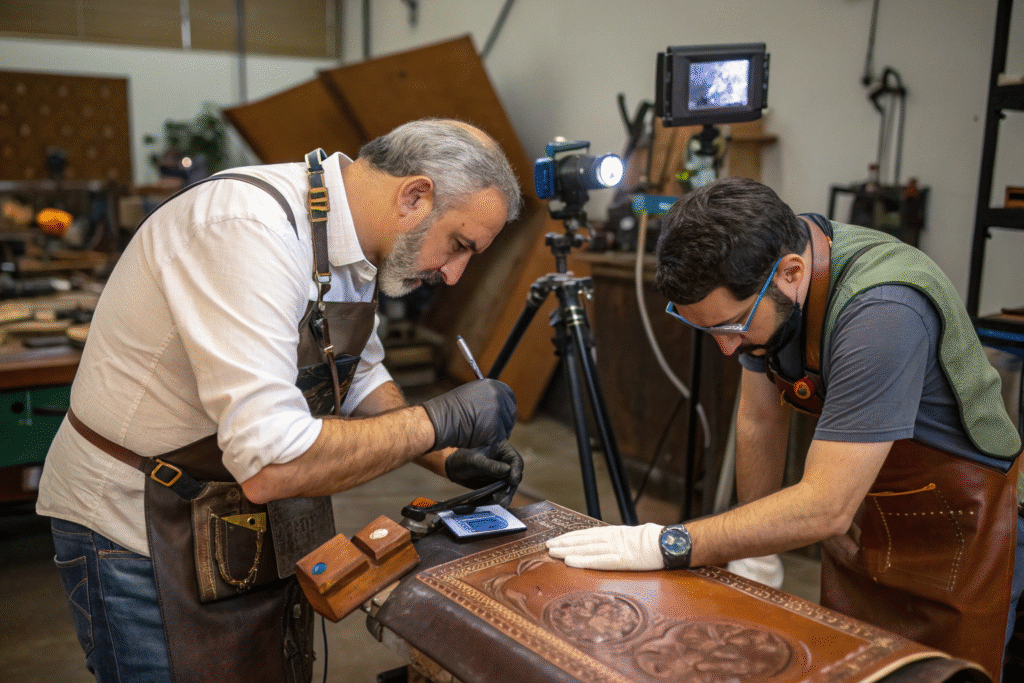
Digital craftsmanship preservation will capture and perpetuate techniques that might otherwise be lost. We're developing systems that use motion capture and pressure sensors to record master artisans' techniques—the exact wrist rotation a silversmith uses when creating filigree, or the specific hand pressure a leather worker applies during tooling. This data creates "craftsmanship algorithms" that can guide apprentices or assist artisans when working with unfamiliar materials. The technology also enables remote master-apprentice relationships where a master craftsperson in Florence can virtually guide an artisan in Tokyo through complex techniques using haptic feedback gloves and augmented reality overlays. This isn't about replacing skill development but about accelerating learning while preserving nuanced techniques that traditionally required decades to master.
What new materials and fabrication technologies will emerge?
The future of accessory craftsmanship will be revolutionized by materials that behave in ways previously confined to science fiction, combined with fabrication technologies that blur the line between growing and manufacturing.
New materials and fabrication technologies will include programmable matter, bio-integrated composites, 4D printing, and nano-assembly that enable accessories to be smarter, more adaptive, and more integrated with their environments and wearers.
How will smart materials transform accessory capabilities?
Programmable material systems will enable accessories that change properties based on conditions or commands. We're experimenting with shape-memory alloys in jewelry that can transform from a necklace to a bracelet with a gentle warmth command, and electrochromic polymers in handbags that can change color or pattern based on outfit, mood, or environment. The most promising development is self-healing materials—experimental coatings for leather goods that can repair minor scratches when exposed to sunlight, and composite resins for eyewear that can seal hairline cracks. These materials don't just make accessories more durable; they create emotional bonds by allowing items to "age gracefully" and maintain their beauty through years of use, countering today's disposable fashion culture.
What fabrication technologies will redefine making?
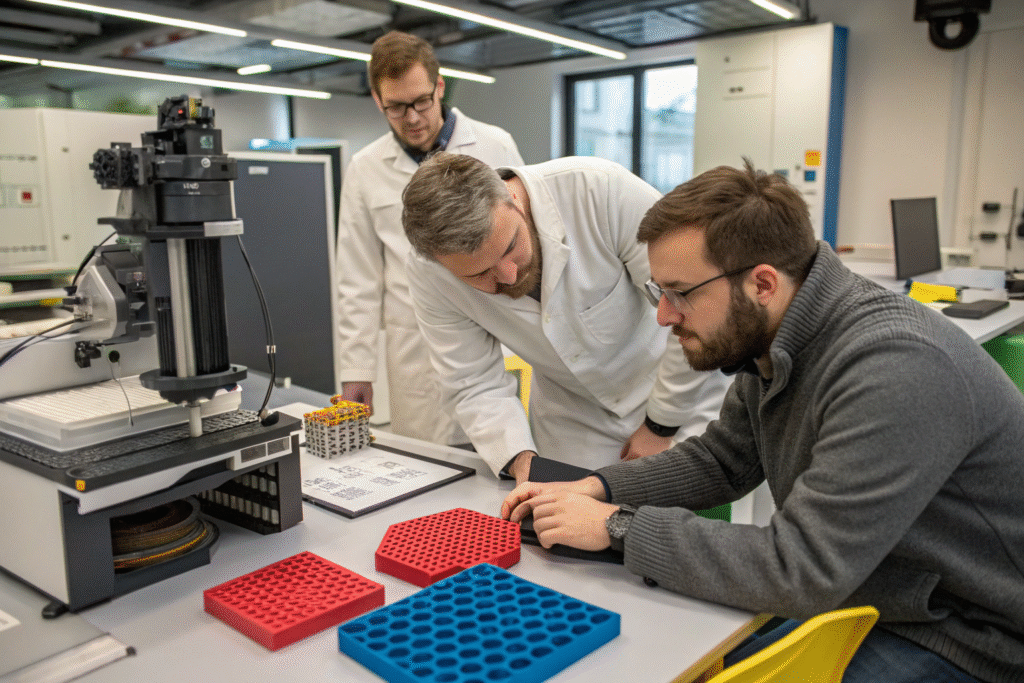
Multi-scale additive manufacturing will enable creation at previously impossible resolutions and scales. Our development of nano-scale 3D printing allows deposition of material at the molecular level, enabling jewelry with details finer than human hair and internal structures that play with light in ways traditional casting cannot achieve. For larger accessories, 4D printing creates items that self-assemble or transform when exposed to specific stimuli—imagine a flat-packed handbag that forms its three-dimensional shape when removed from its package, or a belt that adjusts its fit based on body temperature changes. These technologies don't remove the artisan's role but transform it from manual former to "orchestrator" who designs the conditions under which beautiful objects emerge.
How will sustainability and craftsmanship merge technologically?
The future of craftsmanship must address environmental concerns without compromising beauty or quality. Technology will enable a new era of sustainable luxury where accessories are not just less harmful but actively beneficial to their ecosystems.
Sustainability and craftsmanship will merge through circular design systems, bio-fabrication, zero-waste manufacturing, and longevity engineering that make beautiful accessories that respect planetary boundaries.
What circular craftsmanship technologies will emerge?
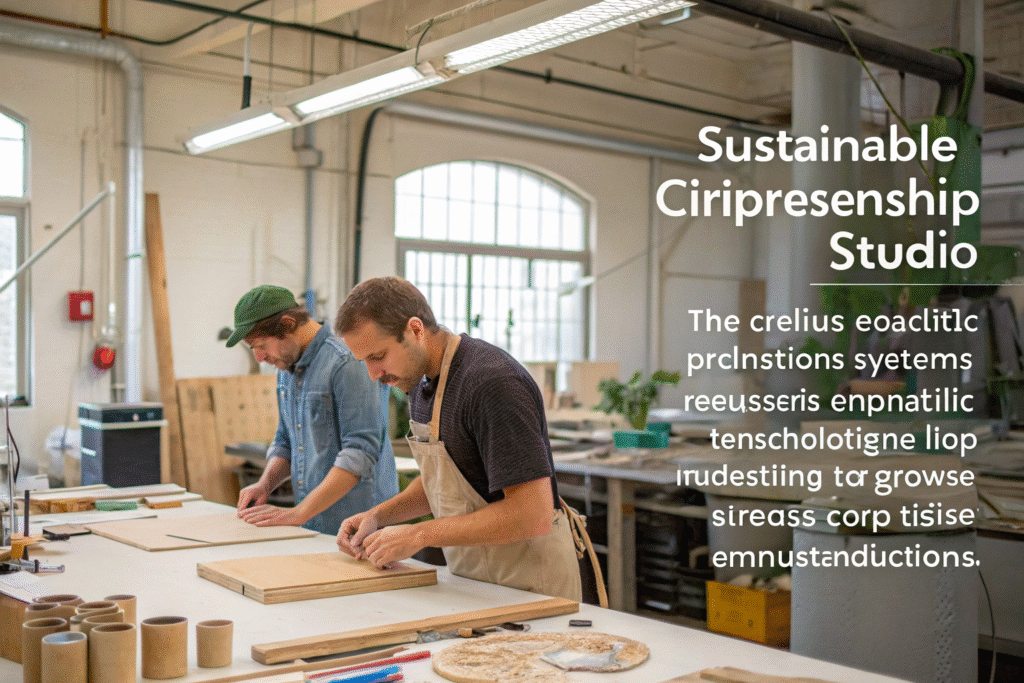
Zero-waste digital fabrication will transform scrap into resource. Our development of AI-optimized nesting algorithms for leather cutting already reduces waste by 37%, but the future lies in closed-loop material systems where every scrap is immediately recycled into new material. We're testing a device that grinds leather scraps with binding agents to create new sheet material with unique marbled patterns—turning waste into premium product. For metal accessories, electrochemical reforming allows reshaping scrap precious metals without melting, preserving their molecular structure and reducing energy use by 89%. These technologies enable artisans to work with precious materials without environmental guilt, knowing every particle will find beautiful purpose.
How will bio-integration transform material sourcing?
Living material cultivation will grow accessories rather than manufacture them. Our experiments with mycelium-based leather alternatives have progressed from imitation to innovation—we can now "train" mushroom roots to grow in specific patterns that create unique material textures impossible to achieve with animal leather. For hard accessories, we're developing coral-inspired mineralization processes that grow structural materials from seawater minerals, creating jewelry with the intricate architecture of natural reefs but designed by human artists. The most profound development is bio-integrated electronics where circuits are printed with conductive organic inks that decompose safely when the accessory's life ends. These approaches don't just reduce environmental impact; they create accessories that feel more connected to the natural world they emerge from.
How will digital-physical interfaces enhance craftsmanship?
The boundary between digital design and physical creation will dissolve, creating a seamless continuum where ideas flow from imagination to object with unprecedented fidelity and minimal translation loss.
Digital-physical interfaces will enhance craftsmanship through mixed reality design, haptic feedback systems, digital twins, and robotic assistance that blur the lines between virtual creation and physical manifestation.
What role will mixed reality play in craft processes?
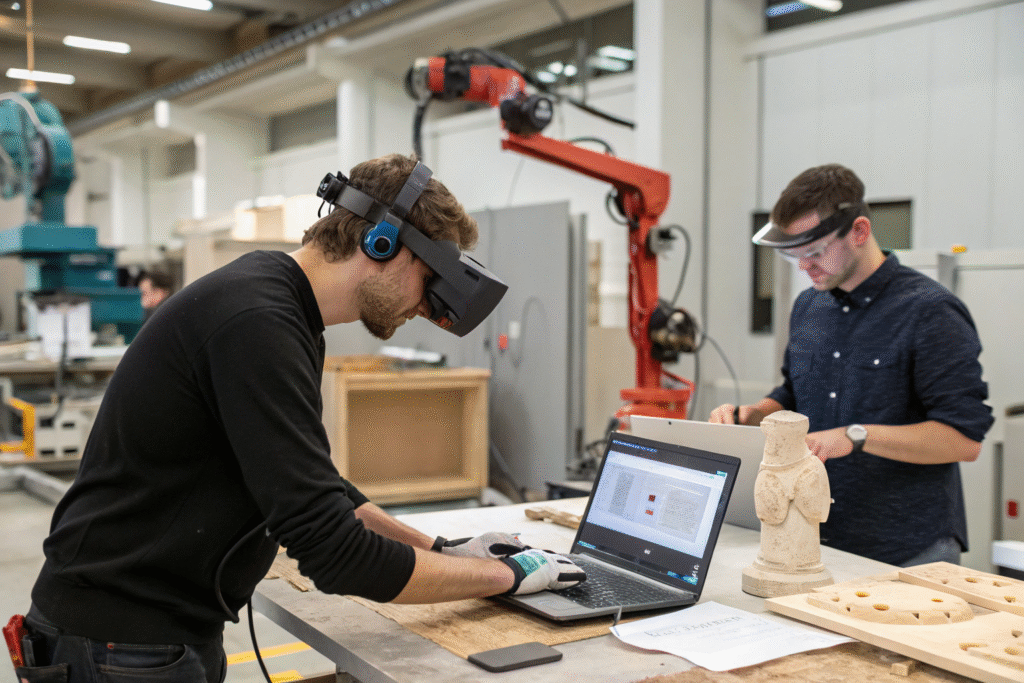
Spatial computing for craftsmanship will allow artisans to work with virtual and physical elements simultaneously. Our implementation of augmented reality workbenches allows jewelers to see holographic designs overlaid on physical materials, making complex assemblies intuitive and reducing measurement errors by 92%. The system also enables virtual material experimentation—an artisan can test how a rare wood species would look as eyeglass frames before cutting the actual material, or see how light interacts with different gemstone cuts in a proposed ring design. The most advanced application is gesture-based design refinement where subtle hand movements adjust virtual designs while the system provides haptic feedback simulating material resistance. This creates an intuitive connection between creative intention and digital execution that feels as natural as traditional craft.
How will robotics assist rather than replace artisans?
Collaborative craft robotics will handle repetitive precision tasks while artisans focus on creative decisions. Our studio uses robotic assistants for tasks like polishing intricate metalwork to consistent perfection or applying even pressure during leather molding—operations that require immense patience and consistency but benefit from human artistic direction. The robots don't work autonomously but respond to artisan guidance, learning individual styles and preferences. A master bag maker might guide a robotic arm through the complex process of attaching hardware, with the robot providing steady assistance and the artisan ensuring perfect alignment and aesthetic judgment. This partnership preserves the artisan's energy for creative decisions while achieving superhuman precision in execution.
How will personalization technology transform bespoke craftsmanship?
The future of bespoke will evolve from customization to co-creation, where technology enables deeply personal accessories that reflect individual identity, biology, and life story in ways previously impossible.
Personalization technology will transform bespoke craftsmanship through bio-integration, emotional mapping, story embedding, and adaptive design that create accessories with profound personal meaning and perfect individual fit.
How will biometric integration enhance personalization?
Biology-informed design will create accessories that integrate with individual physiology. We're developing jewelry that incorporates personal microbiome patterns into metal etching, creating unique textures based on the wearer's biological identity. For functional accessories, 3D-printed orthotic insoles are evolving into fashion items where the pattern is generated from gait analysis data, making beautiful designs that also improve comfort and health. The most intimate development is heartbeat-patterned jewelry where a person's cardiac rhythm becomes the decorative motif for a piece, creating wearable poetry that literally carries their life rhythm. These approaches transform accessories from external decorations to expressions of internal reality.
What role will emotional AI play in bespoke creation?
Emotionally intelligent design systems will help create accessories that resonate with deep psychological needs. Our experimental platform analyzes user stories, preferences, and emotional responses to suggest design elements with personal significance. When creating an engagement gift, the system might incorporate subtle references to the couple's first meeting place, favorite shared experiences, and individual personalities into the design. The technology also enables mood-adaptive accessories that change appearance based on detected emotional states—not as gimmicks but as thoughtful responses that help wearers express internal states they might struggle to communicate. This represents the ultimate personalization: accessories that understand and respond to who we are emotionally, not just physically.

Conclusion
The future of accessory design craftsmanship technology represents not a departure from tradition but its evolution—preserving the soul, skill, and storytelling of fine craftsmanship while embracing technologies that expand what's possible. Through human-AI collaboration, advanced materials, sustainable systems, digital-physical interfaces, and profound personalization, we're entering a golden age of craftsmanship where technology amplifies human creativity rather than replacing it. The accessories of the future will be more beautiful, more meaningful, more personal, and more responsible than anything we've created before, precisely because they'll blend the best of human tradition with the best of technological innovation. The artisans who thrive will be those who embrace these tools not as threats to their craft but as the next generation of brushes, chisels, and looms—extensions of human creativity that enable new forms of beauty and meaning.
If you're looking to explore these future craftsmanship technologies for your accessory brand, we invite you to contact our Business Director, Elaine. She can discuss how our technological expertise and artisanal values can help you navigate this exciting future. Reach her at: elaine@fumaoclothing.com.