The sustainable fashion market is dynamic, with consumer preferences shifting rapidly towards products that are not only eco-friendly but also tell a compelling story. While searching for the next "hot" specific scarf style can be challenging, understanding the key drivers behind successful upcycled linen products reveals clear paths to market traction. The most sought-after items combine authentic material narratives, artisanal quality, and verifiable environmental action.
This guide breaks down the core elements—material sourcing, design innovation, and marketing strategy—that define the upcycled linen scarves currently resonating with conscious consumers in North America and Europe. By focusing on these pillars, brands and buyers can develop products that stand out in a competitive eco-market.
What Are the Leading Material Stories for Upcycled Linen?
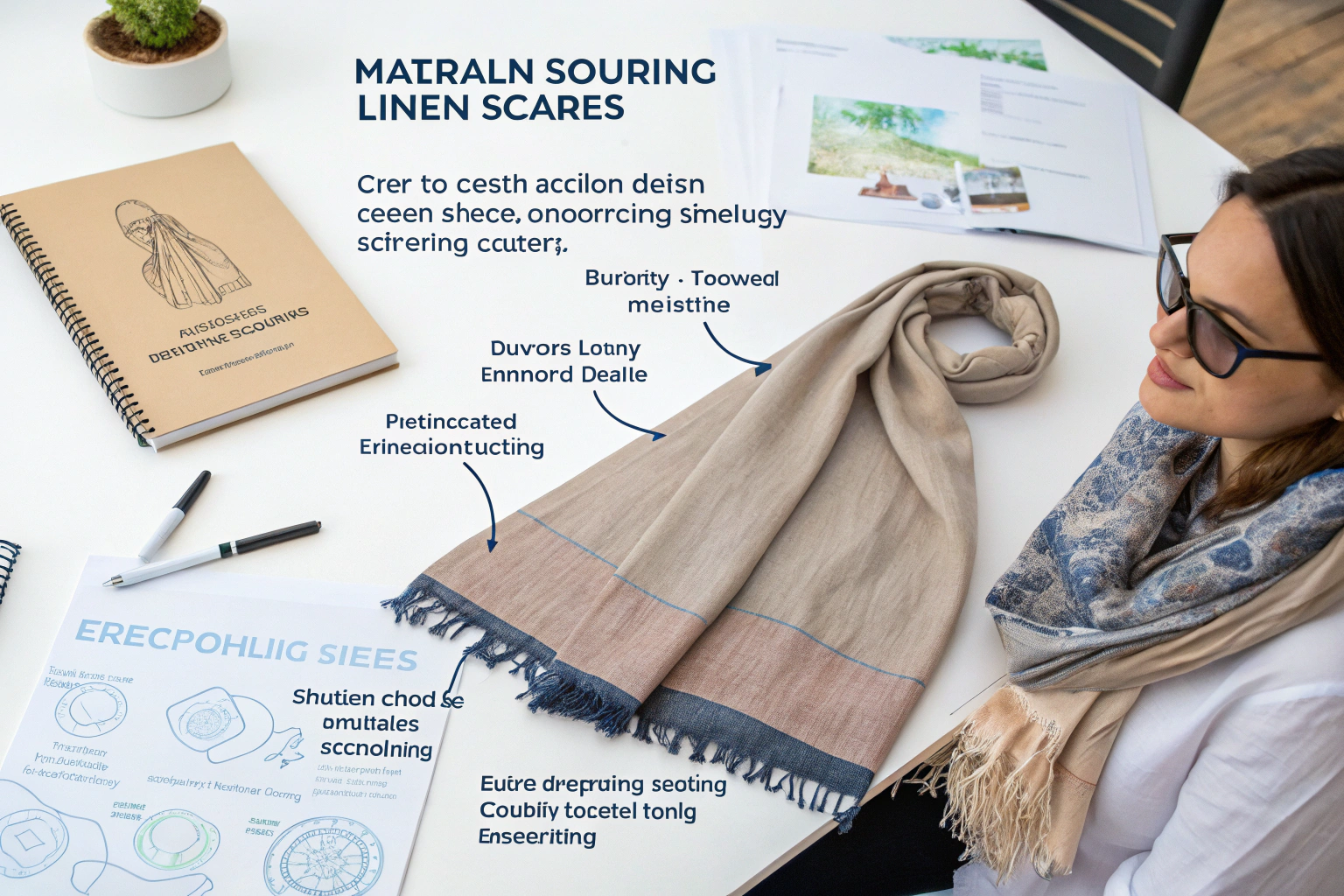
The foundation of a successful upcycled product is a transparent and impactful origin story. For linen, two primary sources are creating premium value in the market, each appealing to a different segment of eco-conscious buyers.
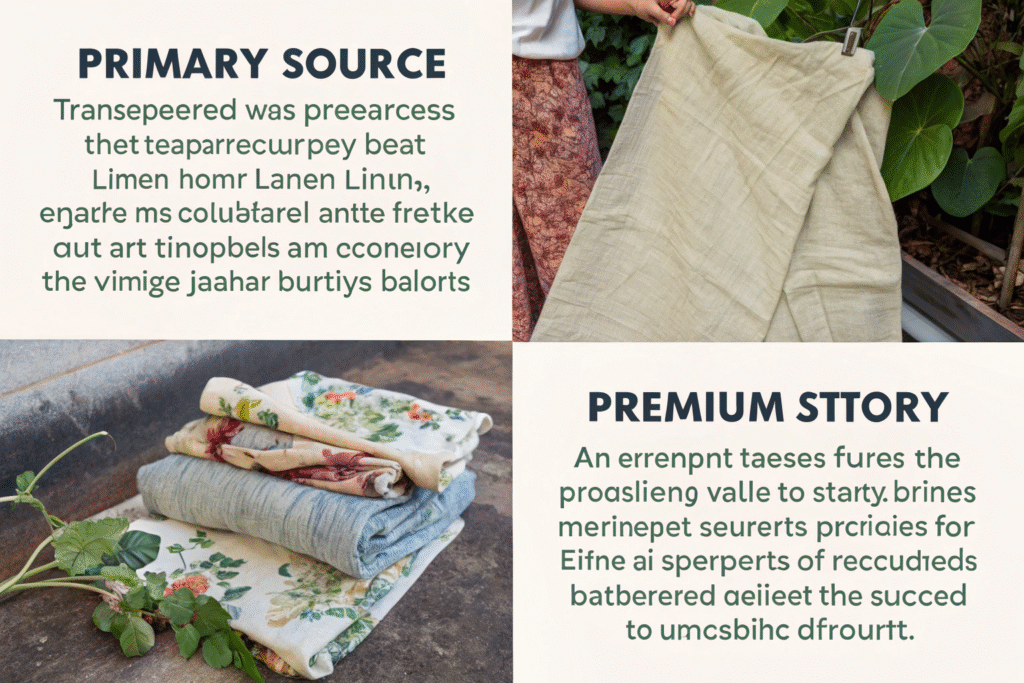
Deadstock Linen: The Premium Choice for Consistency
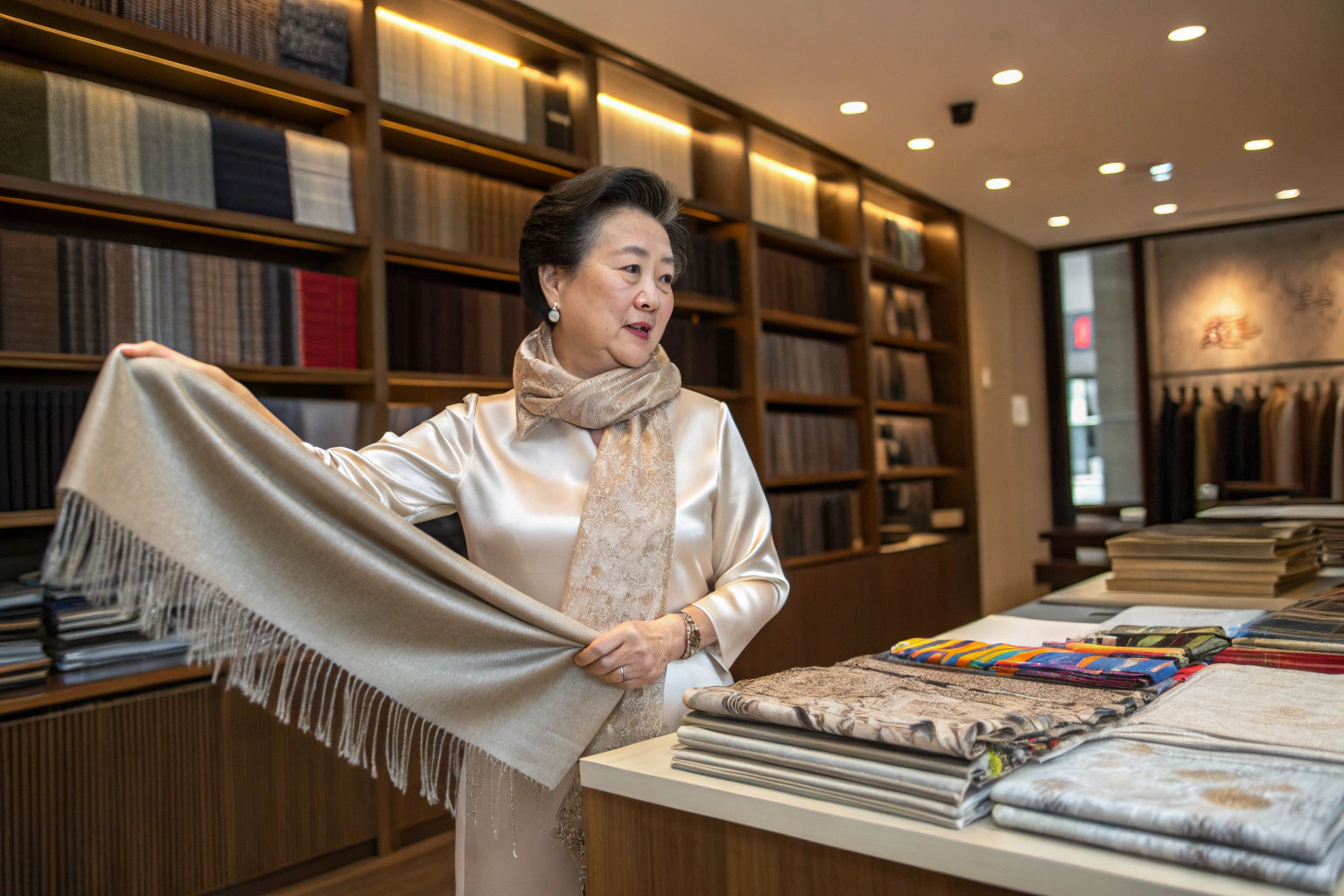
Deadstock refers to high-quality, first-run fabric that was never used, often from mill overruns or cancelled orders. Scarves made from this source offer a compelling narrative of "rescuing" perfect material from waste. This appeals to designers and consumers who want a premium, cohesive product without compromise. The fabric is consistent in color and weave, allowing for sophisticated, high-end designs that rival virgin materials in quality but boast a superior sustainability story.
Post-Consumer Linen: The Circular Economy Hero
A more complex but deeply impactful trend involves transforming discarded household textiles—like old bed linens, tablecloths, or clothing—into new scarves. This process directly tackles the global textile waste problem. The final product often has a unique, lived-in character, with variations that tell a story of renewal. This approach strongly resonates with the most environmentally committed consumers, as it represents a true closed-loop system and aligns with the core principles of a circular economy.
Which Design and Craft Techniques Are Driving Demand?
Beyond material, the transformation process itself is a major selling point. Demand is driven by scarves that showcase craftsmanship, innovation, and proof of their low environmental impact.
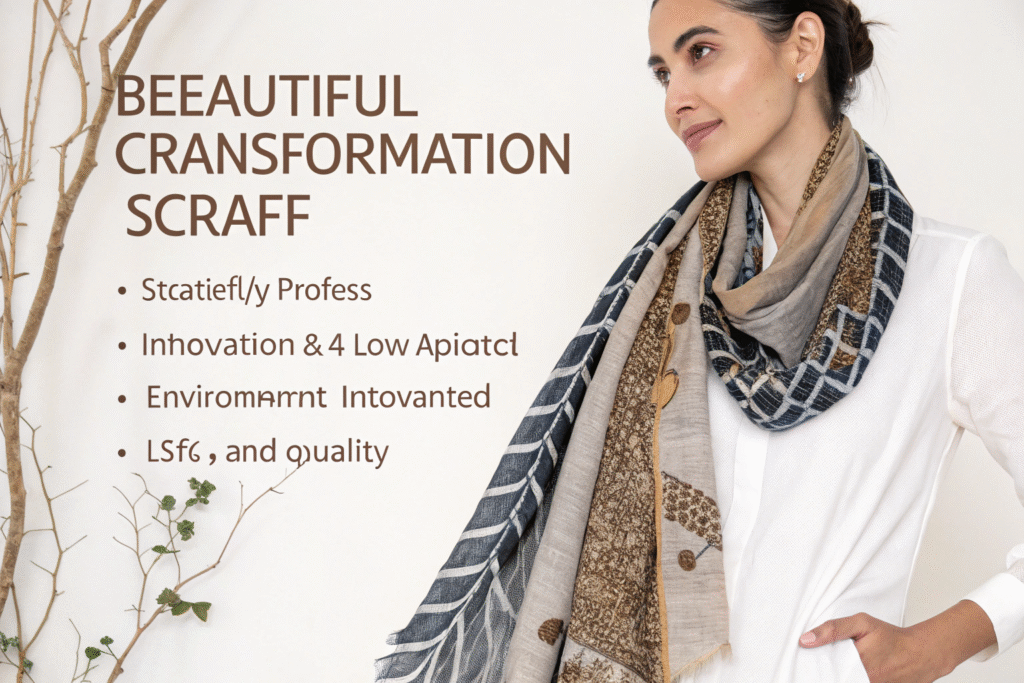
The Artisanal Appeal of Hand-Weaving
In contrast to mass production, hand-woven or hand-finished upcycled linen scarves carry immense value. Techniques like hand-looming, macramé knots, or hand-rolled edges introduce unique texture and slight imperfections that signal care and skill. This artisanal quality aligns perfectly with the "slow fashion" movement, attracting consumers looking for one-of-a-kind, heirloom-quality accessories rather than disposable items.
Low-Impact Dyeing and Digital Transparency
The finishing processes define the product's true eco-footprint. Leading brands use natural plant-based dyes (from indigo, madder root, food waste) or advanced low-water dyeing technologies. Furthermore, innovative brands are beginning to adopt Digital Product Passports (DPP)—QR codes that provide a transparent lifecycle record. Scanning a tag could reveal the scarf's origin, dye process, carbon footprint, and care instructions. This verifiable transparency is becoming a key differentiator to combat greenwashing and build consumer trust.
How Are Winning Brands Marketing These Scarves?
A superior product needs a narrative-driven go-to-market strategy. The most successful brands build an entire ecosystem around their scarf, making the consumer a participant in the sustainability story.
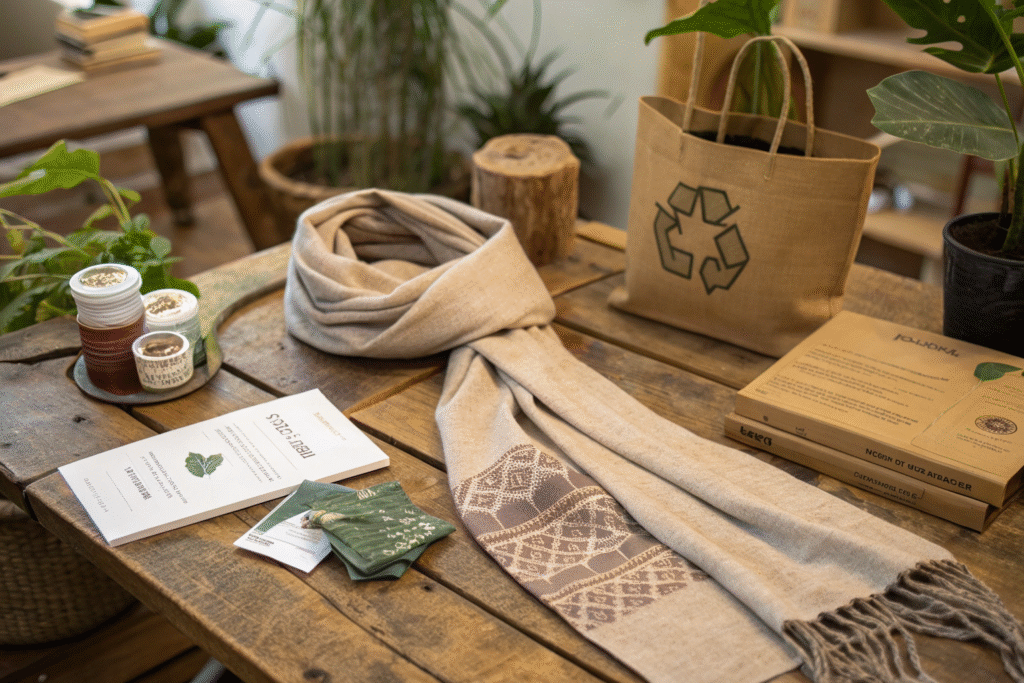
Storytelling Through Content and Visuals
Marketing focuses on the entire journey, not just the final product. Effective campaigns use video and photos to showcase the sourcing of raw materials, the hands of the artisans at work, and the natural dyeing process. This visual storytelling educates the consumer and builds an emotional connection, transforming the scarf from an accessory into a symbol of positive change and conscious living.
Collaborations and Certifications for Credibility
To gain authority, brands pursue strategic partnerships with interior designers (for linen sourced from hotel renovations), environmental NGOs, or well-known artists for limited editions. Obtaining recognized certifications like the Global Recycled Standard (GRS) provides an objective, third-party seal of approval that is crucial for B2B sales and convincing savvy retail buyers. These collaborations and credentials validate the brand's mission and expand its reach.
What Are the Practical Sourcing & Production Considerations?
Transitioning from concept to reliable commercial product requires navigating the unique challenges of upcycled materials. Success depends on adaptable planning and clear communication.
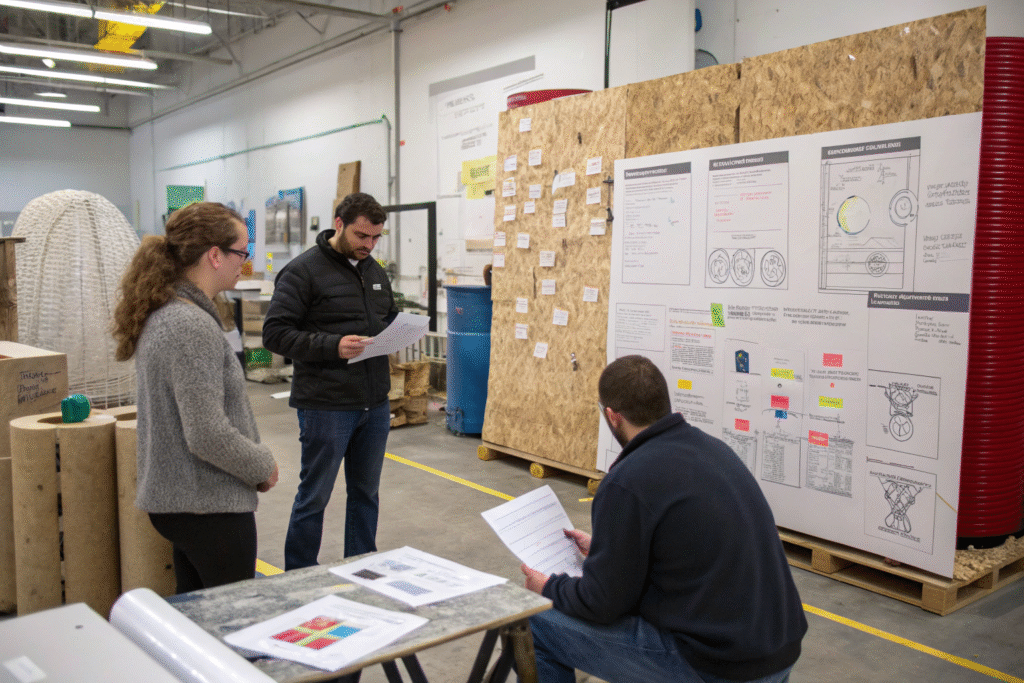
Managing Material Inconsistency and Supply
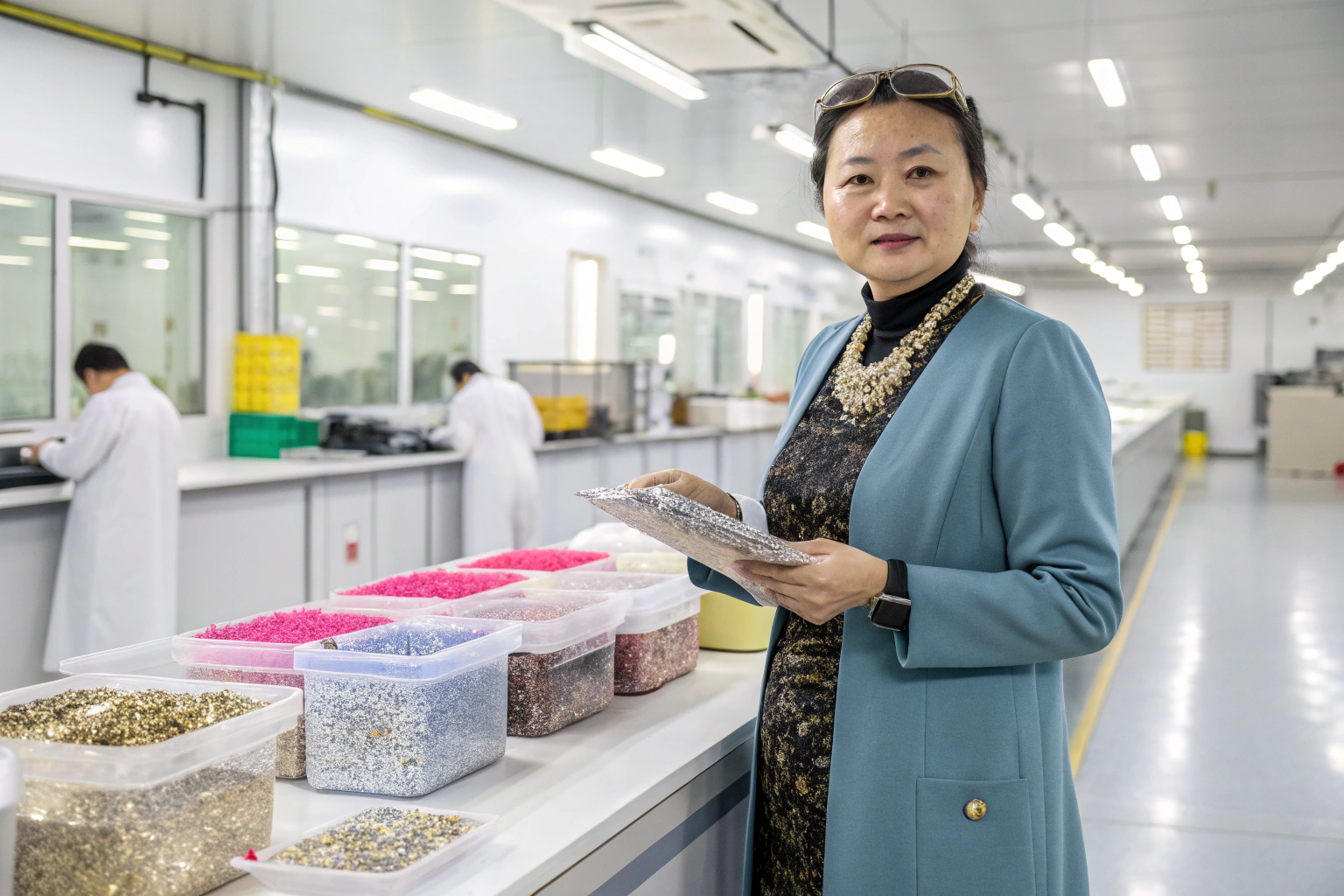
Unlike virgin linen, each batch of upcycled material can vary in color, weight, and size. Factories must have robust sorting and grading processes. Design flexibility is key—successful product lines often embrace natural variations, offering limited-edition "story" scarves where each piece is slightly unique. This requires close collaboration between the brand's designers and the manufacturer's production team.
Building a Scalable and Transparent Supply Chain
Scalability in upcycling is achieved through diversified sourcing networks and advanced planning. A reliable manufacturer needs connections to multiple suppliers (textile recyclers, mill agents) to ensure a steady flow of materials. For larger orders, a common strategy is to develop a core collection from a consistent deadstock source, complemented by smaller, rotating collections from post-consumer waste. Transparency at every step, from sourcing to shipment, is non-negotiable for building long-term partnerships with brands.
Conclusion
The upcycled linen scarves gaining the most traction in eco-markets are those that masterfully blend authenticity, craftsmanship, and transparency. They are defined by a clear material story (deadstock or post-consumer), elevated by artisanal techniques and clean production, and marketed through compelling, verifiable narratives. For brands and importers, success lies in partnering with manufacturers who not only master the practical challenges of variable materials but also help craft the holistic story that today's conscious consumer demands.To discuss a partnership, please reach out to our Business Director Elaine at elaine@fumaoclothing.com. Let's create something beautiful and impactful together.