I have been in the accessory manufacturing business for over fifteen years. For most of that time, the supply chain was a black box. My clients would ask me where the materials came from. They would ask if the factory conditions were fair. They would ask how I could prove that the product was made exactly as promised.
I did not have good answers. I trusted my suppliers. But I could not prove anything. And that lack of proof was costing me trust and business. Then I started learning about blockchain. At first, I thought it was just for cryptocurrency. But then I saw how it could solve the transparency problem that has plagued our industry for decades.
I am the owner of Shanghai Fumao. Our factory in Zhejiang is one of the first accessory manufacturers to implement blockchain-based traceability. I am not a tech expert. But I am a factory owner who understands that my clients need proof, not just promises. Let me explain what blockchain means for accessory manufacturing, and why it matters for your brand.
How Blockchain Creates an Immutable Record of Your Product's Journey
Let me explain blockchain in simple terms. I am not a programmer. But I have learned enough to understand how it works for manufacturing.
Think of blockchain as a shared notebook. Every time something happens to your product, someone writes it in the notebook. The entry is time-stamped. It cannot be erased or changed. And everyone who has access to the notebook can see the same information. This is different from a normal database. In a normal database, someone can go back and change a record. In a blockchain, the record is permanent.
What Data Can Be Recorded on the Blockchain for Accessories?
We have started using blockchain to record key data points for our accessories. I want to share what we track, because these are the things my clients care about most.
First, we record material origins. When we source cotton for a scarf, we record the farm location. When we source leather for a belt, we record the tannery. When we source metal for a buckle, we record the mine and the smelter. This information is recorded on the blockchain. It cannot be changed. Second, we record certifications. When we test a batch of materials for harmful substances, we record the test report on the blockchain. When we verify that a factory meets social compliance standards, we record that audit. The client can see the certificate and verify that it applies to their specific batch.
Third, we record production milestones. When the fabric is dyed, we record the date and the dye lot. When the product is cut, we record the date and the cutting machine. When the product is sewn, we record the worker and the quality check. When the product is packed, we record the date and the packing list. Fourth, we record shipping information. When the container is loaded, we record the container number and the seal number. When the ship departs, we record the vessel name and the sailing date. When the goods arrive, we record the customs clearance.
All of this information is stored on a blockchain-based traceability platform. The client can access it through a secure portal. They can see the entire history of their product, from farm to factory to their warehouse.
How Does This Build Trust Between Brands and Their Customers?
This is the part that excites me the most. The same transparency that I offer to my clients, my clients can offer to their customers.
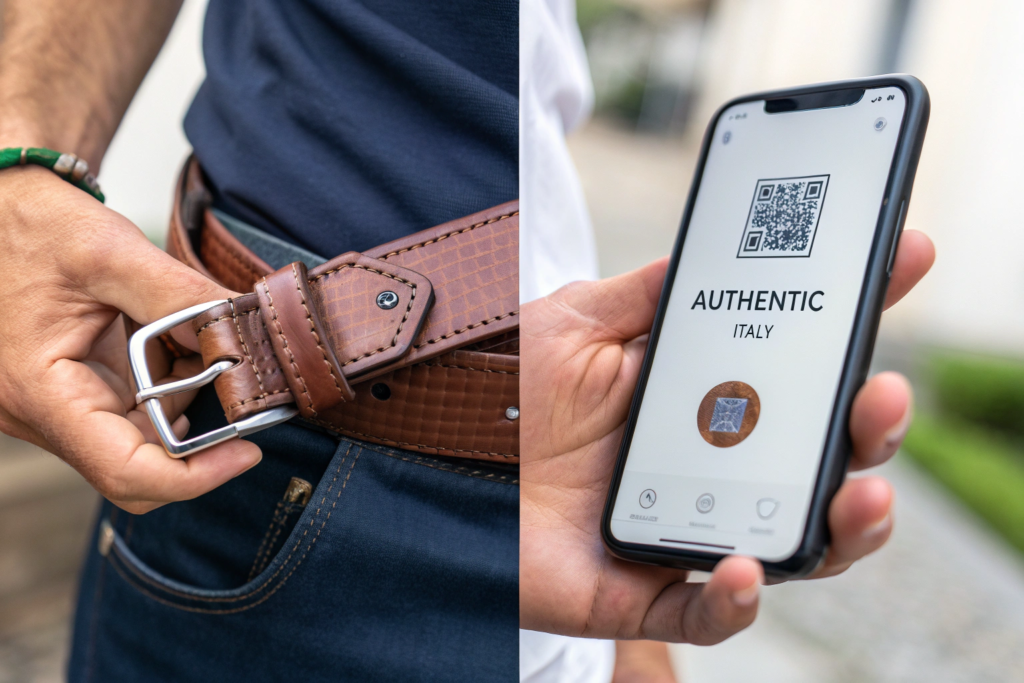
Imagine you are a brand that sells sustainable scarves. You can put a QR code on the hang tag. Your customer scans it with their phone. They see the farm where the cotton was grown. They see the factory where it was woven. They see the certificate proving it is organic. They see the date it was shipped. This is not just marketing. This is proof. And in a world where consumers are increasingly skeptical of green claims, proof is valuable.
I have a client who sells to major department stores. Those stores now ask for proof of sustainability. They do not want to be accused of greenwashing. By using our blockchain system, my client can show the department store the full traceability data. The department store trusts the data because it is on the blockchain and cannot be altered.
We have also seen this used in the luxury accessory market. High-end brands use blockchain to prove authenticity. A customer buying a $500 leather belt wants to know it is real leather from a reputable tannery. They want to know it was made in a factory that treats workers fairly. Blockchain provides that proof.
Real Applications: Traceability for Ethical Sourcing and Authenticity
I want to give you specific examples of how blockchain is already being used in our factory. These are not future concepts. These are things we do today.
The two biggest applications I see are ethical sourcing verification and authenticity protection. Both are critical for brands that want to protect their reputation.
Can Blockchain Verify That Materials Are Ethically Sourced?
Yes, and this is one of the most powerful uses. Ethical sourcing is not just about having a policy. It is about having proof. We work with a client who produces a line of eco-friendly hair accessories. They use recycled materials. They wanted a way to prove to their customers that the recycled claim was real.
We set up a blockchain record for each batch of recycled plastic. The plastic came from a certified recycling facility. We recorded the facility's certification on the blockchain. We recorded the date the plastic was processed. We recorded the quantity that went into each batch of hair clips. When the client sells a hair clip, the customer can scan the code. They see the recycling facility. They see the date. They see the certification. They know the claim is not just marketing.
The same works for ethical labor practices. We record our factory audits on the blockchain. We record the auditor's name and the date. We record the findings. A client can see that we were audited and that we passed. This is especially important for brands selling in Europe, where regulations around forced labor and environmental claims are becoming stricter. Blockchain provides an auditable trail that regulators can verify.
How Does Blockchain Help Fight Counterfeit Accessories?
Counterfeiting is a huge problem in our industry. Fake versions of popular accessories flood the market. They hurt brands financially. They also damage brand reputation when customers buy a fake and think it is real.
Blockchain offers a solution. We can create a digital certificate of authenticity for every product we make. That certificate is stored on the blockchain. It includes a unique identifier, like a serial number or a QR code.
When a customer buys the product, they can scan the code. The blockchain confirms that the product is authentic. It shows the production date, the materials, and the origin. If the product is counterfeit, the code will not match, or it will not be in the blockchain at all.
We have implemented this for several of our luxury belt clients. Their customers can verify authenticity instantly. This reduces returns of fake products. It also builds customer confidence.
One client told me that after implementing blockchain verification, they saw a measurable drop in customer complaints about counterfeit products. Customers trusted the brand more because they could verify the product themselves.
Overcoming Implementation Challenges for Factories
I want to be honest with you. Implementing blockchain is not easy. It takes investment. It takes training. It takes a commitment to transparency that not all factories are willing to make.
But I believe it is worth it. And I want to share what I have learned so you can ask the right questions when you evaluate factories.
What Are the Costs and Technical Requirements?
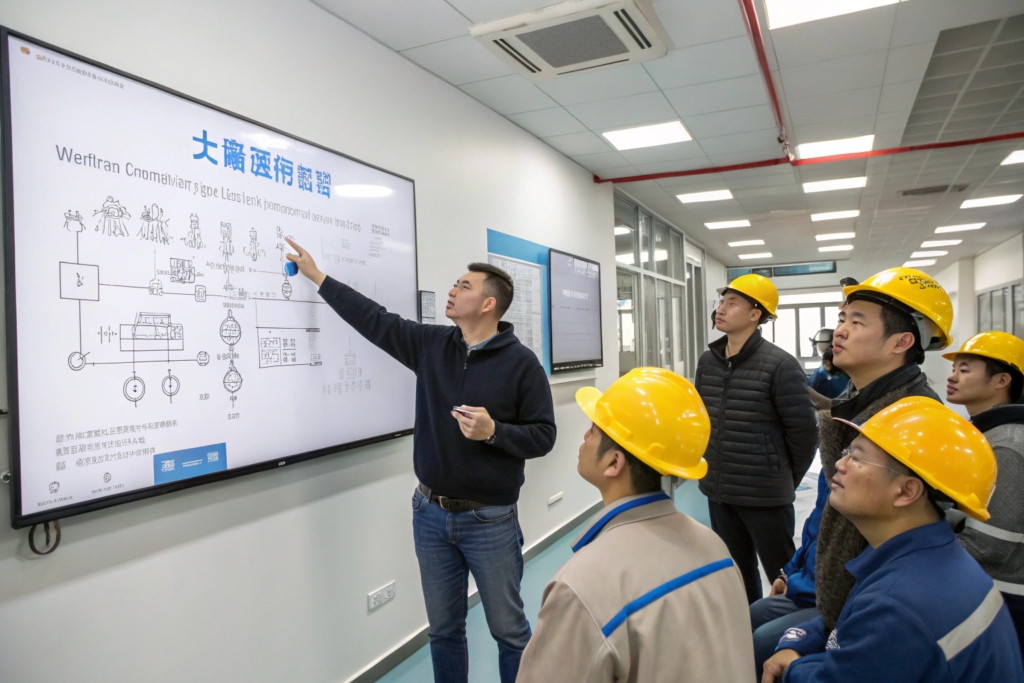
The first thing I had to accept was that I could not do this alone. I am a factory owner, not a software developer. I needed partners who understood both manufacturing and blockchain technology.
We partnered with a blockchain traceability platform that specializes in supply chains. They provided the software and the training. We provided the manufacturing expertise and the willingness to change.
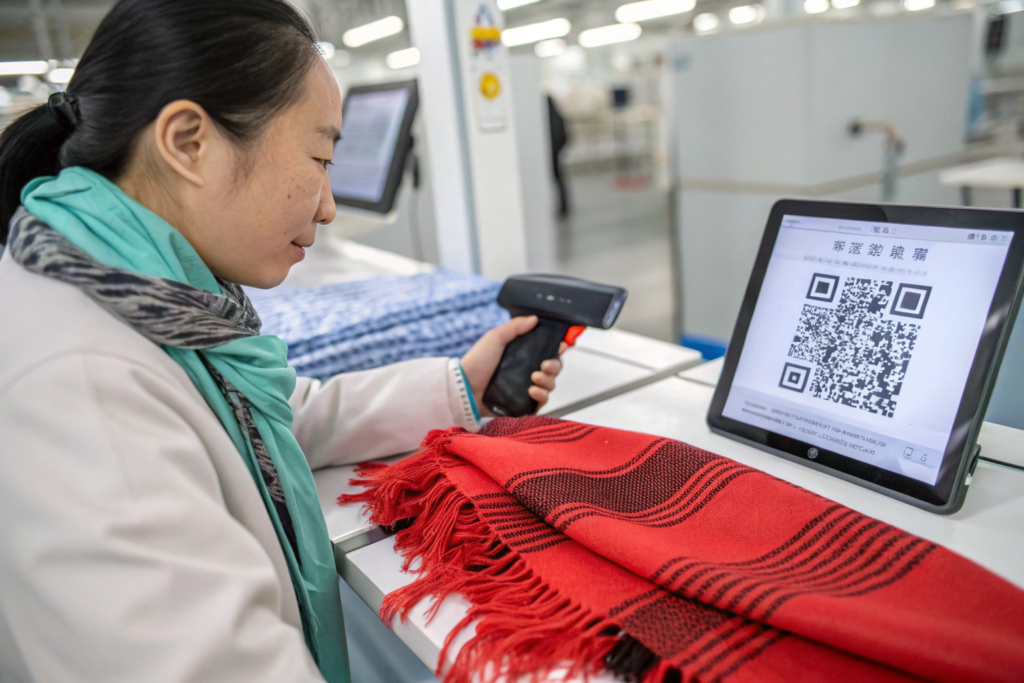
The costs came in three areas. First, there was the software subscription. This is an ongoing cost, but it is manageable. Second, there was the hardware. We needed scanners and tablets at each production stage to record data. Third, there was the training. We had to teach our workers how to use the system.
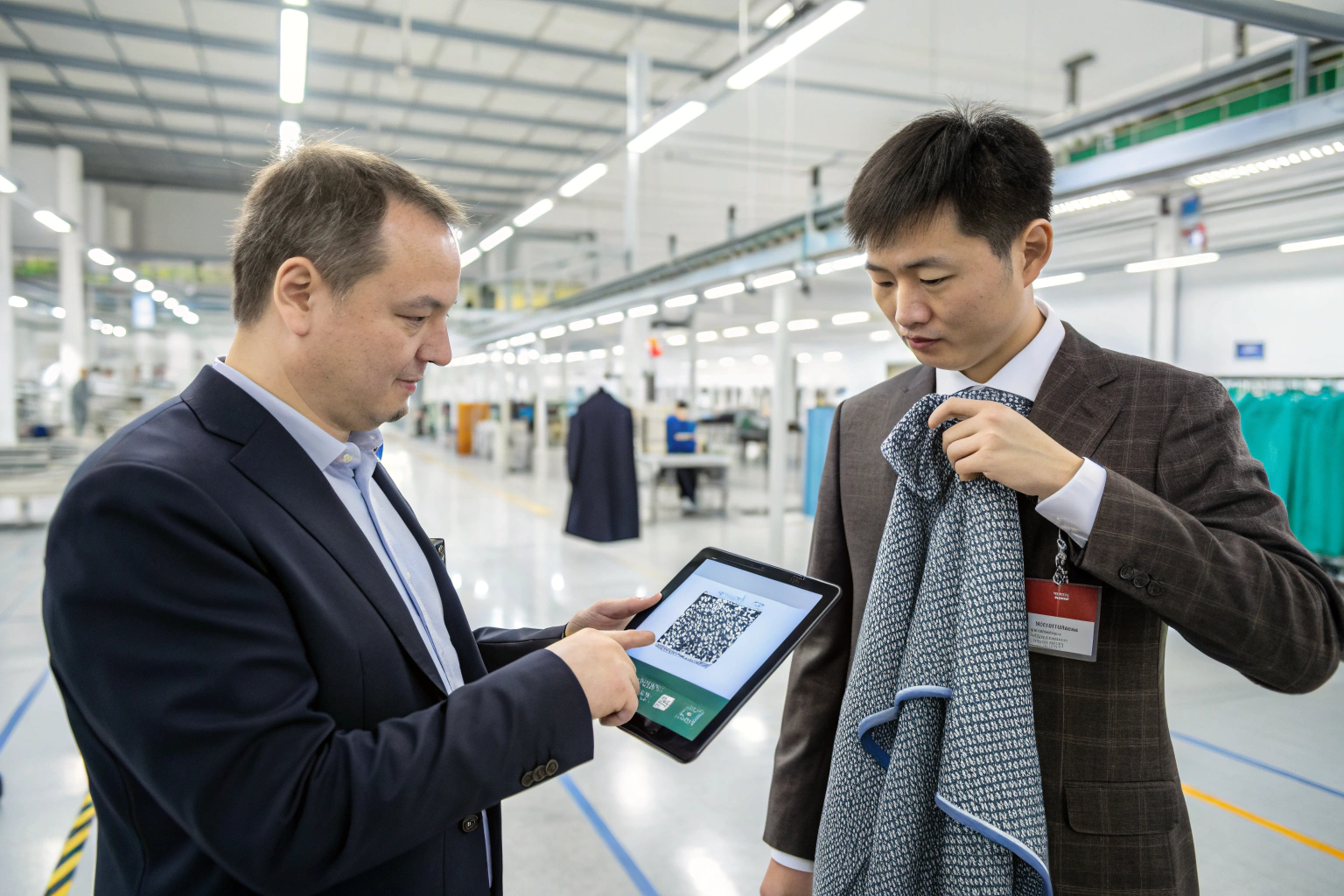
The technical requirements are not as complex as you might think. The blockchain part happens in the background. Our workers do not need to understand how blockchain works. They just need to scan a QR code and enter basic data at each stage.
The real challenge was cultural. We had to move from a system where information was kept in silos to a system where information was shared. Some of our suppliers were reluctant. They did not want their data visible to anyone else.
We worked through this by explaining the benefits. For our suppliers, being on the blockchain became a selling point. They could tell their own customers that their materials were traceable. It opened new business opportunities for them.
How to Verify a Factory's Blockchain Claims?
This is an important question. As blockchain becomes more popular, some factories will claim they use it when they do not. Or they will use a simple database and call it blockchain.
Here is how I recommend you verify. Ask for access to the platform. A real blockchain system will give you a secure login. You can see the records for your own orders. You can see the timestamps. You can see that the records cannot be edited.
Ask to see how data is recorded at the factory. Visit the production floor. See the scanners. See the tablets. Watch a worker record a step. A real system is integrated into the production process. It is not something they turn on just for a visit.
Ask for a demonstration of the verification process. Have them show you how a customer would scan a product to verify authenticity. Test it yourself. Scan a few products. See what information comes up.
Ask about their partners. A legitimate blockchain system is built by a reputable technology company. Ask who provides their platform. Research that company. See if they are legitimate.
At AceAccessory, we welcome these questions. We invite clients to visit our factory. We show them how our blockchain system works. We give them access to their own data. Transparency is the whole point. If a factory is not willing to be transparent about their transparency system, that is a red flag.
Conclusion
Blockchain is not a magic solution. It does not replace good manufacturing practices. It does not replace quality control. It does not replace ethical business conduct.
But blockchain does something that nothing else can do. It creates a permanent, unchangeable record of your product's journey. It connects the dots in the supply chain. It gives you proof, not just promises.
For my clients, this has been transformative. They can sell with confidence. They can prove their sustainability claims. They can protect their brand from counterfeits. And they can build deeper trust with their own customers.
I believe that in the next five years, blockchain traceability will become standard in our industry. The brands that adopt it early will have a competitive advantage. The factories that adopt it early will be the partners that brands want to work with.
At Shanghai Fumao, we made the investment. We trained our team. We implemented the systems. And we are ready to bring that transparency to your supply chain. If you are a brand that values trust, proof, and authenticity, I invite you to talk to us. Let us show you how blockchain can work for your accessories. Reach out to our Business Director, Elaine. She will walk you through our process and answer all your questions. Her email is: elaine@fumaoclothing.com.