As a buyer like Ron, this is one of the most critical questions you can ask a potential manufacturing partner: "What is your lead time for 10,000 baseball caps?" You're not just asking out of curiosity; you're managing a complex supply chain with shipping deadlines, retail floor-set dates, and marketing launch schedules. An unreliable or unexpectedly long lead time can throw your entire business into chaos. You need a clear, honest, and predictable answer.
While the simple answer is typically 40-55 days, a professional manufacturer knows that the real answer is more nuanced. The total lead time for 10,000 baseball caps is a multi-phase process that includes material sourcing, pre-production sampling, mass production, and quality control. Understanding these individual phases is the key to accurately planning your schedule and avoiding costly delays.
I believe in complete transparency with my partners. A simple number without context is a sales pitch, not a production plan. At Shanghai Fumao Clothing, we walk our clients through the entire timeline, so they understand exactly what is happening at each phase and why it takes the time it does. Let's break down the journey of your 10,000 caps from a confirmed order to a shipment-ready product.
Why Does Sourcing Materials Take So Long?
The clock doesn't start at the sewing machine. The very first—and one of the most crucial—phases is securing all the necessary raw materials. You can't make a cap without fabric, thread, buckles, and labels.
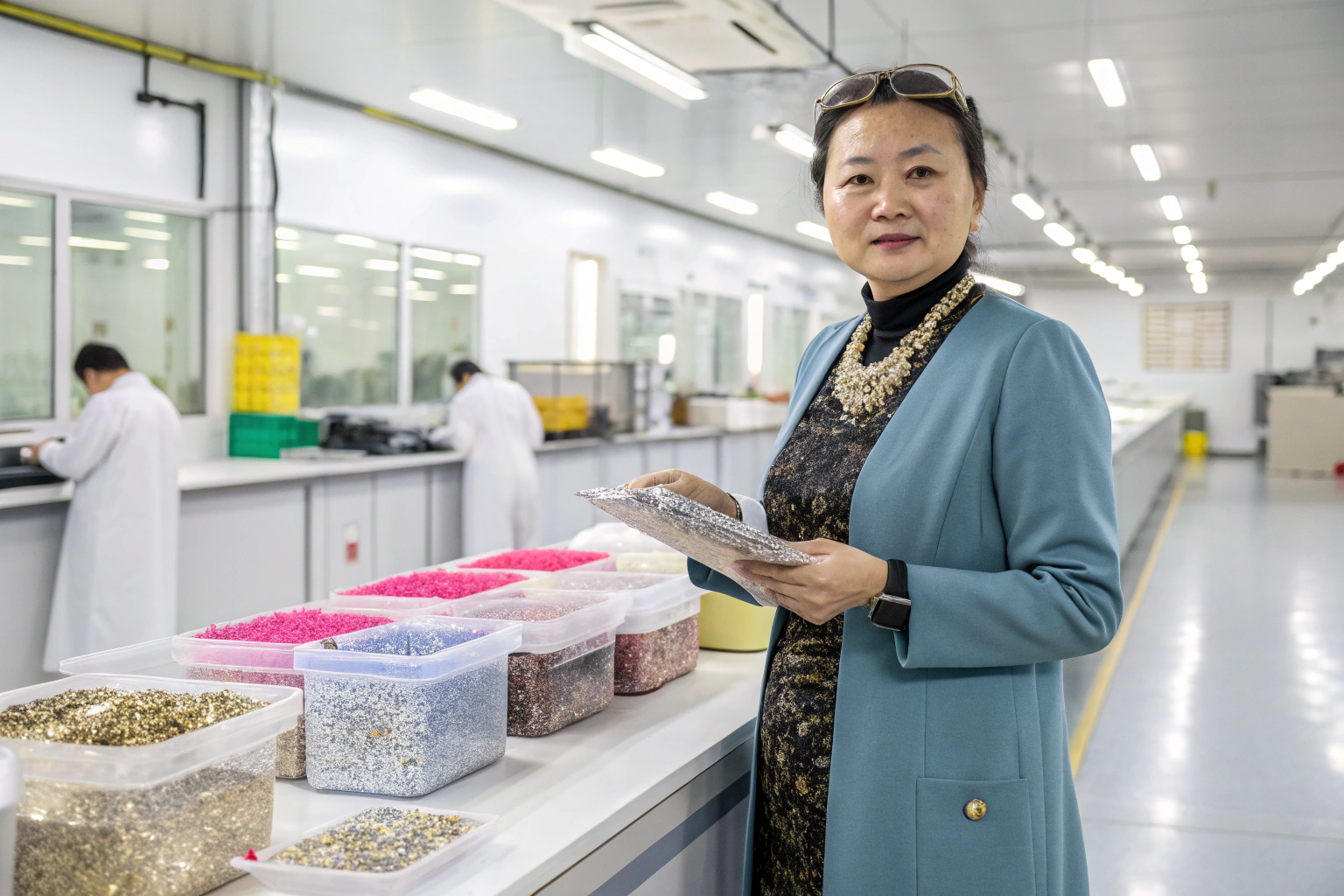
The material sourcing and preparation phase involves ordering, receiving, and inspecting all the components required for the production run. This process is fundamental to ensuring quality and consistency. We can't risk starting production only to find the fabric color is wrong or the buckles are defective. This phase typically takes 10 to 15 days, depending on the uniqueness of the materials.
For an order of 10,000 caps, we need a significant quantity of fabric. If it's a standard cotton twill in a common color like black or navy, our trusted suppliers may have it in stock, and this phase could be on the shorter end. However, if you've specified a custom-dyed Pantone color or a unique material like a special corduroy, the fabric mill will need to produce it specifically for your order, which can extend this timeline. This is why pre-production sampling can't begin until we have the actual bulk materials in hand.

What materials need to be sourced?
It's more than just the main fabric. For 10,000 caps, we need to procure:
- Main Fabric: Cotton, polyester, wool, etc. (approx. 3,000-3,500 meters)
- Buckram: The stiffener for the front panels.
- Sweatbands & Seam Tape: For the interior.
- Closures: Snapbacks, leather straps, metal buckles, etc. (10,000 units)
- Thread, Labels, & Hangtags: All custom to your brand.
Sourcing all these components from reliable, vetted suppliers is a key part of a manufacturer's job, a process detailed by supply chain resources like Supply Chain Digital.
Why is material inspection so important?
Inspecting materials upon arrival is a critical quality gate. We check for color consistency against the approved standard, look for weaving defects, and test fabric weight. Finding a problem here saves weeks of time and thousands of dollars compared to finding it after the caps have already been cut and sewn. This is a core principle of Total Quality Management (TQM), a philosophy you can learn more about from the American Society for Quality (ASQ).
Why Is a Pre-Production Sample So Critical?
Once the bulk materials are in-house, we don't immediately start cutting 10,000 units. First, we need to create and get your approval on a final, perfect sample made from the actual production materials. This is the Pre-Production Sample, or "PPS."
The pre-production sampling phase is where we create one or more perfect caps using the bulk materials and get your final, written approval before proceeding to mass production. This is your last chance to make any final tweaks and serves as the "golden sample" or quality standard against which the entire 10,000-piece run will be judged. This phase, including shipping the sample to you and receiving your feedback, typically takes 7 to 10 days.
This step is non-negotiable for us at Shanghai Fumao Clothing. It protects both you and us. It ensures that you know exactly what you will be receiving, and it gives our production team a physical benchmark for quality. Rushing or skipping this step is the single biggest cause of production disasters. Once you approve the PPS, we have the green light to begin the mass production process.

What is the purpose of the PPS?
The PPS confirms all details:
- Color: The final fabric color is correct.
- Stitching: The stitch density and color are perfect.
- Embroidery/Print: The logo size, placement, and quality are exactly as specified.
- Fit & Shape: The cap's structure and fit are correct.
It's the physical embodiment of your tech pack, a topic covered in-depth by fashion design resources like Techpacker.
Why does it take 7-10 days?
The timeline includes:
- Making the sample: 2-3 days
- Internal QC: 1 day
- International Shipping to you: 3-5 days (e.g., via DHL/FedEx)
- Your review time: 1-2 days
Any delay in your approval or a request for a second sample will add to this timeline, which is why clear and prompt communication is so important.
How Are 10,000 Caps Actually Made?
With the PPS approved, the factory floor roars to life. This is the longest and most complex phase, where your 10,000 caps are actually constructed.
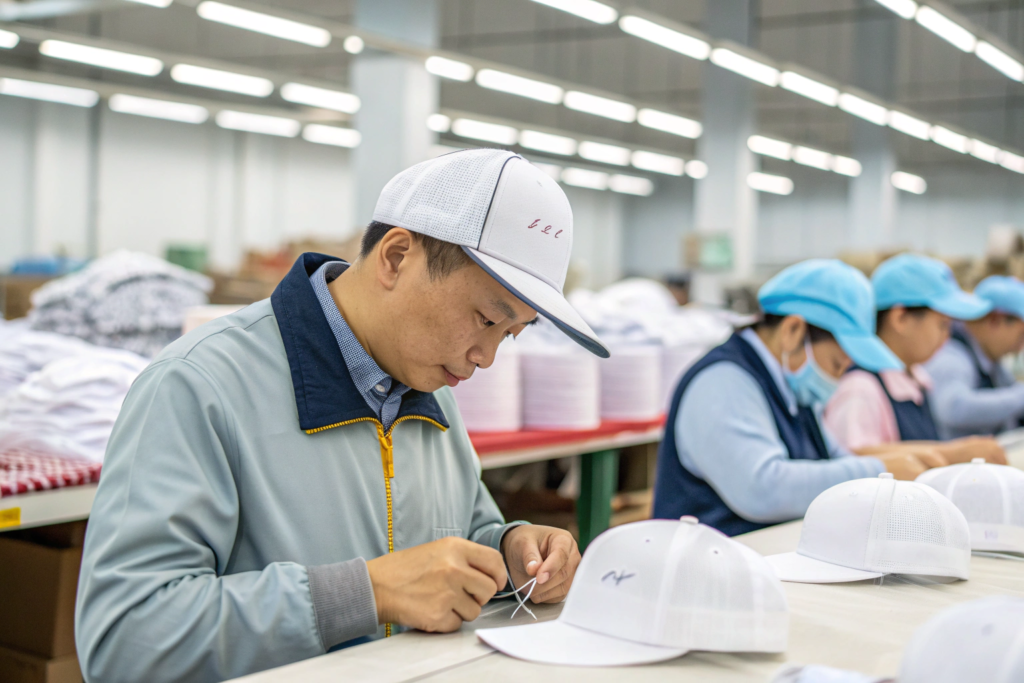
Mass production is a multi-step assembly line process that includes cutting the fabric panels, embroidering or printing logos, sewing the panels into a crown, attaching the brim and sweatband, and adding the final closure. For an order of 10,000 units, this entire process is carefully managed to maximize efficiency and maintain quality, typically taking 20 to 25 days.
This is a symphony of logistics. We don't just make one cap at a time. We set up dedicated lines for each step. One team does nothing but cut panels. Another team manages the multi-head embroidery machines. Several sewing lines are set up for assembly. Our production managers orchestrate this entire flow to ensure there are no bottlenecks and that our in-process quality checks are being performed at every step. This leads into the final, critical phase of quality control and packing.

What is the daily output of a production line?
A single, efficient sewing line can typically assemble 400-500 caps per day. To produce 10,000 caps in approximately 20-25 days, we would dedicate one or two full production lines to your order. The embroidery or printing is often done before the panels are sewn together, which allows for higher quality and efficiency.
What are "In-Process Quality Checks" (IPQCs)?
During mass production, our QC team doesn't wait until the end. They perform checks at critical points in the assembly line. For example, they will check a sample of embroidered panels before the full batch is run, and they will check the seam quality of the first few assembled crowns. This allows us to catch any deviation from the PPS early and correct it before it affects thousands of units. This practice is a key part of professional manufacturing, as advocated by industry standards bodies like ISO (International Organization for Standardization).
What Happens After the Caps Are Sewn?
The caps are fully assembled, but they are not ready to ship. The final phase is a meticulous last check to ensure every cap meets the approved standard and is packed correctly for its journey.
The final QC and packing phase involves a thorough inspection of the finished products, trimming any loose threads, adding hangtags, and packing the caps into polybags and master cartons according to your specifications. This final gatekeeping step is crucial for ensuring you receive a professional, retail-ready product and typically takes 3 to 5 days for an order of 10,000 caps.
This is where our attention to detail shines. Our final QC team, working under bright lights, inspects each hat for any cosmetic defects—stains, crooked stitching, or uncut threads. We use the AQL (Acceptance Quality Limit) statistical method for a final random inspection to formally verify the quality of the entire batch. Once approved, the caps are carefully packed. Proper packing is essential to prevent the caps from being crushed or damaged during shipping.
What does the final QC team look for?
They check against the approved PPS for:
- Symmetry: Is the cap symmetrical? Is the brim attached straight?
- Cleanliness: Are there any stains, dirt, or oil marks from the machines?
- Loose Threads: All threads must be trimmed for a clean finish.
- Functionality: Does the closure work correctly?
Third-party inspection services like QIMA offer detailed checklists that are standard in the industry.
Why is packing important?
How the caps are packed affects your costs and their condition upon arrival. We can nest the caps to save space and reduce shipping volume, or we can pack them with inserts to ensure they maintain a perfect shape. We follow your specific instructions to ensure the product arrives at your warehouse exactly as you expect it.
Conclusion
So, while the quick answer for a 10,000-cap lead time is 40 to 55 days, the professional answer is that it's a carefully managed four-phase process. By understanding the time required for material sourcing, sampling, mass production, and final QC, you can build a realistic and reliable production calendar. A true manufacturing partner will be transparent about this timeline and communicate with you at every phase. The cheapest price or the fastest promised lead time often comes with hidden risks. The best partner is the one who delivers consistent quality, predictably and on time.
At Shanghai Fumao Clothing, we've built our reputation on this principle of transparent and reliable partnership. We provide a detailed timeline for every order and keep you informed every step of the way, ensuring there are no surprises.
If you are looking for a manufacturing partner who respects your deadlines and is committed to predictable, high-quality production, we would love to work with you. Please contact our Business Director, Elaine, at her email: elaine@fumaoclothing.com, to plan your next collection.