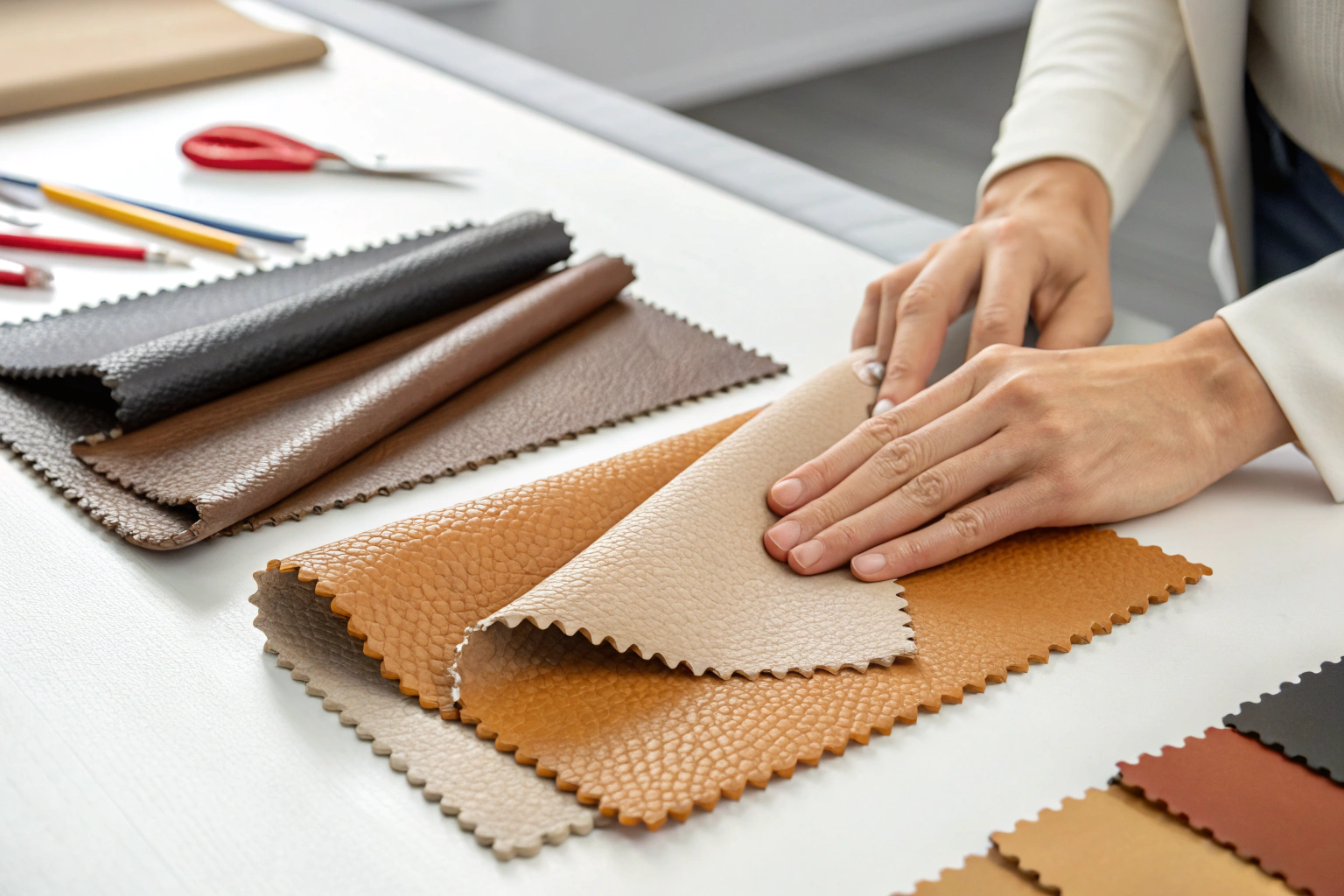
Choosing the right material for your accessories line is crucial. For belts, bags, and even some hat trims, synthetic leathers like PU and PVC are popular choices. They offer a leather-like look at a lower cost. But many designers and buyers get confused. They ask, "Aren't they basically the same thing?" The truth is, PU and PVC leather are fundamentally different in composition, feel, and performance. Picking the wrong one can affect your product's quality, price, and customer satisfaction.
As a manufacturer at AceAccessory, we work with both materials daily for products like fashion belts, handbag accents, and hair accessory details. The core difference lies in what they're made of and how they're made. PVC is a plastic-based material, while PU is a polymer-based material. This simple difference in base chemistry leads to significant variations in breathability, flexibility, environmental impact, and overall feel. Knowing which one aligns with your brand values and product requirements is key.
This guide will break down the differences between PU and PVC leather in simple terms. We'll cover their composition, physical properties, applications in fashion accessories, and how to choose the right one for your next project. By the end, you'll be able to make an informed decision that balances cost, quality, and sustainability for your brand.
How are PU and PVC leather made differently?
The manufacturing process defines these materials. Both are synthetic, but their production methods set them on different paths. Understanding this helps explain why they behave differently in your final product, whether it's a durable belt or a structured bag.
PVC leather, or Polyvinyl Chloride leather, is made by coating a fabric backing (like polyester) with a plasticized PVC layer. This layer is a mix of PVC resin, plasticizers (like phthalates), and stabilizers. It's then embossed with a grain pattern. PU leather, or Polyurethane leather, involves coating a fabric base with a layer of porous polyurethane. This PU layer can be a film or a breathable, wet-process coating that soaks into the base fabric.
The production difference is critical. PVC's plastic layer sits on top, creating a barrier. PU's polymer layer can be engineered to be micro-porous. This fundamental distinction in creation impacts everything from how the material feels to how it ages.
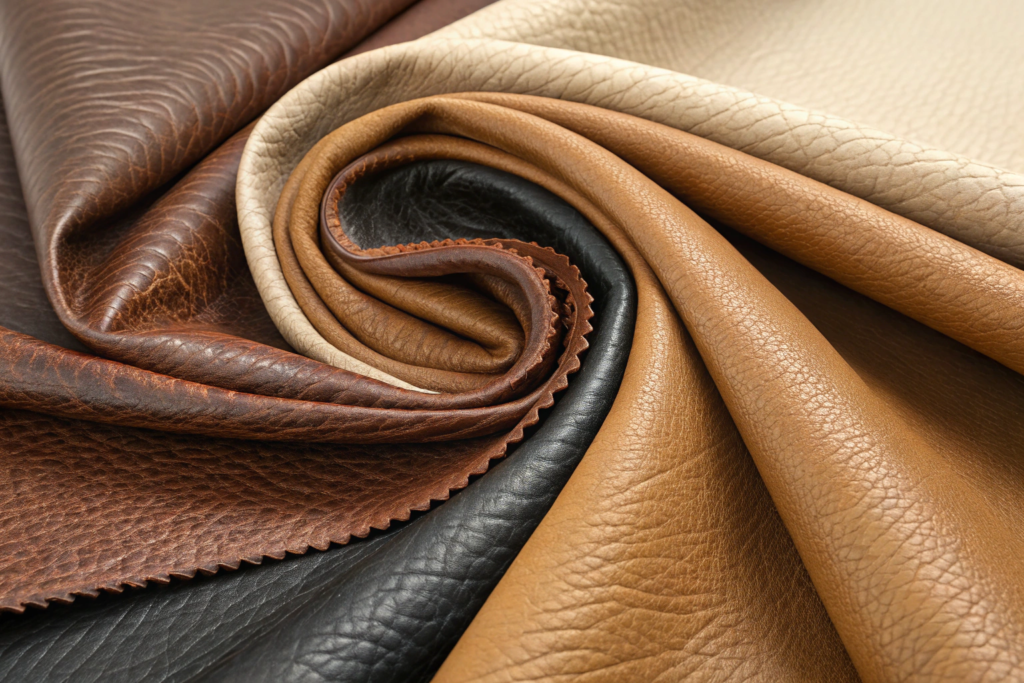
What is the base chemical composition of each material?
The core chemicals are completely different. PVC (Polyvinyl Chloride) is a thermoplastic polymer. It's rigid by nature and requires large amounts of plasticizers to become flexible enough for use as "leather." These plasticizers can sometimes migrate to the surface or evaporate over time, leading to cracking. PU (Polyurethane) is a polymer composed of organic units linked by urethane bonds. It can be formulated to be inherently flexible, durable, and without the need for the same level of migratory plasticizers.
This chemical difference matters for product longevity and feel. For accessory manufacturers, using a high-grade PU formulation often results in a product that retains its suppleness longer than PVC, which can become stiff. It's a key point when discussing material quality with your supplier.
What does the manufacturing process look like step-by-step?
Let's visualize the processes in a simple table:
| Step | PVC Leather Process | PU Leather Process |
|---|---|---|
| 1. Base Preparation | A woven or knit fabric (backing) is cleaned and prepared. | Similar fabric backing preparation. |
| 2. Coating | A paste of PVC resin, plasticizers, and pigments is applied in a thick layer and then heated (gelatinized). | A polyurethane solution in dimethylformamide (DMF) is applied. For wet PU, the coated fabric is immersed in a water bath, causing the PU to coagulate into a porous layer. |
| 3. Finishing | The surface is embossed with a grain pattern (like cowhide) and may have a topcoat for shine/protection. | The porous surface is buffed, dyed, and a protective topcoat (often water-based) is applied. |
| 4. Key Trait | Creates a solid, non-porous plastic film on the surface. | Creates a micro-porous, breathable layer that mimics real leather's structure. |
This table shows why PU leather is often called "breathable" while PVC is not. The wet process for PU is more environmentally intensive but produces a higher-quality material favored for better fashion accessories.
Which one feels more like real leather: PU or PVC?
The tactile experience is a major selling point. Customers judge quality by touch. Between the two, PU leather consistently wins in the race to mimic genuine leather's feel and drape.
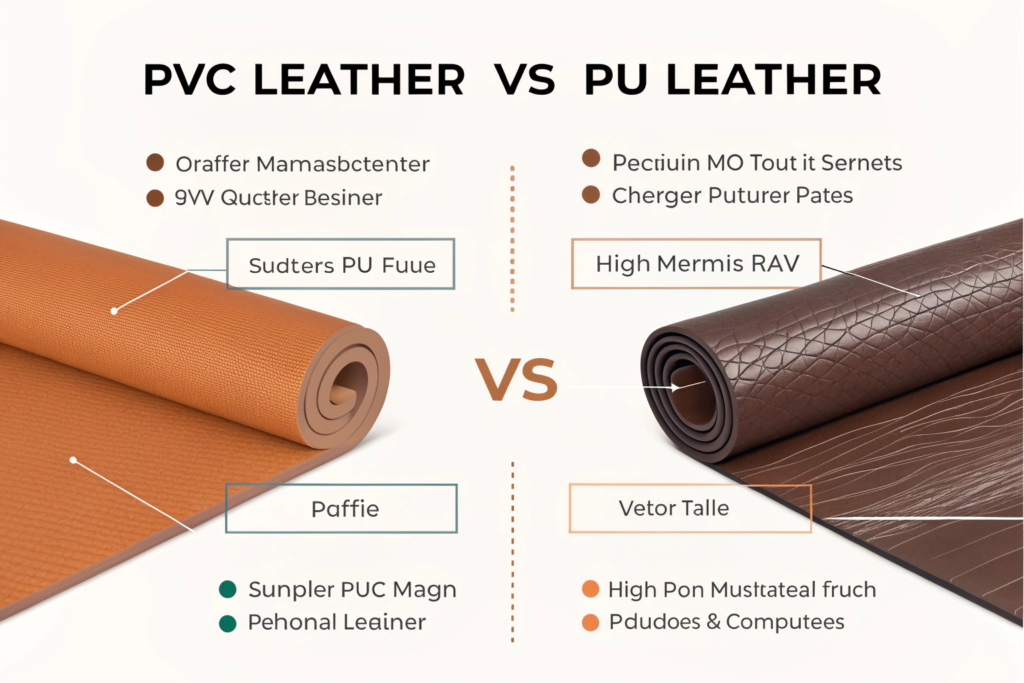
PU leather is generally softer, more supple, and has a pliability that closely resembles real leather. It can be made into very thin, flexible sheets that feel luxurious. PVC leather tends to be stiffer, colder to the touch, and has a more pronounced plastic-like feel. It can feel somewhat rubbery or glossy. For products where hand-feel is paramount, like a soft glove lining or a flowing scarf trim, PU is the preferred choice. This aligns with a focus on product quality over pure cost.
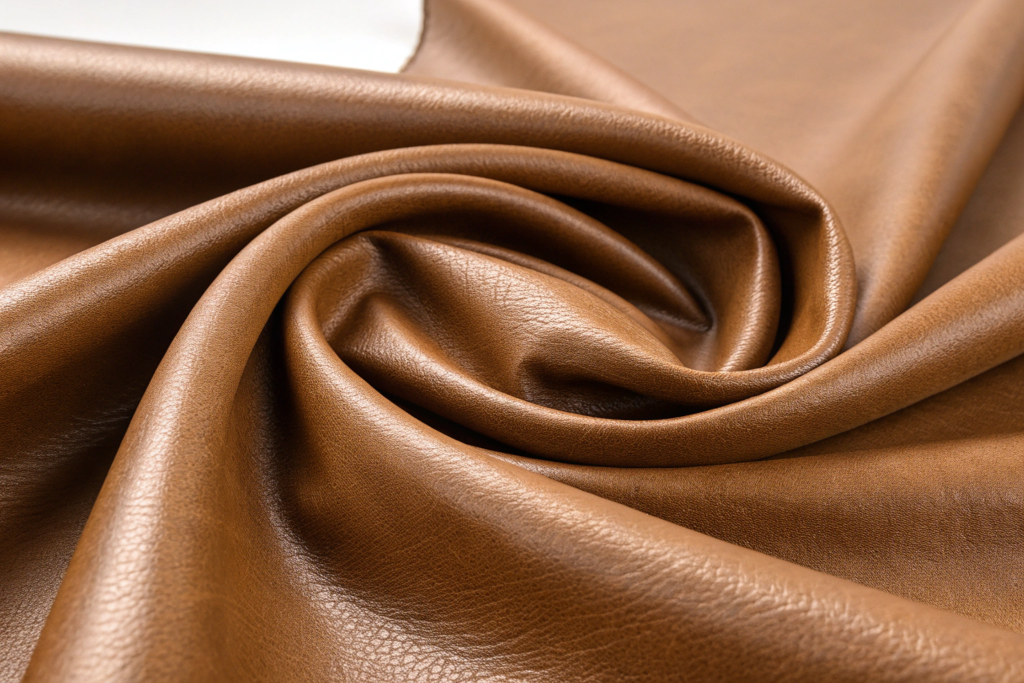
How does flexibility and drape compare between the two?
Flexibility and drape are about how the material moves. PU leather has better elongation and recovery. It bends and folds more naturally without creating harsh, permanent creases. This makes it excellent for handbags and pouches that need to maintain their shape while being soft. PVC leather is less flexible. It can be prone to cracking along fold lines over time, especially with low-quality formulations. Its drape is stiffer, making it better for structured items or stiff belt backings where less movement is desired.
In our production at Shanghai Fumao Clothing, we select PU for items that require a premium, natural feel and PVC for items where structural rigidity and very low cost are the primary drivers. This decision is part of our product development service for clients.
What about the surface texture and breathability?
Surface texture is where both can shine, as both can be embossed with any pattern. However, high-end PU leathers often have more nuanced, natural-feeling textures because the coating can replicate leather's pores. Breathability is the standout difference. The micro-pores in PU leather allow a small amount of air and moisture vapor to pass through. This makes products like watch bands or hat sweatbands more comfortable.
PVC leather is essentially waterproof and non-porous. It will not breathe, which can lead to a sweaty, uncomfortable feel if worn against the skin for long periods. This is a critical factor in accessory design for wearables.
What are the durability and environmental impacts?
Durability and eco-impact are increasingly important to brands and consumers. Both materials are durable, but in different ways. Their environmental profiles are also distinct, which can influence your brand's messaging.
PVC leather is highly resistant to water, acids, and abrasion in the short term. It's easy to clean. However, its plasticizers can leach out over years, leading to embrittlement and cracking. PU leather is generally more resistant to cracking and cold temperatures. It stays flexible longer. However, it can be more susceptible to scratching and may require more careful cleaning. From an environmental standpoint, the production and disposal of both raise concerns, but PVC is often viewed less favorably. Understanding these trade-offs is key for responsible manufacturing.
Which material lasts longer and is easier to maintain?
For long-term flexibility and resistance to aging, quality PU leather often has the edge. It doesn't rely on migratory plasticizers, so it's less prone to becoming stiff and cracking with age. Maintenance for both is relatively easy. PVC can be wiped clean with a damp cloth due to its waterproof surface. PU may require specific cleaners to avoid damaging its topcoat, but it's also quite stain-resistant.
For accessories manufacturers, specifying a high-quality PU with a good protective topcoat results in a product that maintains its "like-new" appearance for the lifespan of the item, be it a clutch bag or a hair accessory. This contributes to customer satisfaction.
What are the key environmental considerations?
The environmental debate is significant. PVC production involves chlorine and creates toxic dioxin byproducts. The plasticizers (often phthalates) are persistent environmental pollutants and can pose health risks. Recycling PVC is difficult. PU production involves solvents like DMF, which are hazardous if not managed properly. However, newer technologies and water-based PU systems are reducing this impact. PU is also generally considered less toxic in its final form and is easier to recycle in some streams.
Many eco-conscious brands are now seeking alternative materials like recycled PU or bio-based polymers. As a factory, we are actively exploring these options to offer our clients more sustainable choices for their fashion lines. This proactive approach is part of our commitment as a professional manufacturer.
How do costs and applications differ in fashion accessories?
Finally, let's talk business. Cost often drives the final decision, but it must be weighed against the intended use. The application of the material in your specific accessory dictates which synthetic leather makes the most sense.
As a rule, PVC leather is less expensive than PU leather. Its raw materials and manufacturing process are cheaper, making it a go-to for high-volume, price-sensitive products. PU leather commands a higher price due to a more complex production process and a superior feel. It's the choice for brands targeting a mid-range to premium market segment. Smart brands often use a mix: PVC for structural, non-touch parts and PU for prominent, tactile surfaces. This strategy optimizes cost without sacrificing perceived quality—a common tactic in accessory production.
When should you choose PVC leather for your products?
Choose PVC leather when:
- Ultimate Low Cost is Critical: For high-volume, disposable fashion or promotional items.
- Waterproofing is a Must: For items like rain hat covers or certain outdoor bag components.
- You Need a Very Stiff, Structured Base: For some types of belt backings or rigid box-style bags.
- Ease of Cleaning is Top Priority: For items that will face spills and need simple wipe-clean care.
It's a practical choice for certain segments of the market and specific product functions, aligning with a strategy focused on competitive pricing.
When is PU leather the better investment for your brand?
Invest in PU leather when:
- Premium Feel is a Selling Point: For products where customers will touch and feel the item, like a luxury scarf or high-end gloves.
- Comfort and Breathability Matter: For any wearable accessory that contacts skin, like headband linings or bag straps.
- Your Brand Emphasizes Sustainability: PU generally has a better (though not perfect) environmental reputation than PVC.
- You Want Better Long-Term Durability: For products designed to last multiple seasons without cracking.
For brands building a reputation for quality, the investment in PU leather pays off in customer perception and product longevity. It reflects a commitment to good service and high-quality output from your manufacturing partner. At Shanghai Fumao, we guide our clients through this exact decision-making process to ensure their accessory line is both market-appropriate and commercially viable.
Conclusion
PU and PVC leather are both valuable tools for fashion accessory creation, but they serve different purposes. PVC is your cost-effective, waterproof, and durable workhorse for structured items. PU is your go-to for achieving a premium, leather-like feel, better comfort, and improved flexibility. The choice isn't about which is universally "better," but about which is right for your specific product, target customer, and brand values.
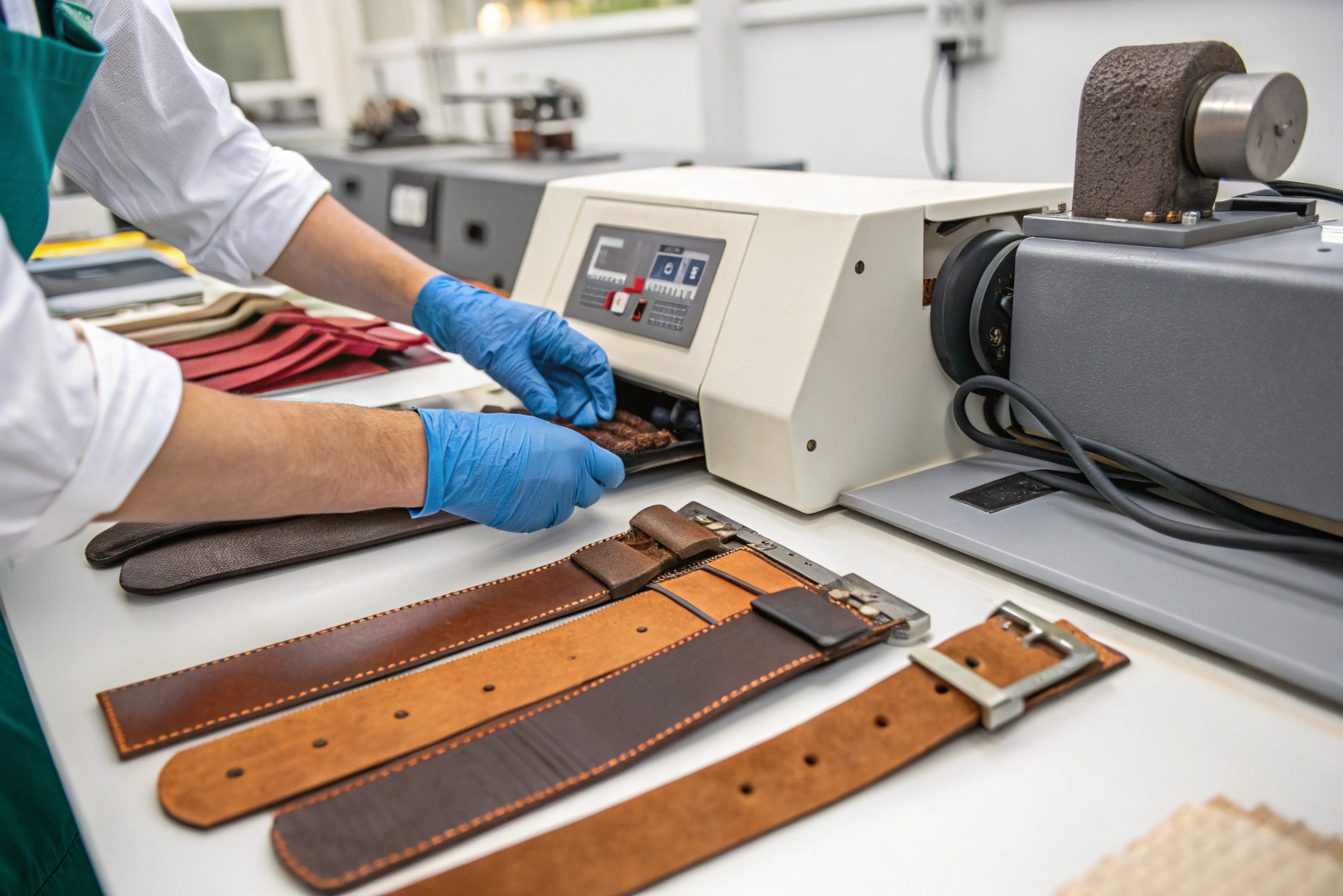
By understanding the differences in their making, feel, durability, and cost, you can make strategic decisions that enhance your product line. Always request physical samples of both materials from your manufacturer to feel the difference firsthand. Test them for flexibility, texture, and how they sew or bond in your specific application.
If you are developing a new line of belts, bags, hats, or any fashion accessory and need expert guidance on material selection—from synthetic leathers to fabrics and trims—we are here to help. At Shanghai Fumao, our design and production team can source the perfect materials to match your vision and budget. For a consultation on your next project, please contact our Business Director, Elaine, at elaine@fumaoclothing.com. Let's create accessories that look great, feel amazing, and stand the test of time.