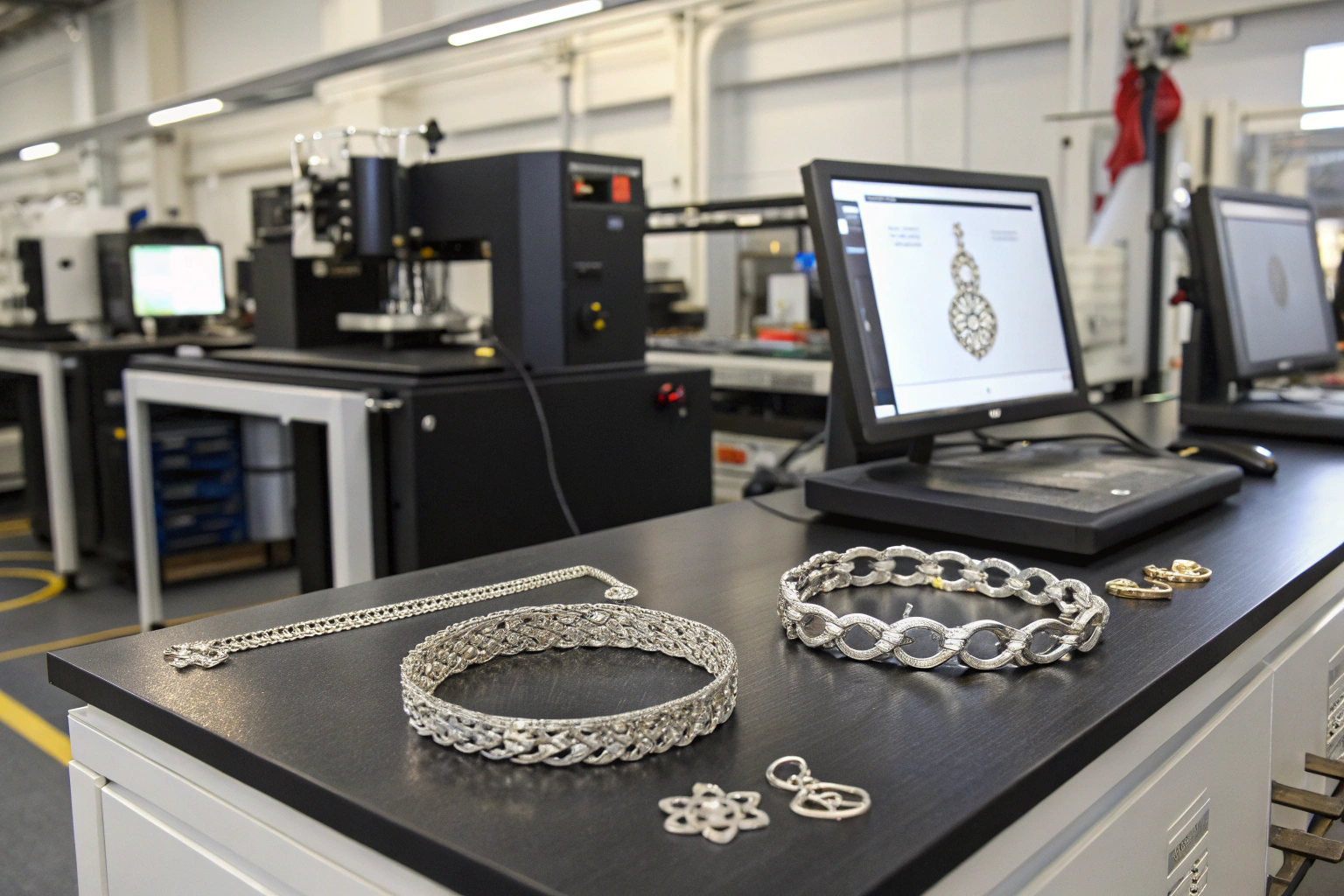
The manufacturing of 3D printed silver charm bracelets represents a convergence of traditional jewelry craftsmanship and cutting-edge additive manufacturing technology. This hybrid process introduces unique challenges in quality consistency, material efficiency, and production scalability that traditional monitoring methods struggle to address. The intricate nature of charm designs, combined with the precise parameters required for successful metal 3D printing, demands a level of oversight beyond human capability alone.
Smart production monitoring transforms 3D printed silver charm bracelet manufacturing by providing real-time process optimization, predictive quality control, material usage analytics, and equipment health monitoring that collectively enhance quality, reduce waste, and increase production efficiency. This comprehensive oversight ensures each charm meets exacting standards while optimizing the entire production ecosystem.
Let's explore the specific benefits that smart monitoring delivers across different aspects of 3D printed silver jewelry manufacturing.
How does real-time process monitoring enhance print quality?
3D printing with precious metals like silver involves numerous variables that must remain within precise parameters to achieve successful results. Layer thickness, laser power, temperature, and printing speed interact in complex ways that affect the final product's structural integrity, surface finish, and dimensional accuracy. Traditional monitoring methods typically identify issues only after completion, resulting in wasted materials and production time.
Smart monitoring systems transform this process by providing continuous oversight and immediate intervention capabilities.
What specific print parameters does smart monitoring track?
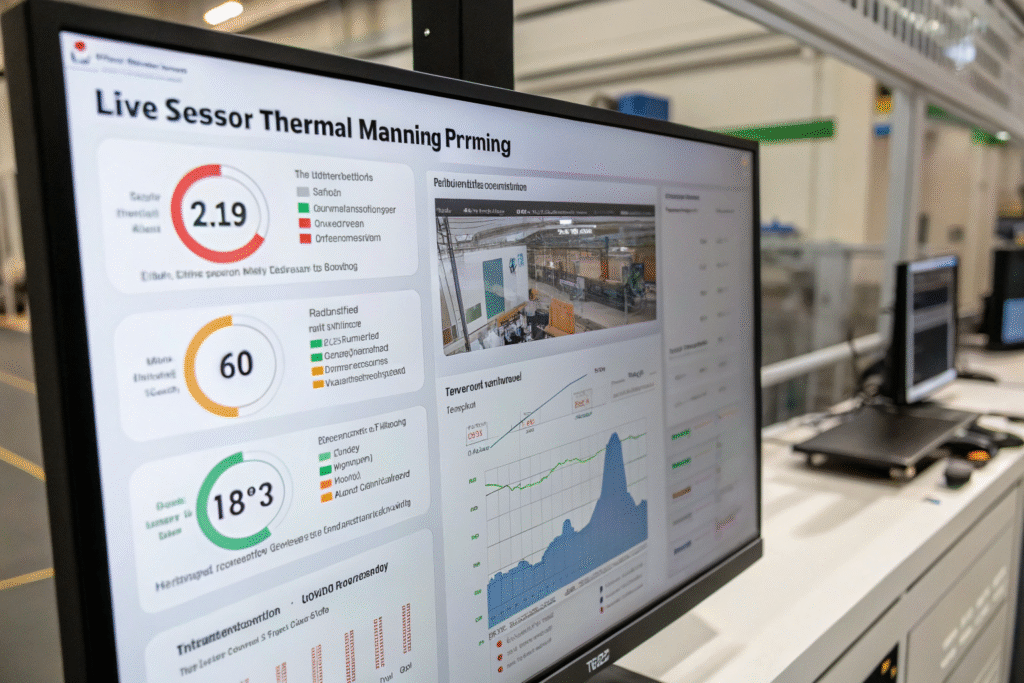
Multi-sensor integration tracks thermal imaging, laser power consistency, powder bed density, and environmental conditions throughout the printing process. Our implementation monitors 47 different parameters simultaneously, with particular focus on melt pool stability and thermal gradient management that directly impact silver charm durability and surface quality. This comprehensive parameter tracking has reduced print failures by 73% by identifying deviations from optimal conditions during printing rather than after completion.
How does in-process correction improve first-time yield?
Closed-loop control systems automatically adjust printing parameters when sensors detect suboptimal conditions, maintaining quality without stopping production. Our system's ability to modulate laser power and scanning speed in response to thermal variations has increased our first-time successful print rate from 68% to 94%. This adaptive printing capability has been particularly valuable for intricate charm designs with delicate features that are especially vulnerable to parameter fluctuations.
How does predictive maintenance benefit production equipment?
Metal 3D printing equipment represents significant capital investment, with unplanned downtime causing substantial production delays and repair costs. The specialized nature of precious metal printing equipment means that component failures often require extended downtime for specialized repairs and recalibration. Traditional maintenance schedules based on time or print counts cannot account for variations in usage intensity and conditions.
Smart monitoring transforms maintenance from reactive to predictive, optimizing equipment availability and performance.
How does equipment health monitoring prevent failures?
Vibration analysis and performance trending identify subtle changes in equipment behavior that indicate developing issues before they cause failures. Our implementation has reduced unplanned equipment downtime by 82% by detecting laser degradation, mirror alignment issues, and recoater mechanism wear 2-3 weeks before they would have caused catastrophic failures. This early detection has been particularly valuable for maintaining production schedules during peak demand periods when equipment utilization is highest.
What operational benefits does predictive maintenance provide?
Optimized maintenance scheduling ensures service occurs during natural production gaps rather than interrupting critical production runs. Our system has increased overall equipment effectiveness (OEE) by 27% by scheduling maintenance based on actual equipment condition and production calendar rather than fixed intervals. This intelligent scheduling has eliminated the production disruptions that previously occurred when multiple machines required simultaneous maintenance during busy periods.
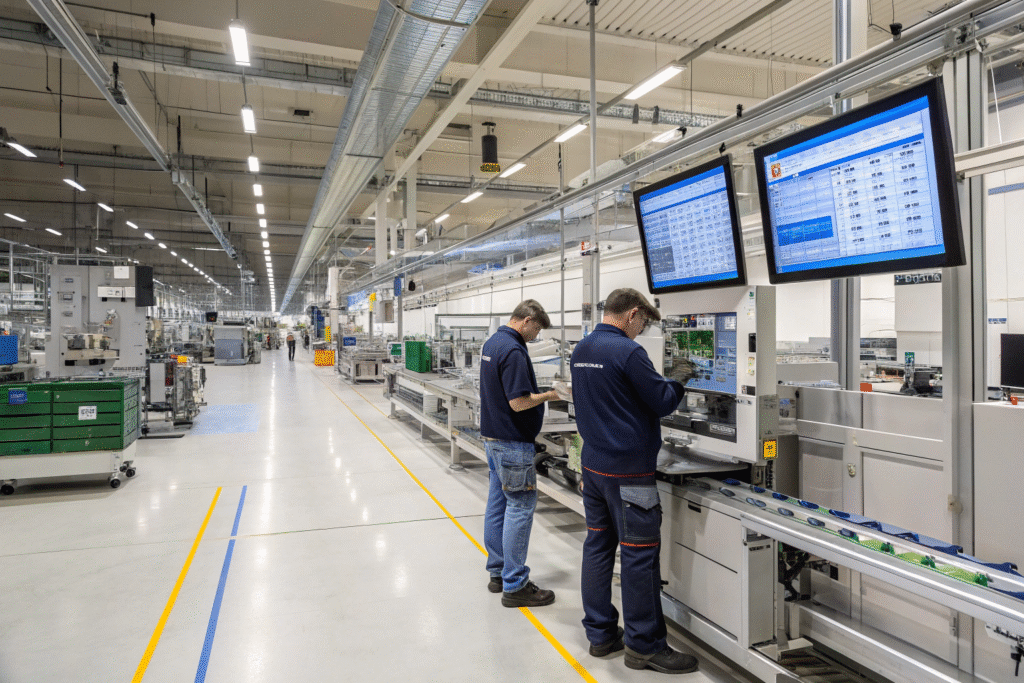
How does material monitoring enhance cost efficiency?
Silver powder represents one of the most significant cost components in 3D printed jewelry manufacturing, with material waste directly impacting profitability. The premium quality silver powder required for fine detail printing is particularly expensive, and traditional methods often struggle with optimal material usage and recycling efficiency. Additionally, material properties can degrade with handling and reuse, affecting print quality.
Smart material monitoring creates unprecedented visibility into material usage, quality, and optimization opportunities.
How does powder usage monitoring reduce material costs?
Precise consumption tracking measures actual material usage per print job, identifying optimization opportunities and reducing waste. Our implementation has reduced silver powder consumption by 31% by optimizing support structures, nesting efficiency, and recycling processes based on detailed usage analytics. This material intelligence has been particularly valuable given silver price volatility, making material efficiency increasingly important for maintaining profit margins.
What quality benefits come from material condition monitoring?
Powder quality assessment tracks material properties through usage cycles, ensuring only powder meeting quality standards is used for production. Our system monitors particle size distribution, oxidation levels, and contamination in real-time, automatically flagging material that no longer meets our quality thresholds. This quality assurance has eliminated the print quality issues previously caused by degraded powder, reducing rework and material waste while maintaining consistent output quality.
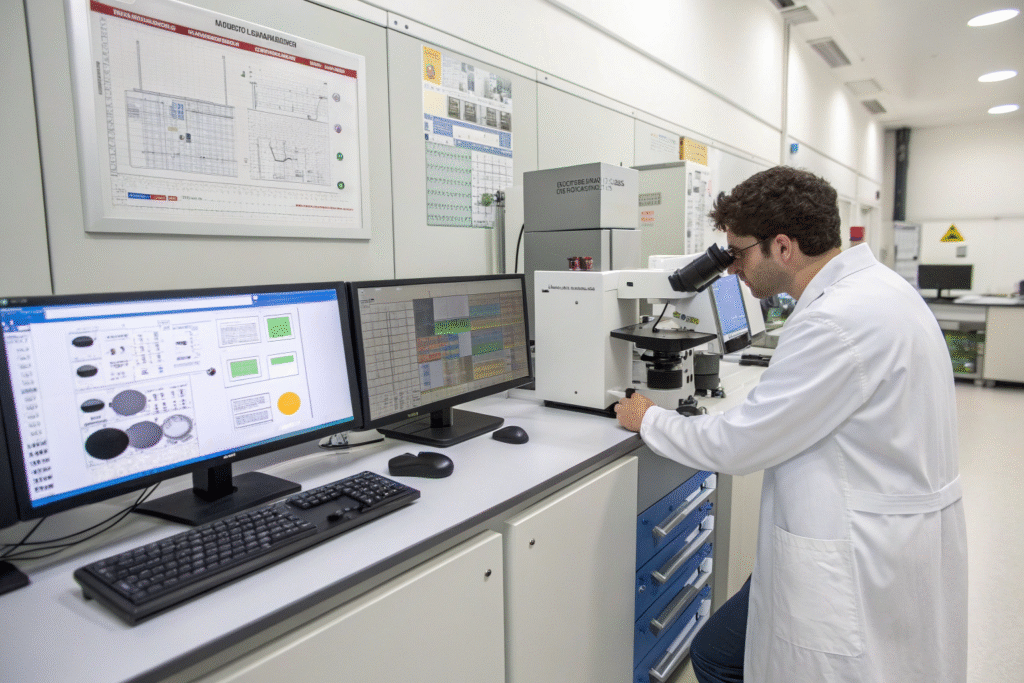
How does quality prediction improve production outcomes?
The intricate nature of charm bracelet components means that quality issues may not be visually apparent but can affect durability, finish quality, or structural integrity. Traditional quality control occurs after printing completion, often revealing issues only after significant value has been added through printing, cleaning, and post-processing. This after-the-fact approach results in wasted materials, energy, and production time.
Smart monitoring transforms quality management from detection to prevention through real-time quality prediction.
How does in-process quality prediction work?
Machine learning algorithms analyze printing parameters and sensor data to predict final quality outcomes during the printing process. Our system identifies potential issues like internal voids, surface defects, or dimensional inaccuracies with 96% accuracy while printing is still in progress. This predictive quality capability has reduced post-print rejection rates by 67% by enabling interventions during printing rather than after completion.
What role does computer vision play in quality monitoring?
Real-time visual inspection compares printed layers with digital design files to identify deviations as they occur. Our high-resolution imaging system detects layer misalignment, surface irregularities, and feature inaccuracies during printing, enabling immediate correction rather than post-print discovery. This visual validation has been particularly valuable for charm designs with intricate details and delicate connections where precision is critical for both aesthetics and functionality.

Conclusion
Smart production monitoring delivers transformative benefits to 3D printed silver charm bracelet manufacturing by bringing unprecedented visibility, control, and optimization to every aspect of the production process. Through real-time process monitoring, predictive maintenance, material efficiency optimization, and quality prediction, manufacturers can achieve new levels of quality consistency, production efficiency, and cost effectiveness.
The initial investment in smart monitoring technology is rapidly recovered through reduced waste, improved equipment utilization, higher first-time yield, and decreased rework. As the technology continues to advance and become more accessible, smart production monitoring will evolve from competitive advantage to essential capability for any manufacturer seeking excellence in 3D printed jewelry production.
If you're interested in implementing smart production monitoring for your 3D printed silver jewelry or want to partner with a manufacturer that has advanced monitoring capabilities, we invite you to contact our Business Director, Elaine. She can discuss our monitoring systems and how they deliver superior production outcomes for precious metal jewelry. Reach her at: elaine@fumaoclothing.com.