As we look towards 2026, the backpack strap has evolved from a purely functional component to a central fashion statement. In our factory, where we produce bags for global fashion labels, the design briefs are shifting focus from just the bag's body to the intricate details of the straps. This year, it's not just about carrying your belongings—it's about how the straps express innovation, sustainability, and personal style on your silhouette.
For 2026, the leading backpack strap designs for fashion brands blend technical functionality with bold aesthetics. Key trends include: Modular & Interchangeable Straps for customizable looks, 3D Textured & Sculptural Straps using innovative foams and recycled materials, Integrated Tech Straps with built-in cable management and device holders, and Asymmetric & Layered Strap Systems that create visual dynamism. The overarching theme is Personalized Utility—where ergonomics meet individual expression, turning the strap into a highlight rather than an afterthought.
Let's dive into the specific designs that are defining the next wave of fashion backpacks, exploring the materials, construction, and consumer drivers behind each trend.
Why Are Modular and Interchangeable Straps Dominating the Market?
The demand for personalization and longevity in fashion has reached accessory engineering. Consumers, especially younger demographics, no longer want a static product; they want a platform they can adapt to their mood, outfit, or activity. This has propelled modularity from a niche tech feature to a mainstream fashion expectation.
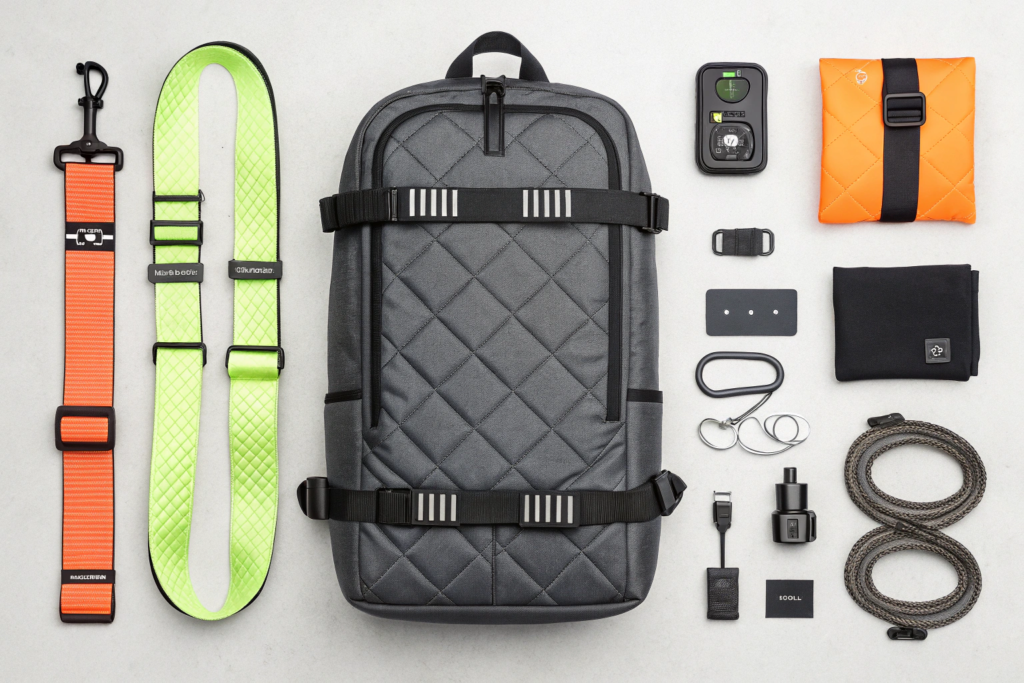
Modular strap systems answer the core desire for sustainable consumption through customization. Instead of buying multiple bags, a customer buys one base bag and several strap options—a sleek leather strap for work, a colorful nylon webbing strap for weekends, a heavy-duty utility strap for travel. This extends the product's life and perceived value. From a manufacturing perspective, this requires precision engineering. We implement standardized, robust attachment points like Swiss-designed side-release buckles, magnetic clasps, or patented hook systems that are both secure and easy to swap. For brands like ours, Shanghai Fumao Clothing, this means developing complete accessory ecosystems. The strap itself becomes a collectible item. This trend is strongly supported by the circular economy principles outlined by organizations like the Ellen MacArthur Foundation.
What Are the Key Hardware Innovations for Swappable Straps?
The hardware is the most critical component. Fashion brands are moving beyond basic plastic buckles. Trends include:
- Anodized Aluminum Quick-Release: Lightweight, durable, and available in myriad colors for a premium feel.
- Magnetic Locking Mechanisms: For a seamless, tool-free swap that maintains a clean aesthetic.
- Rotating Hook Systems: Allow the bag to be carried as a shoulder bag or crossbody without detaching the strap, enhancing versatility.
The challenge is ensuring these mechanisms withstand thousands of cycles without failure, which requires close collaboration between design and quality engineering teams.
How Does Modularity Impact Brand Loyalty and Revenue?
Modular systems create a continuous product relationship. The initial bag purchase is just the first transaction. Brands can then sell additional straps seasonally, collaborating with artists or other brands on limited editions. This transforms a one-time sale into an ongoing conversation and revenue stream, while also reducing waste—a powerful brand message for 2026.
How Are 3D Textured and Sculptural Straps Redefining Aesthetics?
The silhouette of the strap is becoming a focal point of design. Moving beyond flat webbing or simple padding, brands are using advanced materials and molding techniques to create straps that are tactile, architectural, and highly distinctive.
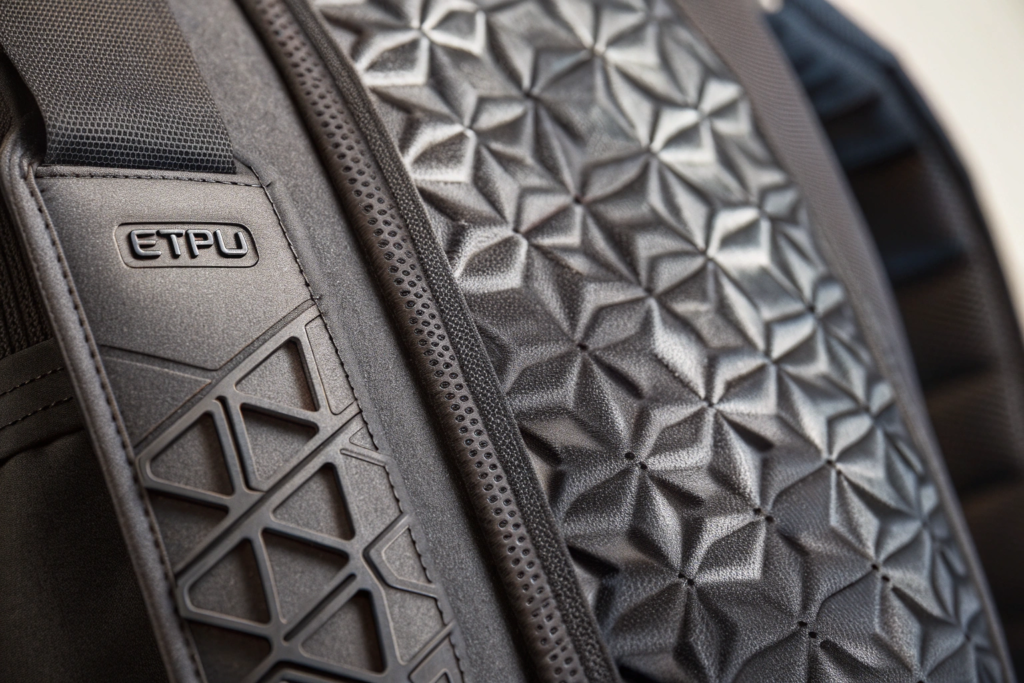
This trend is driven by advancements in foam molding, silicone application, and textile manipulation. We are seeing straps made from ETPU (Expanded Thermoplastic Polyurethane) foam—the same material used in high-performance running shoes—which is lightweight, shock-absorbing, and can be molded into complex geometric patterns. Another technique involves silicone overmolding on recycled polyester webbing, creating raised graphic logos or grippy texture sections. Furthermore, laser-cut techniques and multi-layer fabric lamination create straps with intricate patterns and a pronounced 3D feel. These designs are not just visual; they enhance the ergonomic experience, molding to the body and providing superior comfort. Resources like Material ConneXion libraries are often tapped for such innovative material sourcing.
What Sustainable Materials Are Enabling This 3D Design?
Sustainability is inherent to this trend. The foams and synthetics used are increasingly bio-based or recycled. For instance:
- Recycled EVA Foam: Used for chunky, sculptural padding.
- Mycelium-based Leather Alternatives: Being trialed for molded strap overlays, offering a unique, organic texture.
- Recycled PET Felt: Die-cut and layered to create lightweight, structured strap forms.
These materials allow for bold design without the environmental guilt, aligning with the values of the 2026 consumer.
How Do Sculptural Straps Influence Manufacturing Processes?
Producing these straps requires a shift from cut-and-sew to molding and laminating. This often involves creating custom molds for foam injection or silicone application, which has a higher upfront cost (tooling) but results in a highly unique product with excellent consistency at scale. It demands a factory with strong R&D and prototyping capabilities to perfect the mold design and material mix.
What Role Do Integrated Tech Features Play in Strap Design?
As our lives become more connected, the demand for seamless integration of technology into everyday carry is non-negotiable. The strap is the logical place for this integration, as it's the interface between the body and the bag's contents.
The 2026 tech-integrated strap is about discreet convenience. Key features include:
- Built-in Cable Management: Internal channels or subtle exterior clips to route headphone or charging cables from the bag to the shoulders.
- Magnetic Device Holders: Strong, localized magnets integrated into the strap pad to securely hold a smartphone or portable battery pack for easy access.
- Solar Panel Strips: For the outdoor/urban traveler, thin, flexible solar panels woven into the strap surface to trickle-charge devices.
- Touch-Fastening Systems: For adding modular pouches or accessory tabs without bulky MOLLE webbing, maintaining a clean look.
These features require careful engineering to ensure electronics are protected and the strap remains flexible and comfortable. For manufacturers, this means collaborating with component suppliers and ensuring rigorous testing for durability. It represents a key differentiator for brands targeting a tech-savvy professional audience, a competency central to the project management at Shanghai Fumao Clothing.
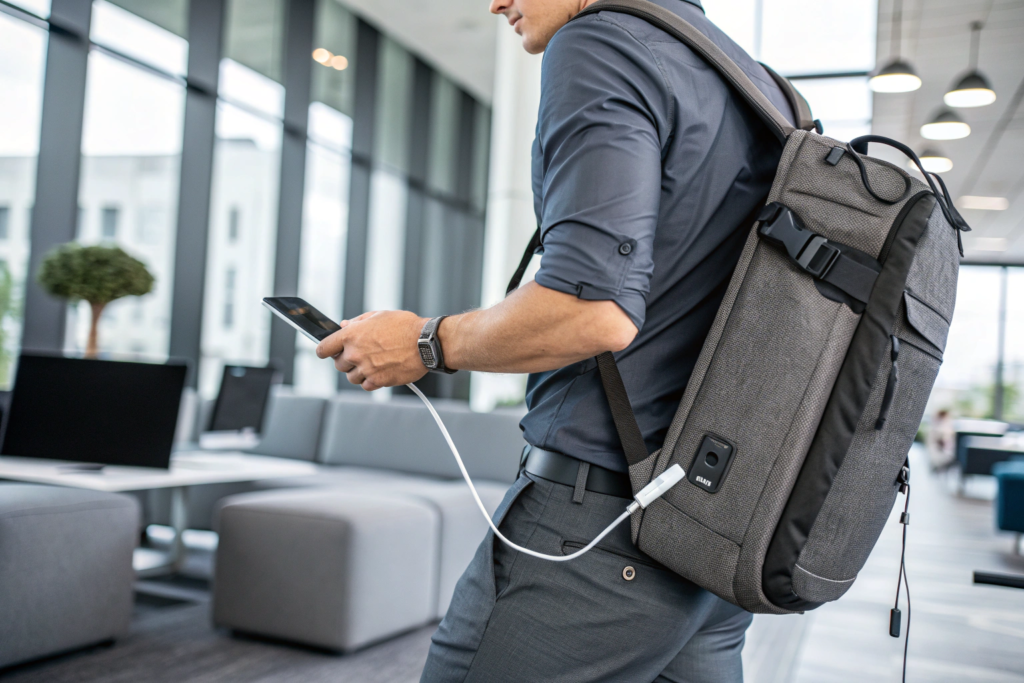
How Are Brands Balancing Tech Features with Style?
The successful approach is minimalist integration. Tech elements are color-matched, flush with the strap surface, and use high-quality finishes like matte silicone or anodized aluminum. The goal is for the feature to be discovered, not obvious—maintaining the bag's fashion credibility while offering a "smart" bonus.
What Are the Supply Chain Considerations for Tech Straps?
Sourcing specialized components like flexible solar panels or secure magnetic systems requires vetting new suppliers. Manufacturing becomes a hybrid of soft goods assembly and light electronics integration. This necessitates enhanced quality control protocols for both the textile and electronic components, including water resistance testing and connection durability checks.
Why Are Asymmetric and Layered Strap Systems Gaining Popularity?
Symmetry is giving way to dynamic, expressive silhouettes. Asymmetric and layered strap designs break from traditional uniformity, offering a fashion-forward, deconstructed look that signals creativity and individuality.
This trend is a direct influence from high-fashion runways and streetwear. It involves designs where:
- One strap is wider or differently padded than the other.
- Straps are made from contrasting materials (e.g., one webbing, one chain).
- A second, thinner strap is layered over the primary load-bearing strap for purely aesthetic effect.
- The attachment points are varied, with one strap connecting to the top of the bag and the other to the side, creating a unique carry angle.
This design philosophy prioritizes visual impact and narrative. It tells a story of intentional imbalance and artistic construction. For manufacturers, it requires meticulous pattern-making and stress-testing to ensure that even an asymmetric design remains ergonomic and does not cause uneven wear on the bag's attachment points. Publications like WGSN actively track these avant-garde design directions.

How Do You Ensure Ergonomic Integrity in Asymmetric Designs?
Despite the asymmetrical look, the load distribution must remain balanced. This is achieved through hidden structural elements, such as internal frames or reinforced panels, that redirect weight. The design process relies heavily on prototyping and wear-testing to find the sweet spot where avant-garde aesthetics meet practical comfort.
Can Asymmetric Designs Be Mass-Produced Reliably?
Yes, but with increased complexity. It requires very precise cutting and assembly guidelines to ensure consistency, as the left and right straps are not identical. Detailed tech packs and clear line-side samples are essential for the production team to follow accurately. This is where a factory with strong technical oversight and experienced project managers proves invaluable.
Conclusion
The backpack strap in 2026 is a microcosm of larger fashion and consumer trends: it demands personalization, champions sustainable innovation, seamlessly integrates technology, and embraces bold, expressive forms. For fashion brands, investing in strap design is no longer optional; it's a critical frontier for differentiation and connecting with a discerning market.
Successfully bringing these trending strap designs to market requires a manufacturing partner that is agile, technically proficient, and deeply embedded in material innovation. From developing interchangeable hardware systems to molding 3D textures and integrating smart features, the right factory acts as a collaborative enabler of your brand's vision. If you are looking to develop a forward-thinking backpack collection with standout strap designs for 2026, we invite you to connect with our team to explore the possibilities. For a direct conversation, please contact our Business Director, Elaine. Her email is elaine@fumaoclothing.com.