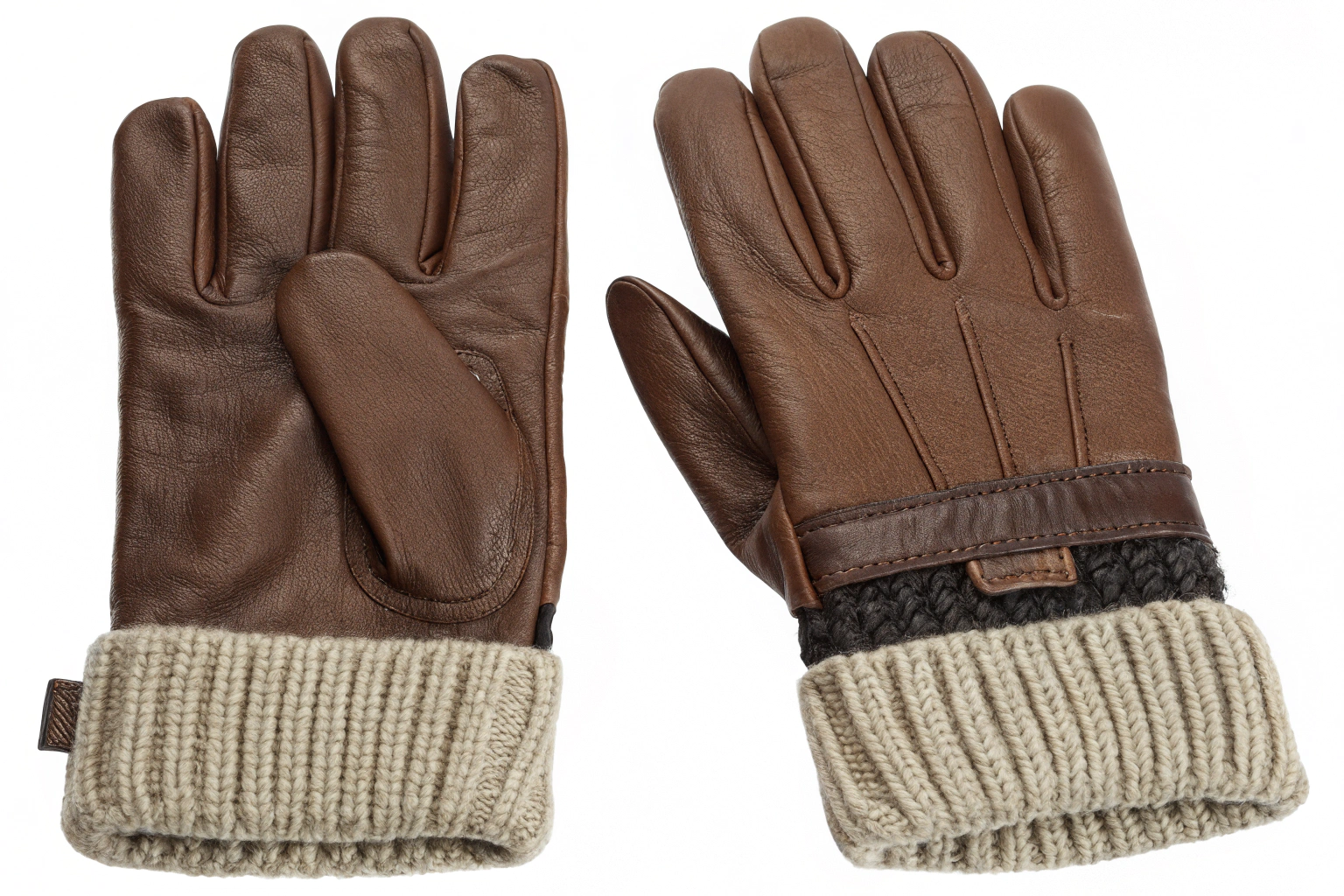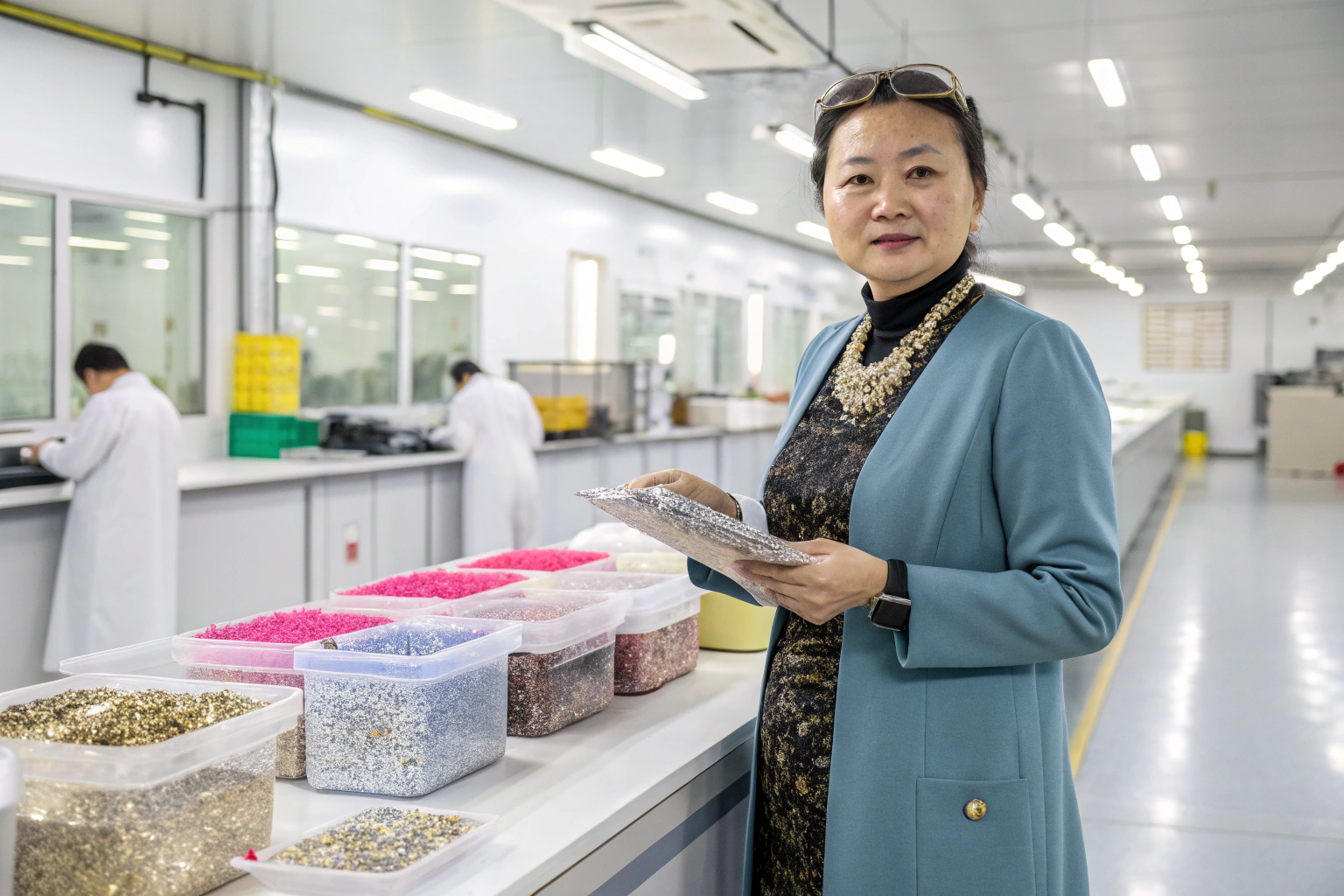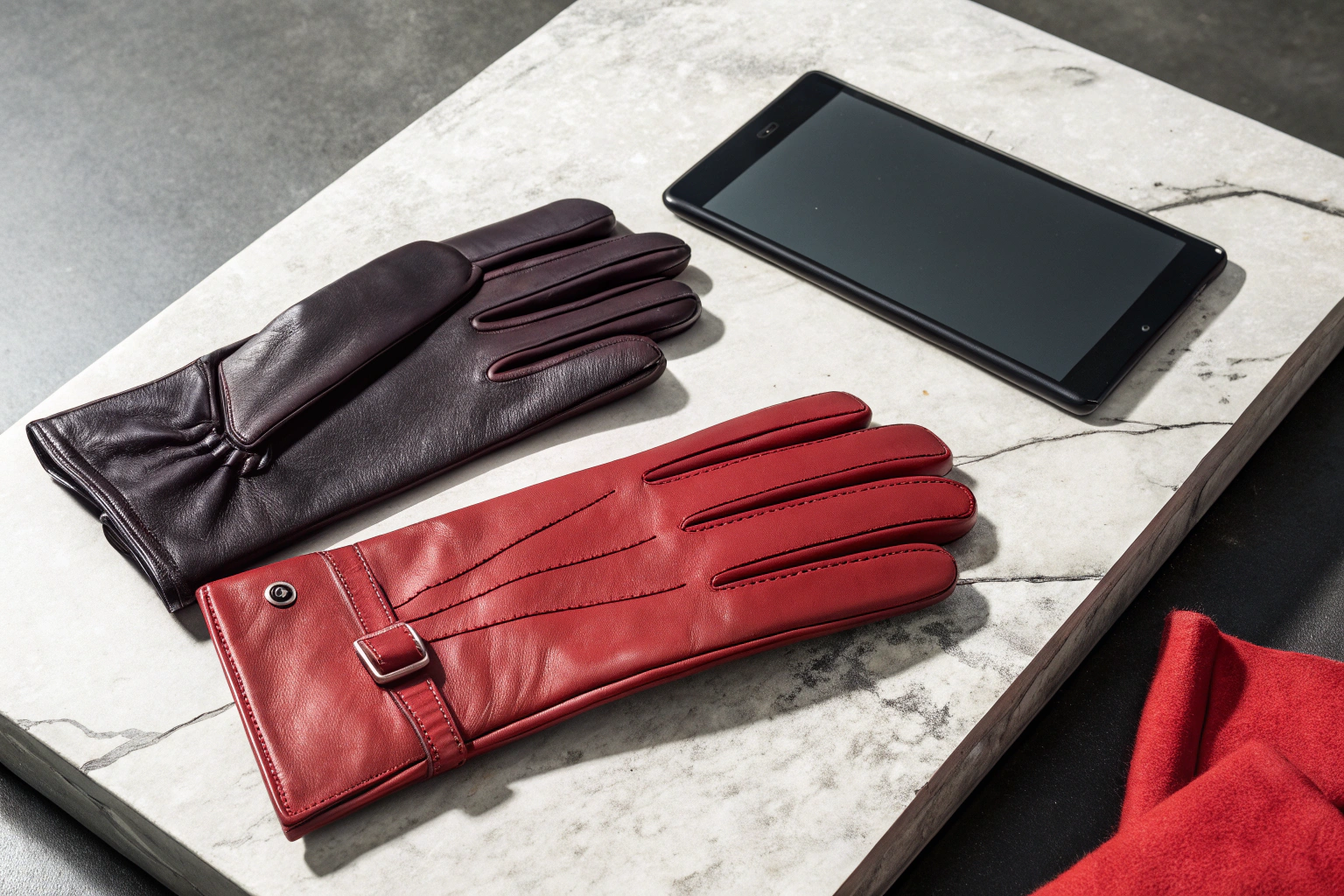
The world of fashion accessories is always turning, and gloves are no longer just for warmth. For buyers and brands, knowing what’s next is key to staying ahead. If you're planning your 2026 collections now, you might be wondering what directions women's gloves will take. The answer lies at the intersection of bold design, smart technology, and a deep commitment to sustainability. As a manufacturer, we see these trends forming on the sketchbooks of our design team and in the requests from forward-thinking brands.
The trends for women's gloves in 2026 will be defined by three major themes: dramatic, sculptural silhouettes; the seamless integration of wearable tech for style and function; and a strong emphasis on sustainable and ethically sourced materials. Gloves will transform from practical items into central fashion statements and intelligent companions. Understanding these trends will help you source products that resonate with the future consumer.
Let's dive into the specific styles and innovations that will shape the market. We'll explore how design, technology, and material science are coming together to redefine this classic accessory for the modern woman.
Which Silhouettes and Styles Will Dominate in 2026?
Forget the minimalist, barely-there glove. The future is bold and expressive. In 2026, we are moving towards gloves that make a definitive statement. The focus is on architectural shapes, exaggerated proportions, and details that command attention. This shift is driven by a desire for individuality and accessories that serve as the centerpiece of an outfit, much like the bold statement belts we've seen rise in popularity.
Dominant silhouettes will include gloves with dramatic, wide cuffs that extend up the forearm, often featuring sharp angles or sculptural pleats. Look for strong geometric cut-outs, asymmetric closures, and pronounced seams that add a structural element. The “opera glove” length is being reinvented in unexpected fabrics. Styles will range from sleek, second-skin leather looks to textured, knitwear with oversized, dimensional patterns. This trend is all about celebrating the glove as a standalone piece of art.

What Are the Key Design Details to Watch?
The devil is in the details, and for 2026 gloves, the details are everything. First, focus on ornamental closures. Think oversized, sculptural zippers that curve around the wrist, or sets of bold, contrasting snap buttons arranged in artistic patterns. Strap and harness details, inspired by technical outerwear, will cross over into fashion gloves, adding an edgy, utilitarian vibe. Embellishment will be strategic and modern: consider laser-cut perforations forming intricate patterns, or selective metallic foil printing on fingers and knuckles. Even classic lace gloves are being updated with bolder, more graphic lace patterns or layered under shearling trim for a tactile contrast.
How Are Color and Material Innovations Driving Style?
Color and material choices are fundamental to this trend. The palette will feature deep, saturated jewel tones like emerald and amethyst alongside sophisticated neutrals like stone grey and ochre. High-shine metallics, particularly in gunmetal and antique gold, will be important for evening styles. Material innovation is key. Beyond traditional leather, expect to see hybrid materials: neoprene bonded with wool, technical nylon with a silk scarf-like print, or vegan leather with a crushed texture. These new materials allow for the dramatic shapes and clean finishes that define the 2026 silhouette, offering both visual impact and novel tactile experiences for the wearer.
How is Wearable Technology Being Integrated into Gloves?
Technology is becoming invisible and intuitive, woven into the fabrics of our lives—and our gloves. The 2026 consumer expects functionality without sacrificing style. This is no longer about bulky, obvious gadgets. It’s about seamless integration where the tech enhances the glove's purpose elegantly. This trend opens a new category of “smart-lite” accessories, appealing to both tech enthusiasts and fashionistas.
Integration focuses on two areas: connectivity and enhanced functionality. Gloves will maintain the ability to interact with touchscreens without removing them, using advanced conductive yarns that are undetectable. Beyond that, we'll see features like built-in, gesture-controlled LEDs for safety or style, subtle heating elements for targeted warmth, and even biometric sensors for fitness tracking. The goal is to make the technology feel like a natural extension of the garment, designed with the same care as our most fashionable knit hats or hair accessories.
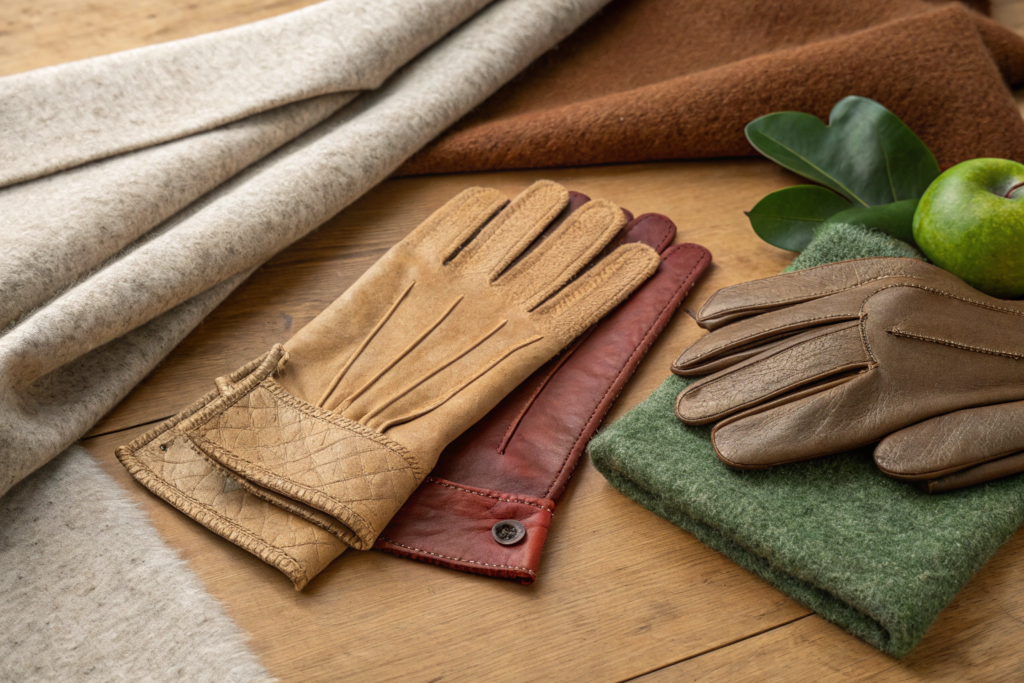
What Smart Features Are Consumers Actually Asking For?
Market demand is shifting from novelty to genuine utility. The number one request remains reliable touchscreen compatibility across all fingers and thumb. Next is discreet, rechargeable heating, particularly for premium driving or winter gloves. For the athletic and wellness market, there is growing interest in gloves with woven-in sensors to monitor heart rate or skin temperature during outdoor activities. Safety-focused features like reflective yarns that glow when exposed to light, or simple LED lighting for night-time visibility, are also gaining traction for urban consumers. These features must be lightweight, washable (or removable), and powered by slim, flexible batteries.
What are the Sourcing and Manufacturing Considerations for Tech Gloves?
Sourcing for tech-integrated gloves is more complex. It requires close collaboration with specialized yarn and component suppliers. As a manufacturer, we must understand circuitry, power sources, and how to embed them without compromising comfort or design. Durability testing is crucial—the electronic elements must withstand cold, moisture, and repeated use. Furthermore, quality control protocols need to include testing every single tech function in every glove, not just a random sample. This demands a factory with a multidisciplinary team, capable of merging fashion manufacturing with electronic assembly, a capability we've built at Shanghai Fumao to serve forward-looking brands.
Why is Sustainability the Core of Future Glove Collections?
Sustainability has moved from a marketing buzzword to a non-negotiable pillar of product development. The 2026 consumer is informed and expects transparency. She wants to know that her beautiful gloves are also kind to the planet. This trend goes beyond materials; it encompasses the entire production cycle, from sourcing to packaging. It aligns with the broader movement seen in categories like eco-friendly bags and organic scarves.
The core of future collections will be a responsible lifecycle. This means prioritizing recycled and regenerated materials—think gloves made from recycled polyester derived from plastic bottles, or regenerated nylon from fishing nets. It includes using natural dyes, implementing water-saving production techniques, and designing for durability and end-of-life recyclability. Brands that can authentically communicate this journey will build deeper loyalty with their customers.

Which Eco-Friendly Materials Are Leading the Market?
The material innovation in this space is exciting. Leading options include:
-
Recycled & Bio-Based Materials: Recycled wool and cashmere offer luxury with a conscience. Piñatex (made from pineapple leaf fibers) and Apple Leather are gaining popularity as durable, vegan alternatives to traditional leather.
-
Regenerative Natural Fibers: Organic cotton, grown without harmful pesticides, remains a staple. More advanced are fibers from regenerative agriculture, which help restore soil health.
-
Circular Components: Even small parts are getting sustainable makeovers, like buttons made from recycled ocean plastic or linings from post-consumer textile waste.
A manufacturer’s ability to source and work with these materials—understanding their unique shrinkage, sewing, and durability characteristics—is a major competitive advantage.
How Does Ethical Production Influence Brand Choice?
Ethical production is inseparable from sustainability. Consumers and retailers like major supermarkets and apparel brands are increasingly demanding proof of good working conditions. This means manufacturers must hold audited certifications such as Sedex or BSCI. Transparency about the supply chain is key. Brands want partners who can trace the origin of their wool or leather. They value factories that invest in their workers and communities. This ethical stance significantly influences a brand's choice of manufacturer. Partnering with a socially responsible factory, such as Shanghai Fumao, mitigates risk and aligns with the brand's own values, making it a powerful point of differentiation in the market.
How to Source These Trending Gloves Successfully?
Identifying trends is one thing; successfully sourcing and producing them is another. The complexity of 2026 glove trends—with their structural designs, tech integrations, and specialty materials—requires a manufacturing partner that is agile, innovative, and deeply knowledgeable. The traditional sourcing model of finding a generic glove factory may not suffice. You need a collaborator who can translate a trend forecast into a viable, high-quality product.
Successful sourcing hinges on early and collaborative development. Bring your ideas and inspiration to a manufacturer at the concept stage. Look for a partner with a strong in-house design team that can help refine your vision and advise on technical feasibility. Their development capacity will be tested by the need to source novel materials, like innovative vegan leathers or conductive fabrics, and to engineer new construction techniques for dramatic silhouettes. Speed to market is critical with fast-moving trends, so a supplier’s sample development timeline is a key factor.
What Should You Look for in a Manufacturer for Trend-Driven Gloves?
Prioritize factories with proven experience in complexity. Can they handle both cut-and-sew for structured leather gloves and knitting for textured styles? Do they have relationships with tech component suppliers? Ask for concrete examples of similar innovative projects they have executed. A modern, well-equipped factory is essential, as new materials often require specific machines or treatments. Crucially, assess their project management structure. You need a dedicated point person who can navigate the challenges of a complex order, ensuring clear communication about lead times, costing, and potential hurdles, much like the service we provide to our partners at AceAccessory.
How to Balance Trendiness with Timeless Quality?
The biggest challenge is creating a trendy item that doesn't feel cheap or fall apart. The balance lies in construction and material choice. Even for a fashion-forward item, insist on durable stitching, secure closures, and quality linings. Use trend elements as accents—a dramatic cuff on a well-made leather glove, or a tech feature in a classic silhouette—to ensure longevity. Your manufacturer should be your ally in this, advocating for techniques that enhance durability. They must have a rigorous quality control process to ensure every pair, no matter how avant-garde, meets a high standard of craftsmanship. This protects your brand reputation and ensures customer satisfaction, turning a one-time trend purchase into a loyal repeat customer.
Conclusion
The landscape for women's gloves in 2026 is vibrant and multidimensional. It is shaped by a desire for expressive, sculptural design, enhanced by discreet and useful technology, and grounded in an unwavering commitment to sustainable and ethical practices. For buyers and brands, these trends present an opportunity to offer products that are not only fashionable but also intelligent and responsible. Success will depend on the ability to understand these converging forces and execute them with quality and authenticity.
Navigating this new terrain requires a manufacturing partner who is more than just an order-taker. You need a collaborative expert who can bring these complex trends to life with skill and reliability. If you are planning your 2026 accessory collections and want to explore how these glove trends can work for your brand, we are here to help. Let's create something remarkable together. For a detailed discussion on developing your next trend-forward glove line, please contact our Business Director Elaine at: elaine\@fumaoclothing.com.