You see it at every high-profile event: a perfectly folded piece of fabric peeking from a suit jacket. For wholesale buyers, the men's pocket square is a key accessory driving margin and brand expression. But with shifting fashion landscapes, what are the trends that actually sell?
The current trends are defined by personal expression, material innovation, and versatile styling. Today's trends celebrate bold patterns, luxurious fabrics, and folds that range from precise to casual. For retailers, understanding these trends is crucial for curating a collection that appeals to a broad audience while offering standout pieces.
At our facility, we translate these global trends into producible, high-quality accessories that capture the zeitgeist while maintaining expected craftsmanship.
How Are Patterns and Prints Evolving in Men's Pocket Squares?
The most visible shift is the liberation from conservative polka dots and simple stripes. While classics remain, the modern pocket square is a canvas for artistic expression. Patterns are becoming more graphic and personal, focused on curated coordination rather than perfect matching.
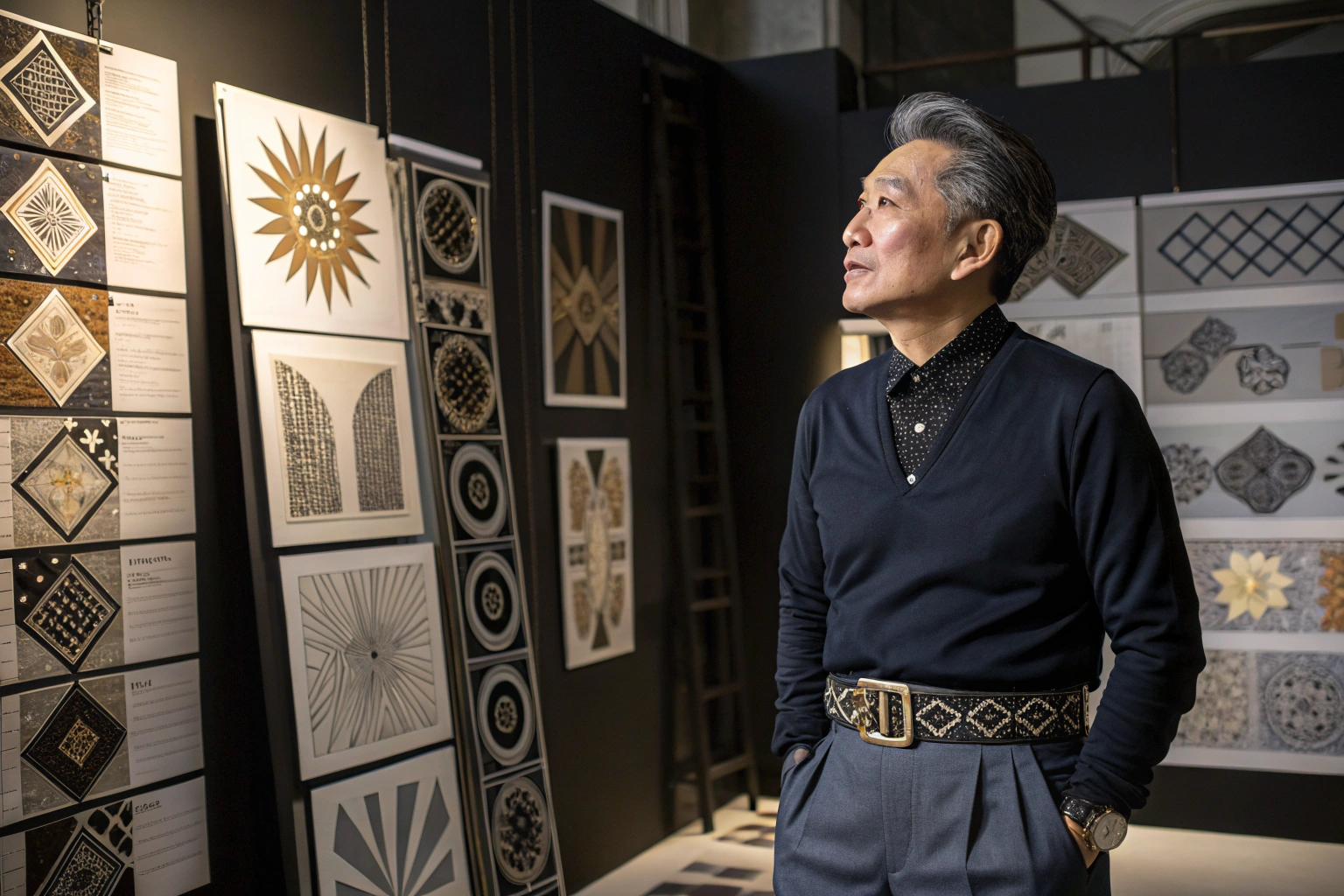
Leading the charge are bold geometric patterns like oversized checks and abstract shapes. Another significant trend is the rise of floral and botanical prints—larger, more painterly designs that add relaxed sophistication. Novelty prints featuring architectural sketches or hobby motifs also find a niche, offering unique personal expression.
Why Are Bold Geometrics and Abstract Prints Gaining Popularity?
Bold geometrics align with broader trends in men's fashion toward cleaner lines and architectural influence. They offer a modern, graphic element. Commercially, these patterns are highly versatile. A single geometric pocket square can complement a wide range of shirt and tie combinations because it acts as a focal point. This increases its perceived value and wearability. Resources like The Tie Bar's style blog often highlight geometrics as a key tool for adding interest. For inventory, stocking a selection in both vibrant and neutral color palettes caters to both adventurous and cautiously stylish customers.
What is Driving the Demand for Luxurious Textured Fabrics?
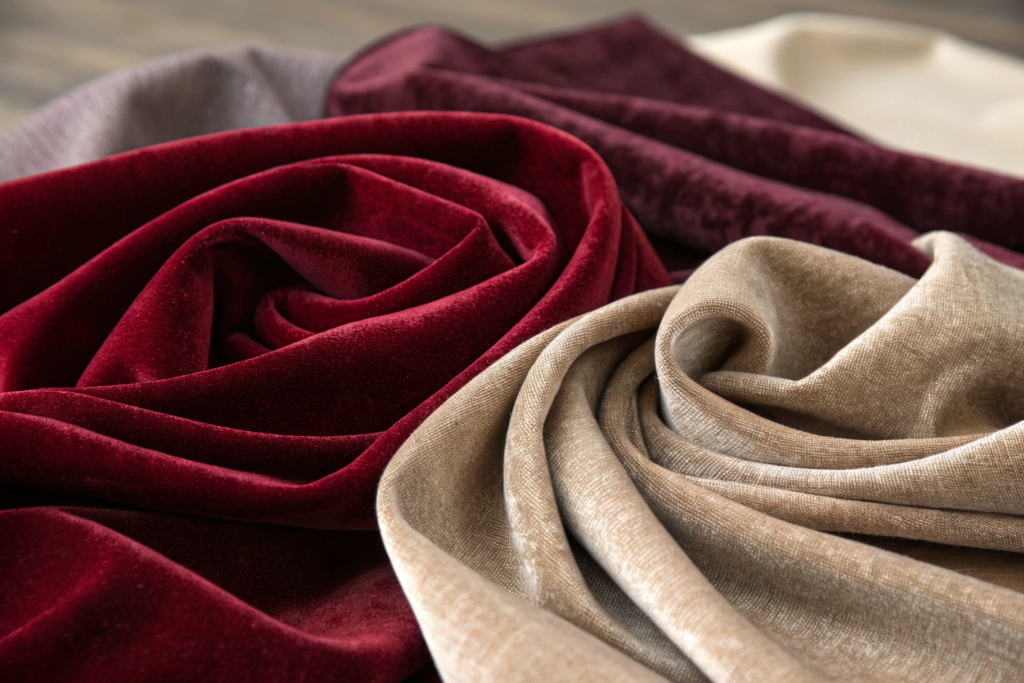
The trend towards texture is a move towards tactile luxury. Beyond standard silk, buyers seek squares that add dimension. Velvet pocket squares are huge for fall/winter, offering rich color. Linen and cotton-linen blends are perennial summer favorites for relaxed elegance. Wool and cashmere blends add warmth. This trend speaks to a consumer who values material quality. It allows you to diversify your line with items that command a higher price point. When sourcing, partnering with a manufacturer like Shanghai Fumao Clothing that has expertise in diverse fabrics ensures the finished product drapes correctly and has a clean finish.
What Role Does Color Play in Modern Pocket Square Trends?
Color strategy has moved beyond mere coordination. The modern approach uses color to create harmony, contrast, and mood. The trend is sophistication through either tonal layering or intelligent pops of contrast.
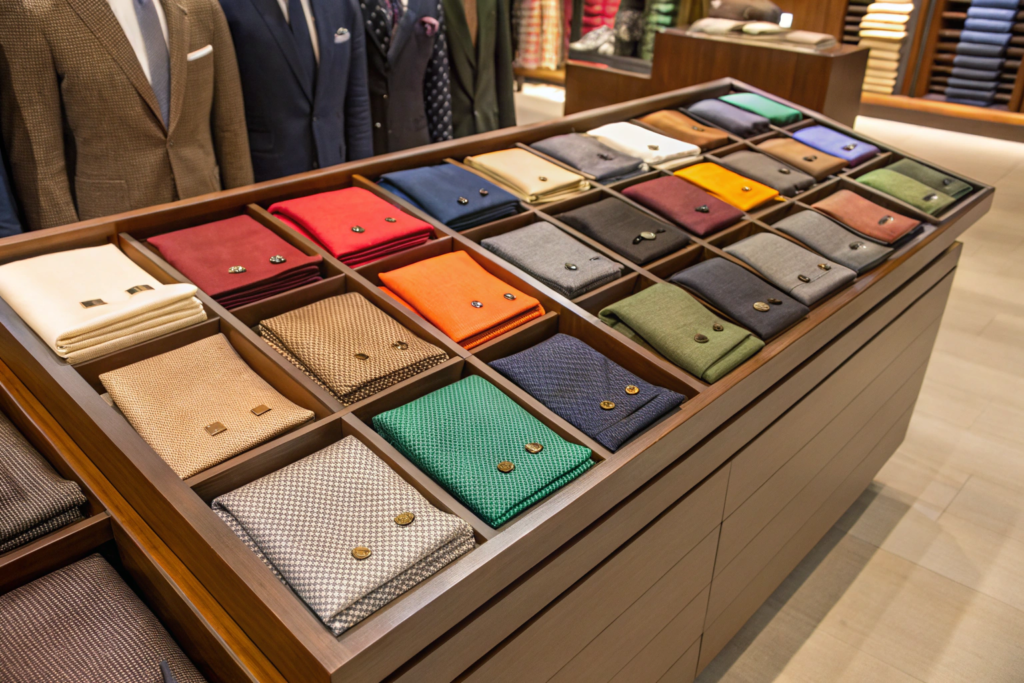
The earthy, muted palette continues to dominate. Colors like olive green, rust, slate blue, and deep burgundy are versatile and pair well with core suit colors. Conversely, we see a trend for vibrant accent colors used sparingly. A square with a neutral base trimmed with bright coral can be the single colorful element. Monochromatic styling is also key, using a slightly different shade of the same color for a sleek, curated look.
Are Neutral and Earth Tone Pocket Squares the Safest Inventory Choice?
For wholesale buyers, a strong foundation of neutral and earth-tone pocket squares is absolutely the safest and most strategic choice. As noted in our broader strategy, these shades minimize risk due to their perennial appeal. A customer is more likely to purchase a square in charcoal, cream, or moss green because it complements multiple suits. They form the high-volume core of your collection. Stocking a variety of textures (silk, linen) in these colors covers different seasons and styles. This approach directly addresses a buyer's need for high yield and reduced inventory risk.
How is the "Pop of Color" Trend Being Applied Commercially?
The commercial application is about calculated variety. It's not flooding inventory with loud colors, but offering selective, well-chosen vibrant options. The key is to pair these colorful squares with subdued patterns or place the bright color as an accent. For example, a navy square with a small geometric pattern in lemon yellow. This makes the colorful element wearable. From a merchandising perspective, these squares attract attention and can encourage customers to buy multiple squares. Tracking color forecasts from authorities like the Pantone Color Institute can inform which accent colors will be most relevant, allowing for data-informed buying.
How Are Styling and Folding Techniques Influencing Design?
Trends in how pocket squares are worn directly influence their design. The popularity of different folds means a square needs to look good in multiple forms. This leads to intentional designs and fabrics that hold a fold well.
The casual "puff" fold remains popular for its effortless elegance, favoring softer, pliable fabrics. The neat "TV fold" is seeing a resurgence, demanding crisper fabrics like poplin. A significant influence is the trend towards intentional pattern display. Squares are now often designed with a central motif or border meant to be showcased with specific folds.
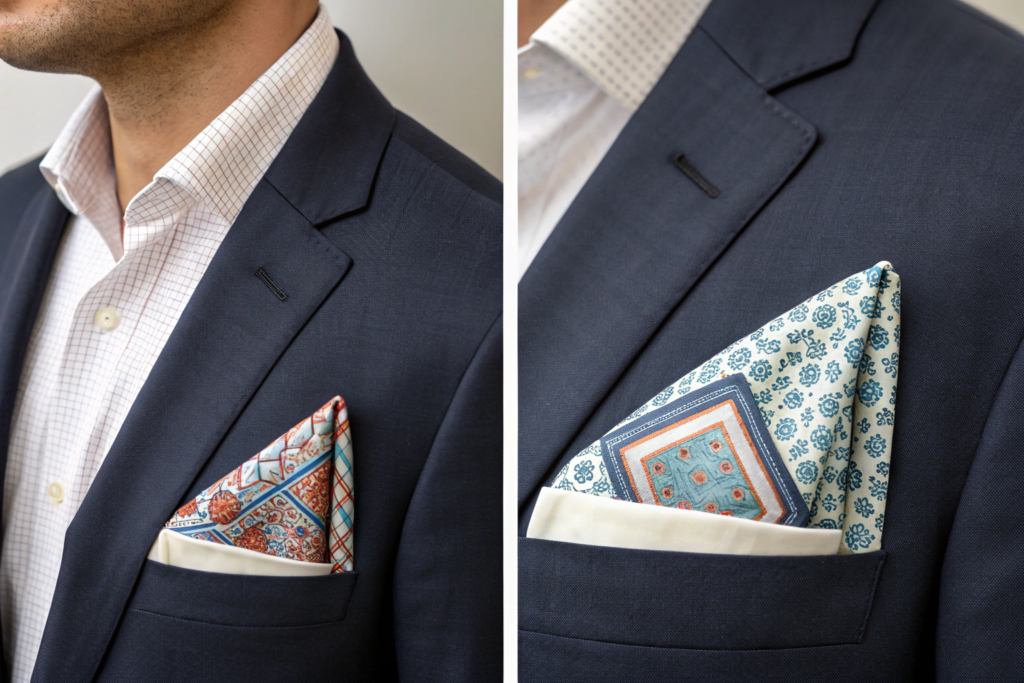
Why Are Pocket Square Borders and Central Motifs a Smart Design Choice?
Borders and central motifs are brilliant because they add design interest while maximizing versatility. A square with a contrasting border can be folded in multiple ways to show a thin line of color or hidden entirely. A square with a strong central motif is designed for the "puff" fold. This design intelligence increases the product's perceived value, giving the consumer styling options. For your brand, it allows for subtle branding or distinctive design signatures. Manufacturing such squares requires precise printing or expert embroidery, where a partner with a strong quality control team is essential.
How Does the "Non-Matching" Trend Affect Bulk Purchasing Decisions?
The "non-matching" trend liberates buyers from stocking perfectly coordinated tie and pocket square sets. This simplifies inventory management. You can purchase squares as standalone SKUs, focusing on a cohesive collection that works with your tie range. This trend encourages customers to buy more than one square. Your strategy should focus on curating a collection with a cohesive color story that complements core suit colors. This approach aligns with the need for development capacity, allowing you to develop a focused accessory line that stands on its own.
What Should Buyers Look for in a Pocket Square Manufacturer?
Not all factories produce high-quality pocket squares. The difference is in the details: precision printing, clean hand-rolled edges, fabric behavior, and bulk consistency. Choosing the right manufacturer ensures your product reflects trends with justifying quality.
Key indicators include specialization in fine edges. The hand-rolled hem is the hallmark of quality—it should be nearly invisible and supple. Ask about printing capabilities for intricate patterns. Inquire about fabric sourcing for high-grade materials. Finally, assess quality control for pattern alignment. A manufacturer like Shanghai Fumao Clothing, with dedicated design and QC teams, can be a partner in developing a trend-right, well-crafted collection.

Why is the Hand-Rolled Hem a Non-Negotiable Quality Marker?
The hem is the most telling sign of quality. A machine-stitched edge is bulky and stiff, detracting from elegance. A true hand-rolled hem is a labor-intensive process creating a tiny, soft, flexible edge. This allows the square to drape and fold naturally. It is a mark of luxury that discerning customers notice. When evaluating a supplier, request a sample and examine the hem. Try folding it—a good edge will not resist. This level of finish transforms fabric into a refined accessory and justifies a higher wholesale cost, supporting better retail margins.
How Important is a Manufacturer's Ability to Handle Small Minimum Order Quantities (MOQs)?
For brands testing the market or offering wide variety, low MOQs are incredibly important. Pocket square trends can be niche. You may want a range without committing to thousands of units per design. A manufacturer offering flexible MOQs (e.g., 100-300 pieces per design) empowers agility. This capability is tied to a factory's project management efficiency. It allows for fast development to capitalize on trends. When discussing with a partner, be clear about your need for flexibility. A factory that accommodates smaller runs while maintaining timeliness is a valuable strategic partner.
Conclusion
The trends in men's pocket squares show a category ripe with opportunity. The movement is towards personal expression through bold patterns and textures, smart use of color, and versatile designs. For buyers, this means offering products that are both classic and contemporary, serving as high-margin, brand-defining pieces.
Success lies in a balanced collection—anchored in versatile neutrals, energized with selective trends, and executed with uncompromising quality in details like the hand-rolled hem. By understanding these trends and partnering with a capable manufacturer, you can turn the pocket square into a cornerstone of your men's accessory offering.
Ready to develop a collection of on-trend, high-quality men's pocket squares? Contact our Business Director, Elaine, at elaine@fumaoclothing.com to start a conversation about design and manufacturing.