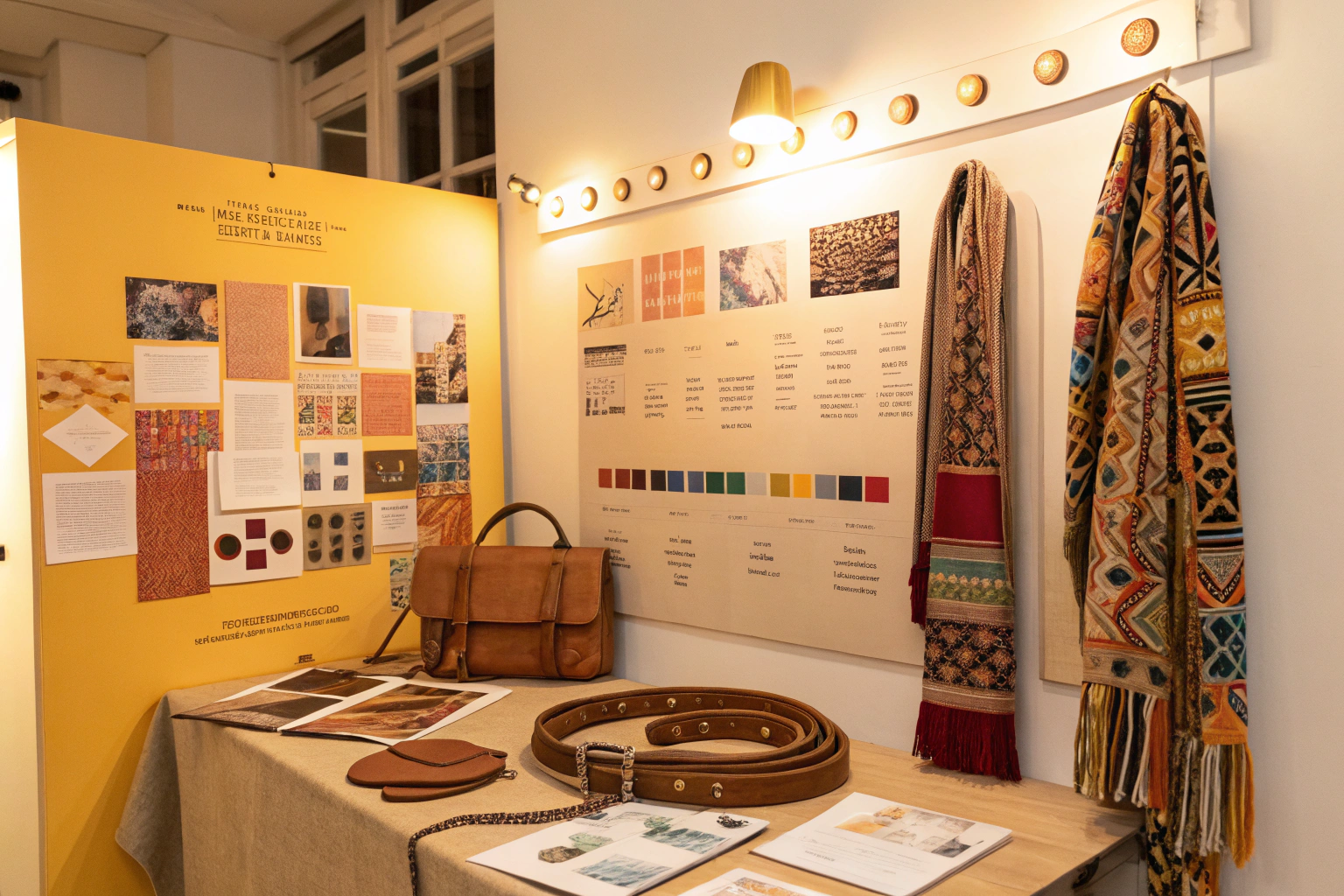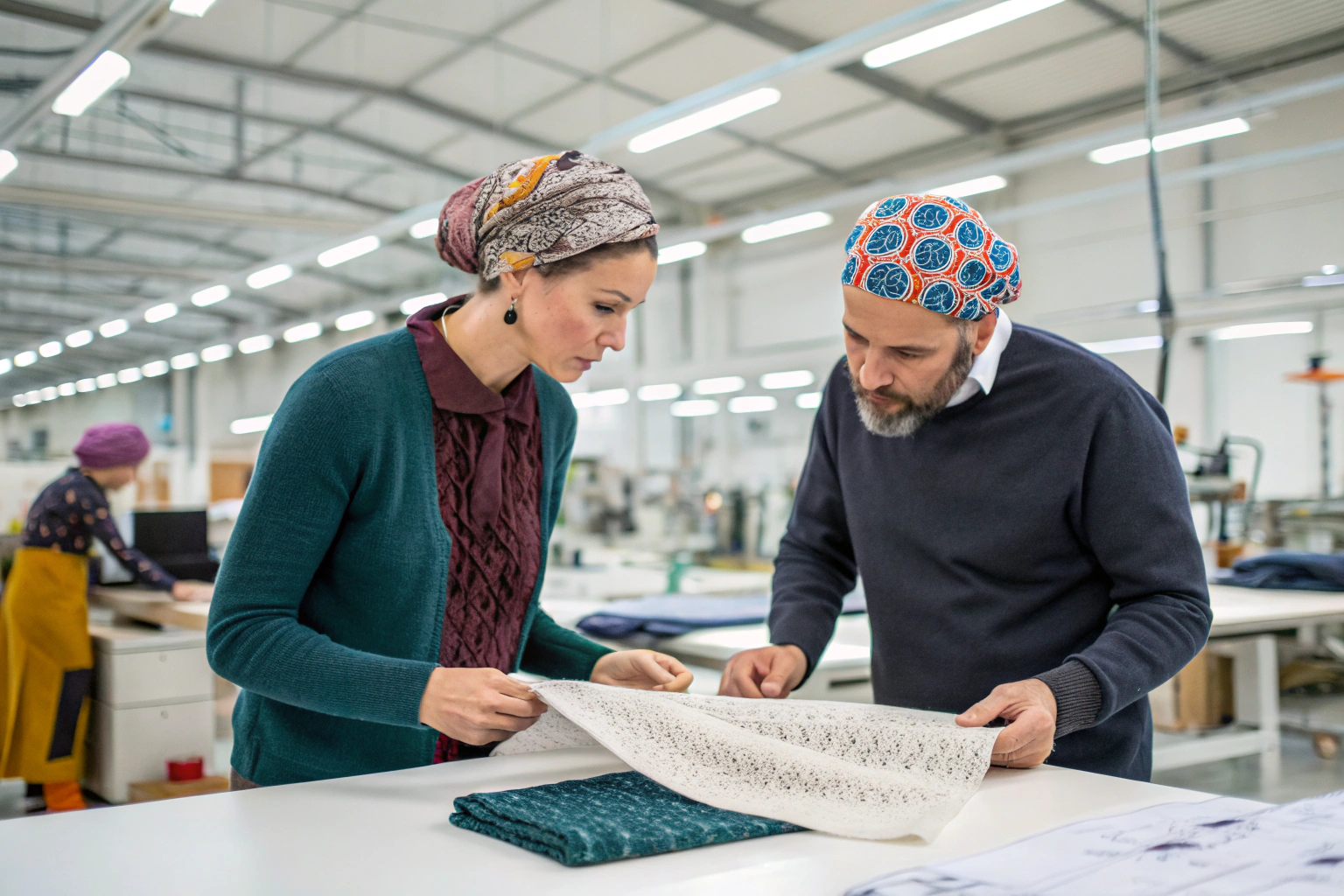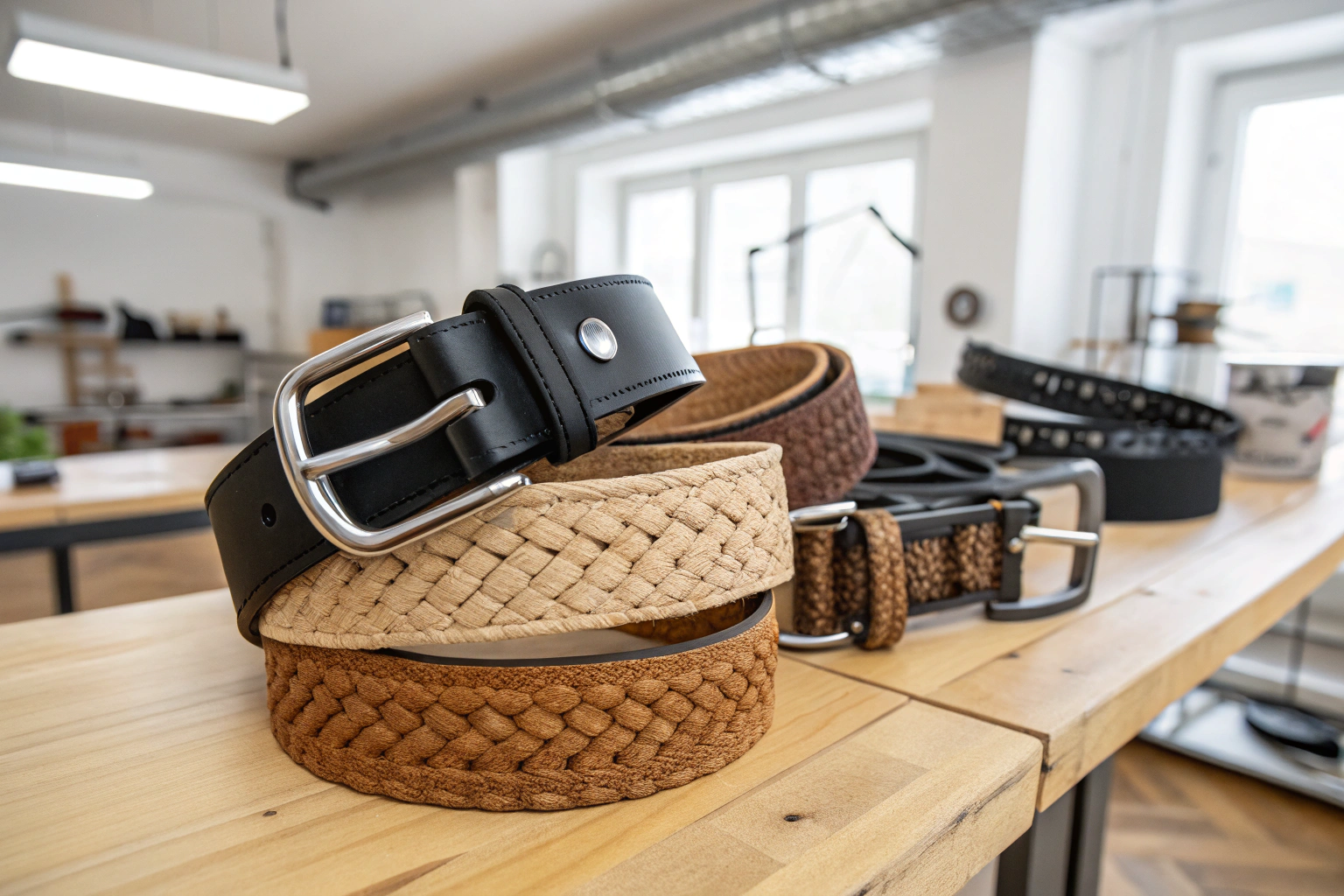
I have been manufacturing accessories for over 15 years. For most of that time, the trend was perfect. Perfect stitching. Perfect symmetry. Perfect finishes. Then something changed. Customers started wanting the imperfect. They wanted the handcrafted look. They wanted artisanal. I remember a client who came to me with a request. She wanted a belt that looked like it was made by hand. She wanted visible stitching. She wanted raw edges. I was skeptical. I thought, "Who wants a belt that looks unfinished?" She sold out. That experience taught me that the handcrafted look is not a mistake. It is a trend. Today, I want to share the trends in artisanal and handcrafted-look accessories.
The trends in artisanal and handcrafted-look accessories include visible hand-stitching, raw and unfinished edges, natural and undyed materials, organic shapes, and imperfect finishes. Visible hand-stitching shows the maker's hand. It is authentic. Raw edges are left unhemmed. They have a rustic feel. Natural and undyed materials celebrate the raw material. Organic shapes are not perfectly symmetrical. They feel human. Imperfect finishes, like uneven dye or patina, add character. These trends appeal to consumers who value authenticity, craftsmanship, and sustainability. They want products that are not mass-produced. They want products with a story.
You might be thinking, "I sell accessories. Why would I want them to look imperfect?" The answer is that perfection is cold. Imperfection is warm. A perfectly machine-stitched belt is efficient. A hand-stitched belt is human. Consumers are craving humanity. At Shanghai Fumao, we have adapted to these trends. We have learned to create the handcrafted look at scale. Let me walk you through the trends.
Why Is Visible Hand-Stitching a Growing Trend?
Machine stitching is perfect. Hand stitching is not. That is the point. I have seen customers pay a premium for visible hand-stitching.
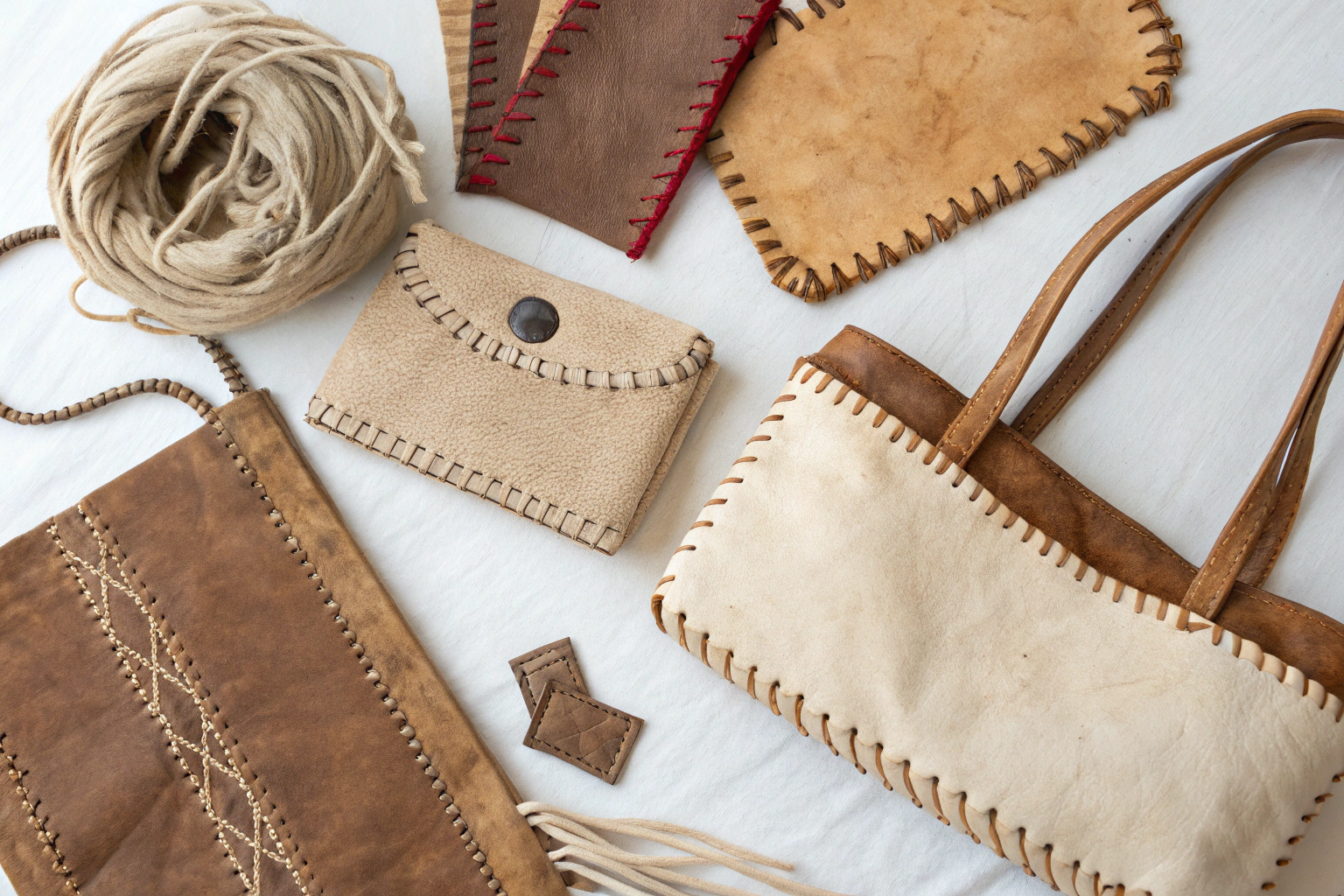
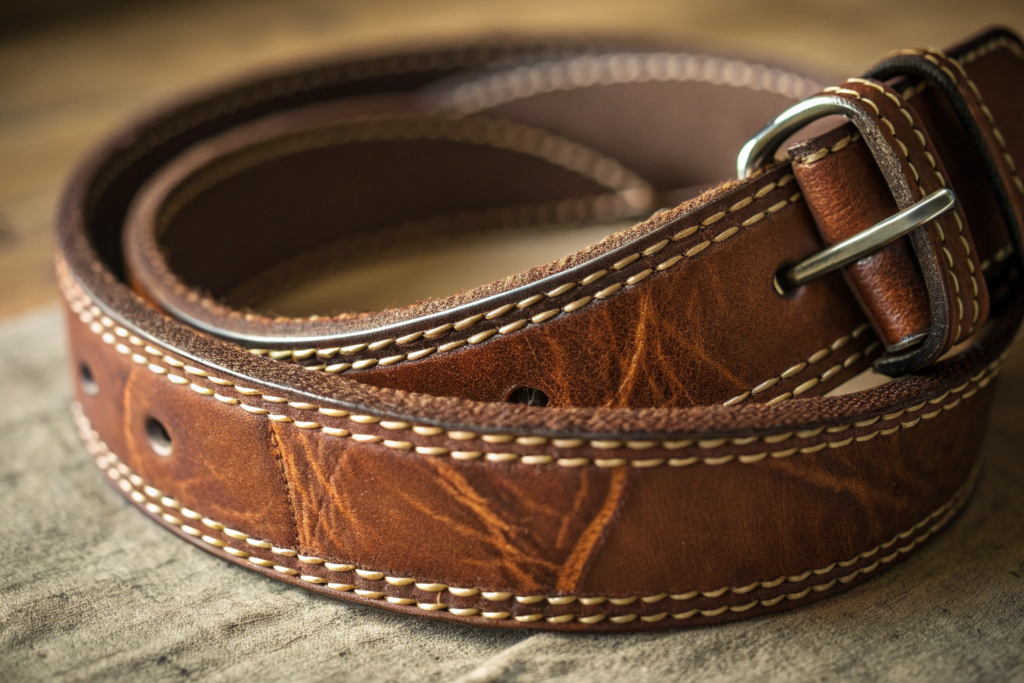
Visible hand-stitching is a growing trend because it shows the maker's hand. The stitches are not perfectly even. They vary slightly. This variation is a feature, not a flaw. It says, "A human made this." Hand-stitching is also stronger than machine stitching. The thread passes through each hole twice. It creates a lock. If one stitch breaks, the others hold. Visible hand-stitching is popular on leather belts, bags, and wallets. It adds authenticity and durability.
I want to share a story about hand-stitching. A client wanted a belt for a heritage brand. We used visible hand-stitching. The stitches were not perfect. The client loved it. The belt sold well. Customers appreciated the craftsmanship.
How Do You Create the Hand-Stitched Look?
The traditional method is hand-stitching. An artisan uses two needles and one thread. It takes time. It is expensive. For a more affordable option, use a sewing machine that mimics hand-stitching. The stitch length is longer. The thread is thicker. The result looks hand-stitched. We offer hand-stitched look for belts and bags.
What Thread Is Best for the Hand-Stitched Look?
Thick, waxed thread is best. The wax gives it a rustic feel. The thickness makes the stitches visible. Cotton or linen thread is traditional. Polyester is stronger. We use waxed polyester thread for durability.
Why Are Raw and Unfinished Edges Popular?
Finished edges are polished. Raw edges are not. I have seen raw edges become a signature of artisanal brands.
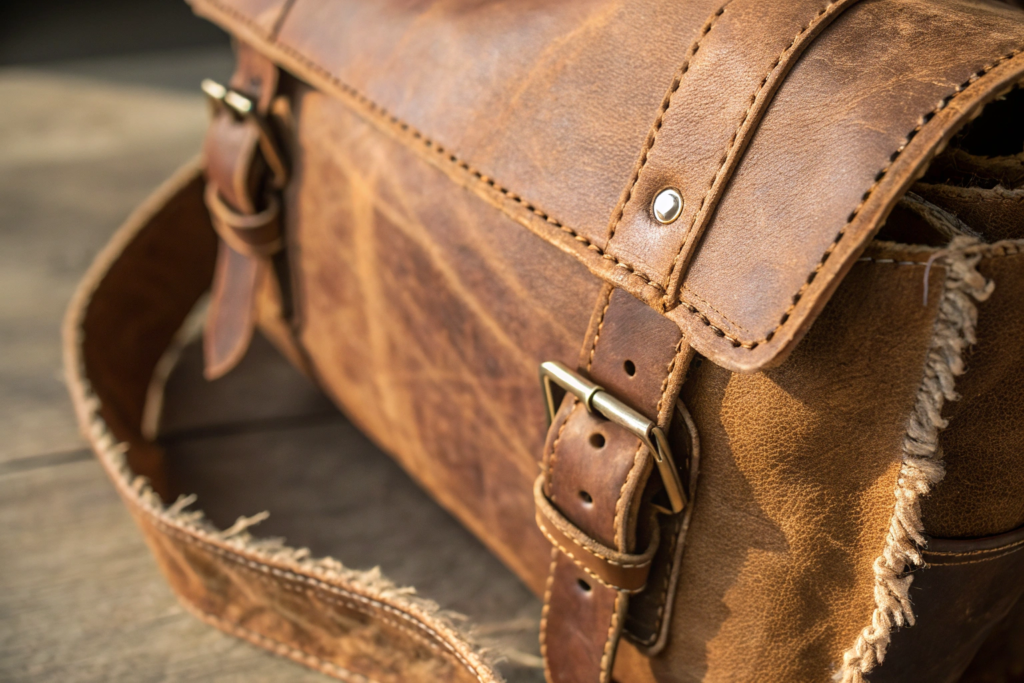
Raw and unfinished edges are popular because they celebrate the material. The edge is not painted. It is not folded. It is left as is. You can see the layers of leather. You can see the fibers of the fabric. Raw edges have a rustic, organic feel. They are common on leather bags, belts, and fabric scarves. The trend is a reaction against over-finishing. It says, "This product is honest.
I want to share a story about raw edges. A client made a bag with raw edges. The edges were not painted. You could see the natural leather. The bag sold well. Customers loved the rustic look.
How Do You Finish Raw Edges?
You do not finish them. That is the point. But you must cut them cleanly. Use a sharp knife. For fabric, use pinking shears to prevent fraying. For leather, use a beveler to soften the edge. The edge should be clean but not polished.
What Materials Work Best for Raw Edges?
Leather works best. It does not fray. Thick fabric like canvas also works. Thin fabric will fray. For fabric, a raw edge may require a sealant. We use natural edge treatments for our artisanal products.
Why Are Natural and Undyed Materials Trending?
Bright colors are fun. Natural colors are honest. I have seen a shift toward undyed materials. It is part of the sustainability movement.
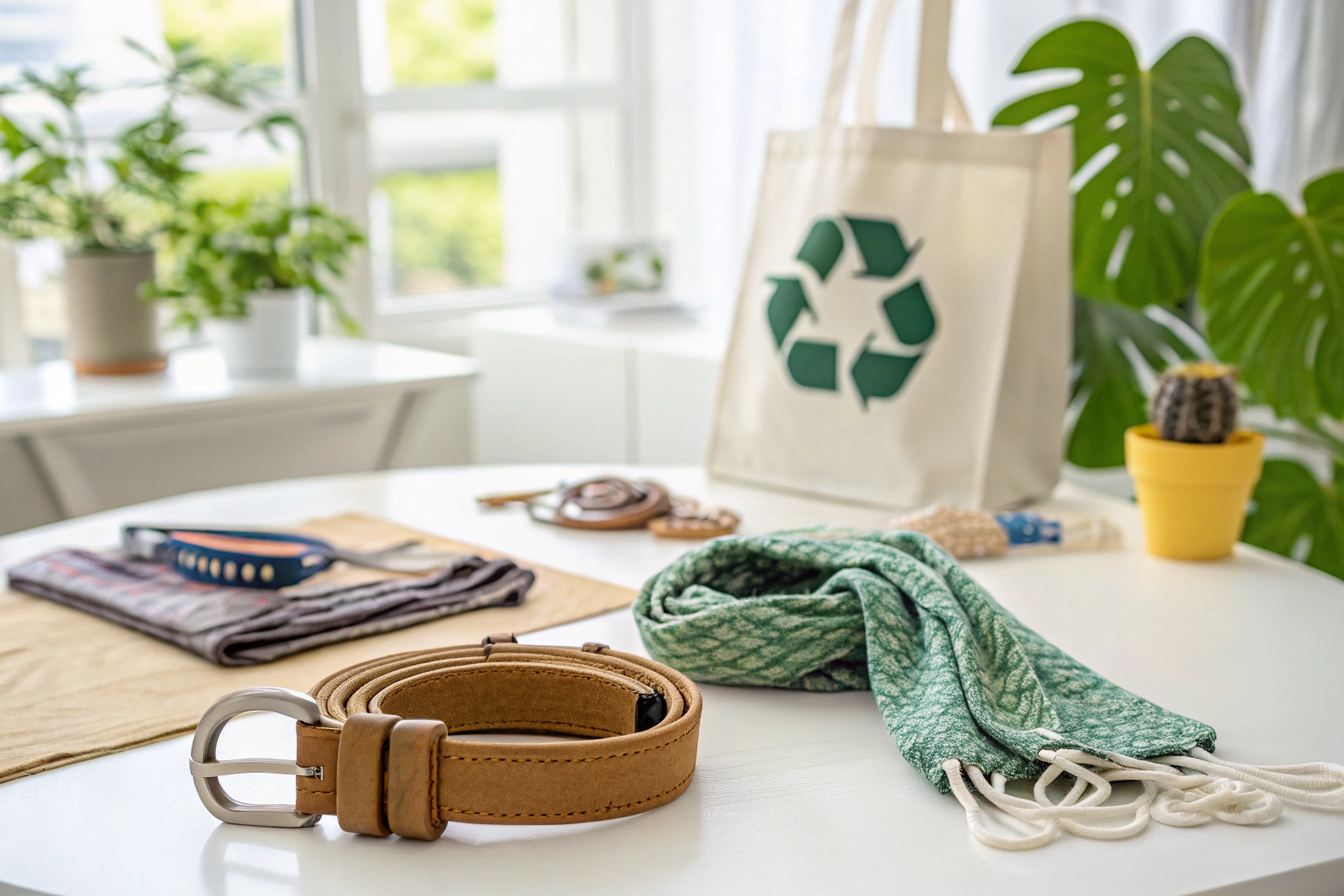
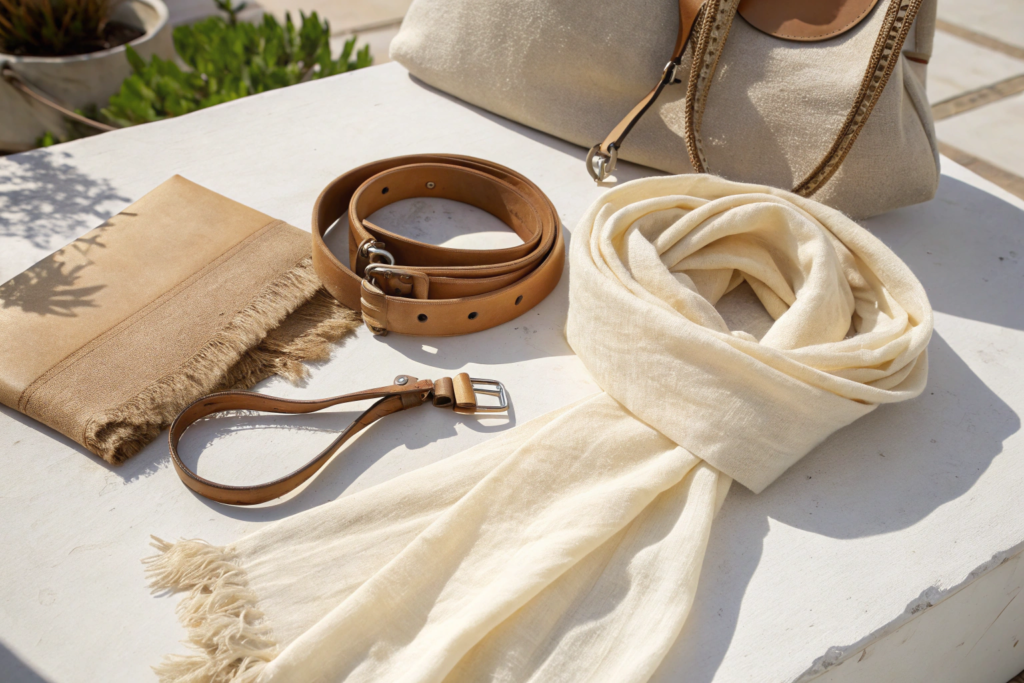
Natural and undyed materials are trending because they are honest and sustainable. The material is not colored. You see the natural color of the fiber. Cream cotton. Tan leather. Beige wool. These colors are warm and organic. They also appeal to the minimalist aesthetic. Undyed materials also have a lower environmental impact. No dyes means no chemicals. The trend is popular for scarves, hats, and bags. It is a reaction against fast fashion.
I want to share a story about undyed materials. A client wanted a line of sustainable scarves. We used undyed organic cotton. The scarves were cream. The customers loved the natural look. The undyed material told a sustainability story.
What Are the Best Undyed Materials?
Undyed organic cotton, with its soft, sun-bleached hue and gentle texture, has become a beloved staple in sustainable fashion, cherished for its breathability and earthy charm. Undyed linen, too, enjoys widespread popularity, its crisp, slightly textured surface and pale, almost ivory tone evoking the simplicity of a summer meadow.
Undyed wool, warm and inviting, wraps around the body like a comforting embrace, its natural cream or golden undertones promising coziness on cool days. Undyed leather, rich and supple, carries an understated luxury, its deep, earthy tones ranging from warm tan to soft chestnut, each piece telling a story of craftsmanship and time. The natural color of these materials varies subtly from batch to batch, a testament to their organic origins and the unique journey each fiber takes from field to fabric.
How Do You Market Undyed Products?
This scarf is made from undyed organic cotton, its fabric a soft, sun-kissed cream that seems to breathe with the quiet warmth of a summer morning. The natural cream color comes from the fiber itself, each thread carrying the subtle, earthy hue of cotton grown without harsh chemicals, nurtured by rain and sunlight. It’s not a bright, artificial shade, but a gentle, lived-in tone that shifts softly in the light, like the pale glow of dawn over a field of wheat. Customers appreciate the transparency—the way the scarf tells a story of care and honesty, from the soil where the cotton was grown to the hands that wove it. They feel a connection to something real, something unpretentious, as if wrapping themselves in a piece of nature’s own palette.
Why Are Organic Shapes and Asymmetry Valued?
Perfect symmetry is machine-made. Asymmetry is human. I have seen a rise in organic shapes.
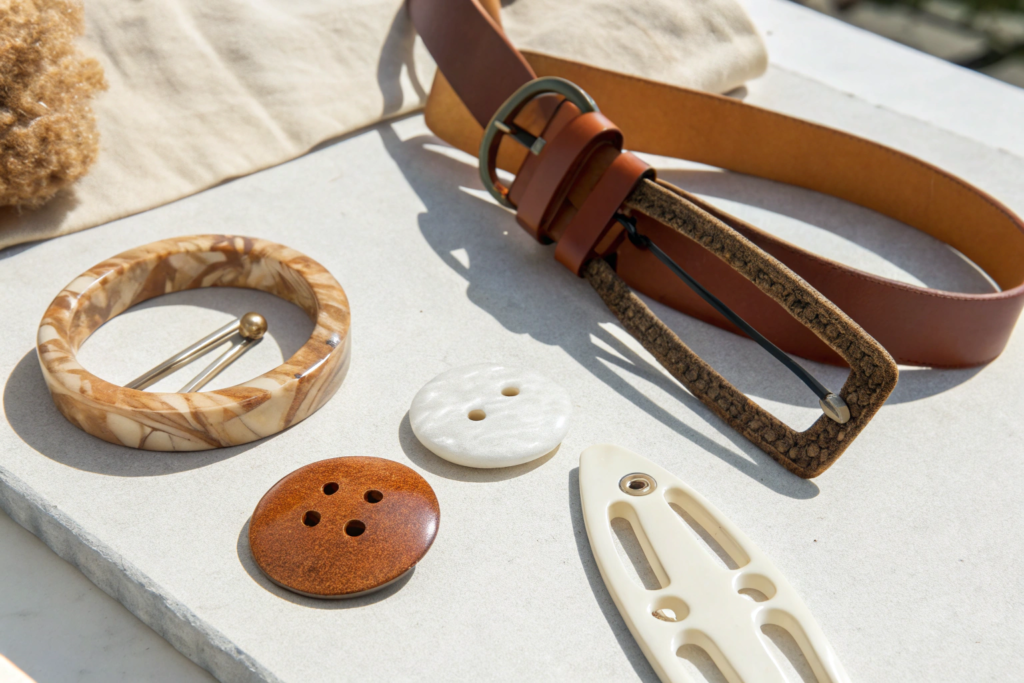
Organic shapes and asymmetry are valued because they feel human. A perfectly round circle is machine-made. A slightly wobbly circle is hand-drawn. The same applies to accessories. A hair clip with an organic shape. A belt with an asymmetrical buckle. A bag with a freeform silhouette. These shapes are not perfect. They are human. They appeal to consumers who want something different from mass production.
I want to share a story about asymmetry. A client wanted a belt with an off-center buckle. The buckle was not in the middle. It was asymmetrical. The belt sold well. Customers loved the unique look.
How Do You Create Organic Shapes?
Use hand-drawn templates. Do not use CAD. Allow for variation. The manufacturing process should not correct every imperfection. We offer organic shape design for clients.
What Products Work Best with Organic Shapes?
Hair clips, with their delicate curves and soft, irregular edges, add a touch of whimsy to any hairstyle, catching the light like tiny sunbeams as you move. Earrings, too, in their organic forms—perhaps with asymmetrical drops or gently swirled metal—dance playfully against the skin, whispering stories of natural beauty.
Brooches, pinned to the lapel or collar, become focal points, their unique contours and textured surfaces inviting the eye to linger, each one a small masterpiece of imperfect charm. Belts, crafted from supple leather or woven fibers, drape naturally around the waist, their organic shapes conforming to the body's gentle curves rather than forcing rigid lines. Bags, whether structured yet softly rounded or completely free-form, offer a tactile experience, their uneven seams and hand-stitched details telling tales of artisanal care.
Conclusion
The trends in artisanal and handcrafted-look accessories are about authenticity. Visible hand-stitching shows the maker's hand. Raw edges celebrate the material. Natural and undyed materials are honest. Organic shapes are human. Imperfect finishes add character. These trends appeal to consumers who are tired of mass production. They want products with a story. They want products that feel unique.
At Shanghai Fumao, we have the skills to create these looks. We combine traditional techniques with modern manufacturing. We can help you create accessories that feel handcrafted.
Please contact our Business Director, Elaine, at elaine@fumaoclothing.com to discuss your artisanal accessory line. We can help you create handcrafted-look products at scale.