Every year, I watch the trends come and go. But shawls are different. They are timeless. A good shawl can be worn for years. But the patterns change. The colors shift. The textures evolve. For 2026, I have been watching closely. I have been talking to our clients in Europe and North America. I have been studying the runway shows and the street style. And I have been working with our design team to prepare. I want to share what we are seeing. If you are sourcing shawls for 2026, these are the patterns that will sell.
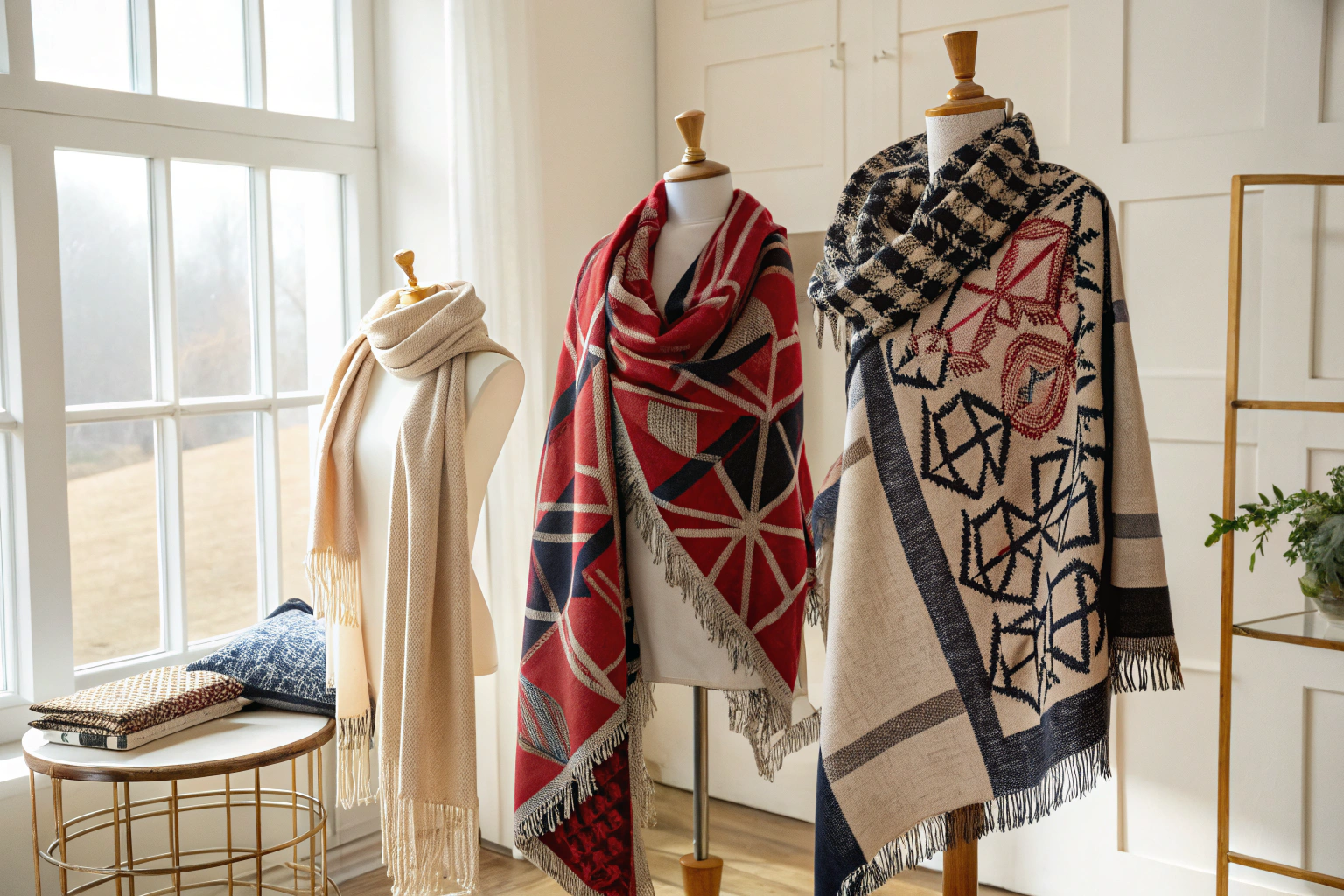
The trending patterns for shawls in 2026 include bold geometric prints, soft abstract watercolors, classic tartan and plaid, and textured knits with subtle patterns. Geometric prints are making a strong comeback with sharp lines and contrasting colors. Abstract watercolors offer a softer, artistic look that appeals to the modern consumer. Tartan and plaid continue to be staples, especially in fall and winter collections. Textured knits with cable patterns or subtle ribbing add dimension without overwhelming the design. At Shanghai Fumao, our design team has been developing samples in all of these categories. We are ready to help our clients capture these trends.
You might think a shawl is just a piece of fabric. But the pattern makes it. The pattern tells a story. It sets the mood. It determines where the shawl will be worn. Let me walk you through what we are seeing for 2026.
What Are the Key Geometric Patterns for 2026?
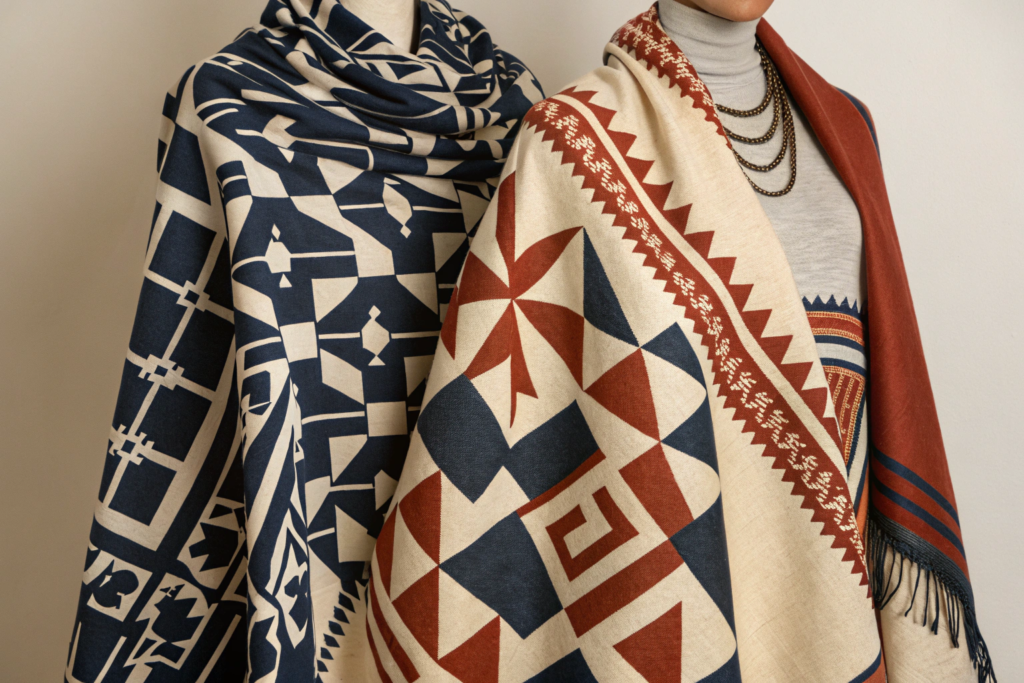
Geometric patterns are having a moment. But not the small, delicate geometries of the past. For 2026, the geometric trend is bold. It is graphic. It is confident. Large-scale patterns that make a statement. This trend is driven by the return of 1970s and 1980s influences in fashion.
The key geometric patterns for 2026 include oversized checks, bold stripes, and abstract geometric shapes. Oversized checks are appearing in color combinations like navy and cream, forest green and camel, and burgundy and beige. Bold stripes are being used in both horizontal and diagonal orientations. Abstract geometric shapes, like triangles and hexagons, are being arranged in repeating patterns that feel modern and fresh. These patterns work well on larger shawls where the design can be fully appreciated. They appeal to consumers who want a statement piece.
What color combinations work best with geometric patterns?
Contrast is key. The patterns need to be visible. Navy and cream is a classic. It is sophisticated. It works for both casual and formal wear. Forest green and camel is another strong combination. It feels natural and grounded. Burgundy and beige has a warm, autumnal feel.
For a bolder look, we are seeing combinations like mustard and charcoal, or rust and navy. These colors have energy. They appeal to younger consumers. We can also do custom color combinations. Our design team can match your brand colors to these geometric trends.
How do you scale geometric patterns for different shawl sizes?
Scale matters. A pattern that looks great on a large shawl might look crowded on a small one. We adjust the scale based on the finished size. For a large wrap shawl, we use larger pattern repeats. The design has room to breathe. For a smaller neck scarf, we reduce the scale. The pattern remains visible but not overwhelming.
We work with our clients to choose the right scale. We show them samples in different sizes. This attention to detail is part of our product development process.
How Are Abstract Watercolor Patterns Shaping the Shawl Market?
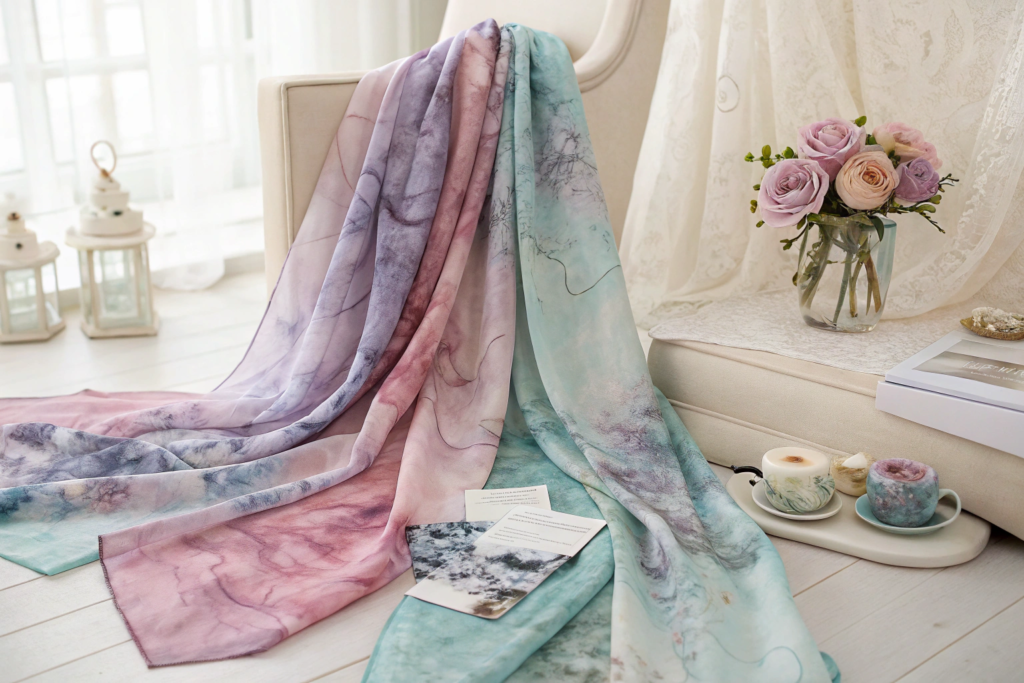
Not everyone wants bold geometry. Some consumers want something softer. Something more artistic. Abstract watercolor patterns are filling that need. These patterns look like paintings. They have flowing colors and soft edges. They feel handcrafted and unique.
Abstract watercolor patterns for 2026 are characterized by blended colors, soft edges, and organic shapes. The trend is moving away from hard lines toward more fluid designs. Popular color stories include pastel pinks and peaches, soft blues and lavenders, and muted earth tones like terracotta and sage. These patterns work well on lightweight fabrics like modal, viscose, and silk blends. They appeal to consumers who want a feminine, artistic look. They are especially popular for spring and summer collections.
What printing techniques create the watercolor effect?
We use digital printing for watercolor patterns. Digital printing allows for seamless color blending. There are no hard edges. The colors flow into each other. This is the closest you can get to a real watercolor painting.
We also use reactive dyes for natural fibers. These dyes bond with the fabric. The colors stay vibrant. They do not fade. For a silk shawl, this is essential. The fabric needs to feel soft and look beautiful. Our printing capabilities allow us to create these artistic effects consistently.
Which fabrics work best for watercolor patterns?
Lightweight, natural fabrics work best. Modal is a popular choice. It is soft. It drapes well. It takes color beautifully. Viscose is another option. It has a similar feel. For a premium look, silk or silk blends are ideal. The pattern sits on the fabric with a beautiful sheen.
We also use cotton for a more casual look. The watercolor effect is softer on cotton. It has a more relaxed feel. Our fabric selection team can help you choose the right base for your watercolor pattern.
Why Is Tartan and Plaid Continuing to Trend in 2026?
Tartan and plaid never really go away. But they are especially strong for 2026. This trend is driven by the continued popularity of heritage styles and the return of preppy fashion. But the tartans of 2026 are not just the traditional red and green. They are evolving.
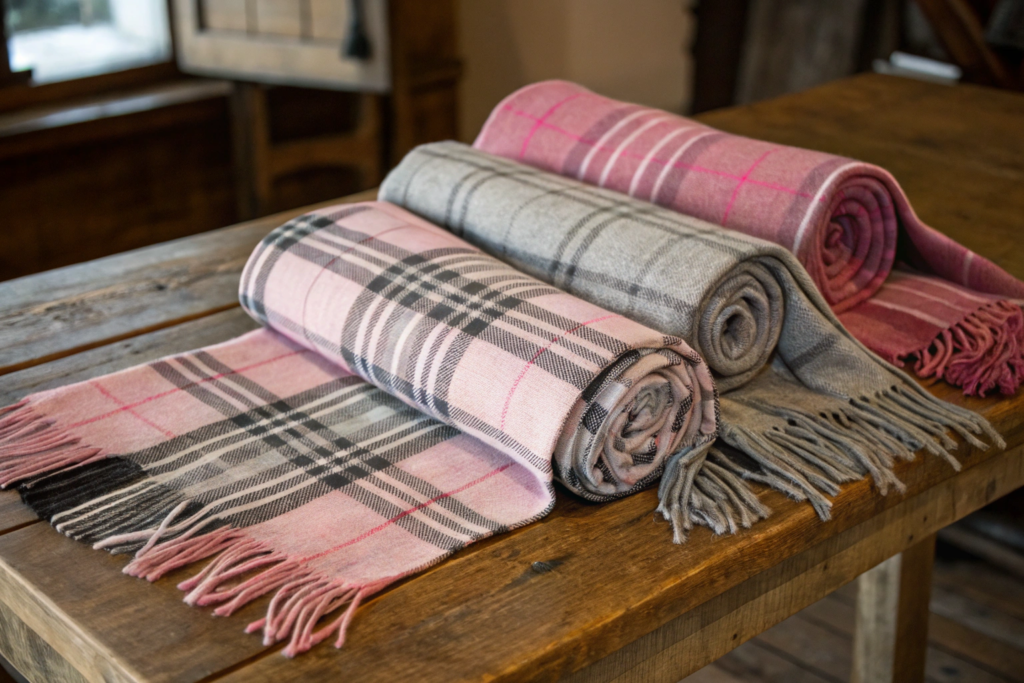
Tartan and plaid patterns for 2026 include traditional Scottish tartans, modern color variations, and oversized plaid designs. Traditional tartans like Black Watch and Royal Stewart remain popular. They appeal to consumers who love classic style. Modern color variations are emerging. Think pink and gray tartan, or mustard and navy. These feel fresh and contemporary. Oversized plaid designs are also trending. The pattern repeats are larger. The look is more relaxed. These shawls work well for fall and winter collections.
What are the emerging color stories for tartan?
Traditional colors are still strong. Red and green tartans sell well during the holiday season. Navy and green tartans appeal to a more classic customer. But the emerging colors are softer. Dusty rose with charcoal is one. Sage green with cream is another. Mustard with navy has a modern feel.
We are also seeing pastel tartans for spring. Pink and lavender tartans are appearing in early collections. They appeal to younger consumers. Our color forecasting team tracks these shifts. We can help you choose the right color story for your brand.
How do you ensure tartan patterns match across the shawl?
Tartan patterns require precision. The lines need to align. The colors need to be consistent. We use digital printing for tartans as well. This ensures that every shawl has the exact same pattern placement.
For woven tartans, we work with specialized mills. They use high-quality yarns. The weaving is precise. The pattern repeats are consistent. This is important for premium shawls. Our clients expect the pattern to be perfect. We deliver that.
What Role Does Texture Play in 2026 Shawl Patterns?
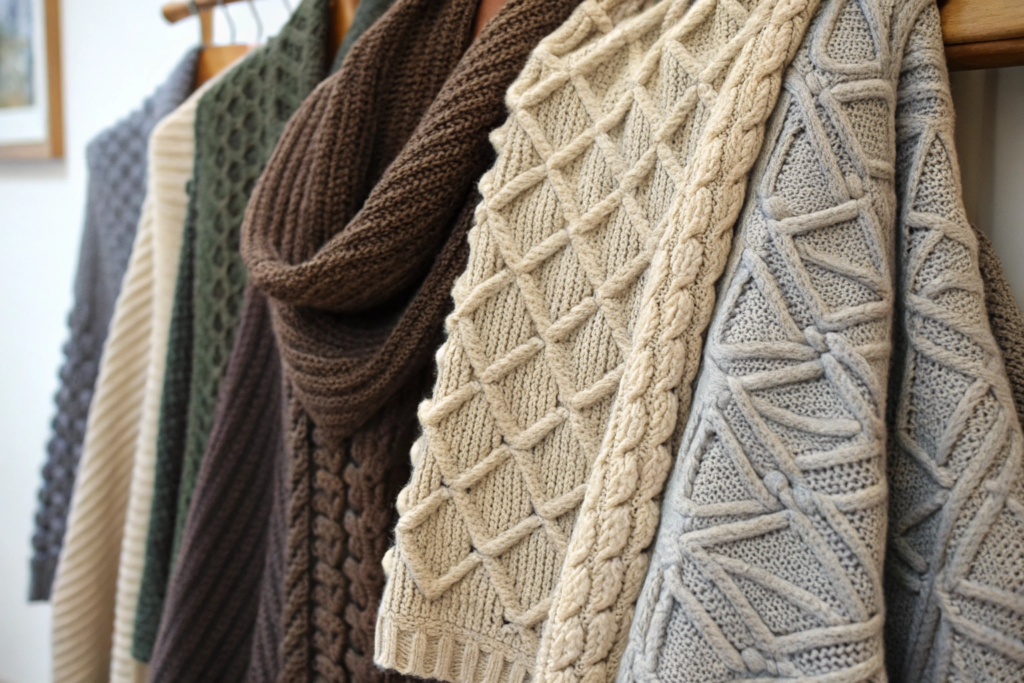
Pattern is not just about print. Texture creates pattern too. For 2026, textured knits are having a moment. These shawls rely on the structure of the fabric, not just the color. They have dimension. They have depth. They feel luxurious.
Textured patterns for 2026 include cable knits, subtle ribbing, and waffle or honeycomb textures. Cable knits are classic. They add a traditional, cozy feel. Subtle ribbing creates vertical lines that elongate the wearer. Waffle and honeycomb textures add dimension without being bulky. These textures work best in solid colors. The texture becomes the pattern. Neutral colors like cream, gray, and camel are popular. But we are also seeing muted colors like sage and dusty blue.
What yarns are best for textured knit shawls?
Wool and wool blends are classic. They hold texture well. They are warm. For a softer feel, we use alpaca blends. Alpaca is lightweight and warm. It has a beautiful drape. For a more affordable option, acrylic blends work well. They are easy to care for.
For summer, we use cotton and linen blends. The texture is still visible. But the fabric is breathable. Our knit production team has experience with all of these yarns. We can create custom textures based on your specifications.
How do you combine texture with color?
For textured shawls, color plays a supporting role. The texture is the star. We use solid colors that let the texture show. Cream is popular. It shows the cable pattern clearly. Gray is another favorite. It has a modern feel.
For a bolder look, we use muted colors like sage or dusty blue. These colors add interest without overwhelming the texture. We avoid bright colors or busy prints on textured shawls. They compete with the texture. Our color selection team helps clients find the right balance.
How Can I Work with a Supplier to Develop Trend-Driven Shawls?
Trends are exciting. But turning a trend into a product takes work. You need a partner who understands the trends. Who has the materials. Who has the production capability. Who can move fast. That is what we offer at AceAccessory.
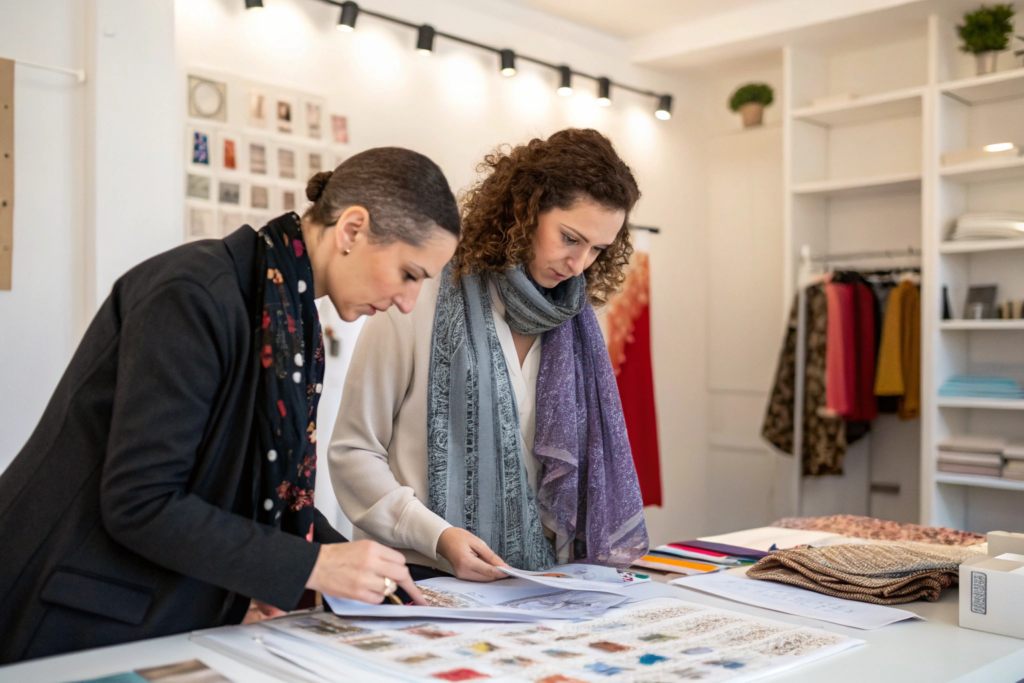
To develop trend-driven shawls, start by sharing your vision with your supplier. Tell us which trends interest you. Share inspiration images. Tell us about your brand and your customers. We will create samples in the trending patterns. We will help you choose the right fabrics. We will test the patterns for durability. We will work with you on color. Throughout the process, our project managers keep you updated. We aim to have samples ready in 14 to 21 days. This allows you to test the market quickly.
What information should I provide for a custom shawl project?
Start with inspiration. Send us photos of patterns you like. Tell us which trend you are targeting. Is it geometric? Watercolor? Tartan? Textured? Tell us about your target customer. Are they looking for everyday wear? Formal occasions? Travel?
Tell us about your timeline. When do you want to launch? This helps us plan the development. Tell us about your budget. This helps us choose the right materials. Our custom shawl development team will then create a plan.
What is the timeline for developing a new shawl pattern?
For a custom printed pattern, we need 14 to 21 days for samples. This includes color matching and printing. For a custom knit texture, we need 21 to 28 days. The knitting process takes longer. Once you approve the sample, production takes 30 to 45 days.
For stock patterns with custom colors, the timeline is shorter. We can do samples in 7 to 10 days. Production in 21 to 30 days. We work with you to meet your launch date. Our project management team is experienced in hitting tight deadlines.
Conclusion
Shawls are timeless. But the patterns change. For 2026, we are seeing bold geometric prints, soft watercolor patterns, classic tartans, and textured knits. Each trend has its own personality. Each appeals to a different customer. But all of them require quality materials and precise production.
At Shanghai Fumao, we have been preparing for these trends. Our design team has developed samples in all of these categories. Our production team is ready to scale. Our quality control team will test every pattern for durability. We are ready to help you capture the 2026 shawl market.
If you are planning a shawl collection for 2026, I invite you to reach out. Let us talk about your vision. Let us show you our trend samples. You can contact our Business Director, Elaine, directly. She will help you get started. Her email is: elaine@fumaoclothing.com.