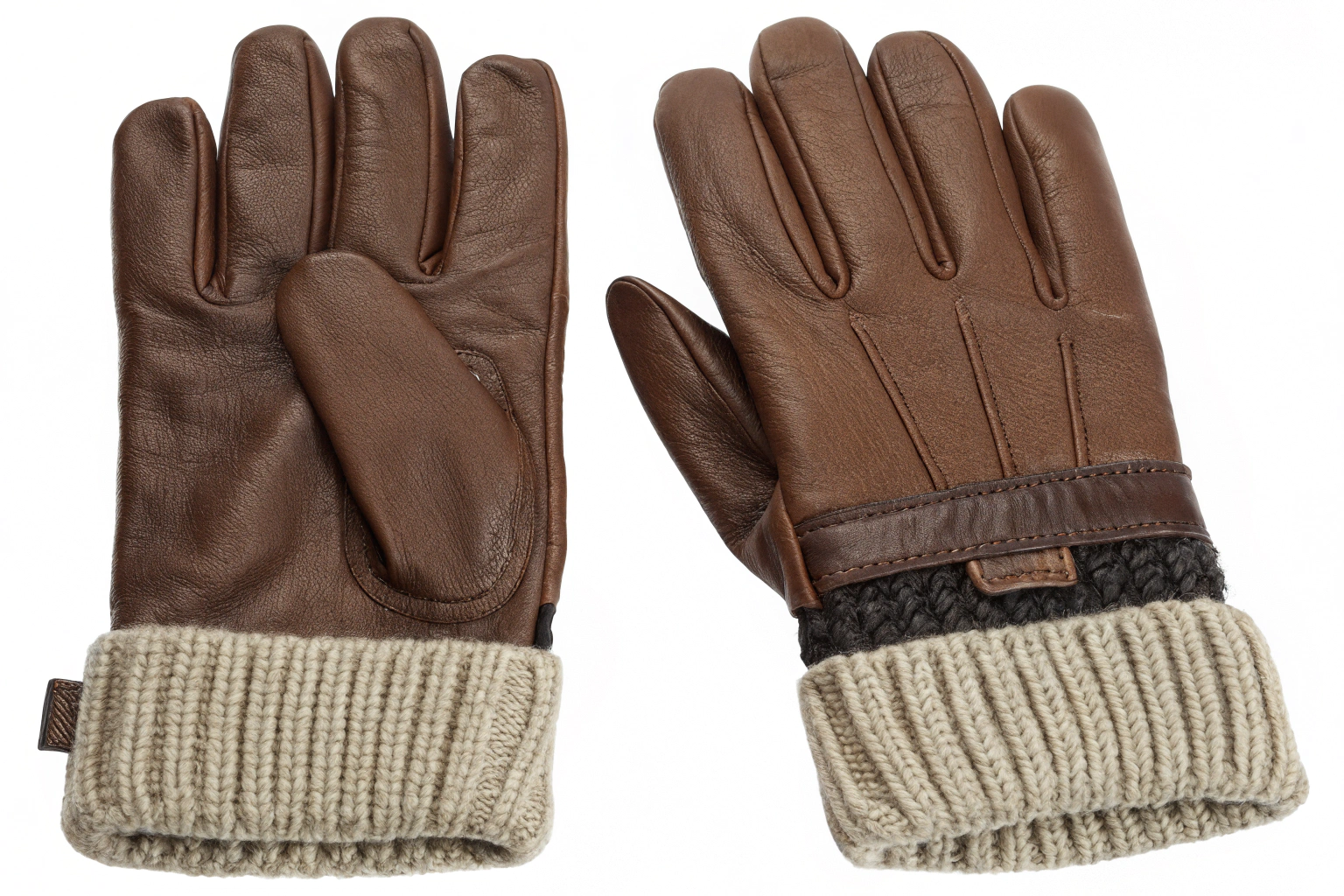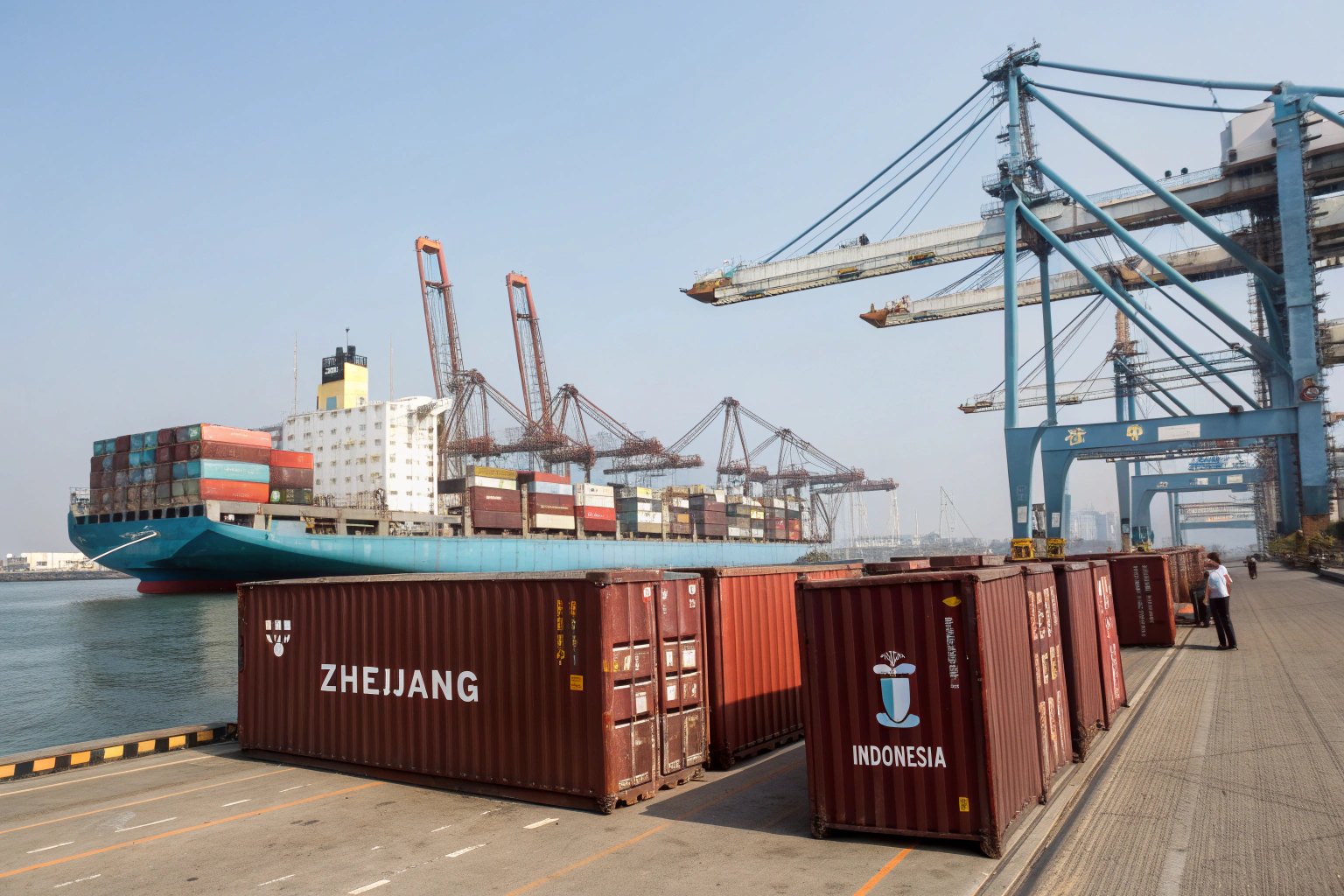
Many importers who plan to ship accessories such as hair bands, hats, scarves, or belts into Indonesia often face unexpected challenges. The market is growing, but regulations are strict, and shipments are delayed when companies do not follow rules. I have seen partners lose time and money because they did not prepare.
To ship accessories into Indonesia, importers must hold the right licenses, submit correct customs documents, pay duties and taxes, and ensure labels and packaging meet local standards. Missing even one step can block a shipment at customs.
As an exporter from Zhejiang, China, I have managed multiple shipments to Southeast Asia. In this article, I explain the main requirements for shipping to Indonesia. My goal is to help international buyers avoid unnecessary risks and move goods smoothly.
What import licenses are required in Indonesia?
Import licenses are the first barrier many companies face. Indonesia requires every importer to have the correct license before goods arrive. If you try to ship without it, the goods will stay at customs.
Indonesia requires either an API-U license (for general importers selling goods) or an API-P license (for producers importing for their own use). Some accessory items may also need special approval if they fall into the restricted goods list, known locally as Lartas.
Import rules distinguish between different business types.
Why is API-U important for accessories importers?
The API-U license allows importers to bring in finished products for resale. This is essential for brands or distributors in Indonesia who buy ready-made accessories from factories like ours in China. If you plan to sell hair clips, scarves, or gloves in Indonesian supermarkets, API-U is required. You can read more on Trade.gov and updates from US-ASEAN Business Council.
Do Lartas rules affect fashion accessories?
Lartas covers restricted goods. Accessories usually pass easily, but if they include restricted materials (for example, chemical-coated fabrics or metallic parts with lead), they may need a separate permit. Always check the product’s HS code against Indonesia’s restricted import list. Information is available at Trade.gov Prohibited Imports Guide.
What documents and customs clearance are necessary?
Even with the right license, missing or incomplete documents can hold your shipment. Accessories are often shipped in bulk cartons, and customs will check every detail.
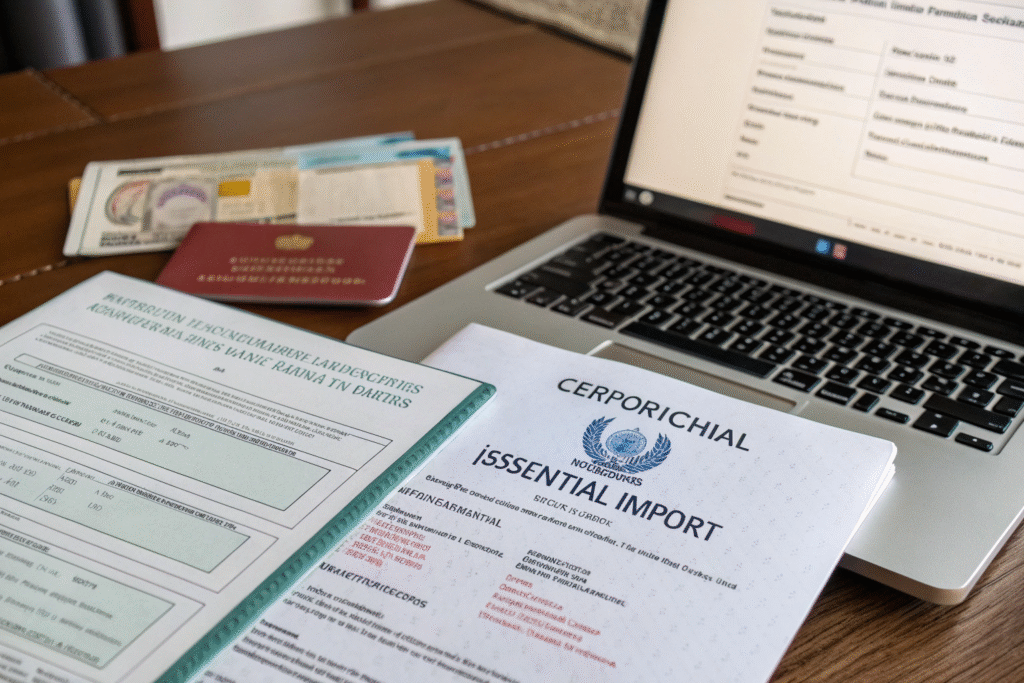
The essential documents include a commercial invoice, packing list, bill of lading or airway bill, and sometimes a certificate of origin. Importers must submit these through Indonesia’s National Single Window system. HS codes must be correct to avoid fines.
What documents are mandatory at Indonesian customs?
- Commercial invoice – details product description, price, and buyer/seller information.
- Packing list – explains carton contents, dimensions, and net weight.
- Bill of Lading/Airway Bill – proof of shipping from carrier.
- Certificate of Origin – required in some cases to reduce duty under trade agreements.
For official guidance, see Indonesia Import Requirements.
How does the clearance process work?
Importers file all documents electronically through the INSW platform. Customs reviews HS codes, calculates duty and VAT, and may decide to inspect the goods. If the documents match, goods are released once duties are paid. More detail is available from Global Trade Compliance.
What taxes and tariffs apply to imported accessories?
Cost is always the key concern. Many clients ask me in the first call: “How much will I pay for duty and taxes?” The answer depends on HS code and customs value.
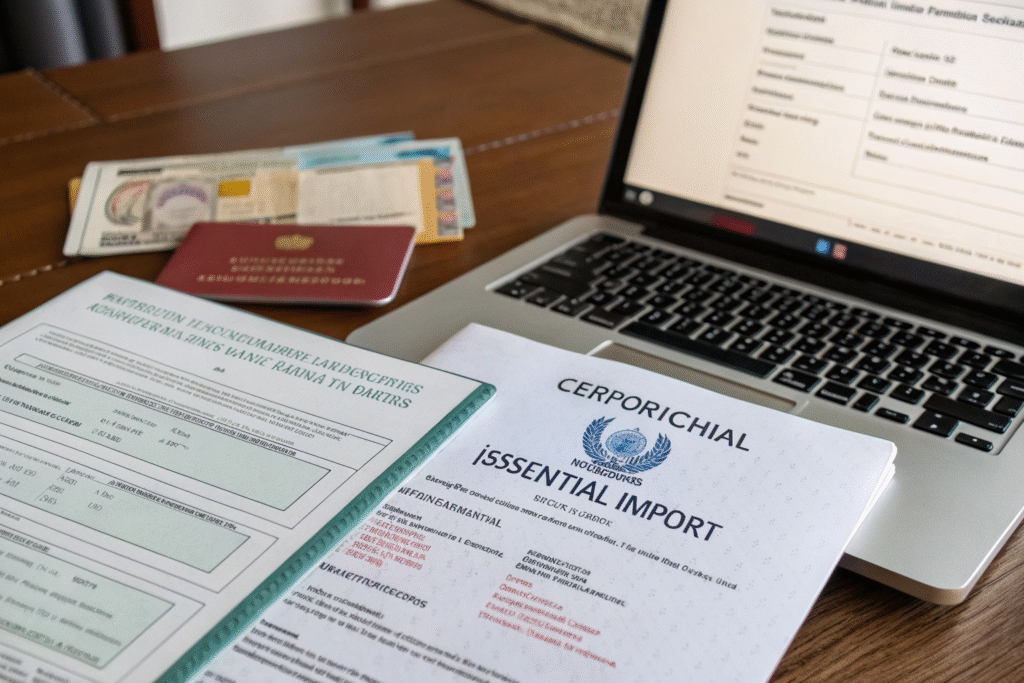
Indonesia charges import duty (different rates by product category), Value-Added Tax (11%), and sometimes luxury tax for high-value items. The customs value is based on FOB plus insurance and freight.
How are duties and VAT calculated on accessories?
- Customs value = FOB + freight + insurance.
- Import duty = product-specific percentage (check HS schedule).
- VAT = 11% of (customs value + duty).
For example, hats or textile accessories may have moderate duty rates, while leather belts could be higher. You can confirm duty categories through Indonesia Expat Customs Guide.
Do small shipments have exemptions?
Yes. Small consignments under certain thresholds may enjoy simplified customs. But above USD 1,500 in value, full duty rules apply. Indonesia changes these thresholds often, so always check before shipment. Updated rules are available at Indonesia Expat.
What labeling and packaging rules must be followed?
Labels and packaging matter more than many importers realize. Even if your paperwork is perfect, wrong labeling can stop goods at the port.
Indonesia requires labels in Bahasa Indonesia, including importer’s name, product description, and country of origin. Packaging should protect goods, and labels must not be misleading.

What must labels include for accessories?
- Importer’s full name and address.
- Product name and description.
- Country of origin.
- Information must appear in Bahasa Indonesia, in clear print.
See Indonesia Labeling Guide for full details.
What are the packaging rules for customs clearance?
Packaging should protect accessories during shipping. If you send fragile items like decorated hair clips or umbrellas, cartons should have handling instructions. Labels must match the invoice description. Mismatched packaging is one of the main causes of delays. For reliable advice, see Trade.gov Marking Rules.
What restricted or prohibited items apply to accessories?
Accessories look simple, but some items fall under restricted import rules. Many importers are surprised when customs flags a shipment.
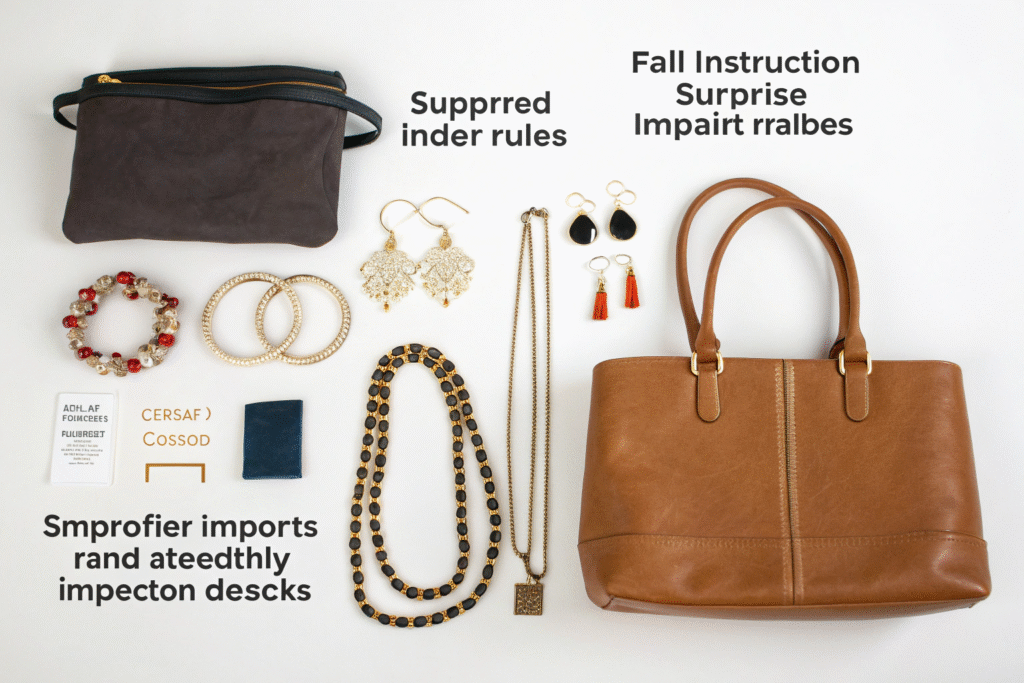
Indonesia bans counterfeit goods, dangerous chemicals, and restricted raw materials. If your accessories contain restricted metals or chemicals, you need special approval. Otherwise, goods may be destroyed or returned.
Which accessory materials are restricted?
- Metals treated with hazardous chemicals.
- Leather products not meeting safety standards.
- Items that appear counterfeit or use protected trademarks.
Details are explained on Trade.gov Prohibited Imports.
What happens if restricted goods are shipped without approval?
Customs may confiscate or destroy them. Importers can face fines or criminal charges. Worst of all, business reputation is damaged. Always check Lartas updates. See Indonesia Prohibited Imports.
What are the latest changes to import regulations?
Regulations in Indonesia change quickly. Importers who rely on old information risk problems.
Recent changes include MOT Regulation No. 8/2024, which reduced permit requirements for many apparel and accessories, and Finance Ministry PMK No. 4/2025, which adjusted customs rules. MOT 36/2023 and MOT 3/2024 also impacted quotas and used goods.

What is new under MOT 8/2024?
This regulation simplified licensing for many textile and accessory products. Some categories no longer need prior approval. More details can be read at US-ASEAN Business Council.
What did PMK 4/2025 and other laws change?
PMK 4/2025 updated customs handling, especially for e-commerce shipments. MOT 36/2023 and MOT 3/2024 revised quotas and rules for used goods. Summary of changes is available on AHP Law Firm.
Conclusion
Shipping accessories into Indonesia is possible and profitable, but only when rules are followed. Importers must secure the right license, prepare documents, calculate duties and VAT, use proper labeling, and check restricted goods lists. Most importantly, they must stay updated with recent policy changes.
As the owner of AceAccessory, I have helped many brands and supermarkets in Europe and America expand into Southeast Asia. If you plan to ship hats, scarves, belts, or umbrellas into Indonesia, contact us. We can help you with design, manufacturing, packaging, and safe delivery.
For business inquiries, reach out to our Business Director Elaine at elaine@fumaoclothing.com. Together, we can make your accessory shipments smooth and efficient.