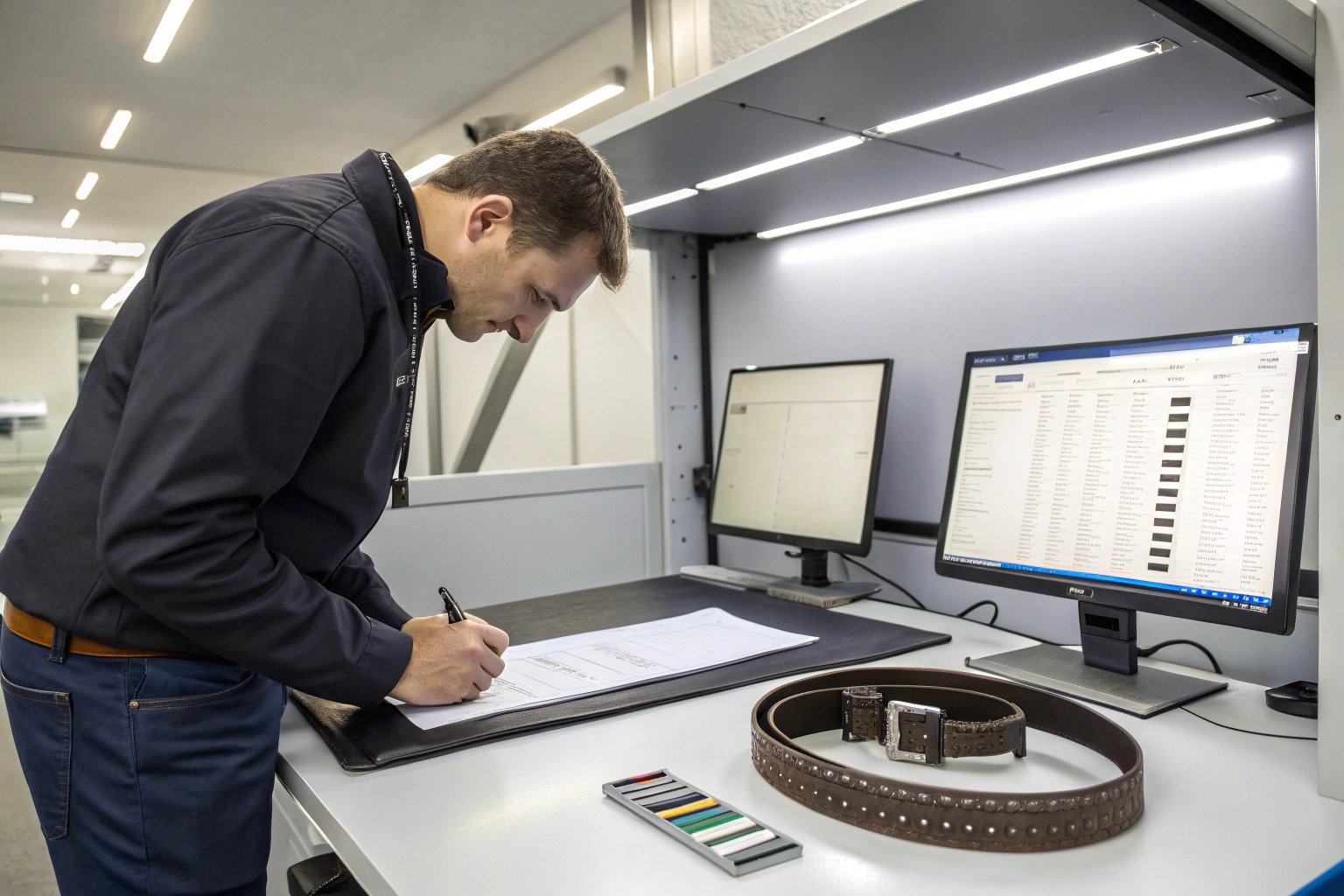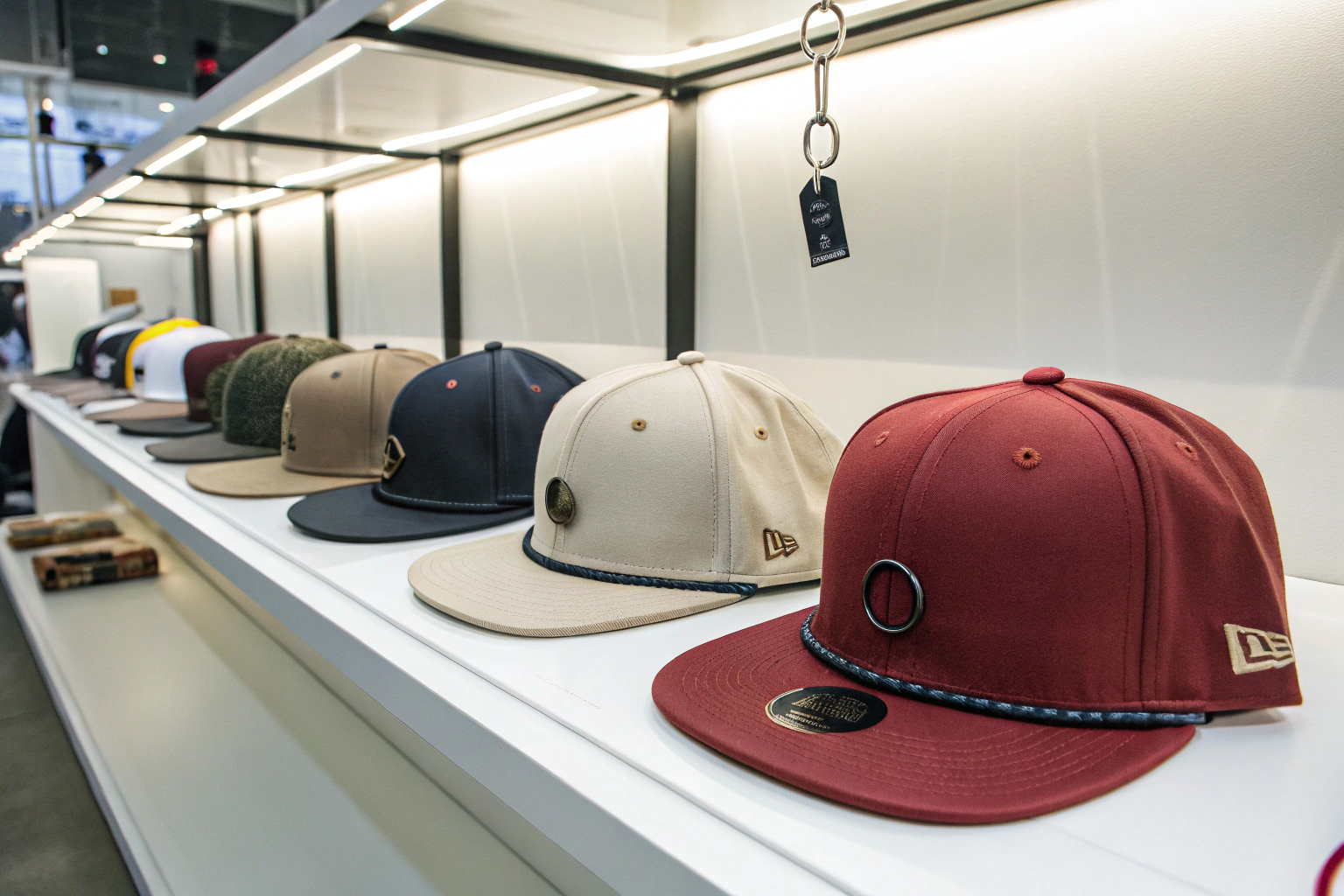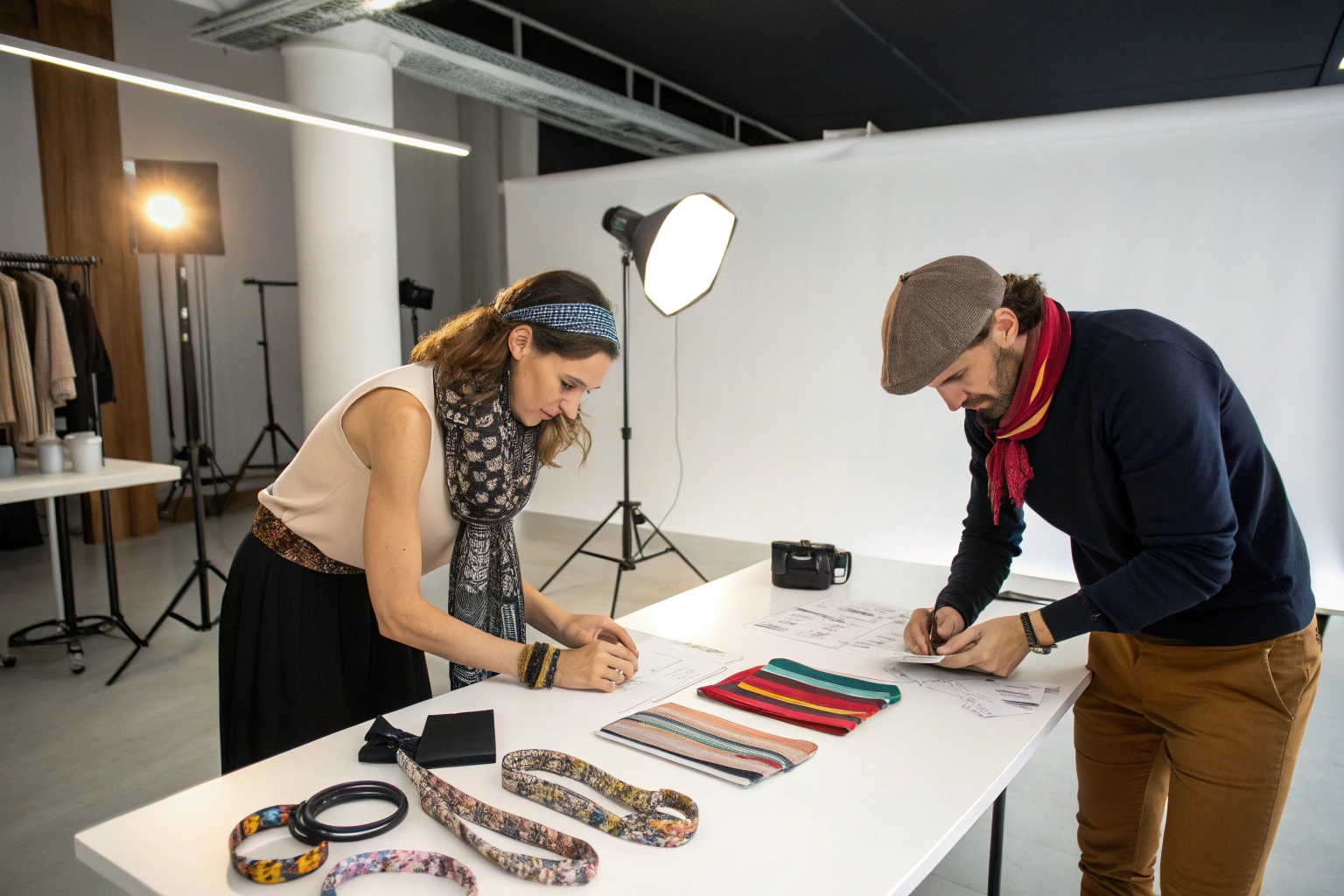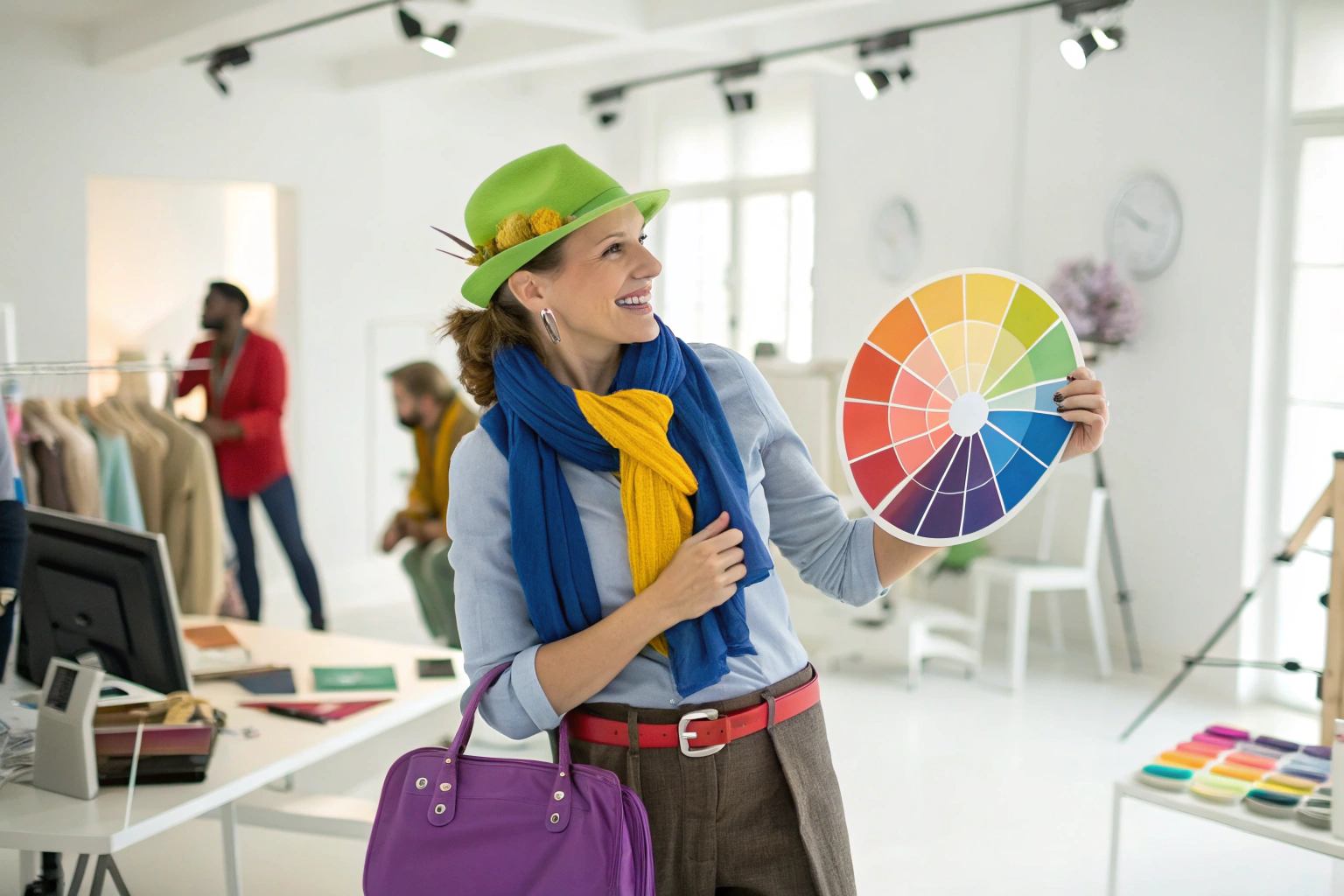
I have been manufacturing accessories for over 15 years. In that time, I have seen colors come and go. But I have also learned that color is not just about fashion. It is about psychology. The color of a belt, a scarf, or a hair clip affects how the wearer feels. It affects how others perceive them. I remember a client who was launching a line of hats. She asked me, "Why do some colors sell better than others?" I didn't have a good answer. So I studied. I read about color psychology. I talked to designers. I analyzed sales data. I learned that color is powerful. It can evoke emotion. It can convey status. It can influence purchasing decisions. Today, I want to share what I have learned about the psychological effects of color in accessory design.
The psychological effects of color in accessory design are profound. Colors evoke emotions, convey messages, and influence purchasing decisions. Red evokes excitement, passion, and urgency. It is often used for accessories meant to make a statement. Blue evokes calm, trust, and professionalism. It is popular for workwear and everyday accessories. Yellow evokes happiness, optimism, and energy. It is used for playful, youthful accessories. Green evokes nature, growth, and harmony. It is associated with eco-friendly and wellness brands. Purple evokes luxury, creativity, and spirituality. It is used for premium, artistic accessories. Black evokes sophistication, power, and elegance. It is a staple for classic accessories. White evokes purity, simplicity, and cleanliness. It is popular for minimalist and bridal accessories. Understanding these associations helps designers create accessories that resonate with their target customers.
You might be thinking, "I know what colors I like. Why does psychology matter?" The answer is that your customers are influenced by color, even if they do not realize it. A customer may choose a red scarf because it makes them feel confident. They may choose a blue belt because it feels professional. By understanding color psychology, you can design accessories that appeal to your target customer's emotions. At Shanghai Fumao, we use color psychology in our design process. We help our clients choose colors that align with their brand and their customers. Let me walk you through the psychological effects of key colors.
How Does Red Affect Perception and Emotion?
Red is the color of passion. It is the color of excitement. It is the color of urgency. I have seen red accessories sell well in certain contexts. A red belt can make an outfit pop. A red scarf can add energy. But red is not for everyone. It can be overwhelming.
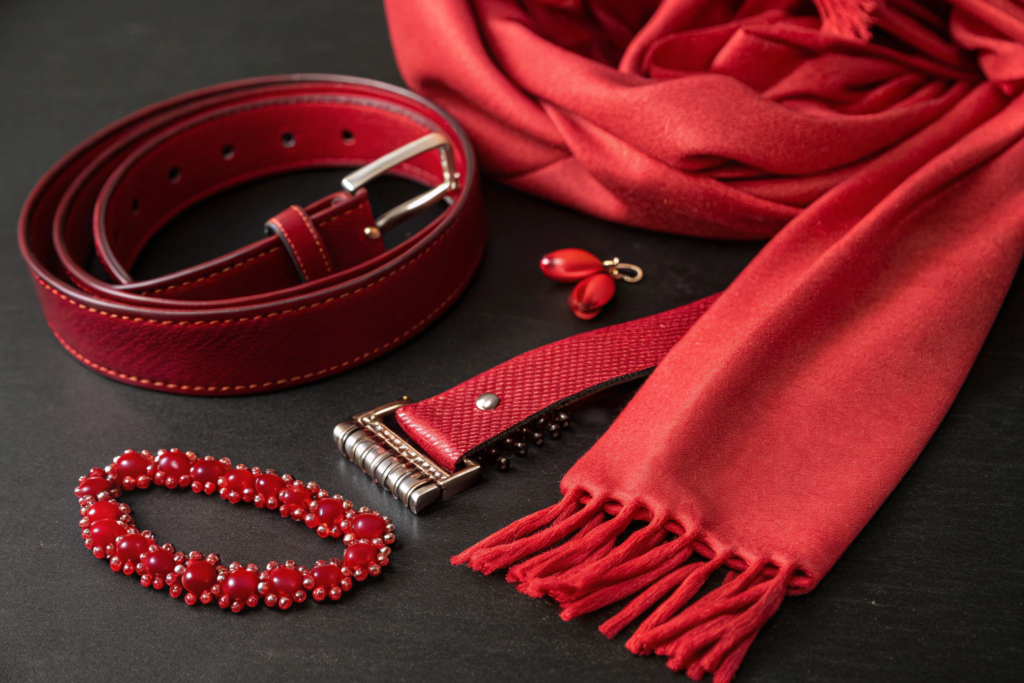
Red evokes excitement, passion, and urgency. It is a high-energy color. It draws attention. In accessory design, red is often used for statement pieces. A red belt or a red handbag becomes the focal point of an outfit. Red also conveys confidence. A person wearing red is perceived as bold and assertive. Red can also signal urgency. That is why it is used for sale signs. In accessories, red is popular for special occasions. A red scarf for Valentine's Day. A red hat for the holidays. But red can also be aggressive. Too much red can be overwhelming. It is best used as an accent.
I want to share a story about a red belt. A client wanted a belt for a professional line. I suggested black or brown. She insisted on red. The belt was beautiful. But it did not sell well. The customers found it too bold for the office. We learned that red is better for casual or statement pieces. For professional settings, more subdued colors work better.
When Should You Use Red in Accessories?
Use red when you want to make a statement. For evening wear, a red clutch is striking. For holiday collections, red accessories are essential. For activewear, red adds energy. For brands that want to convey passion or boldness, red is effective. But use it sparingly. Red is best as an accent. A red belt on a neutral outfit. A red scarf with a black coat. A red hair clip in dark hair. This red accessory collection is designed for impact.
What Are the Cultural Associations of Red?
In Western cultures, red is associated with love, passion, and danger. In Chinese culture, red is associated with luck and prosperity. In India, red is associated with purity and marriage. When designing for different markets, consider these cultural associations. A red accessory for the Chinese New Year is auspicious. A red accessory for a Western wedding may be seen as unconventional. We help clients navigate cultural color meanings.
How Does Blue Influence Trust and Calm?
Blue is the color of trust. It is the color of calm. It is the most popular color in the world. I have seen blue accessories sell consistently. A navy belt is a staple. A blue scarf is versatile. Blue is safe. But it is also powerful.
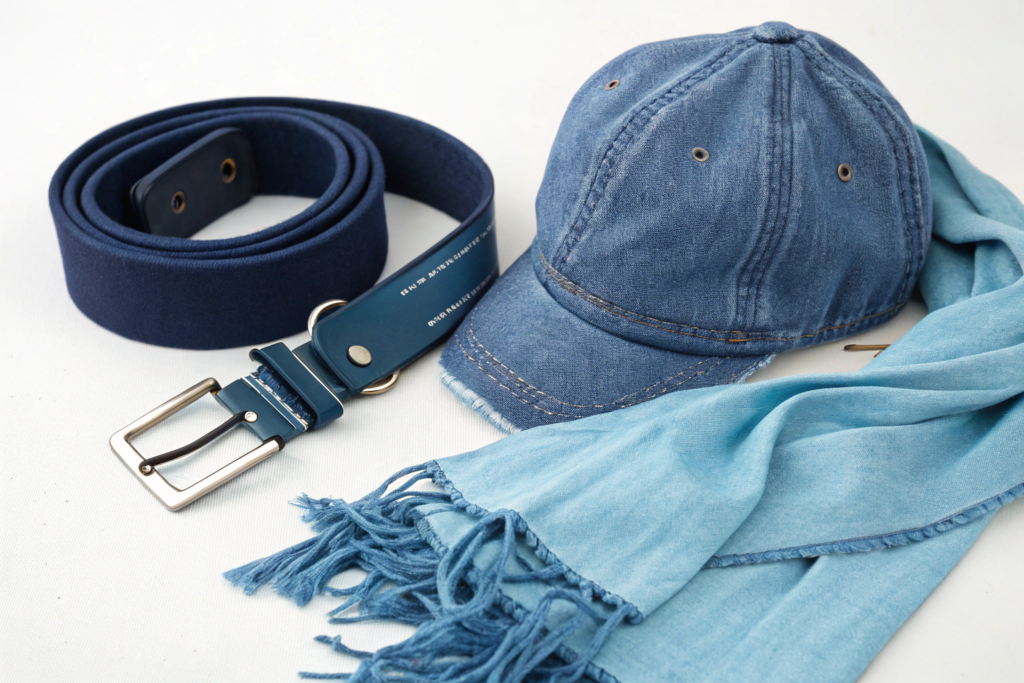
Blue evokes calm, trust, and professionalism. It is the most popular color globally. In accessory design, blue is used for everyday items. A navy belt works with jeans or trousers. A blue scarf complements many outfits. Blue conveys reliability. A person wearing blue is perceived as trustworthy and competent. That is why many corporate logos are blue. Blue also has a calming effect. Light blues are soothing. Dark blues are authoritative. Blue is versatile. It works for casual, work, and formal accessories. It is a safe choice for brands that want broad appeal.
I want to share a story about a blue hat. A client wanted a hat for a corporate gift line. We chose navy blue. The hats were well-received. The recipients felt the color was professional. It was not too bold. It was not too casual. Blue was the right choice.
What Shades of Blue Are Most Effective?
Dark blues like navy are authoritative and professional. They are ideal for workwear and corporate gifts. Medium blues are calming and approachable. They work for casual accessories. Light blues are soothing and fresh. They are popular for spring and summer collections. Bright blues are energetic. They are used for sportswear and youth brands. The shade matters. We help clients select the right shade of blue for their product.
How Does Blue Compare to Other Cool Colors?
Blue is cooler than green. It is more formal. It is more associated with trust. Green is associated with nature. Blue is associated with stability. Both are calming. But blue is more versatile. It works in more contexts. For professional accessories, blue is often preferred. For eco-friendly brands, green may be better. We help clients choose between cool colors.
How Does Yellow Convey Happiness and Energy?
Yellow is the color of sunshine. It is the color of optimism. I have seen yellow accessories bring joy. A yellow hair clip brightens a hairstyle. A yellow scarf adds a pop of color. But yellow is not for everyone. It can be overwhelming.
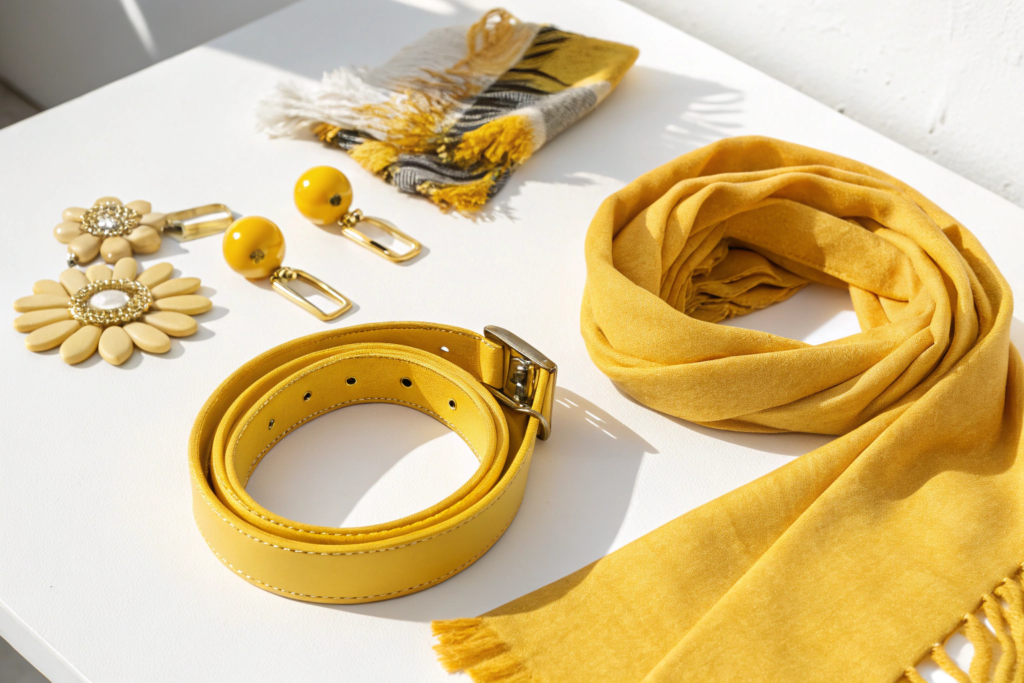
Yellow evokes happiness, optimism, and energy. It is a bright, cheerful color. In accessory design, yellow is used for playful, youthful items. A yellow hair clip or a yellow bag adds a pop of color. Yellow also conveys creativity. It is associated with innovation and new ideas. But yellow can also be overwhelming. Bright yellows are attention-grabbing. They are best used as accents. Softer yellows like mustard are more subdued. They are easier to wear. Yellow is popular for spring and summer collections. It is also used for children's accessories.
I want to share a story about a yellow scarf. A client wanted a scarf for a summer collection. We chose a bright yellow. It sold well. Customers said it made them happy. It brightened their outfits. It was a risk, but it paid off.
When Should You Use Yellow in Accessories?
Use yellow when you want to convey happiness and energy. For summer collections, yellow is essential. For children's accessories, yellow is popular. For brands that want to appear youthful and fun, yellow is effective. But use it carefully. Bright yellow can be overpowering. Use it as an accent. A yellow belt with a neutral outfit. A yellow hair clip in dark hair. A yellow scarf with a blue coat. We offer a range of yellow accessories.
What Are the Cultural Associations of Yellow?
In Western cultures, yellow is associated with sunshine, happiness, and caution. In some cultures, yellow is associated with cowardice. In China, yellow was historically the color of emperors. It is associated with power and royalty. In India, yellow is associated with purity and spirituality. When designing for different markets, consider these associations. We help clients navigate yellow in different cultures.
How Does Green Connect to Nature and Wellness?
Green is the color of nature. It is the color of growth. It is the color of wellness. I have seen green accessories become more popular as consumers focus on health and sustainability. A green scarf feels fresh. A green hat feels grounded.
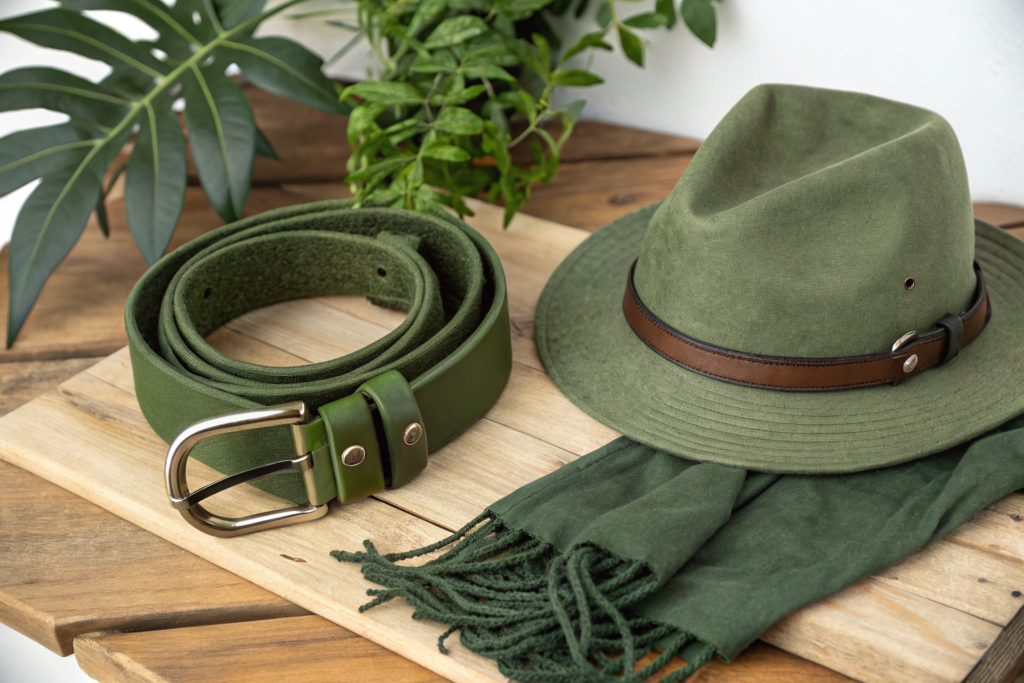
Green evokes nature, growth, and harmony. It is a calming color. In accessory design, green is used for eco-friendly and wellness brands. A green scarf or a green belt suggests sustainability. Green also conveys balance. It is associated with health and well-being. Different shades of green have different meanings. Forest green is rich and traditional. Olive green is earthy and military-inspired. Sage green is soft and calming. Emerald green is luxurious. Green is popular for spring and summer. It is also used for outdoor and activewear.
I want to share a story about a green hat. A client wanted a hat for an outdoor brand. We chose olive green. The hat sold well. Customers associated it with nature. It felt authentic to the brand. Green was the right choice.
What Shades of Green Are Most Popular?
Forest green is classic. It is rich and traditional. It works for fall and winter collections. Olive green is earthy. It is popular for outdoor and military-inspired styles. Sage green is soft. It is popular for spring and wellness brands. Emerald green is luxurious. It is used for premium accessories. Mint green is fresh. It is popular for summer. The shade matters. We help clients select the right shade of green.
How Does Green Compare to Blue?
Green is warmer than blue. It is more associated with nature. Blue is more associated with stability. Both are calming. For eco-friendly brands, green is often preferred. For professional brands, blue is often preferred. For wellness brands, green is a good choice. We help clients choose between green and blue.
How Does Purple Evoke Luxury and Creativity?
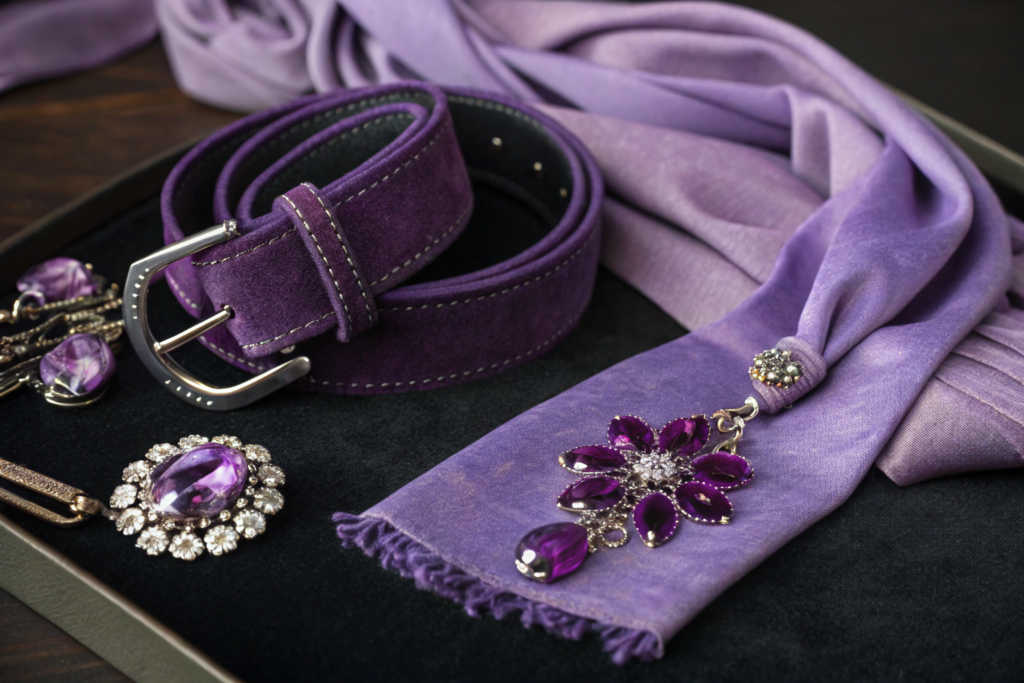
Purple is the color of royalty. It is the color of luxury. It is the color of creativity. I have seen purple accessories used for premium lines. A purple belt signals sophistication. A purple scarf adds a touch of elegance. Purple is not for every brand. But for those that use it, it is powerful.
Purple evokes luxury, creativity, and spirituality. Historically, purple was rare and expensive. It was associated with royalty. Today, purple still conveys premium quality. In accessory design, purple is used for high-end items. A purple velvet belt or a purple silk scarf suggests luxury. Lighter purples like lavender are softer. They evoke romance and nostalgia. Purple also conveys creativity. It is associated with artists and innovators. Purple is popular for evening wear and special occasions. It is also used for brands that want to appear creative and unique.
I want to share a story about a purple bag. A client wanted a bag for a luxury line. We chose a deep purple leather. The bag was beautiful. It sold at a premium price. Customers associated the color with quality. Purple was a key part of the brand's identity.
When Should You Use Purple in Accessories?
Use purple when you want to convey luxury and creativity. For evening wear, purple accessories are striking. For premium brands, purple can be a signature color. For artistic or creative brands, purple aligns with the identity. But use it carefully. Purple is not as versatile as black or blue. It works best as a statement color. We offer a range of purple accessories.
What Are the Cultural Associations of Purple?
In Western cultures, purple is associated with royalty, luxury, and spirituality. In some Asian cultures, purple is associated with mourning. In Thailand, purple is the color of mourning for widows. When designing for different markets, consider these associations. We help clients navigate purple in different cultures.
Conclusion
Color is not just decoration. It is psychology. It is emotion. It is communication. Red evokes excitement and passion. Blue evokes trust and calm. Yellow evokes happiness and energy. Green evokes nature and wellness. Purple evokes luxury and creativity. Black and white are the timeless foundations.
Understanding these psychological effects allows you to design accessories that resonate with your customers. A red belt can make a statement. A blue scarf can convey professionalism. A yellow hair clip can bring joy. A green hat can signal sustainability. A purple bag can suggest luxury. A black belt is a staple. A white scarf is classic.
At Shanghai Fumao, we use color psychology in every project. We help our clients choose colors that align with their brand and their customers. We create accessories that are not just beautiful but meaningful.
Your brand deserves colors that tell the right story. Let us help you choose them. Please contact our Business Director, Elaine, at elaine@fumaoclothing.com to discuss your accessory line. We can help you select colors that evoke the right emotions and resonate with your customers.