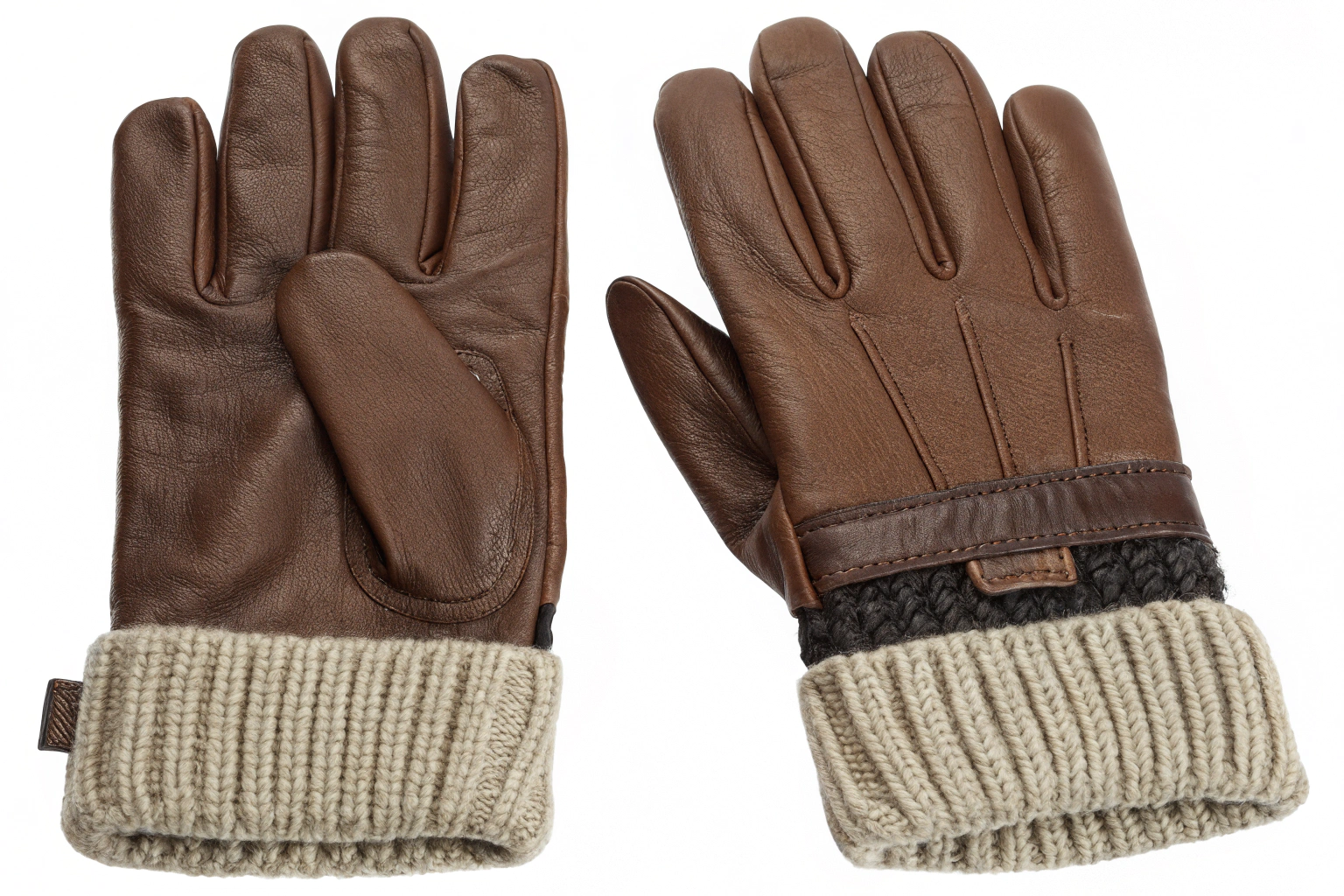
When you invest in personalized accessories for your customers—whether it’s embroidered baseball caps, engraved belts, or custom scarves—you want them to arrive in perfect condition, on time, and within budget. Many importers and brand owners, especially in the U.S. and Europe, often face challenges such as unclear shipping timelines, high costs, and complicated logistics for customized products.
The good news is that there are several reliable options for shipping personalized accessories internationally. Whether you prioritize speed, cost-efficiency, or sustainability, you can choose from air freight, sea freight, express couriers, or even hybrid solutions. Each method has its pros and cons, and the right choice often depends on order volume, lead time, and customer expectations.
Choosing the right shipping method is not just a logistics decision—it’s a brand reputation decision. Let’s explore the most common and effective shipping options so you can deliver personalized accessories with confidence.
How to Ship Customized Accessories Internationally?
When you plan to ship customized accessories overseas, you have to consider more than just the distance. You need to think about customs clearance, tariffs, product safety, and the timing of your shipments. Many first-time buyers underestimate the importance of choosing a suitable international shipping strategy, especially for goods with personalization.
The most common methods are air freight, sea freight, and express couriers. Air freight is fast but more expensive; sea freight is economical for large volumes but takes longer; express couriers like DHL, UPS, and FedEx are great for small orders with strict delivery timelines. Some importers also use hybrid models—combining sea freight for bulk inventory and express shipping for urgent samples or pre-launch stock.
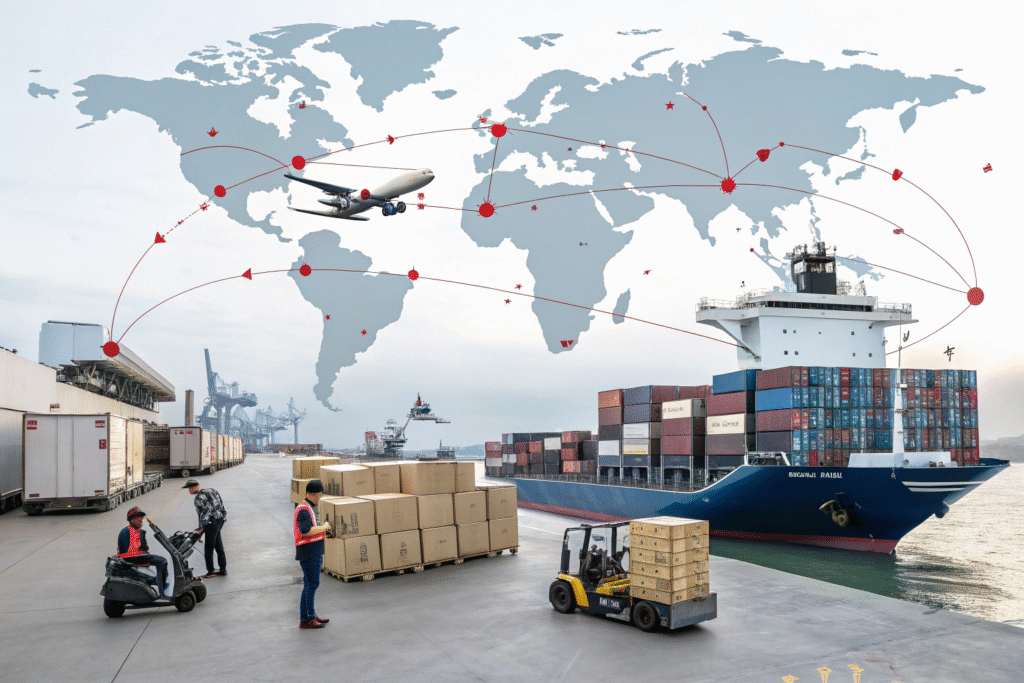
By understanding the requirements of each method and matching them to your business priorities, you can ensure your personalized products reach your customers safely and on time.
What Documents Are Needed for International Shipping?
Every shipping method requires specific documentation. For example, commercial invoices and packing lists are necessary for customs clearance. Certificates of origin might be required depending on trade agreements, and some countries demand product-specific certifications for textiles or leather goods. Missing documents can lead to delays and storage fees at the port or airport.
How Can You Protect Personalized Items During Transit?
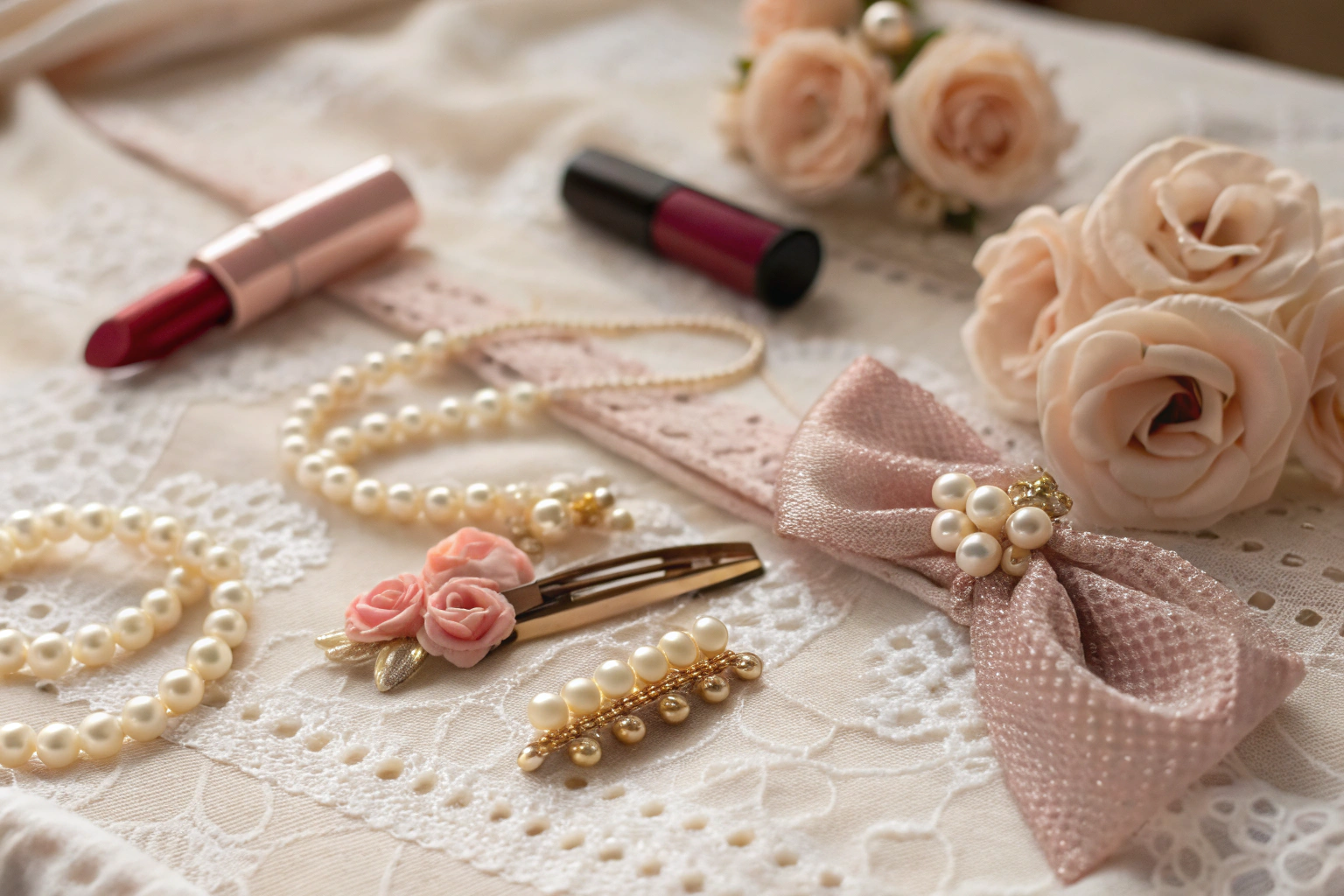
To prevent damage, use high-quality packaging materials and protective layers for delicate items. For example, bubble wrap can protect hair accessories, while reinforced cartons work well for hats and bags. Consider adding moisture-absorbing packets inside the boxes if shipping to humid regions.
Best Packaging Solutions for Personalized Products
Packaging for personalized accessories is more than just protection—it’s part of the unboxing experience. A high-end brand cannot afford to send custom accessories in plain or damaged boxes. Customers expect attractive, secure, and brand-consistent packaging.
The best packaging for personalized items should be sturdy, branded, and designed to prevent movement during transit. This means using custom-fit inserts, eco-friendly materials, and moisture protection. In some cases, using branded dust bags for hats or scarves not only adds value but also protects the product.
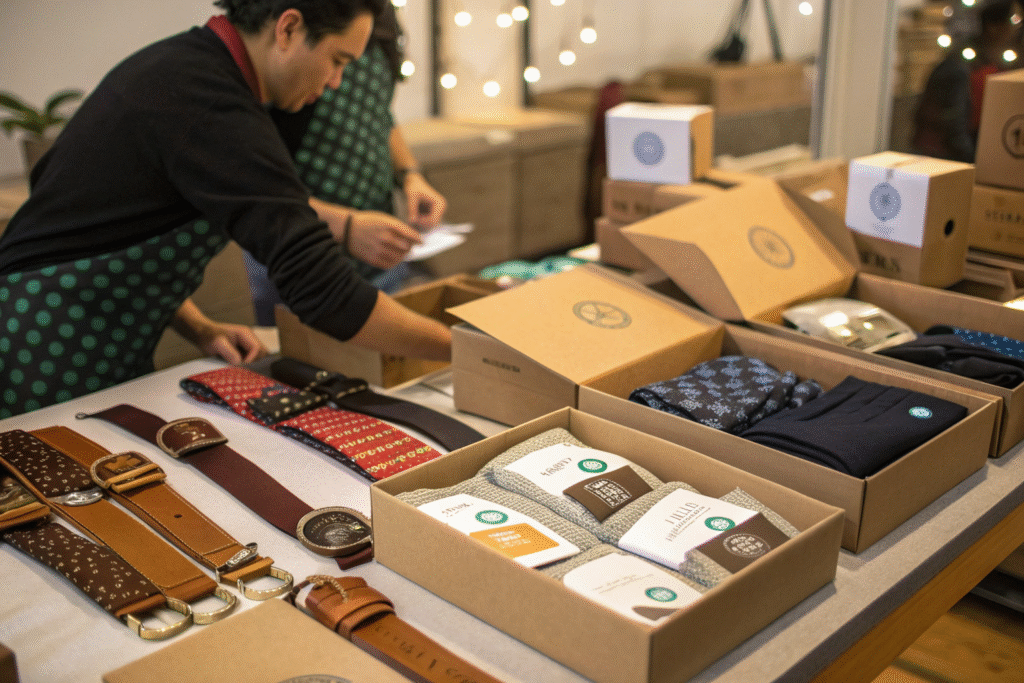
Beyond protection, packaging also communicates your brand values. Sustainable materials can appeal to environmentally conscious consumers, while premium finishes can reinforce a luxury image.
What Eco-Friendly Packaging Options Are Available?
Today, suppliers offer a variety of eco-friendly packaging materials, from biodegradable bubble wrap to recycled cardboard boxes. Using sustainable materials not only helps the environment but also enhances your brand’s appeal to green-conscious buyers.
How to Balance Cost and Presentation in Packaging?
A good strategy is to use affordable but high-quality base materials and then add branded elements like custom stickers or printed tissue paper. This keeps costs low while still delivering a premium feel during unboxing.
Cost-Effective Shipping Methods for Bulk Orders
For bulk orders of personalized accessories, cost efficiency becomes the top priority. Air freight for a full container load is rarely viable; instead, most importers choose sea freight. While slower, it offers the lowest cost per unit and can handle very large volumes.
The two main options are FCL (Full Container Load) and LCL (Less than Container Load). FCL is ideal for large orders where you can fill the entire container, while LCL allows you to share container space with other shippers, reducing cost for smaller shipments. Freight forwarders can help optimize loading plans to minimize wasted space.
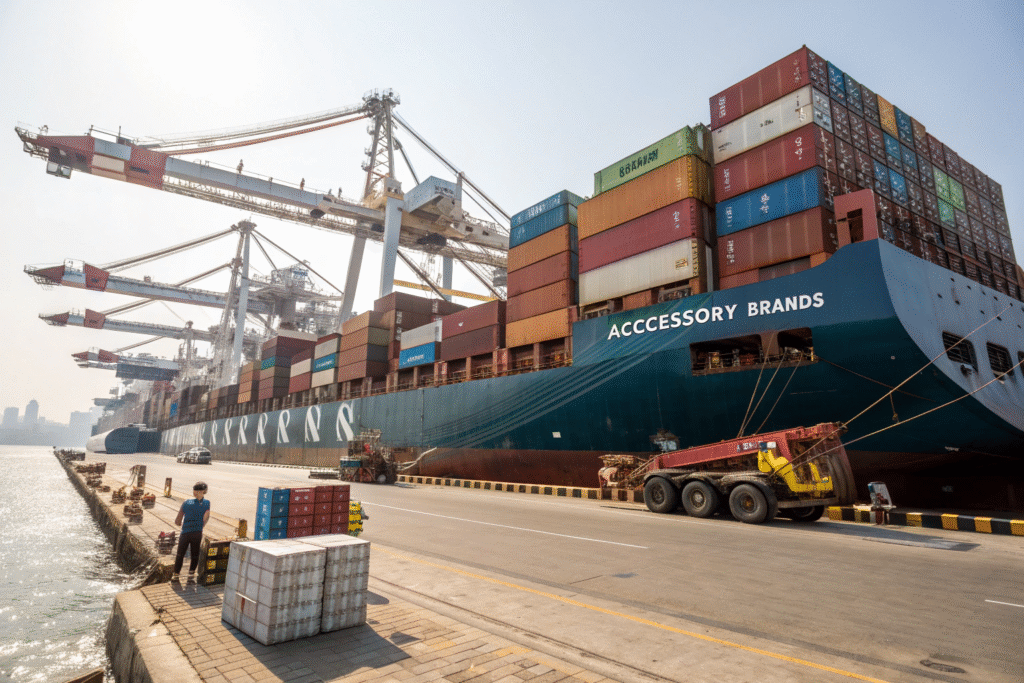
Managing lead times and inventory planning is crucial here because sea freight can take 20–40 days from China to the U.S. or Europe.
What Is the Difference Between FCL and LCL?
FCL gives you exclusive use of a container, reducing the risk of damage and delays. Maersk offers detailed guidance on both options. LCL, on the other hand, is cheaper for smaller loads but can lead to longer transit times since the container needs to be consolidated and deconsolidated.
How to Reduce Bulk Shipping Costs Further?
Negotiate long-term contracts with shipping companies or work with a freight forwarder to get better rates. You can also ship during off-peak seasons when rates are lower.
How to Avoid Delays in Customized Accessories Delivery?
Even with the best planning, delays can occur. For personalized accessories, any delay can affect seasonal sales, special events, or product launches.
The key to avoiding delays is proactive communication and accurate forecasting. Provide your supplier with clear deadlines and buffer times. Use tracking tools to monitor shipments in real time and respond quickly to customs inquiries or logistical disruptions.
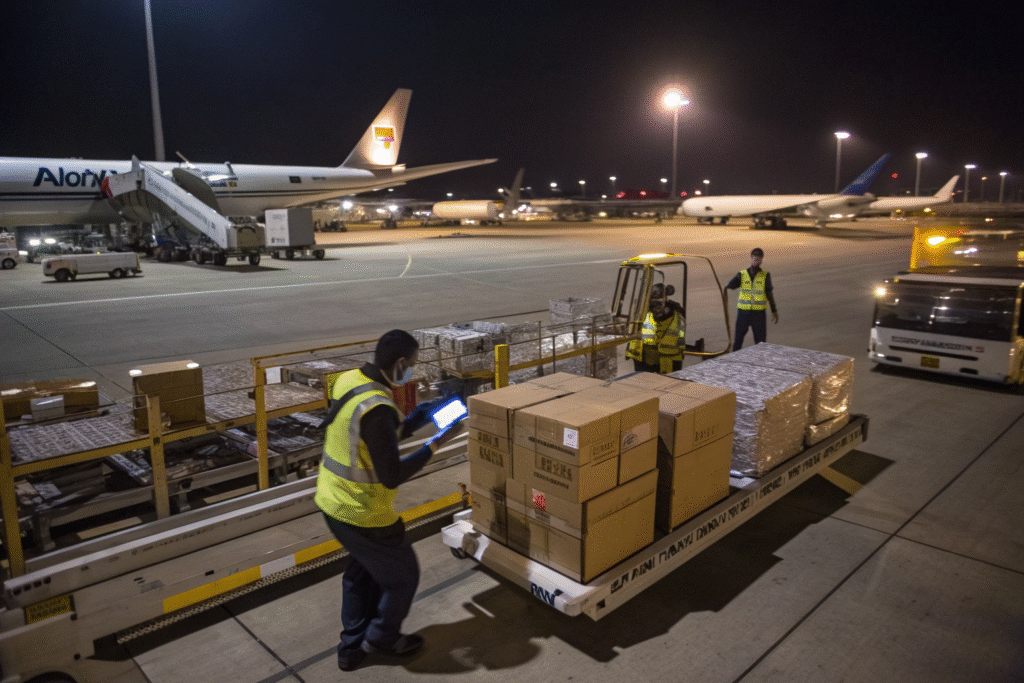
Proper planning also means preparing for peak shipping seasons like Christmas or Chinese New Year, when freight capacity can be tight.
How to Handle Customs Clearance Smoothly?
Work with a customs broker who understands your product category. They can help ensure your HS codes are correct, duties are calculated properly, and paperwork is submitted on time. Incorrect classification can lead to costly delays.
What Technology Can Help Prevent Delays?
Using a supply chain management platform allows you to track orders, shipments, and inventory levels in one place. These tools can alert you to potential issues before they become serious delays.
Conclusion
Shipping personalized accessories internationally requires balancing speed, cost, and customer expectations. Air freight, sea freight, and express courier services all have their place, and packaging plays a vital role in protecting and presenting your products. By understanding the pros and cons of each method and preparing for potential delays, you can deliver your customized products on time and in perfect condition.
If you want to produce your own line of accessories with personalized designs, our company Shanghai Fumao can help. Contact our Business Director Elaine at elaine@fumaoclothing.com to start your project today.