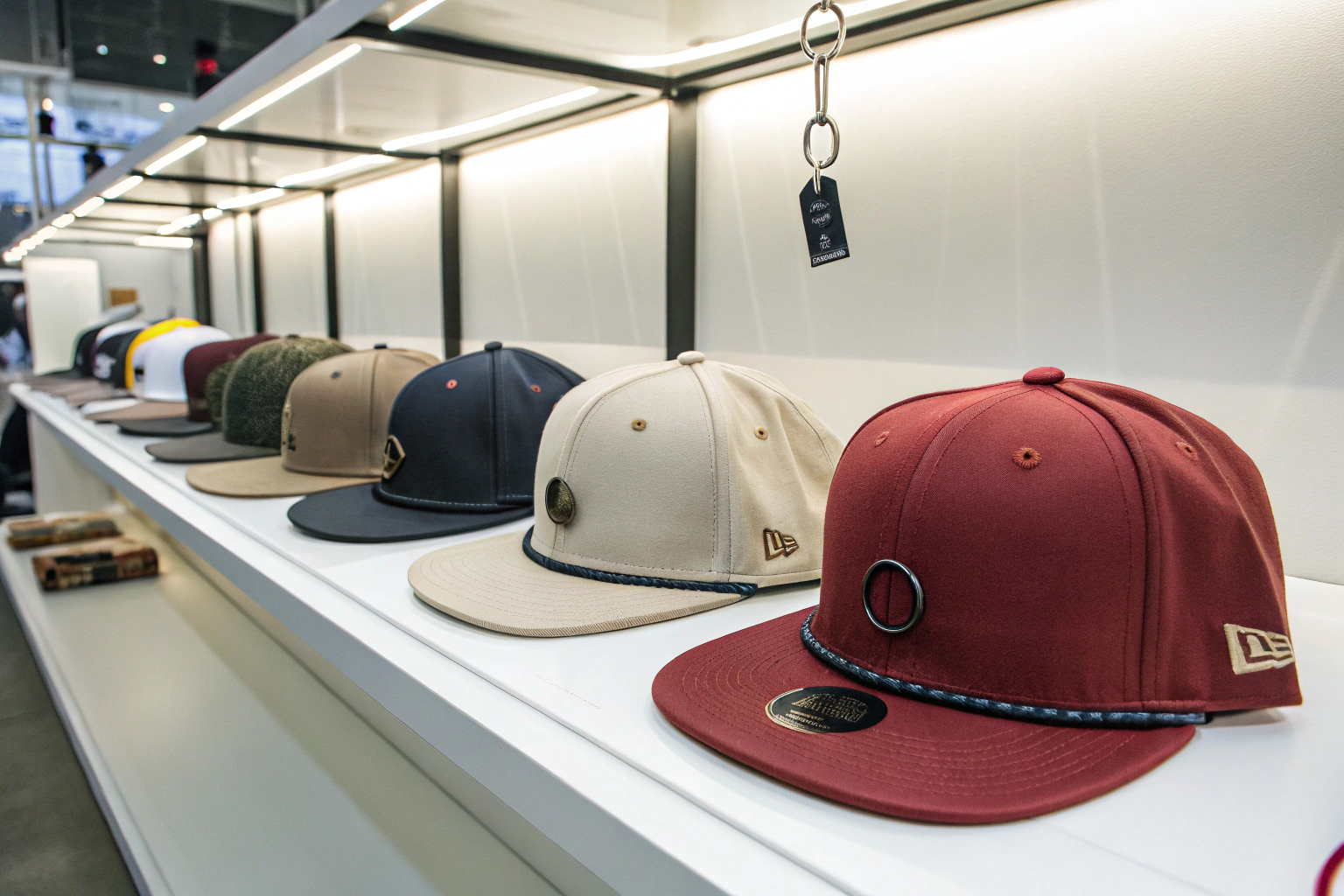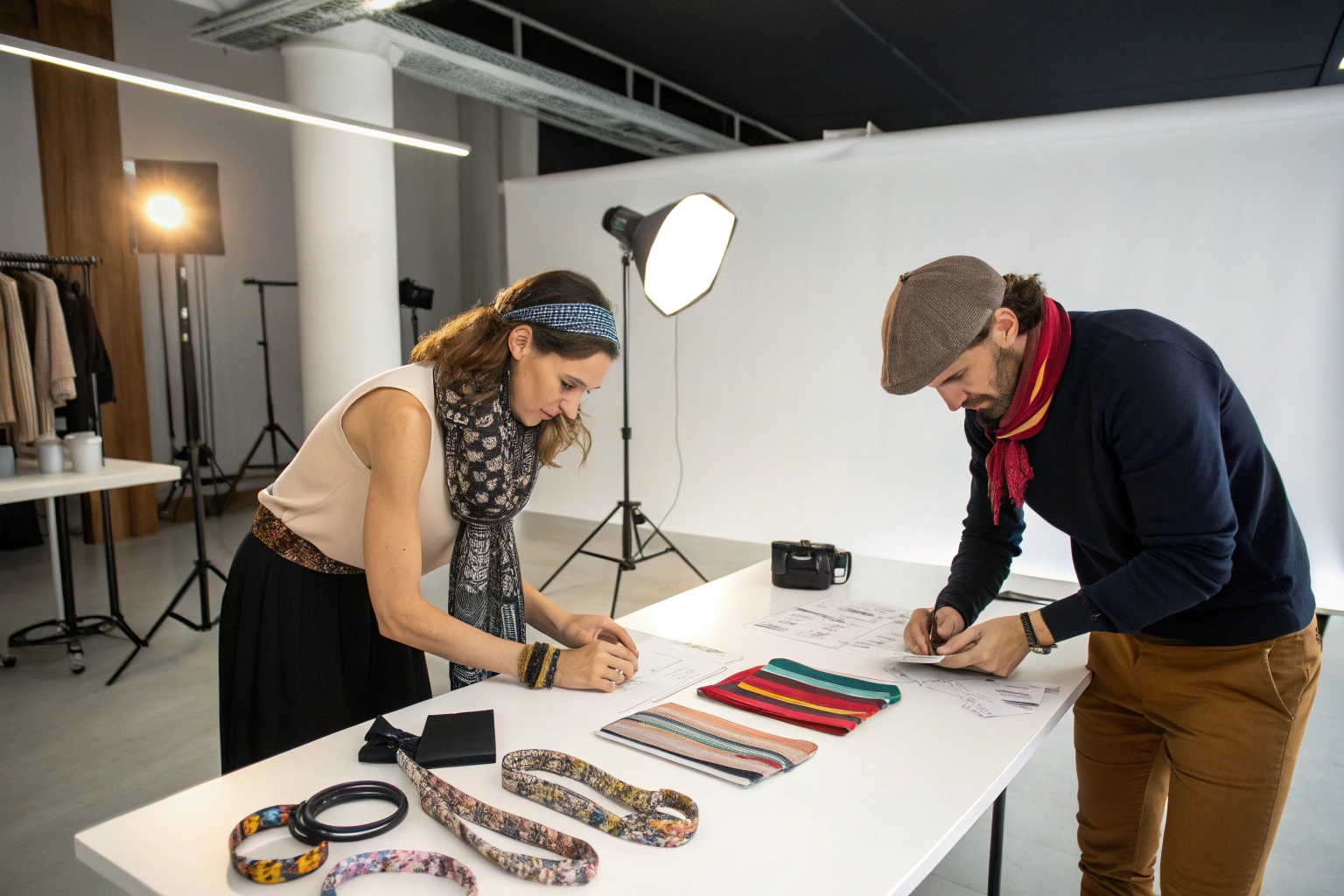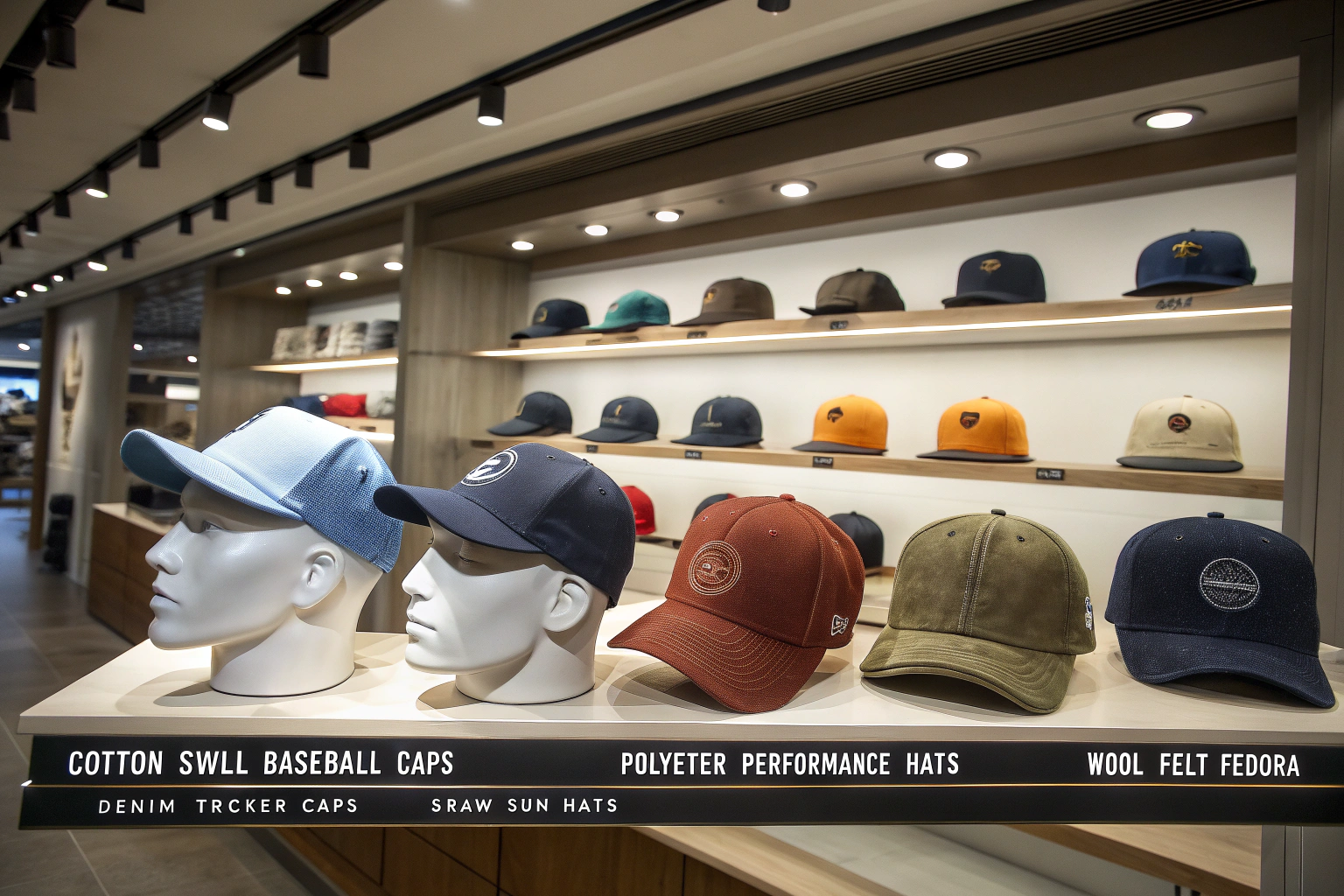
I have been manufacturing hats for the US market for over 15 years. In that time, I have seen fabric preferences shift. When I first started, cotton twill was the dominant fabric for baseball caps. Wool felt was the standard for dress hats. But the US market has evolved. Today, American consumers want variety. They want performance fabrics for active wear. They want natural fibers for everyday style. They want sustainable options. I remember a conversation with a buyer from a major US sporting goods chain. He told me, "My customers are running marathons in the morning and going to brunch in the afternoon. They need hats that work for both." That conversation pushed me to expand our fabric offerings. Today, we work with a wide range of materials to meet the diverse needs of the US market. Let me share what I have learned.
The most popular hat fabrics for the US market are cotton twill, polyester performance fabrics, wool felt, denim, and straw. Cotton twill remains the standard for casual baseball caps and lifestyle hats. It is breathable, durable, and takes embroidery well. Polyester performance fabrics, including moisture-wicking and stretch materials, dominate the active and outdoor categories. Wool felt is the classic choice for fedoras, flat caps, and cold-weather styles. Denim offers a casual, Americana aesthetic that appeals to a wide range of consumers. Straw hats, including paper straw and raffia, are essential for summer and resort wear. Each fabric has a distinct role in the US market, and understanding these preferences is key to successful hat sourcing.
You might be wondering why these specific fabrics dominate. The answer is in the American lifestyle. The US market is diverse. It includes coastal cities, rural areas, and everything in between. Consumers wear hats for different reasons: sun protection, fashion, sports, work. The fabric choices reflect these varied needs. At AceAccessory, we have built our hat production around understanding these needs. We know what sells and why. Let me walk you through each popular fabric and its role in the US market.
Why Is Cotton Twill the Standard for Casual Hats?
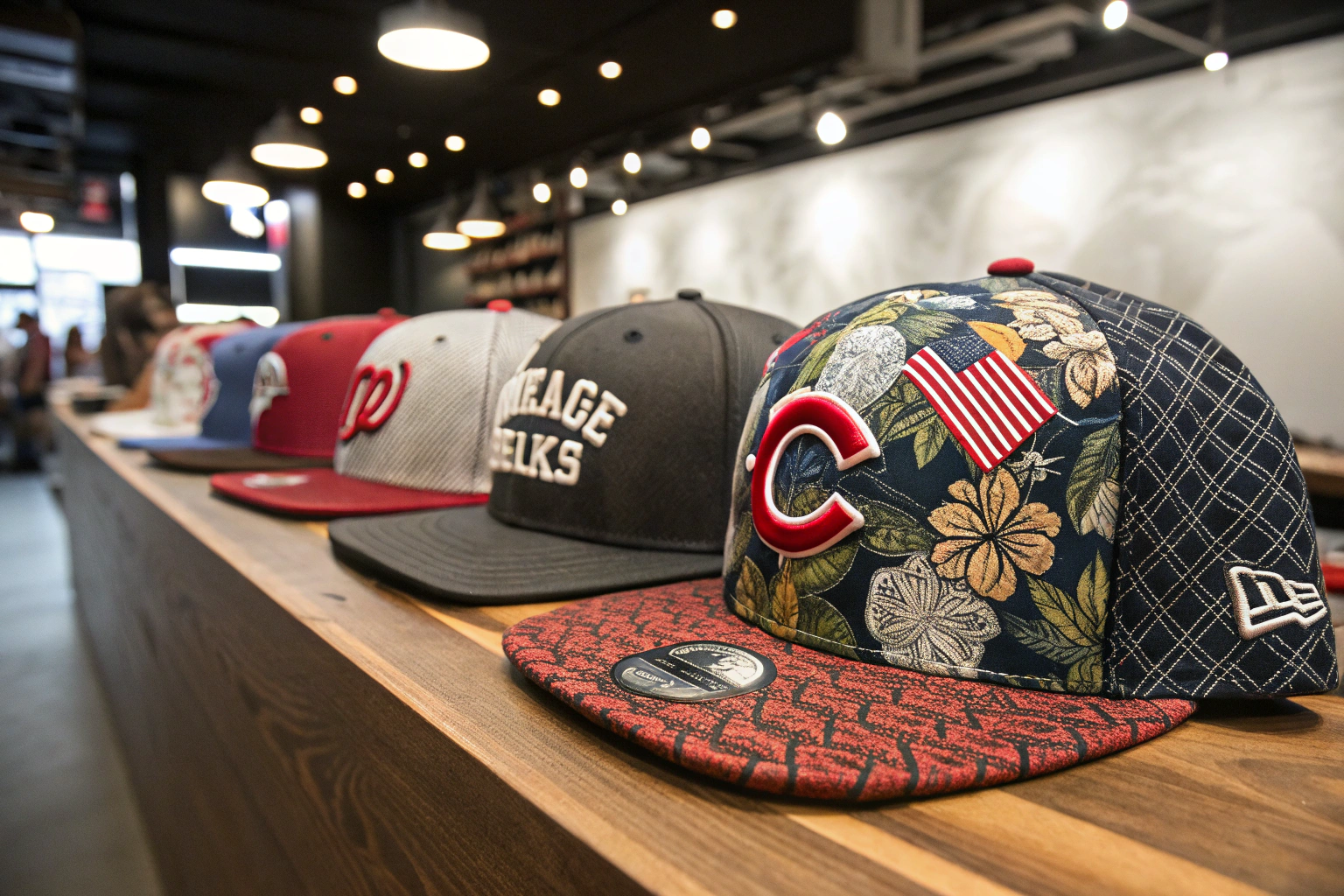
If you walk down any street in America, you will see cotton twill hats. They are everywhere. Baseball caps, trucker hats, dad hats. Cotton twill is the fabric that built the American hat industry. I have produced millions of cotton twill hats for US clients. The reason for its popularity is simple. It works. It is comfortable. It looks good. It lasts.
Cotton twill is the standard for casual hats in the US market because it offers the ideal combination of comfort, durability, and customization potential. Cotton twill is a woven fabric with a distinctive diagonal rib pattern. This weave gives the fabric strength and structure. It is breathable, which is essential for hats worn in warm weather. It is durable enough to withstand daily wear and repeated washing. Most importantly, cotton twill takes embroidery exceptionally well. The tight weave holds stitches cleanly, making it the preferred fabric for hats with logos, monograms, or decorative stitching. For these reasons, cotton twill baseball caps and dad hats remain the top-selling styles in the casual hat category.
I want to talk about the different types of cotton twill. Not all twill is the same. The weight matters. A lightweight twill, around 6 ounces, is good for summer hats. It is breathable and soft. A heavyweight twill, 8 to 10 ounces, is more structured. It holds its shape better. It is ideal for caps that need a firm silhouette. The quality of the cotton also matters. Long-staple cotton produces a smoother, more durable fabric. We use premium cotton twill for our clients who want the best quality. The finishing also matters. A brushed twill has a soft, almost suede-like feel. It is popular for lifestyle caps. A plain twill has a crisp, clean look. It is the standard for sports caps. Understanding these variations allows us to match the fabric to the client's needs.
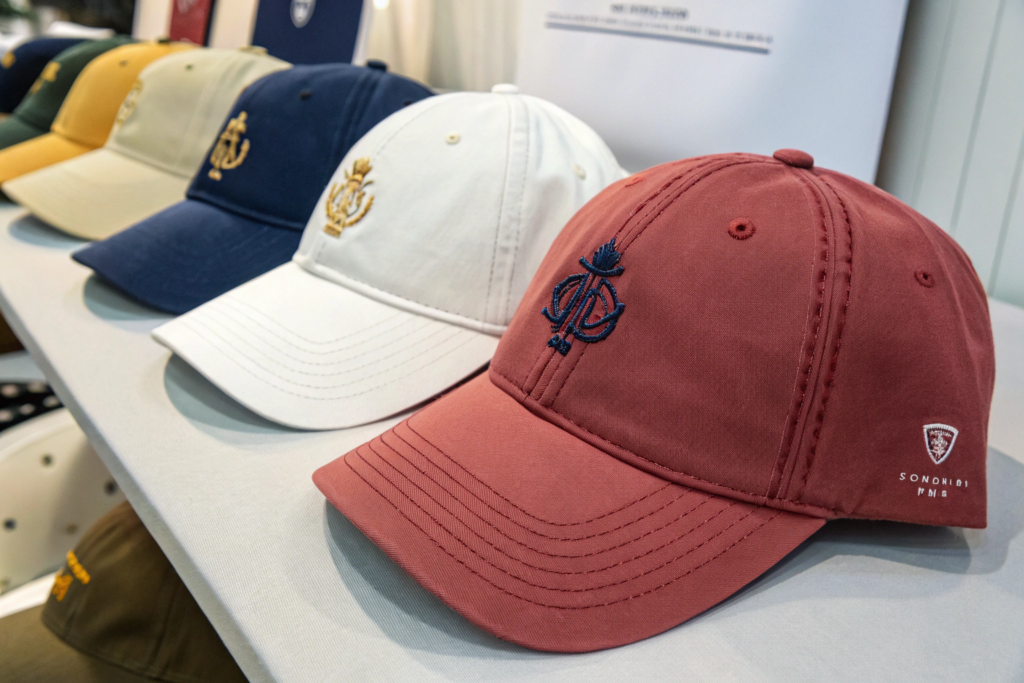
What Makes Cotton Twill Ideal for Embroidery?
Embroidery is a critical factor in the US hat market. Americans love hats with logos. Sports teams, brands, companies, events. The hat is a canvas for the logo. Cotton twill is the perfect canvas. The tight, even weave provides a stable surface. The embroidery needle penetrates cleanly without distort the fabric. The stitches sit on the surface, creating a crisp, professional look. The fabric also holds color well. A logo embroidered on cotton twill will look sharp for years. We use computerized embroidery machines to achieve consistent results. We can embroider anything from simple one-color logos to complex, multi-color designs. For our clients, this means they can put their brand on a hat that looks professional and lasts. The embroidered cotton twill cap is a staple of the US market.
How Does Cotton Twill Compare to Blended Fabrics?
Cotton twill is sometimes blended with polyester. A 60/40 cotton-polyester blend is common. The blend offers advantages. Polyester adds durability. It resists shrinking and wrinkling. It also helps the hat hold its shape. The downside is that the fabric is slightly less breathable than 100% cotton. For active wear, pure cotton or performance fabrics may be better. For everyday casual wear, the blend is popular. It offers a balance of comfort and durability. We offer both options. For clients who want a classic, all-natural feel, we recommend 100% cotton twill. For clients who want maximum durability and shape retention, we recommend a cotton-polyester blend. The choice depends on the intended use. A casual lifestyle cap might use 100% cotton. A hat for frequent wear might use a blend.
Why Are Performance Fabrics Dominating the Active Hat Market?
The active hat market in the US has exploded in recent years. Americans are more active than ever. They run, hike, golf, and spend time outdoors. They need hats that can keep up. Standard cotton twill does not work for these activities. It absorbs sweat. It becomes heavy. It does not dry quickly. Performance fabrics have filled this gap. I have seen this category grow significantly. Clients who used to order only cotton caps are now adding performance hats to their collections.
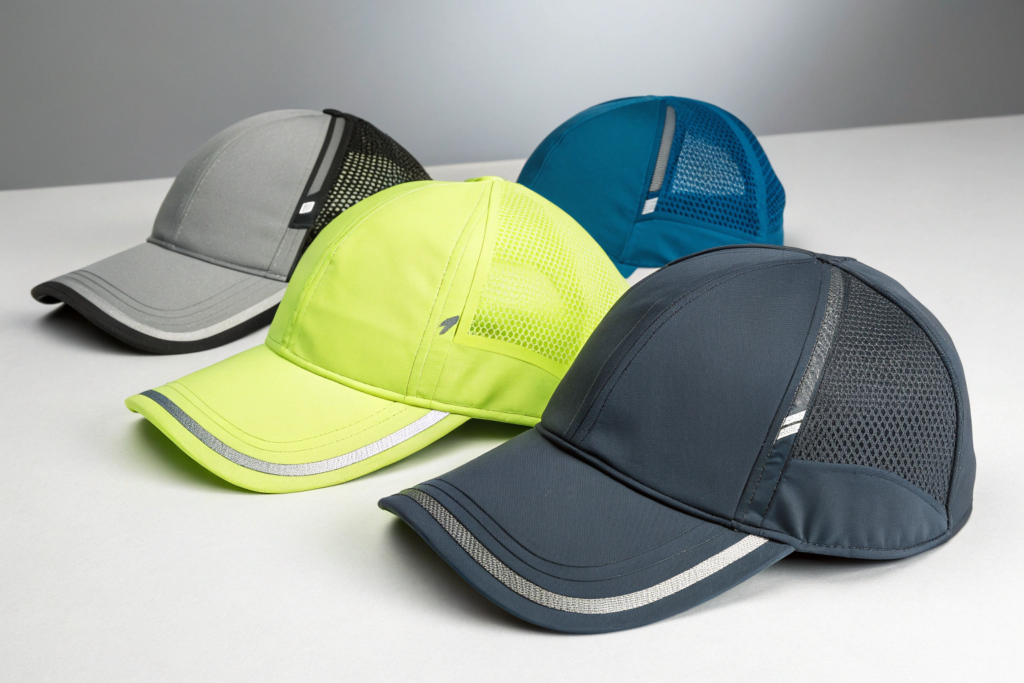
Performance fabrics are dominating the active hat market in the US because they offer moisture-wicking, quick-drying, and stretch properties that cotton cannot match. Polyester performance fabrics are engineered with specialized fibers that pull moisture away from the skin and spread it across the surface for rapid evaporation. This keeps the wearer dry and comfortable during physical activity. Many performance hats also incorporate spandex or elastane for stretch, providing a secure, comfortable fit that moves with the wearer. Mesh panels are often added for ventilation. These technical features make performance hats the preferred choice for running, hiking, golf, and other outdoor activities.
I remember a client who came to us with a specific need. They were a running apparel brand. Their customers needed hats that could handle long runs in hot weather. We developed a hat using a lightweight polyester performance fabric. The fabric had moisture-wicking properties. The hat had mesh side panels for ventilation. It also had a sweatband that wicked moisture away from the forehead. The hat was a success. It sold out quickly. This experience showed me that the performance category is not just about function. It is about solving a specific problem for a specific customer.
What Are the Key Performance Features Americans Look For?
American consumers look for several key features in performance hats. Moisture-wicking is the most important. A fabric that pulls sweat away from the skin and dries quickly is essential for active wear. Next is breathability. Hats with mesh panels or laser-cut ventilation holes allow heat to escape. This prevents overheating. Stretch is another important feature. A hat that stretches to fit different head sizes is more comfortable and secure. It also reduces the need for multiple sizes. UV protection is increasingly important. Many performance hats now have UPF ratings. Consumers want sun protection along with comfort. Lightweight construction is also valued. A heavy hat is uncomfortable during physical activity. Performance hats are typically lightweight, often under 3 ounces. These features combine to create hats that are comfortable for all-day wear during active pursuits. We incorporate these performance features into all our active hat lines.
How Do Polyester and Nylon Compare for Performance Hats?
Polyester is the most common performance fabric. It is durable, lightweight, and moisture-wicking. It also holds color well and resists fading from UV exposure. Polyester can be engineered with different properties. Some polyester fabrics are brushed for a soft feel. Others are treated with antimicrobial finishes to prevent odor. Nylon is another option. It is stronger than polyester and has a smoother feel. It is often used for packable hats because it is lightweight and can be folded without creasing. Nylon also dries very quickly. The downside is that nylon is less breathable than polyester. For high-intensity activities, polyester is often preferred. For casual active wear or travel hats, nylon is a good choice. We offer both. We help our clients choose the right performance fabric based on the intended use of the hat.
What Role Does Wool Felt Play in the US Hat Market?
Wool felt has a special place in the US hat market. It is the fabric of tradition. Fedoras, flat caps, and wide-brim dress hats are made from wool felt. These hats are worn for style, not just function. They are associated with sophistication and timelessness. I have produced wool felt hats for clients ranging from high-end fashion brands to classic menswear labels. The market is not as large as the casual hat market, but it is loyal.
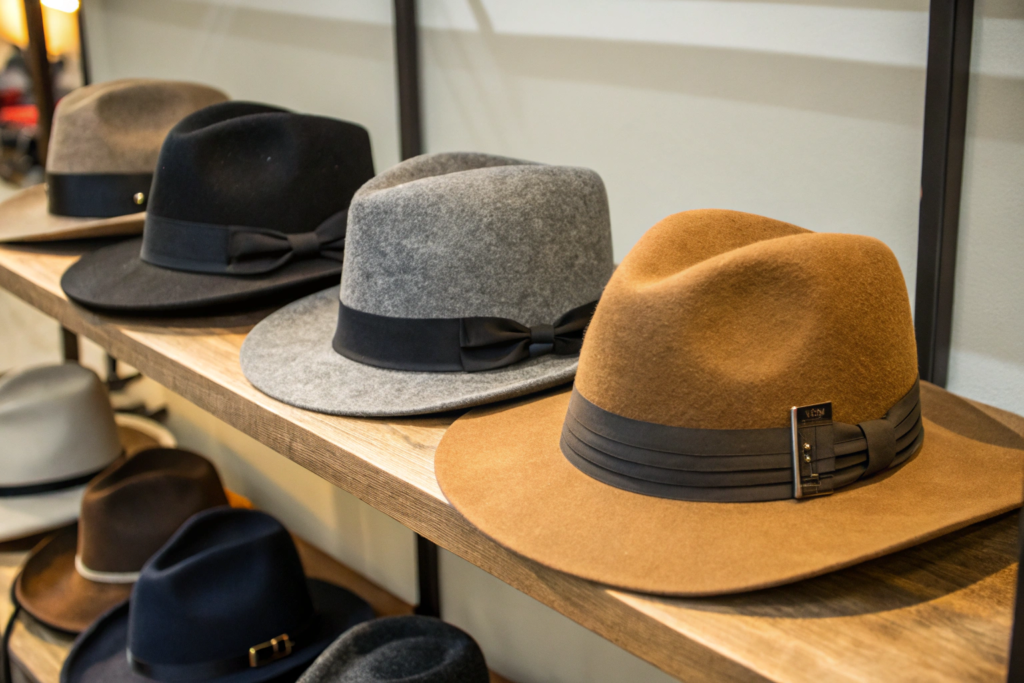
Wool felt plays a distinct role in the US hat market as the material for dress hats and cold-weather fashion. Wool felt is made from compressed wool fibers. The result is a dense, warm fabric that holds its shape exceptionally well. It can be molded into structured crowns and wide brims. The smooth surface of wool felt provides an elegant finish. It is available in a range of weights, from lightweight summer felts to heavy winter felts. For US consumers, wool felt hats are associated with classic style. They are worn for special occasions, cooler weather, and by consumers who appreciate traditional craftsmanship.
I want to talk about the different types of wool felt. Not all felt is the same. The quality is determined by the wool fibers. Fine wool, like merino, produces a softer, smoother felt. It is more comfortable against the skin. It also holds shape better. Coarse wool produces a rougher felt. It is less expensive but less comfortable. The density of the felt also matters. A dense felt is more durable and holds its shape better. It is also warmer. For fashion hats, we use high-quality wool felt. It provides the look and feel that consumers expect. For promotional or costume hats, we may use a lower-grade felt. The choice depends on the target customer.
What Is the Difference Between Wool Felt and Fur Felt?
This is a common question. Wool felt is made from sheep's wool. Fur felt is made from animal fur, typically rabbit or beaver. Fur felt is considered higher quality. It is softer, more durable, and more water-resistant. It is also more expensive. For the US market, wool felt is more common. It offers a good balance of quality and affordability. Fur felt is used for premium hats, often in the $100+ price range. Most of our clients choose wool felt. It meets the needs of the majority of US consumers. For clients targeting the luxury market, we offer fur felt options. The difference is noticeable to discerning customers. The wool felt hat remains the standard for the mid-range dress hat market.
How Is Wool Felt Used for Cold-Weather Hats?
Wool felt is an excellent cold-weather material. The dense fibers trap heat, keeping the head warm. Wool is also naturally water-resistant. It repels light rain and snow. This makes wool felt hats practical for fall and winter. In the US, wool felt hats are most popular from October through March. The styles vary by region. In the Northeast, traditional fedoras and flat caps are popular. In the West, wide-brim cowboy-style felt hats are common. In urban areas, modern interpretations of classic styles are trending. We produce a range of cold-weather wool felt hats to meet this regional and stylistic diversity.
Why Are Denim and Straw Essential for Specific Seasons and Styles?
Denim and straw occupy specific niches in the US hat market. Denim appeals to the casual, Americana aesthetic. Straw is essential for summer. Both have loyal followings. I have seen these categories grow as consumers look for hats that reflect their personal style and the season.
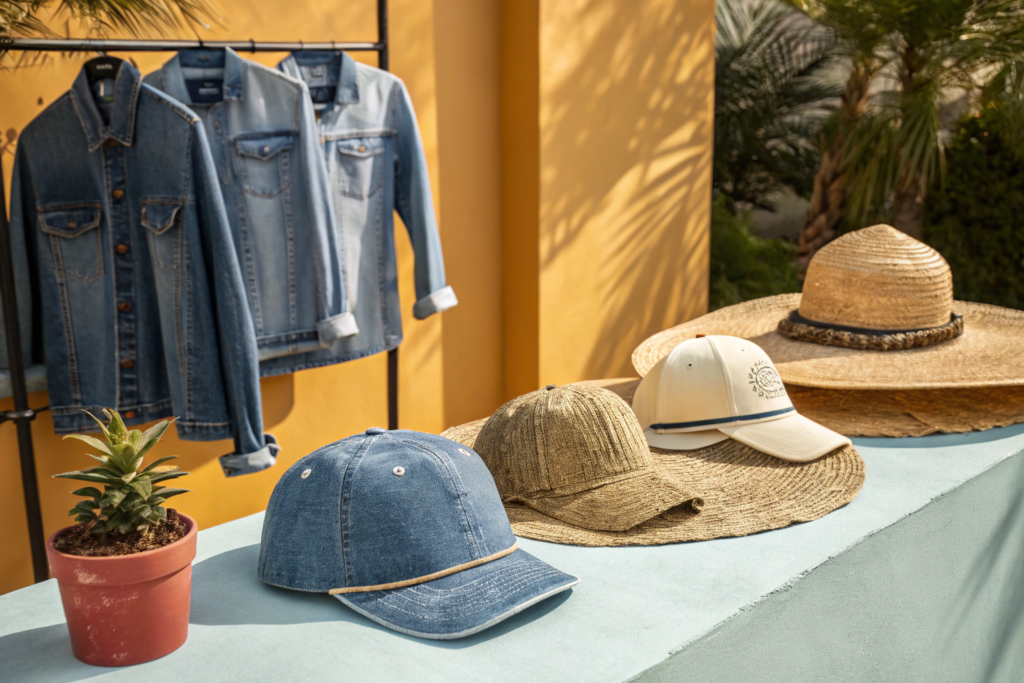
Denim and straw are essential fabrics for specific seasons and styles in the US market. Denim hats, including trucker caps, baseball caps, and bucket hats, appeal to consumers who appreciate a casual, rugged aesthetic. Denim is durable, comfortable, and develops character with wear. It is popular year-round but especially in spring and fall. Straw hats are the quintessential summer fabric. Paper straw, raffia, and seagrass are lightweight, breathable, and provide excellent sun protection. Straw hats are essential for beachwear, resort wear, and outdoor summer events. Both fabrics offer distinct aesthetics that resonate with specific consumer segments.
I want to share an observation about denim hats. They have a unique appeal. A denim hat is not a fashion statement. It is a lifestyle statement. It says "I am casual. I am authentic." Denim hats are popular in the southern and western United States. They are also popular among consumers who value Americana style. Straw hats have a different appeal. They say "I am relaxed. I am enjoying the sun." They are popular in coastal areas, at resorts, and during summer vacations. Understanding these associations helps our clients target the right customers.
What Makes Denim Hats Popular in the US?
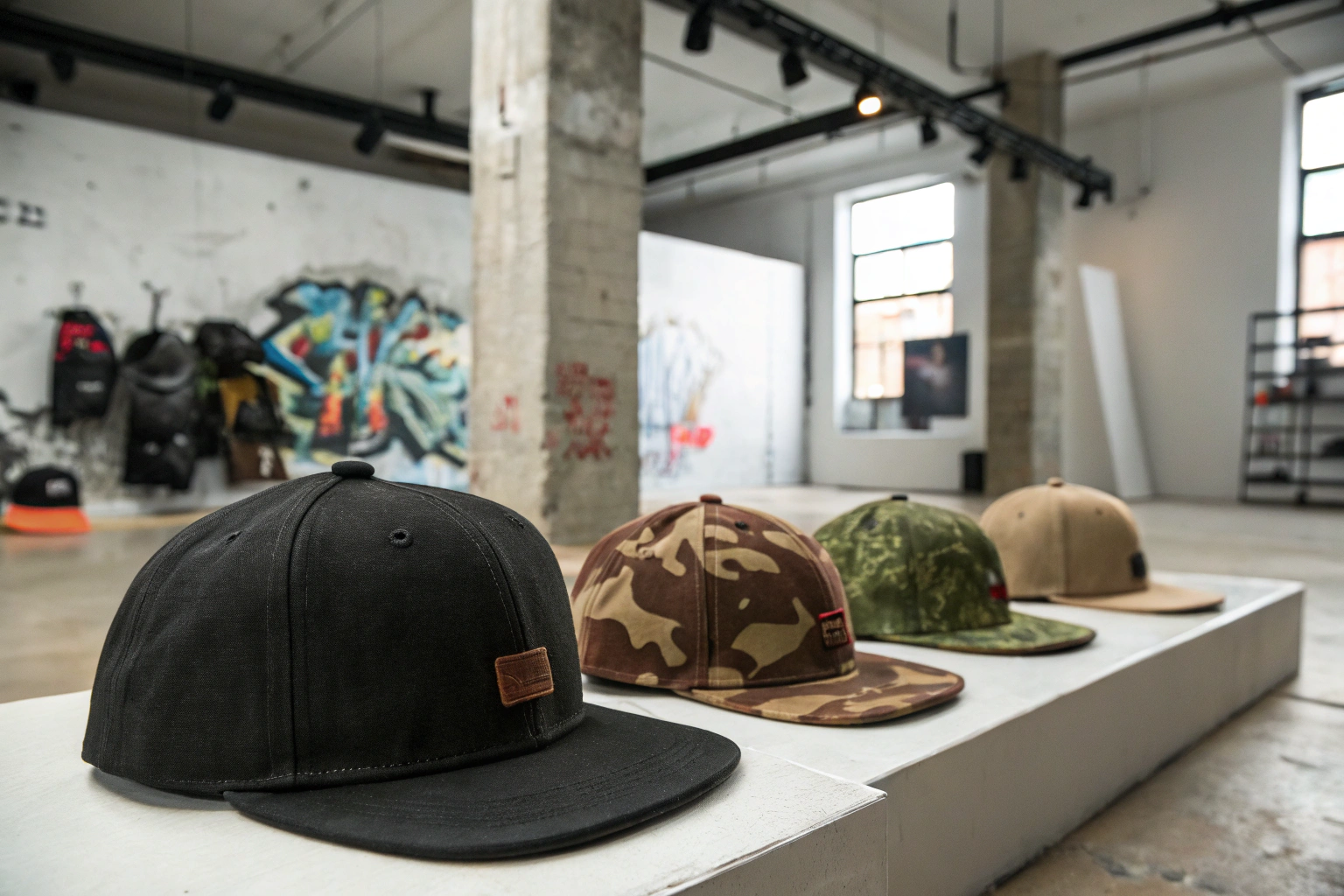
Denim is an American icon. It is associated with workwear, authenticity, and casual style. Denim hats tap into this cultural resonance. The fabric is durable. It can withstand daily wear. It is comfortable. The soft cotton fibers feel good against the skin. Denim also develops a unique patina over time. The fabric fades and softens with wear. This gives each hat a personalized look. Consumers appreciate this character. Denim hats are available in different washes. Light wash denim has a vintage, worn-in look. Dark wash denim has a cleaner, more polished appearance. Black denim offers a modern alternative. We offer denim hats in various styles. Denim trucker caps with mesh backs are popular for their breathability. Denim baseball caps are a classic choice. Denim bucket hats are trending for their retro appeal.
What Types of Straw Hats Are Most Popular?
The US straw hat market is diverse. Paper straw is the most common material. It is lightweight, flexible, and affordable. Paper straw hats can be shaped easily. They are often packable, making them ideal for travel. Raffia straw is a premium option. It is made from palm leaves. Raffia has a natural, textured look. It is stronger than paper straw. Raffia hats are often hand-woven. This gives them an artisanal quality. Seagrass is another natural option. It is more rigid and structured. Seagrass hats have a distinct, earthy look. Panama straw is the most prestigious. It is made from toquilla straw. Panama hats are lightweight, breathable, and finely woven. They are associated with luxury and craftsmanship. The style also matters. Wide-brim sun hats are the most popular for women. Fedora-style straw hats are popular for men. Bucket hats and boater hats also have dedicated followings. We produce all of these straw hat styles for the US market.
How Do Sustainability Trends Affect Fabric Choices?
Sustainability is not a trend. It is a shift in consumer values. American consumers are increasingly aware of the environmental impact of their purchases. They want products that are made responsibly. This is affecting fabric choices across all hat categories. I have seen this shift in our client base. More brands are asking for sustainable options. They want to tell a story about their materials.
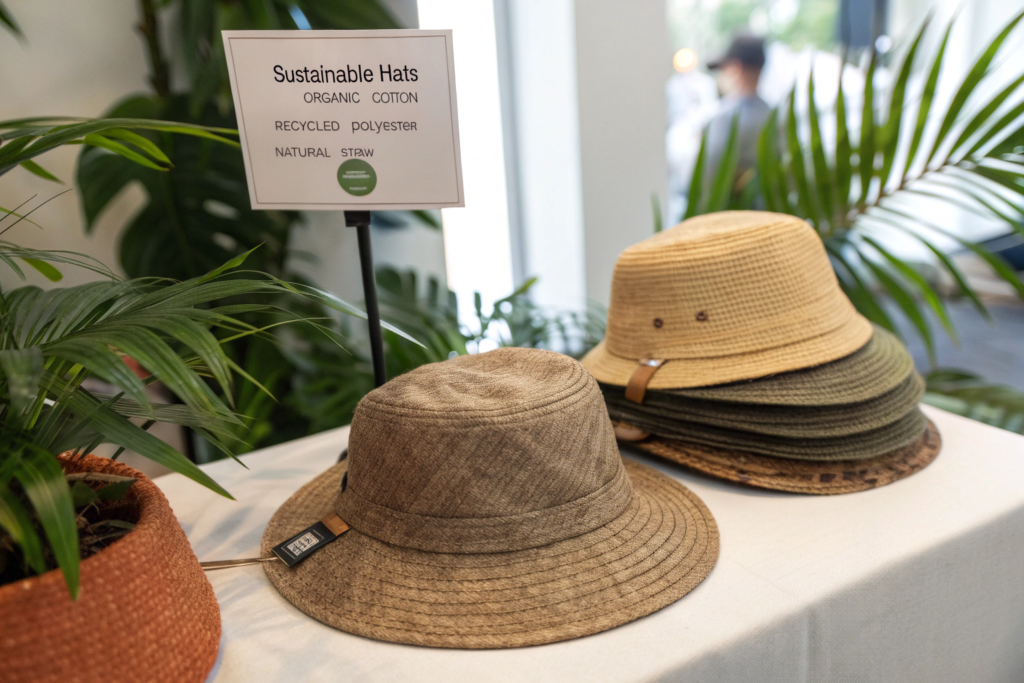
Sustainability trends are affecting fabric choices in the US hat market by driving demand for organic cotton, recycled polyester, and natural straw. Organic cotton is grown without synthetic pesticides or fertilizers. It appeals to consumers who value natural, chemical-free products. Recycled polyester, made from post-consumer plastic bottles, offers the same performance as virgin polyester with a lower environmental impact. It is increasingly popular for performance hats. Natural straw, including paper straw and raffia, is biodegradable and renewable. These sustainable materials allow brands to appeal to environmentally conscious consumers while maintaining the performance and aesthetic qualities that sell.
I want to be honest about sustainable materials. They often cost more. But many brands are finding that consumers are willing to pay the premium. They see it as an investment in the environment. For brands, sustainable materials can be a differentiator. They can be part of the brand story. They can build loyalty. We have helped clients launch sustainable hat collections. The response has been positive. Consumers appreciate the transparency and the commitment to responsible production.
What Is the Demand for Organic Cotton and Recycled Polyester?
Demand for organic cotton is growing. It is strongest in the casual hat category. Consumers who buy cotton twill hats are increasingly asking about the source of the cotton. They want to know if it is organic. For brands that target eco-conscious consumers, organic cotton is a must. We offer organic cotton options for our clients. The fabric is comparable to conventional cotton twill. It has the same comfort and durability. The difference is the story. Recycled polyester demand is also growing. It is strongest in the performance hat category. Consumers who are active outdoors often have environmental values. They want their gear to reflect those values. Recycled polyester allows them to have performance without the environmental guilt. We use rPET for many of our sustainable performance hats.
How Are Brands Communicating Sustainability to Consumers?
Brands are communicating sustainability through labeling, packaging, and marketing. A hat with a tag that says "Made from recycled plastic bottles" tells a story. Consumers understand it. They appreciate it. Brands are also using packaging made from recycled materials. This reinforces the sustainability message. On websites and social media, brands share the story of their materials. They show where the materials come from. They explain the environmental benefits. This transparency builds trust. For our clients, we provide documentation on the sustainable materials we use. We can provide certificates of organic content or recycled content. This allows our clients to make claims with confidence. We also offer custom hang tags that communicate these sustainability attributes.
Conclusion
The US hat market is diverse. It is driven by different needs and preferences. Cotton twill remains the standard for casual hats. It is comfortable, durable, and perfect for embroidery. Performance fabrics dominate the active category. They offer moisture-wicking, stretch, and breathability. Wool felt is the material of choice for dress hats and cold-weather style. Denim appeals to the casual, Americana aesthetic. Straw is essential for summer. And sustainability is influencing choices across all categories.
At Shanghai Fumao, we have the experience and capability to work with all these fabrics. We understand the nuances. We know what sells and why. We have the production capacity to handle large orders and the flexibility to handle custom designs. Our in-house design team can help you select the right fabric for your target customer. Our quality control ensures consistency. Our project managers keep your orders on track.
Whether you need cotton twill baseball caps, polyester performance hats, wool felt fedoras, denim trucker caps, or straw sun hats, we can deliver. We can help you navigate the fabric choices and create a collection that resonates with American consumers. Please contact our Business Director, Elaine, at elaine@fumaoclothing.com to discuss your hat collection for the US market. We can help you select the right fabrics and styles to meet the demands of American consumers.