For decades, didn't men's formalwear feel like a strict uniform? A man's only choices seemed to be the color of his silk tie and whether his cufflinks were silver or gold. But today, the landscape of men's formal accessories is undergoing a quiet revolution. A new generation is redefining what it means to dress up, blending classic rules with a strong desire for personal expression.
So, what are the latest trends in men's formal accessories? We're seeing a major shift towards textural fabrics like knit and grenadine ties, a preference for minimalist and personalized hardware like subtle cufflinks, the rise of the artful, expressive pocket square, and a renewed focus on high-quality, understated leather goods. As the owner of Shanghai Fumao Clothing, I can tell you that the demand for the generic, shiny polyester tie set is fading. In its place, brands are requesting accessories that whisper quality and personality rather than shout formality.
Is the traditional suit and tie dead? Not at all. It's just becoming much more interesting. Let's explore the four key trends that are shaping the future of men's formal style.
Why is Texture Replacing Shine in Neckwear?
For years, what was the default formal tie? A shiny, smooth silk jacquard. But today, one of the most significant trends we're seeing is a move towards ties with rich, matte textures. Men are discovering that texture adds a layer of visual interest and sophistication that shine cannot.
A textured tie, like one made from knitted silk, wool, or a grenadine weave, has a depth and character that sets it apart. It's a subtle way to show a deeper understanding of style and craftsmanship. It feels less like a corporate uniform and more like a considered, personal choice. This trend is about adding dimension to an outfit without adding loud patterns or colors.
Isn't this a sign of a more confident and knowledgeable consumer? They are moving beyond the obvious and appreciating the finer details. This is a trend we are heavily invested in, as producing high-quality knit ties requires specialized machinery and expertise.
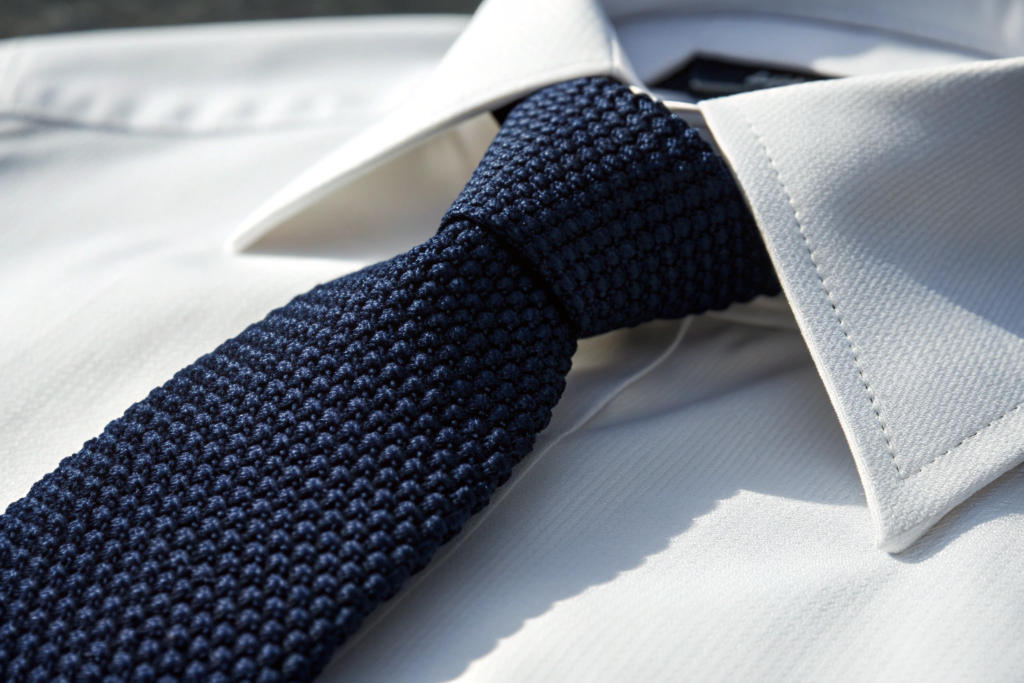
What is a Knit Tie and How Do You Wear It?
What makes a knit tie different? Unlike a traditional tie cut from a piece of fabric, a knit tie is knitted on a machine, much like a sweater. This gives it its unique, slightly crunchy texture and, most distinctively, a flat, squared-off bottom. Once considered purely casual, the silk knit tie has been elevated to a modern formal staple. It pairs beautifully with a blazer or a suit, adding a touch of relaxed, continental elegance. It's a favorite of style icons and a key piece in the modern smart casual wardrobe.
What is a Grenadine Tie?
Have you heard of the most subtle of luxury ties? A grenadine tie looks like a simple solid color from a distance, but up close, it reveals a complex, open, gauze-like weave. It's woven on historic wooden looms in Italy from high-twist silk yarns. This creates a tie that is both textured and light, with a beautiful drape. It's the ultimate "insider's choice"—a tie that signals impeccable taste to those who know what they're looking at. As a manufacturer, producing something that requires such specific heritage looms often involves partnering with specialist artisans.
Is Minimalism the New Statement in Men's Jewelry?
What about cufflinks, tie bars, and lapel pins? While the flashy, novelty cufflink of the early 2000s is gone, men's jewelry is not. Instead, the trend has shifted dramatically towards minimalism, architectural shapes, and subtle personalization.
The modern approach to formal jewelry is to treat it as a quiet, thoughtful detail, not a loud cry for attention. Think of a simple, brushed-metal tie bar that adds a touch of polish without distracting from the tie itself. Or consider cufflinks made from a unique material like concrete or wood, or in a clean, geometric shape. The new statement is understatement.
Isn't this a more confident way to wear jewelry? It's about complementing an outfit, not dominating it. This is a key insight for any brand developing a men's accessory line, as it influences the entire design and development process.

Why Are Tie Bars Making a Comeback?
Isn't a tie bar both functional and stylish? Yes. A tie bar, or tie clip, properly anchors the tie to the shirt, preventing it from flying around. The key to the modern look is placement and proportion. The rule is simple: it should be no wider than 75% of the tie's width and should be placed between the third and fourth buttons of the shirt. The trend is towards slimmer, simpler bars in matte finishes like brushed steel or gunmetal, rather than shiny gold or silver.
How is Personalization Being Expressed?
How can a man personalize his look without being flashy? Subtle monogramming is a huge trend. A pair of simple silver cufflinks engraved with his initials is a timeless, personal touch. We're also seeing a demand for cufflinks that incorporate unique, meaningful materials. Think cufflinks made from the wood of a whiskey barrel or inlaid with a piece of mother-of-pearl. It's about telling a personal story through small, high-quality details, a key strategy for building an emotional connection with a brand.
How Has the Pocket Square Become a Wearable Piece of Art?
For a long time, what was the rule for pocket squares? It was to simply buy a matching tie and pocket square set. That rule is now completely dead. In fact, wearing a pocket square that exactly matches your tie is now often seen as a sign of unsophisticated style.
So, what has replaced it? The pocket square has evolved into a standalone expressive element—a small canvas for art and color in the chest pocket. The trend is towards pocket squares made from high-quality silk, linen, or cotton, featuring bold, abstract prints, intricate paisleys, or even famous works of art. The goal is no longer to match the tie, but to complement it by picking up a secondary color from the tie or shirt.
Isn't this a much more creative and individualistic approach? It allows a man to inject a dose of personality and color into an otherwise conservative outfit.
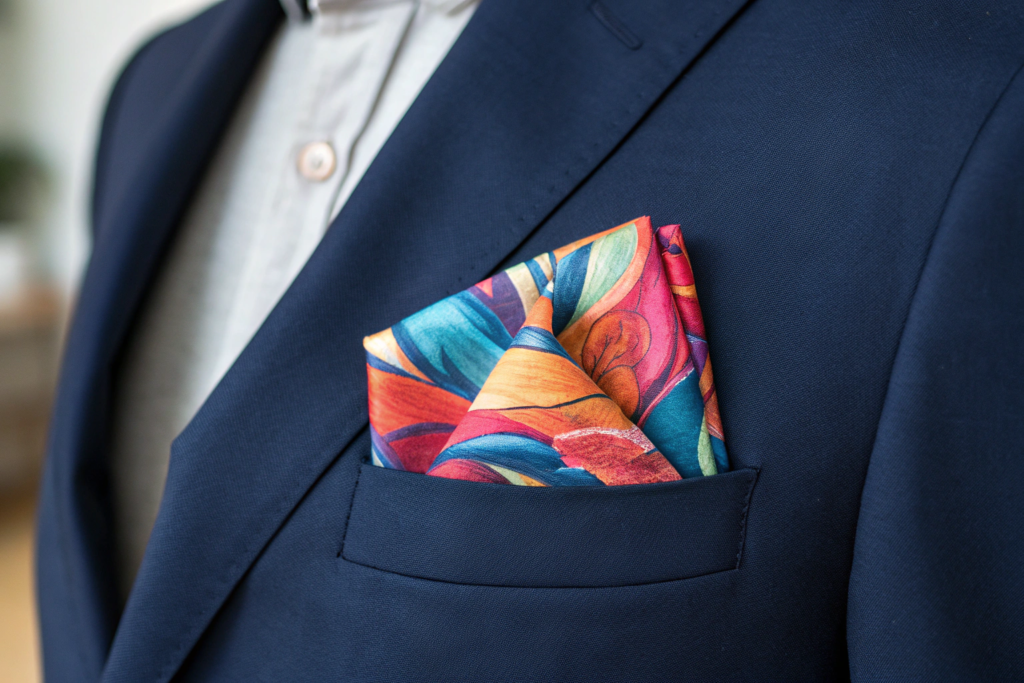
What Are the Key Fabrics and Folds?
What materials are in demand? For a sharp, crisp fold, nothing beats linen. For a soft, lustrous look with vibrant color, silk is the king. A simple cotton pocket square offers a more casual, matte finish. As for folds, the stiff, formal "Presidential" fold (a simple straight line) is being replaced by softer, more casual folds like the "Puff Fold" or a simple, nonchalantly tucked-in style. The goal is to look effortlessly stylish, not rigidly perfect.
How Do You "Complement" Instead of "Match"?
What does this mean in practice? If you are wearing a navy blue tie with small red dots, don't wear a solid red pocket square. Instead, choose a pocket square with a complex pattern that has a small amount of red or blue in it. Or, you could ignore the tie completely and choose a pocket square that complements the color of your jacket or shirt. This shows a higher level of skill and is a key part of advanced color theory in fashion.
Why is the Focus on High-Quality, Understated Leather Goods?
What about the foundational accessories like belts and wallets? Here, the trend is a flight to quality and subtlety. The era of the oversized, flashy logo buckle is waning, especially in formal and business settings.
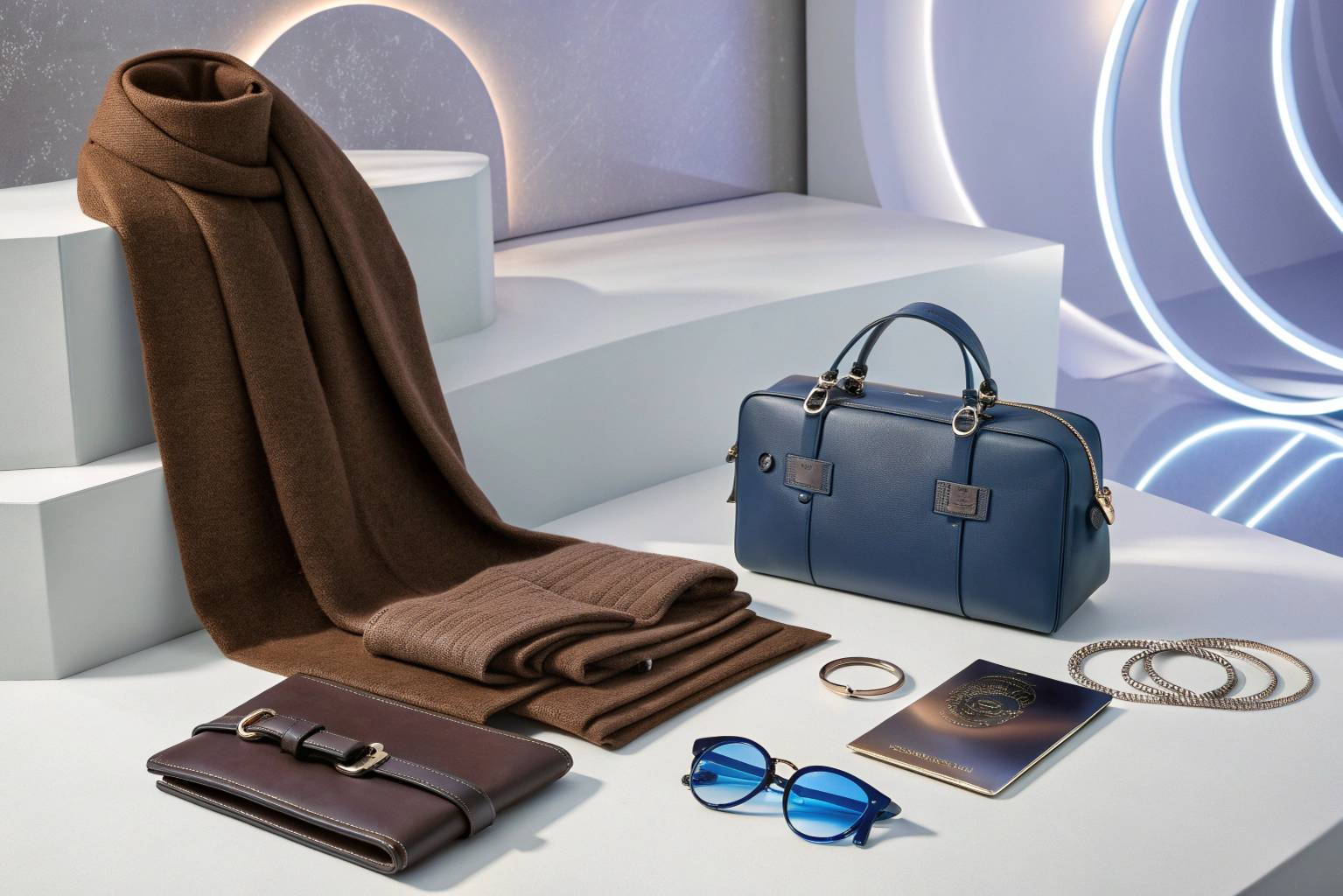
The modern gentleman is investing in high-quality leather goods that are built to last and signal quality through their materials and craftsmanship, not their branding. This means a focus on full-grain leather belts with simple, elegant buckles. It means slim, minimalist cardholders that don't create an unsightly bulge in a suit trouser pocket. The new luxury is quiet.
Isn't this a return to classic, timeless values? It's about buying fewer, better things. For us as manufacturers, this means a focus on sourcing the best possible leathers and perfecting our finishing techniques, as there are no large logos to hide behind. This is why understanding how to ensure product quality is so important.
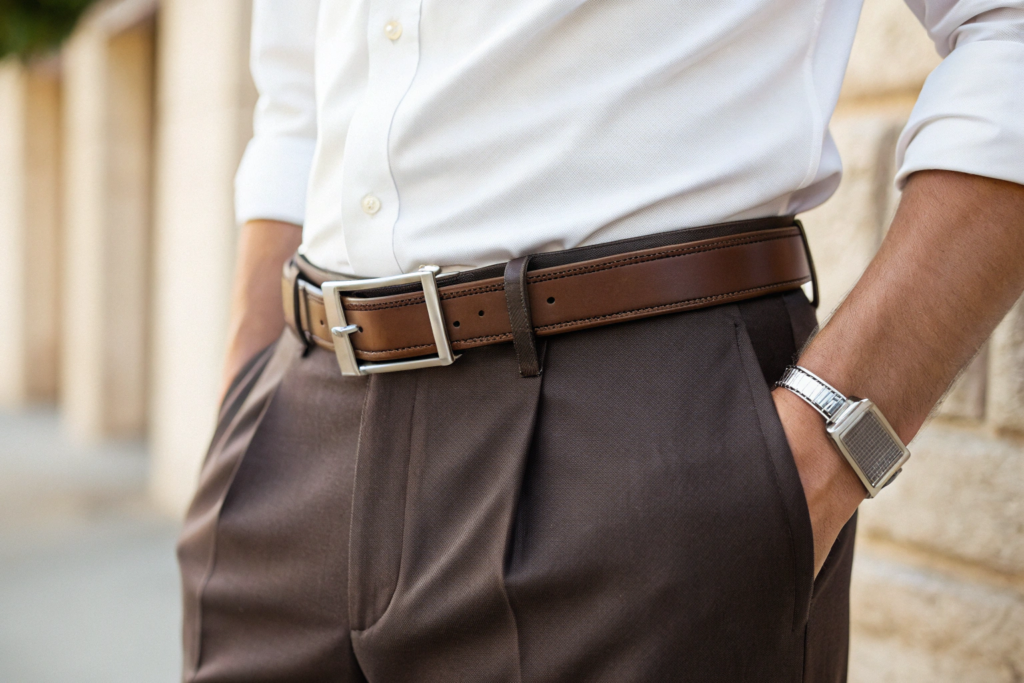
What Defines a High-Quality Dress Belt?
How can you spot a quality belt? A true dress belt should be relatively slim (around 1.25 inches wide). It should be made from full-grain leather, which is the highest quality grade and develops a beautiful patina over time. The buckle should be simple, polished, and proportionate to the belt's width. The rule for formalwear remains: the color of your belt leather should closely match the color of your dress shoes.
Why is the Slim Cardholder Replacing the Bulky Wallet?
Have you noticed how modern suits are tailored to be much slimmer? A thick, bulky bifold wallet ruins the clean lines of a well-tailored suit. This has led to the rise of the slim cardholder or the money clip wallet. These minimalist accessories are designed to carry just the essentials—a few cards and some folded cash. They are discreet, elegant, and practical for the modern man who pays for most things digitally. This shift reflects a broader trend towards minimalism in everyday carry.
Conclusion
So, what are the trends in men's formal accessories? Are we abandoning tradition? Not at all. Instead, we are witnessing a sophisticated evolution. The modern man is using his accessories to express his personality and taste in a more nuanced and confident way.
The key themes are clear: a move from shine to texture in neckwear, from flash to minimalism in jewelry, from matching to complementing with pocket squares, and from logos to quality craftsmanship in leather goods. It's a return to quality, individuality, and timeless style.
As a manufacturer, we are excited to be at the forefront of these trends, helping brands create the beautiful, high-quality accessories that the modern man wants to wear. If you are looking to develop a collection that captures this new spirit of formal elegance, we are ready to help. Please contact our Business Director, Elaine, at her email: elaine@fumaoclothing.com.