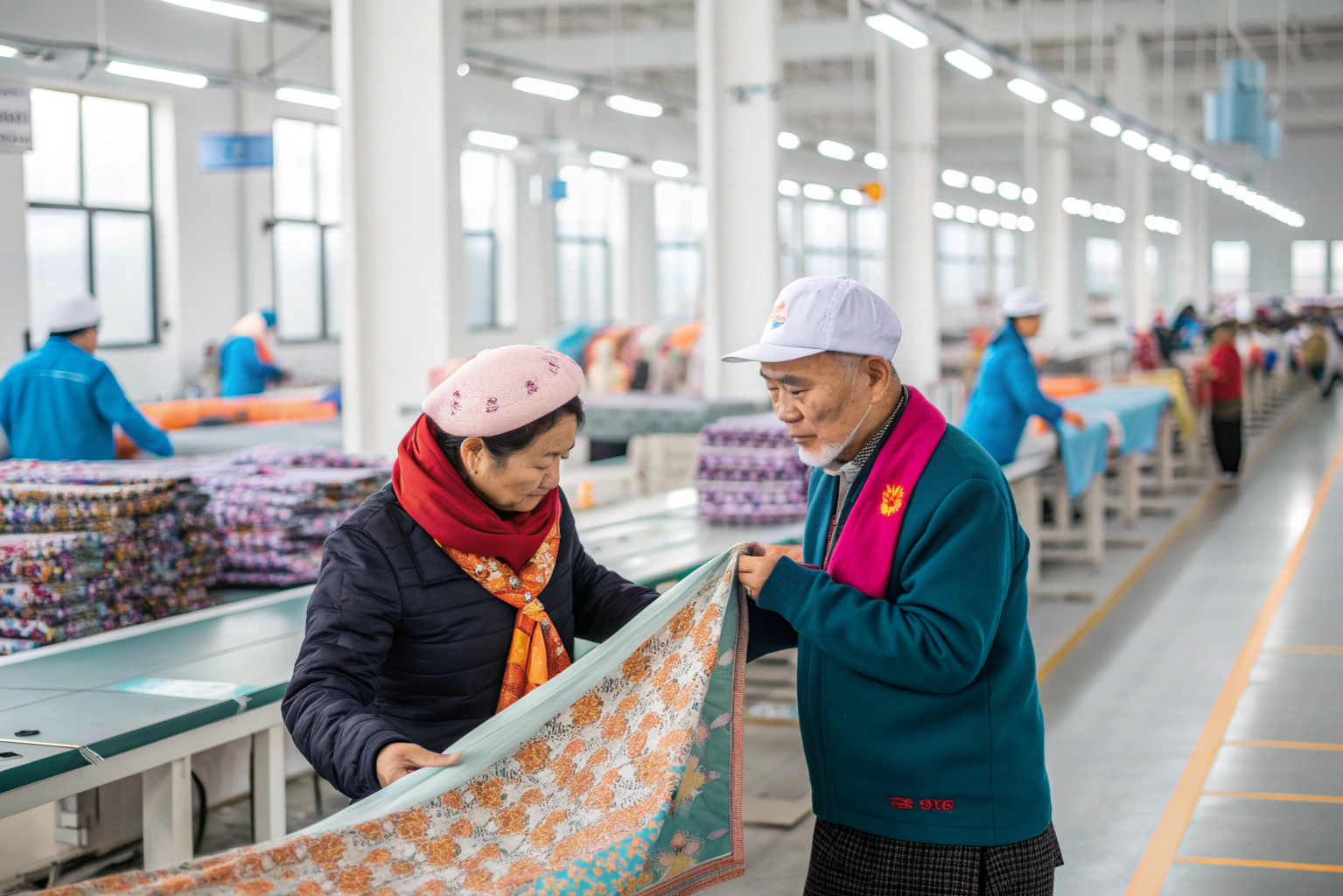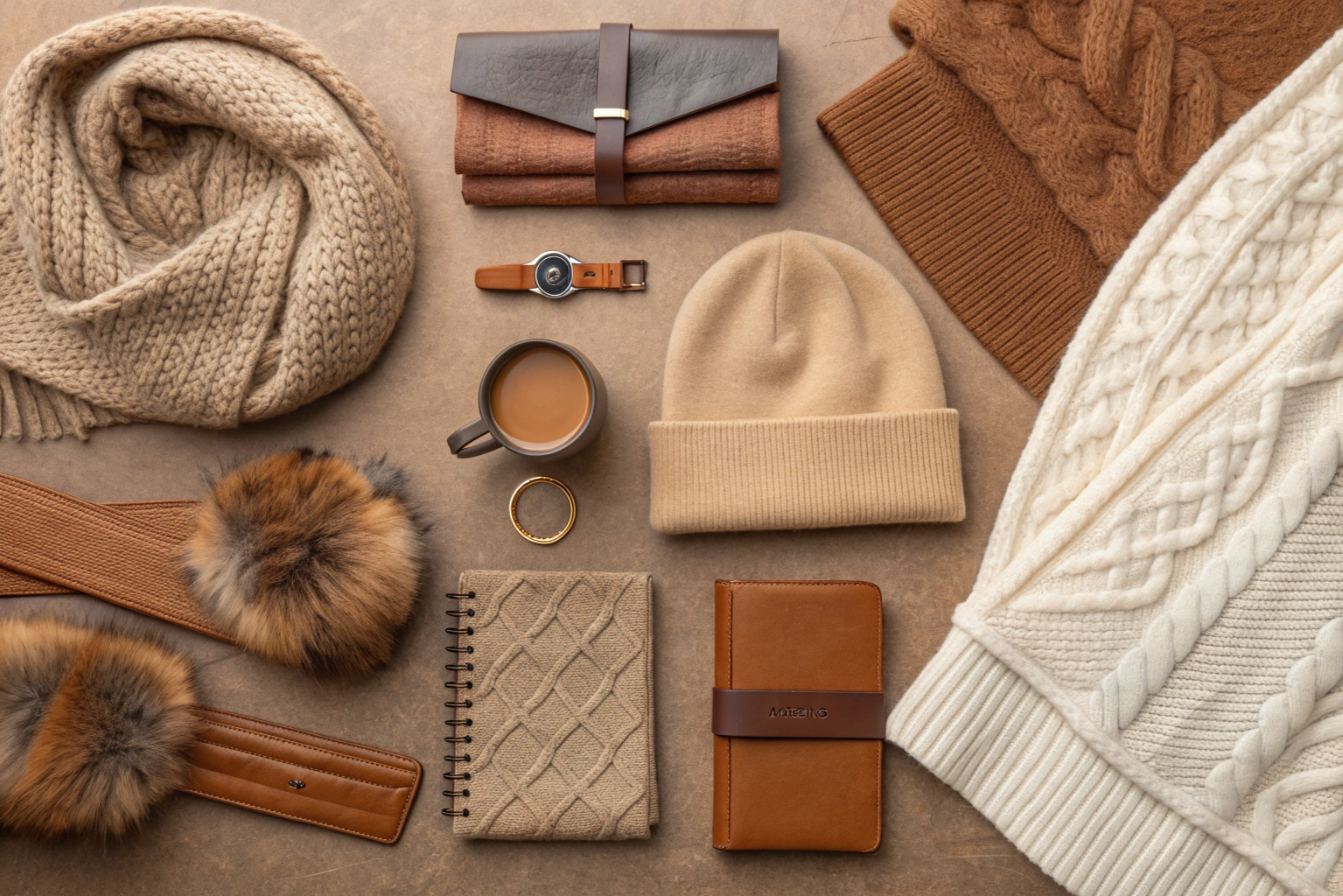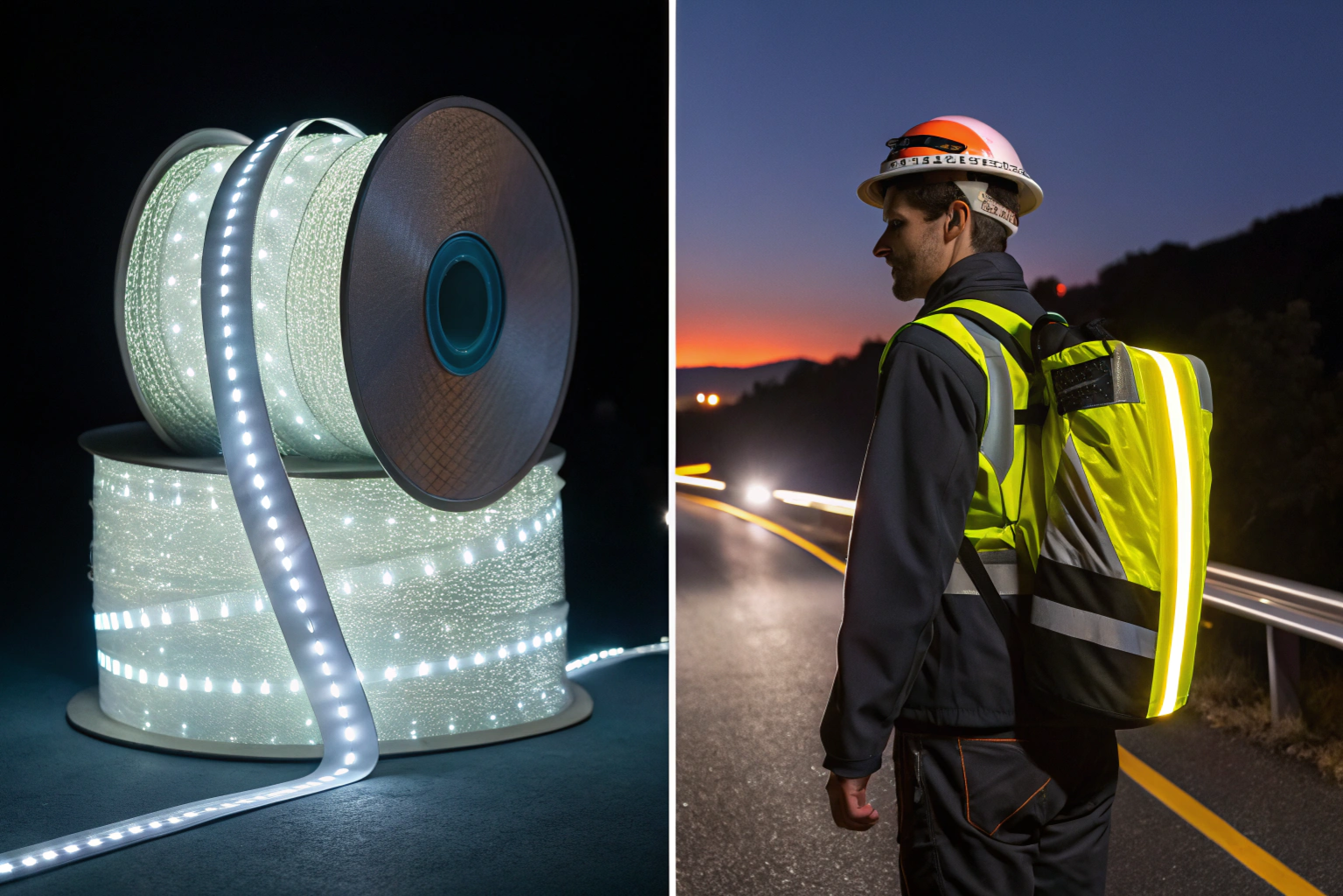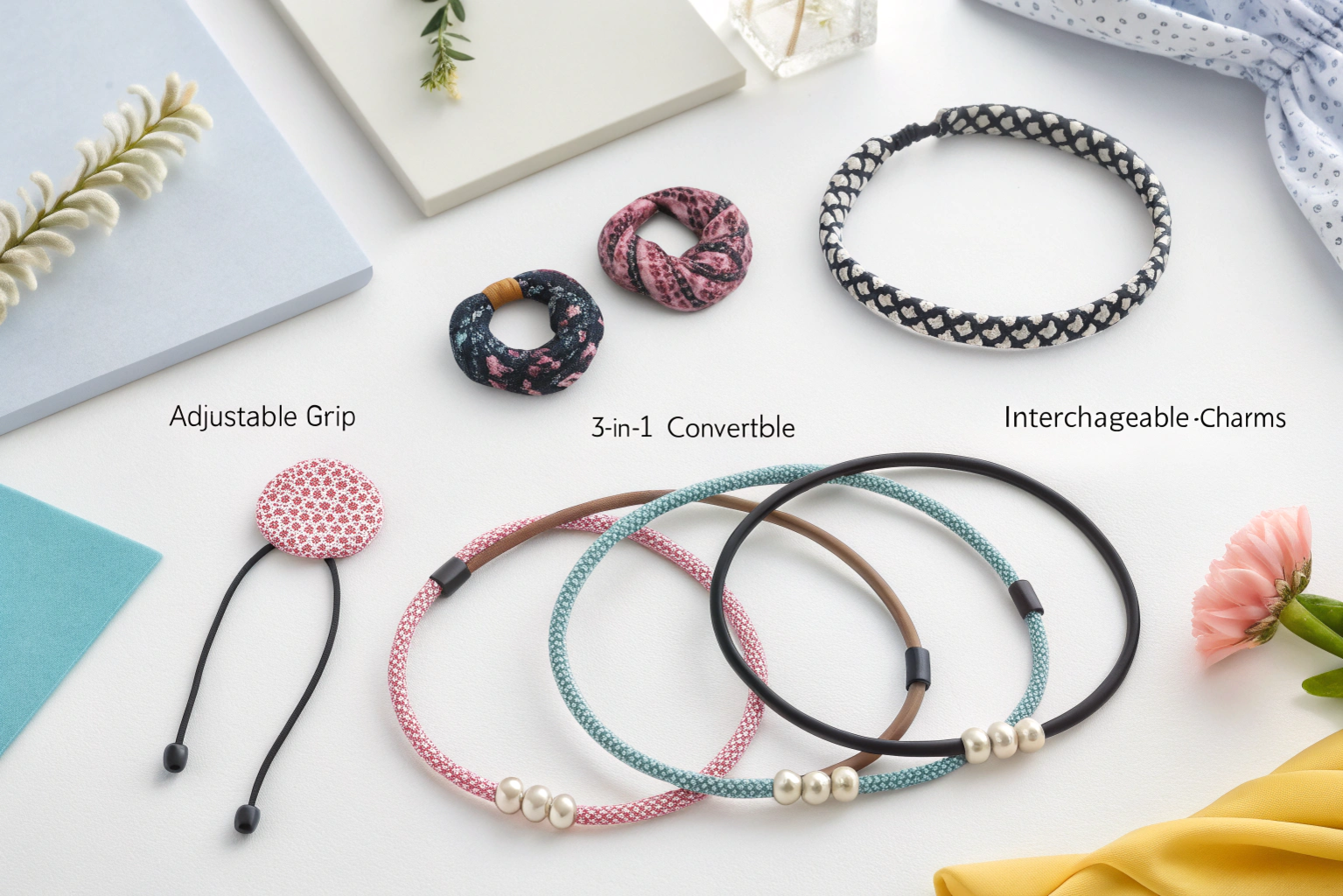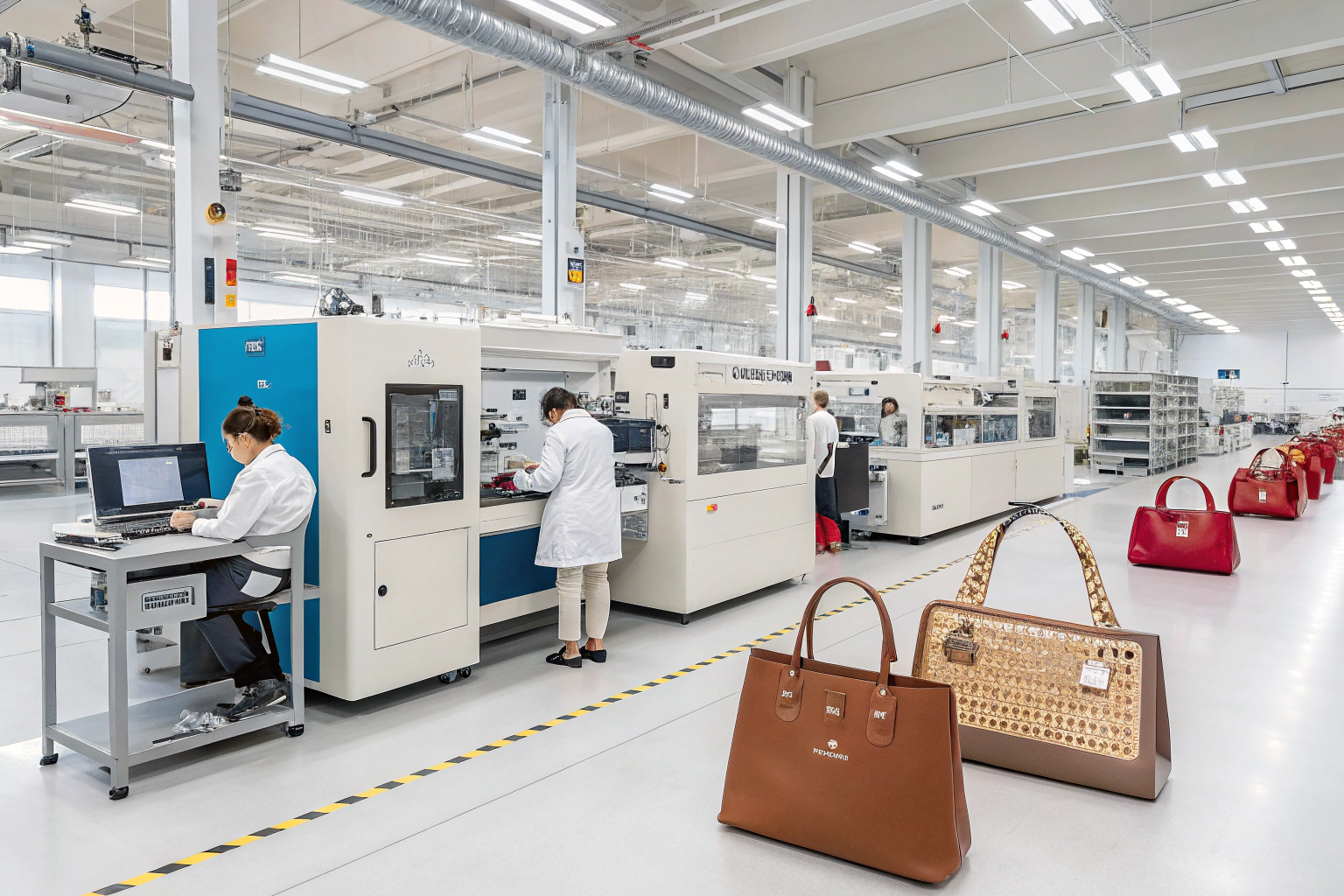
When you think of a fashion factory, what comes to mind? Do you picture endless rows of sewing machines? While traditional craftsmanship is still the heart of what we do, the reality of a modern, competitive factory floor is far more high-tech. Today, technology is woven into every step of the process, from initial design to final packaging. It's a game-changer, allowing for unprecedented speed, precision, and creative possibilities.
What are the latest technologies in fashion accessory production? They are a suite of digital and automated tools, including 3D printing for rapid prototyping, advanced laser cutting for precision, AI-powered quality control for accuracy, and digital inventory management for efficiency. As the owner of Shanghai Fumao Clothing, I can tell you that embracing these technologies is no longer optional. It's how we deliver higher quality products faster, reduce waste, and give our brand partners a crucial edge in a crowded market.
Are you curious about how these innovations actually work and how they can benefit your brand? Let's pull back the curtain and explore the four key technologies that are revolutionizing the way we create fashion accessories today.
How is 3D Printing Changing Product Development?
Do you remember the old way of making a sample? It involved weeks of back-and-forth: creating a mold for a custom buckle, waiting for a physical sample, shipping it, reviewing it, and then starting all over if a change was needed. This process was slow, expensive, and stifled creativity. How has 3D printing changed this?
3D printing, or additive manufacturing, has completely revolutionized our sampling and prototyping phase. Instead of waiting weeks for a mold, we can now take a client's digital design file and print a highly accurate, physical 3D model of a component—like a custom zipper pull, a unique belt buckle, or a complex earring—in a matter of hours. This allows for rapid iteration and tangible feedback almost instantly.
Isn't this ability to hold a design in your hand the day after you create it a massive leap forward? It transforms the development process from a slow, linear path into a fast, dynamic, and collaborative cycle.
How Does This Accelerate the Design-to-Sample Timeline?
Can you imagine finalizing the shape and size of a custom component in a single afternoon? With 3D printing, a designer in New York can send us a file in the morning. We can print three different size variations by the afternoon, take photos and videos for their review, and get immediate feedback. This process, known as rapid prototyping, cuts the development time for custom hardware from weeks down to days. It allows brands to be more ambitious and creative with their designs because the cost and time risk of experimentation is so much lower.
What Materials Can Be Used?
Aren't the material options a major consideration? While early 3D printing was limited to brittle plastics, modern printers can use a wide range of materials. We can print in durable resins that closely mimic the weight and feel of final production materials. We can even print directly in wax to create "investment casting" molds for producing the final metal parts. This versatility means the 3D printed prototype isn't just a visual model; it's a functional tool that gives a true sense of the final product, which is a crucial part of the sample evaluation process.
Can Laser Cutting Deliver Perfect Precision Every Time?
How do you ensure that every single piece of a complex leather handbag or every intricate appliqué on a scarf is cut identically? While skilled artisans can do amazing work by hand, achieving perfect consistency across thousands of units is a major challenge. What is the technological solution?
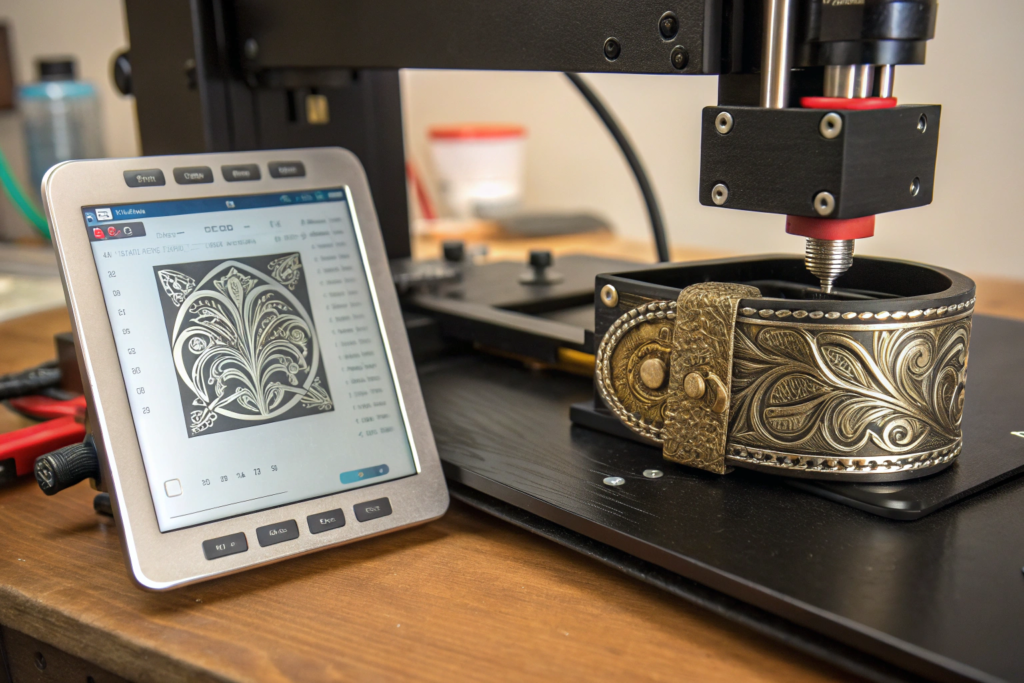
Advanced laser cutting systems have become an indispensable tool in our factory for cutting materials like leather, acrylic, and complex textiles. A high-powered laser, guided by a digital pattern file (CAD), can cut shapes with a level of precision and speed that is impossible to replicate by hand. The laser vaporizes the material, leaving a perfectly clean, sealed edge with no fraying.
Doesn't this technology guarantee that the 10,000th piece cut is an exact replica of the first? This is the essence of modern quality control and a cornerstone of the consistency that is key to manufacturing.

How Does Laser Cutting Reduce Waste?
Besides precision, isn't waste reduction a huge benefit? The software that controls the laser cutter uses a process called "nesting." It analyzes all the pattern pieces to be cut and arranges them on the sheet of material in the most efficient way possible, like a complex game of Tetris. This nesting algorithm minimizes the empty space between the pieces, significantly reducing material waste. For expensive materials like genuine leather, this can lead to substantial cost savings for our clients.
What Creative Possibilities Does It Unlock?
What about new design ideas? Laser technology isn't just for cutting; it's also for "engraving" or "etching." We can use a lower-powered laser to etch incredibly detailed patterns, logos, or textures onto the surface of materials like wood, leather, or denim without cutting all the way through. This allows for a new level of customization and branding that was previously very difficult or expensive to achieve, opening up a world of creative possibilities for designers.
Is AI-Powered Quality Control the Future of Inspection?
How do you inspect thousands of finished products for tiny defects with 100% accuracy? Human inspection is essential, but even the most highly trained QC inspector can experience fatigue. A moment's lapse in concentration can lead to a flawed product slipping through. How can technology help solve this human limitation?
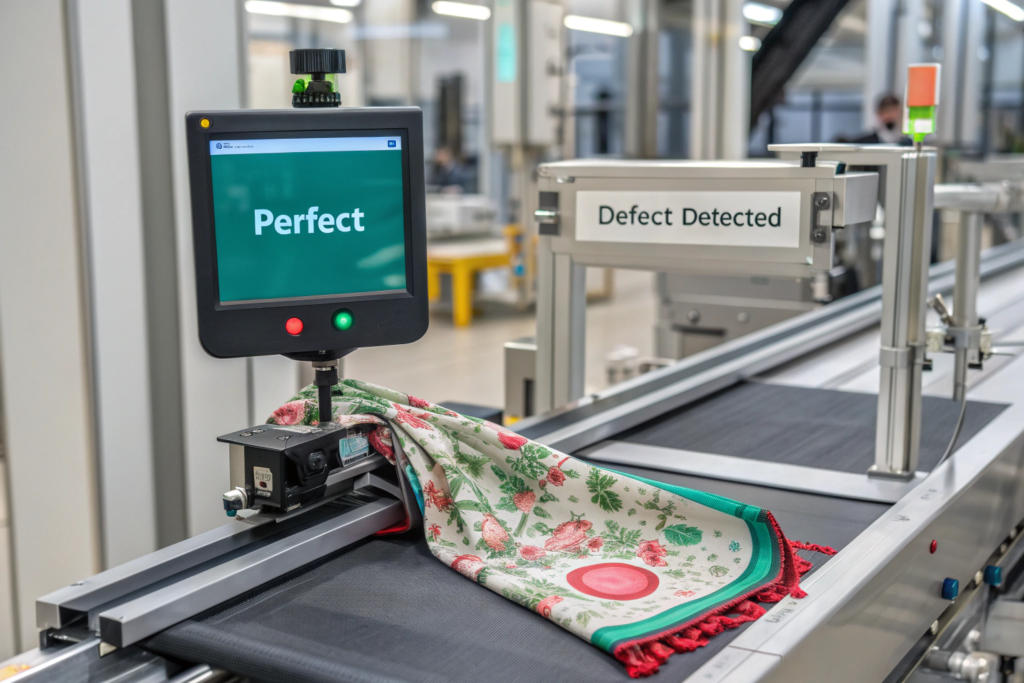
The answer is AI-powered visual inspection. We are now implementing systems where a finished product passes under a high-resolution camera. An Artificial Intelligence (AI) program, which has been "trained" on thousands of images of perfect "golden samples," analyzes the product in milliseconds. It can instantly spot tiny defects that the human eye might miss—a single stray thread, a slight color mismatch, or a microscopic scratch on a buckle.
Isn't this a revolutionary step towards guaranteeing near-perfect quality? It doesn't replace our human QC teams; it augments them, acting as a tireless, infallible partner to help them do their job better.
How Does the AI "Learn" What a Defect Is?
How is the system trained? We use a process called machine learning. We feed the AI thousands of images. We show it pictures of the "golden sample" and label them "perfect." Then, we show it pictures of products with known defects—a small stain, a crooked stitch, a printing error—and we label each specific flaw. The AI learns to recognize the characteristics of a perfect product and to identify any deviation from that standard. The more data it sees, the smarter and more accurate it becomes.
How Does This Improve Consistency?
Doesn't this lead to a new level of consistency? The AI is objective. It doesn't have good days and bad days. It applies the exact same standard to every single product, every single time. This data-driven approach to quality control ensures that the standard of quality is upheld with scientific precision, which is invaluable for brands that promise their customers a consistent, high-quality experience. This is a key tool for any factory that has its quality management systems certified.
How Does Digital Management Streamline the Entire Supply Chain?
How does a brand owner in the US get real-time visibility into their production order in a factory in China? In the past, this involved a confusing chain of emails, spreadsheets, and phone calls. How has modern technology simplified this?
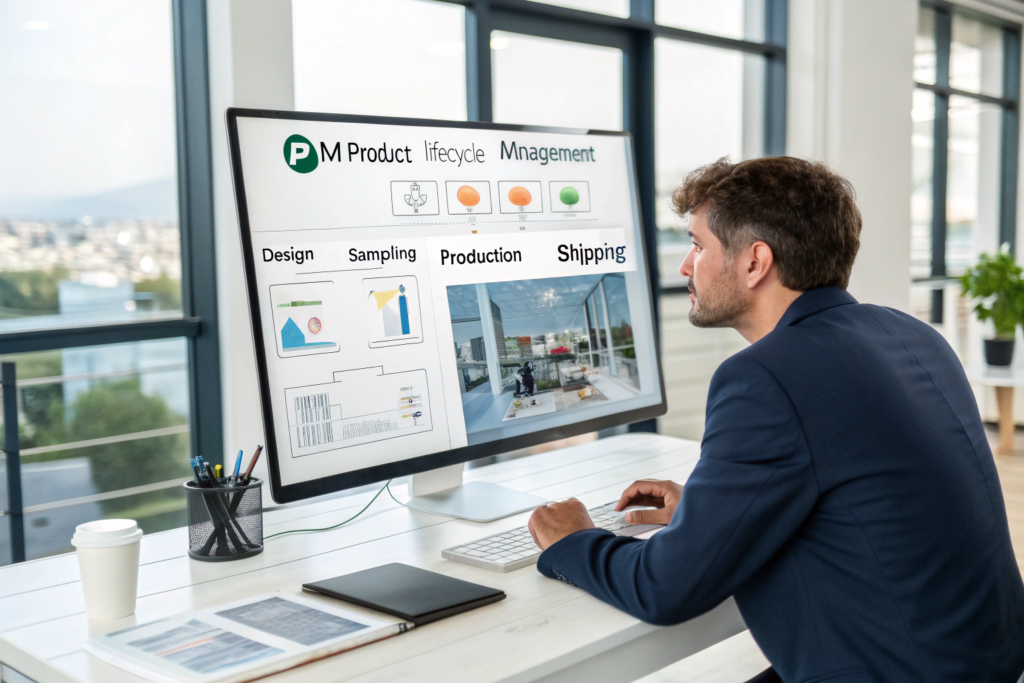
The answer is cloud-based Supply Chain Management (SCM) and Product Lifecycle Management (PLM) software. These digital platforms create a single, centralized "source of truth" for every project. From the initial tech pack and design files to sampling feedback, production scheduling, quality control reports, and shipping documents, every piece of information is stored and updated in one shared digital space.
Doesn't this transparency and efficiency transform the client-supplier relationship? It allows for seamless collaboration, reduces errors from miscommunication, and gives brand owners a real-time dashboard to monitor the progress of their investment. It's a key reason why finding a supplier with good English communication skills is so vital to leverage these tools effectively.
What is a Digital Tech Pack?
Have you moved beyond PDF tech packs? A digital tech pack within a PLM system is a living document. When a designer updates a measurement or changes a color code, the system automatically notifies everyone on the team, from the pattern maker to the QC manager. This eliminates the risk of someone working from an outdated version of a PDF attachment in an old email. This is a core feature of modern PLM software.
How Does This Help with Inventory and Logistics?
How does this system help once production is finished? The same platform can be used to manage inventory and logistics. As soon as a batch of products passes final QC, the system can automatically generate packing lists, print shipping labels with accurate barcodes, and update the inventory status. It can even integrate directly with the brand's e-commerce platform (like Shopify) and the freight forwarder's booking system, creating a seamless, automated flow of data from the factory floor to the final customer. This level of supply chain integration is the future of efficient global trade.
Conclusion
So, what are the latest technologies in fashion accessory production? Are they just futuristic gadgets? No. They are powerful, practical tools that are fundamentally changing our industry for the better. From 3D printing that unleashes creativity to laser cutting that ensures precision, AI-powered QC that guarantees quality, and digital management platforms that provide transparency, technology is enabling us to be better partners for the brands we serve.
Embracing these innovations allows us to work faster, reduce waste, improve quality, and ultimately, deliver a superior product that helps your brand thrive. The factory of the future is here, and it's a fusion of skilled human craftsmanship and powerful digital technology.
If you are looking for a forward-thinking manufacturing partner who leverages the latest technology to deliver the best possible results, we would be excited to show you what's possible. Please contact our Business Director, Elaine, at her email: elaine@fumaoclothing.com.