I have been manufacturing accessories for over 15 years. I have supplied children's products to major retailers. Safety is not just a requirement. It is a responsibility. I remember a client who wanted to skip safety testing. She said it was too expensive. I told her a story. A brand sold children's hair clips. The clips had lead. Children were poisoned. The brand was sued. It went bankrupt. She decided to test. Today, I want to share the latest safety standards for children's fashion accessories.
The latest safety standards for children's fashion accessories cover physical hazards, chemical hazards, and flammability. In the US, the Consumer Product Safety Commission (CPSC) enforces these rules. Key standards include 16 CFR Part 1501 for small parts, 16 CFR Part 1303 for lead in paint, and 16 CFR Part 1610 for flammability. In the EU, the standards are EN 71 for toys and REACH for chemicals. For children's accessories, small parts that can choke are prohibited. Lead in surface coatings is limited to 90 ppm. Phthalates are limited to 0.1% each. Accessories must also have tracking labels. Compliance is mandatory. At AceAccessory, we test all children's products. We provide documentation.
You might be thinking, "My accessories are for children over 3. Do the same rules apply?" The rules apply to all children's products up to age 12. The rules for small parts are stricter for under 3. But other rules apply to all ages. At Shanghai Fumao, we have the testing labs and the certifications. Let me walk you through the latest standards.
What Are the Small Parts Regulations for Children's Accessories?
Small parts are a choking hazard. I have learned to test every component. The small parts regulation (16 CFR Part 1501) applies to children's products for ages under 3. Any part that fits into a small parts cylinder is prohibited. The cylinder is 3.17 cm in diameter. It mimics a child's throat. Buttons, beads, and small charms are common hazards. For children over 3, small parts are allowed but require a warning label. However, many retailers require no small parts for any children's product. It is safer to avoid them. Test every component. If it fits in the cylinder, redesign.
I want to share a story about small parts. A client made a hair clip with a small flower. The flower was 2 cm. It fit into the cylinder. The client had to redesign. She made the flower larger. It passed. The small part was a risk.
What Is the Small Parts Cylinder?
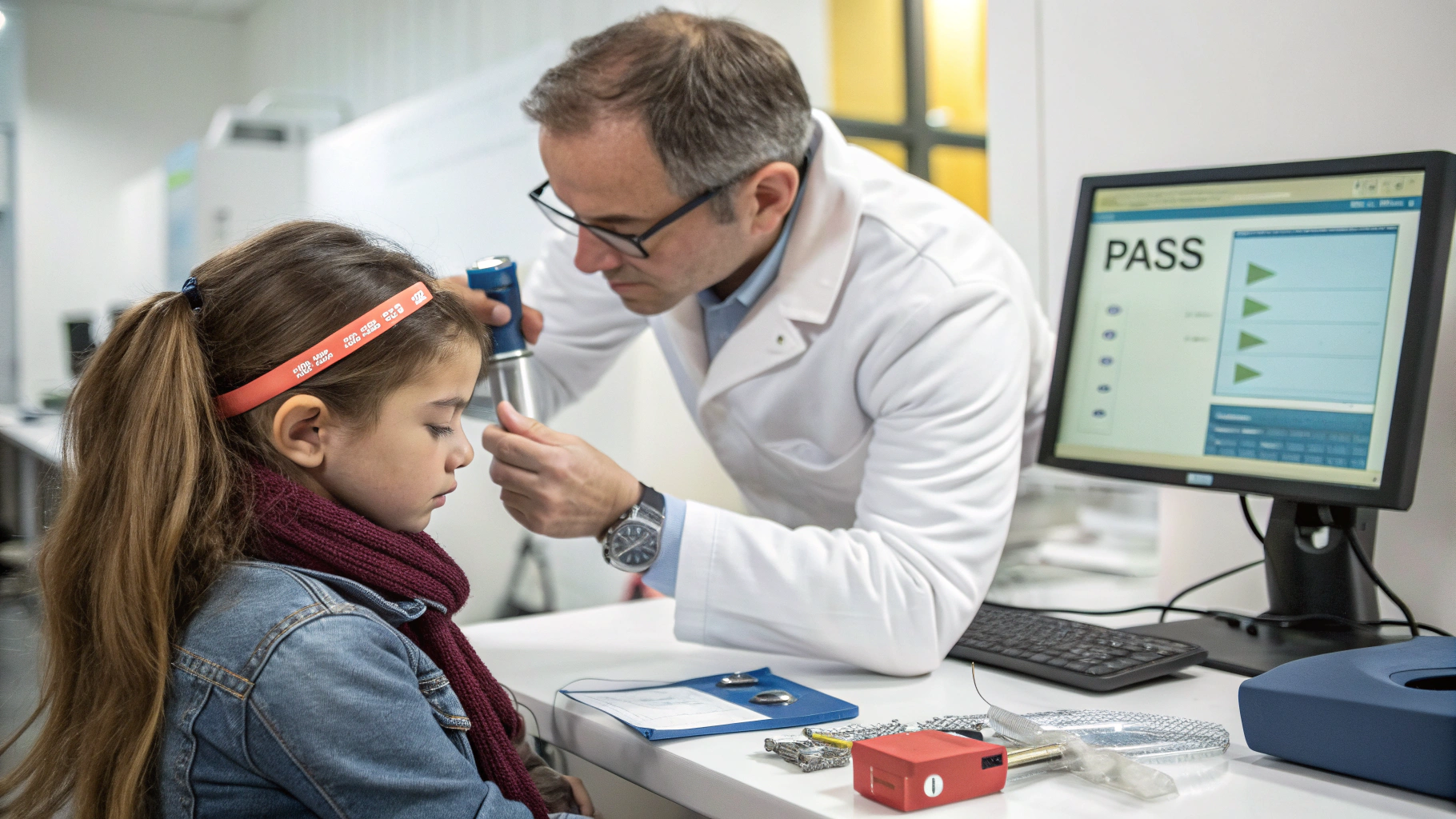
The small parts cylinder is a metal tube. It is 3.17 cm in diameter. If a part fits entirely inside, it is a small part. It is a choking hazard. We use small parts gauges for testing.
What Accessories Are Most Likely to Have Small Parts?
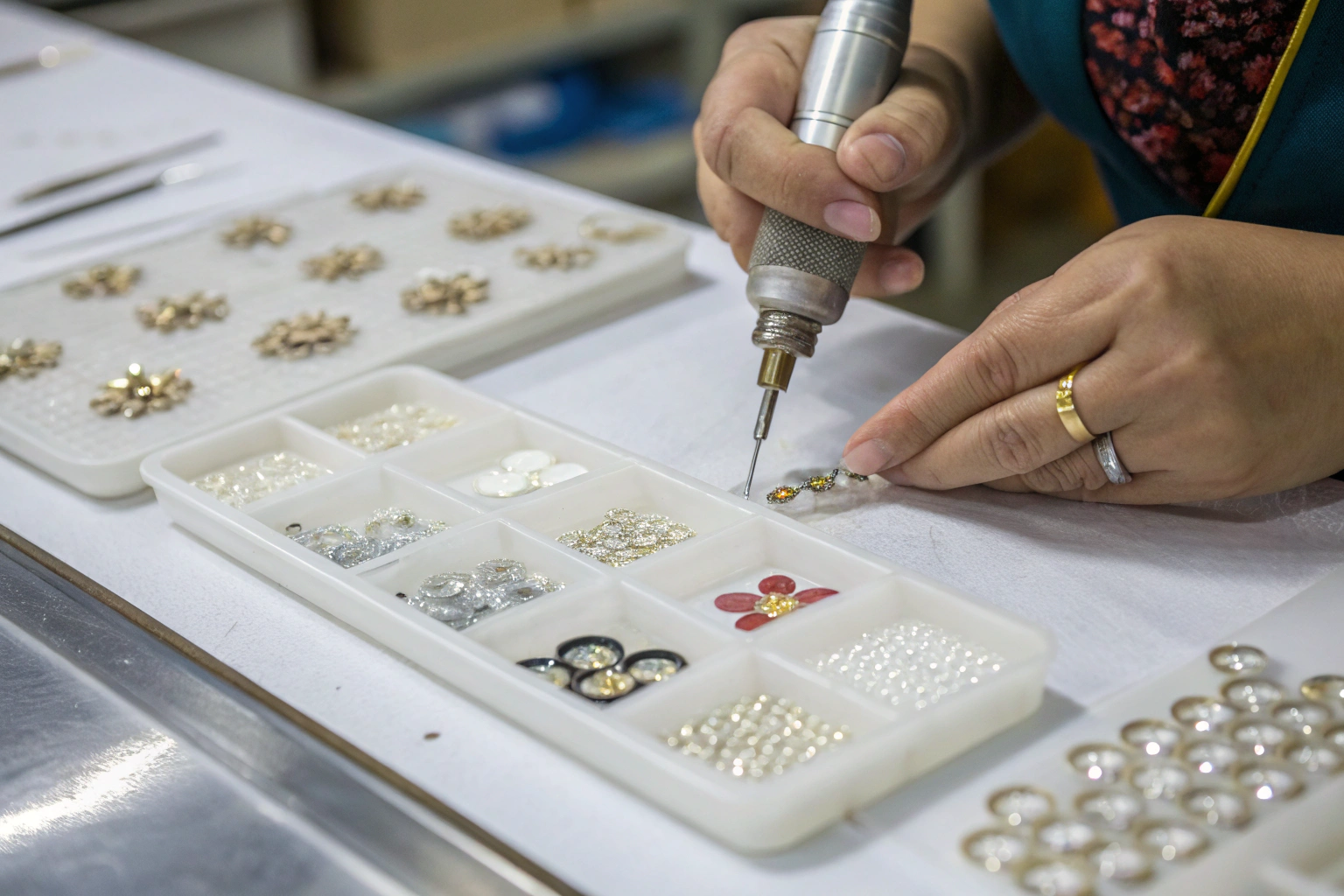
Hair clips adorned with tiny, twinkling charms that catch the light like scattered stars, their delicate metal frames glinting softly against strands of hair. Barrettes, elegant and understated, feature small, intricate decorations—perhaps a miniature heart, a tiny star, or a delicate beadwork detail—that add a subtle sparkle to any hairstyle. Necklaces, dainty and feminine, are strung with small beads, each one a different hue or texture, creating a gentle clink as they brush against the skin and a soft shimmer when moved.
What Are the Lead and Phthalate Limits?
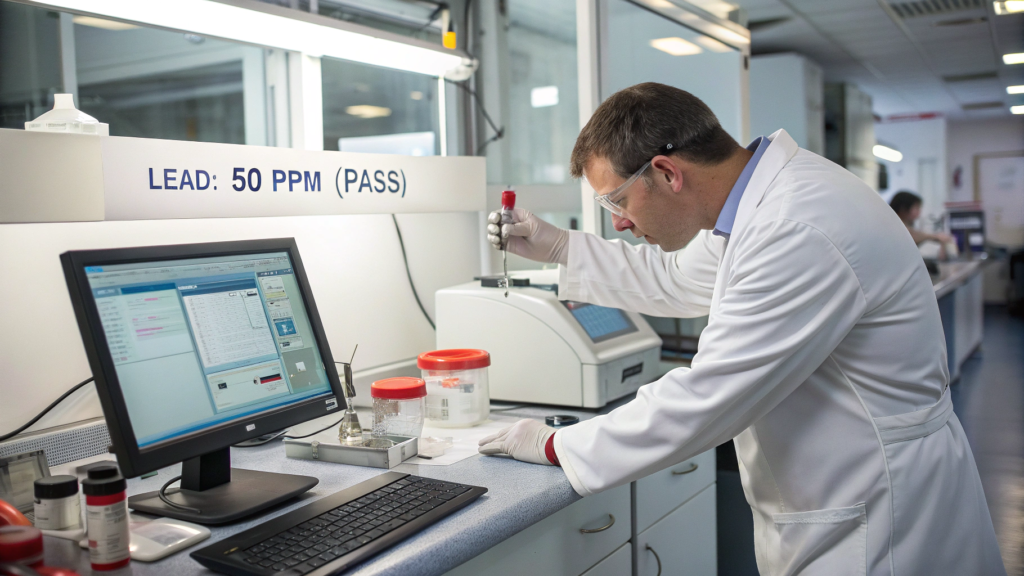
Lead and phthalates are toxic. I have learned to test every material.
Lead and phthalate limits are strict. For surface coatings (paint, plating), the limit is 90 ppm. For substrate (the base material), the limit is 100 ppm. Phthalates are limited to 0.1% each for eight specific types. These chemicals are used in plastics, paints, and coatings. They are dangerous. Children absorb them through mouthing. Test every material. Ask your supplier for test reports. Do your own testing. Compliance is not optional.
I want to share a story about lead. A client imported children's belts. The paint on the buckle had lead. The shipment was seized. The client lost thousands. Now, she tests every batch.
What Materials Are Most Likely to Contain Lead?
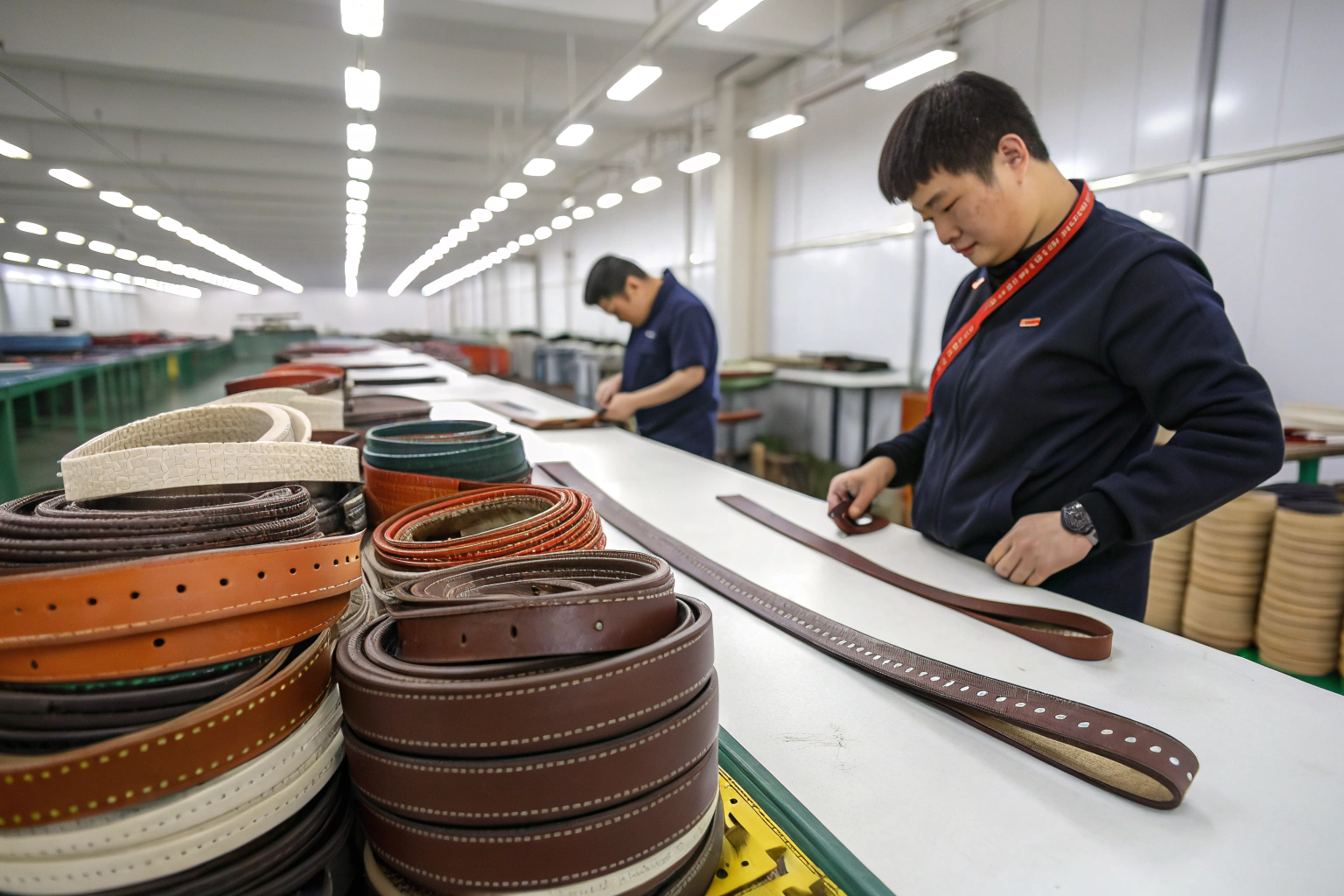
Metal components, their surfaces glinting with a cool, industrial sheen, each one a testament to precision engineering. Painted surfaces, vibrant yet weathered in places, where the brushstrokes tell tales of careful application and the slow, inevitable creep of time—some edges chipped, revealing the raw, silvery metal beneath, others smooth and glossy, reflecting the soft glow of the testing light. Coated buckles, their plastic or rubber casings slightly textured under touch, offering a satisfying click when pressed, their metal cores hidden but sturdy, designed to bear the weight of daily use.
What Materials Are Most Likely to Contain Phthalates?
Soft plastics, their surfaces smooth and yielding to the touch, like the cool, pliable skin of a ripe fruit. PVC, with its characteristic slight sheen, often tinged with a faint, almost imperceptible chemical undertone that lingers in the air—a subtle whiff of industry and utility. Vinyl, too, joins the fray, its texture varying from matte and slightly gritty to glossy and sleek, depending on its formulation.
What Are the Flammability Standards for Children's Accessories?
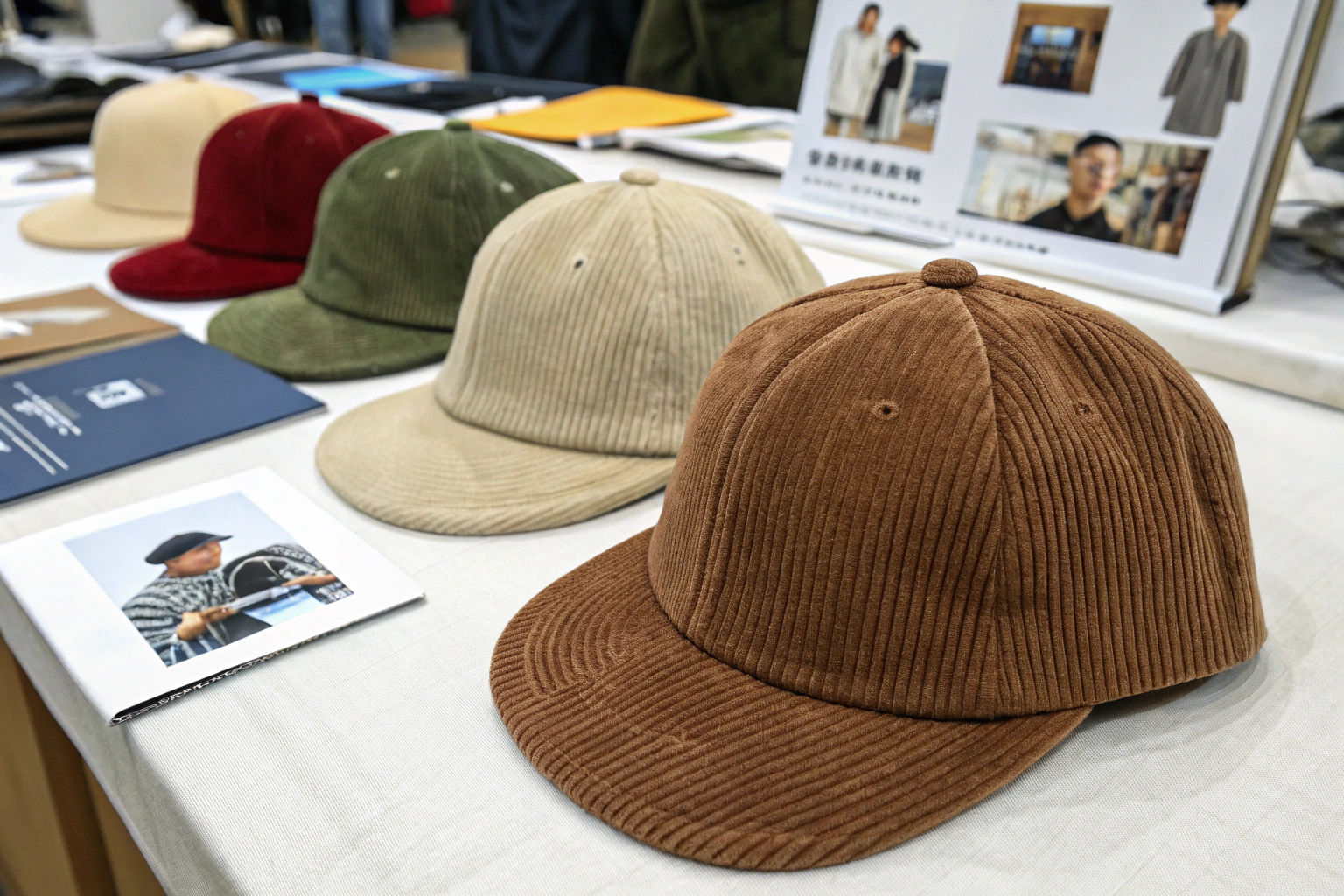
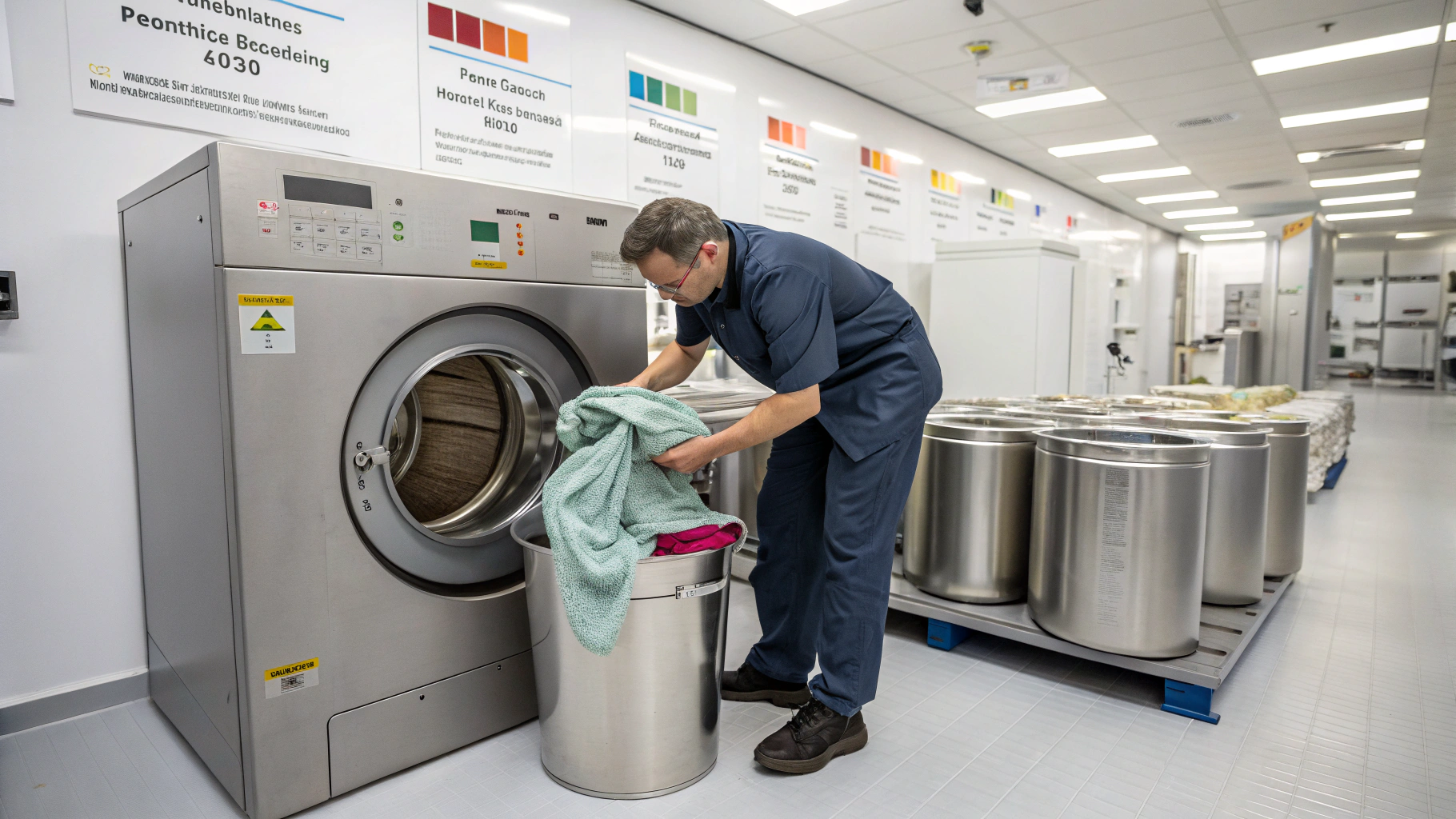
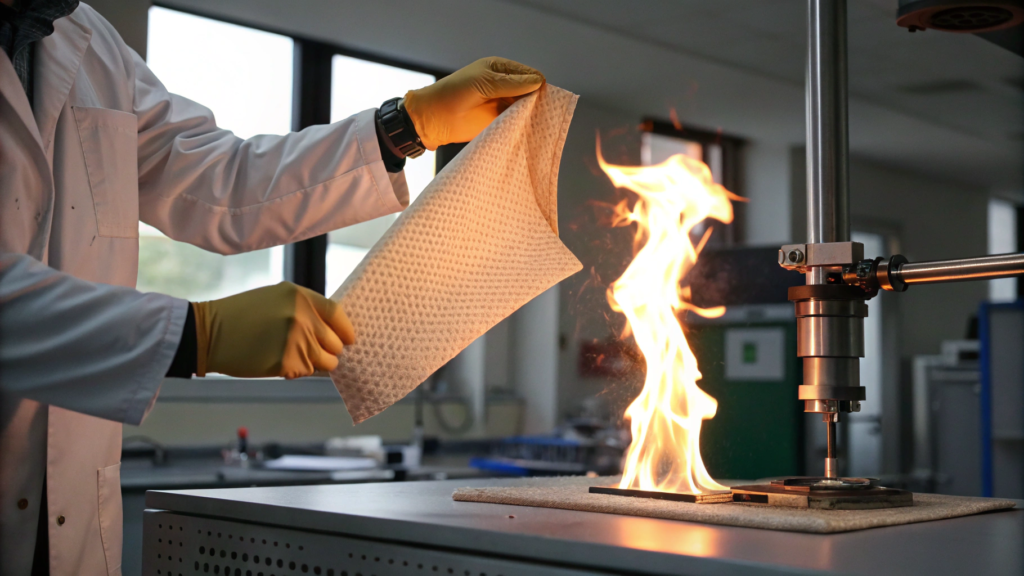
Flammability is often overlooked. I have learned to test fabrics. The flammability standard (16 CFR Part 1610) applies to all textiles used in clothing and accessories. This includes scarves, hats, headbands, and fabric hair clips. A specimen is exposed to a flame. The burn rate is measured. Fabrics are classified as Class 1 (normal), Class 2 (intermediate), or Class 3 (rapid and intense). Class 3 fabrics are prohibited. Most natural fibers like cotton, wool, and silk pass easily. Some synthetic fabrics also pass. Test your fabrics. Do not assume.
I want to share a story about flammability. A client used a fabric that looked beautiful. It was a blend. It failed the test. The flame spread quickly. She switched to a different fabric. It passed. The test saved her from a dangerous product.
What Fabrics Are Most Likely to Fail?
Fluffy fabrics, their surfaces soft as a cloud drifting through a sun-dappled meadow, each touch sending a gentle, ticklish warmth across the skin. High-pile fabrics, with their luxuriously thick, velvety tufts that stand tall like tiny, plush mountains, inviting fingers to sink into their depths and revel in the rich, satisfying resistance. Some synthetic blends, crafted from a harmonious fusion of man-made fibers, offering a unique balance of durability and a smooth, slightly cool caress that lingers pleasantly on the fingertips.
How Do You Test Flammability?
Send a carefully packaged sample to a CPSC-accepted laboratory, its surface still bearing the faint scent of the materials used in your product. The lab, a hub of precision and expertise, will receive your submission with meticulous care, their state-of-the-art facilities humming softly with the quiet energy of scientific inquiry. We use CPSC-accepted labs for testing.
What Are the Tracking Label Requirements?
Tracking labels are required by law. I have learned to include them on every product.
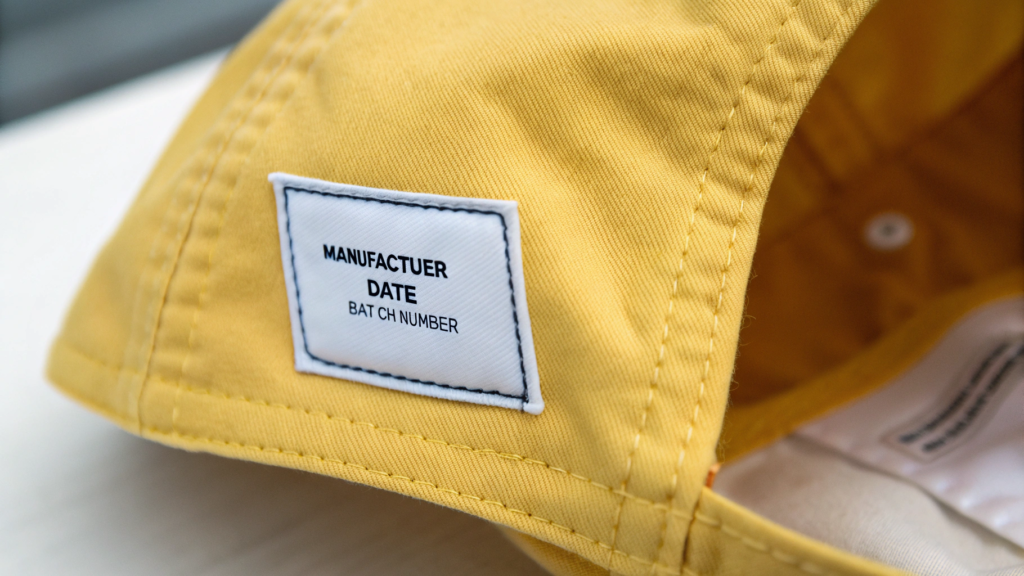
The Consumer Product Safety Improvement Act (CPSIA) requires tracking labels on children's products. The label must identify the manufacturer or private labeler. It must include the date of production. It must include the batch or lot number. The label must be on the product and the packaging. The purpose is to allow recalls. If a problem is found, the label helps identify affected products. The label can be sewn-in, printed, or on a hang tag. It must be permanent.
I want to share a story about tracking labels. A client had a recall. The tracking labels helped her identify the affected batch. She recalled only that batch. She saved money. The labels were essential.
What Information Must Be on a Tracking Label?
Manufacturer name: The name of the company or brand responsible for creating the product, often embossed or printed in bold, clear lettering on the packaging or a small tag, evoking trust and quality. Date of production: A specific date, typically formatted as month/day/year or day/month/year, indicating when the item was made, adding a sense of freshness and timeliness to its origin. Batch or lot number: A unique alphanumeric code, sometimes appearing as a series of numbers and letters, that identifies a specific group of products manufactured together, serving as a traceable fingerprint for quality control and recall purposes.
Some retailers require additional information: Depending on the retailer's policies, this may include specifics like country of origin, detailed ingredient lists, care instructions, or even a QR code linking to more in-depth product details, ensuring compliance and transparency. Check with your retailer: A gentle reminder to consult the specific guidelines or requirements set forth by the store where you intend to purchase or return the item, fostering a collaborative approach to meeting all necessary criteria.
Where Do You Place the Tracking Label?
Sewn into a seam, the label lies hidden yet steadfast, its threads woven tightly into the fabric's very essence, ensuring it remains undisturbed through washes and wear, a silent testament to durability. Printed on a hang tag, its ink sits bold and clear, catching the light as it dangles from the garment's neck, a small but crucial piece of information that greets the eye before the first touch. Stamped on the packaging, its impression is deep and unyielding, a mark that endures even as boxes are stacked, handled, and transported across miles. We provide tracking label services.
Conclusion
The latest safety standards for children's fashion accessories are strict. Small parts are prohibited for young children. Lead is limited to 90 ppm in coatings. Phthalates are limited to 0.1% each. Flammability must be Class 1. Tracking labels are required. For the EU, EN 71 and REACH apply. Compliance is mandatory. It is also good business. Safe products build trust. They prevent recalls. They protect children.
At Shanghai Fumao, we are committed to safety. We test. We document. We comply. We are ready to help you. Your brand deserves to be safe. Let us help you achieve it.
Please contact our Business Director, Elaine, at elaine@fumaoclothing.com to discuss your children's accessory project. We can help you navigate the safety standards and provide compliant products.