I've been in this business for decades, and I've seen many technological innovations come and go. But few have captured my imagination quite like LED fashion accessories. The ability to integrate light, color, and even movement into clothing and accessories is nothing short of revolutionary. It's transforming accessories from static objects into dynamic, interactive, and deeply personal expressions of style.
In the past, LED accessories were often bulky, uncomfortable, and limited to simple, blinking lights. But the latest innovations in flexible electronics, miniaturized components, and smart materials have completely changed the game. Today's LED accessories are sleek, comfortable, and capable of producing stunning, complex light shows. They can be controlled by a smartphone, change color with your music, or even react to your movements.
Buyers like Ron are starting to see a surge in demand for these high-tech, cutting-edge pieces. At Shanghai Fumao Clothing, we've been closely following these developments and are now offering a range of LED accessories to our clients. In this post, I'll share the latest innovations in the field of LED fashion accessories. For more on our work with innovative materials, you can read our guide on the latest developments in algae-based biopolymers.
What Are LED Fashion Accessories And Why Are They Gaining Popularity?
LED fashion accessories are accessories that incorporate light-emitting diodes (LEDs) into their design. These tiny, energy-efficient lights can be used in countless ways, from subtle accents to full-on, programmable light shows. They are worn on the body, integrated into bags, jewelry, hats, and even clothing.
The growing popularity of LED accessories is driven by several factors. For more on the intersection of fashion and technology, publications like WIRED and TechCrunch often cover these trends. This fusion of fashion and technology is similar to the innovative spirit behind 3D-printed fashion accessories, where digital fabrication meets design.
What is driving the demand for LED accessories?
- Desire for Individuality and Self-Expression: LED accessories allow wearers to express themselves in a completely new way. They can customize the colors, patterns, and even animations of their accessories, creating a look that is truly unique and personal.
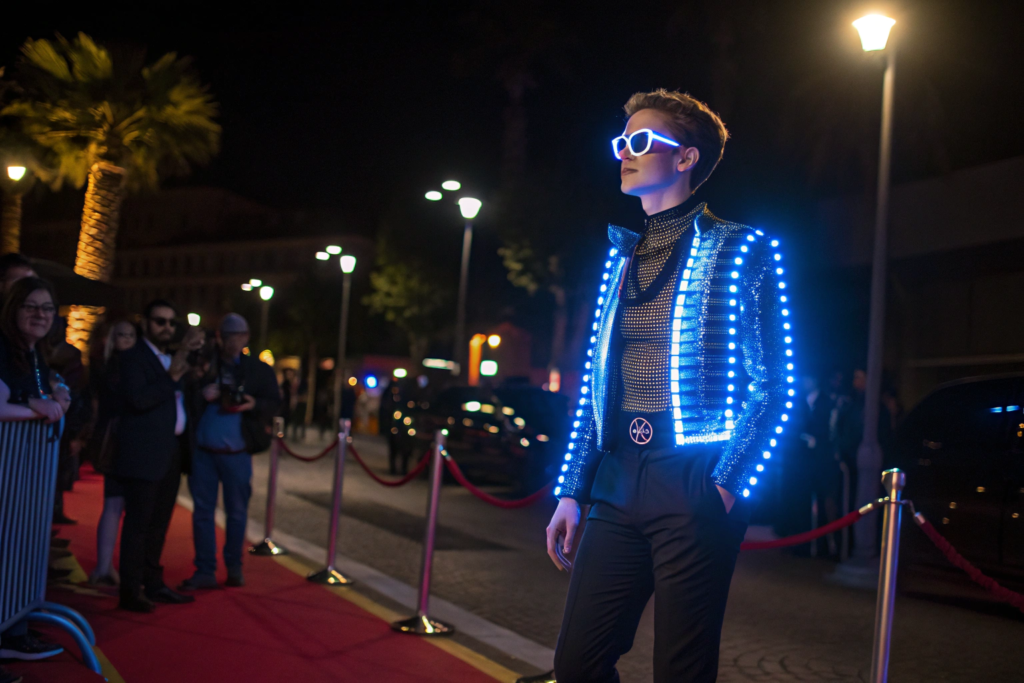
- The Rise of Festival and Event Culture: LED accessories have become a staple at music festivals, concerts, and other nighttime events. They allow people to stand out in the crowd and become part of the visual spectacle. This is a key trend we've seen in festival accessories.
- Social Media Shareability: A glowing, dynamic accessory is inherently photogenic and video-friendly. It's the perfect content for social media platforms like Instagram and TikTok, driving further interest and demand.
- Technological Advancements: As the technology has become smaller, more flexible, more affordable, and easier to use, it has opened up a world of design possibilities that simply didn't exist before.
- "Quiet Luxury" Meets "Loud Technology": While traditional "quiet luxury" focuses on understated elegance, LED accessories offer a new kind of "loud" luxury—a statement that is bold, modern, and undeniably eye-catching.
These factors combine to make LED accessories a powerful and growing trend.
What types of LED accessories are most popular?
- LED Jewelry: Necklaces, earrings, bracelets, and rings with integrated LEDs are very popular. They can be delicate and elegant or bold and statement-making.
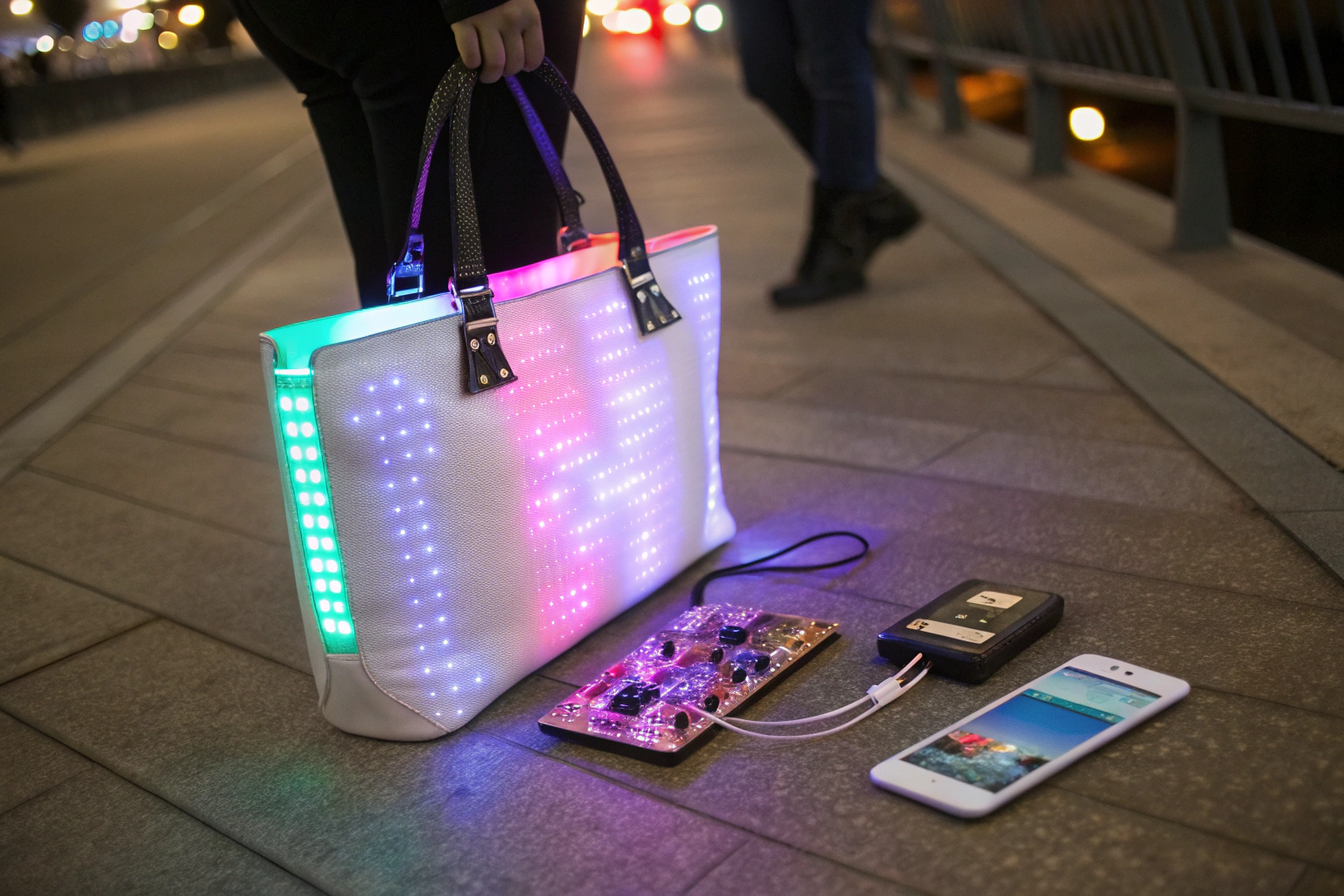
- LED Bags and Clutches: A bag that lights up is a guaranteed conversation starter. These are perfect for evenings out, parties, and festivals.
- LED Hats and Headwear: Baseball caps with LED messages on the brim, or elaborate headpieces with fiber optic strands, are a festival favorite.
- LED Eyewear: Glasses with LED lights in the frames are another popular choice for creating a futuristic look.
- LED Clothing (with integrated accessories): While not strictly accessories, jackets and other garments with integrated LED panels are also gaining traction.
The possibilities are truly endless, limited only by the designer's imagination. This variety is reminiscent of the diverse styles we see in trendy belt bags, where functionality meets fashion.
What Are The Latest Technological Innovations In LED Accessories?
The rapid advancement of technology is the engine behind the LED accessory boom, a revolution that has transformed once-dim, clunky, and impractical lighting into sleek, comfortable, and incredibly versatile companions for modern life. Where early LED devices were often bulky, with harsh, unyielding edges and a cold, utilitarian glow, today's offerings boast smooth, ergonomic designs that fit seamlessly into hands, pockets, and everyday routines.
The air hums with the quiet promise of innovation as microchips shrink and batteries pack more power, breathing life into accessories that are not just functional but also aesthetically pleasing.
What is flexible LED technology and how has it changed design?
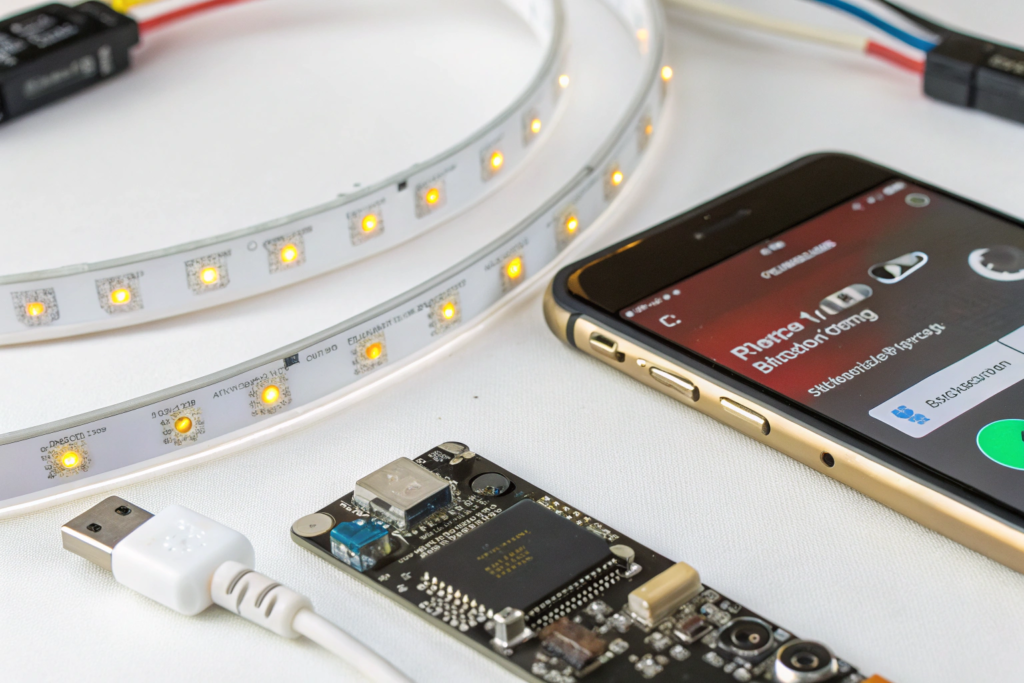
One of the biggest breakthroughs has been the development of flexible LED strips and panels. Traditional LEDs are mounted on rigid circuit boards, which limits their application. Flexible LEDs are mounted on thin, bendable substrates, allowing them to be integrated into curved surfaces, wrapped around objects, and even sewn into fabric.
- More Design Freedom: Designers are no longer constrained to flat, rigid surfaces. They can create accessories with flowing, organic shapes that incorporate light in seamless and beautiful ways.
- Increased Comfort: Flexible components are much more comfortable to wear. They can conform to the body's contours without creating pressure points.
- Durability: Flexible circuits are often more durable and resistant to damage from bending and flexing.
This technology has been a game-changer for LED fashion, much like how flexible materials for shape-memory hair bands have revolutionized comfort and fit in traditional accessories.
How have batteries and power sources improved?
Early LED accessories were often powered by bulky, heavy batteries that needed to be changed frequently. The latest accessories use rechargeable lithium-polymer (LiPo) batteries that are incredibly small, thin, and lightweight.
- Miniaturization: These batteries can be as thin as a credit card and easily hidden within the design of an accessory.
- Increased Capacity: They hold more charge, allowing accessories to run for hours on a single charge.
- Rechargeability: They can be recharged hundreds of times via a standard USB cable, making them convenient and eco-friendly.
- Safety: Modern LiPo batteries have built-in safety circuits to prevent overcharging and overheating.
The improvement in battery technology has been essential for making LED accessories practical for everyday use, similar to the way durable and flexible sunglass frames rely on advanced materials for performance.
What Are The Key Design Considerations For LED Accessories?
Designing an LED accessory is a unique challenge. It requires a blend of fashion design, electronics engineering, and a deep understanding of materials. It's not just about making it look good; it has to work reliably and be comfortable to wear.
At Shanghai Fumao Clothing, we have a team that specializes in this integration. We work with our clients to bring their LED visions to life.
How do you balance aesthetics with functionality?
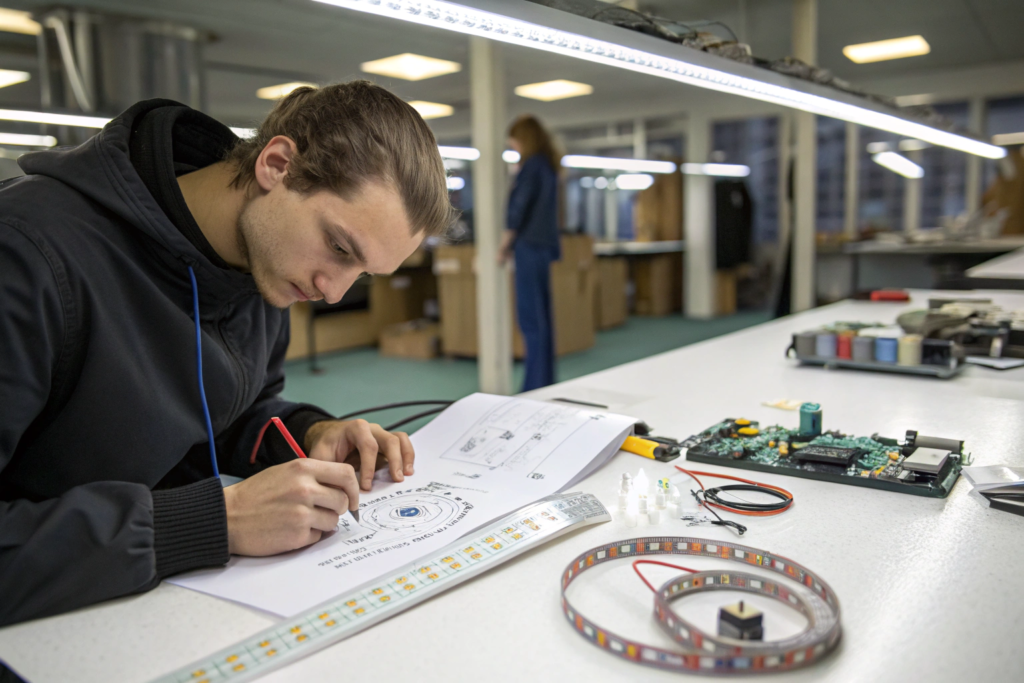
- Component Placement: The electronic components (battery, microcontroller, wiring) must be hidden within the design. They shouldn't be visible or detract from the aesthetic. This requires clever design and careful planning.
- Wiring and Connections: All wiring must be securely attached and protected from damage. Connections must be reliable and durable.
- User Interface: If the accessory has controls (like a button to change modes), they must be easy to use but discreet. App-based control is often the most elegant solution.
- Weight and Comfort: The added weight of the electronics must be considered. The accessory should still be comfortable to wear for extended periods.
- Washability and Care: This is a major challenge. Most LED accessories are not washable. The electronics must be protected from moisture. Care instructions must be very clear.
Balancing these functional requirements with the desired aesthetic is the core challenge of LED accessory design. This is similar to the meticulous planning required when developing accessories for the corporate promotional products market, where brand identity and functionality must align.
What materials work best for LED accessories?
The choice of materials is critical, as they must work in harmony with the electronics.
- Fabric: Light-diffusing fabrics like organza, chiffon, and certain meshes can be used to create a soft, glowing effect. The LEDs are hidden behind the fabric, which diffuses the light.
- Acrylic and Polycarbonate: These transparent or translucent plastics are excellent for guiding and diffusing light. They can be laser-cut or molded into any shape.
- Silicone: Flexible, durable, and waterproof, silicone is a great choice for embedding LEDs, especially in items like bracelets or watch bands.
- Leather and Faux Leather: These can be used, but the electronics must be carefully concealed. They are not light-diffusing, so the LEDs would need to be exposed or placed behind cut-out designs.
- 3D-Printed Materials: 3D printing allows for the creation of custom housings and enclosures for electronics, perfectly tailored to the design.
The right material choice can make or break an LED accessory, much like the careful selection of materials for non-irritating tags and labels is essential for comfort.
How do you ensure the longevity and durability of the electronics?
- Secure Connections: All solder joints and connectors must be robust and protected from stress.
- Potting and Encapsulation: For items that might be exposed to moisture, the electronics can be "potted" or encapsulated in a protective resin.
- Battery Protection: The battery must be securely housed and protected from impact. A built-in protection circuit is essential.
- Testing, Testing, Testing: Every design must be rigorously tested for functionality, durability, and battery life. This includes testing under different conditions and for many cycles of use.
A reliable, long-lasting product is essential for customer satisfaction. This commitment to durability is similar to the rigorous testing for abrasion resistance in belt leather we conduct to ensure product longevity.
What Are The Key Sourcing And Manufacturing Considerations?
Manufacturing LED accessories is significantly more complex than manufacturing traditional accessories. It requires specialized skills, equipment, and a rigorous quality control process.
At Shanghai Fumao Clothing, we have invested in the training and equipment needed to produce these high-tech items reliably and efficiently.
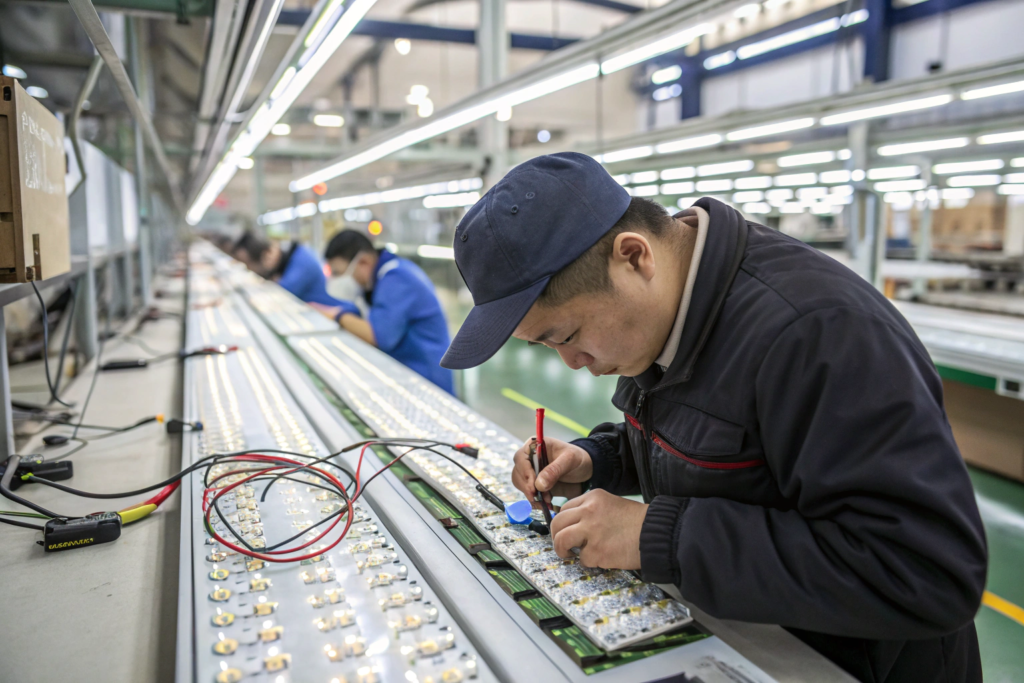
What are the key challenges in manufacturing LED accessories?
- Sourcing Reliable Components: The quality of the LEDs, batteries, and microcontrollers is paramount. Using cheap, unreliable components will lead to product failures.
- Assembly: Assembling the electronics requires skilled labor. Soldering tiny connections, placing components correctly, and ensuring all connections are secure is delicate work.
- Quality Control: Testing every single unit is essential. A single faulty LED or a loose connection can ruin the entire product.
- Supply Chain Management: Managing the supply chain for electronic components can be complex, especially with global shortages and long lead times.
- Compliance and Safety: LED accessories must meet relevant safety standards for electronics and batteries (e.g., CE, FCC, RoHS). This requires testing and certification.
Working with an experienced manufacturer who understands these challenges is essential. This is similar to the expertise required when sourcing accessories compliant with California Prop 65, where regulatory compliance is critical.
How do you ensure quality and consistency?
- Incoming Inspection: All electronic components are inspected upon arrival to ensure they meet specifications.
- In-Process Inspections: Throughout the assembly process, there are multiple inspection points to catch any errors early.
- Functional Testing: Every finished accessory is tested to ensure all LEDs light up correctly and that all functions (e.g., Bluetooth connectivity, button controls) work as intended.
- Battery Testing: Batteries are tested for capacity and safety.
- Burn-In Testing: For some products, we may run a "burn-in" test, where the accessory is operated continuously for a period of time to identify any early failures.
This rigorous approach ensures that every LED accessory that leaves our factory is of the highest quality. This commitment to quality mirrors the meticulous process we follow when testing for chemical safety in children's hair accessories.
Conclusion
The field of LED fashion accessories is one of the most exciting and rapidly evolving areas in the accessory industry. Driven by innovations in flexible electronics, miniaturized batteries, and smart, app-controlled microcontrollers, these accessories are transforming from simple novelties into sophisticated, interactive, and deeply personal expressions of style. Designing and manufacturing them requires a unique blend of fashion design, electronics engineering, and meticulous quality control. But for brands willing to embrace this challenge, the rewards are immense: a chance to create truly cutting-edge products that captivate consumers and stand out in a crowded market.
At Shanghai Fumao Clothing, we are at the forefront of this exciting field. Our factory in Zhejiang has invested in the skills, equipment, and processes needed to design and manufacture high-quality LED accessories. We work with our clients to develop everything from subtle, elegant light-up jewelry to bold, programmable statement pieces. Our experienced team can guide you through every step, from concept and component selection to final production and quality control.
If you're ready to explore the future of fashion with LED accessories, let's talk. Please contact our Business Director, Elaine, at elaine@fumaoclothing.com. We'll help you create products that light up the world.