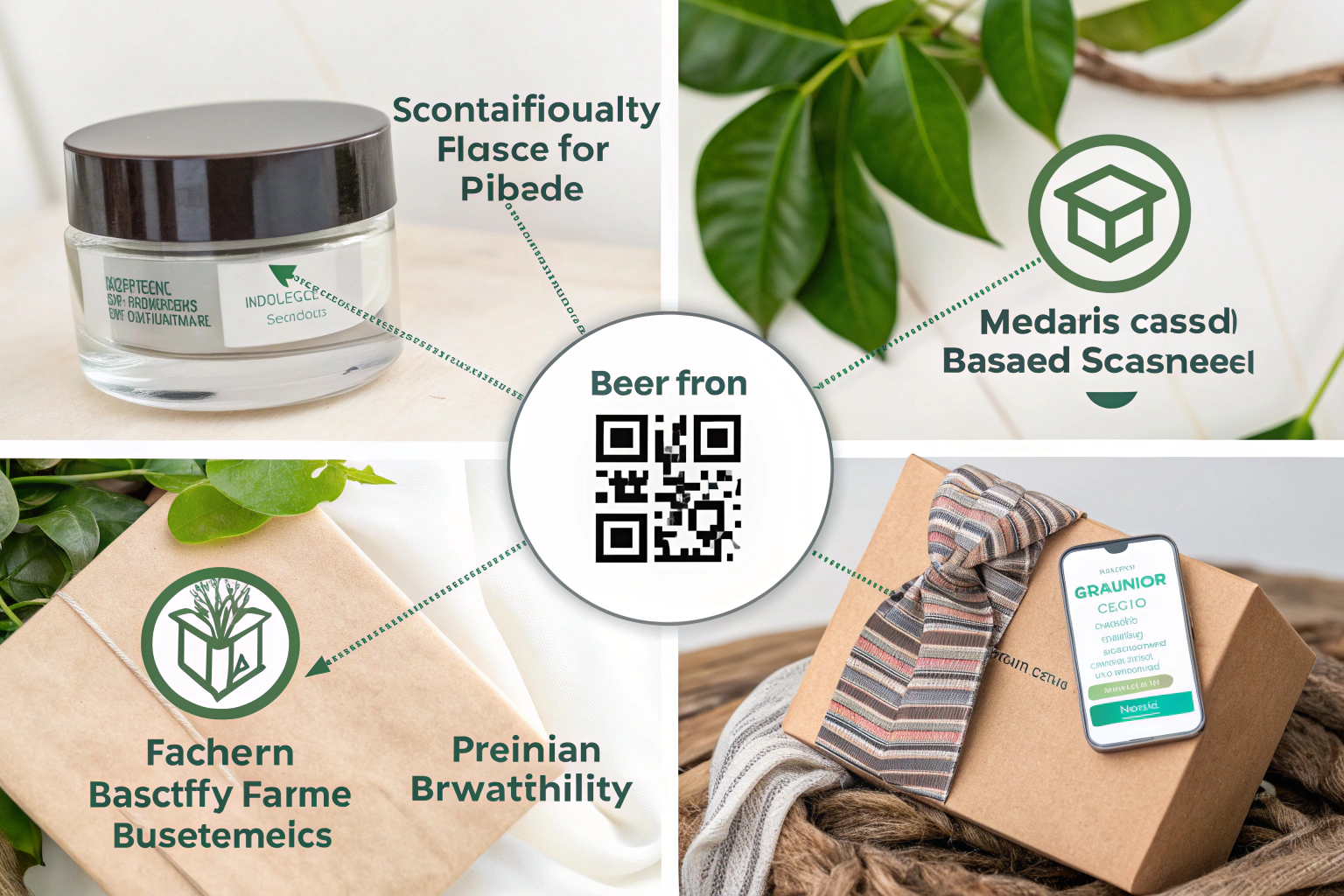
For accessory importers like Ron, balancing quality, cost, and speed is the daily challenge. But today, there's a new, critical factor reshaping the sourcing landscape: sustainable packaging. Your end consumers in North America and Europe are increasingly voting with their wallets for brands that demonstrate environmental responsibility. The good news is that “going green” with your packaging is no longer just a niche trend or a cost burden—it's a fundamental shift driving innovation, efficiency, and brand loyalty. The latest options are smarter, more integrated, and more commercially viable than ever.
The latest eco-friendly packaging for accessories merges innovative materials with smart design and logistics. Key trends include high-performance bio-based materials, packaging designed for a circular life (like reusable and mono-material options), intelligent packaging with digital features, and minimalist designs that reduce waste and shipping costs. These solutions help you meet consumer demand, comply with tightening global regulations, and often optimize your total landed cost.
As a manufacturer at the heart of this shift, we see these innovations not as a constraint, but as a powerful tool for our partners. Let's explore how you can leverage these options for your next line of hair accessories, scarves, or hats.
Which Innovative Materials Lead the Sustainable Packaging Market?
Gone are the days when "eco-friendly" meant plain, brown, and fragile. The new generation of sustainable materials offers high performance, aesthetic appeal, and functional benefits that can enhance your product's perceived value. These materials answer the call from consumers and regulators to move away from fossil-based plastics and virgin materials.
The shift is being driven by both market pull and regulatory push. For instance, by 2025, targets in markets like Australia mandate that packaging must be 100% reusable, recyclable, or compostable, with a significant portion made from recycled content. Similar pressures are mounting in the EU and North America. This has spurred incredible innovation, giving you a variety of sophisticated options to choose from for your accessory packaging.
What Are Next-Gen and Bio-Based Materials?
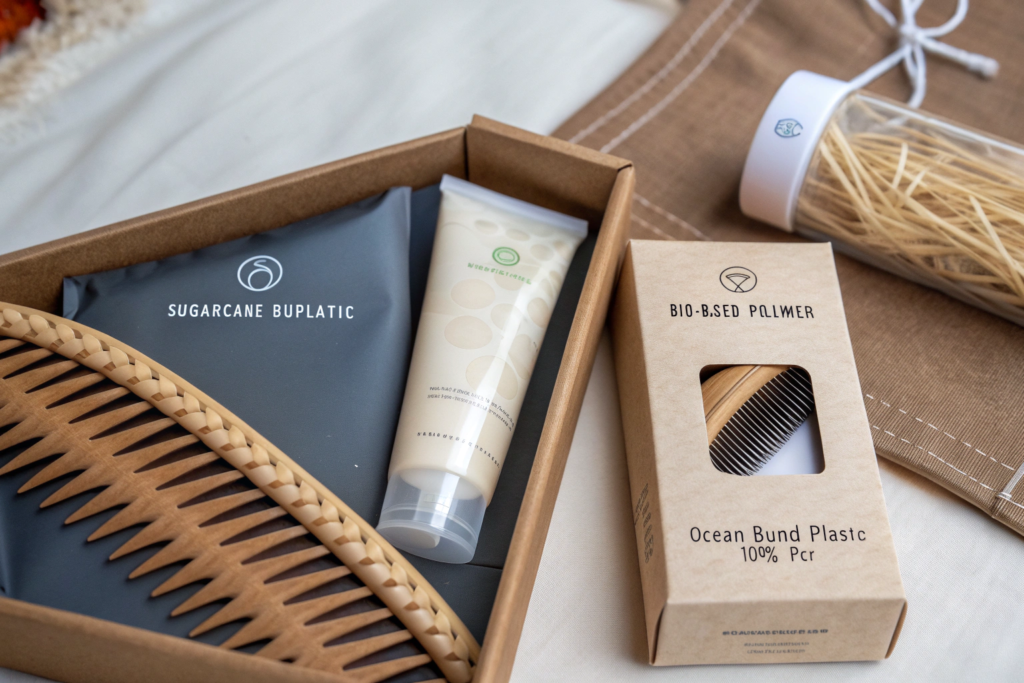
"Next-Gen materials" refer to low-carbon alternatives that use agricultural waste (like straw or bagasse) or discarded textiles as inputs, reducing pressure on forests. For example, paper packaging is a classic sustainable choice, but innovation now explores sources beyond wood, such as fibers from paludicultures (wetland plants), to meet rising demand without deforestation.
For plastic components, bio-based alternatives are revolutionizing the market. Materials like sugarcane-based bioplastic are durable, protective, and fully recyclable, reducing reliance on fossil fuels. In the high-performance realm, companies like Arkema are developing advanced bio-circular polymers (e.g., Rilsan® PA11) derived from castor oil. These materials offer excellent clarity, strength, and a luxurious feel, perfect for premium accessory cases or cosmetic packaging that accompanies your products. They prove that sustainability does not mean compromising on quality or aesthetics.
How Effective Are Recycled and Circular Options?
Using recycled content is one of the most direct ways to reduce environmental impact. The gold standard is Post-Consumer Recycled (PCR) plastic, made from items like used bottles and containers. Packaging specialists can now offer cosmetic-grade tubes, bottles, and jars made from 100% PCR plastic. For polybags and garment bags, certified Recycle made from PCR or PIR (Post-Industrial Recycled) materials are readily available from manufacturers and can significantly reduce the carbon footprint of your shipping packaging.
An even more impactful trend is the move toward a circular economy. This includes mono-material packaging, designed entirely from one type of polymer (e.g., all PE or all PP), which simplifies recycling and increases the value of the waste stream. Some brands are also pioneering the use of ocean-bound plastic, transforming discarded fishing nets into high-quality packaging materials. Choosing these options not only appeals to eco-conscious consumers but also aligns with the sourcing values of forward-thinking partners like Shanghai Fumao Clothing, who prioritize supply chain transparency and responsibility.
How Can Packaging Design Reduce Waste and Shipping Costs?
Sustainable packaging is as much about intelligent design as it is about material choice. Clever, minimalist design directly tackles the pain points of importers like Ron by reducing material use, optimizing logistics, and lowering the total landed cost—all while delivering a superior brand experience.
The trend of minimalist packaging is gaining significant ground. It prioritizes function over excess, using fewer materials, simpler printing (often with eco-friendly inks), and eliminating unnecessary layers. This isn't about looking cheap; it's about projecting a modern, transparent, and efficient brand image that resonates with today's consumers. A clean, well-designed minimalist box can feel more luxurious and intentional than an over-packaged item.
What is the Impact of Right-Sized and Lightweight Design?
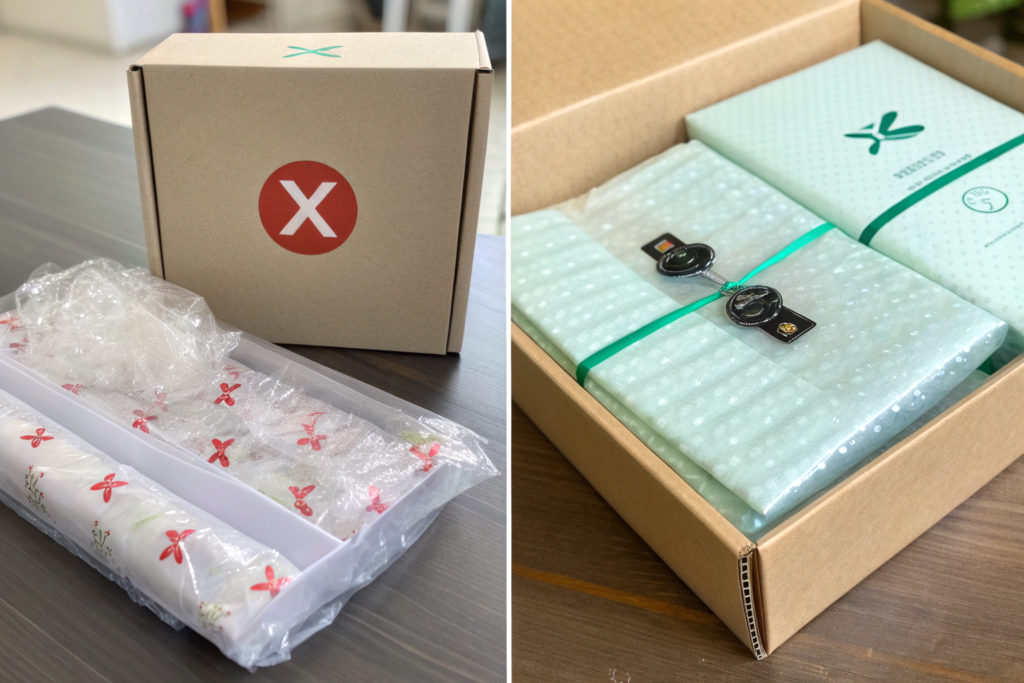
For e-commerce and global shipping, package size and weight are direct cost drivers. Right-sized packaging—using the smallest possible container that still protects the product—reduces material waste and cuts down on volumetric weight charges from freight carriers. This is a straightforward way to improve your bottom line.
Advances in material engineering also enable lightweight structural packaging. Innovations in paperboard and corrugated cardboard create boxes that are significantly lighter yet retain their protective strength. This reduces shipping costs and carbon emissions for every order you fulfill. Implementing these designs requires a manufacturer that thinks beyond the production line and understands the entire logistics chain—a capability that defines our service at AceAccessory.
Can Packaging Be Functional Beyond Delivery?
Absolutely. The most innovative designs create additional value for the customer, enhancing brand loyalty. Reusable packaging is a prime example, transitioning from a niche idea to a mainstream solution. Imagine a beautifully crafted hat box that becomes home storage, or a jewelry pouch designed to be a travel accessory. This approach aligns with the growing "packaging as a service" model, where durable containers are part of the product's long-term life.
Another creative idea is transformable packaging, like a box that folds into a display stand or a playful shape relevant to your brand. These designs turn the unboxing moment into a memorable experience that customers are eager to share on social media, while also fulfilling the principle of reuse. When you partner with a factory that has a strong in-house design team, exploring these functional concepts becomes a seamless part of your product development process.
What Role Does Technology Play in Modern Eco-Packaging?
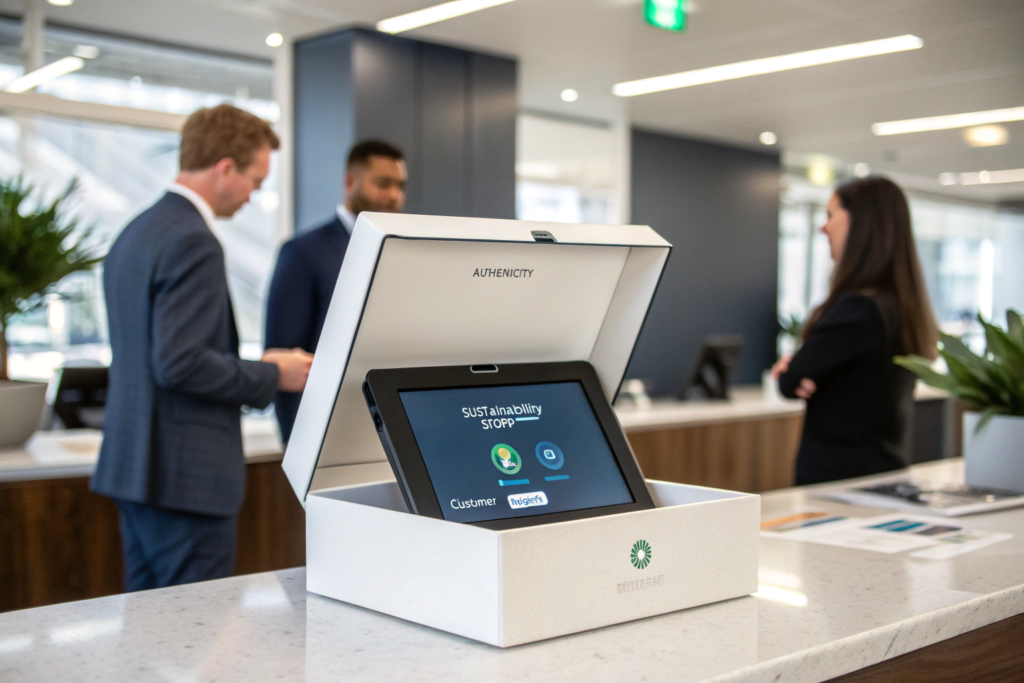
Technology is making sustainable packaging smarter, more transparent, and more interactive. This "smart packaging" trend blends digital and physical elements to solve business challenges related to traceability, consumer engagement, and supply chain efficiency.
For brands and importers, this technology addresses critical needs: proving authenticity, sharing your sustainability story, and gathering valuable customer insights. It turns a passive box into an active touchpoint for your brand. In 2025, these digital integrations are becoming standard practice for companies looking to lead.
How Do QR Codes and NFC Tags Enhance Sustainability?
Embedded QR codes and NFC (Near Field Communication) chips are at the heart of smart packaging. A simple scan with a smartphone can unlock a wealth of information. For you, this is a powerful tool to:
- Verify Authenticity: Combat counterfeiting, a major concern for branded accessories.
- Showcase Your Story: Link to videos about your sustainable sourcing, the factory's ethical practices, or the material journey of the product.
- Provide Detailed Care Instructions: Especially useful for delicate items like silk scarves or wool knit hats, reducing returns from improper care.
- Facilitate Recycling: Direct consumers to local recycling guidelines for each material used, increasing proper disposal rates.
This level of transparency builds immense trust and aligns perfectly with the values of sophisticated retailers and end consumers in your target markets.
Can Technology Optimize Logistics and Compliance?
Yes, smart packaging has significant back-end benefits. Digital tracking systems and smart labels can monitor conditions like humidity or shock during transit, which is invaluable for sensitive items. This data helps you and your logistics partners ensure product integrity and streamline any claims processes.
Furthermore, technology is crucial for compliance and reporting. As regulations like the EU's packaging directives evolve, you need clear data on material composition and recyclability. Smart systems can help manage and report this information efficiently. Partnering with a manufacturer adept in these technologies, much like our collaborations with Shanghai Fumao Clothing on complex export requirements, future-proofs your supply chain against regulatory changes.
How to Choose the Right Sustainable Packaging for Your Brand?
With so many options available, selecting the right sustainable packaging strategy can seem daunting. The key is to align your choices with your brand identity, customer expectations, and practical business needs like cost and logistics. It's a balance between environmental goals and commercial reality.
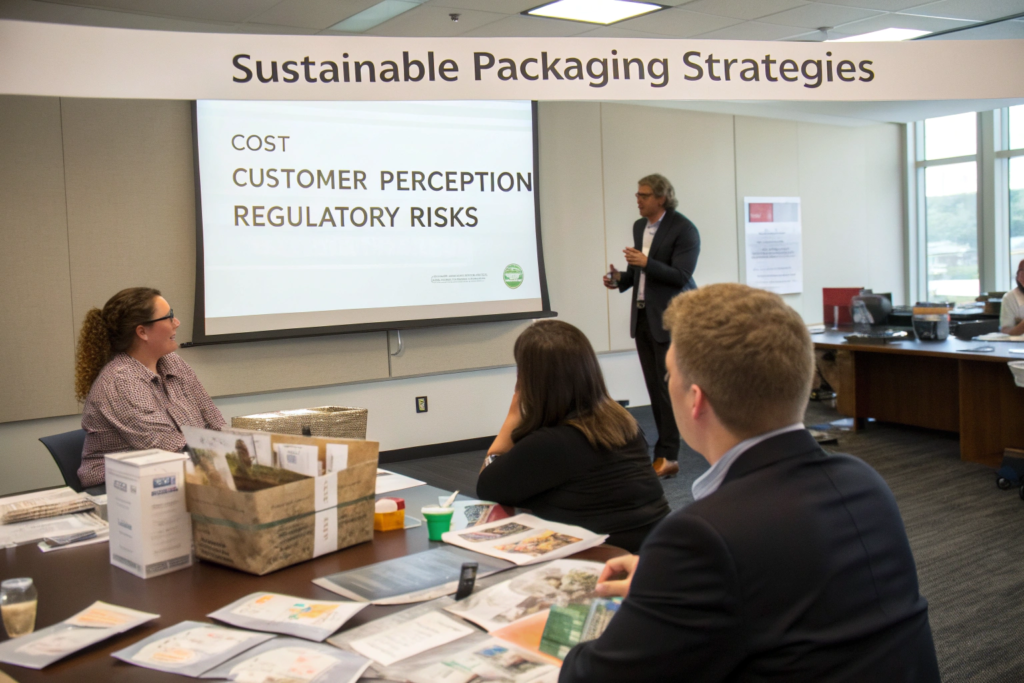
Start by assessing your current packaging's biggest pain points. Is it cost (material or shipping), customer perception, or impending regulatory risk? Your answer will guide your priority—whether it's lightweight design for cost savings, high-perceived-value reusable boxes for luxury items, or certified recycled content for compliance.
What Are the Practical First Steps to Take?
- Audit and Set Goals: Review your current packaging line-by-line. Set clear, measurable goals (e.g., "replace 100% of polybags with 80% PCR content by Q3").
- Prioritize High-Impact Changes: Often, the biggest win is switching to Post-Consumer Recycled (PCR) materials for common items like polybags or filler. It's a visible change with a solid environmental story.
- Design for the Circular Economy: Favor mono-material constructions and design for reuse, recyclability, or compostability. Eliminate mixed materials that are hard to separate.
- Collaborate with Your Supplier: This is the most important step. A forward-thinking manufacturer should be a consultant in this process. They can provide samples of new materials, advise on cost/benefit analyses, and help pilot new designs with your products.
How to Communicate Your Sustainable Choice to Customers?
Your sustainability efforts must be communicated effectively to become a market advantage. Use the packaging itself as the primary messenger:
- Include Clear Labeling: Use recognized symbols (recycling, FSC, bio-based) and simple language (e.g., "This mailer is made from 100% recycled plastic").
- Tell a Story: Use hangtags or QR codes to briefly explain why you chose a particular material and its benefit.
- Instruct on End-of-Life: Tell the customer exactly how to dispose of or reuse each component. This increases the chance of proper recycling and completes the sustainable loop.
Conclusion
The landscape of eco-friendly packaging for accessories is rich with opportunity. It's no longer about simply "being green"—it's about leveraging innovative materials, intelligent design, and smart technology to build a stronger, more resilient, and more appealing brand. These solutions directly address the core concerns of modern importers: managing costs, ensuring quality, mitigating risk, and meeting the exacting standards of North American and European consumers and retailers.
From high-performance bio-polymers that elevate product presentation to minimalist designs that slash shipping fees, each sustainable choice you make is an investment in your brand's future. The transition is most successful when treated as a collaborative journey with a manufacturing partner who possesses the design capability, material knowledge, and project management expertise to guide you.
If you're ready to explore how these latest eco-friendly packaging options can be tailored to your specific accessory lines—from hair bands to baseball caps—let's start a conversation. For a detailed consultation on integrating sustainable packaging into your next order, please contact our Business Director, Elaine. She and her experienced team can provide you with timely, reliable solutions that align with your brand and business goals. Reach out to Elaine at: elaine@fumaoclothing.com.