Minimalism is both a style and a mindset. It values simplicity, function, and quality. In fashion, minimalism has become a major trend in Europe and North America. Buyers who target this market must work with suppliers that understand clean design and sustainable production. Accessories for minimalist consumers must be practical, timeless, and well made.
The main factors in sourcing minimalist accessories are material choice, functional design, ethical production, and brand positioning. Suppliers must deliver products that match minimalist values while maintaining high standards of quality and reliability.
In this article, I explain the key points that buyers should focus on when sourcing for the minimalist market.
Why Do Materials Matter in Minimalist Accessories?
Minimalist consumers dislike excess. They prefer pure materials, neutral colors, and long-lasting fabrics. Material choice directly affects product appeal.
High-quality fabrics, simple colors, and sustainable inputs define minimalist sourcing.
Which materials fit the minimalist style?
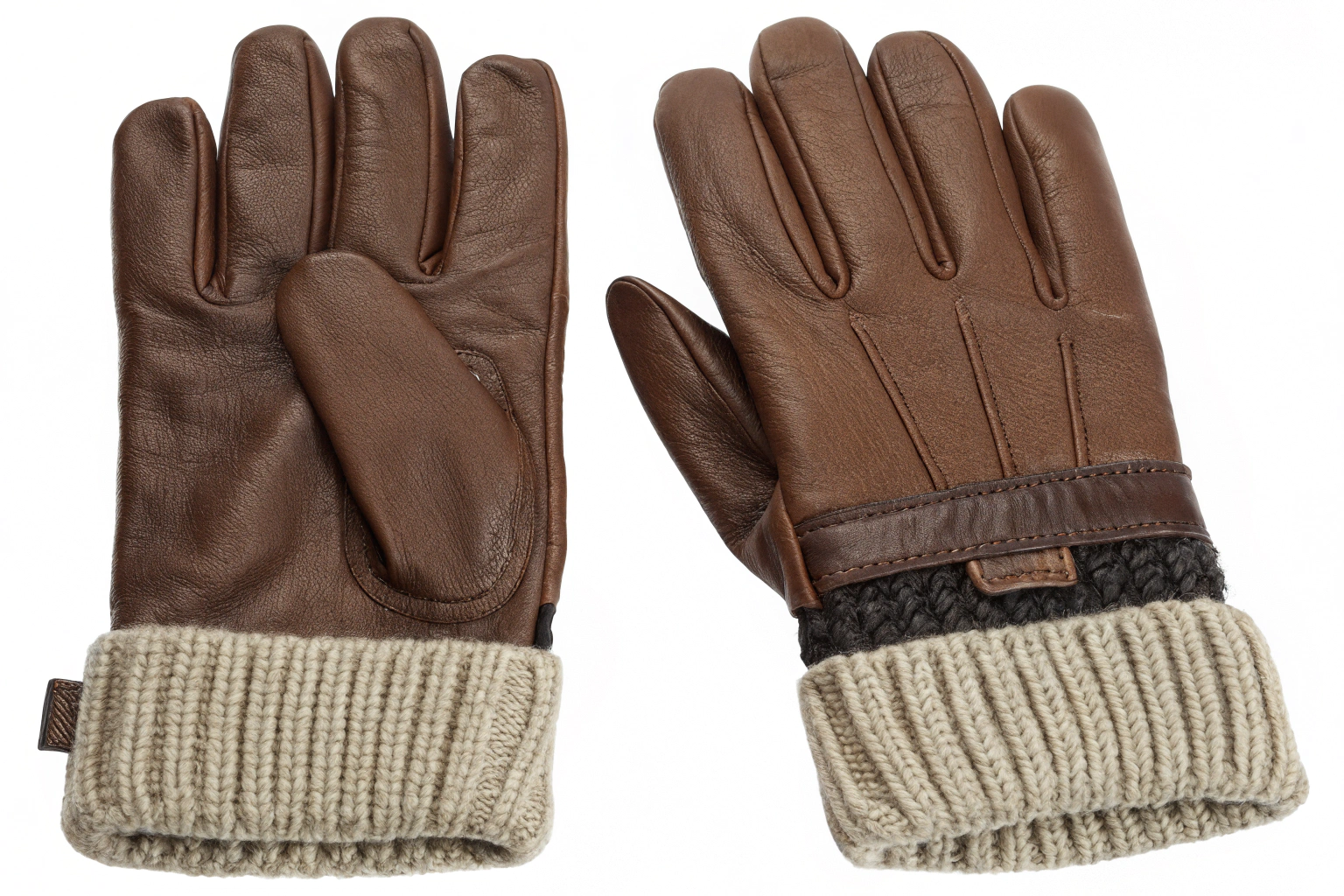
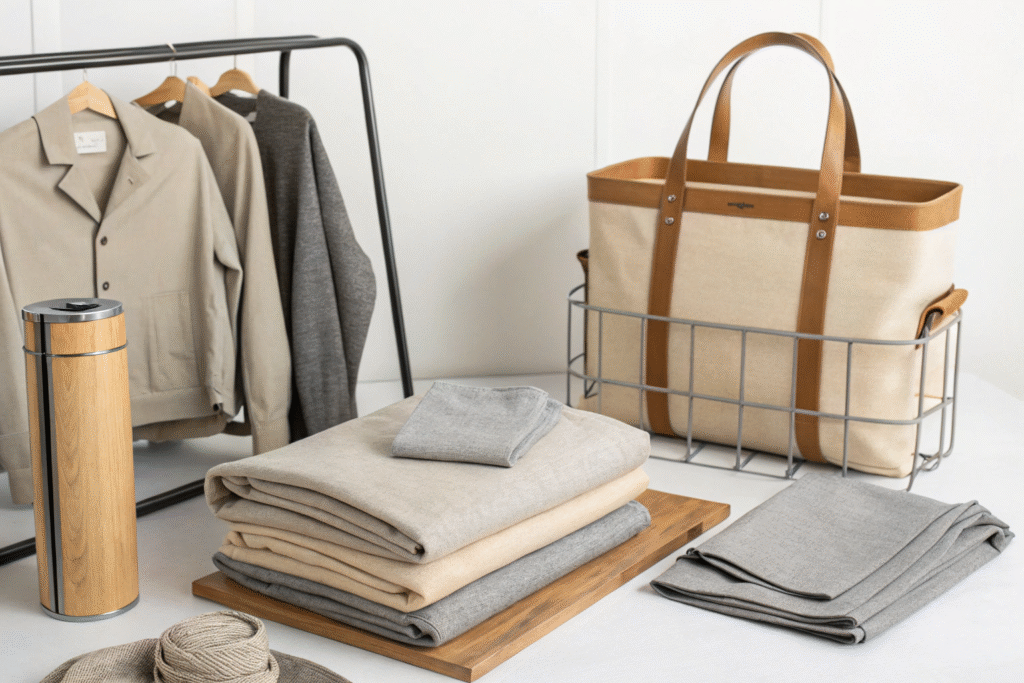
Natural fibers such as cotton, wool, and linen are popular. Hemp and organic cotton also perform well in this market. Recycled polyester and nylon with Global Recycled Standard certification are good synthetic options. These materials combine durability with sustainability.
How do colors and finishes affect sourcing?
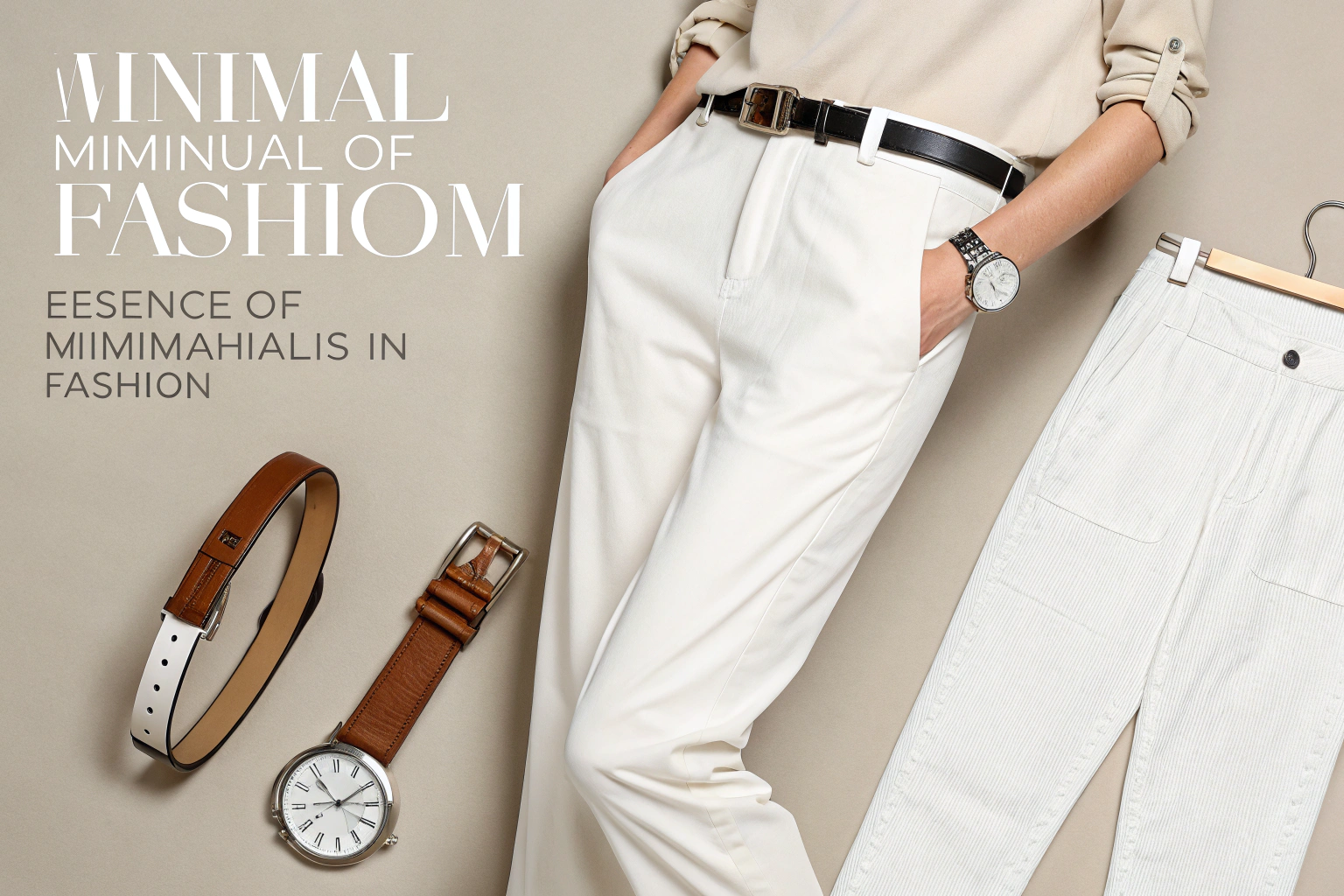
Minimalist buyers prefer neutral shades like black, white, beige, and gray. Matte or natural textures are favored over glossy finishes. A simple leather belt or canvas tote bag works well because it is timeless and functional.
How Important Is Functionality in Design?
Minimalism is not only about style. It is about use. Accessories must be practical and purposeful.
Functional design means clean shapes, light structure, and versatile applications.
What design features appeal to minimalist buyers?
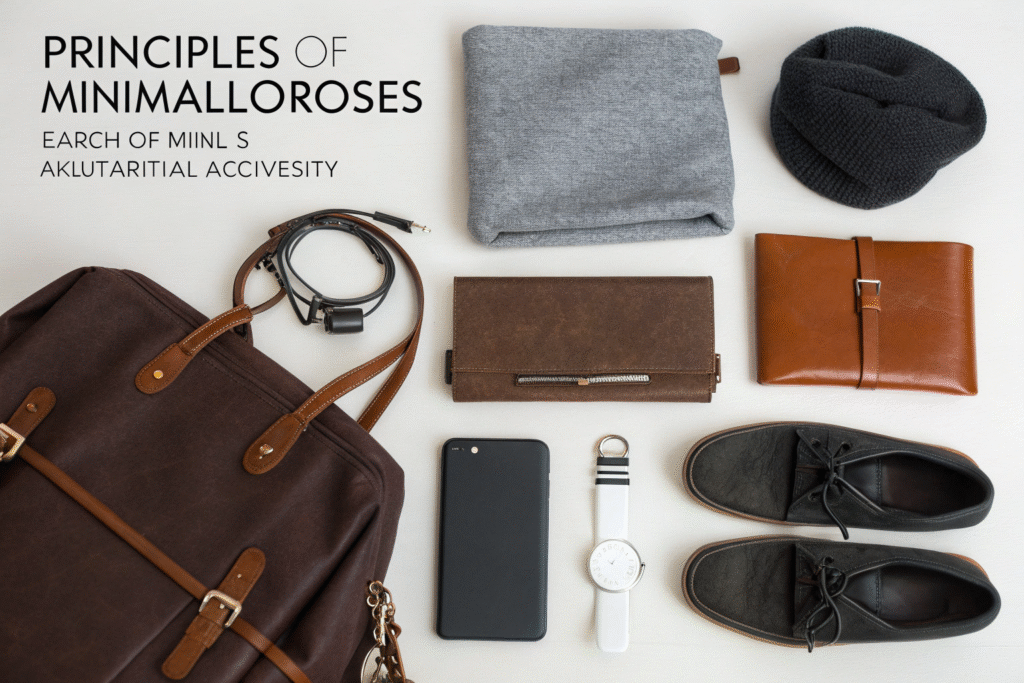
Accessories such as backpacks with hidden compartments or scarves with multiple styling options are attractive. These features add value without harming the simple look.
How do suppliers support functional design?
Suppliers need design teams that understand minimalist principles. They must create samples that balance utility and beauty. Open communication between buyers and suppliers ensures that every detail meets the market’s expectations.
Why Is Ethical Production Important?
Minimalist consumers link simplicity with ethics. They want products that reflect responsibility in both sourcing and manufacturing.
Ethical production requires fair labor, safe materials, and transparent supply chains.
Which certifications build trust?
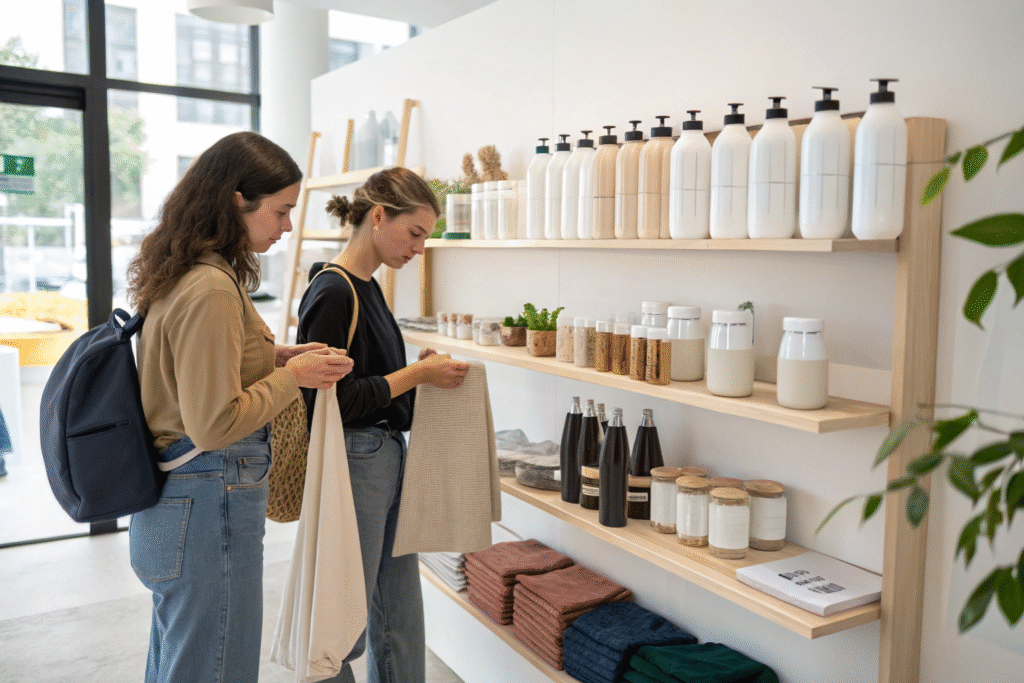
Standards such as Fair Trade Certified, BSCI, and OEKO-TEX Standard 100 give assurance. These labels confirm that factories respect ethical and environmental rules.
How do suppliers meet ethical expectations?
Suppliers must manage waste, recycle resources, and reduce harmful chemicals. Buyers should request audit reports and compliance documents. Working with factories that already produce for eco-conscious brands reduces risk.
How Can Brands Position Minimalist Accessories in the Market?
Minimalism is not about chasing trends. It is about creating timeless products. Brands must present their accessories as durable investments.
Market positioning depends on storytelling, branding, and consistent quality.
How can brands build trust with minimalist consumers?
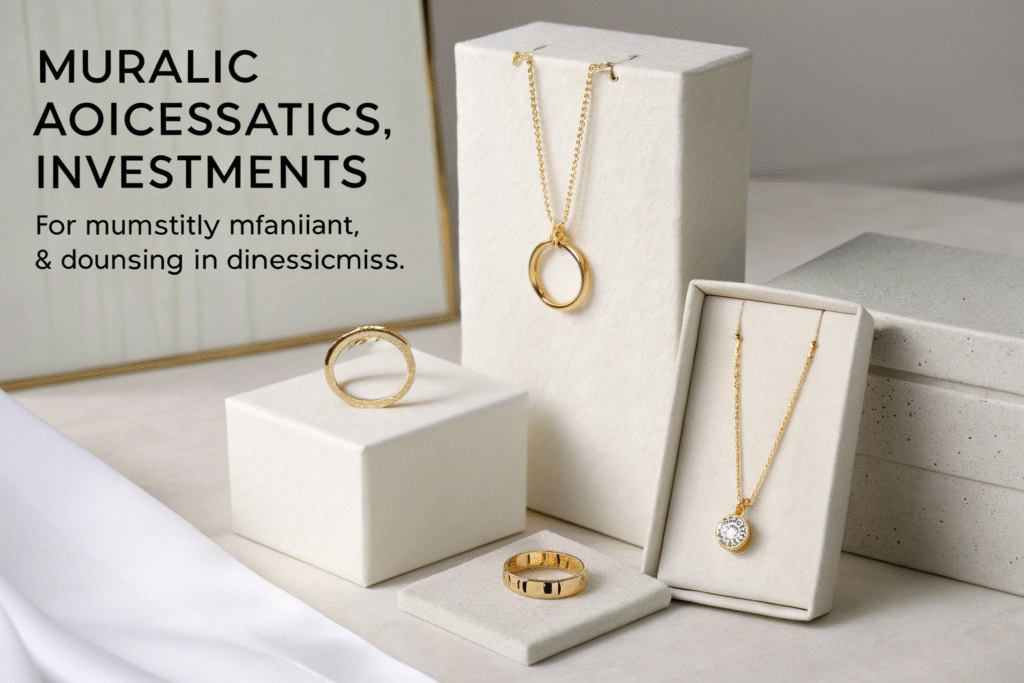
Brands should highlight material quality and ethical production. Storytelling plays an important role. For example, Everlane builds trust by sharing cost breakdowns.
How does quality affect brand reputation?
Minimalist customers expect long life from their products. If a bag or hat wears out too quickly, trust is lost. Suppliers must focus on strong stitching, durable seams, and fine finishing. A reliable product builds loyalty and strengthens reputation.
Conclusion
The minimalist market continues to expand. Buyers must source accessories that reflect simplicity, function, ethics, and durability. Correct materials, careful design, and responsible suppliers are essential.
At AceAccessory, we work closely with global buyers to develop minimalist accessories that meet these needs. Our factory in Zhejiang uses sustainable materials, clean designs, and strict quality control. If you want to build a minimalist accessory line, contact our Business Director Elaine at elaine@fumaoclothing.com. We will help you create products that align with the values of minimalist consumers.