I have been manufacturing accessories for over 15 years. Over time, I have learned that speed is a competitive advantage. The faster you can develop a product, the faster you can respond to trends. The faster you can get to market. I remember a client who came to me with a sketch. She needed a sample in a week. Most factories said no. We said yes. We worked overnight. We delivered the sample. She placed a large order. That experience taught me that fast development is not just about speed. It is about systems. Today, I want to share the key drivers behind the fast development cycle at AceAccessory.
The key drivers behind the fast development cycle at AceAccessory are in-house design, 3D sampling, a skilled workforce, efficient material sourcing, and parallel processing. In-house design allows us to start immediately. No waiting for external designers. 3D sampling eliminates physical samples in early stages. Changes are made instantly. A skilled workforce can execute quickly. Efficient material sourcing means materials are available when needed. Parallel processing means multiple tasks happen at the same time. Design, sampling, and sourcing overlap. These drivers reduce development time from weeks to days. At Shanghai Fumao, we have built our process around speed.
You might be thinking, "Every factory claims to be fast. How is AceAccessory different?" The difference is in the systems. We have invested in the people, the technology, and the processes that enable speed. Let me walk you through the key drivers.
How Does In-House Design Accelerate Development?
Many factories outsource design. They send sketches to freelancers. That takes time. We have our own designers. They are in the building. They start immediately.
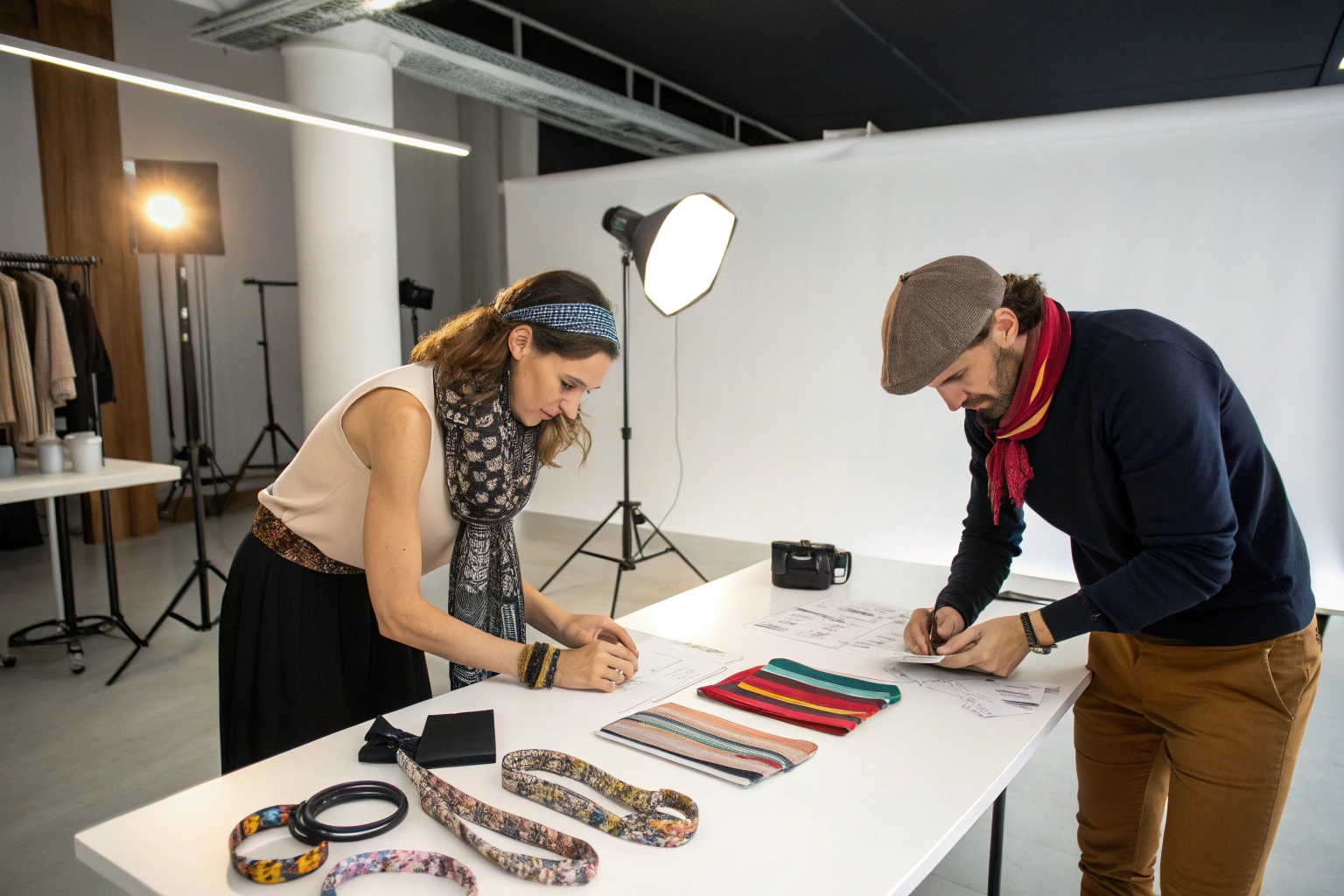
In-house design accelerates development because there is no waiting. When a client sends a sketch, our designers start working on it immediately. They do not have to send it to an external freelancer. They do not have to wait for a quote. They do not have to manage communication back and forth. Our designers are right there. They can ask questions in real-time. They can make changes instantly. This eliminates days or weeks from the development cycle. In-house design is a key driver of speed.
I want to share a story about in-house design. A client sent a sketch at 9 AM. Our designer started at 9:05 AM. By 11 AM, we had a digital model. The client was amazed. He had waited weeks at other factories.

What Is the Advantage of In-House vs. Outsourced Design?
In-house design is a symphony of speed, where ideas flow like water and take shape in the blink of an eye. Communication is not a tedious back-and-forth but a seamless dance—questions answered before they’re even fully formed, feedback absorbed and integrated in real time, no waiting for emails to bounce between inboxes or files to shuffle through digital limbo.
How Many Designers Do You Have?
We have a team of 10 designers. They specialize in different categories. Hair accessories, belts, scarves, hats, and bags. This design team is dedicated to client projects.
How Does 3D Sampling Speed Up the Process?
Physical samples take time. You have to make them. You have to ship them. 3D sampling eliminates that. I have seen it reduce development time by weeks.
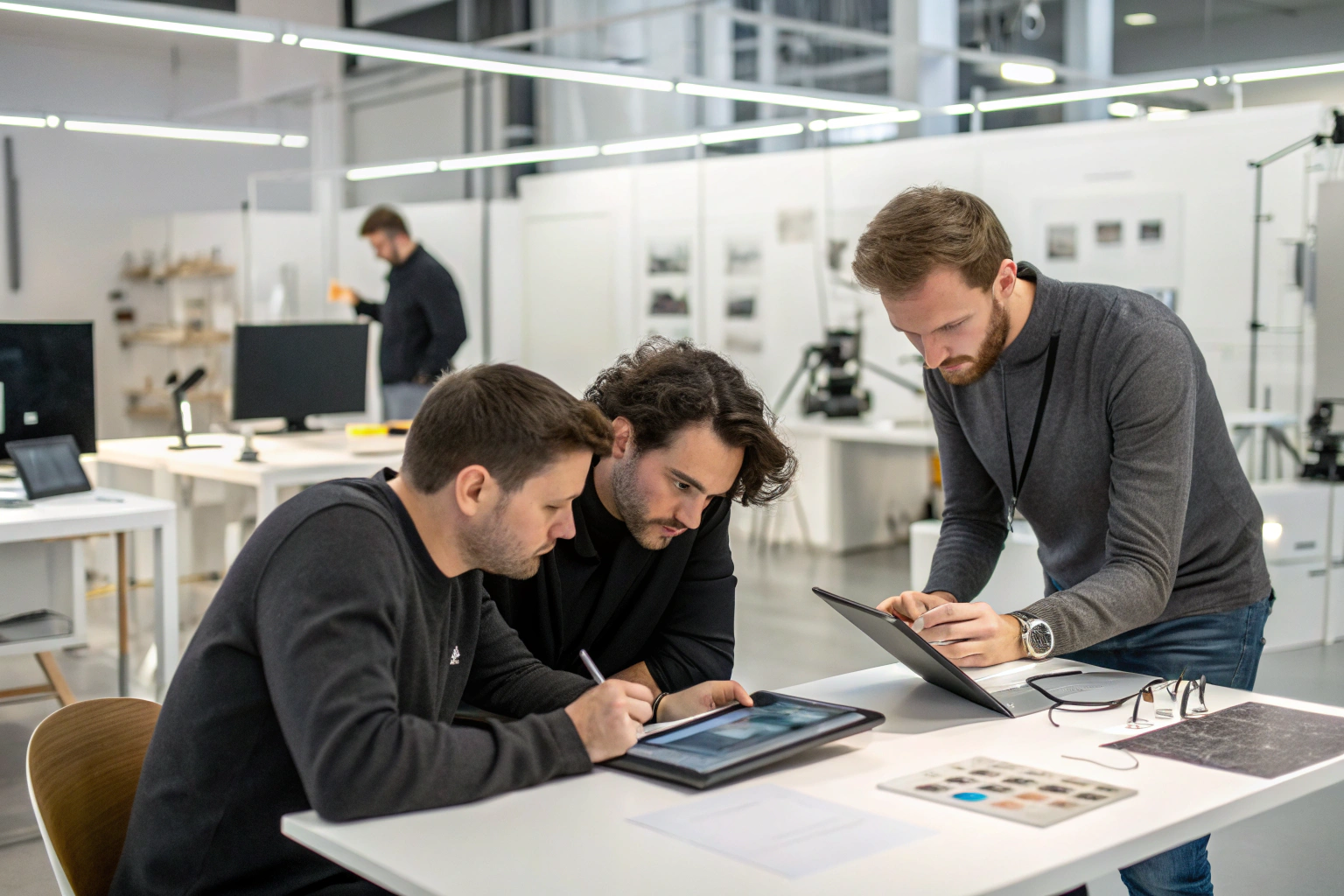
3D sampling speeds up development by eliminating physical samples in the early stages. Our designers create a photorealistic 3D model. The client can see the product on screen. They can rotate it. They can zoom in. They can see different colors. They can request changes. The changes are made instantly. No waiting for a new physical sample. Only when the design is finalized do we make a physical sample. This reduces the number of sample rounds from 5 to 2 or 3. It saves weeks.
I want to share a story about 3D sampling. A client wanted a belt with a complex buckle. We created a 3D model. The client requested a change to the buckle shape. We made the change in 10 minutes. A physical sample would have taken a week.
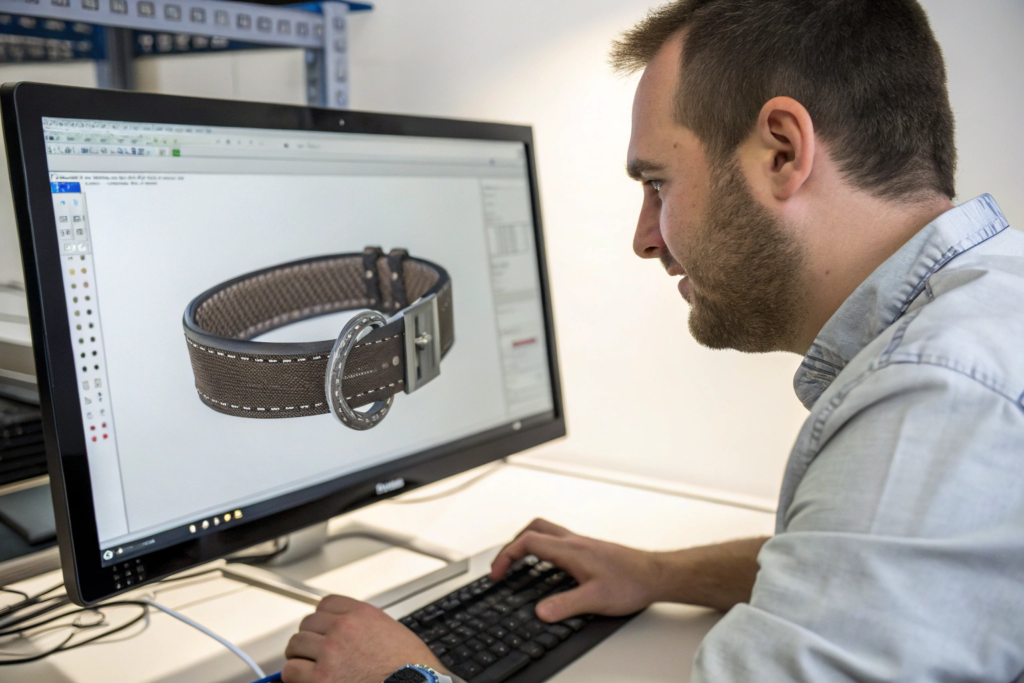
How Realistic Are 3D Samples?
Very realistic. We use high-resolution textures. We simulate lighting. The client can see the material, the color, and the finish. It is almost like holding the product. We offer 3D sampling for all clients.
How Many Sample Rounds Are Saved?
Typically, 3D sampling revolutionizes the production timeline by dramatically reducing sample rounds from a laborious 5 to a streamlined 2. This isn't merely a numerical shift; it translates into a tangible saving of 3 to 4 precious weeks, a period that often feels like an eternity in the fast-paced world of design and manufacturing. The time saved is nothing short of significant, breathing new life into project schedules, alleviating the stress of tight deadlines, and allowing teams to redirect their energy towards refining details or accelerating subsequent stages. Imagine the relief of skipping two rounds of back-and-forth revisions, the air in the studio lighter as prototypes move forward with newfound momentum, and the sense of accomplishment that comes from turning a once-protracted process into a more efficient, almost seamless dance of creation.
How Does a Skilled Workforce Contribute to Speed?
A skilled worker is faster. They make fewer mistakes. They need less supervision. I have invested in training. It pays off in speed.
A skilled workforce contributes to speed by executing tasks quickly and correctly. Our workers are experienced. They have been making accessories for years. They know the materials. They know the machines. They know the techniques. When a sample order comes in, they do not need to figure it out. They just do it. They work efficiently. They make fewer errors. This reduces rework. It reduces delays. Skilled workers are a key driver of our fast development cycle.
I want to share a story about a skilled worker. A client needed a rush sample. Our worker completed it in 4 hours. Other factories said 2 days. The worker's experience made the difference.
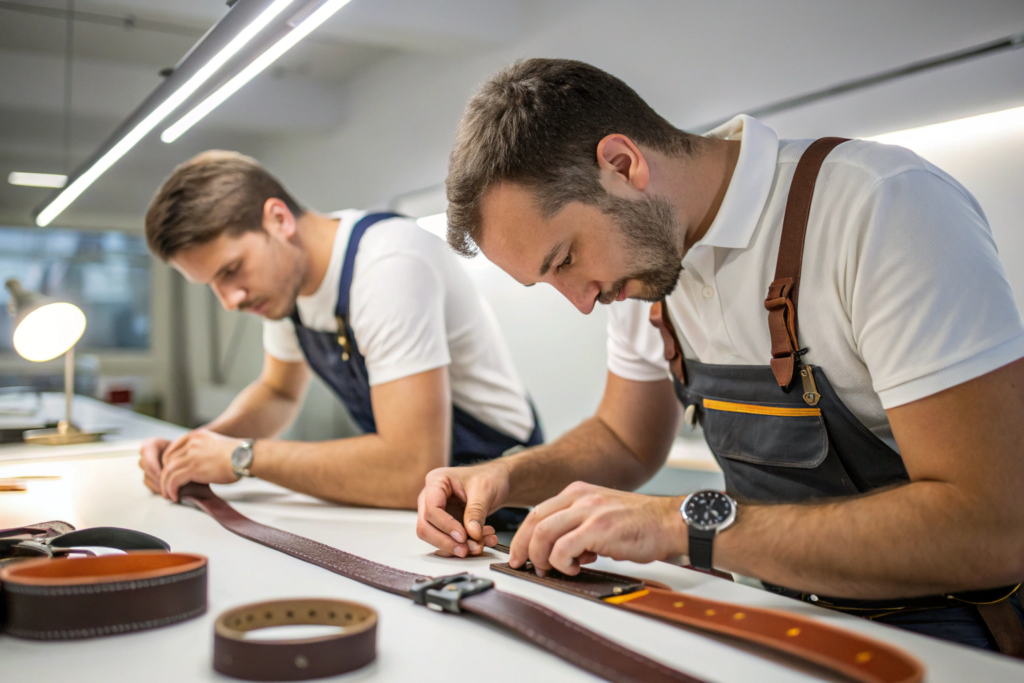
How Do You Train Your Workers?
We have an in-house training program. New workers are trained for weeks. They learn materials, machines, and quality standards. They are tested. Only then do they work on client orders. This training program ensures quality and speed.
What Is the Retention Rate?
We have low turnover. Workers stay for years, their faces etched with the quiet confidence of those who have weathered storms and mastered their craft. Their experience accumulates like rich soil, each day adding layers of wisdom, intuition, and an unspoken understanding of the rhythm of our work. This is a competitive advantage—a living, breathing asset that hums with the warmth of familiarity and the reliability of time-tested expertise. It fosters a workplace where trust blooms, where mistakes are lessons, and where every task feels like a conversation with the past, ensuring excellence that stands out in a world of fleeting hands.
How Does Efficient Material Sourcing Reduce Delays?
Material delays are a common bottleneck. I have seen projects wait weeks for fabric. We avoid this by sourcing efficiently.
Efficient material sourcing reduces delays because materials are available when needed. We maintain a library of common materials. Cotton twill. Polyester webbing. Metal buckles. These are in stock. For custom materials, we have relationships with suppliers. They prioritize our orders. We also forecast. If we know a material will be needed, we order it in advance. This means when a sample order comes in, the materials are already there. No waiting. No delays.
I want to share a story about material sourcing. A client needed a sample with a specific color of leather. We had it in stock. The sample was made that day. Other factories would have ordered the leather. That would have taken a week.
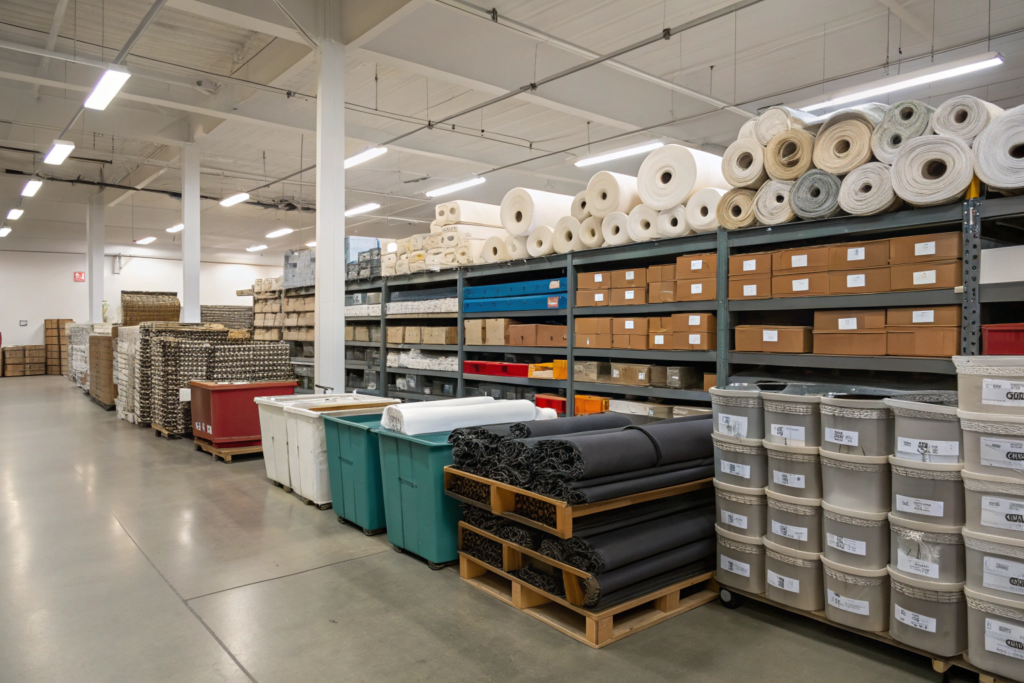
What Materials Do You Keep in Stock?
We keep cotton, polyester, nylon, and leather in common colors. We keep buckles, snaps, and zippers. We keep elastic and thread. This material inventory is extensive.
How Do You Source Custom Materials Quickly?
We have long-term, deeply rooted relationships with our trusted suppliers, built on years of mutual respect and shared commitment to excellence. These partnerships are more than just business transactions; they are collaborations forged in transparency and reliability. Our suppliers know our quality standards like the back of their hands—every specification, every nuance of what makes our products stand out, and they take immense pride in meeting and exceeding those benchmarks.
They prioritize our orders with unwavering dedication, ensuring that our needs are met promptly and with the utmost care, often going above and beyond to accommodate our unique requirements. When it comes to custom colors, a request that once might have felt like a daunting challenge, we now thrive on it.
Conclusion
The key drivers behind the fast development cycle at AceAccessory are in-house design, 3D sampling, a skilled workforce, efficient material sourcing, and parallel processing. These drivers work together to compress development time.
In-house design starts immediately. 3D sampling eliminates physical rounds. Skilled workers execute quickly. Materials are available when needed. Tasks overlap. The result is development in days, not weeks. Samples in 3 to 5 days. Small batches in 2 to 3 weeks.
At Shanghai Fumao, we are committed to speed. We want to help you get to market faster. Please contact our Business Director, Elaine, at elaine@fumaoclothing.com to discuss your accessory project. Experience our fast development cycle for yourself.