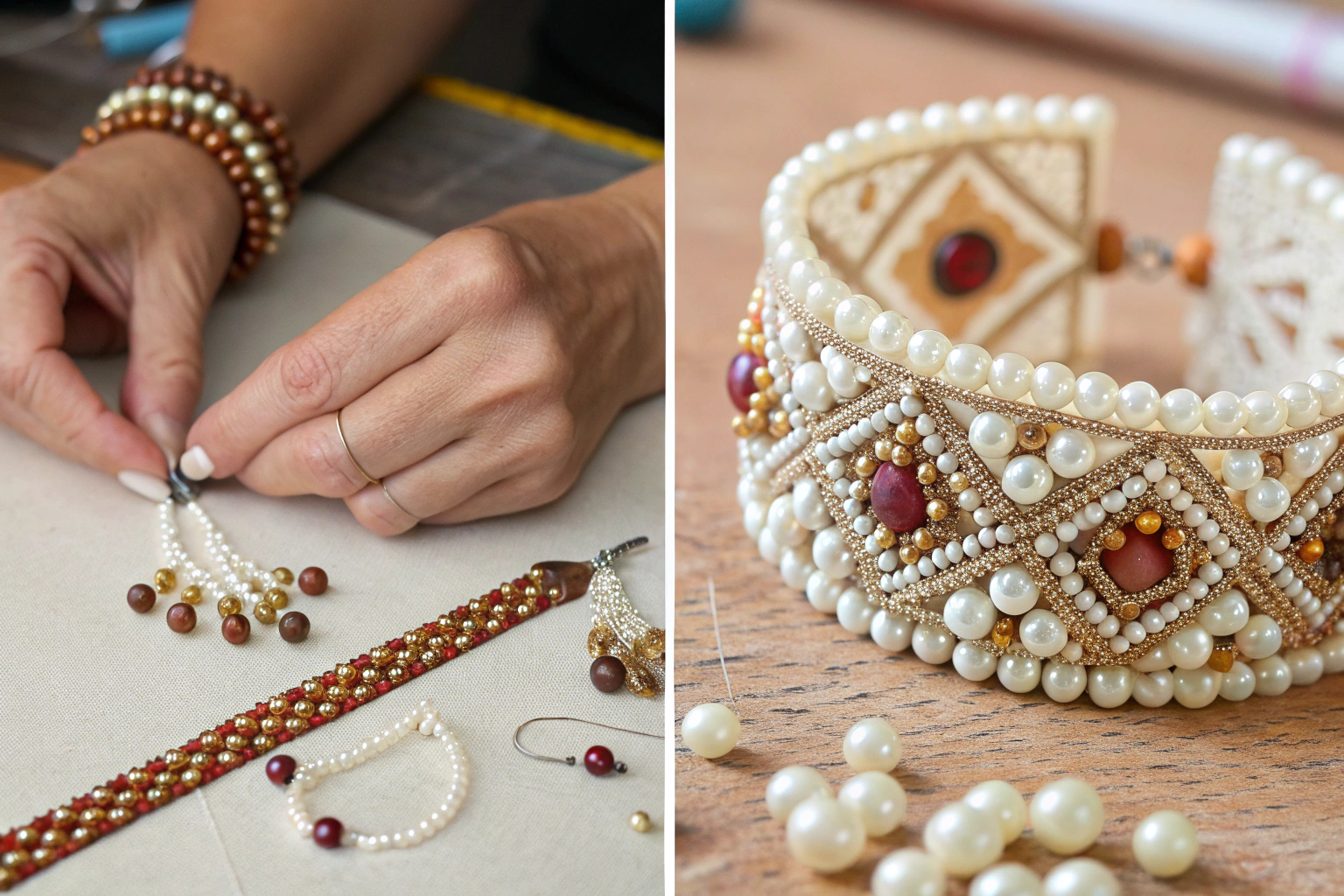
I've been in this business for decades, and I can tell you that few things in fashion are as captivating as intricate beadwork. The way light catches on a thousand tiny beads, the texture they create, the sheer artistry involved—it's truly special. Beaded accessories are more than just adornments; they are wearable works of art. They speak of time, skill, and a level of craftsmanship that mass-produced items simply cannot match.
But sourcing accessories with intricate beadwork is a world away from sourcing a simple metal or plastic item. It's a complex process that involves a deep understanding of materials, construction techniques, quality control, and the human element. You are not just buying a product; you are investing in a craft and in the skilled artisans who practice it.
Buyers like Ron, who are looking to offer their customers something truly unique and beautiful, need to understand these complexities. At Shanghai Fumao Clothing, we have extensive experience sourcing and manufacturing beaded accessories. We work with skilled artisans and have rigorous quality control processes. In this post, I'll share the key considerations for sourcing accessories with intricate beadwork. For more on our work with artisanal techniques, you might be interested in our guide on how to source authentic vintage fabric.
What Makes Beaded Accessories So Special And Complex?
Before we dive into sourcing, it's important to appreciate what makes beaded accessories so special and, consequently, what makes sourcing them so complex. It's not just about the beads themselves—those tiny, luminous orbs of glass, stone, or ceramic that catch the light like scattered stardust and whisper stories of distant lands—but about the skill, time, and artistry required to bring them together.
Each bead, with its unique texture, hue, and weight, is a silent collaborator in a dance of creation. The artisan’s hands, calloused yet nimble, move with deliberate grace, threading each bead onto wire or string as if weaving a tapestry of color and form.
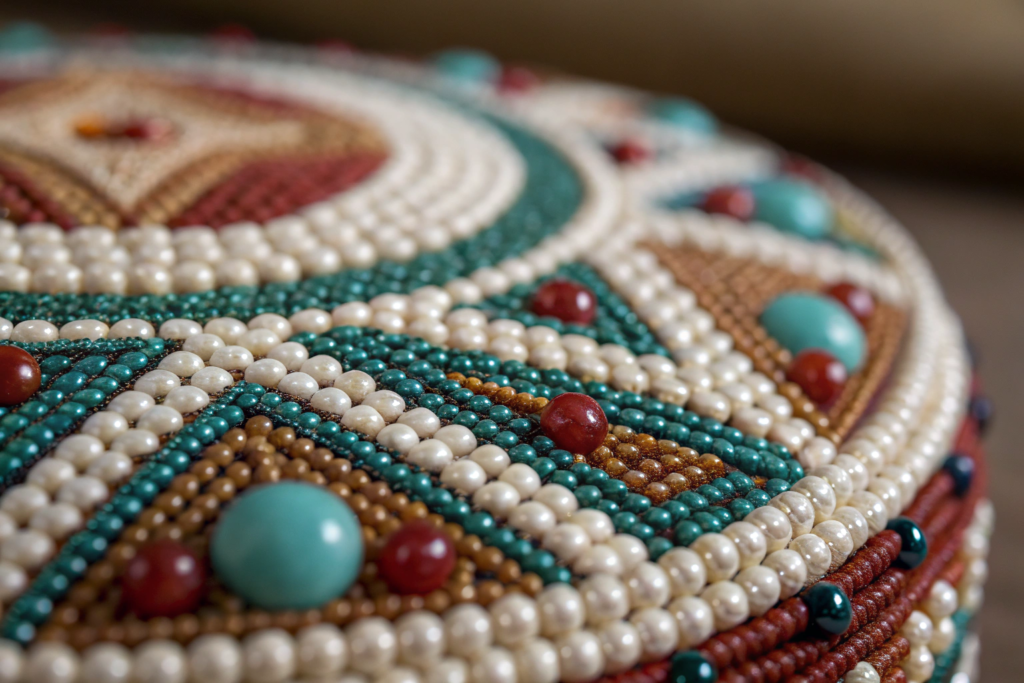
What are the different types of beadwork techniques?
There are countless beading techniques, each creating a different look and feel. The most common include:
- Loom Beading: Beads are woven together on a loom to create a flat, tapestry-like band. This is often used for bracelets, belts, and necklaces.
- Off-Loom Stitching: This encompasses a huge range of techniques where beads are stitched together using a needle and thread, without a loom. Common stitches include peyote stitch, brick stitch, herringbone stitch, and right-angle weave. These techniques allow for incredible flexibility and can create three-dimensional shapes.
- Bead Embroidery: Beads are sewn onto a fabric or leather backing to create a design. This is often used for more elaborate, one-of-a-kind pieces, like collar necklaces or cuffs.
- Stringing: The simplest technique, where beads are simply strung onto a thread or wire. Even this can be complex when using multiple strands or intricate patterns.
The technique used will affect the cost, durability, and overall look of the piece. This level of craftsmanship is similar to the intricate work we see in jacquard weave patterns, where the pattern is woven into the fabric itself.
Why is beadwork so highly valued?
- Time and Labor Intensity: Intricate beadwork is incredibly time-consuming. A single bracelet can take hours or even days to complete, depending on the complexity. This labor is a significant part of the cost.
- Skill and Artistry: It requires years of practice to master the different stitching techniques and to develop the eye for color and design. A skilled beader is a true artist.
- Uniqueness: Even when following a pattern, each hand-beaded piece has subtle variations that make it unique. This individuality is highly prized.
- Beauty and Texture: The play of light on hundreds of tiny beads, the texture they create, and the richness of color are simply unmatched by other techniques.
For all these reasons, a well-made beaded accessory is a treasure. This appreciation for handmade quality is similar to the value placed on hand-knitted accessories, where the human touch is part of the appeal.
What Are The Key Considerations For Beads And Materials?
The beads themselves are the building blocks of any beaded accessory, each one a tiny universe of texture, color, and character that will breathe life into the final creation. The quality, type, and consistency of the beads are paramount—imperfections in size, luster, or material can mar the harmony of the design, while uniformity and superior craftsmanship elevate the piece to something truly exceptional. Choosing the right beads is the first step in creating a high-quality piece, a moment of intention where the artisan’s vision begins to take tangible form. Feel the smooth, cool surface of polished glass beads gliding through your fingers, their vibrant hues catching the light like scattered rainbows.
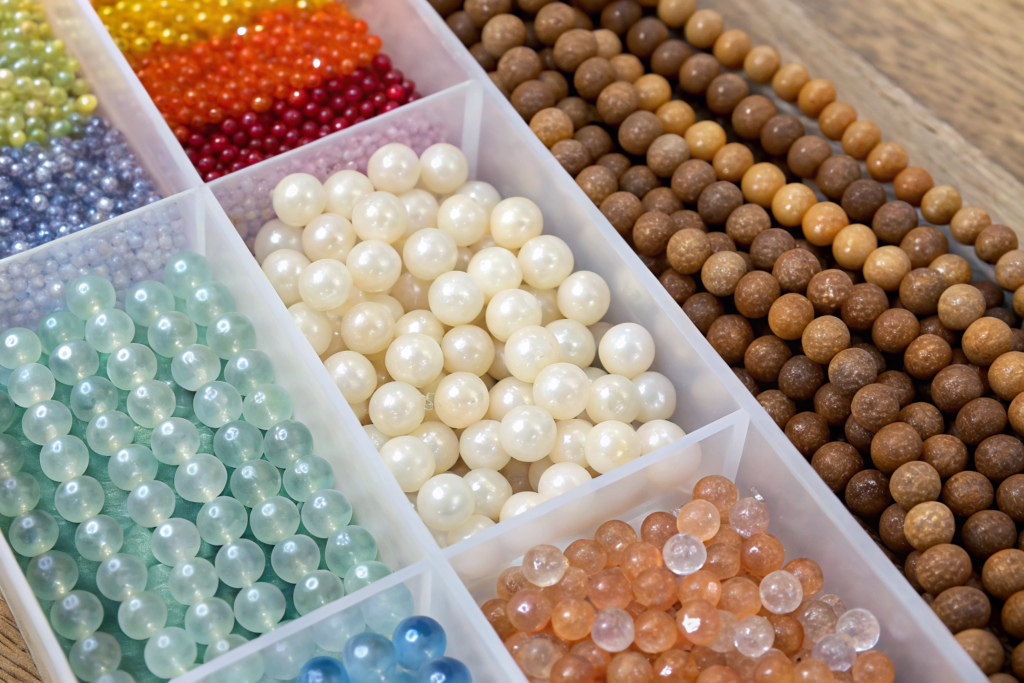
What are the most common types of beads used in accessories?
- Seed Beads: These are small, often cylindrical beads that are the workhorse of beadwork. They come in a vast range of sizes (measured in aughts, like 11/0 or 15/0), colors, and finishes (matte, glossy, metallic, iridescent). Japanese and Czech seed beads are considered the highest quality, known for their consistency in size and shape.
- Crystal Beads: Beads made from faceted glass that sparkle and catch the light. Swarovski crystals are the most famous and are known for their exceptional brilliance and precision cut. Czech crystals are also a high-quality option.
- Pearl Beads: Faux pearls are a classic choice for elegant, timeless accessories. They come in a range of sizes, shapes (round, baroque, teardrop), and colors. This is reminiscent of the pearl hair clip trends we've discussed, where pearls add a touch of elegance.
- Semi-Precious Stone Beads: Beads made from genuine gemstones like amethyst, turquoise, jasper, or agate. These add a natural, earthy, and luxurious feel.
- Wooden Beads: Lightweight and natural, wooden beads are popular for bohemian and earthy styles.
- Metal Beads: Beads made from various metals, including sterling silver, gold-filled, brass, and copper. They can be plain, textured, or embellished.
- Glass Beads: Beyond crystals and seed beads, there is a vast world of artisan glass beads, including lampwork beads (individually crafted by a flame) and millefiori beads (with intricate mosaic patterns).
The choice of bead dramatically affects the look, feel, and cost of the final piece.
How do you ensure bead quality and consistency?
- Sourcing from Reputable Suppliers: This is the most important step. Work with established bead suppliers who are known for their quality. For seed beads, Japanese (Miyuki, Toho) and Czech (Preciosa) brands are the gold standard.
- Checking for Consistency: The beads should be consistent in size, shape, and color. Inconsistent beads will result in a lumpy, uneven piece of beadwork. A reputable supplier will have tight quality control.
- Checking for Colorfastness: Some beads, especially cheaper ones, may have colors that can fade or rub off. Test for colorfastness, especially if the piece will be exposed to light or moisture. This is similar to the testing for UV resistance in inks we conduct for outdoor accessories.
- Checking for Sharp Edges: Crystal and glass beads should have smoothly finished holes. Rough holes can cut the beading thread over time, causing the piece to fall apart.
Investing in high-quality beads is an investment in the longevity of your product.
What Are The Key Considerations For Design And Construction?
The design and construction of a beaded piece are what transform a collection of beads into a beautiful, wearable accessory. This is where the skill of the artisan truly shines.The design and construction of a beaded piece are what transform a collection of beads into a beautiful, wearable accessory, each strand and knot breathing life into the raw materials. This is where the skill of the artisan truly shines, their hands moving with practiced grace as they select beads—smooth, polished, or textured, in hues that dance like sunlight through a forest or glow like embers in twilight.
The air hums with concentration as they thread delicate wires, their fingers deftly weaving patterns that tell stories: a spiral evoking the curve of a seashell, a cluster mimicking the bloom of a flower, each bead chosen not just for color, but for its unique character, its tiny imperfections adding depth and soul. The scent of beeswax from the wire, the soft clink of beads as they nestle together, and the warm light of a workshop lamp casting golden shadows over the work-in-progress all contribute to an atmosphere of creation.
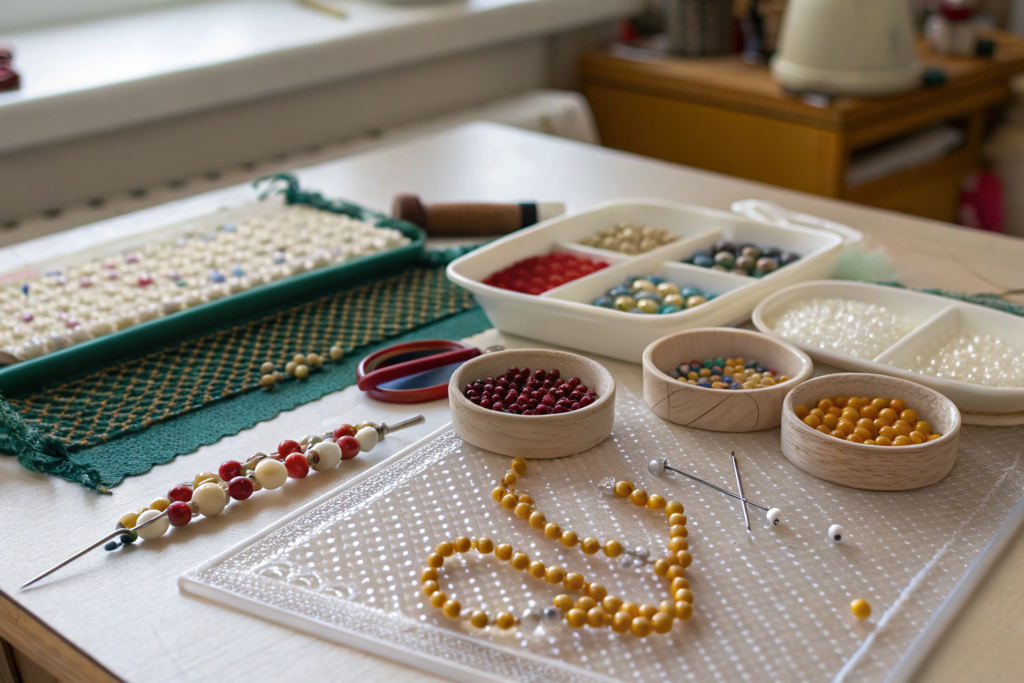
How do you ensure consistent tension and construction?
This is one of the biggest challenges in beadwork. Inconsistent tension can cause the piece to be lumpy, uneven, or even to pucker.
- Skilled Artisans: The most important factor is the skill of the beader. Experienced beaders develop a consistent tension through years of practice.
- Quality Control: Inspecting the finished piece is essential. Look for evenness, consistent tension, and no loose or tight spots.
- Thread Management: The way the thread is managed and finished at the ends is also important. Threads should be securely woven in and trimmed, with no loose ends.
Consistent construction is the hallmark of a high-quality beaded accessory. This attention to detail is as crucial as the best bonding methods for attaching leather patches, where a secure attachment is essential.
How are findings and clasps attached securely?
The attachment points are potential weak spots. They must be extremely secure.
- Reinforced Attachment: The findings should be attached with multiple passes of thread through the beads, often reinforced with a few extra stitches or a dab of jewelry-grade adhesive.
- Quality of Findings: As mentioned, using high-quality findings is essential. A cheap clasp is a common point of failure.
- Testing: Every clasp and finding should be tested to ensure it functions properly and is securely attached.
A secure attachment ensures that the customer won't lose their treasured accessory. This is similar to the rigorous testing for glove closures we conduct to ensure they stay securely fastened.
What Are The Key Sourcing And Quality Control Considerations?
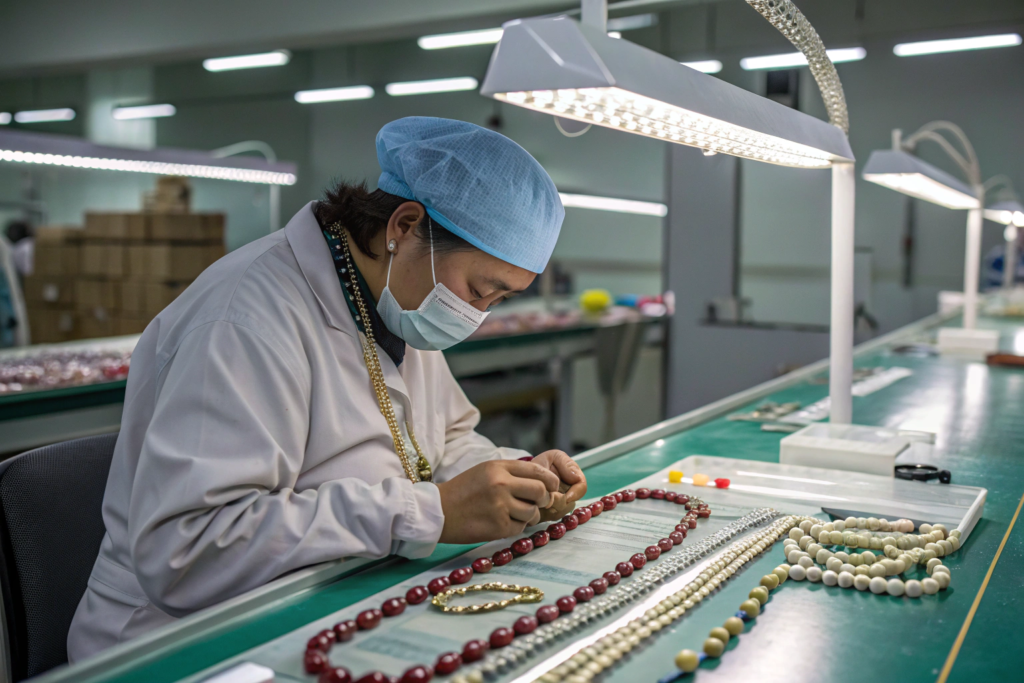
Sourcing beaded accessories is different from sourcing mass-produced items. You are often dealing with handcrafted pieces, which means production is slower and quality control requires a different approach. Understanding these differences is essential.
At Shanghai Fumao Clothing, we have experience working with skilled beaders and have developed rigorous quality control processes for these intricate items.
How do you manage lead times for handmade beadwork?
This is a critical consideration. Hand-beading is slow. You cannot expect the same turnaround times as you would for a machine-made product.
- Plan Far in Advance: Lead times for custom beaded accessories can be weeks or even months, depending on the complexity and quantity. You need to plan your collection well in advance.
- Communicate Clearly: Be very clear about your deadlines from the beginning. A skilled beader can give you a realistic timeline.
- Factor in Sampling: Creating a sample is essential, and this takes time as well. Factor this into your overall timeline.
- Consider Stock Designs: If you need items quickly, consider working from existing stock designs that the beader already has patterns for. This can significantly speed up the process.
Patience and careful planning are essential. This is similar to the lead time considerations for sourcing high-quality Panama hats, where each hat is hand-woven.
What are the key quality control points for beaded accessories?
- Bead Consistency: Check that the beads are consistent in size, shape, and color. Any flawed or mismatched beads should be rejected.
- Tension and Evenness: Examine the piece for even tension. It should lie flat (if it's meant to) and have a consistent texture.
- Stitch Integrity: Check that all stitches are secure and that there are no loose or broken threads.
- Secure Findings: Test all clasps, earring wires, and other findings to ensure they are securely attached and function properly.
- Overall Finish: The piece should be clean, with no visible glue, loose threads, or other imperfections.
- Dimensional Accuracy: For pieces made to a specific size (like a bracelet), check the dimensions against the specifications.
A thorough quality control process is essential for ensuring customer satisfaction. This level of scrutiny is similar to what we apply when testing for chemical safety in children's hair accessories.
Conclusion
Sourcing accessories with intricate beadwork is a journey into a world of artistry, skill, and tradition. It's a world away from mass production. It requires a deep appreciation for the materials—from tiny seed beads to sparkling crystals—and for the techniques that transform them into wearable art. It demands patience, as the slow, meticulous work of hand-beading requires longer lead times. And it requires a commitment to quality and ethical sourcing, ensuring that the skilled artisans behind these beautiful pieces are treated fairly. The reward, however, is immense: a collection of truly unique, beautiful, and treasured accessories that your customers will love.
At Shanghai Fumao Clothing, we have a deep appreciation for the art of beadwork. We work with skilled artisans who have mastered their craft. We use only the highest quality beads and findings, from Japanese seed beads to Swarovski crystals. We have rigorous quality control processes to ensure every piece meets our exacting standards. And we are committed to ethical sourcing and fair treatment of all the artisans we work with. We can help you create a stunning collection of beaded accessories that your customers will treasure.
If you're ready to explore the beautiful world of intricate beadwork, let's talk. Please contact our Business Director, Elaine, at elaine@fumaoclothing.com. We'll help you create accessories that are true works of art.