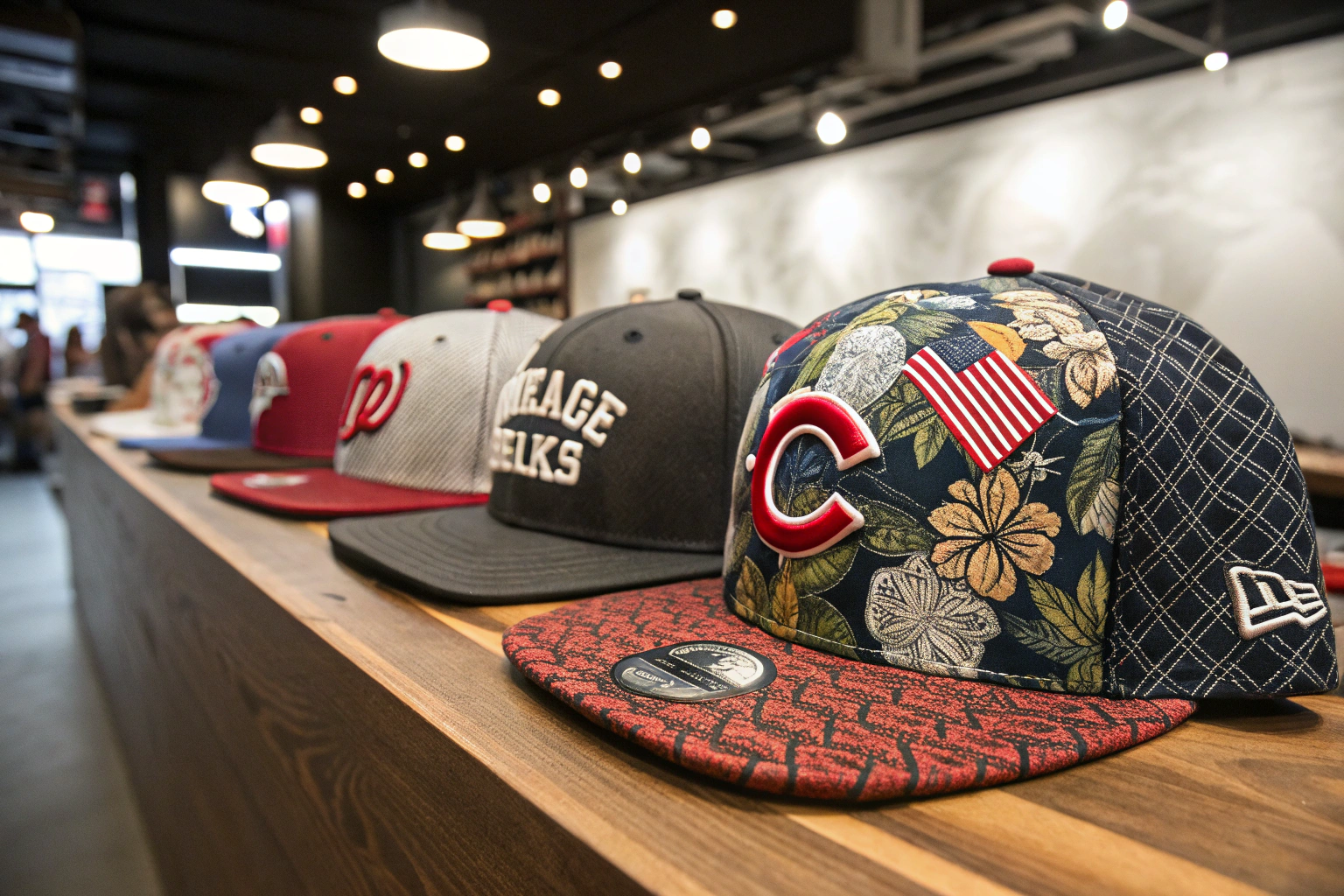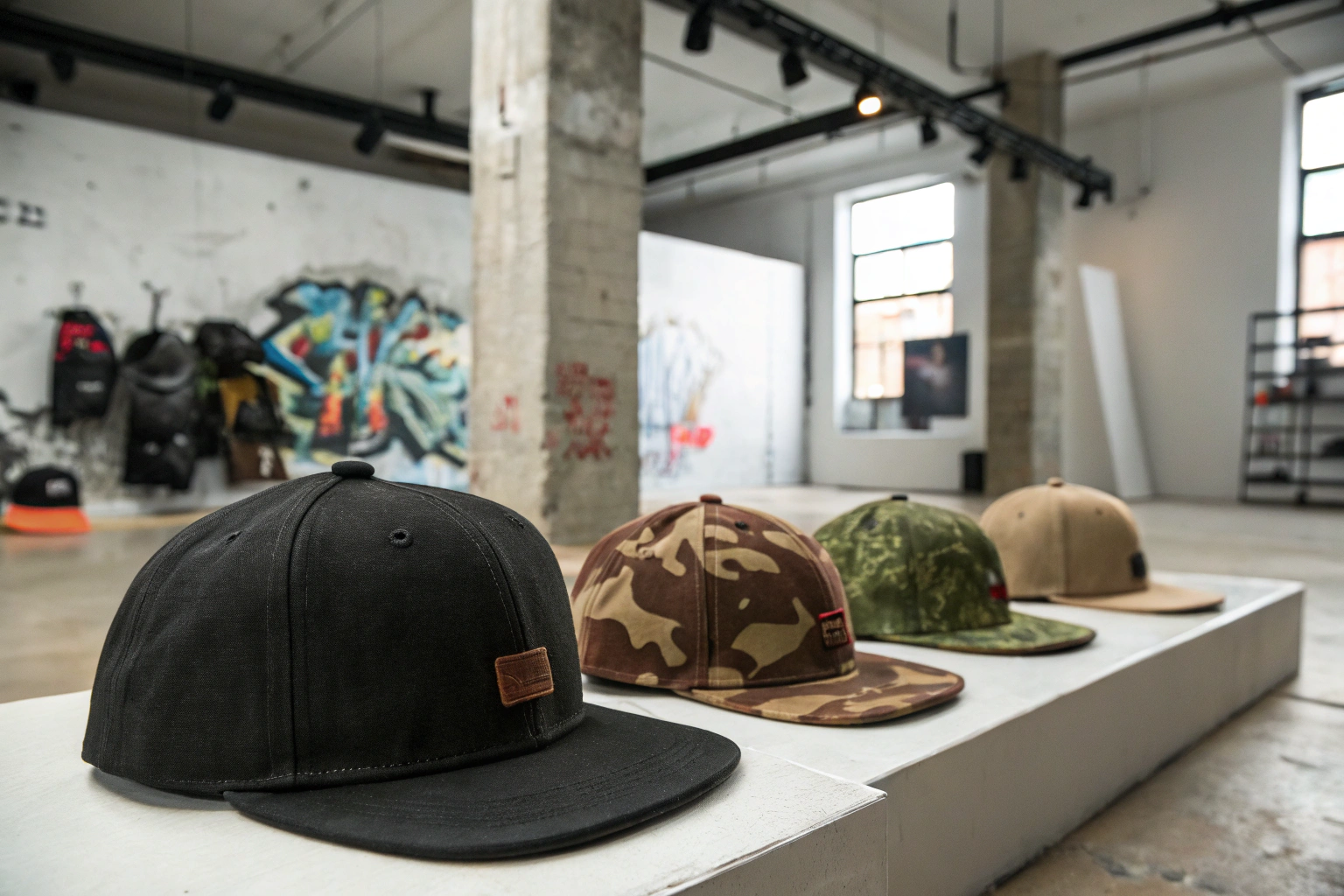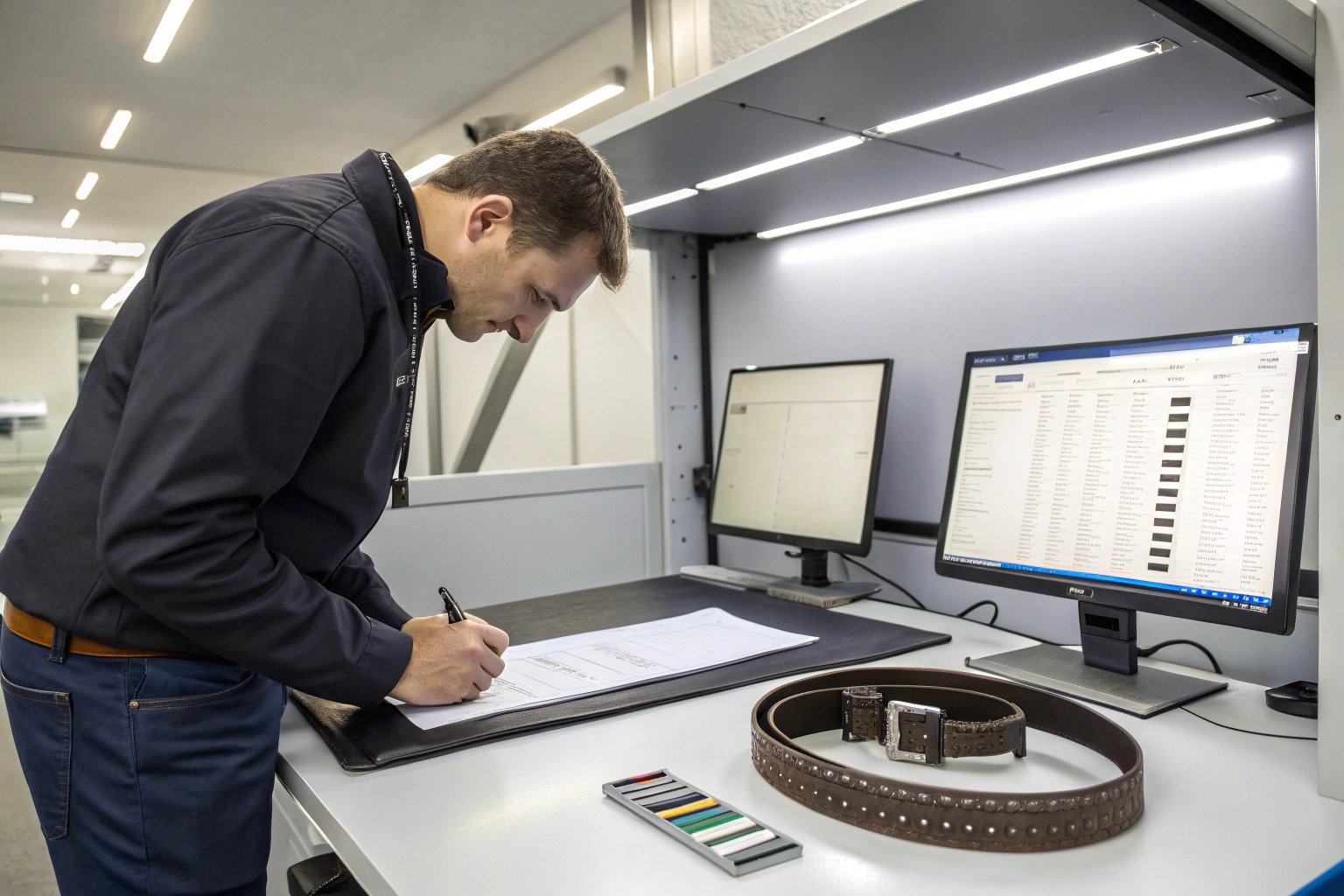
I have been manufacturing accessories for over 15 years. In that time, I have seen thousands of returns. Some were unavoidable. Most were preventable. I remember a client who had a 10% return rate on a new hair clip line. She was losing money. She was frustrated. She came to me and asked, "What is wrong?" We analyzed the returns. The clips were breaking. The springs were weak. We changed the spring supplier. The return rate dropped to 1%. That experience taught me that returns are not just a cost. They are a signal. They tell you what is wrong. Today, I want to share what I have learned about the common causes of accessory returns and how to prevent them.
The common causes of accessory returns are quality defects, sizing and fit issues, color and material discrepancies, and unrealistic customer expectations. Quality defects include broken clips, loose threads, and weak springs. Sizing issues occur when belts or hats do not fit as expected. Color discrepancies happen when the product does not match the photo. Material issues occur when the feel is different from what the customer expected. Unrealistic expectations arise from poor product descriptions or photos. Preventing returns requires rigorous quality control, accurate sizing guides, consistent color reproduction, and honest product descriptions. A proactive approach to quality and communication reduces returns and builds customer loyalty.
You might be thinking, "Returns are just part of e-commerce. I accept them." But returns cost money. They cost shipping. They cost processing. They cost inventory. They cost reputation. A high return rate signals a problem. At AceAccessory, we have worked with our clients to reduce returns. We have learned what causes them. We have developed systems to prevent them. Let me walk you through the common causes and solutions.
How Do Quality Defects Cause Returns?
Quality defects are the most common reason for returns. A broken clip. A loose thread. A weak spring. I have seen these again and again. The customer buys a product expecting it to last. When it breaks, they return it. They are disappointed. They may not buy from you again.
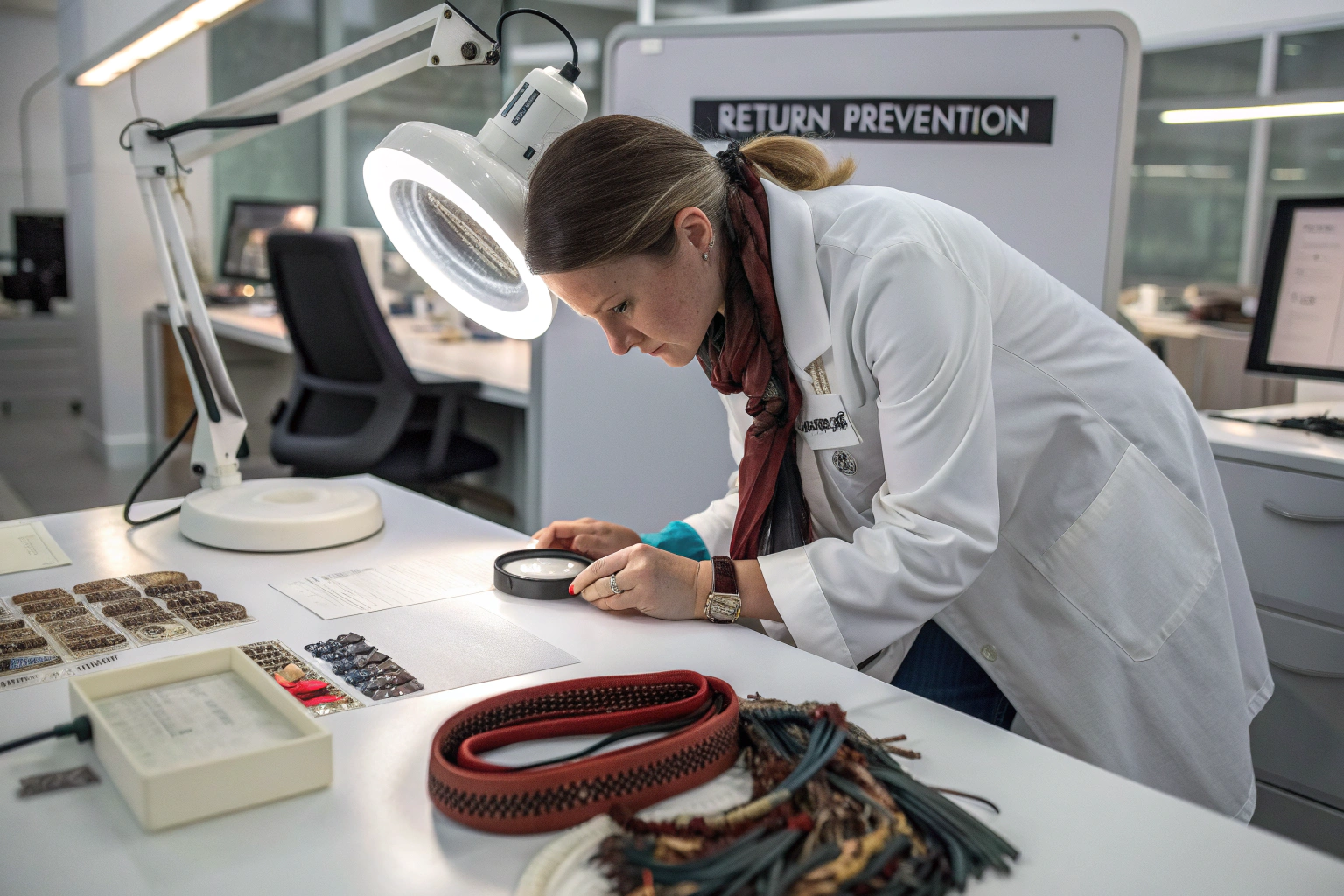
Quality defects that cause returns include broken components, weak springs, loose threads, poor stitching, and faulty clasps. For hair clips, the spring is the most common failure point. A weak spring does not hold the hair. A spring that breaks makes the clip useless. For belts, the buckle attachment is a common failure. If the stitching comes loose, the buckle falls off. For scarves, pulled threads or fraying edges are common. For hats, deformed brims or loose linings. These defects are preventable with rigorous quality control. Incoming material inspection, in-process checks, and final inspection catch defects before they ship.
I want to share a story about a spring failure. We made a batch of hair clips. The springs were from a new supplier. They looked fine. But after a few uses, they lost tension. Customers returned them. We tested the springs. They were made of low-grade metal. We switched suppliers. We now test every batch of springs. We have not had a spring failure since.
What Are the Most Common Quality Defects for Different Accessories?
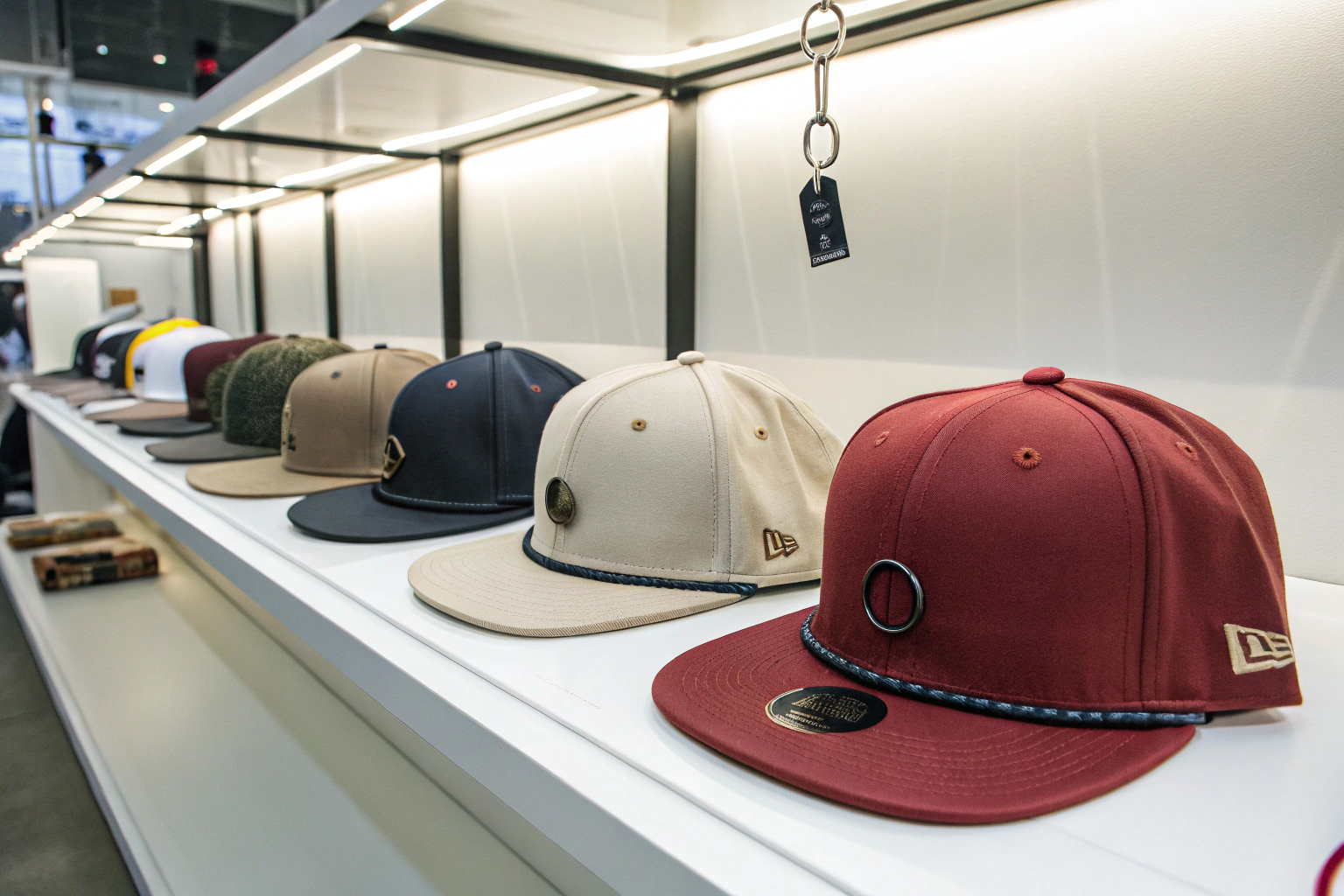
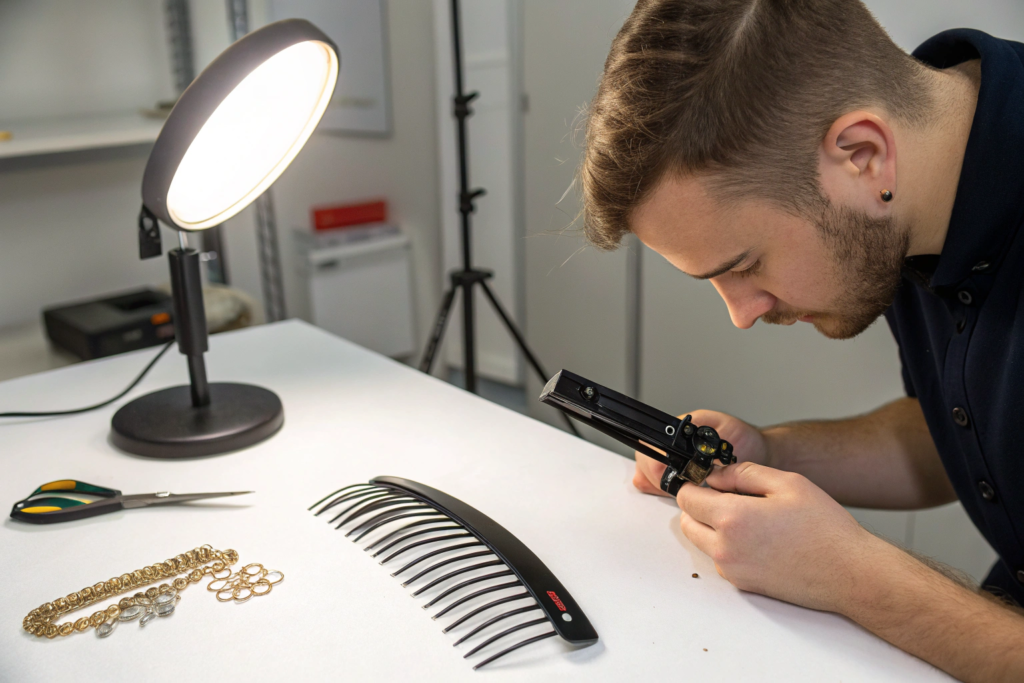
For hair clips, spring failure and loose decoration are common. For belts, buckle attachment failure and leather cracking are common. For scarves, pulled threads and dye bleeding are common. For hats, brim deformation and loose stitching are common. For bags, strap attachment failure and zipper issues are common. Each product has its own failure points. Knowing them allows you to test for them. We have a defect prevention guide for each product category.
How Do You Prevent Quality Defects?
Prevention starts with materials. Use high-quality materials from trusted suppliers. Test incoming materials. Do not assume they are good. Next, control the production process. Use jigs and fixtures for consistency. Train workers. Inspect at each stage. Finally, do final inspection. Use AQL sampling. Test for function. Test for durability. We have a quality control system that prevents defects.
How Do Sizing and Fit Issues Lead to Returns?
Sizing and fit are critical for accessories. A belt that is too small is returned. A hat that is too big is returned. I have seen clients lose money because their sizing was off. The product was good. The fit was wrong. The customer returned it.
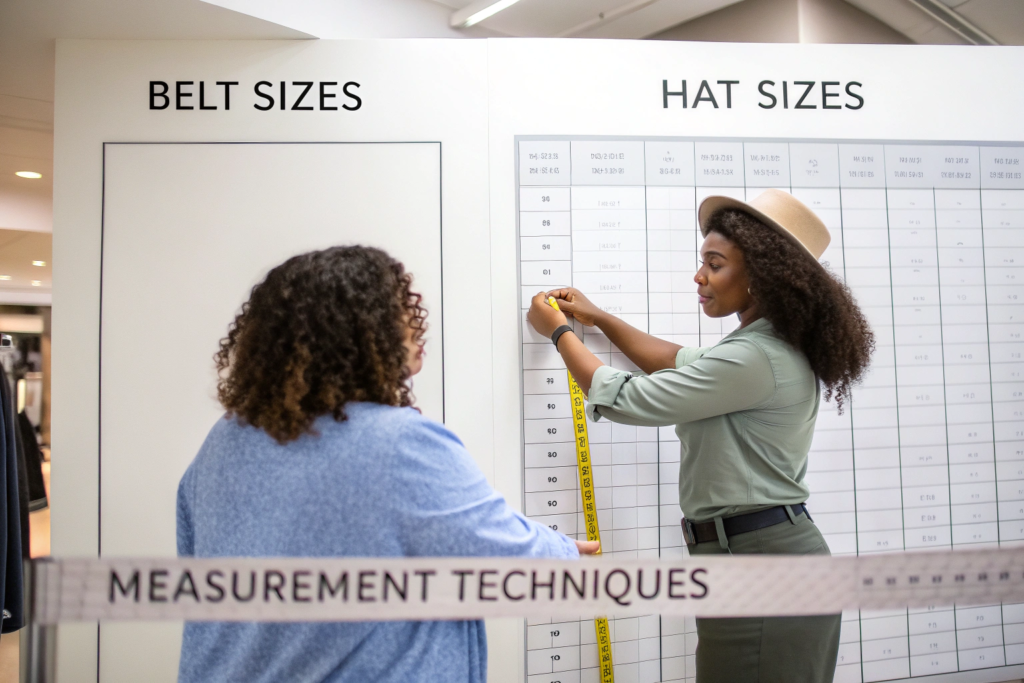
Sizing and fit issues cause returns when products do not match customer expectations. For belts, the size may be too small or too large. For hats, the circumference may not fit the head. For hair clips, the clip may be too small for thick hair or too large for fine hair. For gloves, the finger length may be wrong. These issues are preventable with accurate sizing guides and clear communication. Provide a detailed size chart. Show how to measure. For belts, show the measurement in inches and centimeters. For hats, show the circumference. For hair clips, show the size in relation to a hand or a coin. Accurate sizing reduces returns.
I want to share a story about belt sizing. A client sold belts with sizes S, M, L. But customers did not know what that meant. Returns were high. We created a size chart. S = 30-32 inches. M = 33-35 inches. L = 36-38 inches. We added a guide on how to measure. Returns dropped. The customers knew what to expect.
How Do You Create Accurate Size Guides?
Size guides should be simple and visual. Use inches and centimeters. Show how to measure. For belts, show measuring around the waist. For hats, show measuring around the head. For hair clips, show the clip next to a coin or a hand. Use photos. Use videos. Make it easy for the customer to choose the right size. We provide size guide templates for our clients.
How Do You Handle Fit Issues for One-Size Products?
Many accessories are one-size. But one size does not fit all. For hats, use an adjustable closure. A strap, a drawstring, or an elastic band. This allows the hat to fit a range of head sizes. For hair clips, offer different sizes for different hair types. Small clips for fine hair. Large clips for thick hair. For belts, offer adjustable lengths. A longer belt can be cut to size. These design choices reduce fit-related returns.
How Do Color and Material Discrepancies Cause Returns?
Color is one of the hardest things to get right. A customer sees a photo. They order. The product arrives. The color is different. They return it. I have seen this happen many times. The product was fine. The expectation was wrong. The return was preventable.
Color and material discrepancies occur when the product does not match the customer's expectation based on photos. The most common issue is color variation. A red scarf may look bright on screen but arrive burgundy. A gold belt may look shiny in photos but arrive matte. Material issues occur when the feel is different. A "leather" belt may feel like plastic. A "silk" scarf may feel like polyester. These discrepancies are preventable with accurate photography, consistent color reproduction, and honest material descriptions. Use natural lighting. Calibrate your screens. Provide material details. Describe the feel. "This belt is made from genuine leather with a smooth finish."
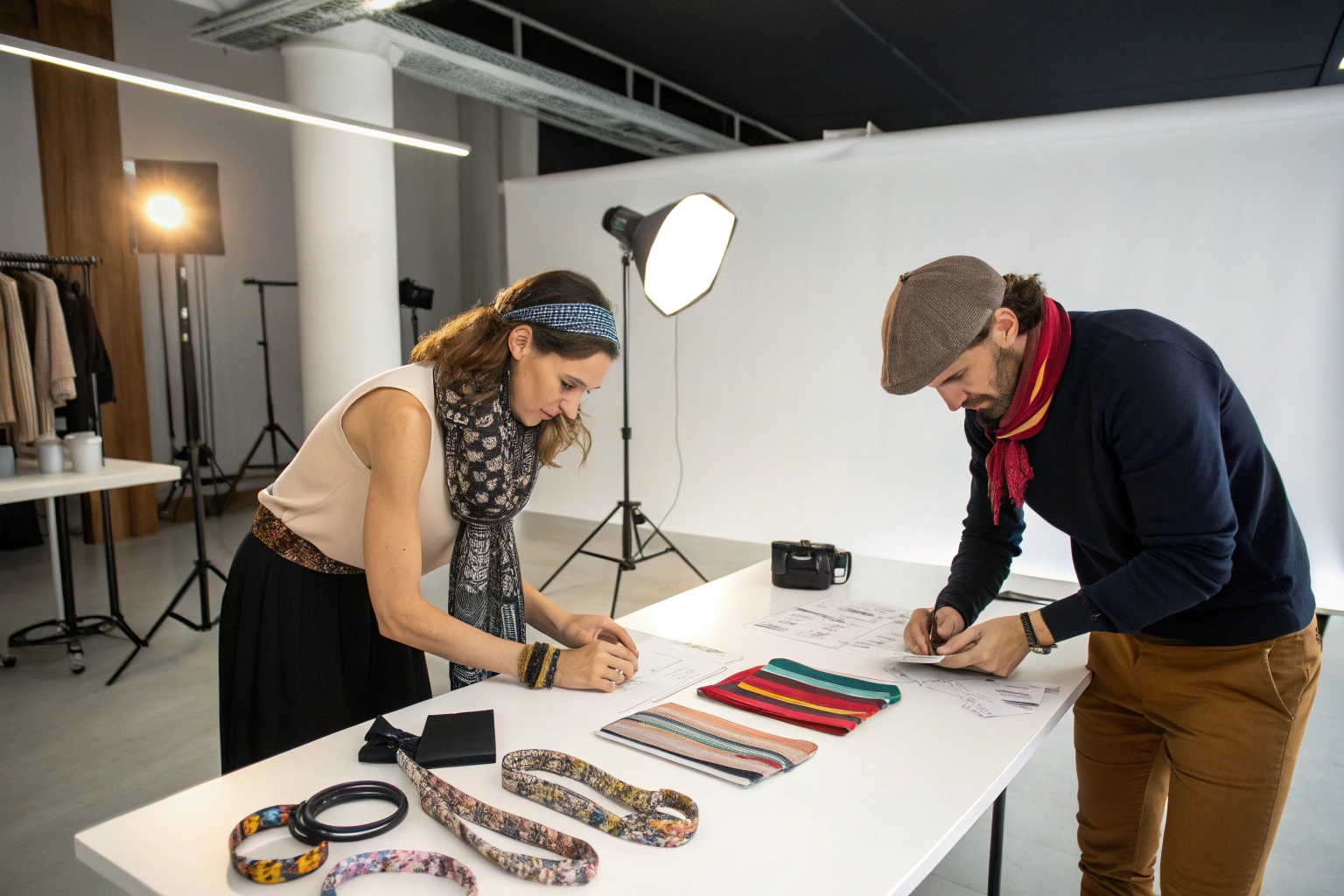
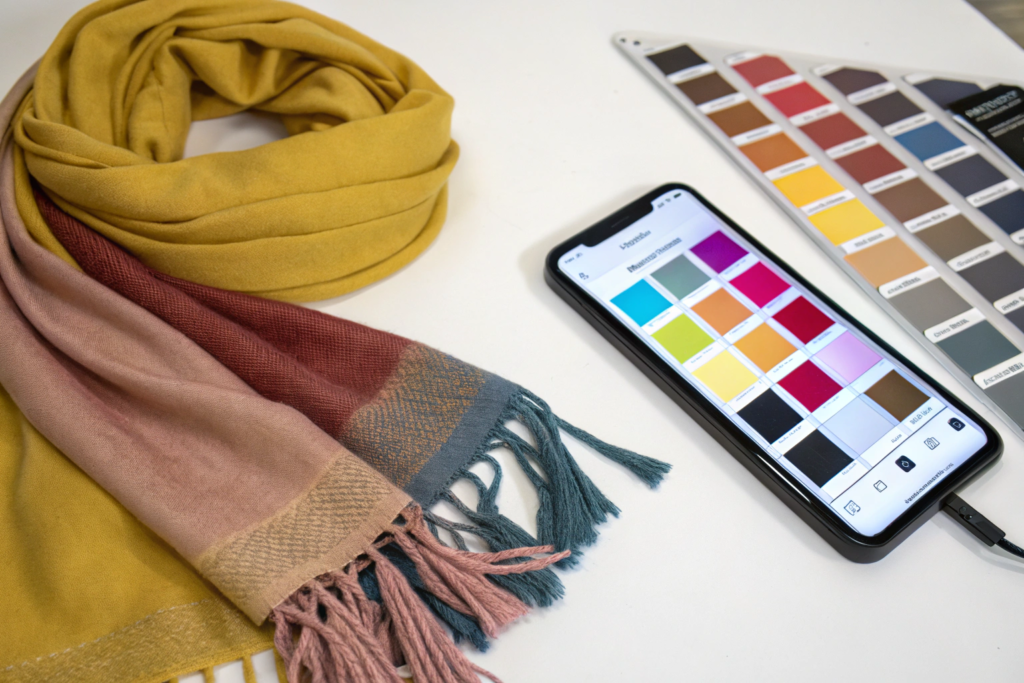
I want to share a story about color. A client sent us a photo of a scarf. The color was bright coral. We produced the scarf. The color was coral, but slightly different. The client was unhappy. The photo was taken in studio lighting. The scarf was viewed in daylight. We now use standardized lighting for photos. We also send physical samples before production. The client approves the sample. There are no surprises.
How Do You Ensure Color Consistency?
Color consistency starts with the design. Use Pantone colors. They are standardized. Provide the Pantone number to your manufacturer. During production, use color standards. The manufacturer should match to the standard. Test under different lighting. What looks good in studio light may look different in daylight. Use a lightbox to check. We use color measurement tools to ensure consistency.
How Do You Accurately Photograph Accessories?
Photograph accessories in natural light. Avoid harsh shadows. Show the product from multiple angles. Show it on a model or in context. A belt on a table looks different from a belt on a person. A hat on a stand looks different from a hat on a head. Show close-ups of materials. Show the texture. This helps customers understand what they are buying. We provide photography tips for our clients.
How Do Unrealistic Customer Expectations Lead to Returns?
Sometimes the product is perfect. The quality is good. The size is right. The color matches. Yet the customer returns it. Why? They expected something different. Their expectation was unrealistic. This is preventable with better product information.
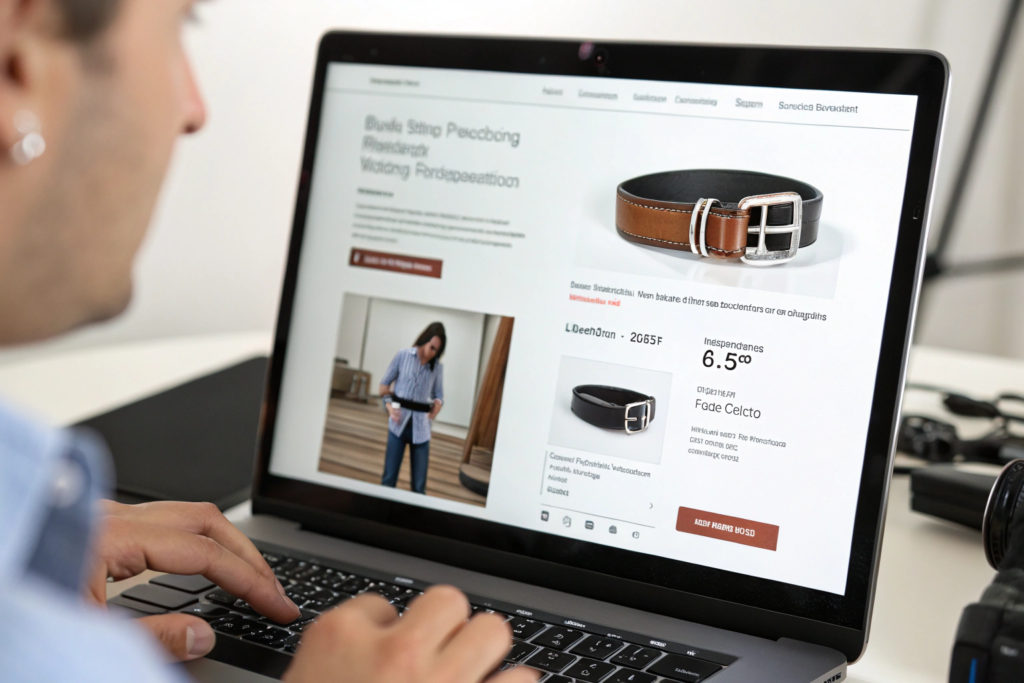
Unrealistic customer expectations arise from poor product descriptions or incomplete information. A customer may expect a belt to be stiffer than it is. They may expect a hair clip to hold more hair than it does. They may expect a scarf to be warmer than it is. These expectations are set by the product listing. To prevent them, provide detailed information. Describe the material. "This belt is made from soft, flexible leather." Describe the function. "This clip is ideal for fine to medium hair." Describe the limitations. "This scarf is lightweight, best for spring and fall." Videos are especially helpful. Show the product in use. Show how it moves. This sets accurate expectations.
I want to share a story about a hair clip. A customer bought a small clip expecting it to hold thick hair. It did not. She returned it. The listing said "small clip." It did not say "for fine hair." We changed the description. "Best for fine to medium hair. For thick hair, use our large clip." Returns for that product dropped.
What Information Should You Include in Product Listings?
Include material, dimensions, weight, and care instructions. Describe the feel. "Soft." "Stiff." "Flexible." Describe the function. "Holds thick hair." "Lightweight for travel." "Warm for winter." Include limitations. "Not for heavy use." "Delicate fabric." Use videos to show the product in action. The more information you provide, the fewer surprises. We have a product listing template for accessories.
How Do Videos Help Reduce Returns?
Videos show how the product moves and behaves. A belt that is stiff looks different from a belt that is flexible. A scarf that drapes looks different from one that is stiff. A video shows the product in use. It sets expectations. Customers who watch a video are less likely to return. We encourage our clients to create product videos.
Conclusion
Returns are costly. They hurt your bottom line. They hurt your reputation. But most returns are preventable. The common causes are quality defects, sizing issues, color discrepancies, and unrealistic expectations. Each has a solution.
Quality defects are prevented with rigorous quality control. Test materials. Inspect during production. Inspect before shipping. Sizing issues are prevented with accurate size guides. Show how to measure. Offer adjustable options. Color discrepancies are prevented with accurate photography and physical samples. Use Pantone colors. Test under different lighting. Unrealistic expectations are prevented with detailed product descriptions and videos. Show the product in use. Describe the feel. Describe the limitations.
At Shanghai Fumao, we are committed to preventing returns. We test. We inspect. We provide accurate information. We work with our clients to ensure that their customers are satisfied. Your business deserves low return rates. Your customers deserve products that meet their expectations. Let us help you achieve both. Please contact our Business Director, Elaine, at elaine@fumaoclothing.com to discuss how we can help you reduce returns. We can provide quality control, accurate sampling, and listing support to ensure your customers are satisfied.