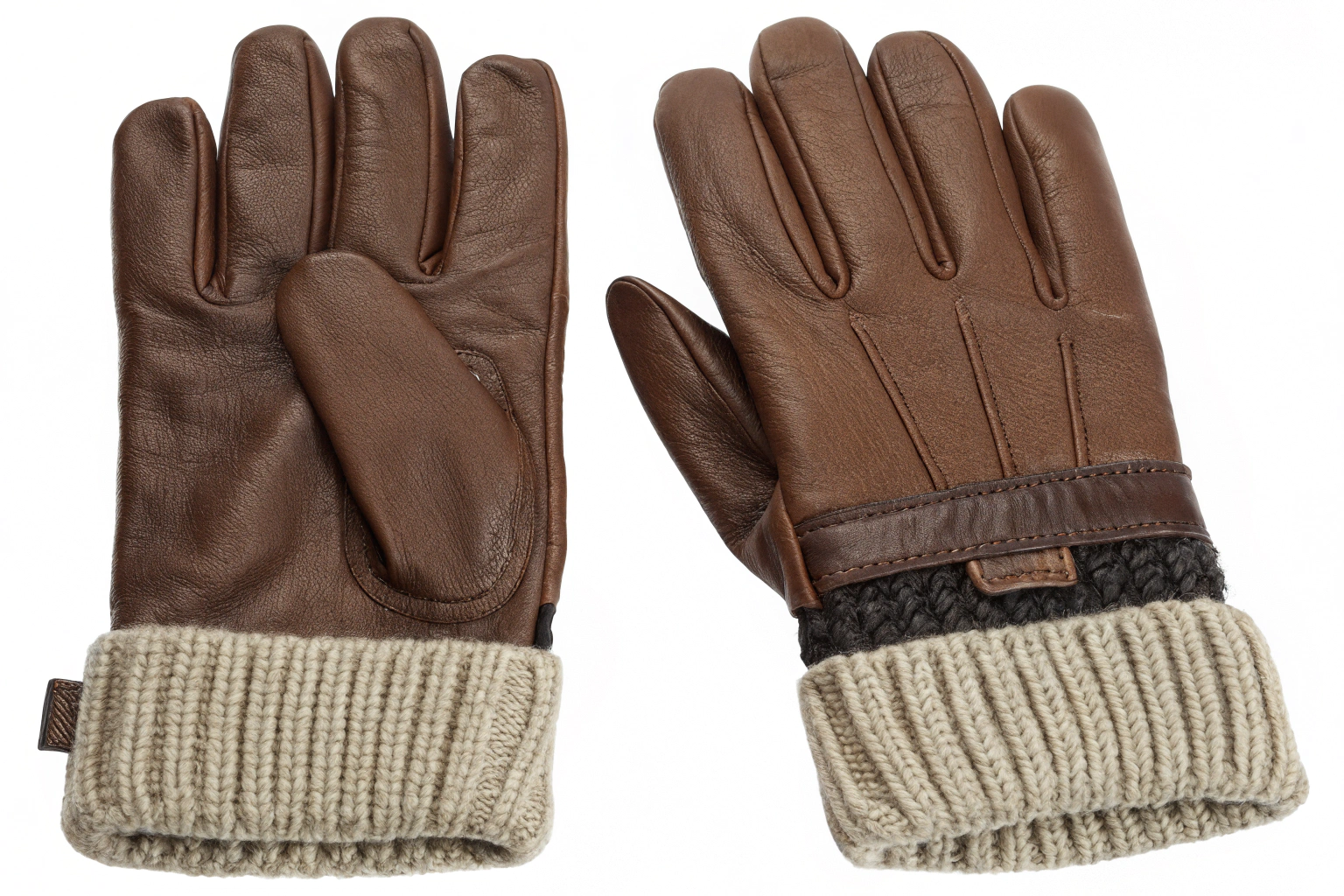
Every winter, fashion retailers and accessory brands face the same critical question: which glove colors will drive sales? Stocking the wrong palette can mean dead inventory and missed revenue, while choosing the right hues can create bestsellers that fly off shelves. The "best" colors are not just about personal taste; they are a sophisticated blend of seasonal fashion trends, consumer psychology, functional demands, and market segmentation. So, how do you decode this seasonal puzzle to make confident buying decisions for your glove line?
As a manufacturer at AceAccessory, producing a wide array of knit gloves, leather touchscreen gloves, and thermal mittens for global markets, we analyze sales data, trend forecasts, and direct client feedback each season. The winning color palette for winter gloves balances timeless sophistication with on-trend pops, all while considering the garment they're meant to complement: the winter coat. It’s a strategic decision that impacts inventory turnover and customer satisfaction.
This guide will break down the key drivers behind best-selling winter glove colors. We'll explore the enduring power of classic neutrals, the rise of seasonal fashion colors, the psychology behind color choices, and how to tailor your palette for different customer segments. By the end, you'll have a data-informed framework for selecting a winning color range for your next collection.
Why are classic neutrals the perennial bestsellers?
In the volatile world of fashion, classic neutrals are the bedrock of any successful winter accessory line. They are the safe, reliable choice for the majority of consumers because they offer maximum versatility. A customer buying a pair of black, brown, grey, or navy gloves knows they will match virtually every coat and outfit in their winter wardrobe. This practicality drives consistent, high-volume sales year after year.
For retailers, these colors are low-risk. They have a long shelf life, rarely go out of style, and appeal to a broad demographic, from professionals seeking sophistication to practical shoppers wanting value. In our production at Shanghai Fumao, neutral tones consistently make up 50-60% of our bulk orders for basic glove styles. They are the foundation upon which a seasonal collection is built.

How do black, grey, and brown serve different style functions?
- Black: The undisputed leader. It is sleek, slimming, and universally formal. Black leather gloves convey luxury, while black knit gloves are a minimalist staple. It’s a must-have color in any line.
- Grey (Charcoal to Heather): Offers a softer, more modern alternative to black. Light heather grey is popular for casual, sporty looks and tech-friendly gloves. Charcoal grey is a sophisticated, neutral option that shows less dirt than black or white.
- Brown (Camel, Chocolate, Taupe): The cornerstone of earthy, rustic, and heritage-style winter fashion. Camel pairs perfectly with beige and cream coats, while chocolate brown works with autumnal colors and leather jackets. It appeals to customers looking for a warm, natural aesthetic.
These colors don't compete; they complement each other by catering to different outerwear color schemes and personal styles. A well-balanced core line will offer all three.
Is navy still a relevant neutral for winter?
Absolutely. Navy is a powerful alternative to black, particularly in markets with a preppy or nautical influence. It is perceived as slightly less harsh than black, more interesting than grey, and pairs exceptionally well with denim, grey coats, and patterned winter wear. It’s a sophisticated choice that maintains a strong, classic appeal and is a staple in many winter wardrobes, making it a reliable seller for both men's and women's lines.
What seasonal fashion colors drive impulse purchases?
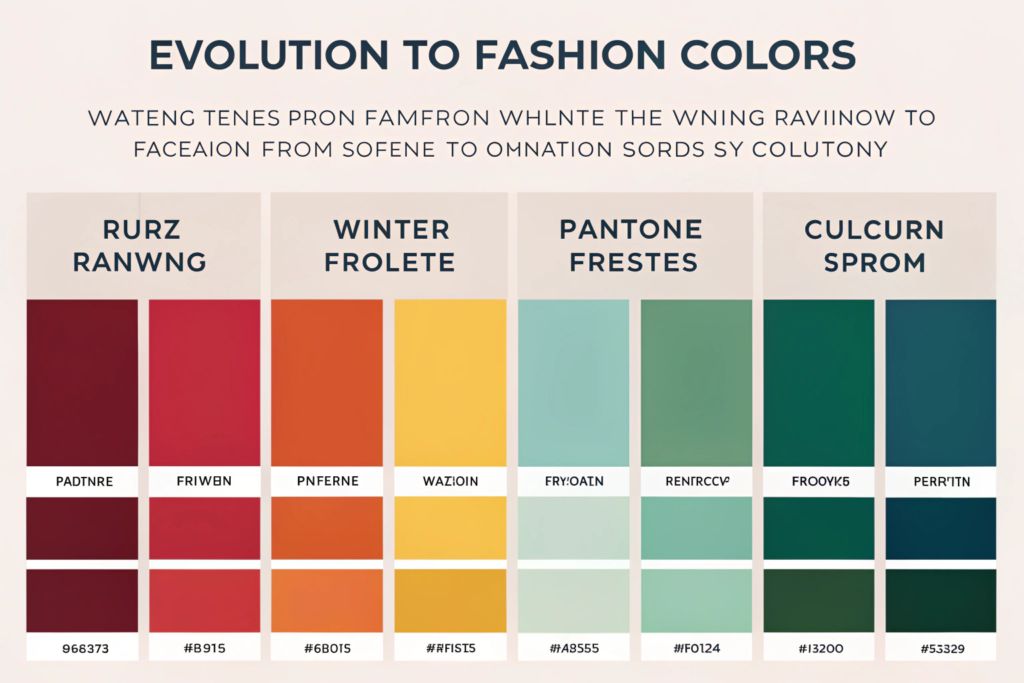
While neutrals form the sales foundation, seasonal fashion colors are the engine for growth and excitement. They attract fashion-forward customers, generate buzz, and encourage multiple purchases. These colors are directly influenced by the Pantone Color of the Year, runway trends, and cultural moods. For winter, these tones are typically deeper, richer, and more saturated than their spring counterparts.
Recent trending winter color families include:
- Jewel Tones: Deep burgundy/wine, forest green, sapphire blue, and amethyst purple. These colors feel luxurious, warm, and festive, perfect for the holiday season.
- Earthy & Muted Tones: Olive green, terracotta, rust, and mustard yellow. These colors align with the continued demand for nature-inspired, sustainable aesthetics.
- Unexpected Brights: Electric blue, hot pink, or vibrant orange accents (often on trim or in color-blocked styles) appeal to a younger demographic looking to make a statement.
How do you integrate fashion colors without high risk?
The key is to apply fashion colors strategically:
- Start with Best-Selling Styles: Apply the trend color to your proven, top-selling glove silhouette (e.g., a classic ribbed knit glove in burgundy).
- Use as an Accent: Offer a neutral glove with a trendy color detail, like a grey glove with a hot pink lining or cuff. This lowers the commitment threshold for the buyer.
- Test with Smaller MOQs: Work with a flexible manufacturer to produce smaller quantities of fashion colors to test market response before scaling up. This is a core part of smart product development and inventory management.
By anchoring fashion colors to safe styles or using them as accents, you capture trend-driven sales without the burden of excessive risk.
What is the impact of the "Coat Color" trend?
Winter glove sales are intrinsically linked to outerwear. Each winter, certain coat colors surge in popularity (e.g., cream, camel, olive green, bright red). The best-selling glove colors are often those that complement these dominant coat colors. For a cream coat, the perfect pair might be brown, burgundy, or olive. For a black coat, burgundy or forest green gloves add a sophisticated pop. Monitoring outerwear trends is therefore a crucial part of trend forecasting for accessories.
How does color psychology influence winter glove purchases?
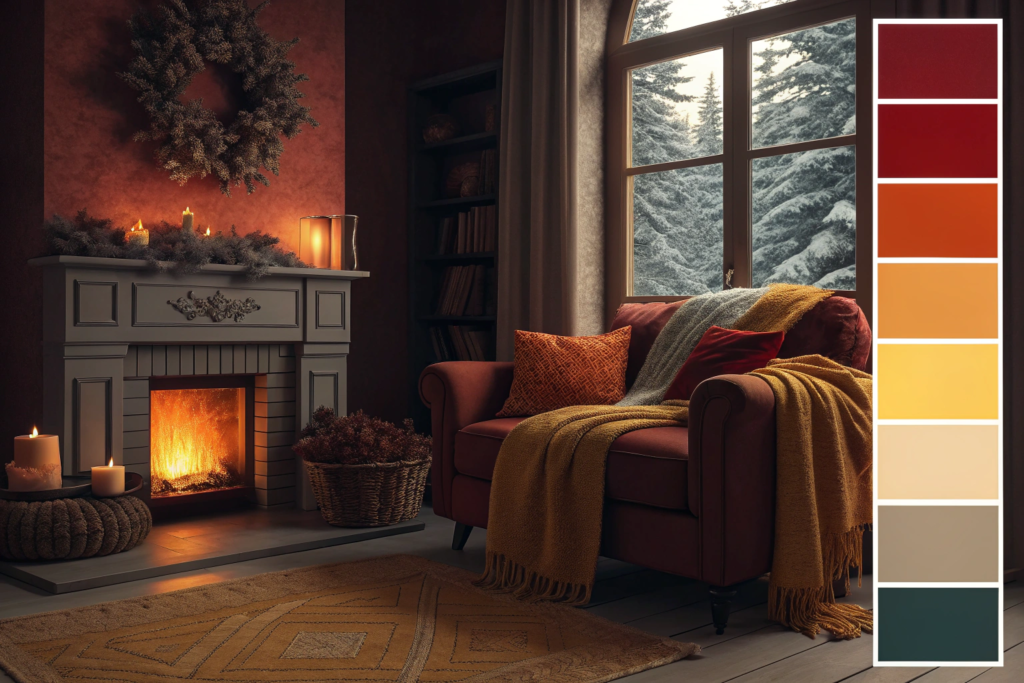
Color is not just seen; it is felt. In winter, color psychology plays a significant role, with consumers subconsciously drawn to hues that evoke warmth, comfort, and joy during the darker, colder months. This emotional driver can tip the scales between a neutral and a fashion color purchase.
- Warmth & Comfort: Reds, burgundies, oranges, and browns are associated with fire, hearth, and earth, directly countering the cold. They feel cozy and protective.
- Sophistication & Calm: Deep blues, charcoal greys, and forest greens evoke a sense of quiet, stability, and premium quality.
- Joy & Energy: Bright pops of color (pink, bright blue) counteract winter gloom and express individuality and optimism.
Understanding this allows you to market glove colors more effectively. A description like "Cozy Burgundy Cable-Knit Gloves" taps directly into the emotional benefit, not just the physical attribute.
Do men's and women's color preferences differ?
While there is significant overlap (neutrals dominate both), nuanced differences exist. The men's winter glove market often skews more heavily towards classic, understated colors: black, charcoal, brown, navy, and olive. Fashion colors are typically adopted as darker, muted versions like burgundy, bottle green, or deep teal.
The women's winter glove market embraces a broader spectrum. While classics remain key, there is greater openness to pastels (like misty pink or lavender for a soft winter look), brighter fashion colors, and a wider variety of earth tones. Tailoring your color assortment to your specific target gender, as identified in your market segmentation, is crucial for maximizing sales.
Isn’t It the Undisputed Top-Seller for Versatility?
When you think of a product that seamlessly transitions from one scenario to another, adapting effortlessly to the ebb and flow of daily life, this isn’t just a contender—it’s the undisputed champion. Picture it: in the morning, it’s your reliable companion, waking up with the soft glow of dawn as you prepare for the day, its functionality tailored to meet your first needs with quiet efficiency. By afternoon, it shifts gears, transforming into a dynamic tool that keeps pace with your busy schedule, handling tasks with precision and grace, never missing a beat. As evening falls, it wraps around you like a warm embrace, creating a cozy atmosphere that lulls you into relaxation, its versatility now a source of comfort rather than utility.
Whether you’re at home, on the go, or in the midst of a creative project, it’s there—adapting, evolving, and excelling in every role. Its design is a masterpiece of practicality, each feature thoughtfully crafted to serve multiple purposes, making it not just a product, but a trusted ally in every chapter of your life. With countless users singing its praises, its status as the top-seller isn’t merely a title; it’s a testament to its unmatched ability to blend form and function, versatility and charm, into one extraordinary experience.
How should you plan a balanced color assortment?
A successful seasonal buy is a carefully curated portfolio. A common strategy is the 60-30-10 rule:
- 60% Core Neutrals: (Black, Grey, Brown, Navy). Your consistent, high-turnover workhorses.
- 30% Seasonal Neutrals & Safe Fashion Colors: (Camel, Olive, Burgundy, Forest Green). Colors with strong trend relevance but broad appeal.
- 10% Fashion-Forward or Statement Colors: (Mustard, Bright Blue, Color-Block patterns). These are for trend leaders and generate visual interest in your lineup.
This mix ensures stability while allowing for trend-driven growth. It also provides clear guidance when communicating with your manufacturer about quantity ratios for production.

What role does material play in color choice?
The material dramatically affects color perception and function. A shiny PU leather in electric blue reads as futuristic and bold. The same color in a fleece-lined knit reads as playful and casual. Suede leather in olive green feels rustic and premium, while technical nylon in the same color feels sporty and utilitarian.
When selecting your palette, consider the material. Rich jewel tones often look most luxurious on leather or suede. Muted earth tones excel in wool or cashmere blends. Brights work well on technical fabrics and synthetics. A factory with strong material sourcing expertise, like ours, can advise on how different dyes and finishes behave on various fabrics to ensure color fidelity and quality.
How to Adjust Trend Color Proportion Based on Target Audience?
Understanding how to adjust trend color proportions based on your target audience is a nuanced art that blends psychology, cultural context, and sensory appeal to create visuals that resonate deeply. It begins with a thorough analysis of who your audience is—demographics like age, gender, cultural background, and lifestyle preferences, as well as psychographics such as values, emotions, and aesthetic inclinations.
Conclusion
Identifying the best-selling colors for winter gloves is a strategic exercise in balancing timeless demand with seasonal excitement. The winning formula combines a strong foundation of versatile neutrals (black, grey, brown, navy) with a thoughtful selection of on-trend, emotionally resonant fashion colors (burgundy, forest green, olive, camel). Success depends on understanding your target customer, analyzing outerwear trends, and applying color psychology to meet both practical and emotional needs.
Remember, your color assortment is a key part of your product's story. By curating a smart, balanced palette and producing it with a focus on quality and material appropriateness, you create a collection that is both commercially sound and desirable.
If you are planning your next winter glove collection and want expert guidance on color trends, material pairing, and production planning, we are here to partner with you. At Shanghai Fumao, we combine manufacturing excellence with market-aware insights to help you build a best-selling accessory line. To discuss developing your perfect winter glove palette, contact our Business Director, Elaine, at elaine@fumaoclothing.com. Let's create the colors your customers will love this season.