The vegan lifestyle has grown from a niche choice to a global movement. It now shapes how people eat, dress, and shop. Buyers in the fashion and accessories industry see strong demand for cruelty-free and sustainable products. Brands that provide these products gain a clear advantage in competitive markets. The key challenge is sourcing vegan accessories that meet ethical standards without losing quality, style, or affordability.
The best way to source vegan accessories is to select plant-based or synthetic materials, check ethical certifications, and work with suppliers who focus on cruelty-free production. This requires careful supplier evaluation, strong knowledge of sustainable options, and attention to customer expectations.
In the sections below, I will explain the main practices that help buyers succeed when sourcing for the vegan market.
Which Materials Are Suitable for Vegan Accessories?
The first decision in vegan sourcing is material choice. Traditional materials like leather, wool, and silk are not suitable. Buyers must look for alternatives that are cruelty-free but also durable and stylish.
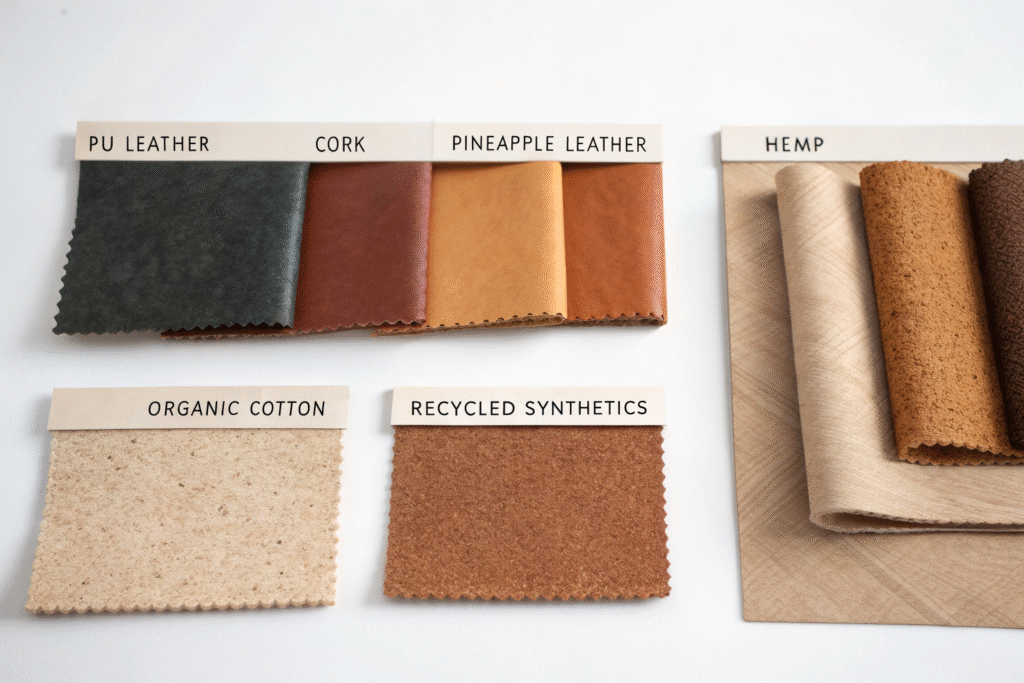
The best vegan materials include PU leather, cork, pineapple leather, mushroom leather, hemp, organic cotton, and recycled synthetics. Each has its own strengths and cost factors.
What plant-based materials are gaining popularity?
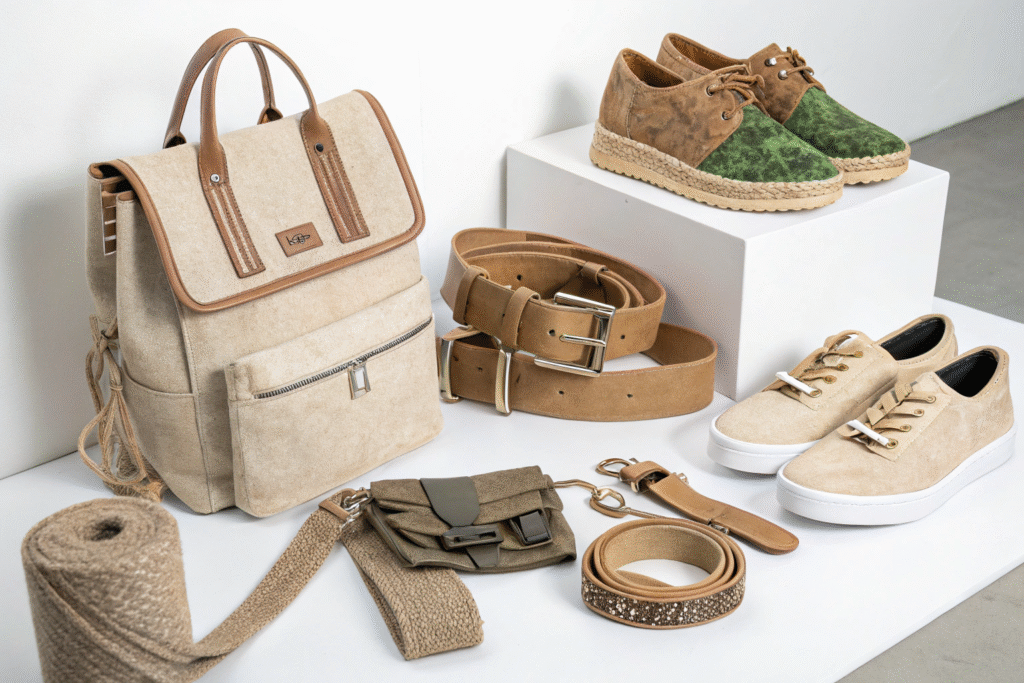
Piñatex, made from pineapple leaves, and Mylo, made from mushrooms, are popular new options. These materials are renewable and provide textures similar to leather. Cork is also widely used. It is light, flexible, and naturally water-resistant.
Are synthetic alternatives a good option?
Synthetic leather from polyurethane (PU) is the most common alternative. It is widely available and cost effective. PU is often used in handbags and belts. Buyers should review the environmental impact of synthetics, as some are petroleum-based. Recycled PU or blended materials are better options for sustainable sourcing.
How to Identify Reliable Vegan Accessory Suppliers?
Not every supplier can meet vegan standards. Some may use animal-based glue or dyes. Others may not hold the right certifications. Buyers must check carefully to avoid risks.
The best vegan suppliers provide clear sourcing, hold credible certifications, and have proven experience with global clients.
What certifications confirm vegan credibility?
Certifications like PETA-Approved Vegan or Vegan Society Trademark confirm that no animal ingredients are used. Buyers should also check safety and sustainability standards like OEKO-TEX or REACH.
How do I assess supplier transparency?
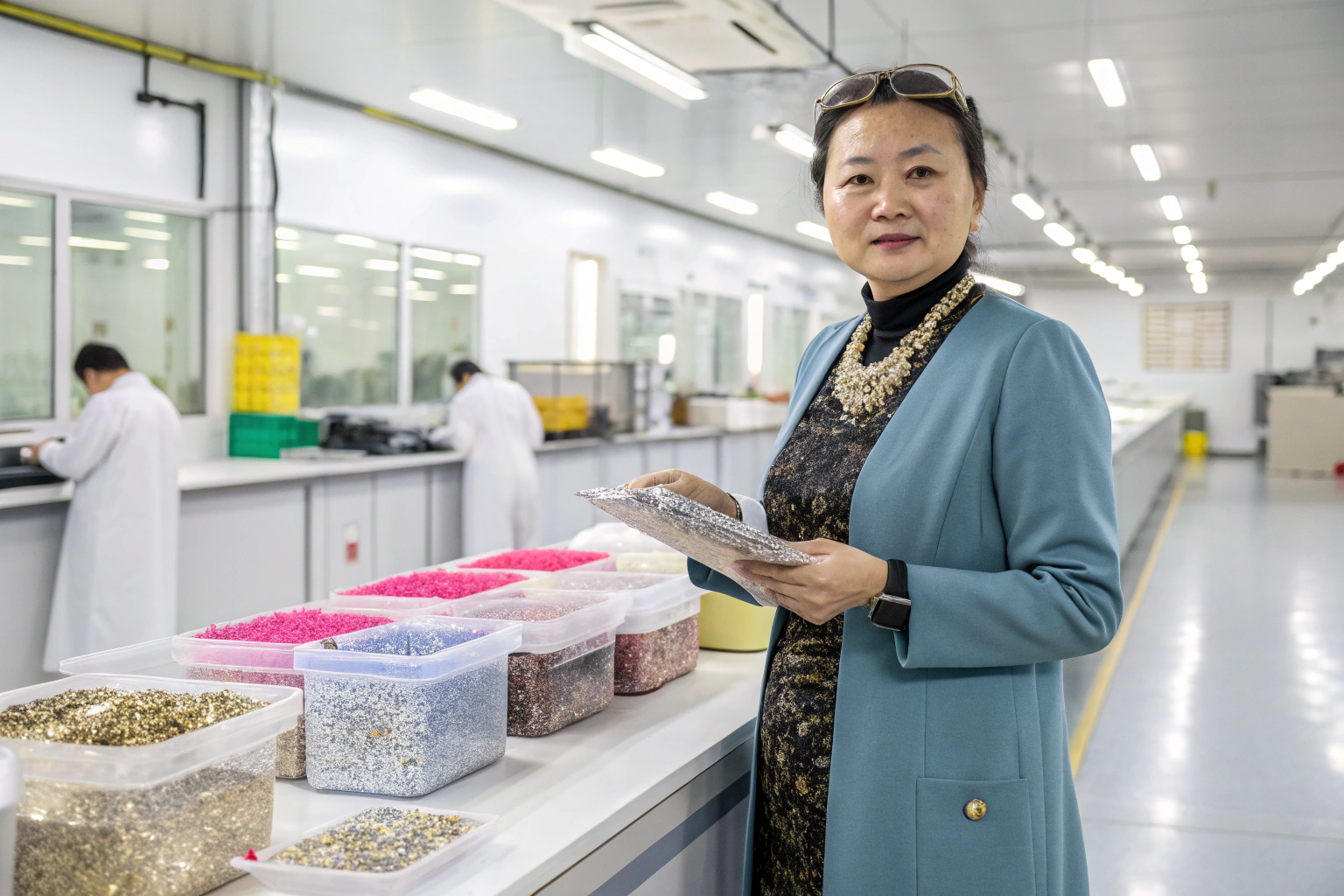
A reliable supplier will share full material lists and explain production methods. Buyers should request audits or factory visits for confirmation. Good suppliers often provide references from existing vegan brands. Working with companies that serve ethical fashion markets gives extra confidence.
What Are the Cost and Lead Time Challenges?
Vegan materials are sometimes more costly and harder to source. Buyers often face challenges in balancing budgets, availability, and timelines.
The main issues are higher raw material costs, limited supply, and longer production schedules. Buyers can manage these challenges through strong supplier partnerships and early planning.
Why are vegan materials often more expensive?
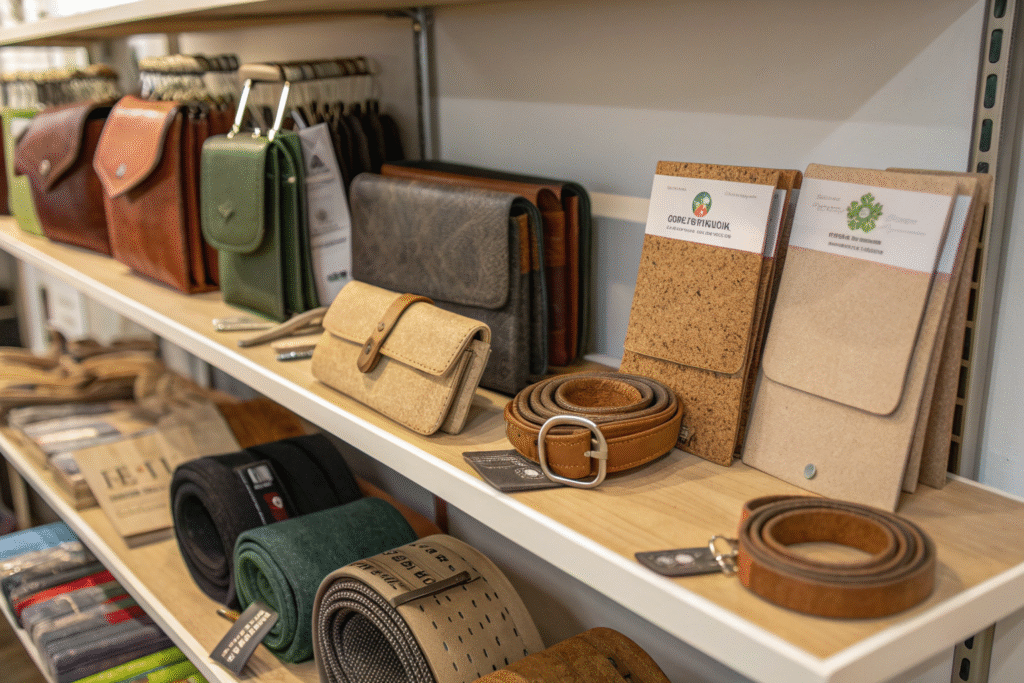
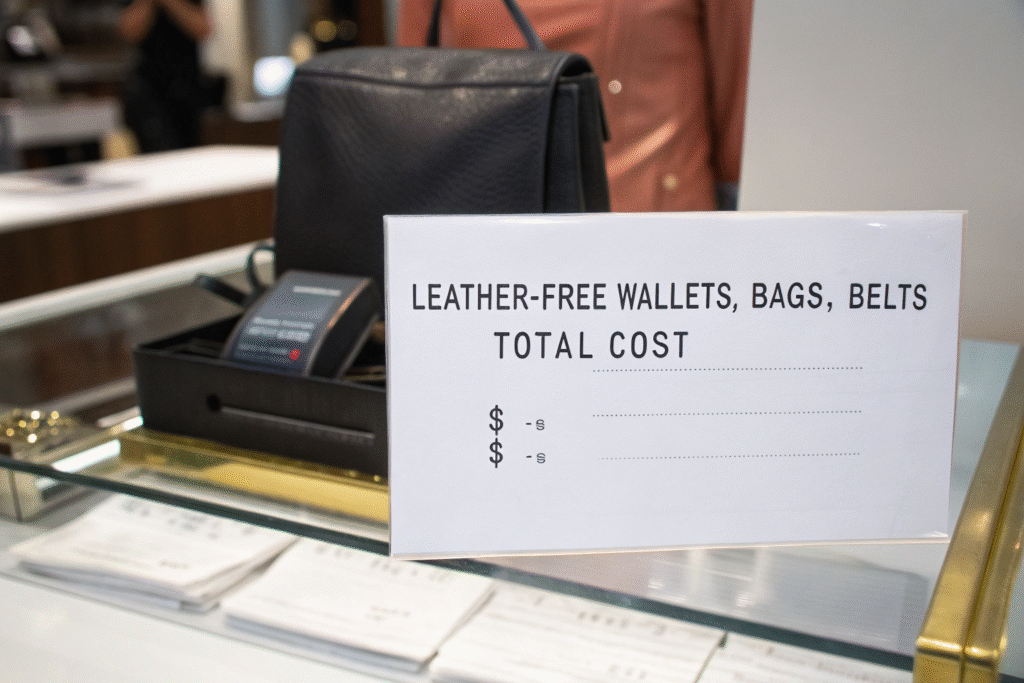
Materials like Piñatex or mushroom leather are new and produced in small volumes. This makes them more costly than traditional leather. A vegan cork bag may cost more than a basic PU leather item. Buyers should prepare budgets for these differences and highlight sustainability as added value to consumers.
How can buyers manage lead times?
Planning ahead is critical. Vegan materials may take longer to produce or deliver. Buyers should confirm availability before design approval. Suppliers that stock plant-based or recycled fabrics can reduce waiting times. Coordinating schedules with logistics providers helps maintain consistent deliveries.
Why Is the Vegan Market a Long-Term Opportunity?
The vegan market is not a passing trend. It is part of a broader shift toward sustainability and ethical choices. Buyers who adjust now gain long-term benefits.
Sourcing vegan accessories builds brand reputation, attracts loyal customers, and opens access to premium retail channels.
How big is the market for vegan accessories?
The vegan fashion sector is growing rapidly. Market studies predict strong revenue growth in the coming years. Retailers in Europe and North America already dedicate sections to vegan products. Leading brands like Stella McCartney prove that cruelty-free accessories can thrive globally.
How do vegan accessories support brand growth?
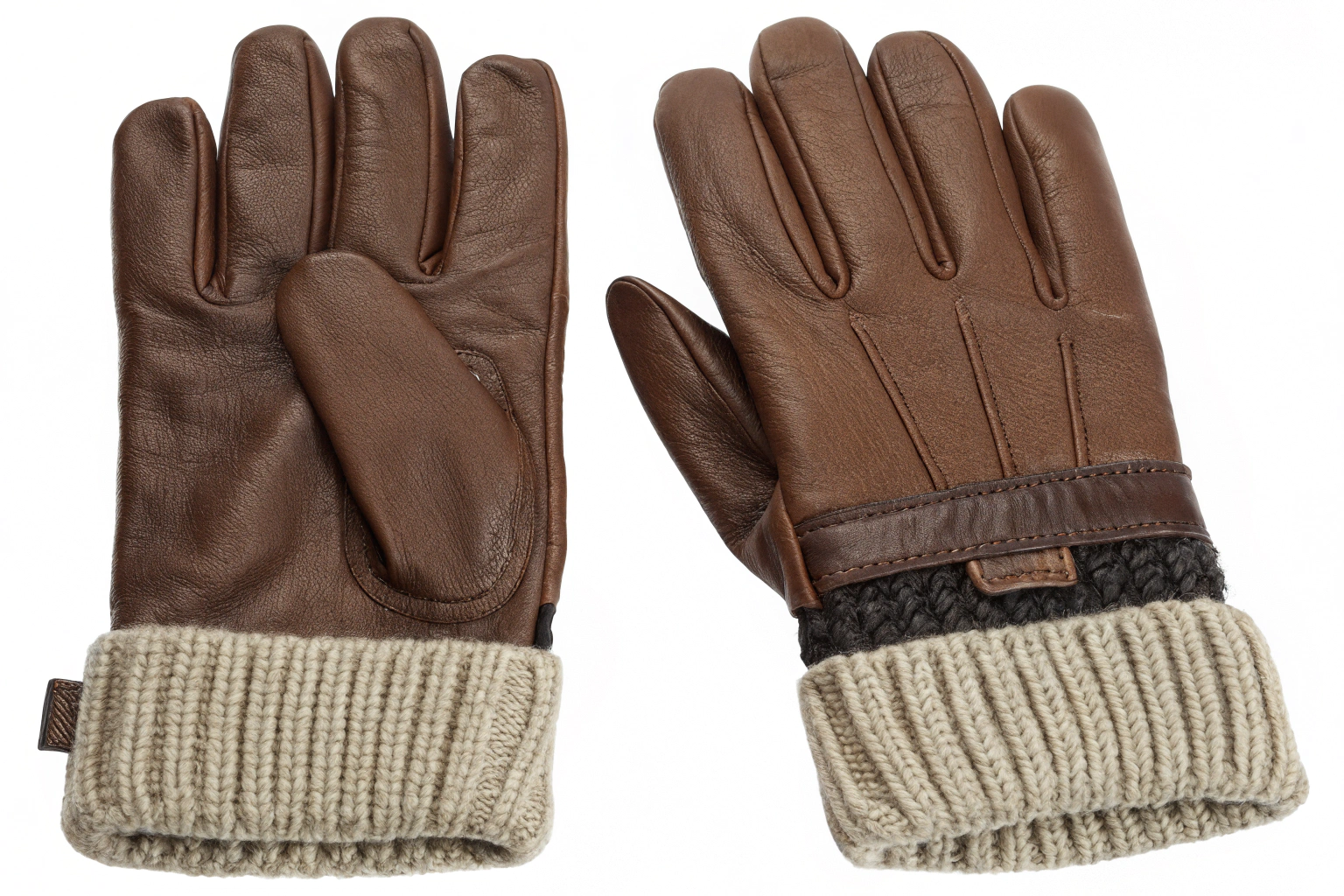
Vegan products improve brand value and connect with conscious consumers. They also align with sustainability goals set by governments and organizations. Offering vegan scarves or gloves shows commitment to ethics and responsibility. This helps build long-term trust and customer loyalty.
Conclusion
Sourcing for the vegan market requires smart planning and reliable partners. Buyers must focus on suitable materials, certifications, and cost management. They should also work with suppliers who understand vegan values and global logistics.
At AceAccessory, we support clients who want to enter or expand in the vegan market. Our team in Zhejiang specializes in ethical sourcing, strict quality control, and professional export services. If you are ready to develop vegan accessories for your business, please contact our Business Director Elaine at elaine@fumaoclothing.com. We would be proud to create accessories that meet both your market needs and your values.