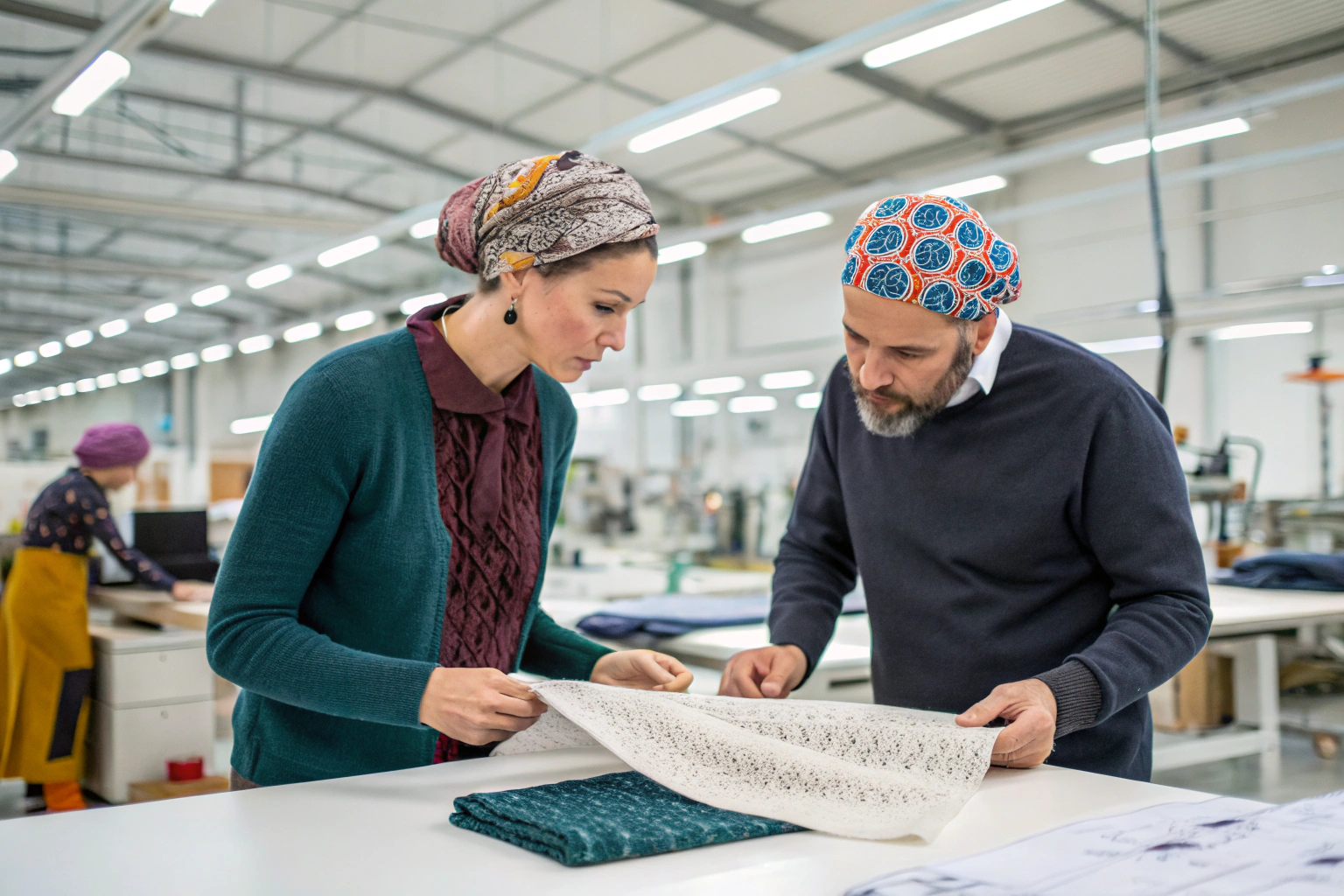
I have been manufacturing headbands for over 15 years. For sporty headbands, the most important feature is moisture-wicking. Sweat that stays on the skin is uncomfortable. Sweat that drips into the eyes is a problem. I remember a client who sold cotton headbands to runners. The headbands soaked up sweat. They became heavy. They dripped. The runners complained. I told her, "You need a moisture-wicking material." We switched to polyester. The runners loved them. That experience taught me that material choice is critical for performance. Today, I want to share the best moisture-wicking materials for sporty headbands.
The best moisture-wicking materials for sporty headbands are polyester, nylon, and merino wool. Polyester is the most common. It is hydrophobic. It does not absorb water. It pulls sweat away from the skin. It spreads it across the fabric. The sweat evaporates quickly. Nylon is similar. It is also hydrophobic. It is softer than polyester. It is often blended with spandex for stretch. Merino wool is natural. It absorbs moisture but does not feel wet. It wicks sweat away. It also resists odors. Each material has its strengths. The choice depends on the desired feel and performance.**
You might be thinking, "Cotton is soft. Why not use cotton?" Cotton absorbs sweat. It holds it. It becomes heavy. It drips. It is not good for sports. For sporty headbands, you need performance materials. At Shanghai Fumao, we have tested many materials. We know what works. Let me walk you through the best options.
Why Is Polyester the Most Popular Choice?
Polyester is the workhorse of performance fabrics. It is used in jerseys, shorts, and headbands. I have used it for years. It works.
Polyester is the most popular moisture-wicking material for sporty headbands because it is hydrophobic. It does not absorb water. Instead, it pulls sweat away from the skin. The sweat spreads across the fabric surface. It evaporates quickly. This keeps the head dry. Polyester is also durable. It resists stretching and shrinking. It is lightweight. It dries quickly. It is also affordable. The downside is that it can hold odors. But for headbands, this is less of an issue. For most sporty headbands, polyester is the best choice.
I want to share a story about polyester. A client sold headbands to a CrossFit gym. The headbands were made of polyester. They kept sweat out of the eyes. The athletes loved them. The client reordered.
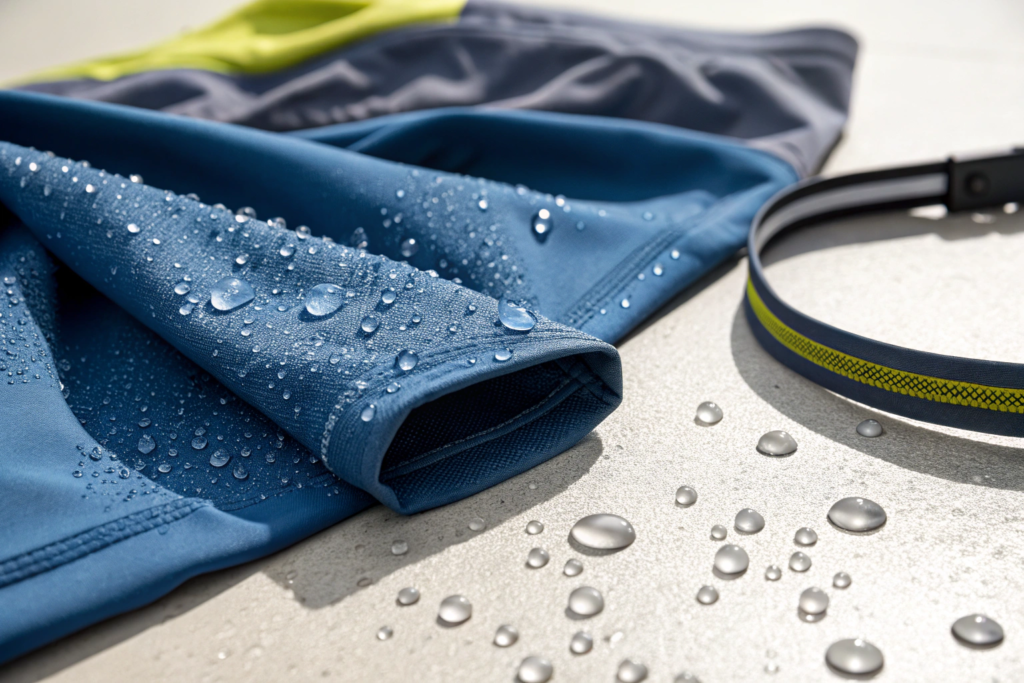
What Is the Best Polyester Blend for Headbands?
A blend of polyester and spandex is best. The spandex adds stretch. The headband fits better. A common blend is 90% polyester and 10% spandex. This provides moisture-wicking and comfort. We use polyester-spandex blends for our sporty headbands.
How Do You Care for Polyester Headbands?
Polyester is easy to care for. Machine wash in cold water. Tumble dry low. Do not use fabric softener. It can coat the fibers and reduce wicking. We provide care instructions.
How Does Nylon Compare to Polyester?
Nylon is similar to polyester. But it has a softer feel. I have used it for headbands that need a premium feel.
Nylon is also a hydrophobic material. It does not absorb water. It wicks sweat away from the skin. It dries quickly. Compared to polyester, nylon is softer. It has a silkier feel. It is also more elastic. Nylon is often blended with spandex for stretch. The downside is that nylon is less breathable than polyester. It can feel warmer. For headbands used in very hot conditions, polyester may be better. For headbands used in moderate conditions, nylon is a good choice.
I want to share a story about nylon. A client wanted a headband for a yoga brand. She wanted a soft, premium feel. We used a nylon-spandex blend. The headbands were soft. They wicked sweat. The customers loved the feel.
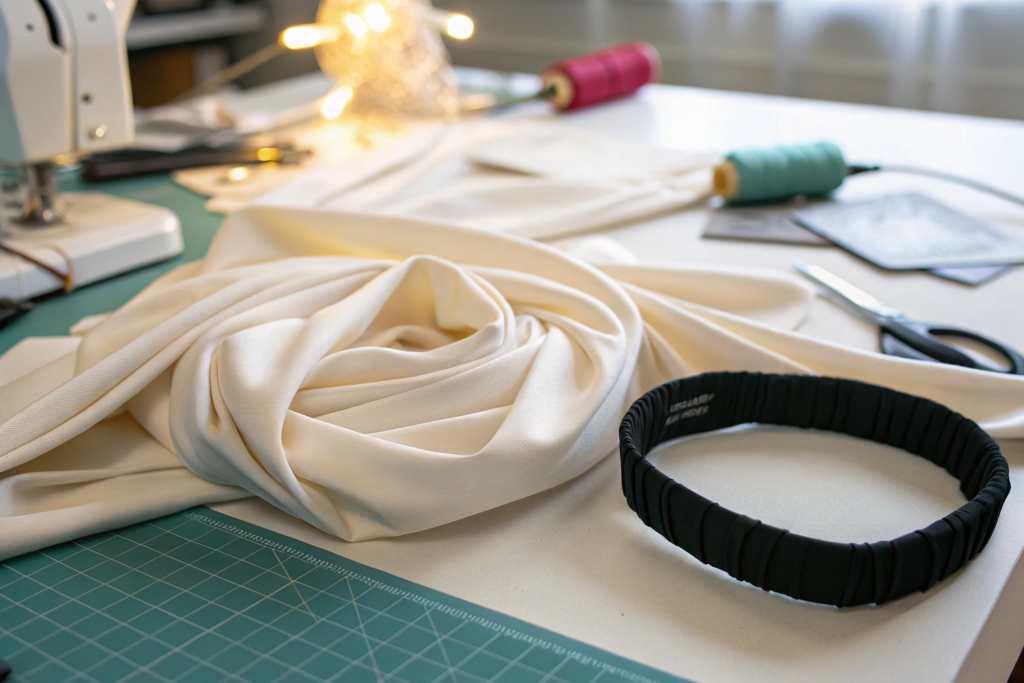
What Is the Best Nylon Blend for Headbands?
A blend of nylon and spandex is best. 80% nylon and 20% spandex provides a good balance of wicking and stretch. The headband stays in place. We offer nylon-spandex headbands.
How Does Nylon Compare to Polyester in Cost?
Nylon, with its smooth, almost velvety texture that glides gently against the skin, carries a slightly higher price tag than polyester. This premium feel—soft enough to cradle delicate fabrics and gentle enough for prolonged wear—justifies the cost for luxury items, where comfort and quality are paramount, transforming everyday use into a touch of indulgence. For budget-conscious consumers, however, polyester stands as the practical choice, offering a durable, resilient alternative that doesn't compromise on functionality, making it the go-to material for affordable, everyday essentials that withstand the test of time and frequent use.
Why Is Merino Wool a Natural Alternative?
Merino wool is surprising. It is wool. But it is soft. It wicks sweat. I have used it for headbands for cold-weather sports.
Merino wool is a natural moisture-wicking material. It absorbs moisture but does not feel wet. The moisture is trapped inside the fiber. The surface feels dry. Merino wool also resists odors. It is naturally antimicrobial. It is also warm. For cold-weather sports, merino wool is excellent. The downside is that it is more expensive. It is also less durable than synthetics. It can shrink if not cared for properly. For headbands used in cold conditions, merino wool is a premium choice.
I want to share a story about merino wool. A client sold headbands to skiers. The headbands were made of merino wool. They kept sweat off the forehead. They were warm. They did not smell. The skiers loved them.
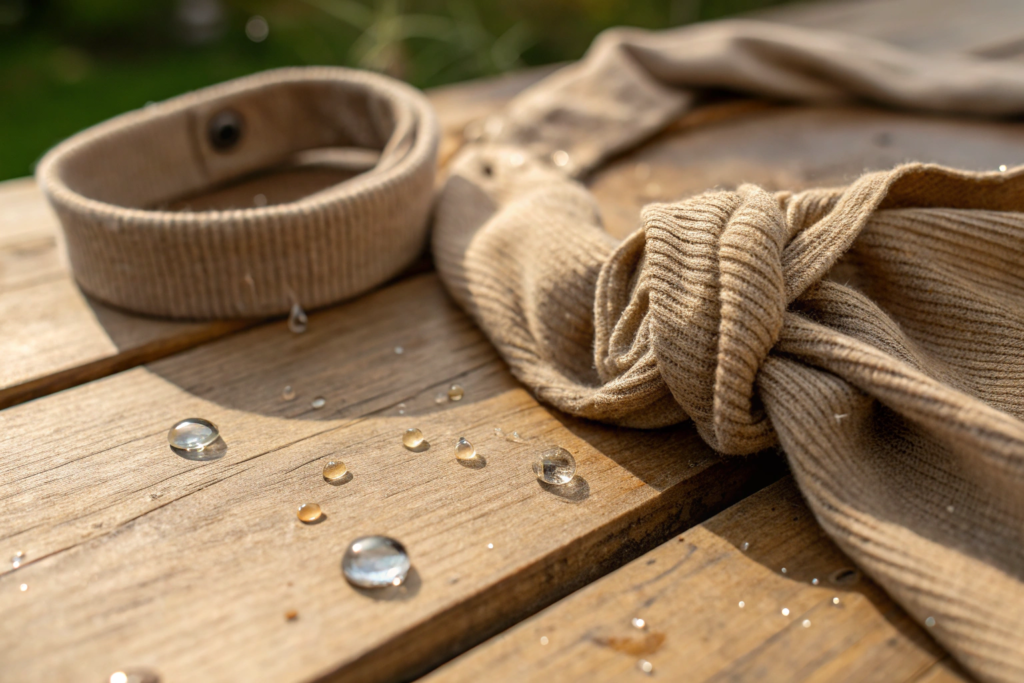
What Is the Best Merino Wool Blend for Headbands?
A blend of merino wool and nylon is best. The nylon adds durability. A common blend is 80% merino wool and 20% nylon. This provides wicking, softness, and durability. We offer merino wool headbands.
How Do You Care for Merino Wool Headbands?
Hand wash in cold water. Use wool-specific detergent. Lay flat to dry. Do not put in the dryer. Heat will shrink wool. We provide care instructions.
How Do You Test Moisture-Wicking Performance?
Not all fabrics that claim to wick actually do. I have learned to test. A simple test can reveal the truth.
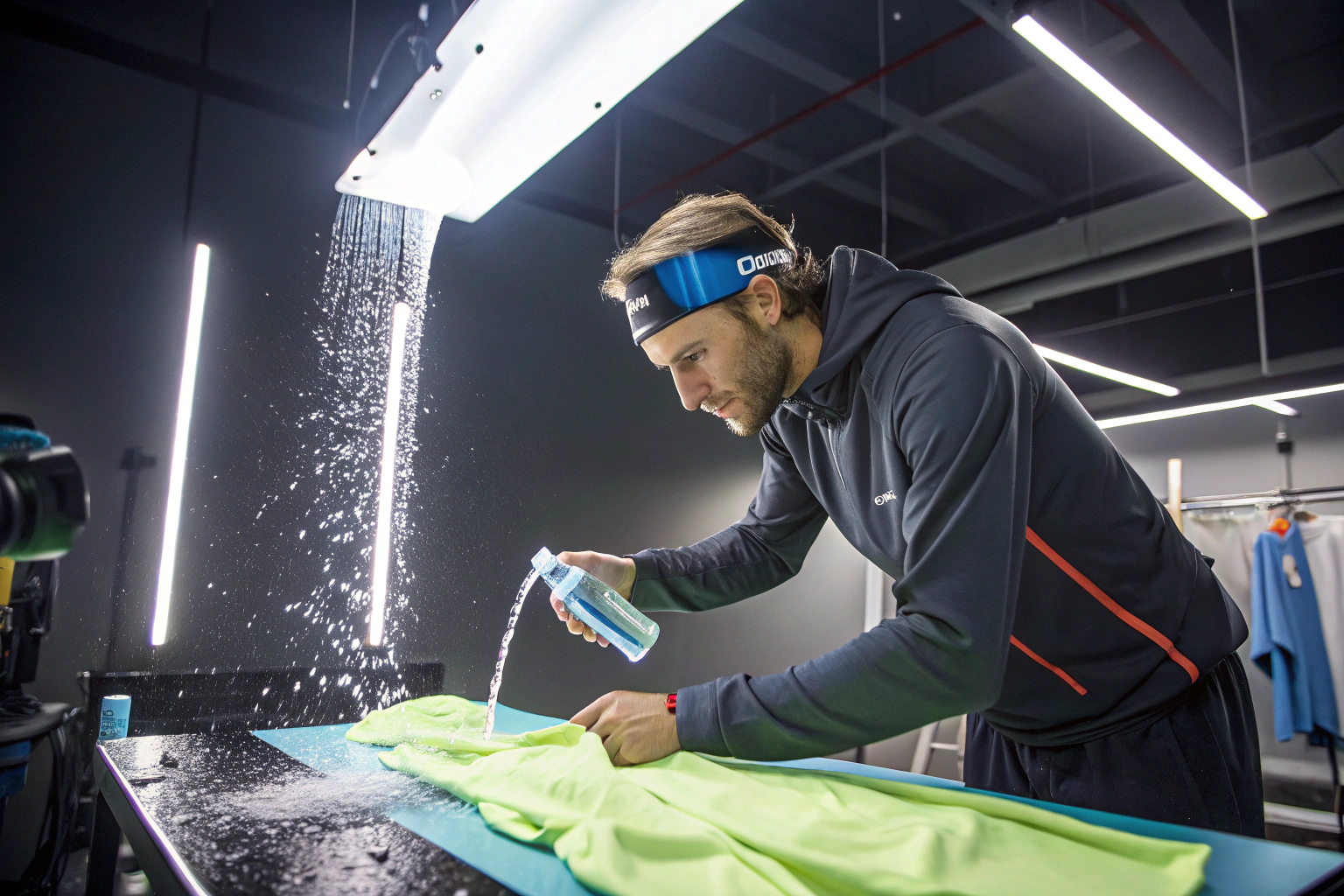
To test moisture-wicking performance, place a drop of water on the fabric. Time how long it takes to spread and evaporate. A good moisture-wicking fabric will spread the drop quickly. It will evaporate within minutes. A poor fabric will hold the drop. It will not spread. You can also test by wearing the headband during exercise. See how it feels. Does it keep sweat out of your eyes? Does it become heavy? The best test is real-world use. But the drop test is a good indicator.
I want to share a story about testing. A client received a sample that claimed to be moisture-wicking. She did the drop test. The water sat on the surface. It did not spread. The fabric was treated with a coating. The coating would wash off. She rejected the sample.
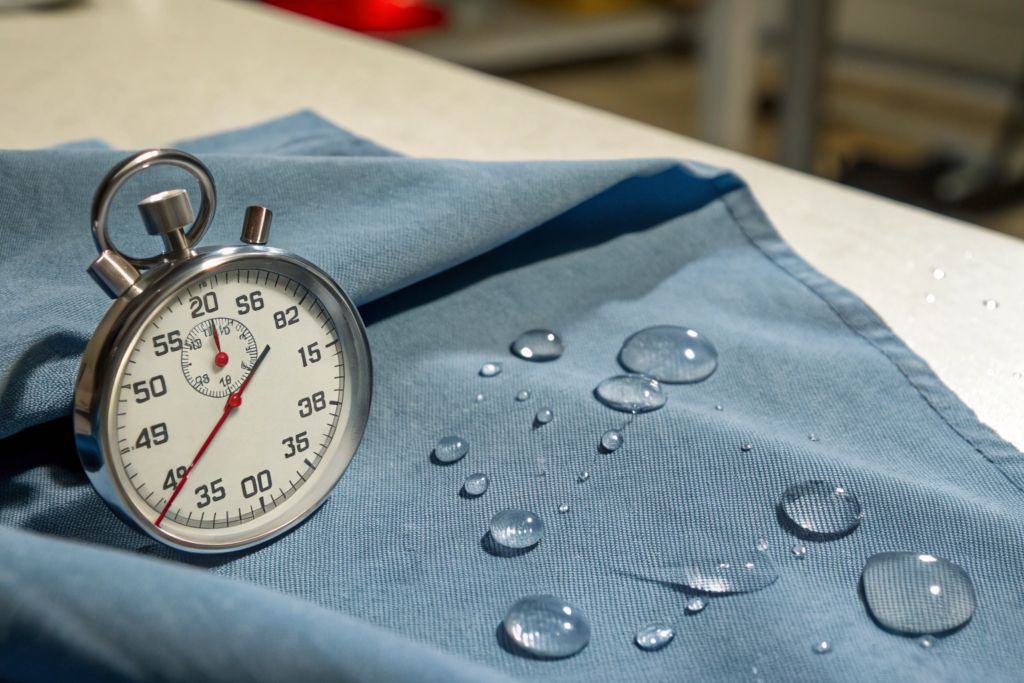
What Is the Drop Test?
Place a single, glistening drop of water—like a tiny, liquid pearl—onto the fabric's surface. Watch intently as time unfolds. If the droplet unfurls rapidly, like a flower blooming in slow motion, its edges blurring and merging into the textile, the fabric wicks moisture with ease, drawing the water away from the skin.
If, instead, the drop clings stubbornly, forming a glossy, spherical bead that rolls gently across the surface without seeping in, the fabric boasts a water-resistant barrier, repelling moisture like a shield. Should the droplet sink slowly, its form gradually dissolving into the fibers as if vanishing into a thirsty sponge, the fabric is absorbent, soaking up the liquid with quiet efficiency.
What Other Tests Are Useful?
Wear the headband during exercise. See how it performs. Wash it multiple times. See if the wicking performance degrades. Some coatings wash off. We perform multiple tests on our fabrics.
How Do You Choose the Right Material for Your Headband?
Choosing the right material depends on your sport, your climate, and your customer. I have developed a framework to help.
Choose polyester for high-intensity activities in warm conditions. Running, cycling, CrossFit. It wicks fast. It dries fast. Choose nylon for moderate activities where softness is valued. Yoga, Pilates, gym training. It is soft and stretchy. Choose merino wool for cold-weather activities. Skiing, snowboarding, winter running. It is warm and odor-resistant. Also consider your customer. A budget customer will prefer polyester. A premium customer may prefer nylon or merino. The right material matches the use case.
I want to give a practical example. A client wanted headbands for a marathon. The race was in summer. We chose polyester. It was lightweight. It wicked fast. Another client wanted headbands for a yoga studio. We chose nylon. It was soft. It stretched. Another client wanted headbands for a ski resort. We chose merino wool. It was warm. It resisted odors.

What Material Is Best for Running?
Polyester stands as the ultimate fabric for running, a dynamic companion that keeps pace with every stride and sweat. Its remarkable moisture-wicking properties work in overdrive, swiftly drawing perspiration away from the skin to the outer surface, where it evaporates before it can cling or cause discomfort.
Light as a whisper, polyester garments glide effortlessly against the body, eliminating the heavy, cumbersome feeling that can weigh down even the most determined runner. What truly sets it apart, however, is its lightning-fast drying capability; after a grueling session, whether under the scorching sun or in a post-run drizzle, polyester shakes off moisture in an instant, leaving you refreshed and ready for the next challenge.
What Material Is Best for Yoga?
Nylon is best for yoga. It is soft, like a gentle caress against the skin, its smooth surface gliding effortlessly over warm muscles as you move into each pose. It stretches with remarkable elasticity, conforming to every curve and contour of your body—whether you’re flowing into a downward dog, lifting into a warrior, or folding into a seated forward bend—offering support that feels almost like a second skin. It is comfortable, wrapping around you in a lightweight embrace that doesn’t cling or restrict, allowing you to breathe deeply and focus fully on the rhythm of your practice. The fabric breathes subtly, wicking away the faint sweat that beads on your forehead during intense sequences, leaving you feeling fresh and at ease, so you can immerse yourself completely in the serenity and strength of yoga.
Conclusion
The best moisture-wicking materials for sporty headbands are polyester, nylon, and merino wool. Polyester is the most common. It wicks fast. It is affordable. Nylon is softer. It is good for yoga and Pilates. Merino wool is warm. It resists odors. It is good for cold-weather sports.
At Shanghai Fumao, we have the materials and the expertise. We are ready to help you create headbands that perform. Your customers deserve headbands that keep them dry. Let us help you make them.
Please contact our Business Director, Elaine, at elaine@fumaoclothing.com to discuss your sporty headband project. We can send you samples and a quote.