You're sourcing materials for your next sustainable accessory line—scarves, headbands, or tote bags—and organic cotton is a top contender. But beyond the "eco-friendly" label, what tangible advantages does it actually offer for your brand, your product, and the planet? In a market saturated with green claims, understanding the real, multi-layered benefits of organic cotton is crucial to making informed decisions and communicating genuine value to your customers.
Using organic cotton delivers a powerful suite of benefits spanning environmental integrity, product quality, consumer health, and brand equity. It represents a holistic commitment to a cleaner supply chain, resulting in a superior natural fiber that aligns with the values of the modern, conscious consumer. At Shanghai Fumao Clothing, our experience in sourcing and working with organic cotton reveals it is not just a material choice, but a strategic brand decision that fosters trust and differentiates products in a crowded marketplace.
Let's explore the specific, evidence-backed advantages that make organic cotton a compelling choice for forward-thinking brands.
How Does Organic Cotton Benefit the Environment?
The environmental argument for organic cotton is its most profound and far-reaching benefit. Conventional cotton farming is notoriously resource-intensive and chemically dependent, often labeled as one of the world's "dirtiest" crops. Organic cultivation fundamentally rewrites this narrative.
Organic cotton farming is governed by principles that prohibit synthetic pesticides and fertilizers, encourage biodiversity, and conserve water through natural methods. This creates a positive agricultural ecosystem rather than a extractive one.
Choosing a material with such a low environmental footprint is a strong reflection of a brand's values and part of a comprehensive quality control and certifications strategy focused on ethical sourcing.
What is the Real Impact on Water and Soil Health?
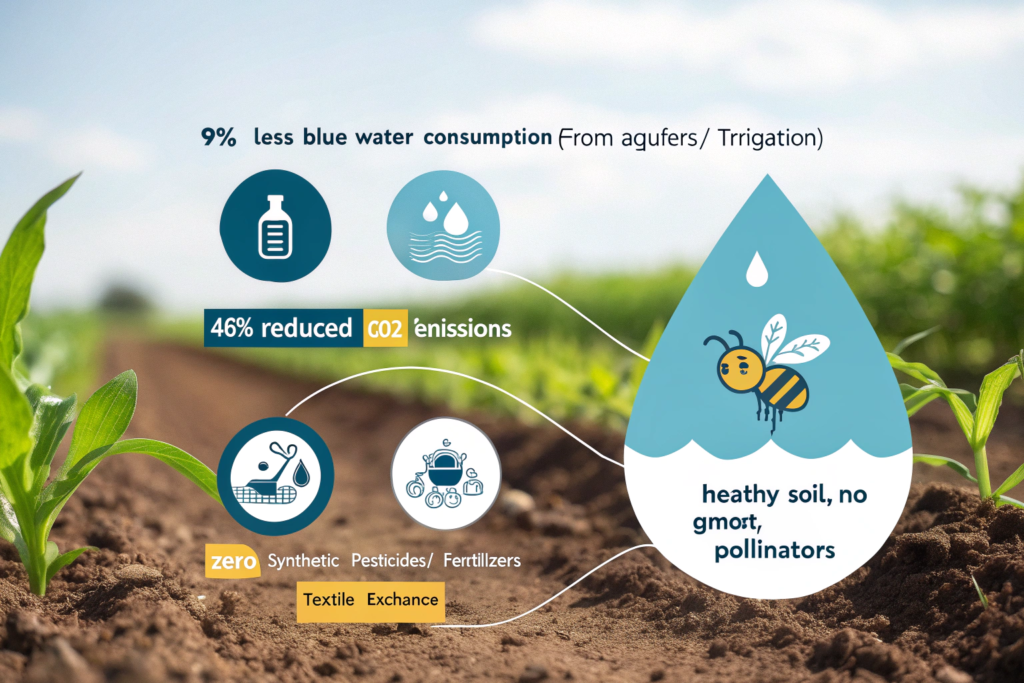
- Water Conservation: Organic cotton primarily uses rainwater (green water) rather than irrigation (blue water). It improves soil structure, increasing its water-holding capacity. Studies by the Textile Exchange show it can reduce water consumption by over 90% compared to conventional cotton.
- Soil Regeneration: By using crop rotation, composting, and natural pest management, organic farming builds healthy, living soil. This sequesters carbon, prevents erosion, and ensures farmland remains fertile for future generations—a core principle of true sustainability.
- Biodiversity Protection: The absence of toxic chemicals protects farmers' health and preserves local ecosystems, including pollinators and beneficial insects. This holistic approach is why materials like organic cotton are central to a brand's authentic sustainability story.
How Does It Reduce Pollution and Greenhouse Gases?
Conventional cotton uses about 16% of the world's insecticides. Organic farming eliminates this runoff, preventing water pollution in rivers and oceans. Furthermore, healthy organic soil is a carbon sink, pulling CO2 from the atmosphere. The reduction in synthetic fertilizer use (which is energy-intensive to produce) also leads to significantly lower greenhouse gas emissions across the cotton's lifecycle.
What Are the Quality and Performance Advantages?
Beyond ethics, organic cotton offers tangible, superior qualities that enhance the end product. It's not just "better for the earth"; it's often better for the product itself. Consumers quickly notice the difference in hand-feel, durability, and comfort.
The absence of harsh chemicals from field to fabric preserves the natural integrity of the cotton fiber. This results in a purer, stronger, and more breathable material.
Leveraging these quality advantages requires a manufacturer with refined design and development capability to properly handle and finish this premium natural fiber.
Why is Organic Cotton Softer and More Durable?
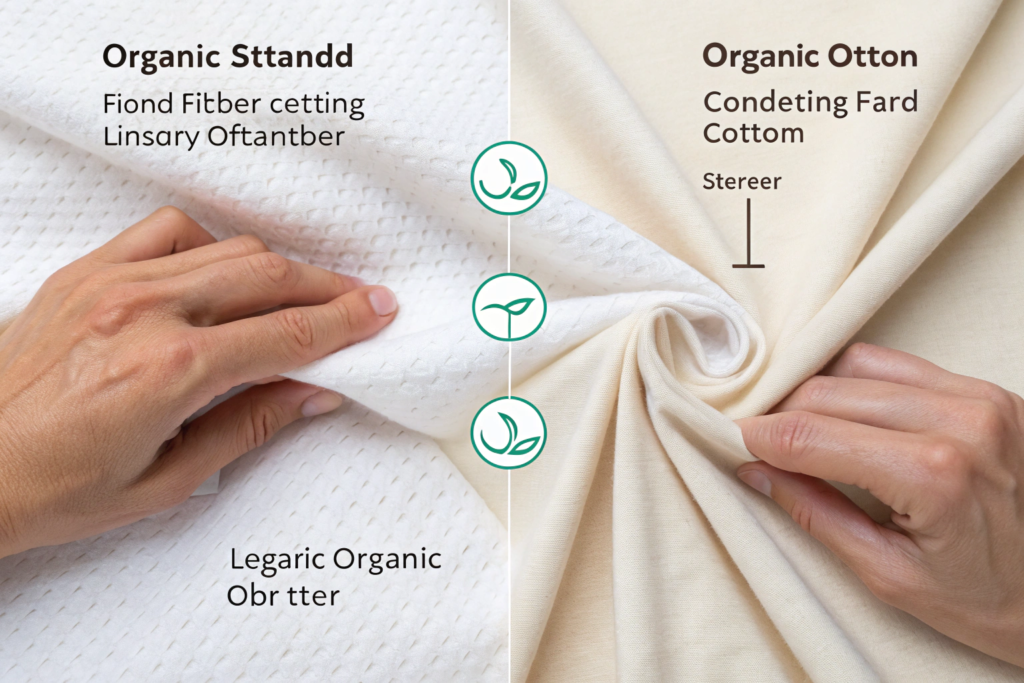
Conventional cotton processing often involves harsh chemical scours and softeners. Organic cotton, typically processed with milder, bio-based agents, retains its natural waxes and oils. This results in fibers that are:
- Longer and Stronger: Less damaged from the start, leading to a smoother yarn that is less prone to pilling and breaking.
- Incredibly Soft: The fiber integrity gives it a luxurious, buttery-soft hand-feel that improves with each wash, unlike conventional cotton which can become harsh.
For products like baby accessories, scarves, and loungewear items, this superior softness is a direct and marketable consumer benefit.
Is It Better for Sensitive Skin and Allergies?
Absolutely. Organic cotton is free from toxic residues of pesticides, herbicides, and chemical softeners (like formaldehyde) that can remain in conventional cotton fabrics. This makes it hypoallergenic, non-irritating, and safer for sensitive skin, including babies and those with eczema or chemical sensitivities. This health benefit is a powerful driver for parents and wellness-focused consumers, a trust factor that manufacturers like Shanghai Fumao Clothing help brands leverage.
How Does It Strengthen Your Brand and Market Position?
In today's market, a material choice is a communication strategy. Organic cotton is a powerful vehicle for building brand authenticity, consumer trust, and competitive differentiation. It allows you to participate in the sustainable economy with credibility.
Using certified organic cotton provides a verifiable, story-rich foundation for your marketing. It's a concrete action that demonstrates your commitment beyond vague "green" messaging.
Effectively communicating this value is key and relies on a transparent partnership with your supplier, underscoring the importance of communication and service reliability to provide the necessary sourcing documentation.
Why is GOTS Certification a Game-Changer for Brands?
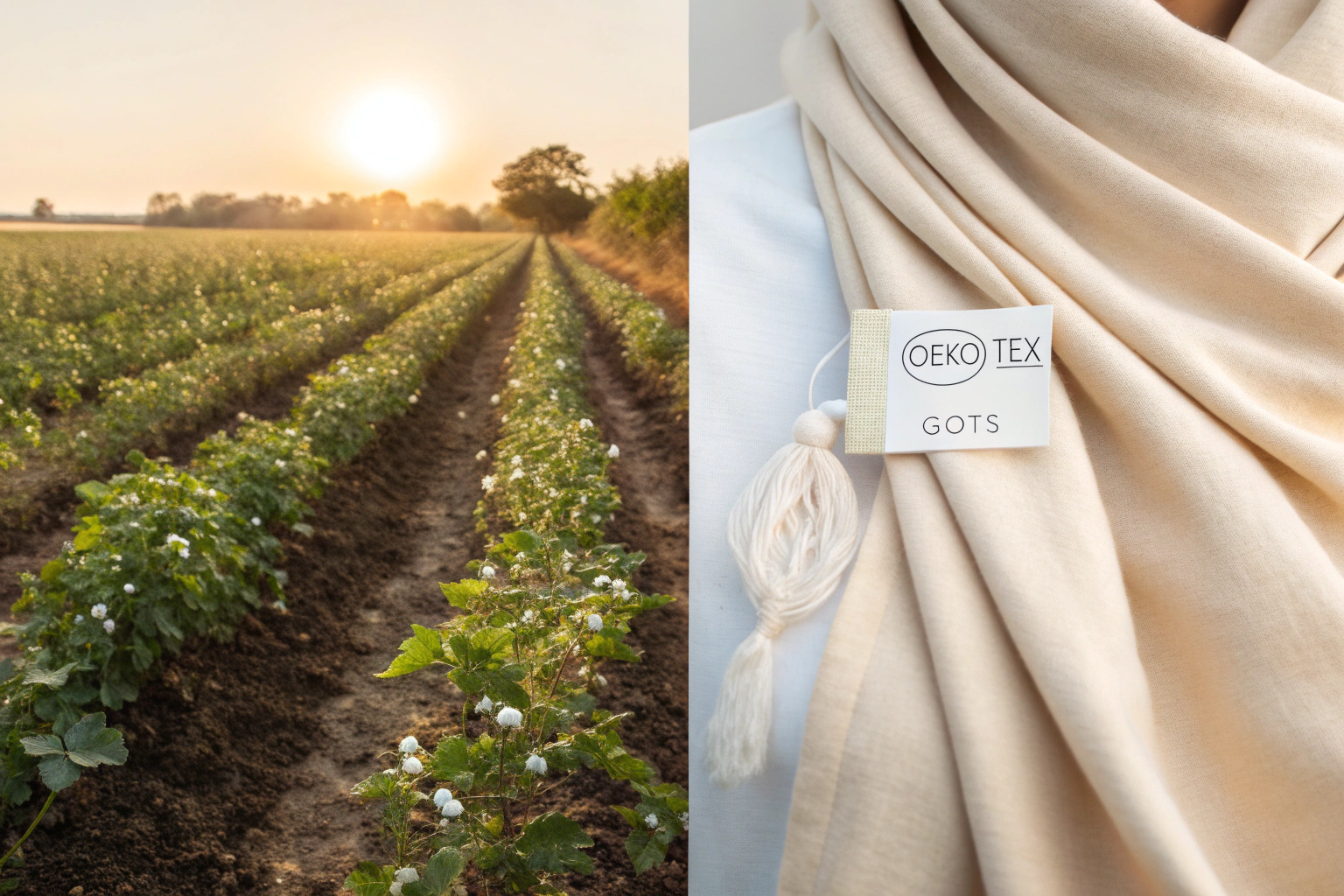
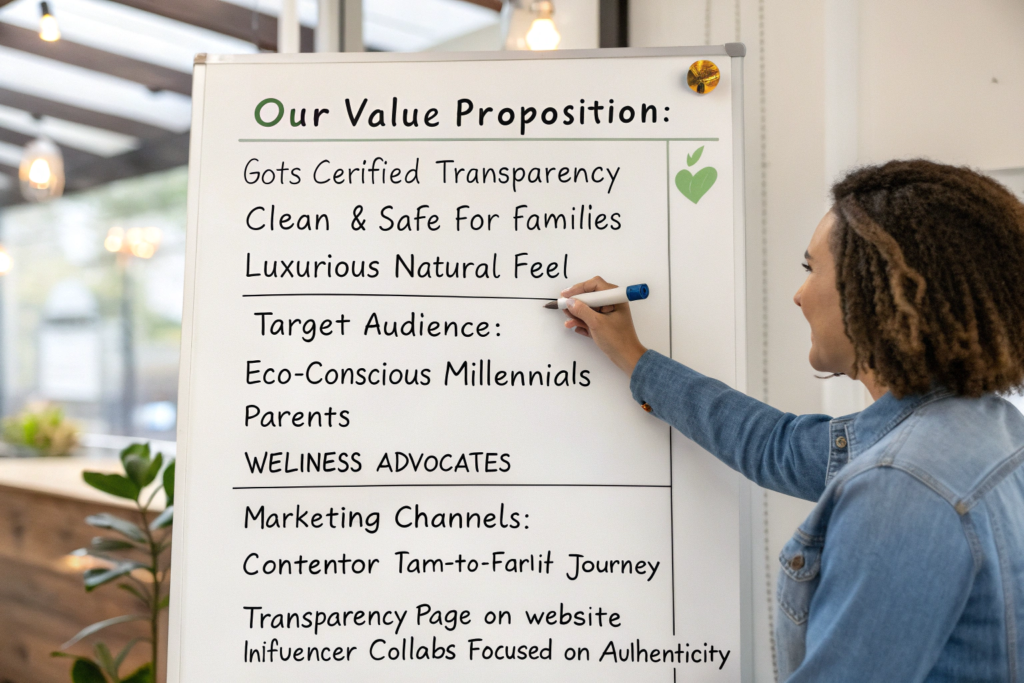
The Global Organic Textile Standard (GOTS) is the world's leading certification for organic fibers. It doesn't just certify the cotton; it tracks the entire processing chain—from harvesting, to spinning, weaving, dyeing, and sewing—ensuring strict environmental and social criteria are met.
- Credibility: A GOTS label on your product is a trusted, third-party verified claim that cannot be greenwashed.
- Transparency: It provides a clear, auditable trail from field to finished good, which you can share with your customers.
- Market Access: It is increasingly required by major eco-retailers and is valued by discerning consumers globally. Using GOTS-certified materials simplifies your compliance storytelling.
How Does It Drive Consumer Loyalty and Willingness to Pay?
Consumers, especially Gen Z and Millennials, actively seek out brands that align with their values. Using organic cotton:
- Builds Trust: It shows you care about the details of your impact.
- Justifies Premium Pricing: The tangibly better feel and ethical pedigree support a higher price point.
- Fosters Advocacy: Satisfied customers become brand advocates, sharing your commitment to quality and sustainability, which is invaluable organic marketing.
What Are the Practical Considerations for Sourcing and Cost?
Adopting organic cotton involves practical shifts in sourcing strategy and cost structure. Understanding these will help you plan effectively and maximize the return on your investment.
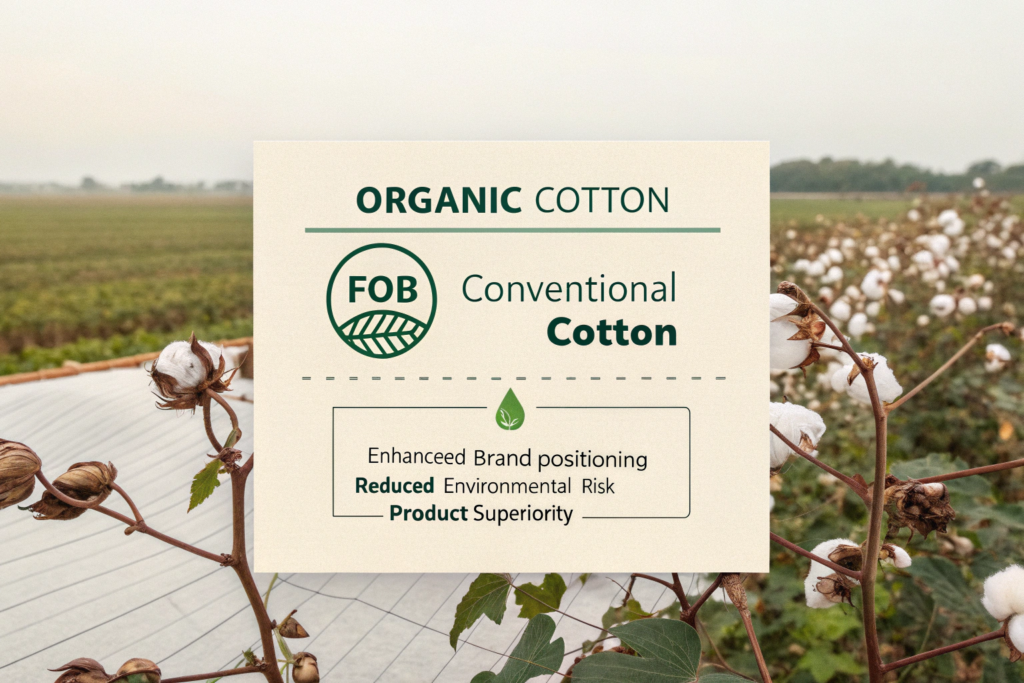
While the FOB cost per kilogram of organic cotton is typically 20-50% higher than conventional cotton, this must be evaluated in the context of total value: enhanced brand positioning, reduced environmental risk, and product superiority.
How Does Sourcing and Traceability Work?
Sourcing genuine organic cotton requires working with suppliers who have credible certification chains. You must request and verify:
- Transaction Certificates (TCs): For every batch of fabric or yarn, a GOTS Transaction Certificate proves the organic content has been tracked through the supply chain.
- Supplier Certificates: Ensure your fabric mill and finishing units are GOTS-certified.
This traceability is non-negotiable and must be part of your supplier agreement. Reputable partners will provide this documentation seamlessly.
What is the True Cost-Benefit Analysis?
View the higher material cost as an investment, not just an expense. The benefits that offset the cost include:
- Brand Equity & Margin: Ability to command higher retail prices and build a premium brand.
- Risk Mitigation: Reduced risk of being accused of greenwashing or facing backlash over supply chain pollution.
- Market Differentiation: Standing out in a saturated market with a verifiable, desirable quality.
- Long-term Viability: Future-proofing your brand as regulations on sustainability tighten and consumer demand for transparency grows.
A strategic approach, often starting with core hero products in organic cotton, can maximize this ROI.
Conclusion
The benefits of using organic cotton form a powerful, interconnected value chain: it regenerates the environment, produces a superior and safer material for consumers, and builds unshakeable trust and desirability for your brand. It is a choice that pays dividends across ecological, social, and commercial dimensions.
For brands looking to lead rather than follow, organic cotton is not a trend but a foundational element of responsible business. It represents a commitment to quality that is felt by the customer and a responsibility that is honored by the planet. In the evolving landscape of fashion and accessories, this commitment is becoming the true marker of a brand's integrity and future success.
Ready to integrate the superior quality and undeniable integrity of organic cotton into your next collection? Partner with a manufacturer that masters sustainable sourcing. Contact our Business Director Elaine at Shanghai Fumao Clothing. We provide access to GOTS-certified organic cotton and guide you through every step of creating premium, authentic sustainable products. Email her at: elaine@fumaoclothing.com to weave a better story.