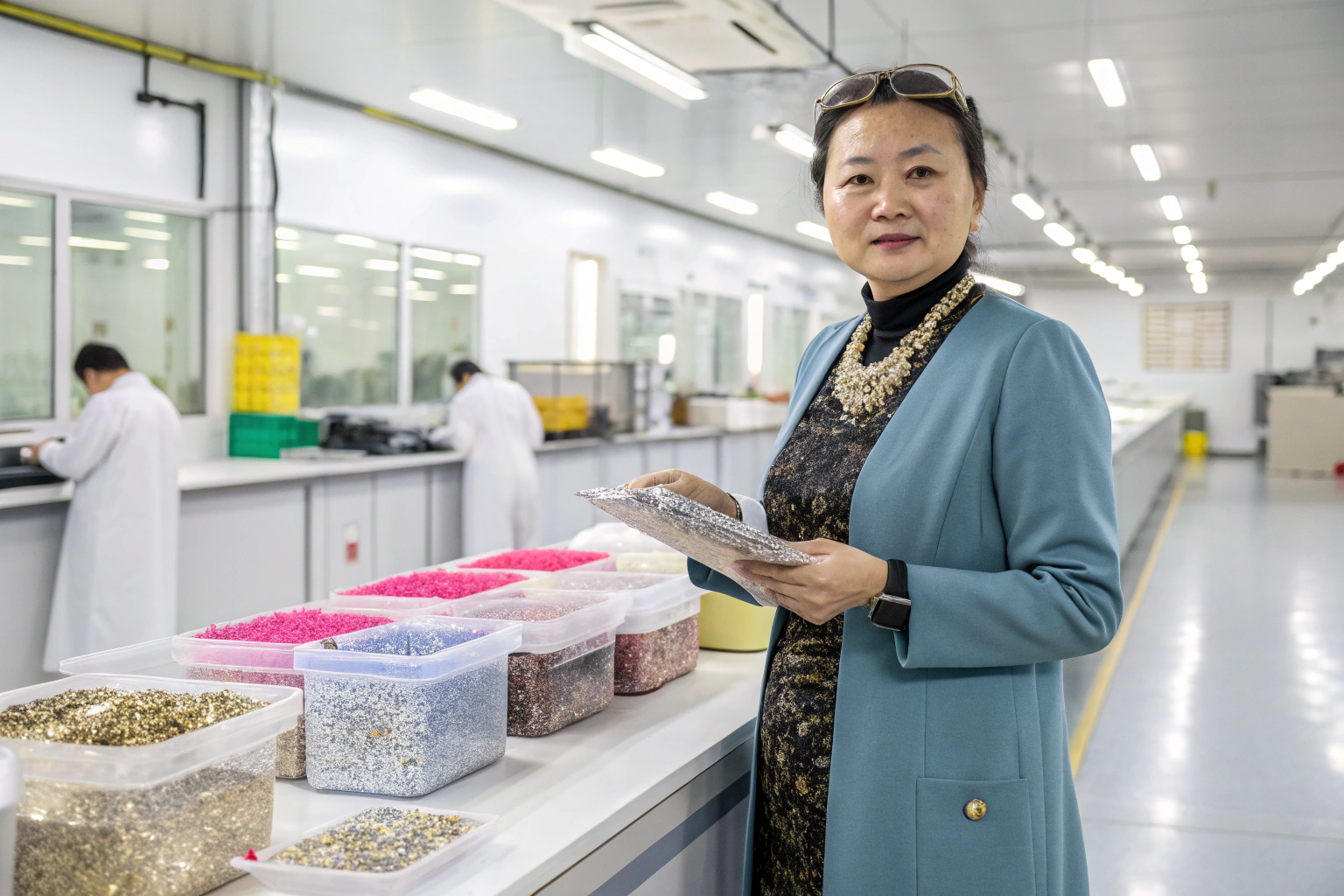
In today’s global accessory market, buyers often face concerns about transparency, quality, and compliance. Many want clear proof of where raw materials come from, how products are made, and whether standards are followed. Blockchain traceability gives them this proof. It records each step of the production and shipping process in a system that cannot be changed.
At AceAccessory, we use blockchain to provide our clients with unmatched visibility—from sourcing fabrics and leather to final quality checks and logistics. This not only builds trust but also helps boutiques and retailers meet customer expectations for ethical and sustainable products.
We work with both general buyers who value simplicity and specialized buyers who demand detailed compliance. Below, I explain the benefits in a way that serves both audiences.
How does blockchain improve supply chain transparency?
Transparency is essential for trust. Traditional supply chains often lack visibility, but blockchain connects every step with a permanent record.
General Audience: With blockchain, you can see where the materials for your accessories come from, how they are processed, and when your goods leave the factory. Nothing can be hidden or changed.
Specialized Audience: Blockchain creates immutable records across all supply chain nodes. Material origins, HS code classifications, and batch numbers are time-stamped and linked to QR codes. This enables compliance verification for audits and ESG reporting.

Can buyers verify material origins directly?
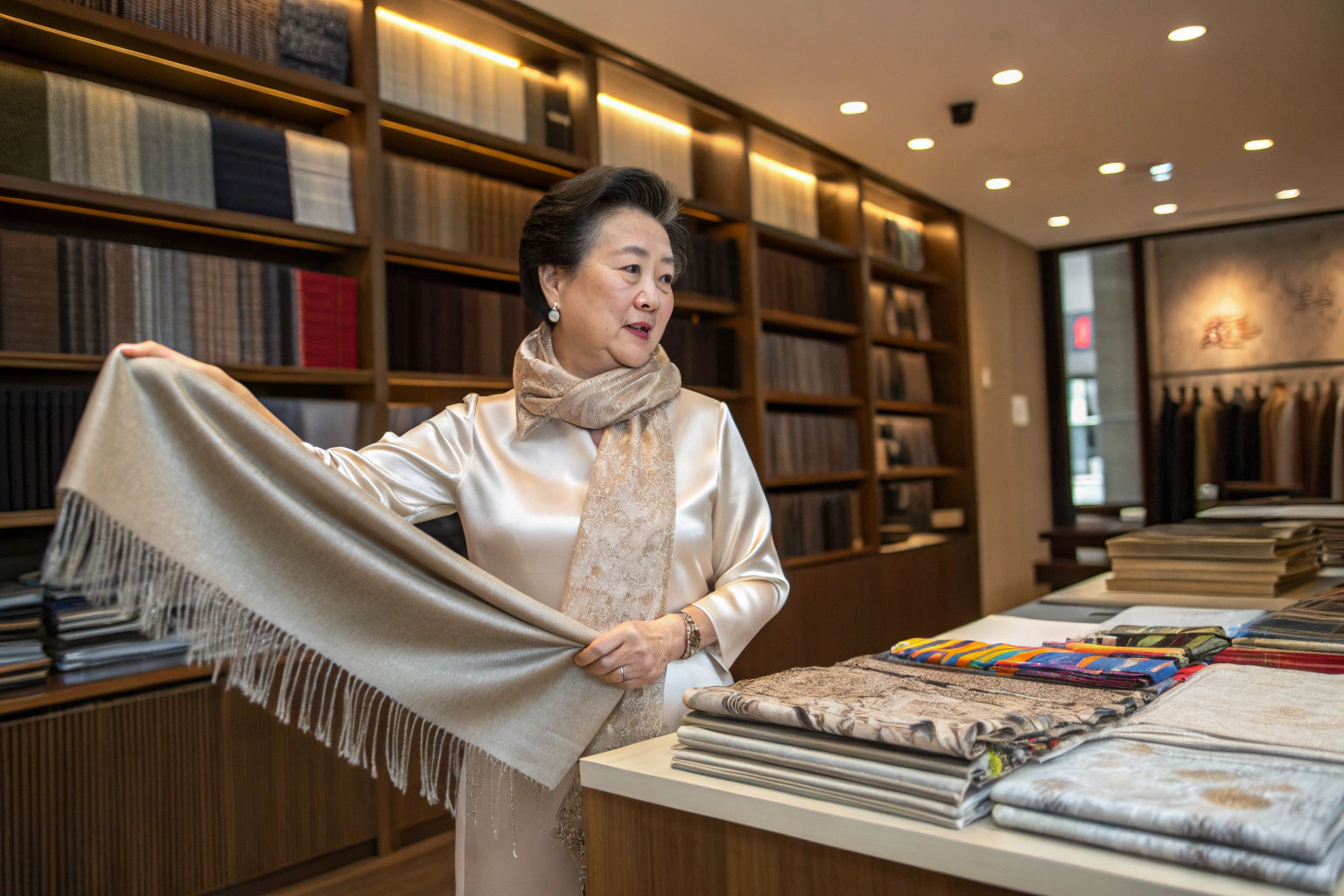
Yes. A boutique can scan a QR code on a silk scarf and confirm the silk mill’s certification. More on blockchain in supply chains can be found at IBM Blockchain.
How does transparency reduce risks?
For general buyers, it prevents counterfeits and wrong shipments. For specialized buyers, it ensures compliance with EU due diligence directives. Case studies are available at Supply Chain Digital.
How does blockchain strengthen quality control?
Quality is a top concern for every buyer. Blockchain makes QC results visible and verifiable.
General Audience: Every test—like checking if colors fade or if stitching is strong—is recorded in the blockchain. Buyers can see these results before shipment.
Specialized Audience: Blockchain integrates AQL 1.0 inspection results, tensile strength tests, and colorfastness data into immutable digital logs. Each batch carries a digital signature, minimizing disputes and ensuring audit-ready records.
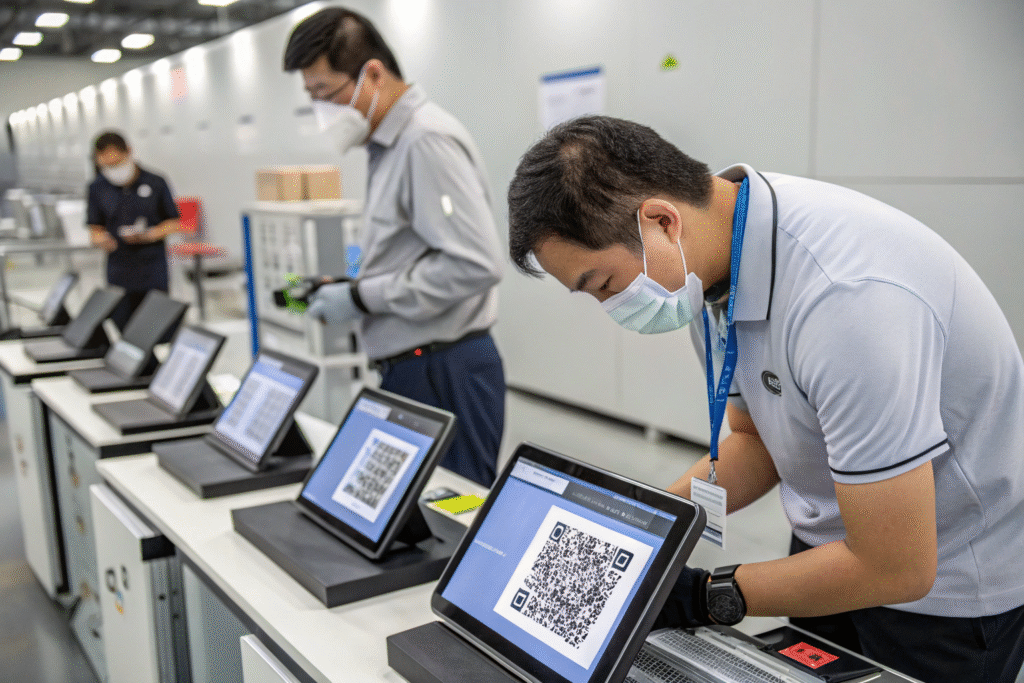
How can buyers access QC data?
General buyers scan a QR code to see simple pass/fail results. Specialized buyers can download detailed inspection reports. Insights are available on QualityInspection.org.
Can blockchain prevent defective deliveries?
Yes. General buyers gain assurance that products passed QC. Specialized buyers can trace defects back to exact production stages. Deloitte explains this in Blockchain Supply Chains.
How does blockchain support sustainability and compliance?
Sustainability is critical for modern retail. Customers want proof, not promises.
General Audience: Blockchain shows that materials are eco-friendly and that workers are treated fairly. Buyers can see proof of certifications.
Specialized Audience: Certifications such as OEKO-TEX, REACH, and GRS are digitally anchored on-chain. Buyers can instantly verify authenticity, meeting EU Green Deal and U.S. CBP requirements.

How do buyers check certifications?
General buyers see a simple eco-label in the system. Specialized buyers view full certification documents stored on the blockchain. Learn more about OEKO-TEX at Oeko-Tex Official.
Why is compliance important?
For general buyers, it ensures products are safe and ethical. For specialized buyers, it avoids penalties under EU REACH and U.S. import laws. Details are published by the European Chemicals Agency.
How does blockchain make logistics more efficient?
Late shipments frustrate every buyer. Blockchain improves logistics by linking shipping data directly into one platform.
General Audience: Buyers can track shipments in real time and see when products clear customs.
Specialized Audience: Blockchain integrates with customs, freight forwarders, and ERP systems, creating end-to-end visibility. Time-stamped events reduce disputes and optimize inventory planning.
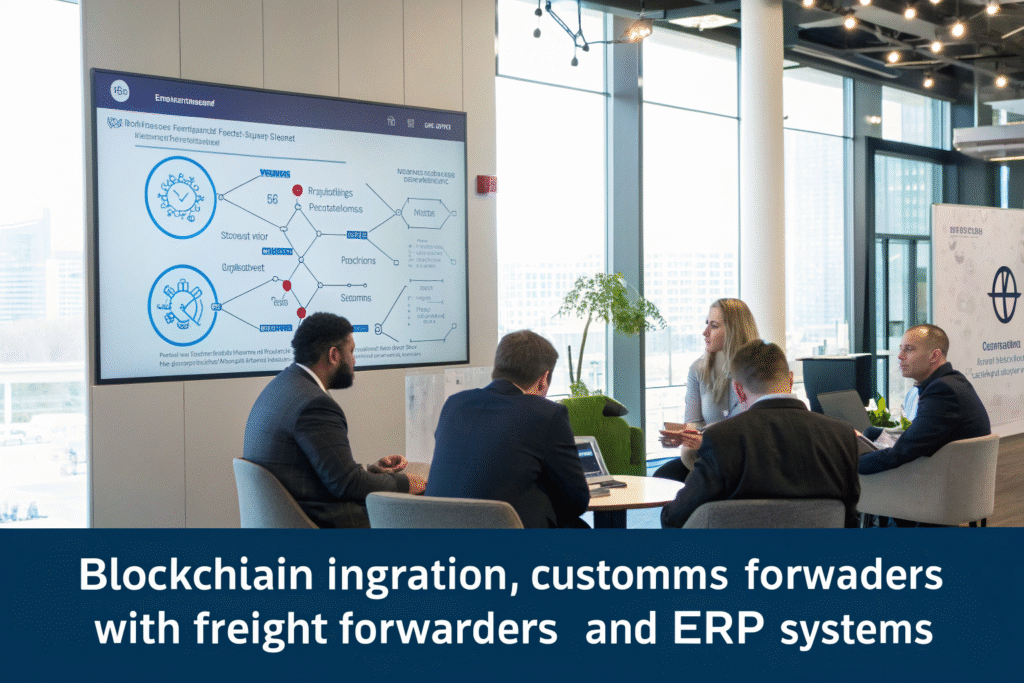
How do buyers track shipments?
General buyers use QR codes for updates. Specialized buyers receive integration with their ERP dashboards. Maersk explains this through TradeLens.
Can blockchain help resolve shipping disputes?
Yes. General buyers get neutral evidence of delivery times. Specialized buyers obtain immutable timestamps for insurance claims. More on logistics blockchain is available at the World Economic Forum.
Conclusion
Blockchain traceability gives accessory buyers more confidence and control:
- General Audience: Easy-to-understand proof of origin, quality checks, eco-certifications, and delivery updates.
- Specialized Audience: Immutable data for compliance, certifications, AQL inspections, and real-time ERP integration.
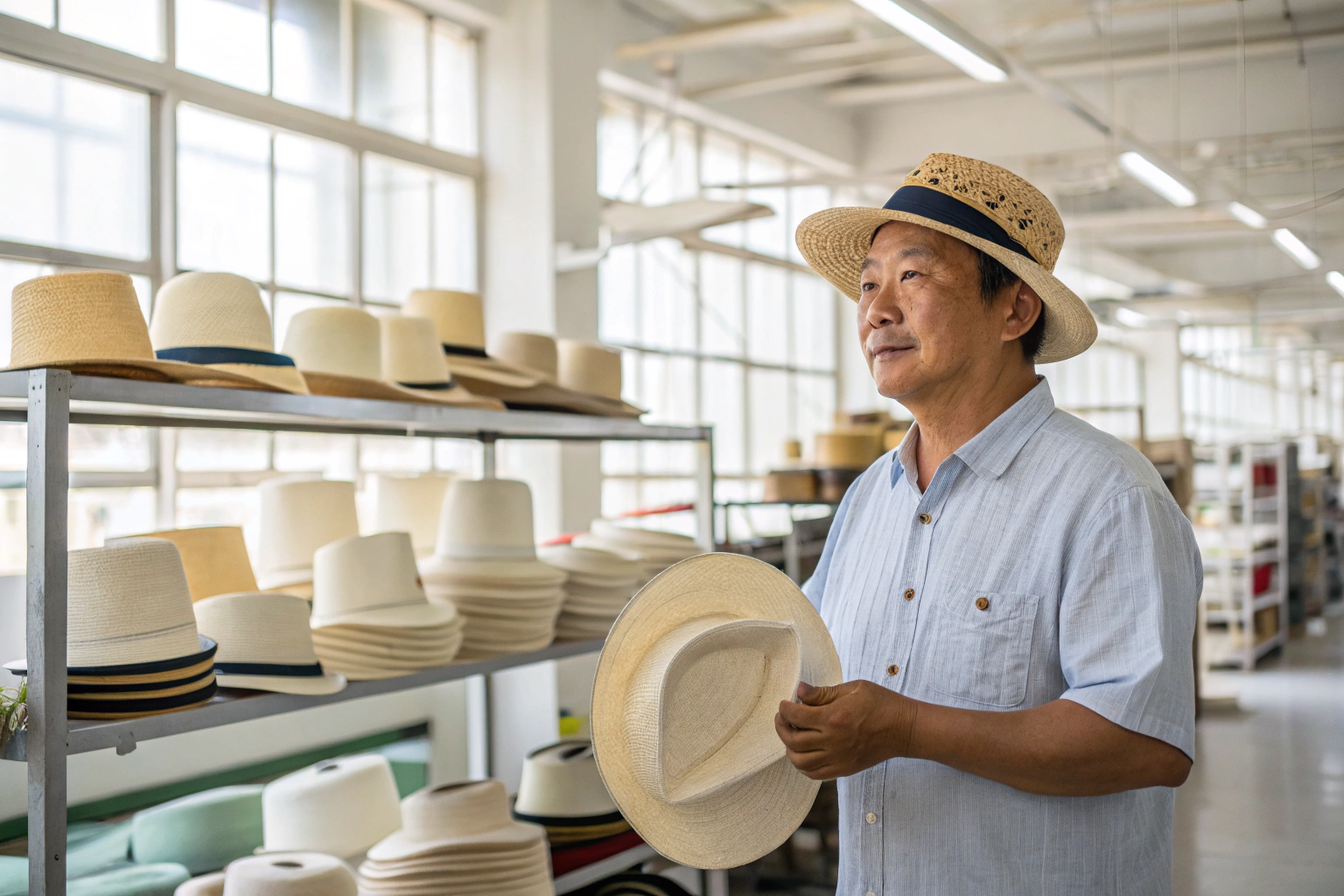
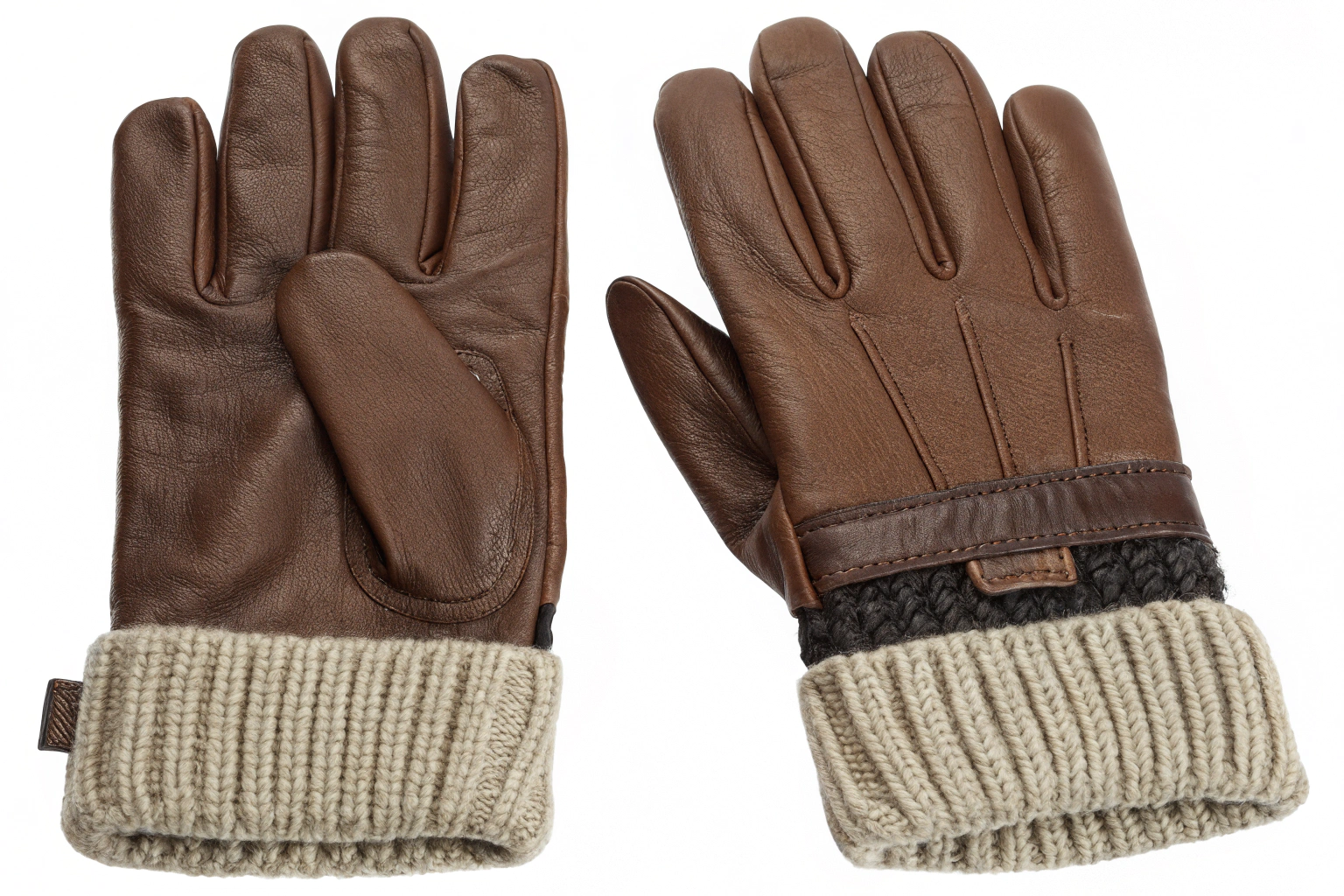
At AceAccessory, we combine blockchain with advanced manufacturing to deliver not only scarves, belts, and hats, but also the transparency modern buyers demand.
For reliable, traceable accessory sourcing, contact our Business Director Elaine at elaine@fumaoclothing.com. With us, you can be confident every detail of your order is secure and verifiable.