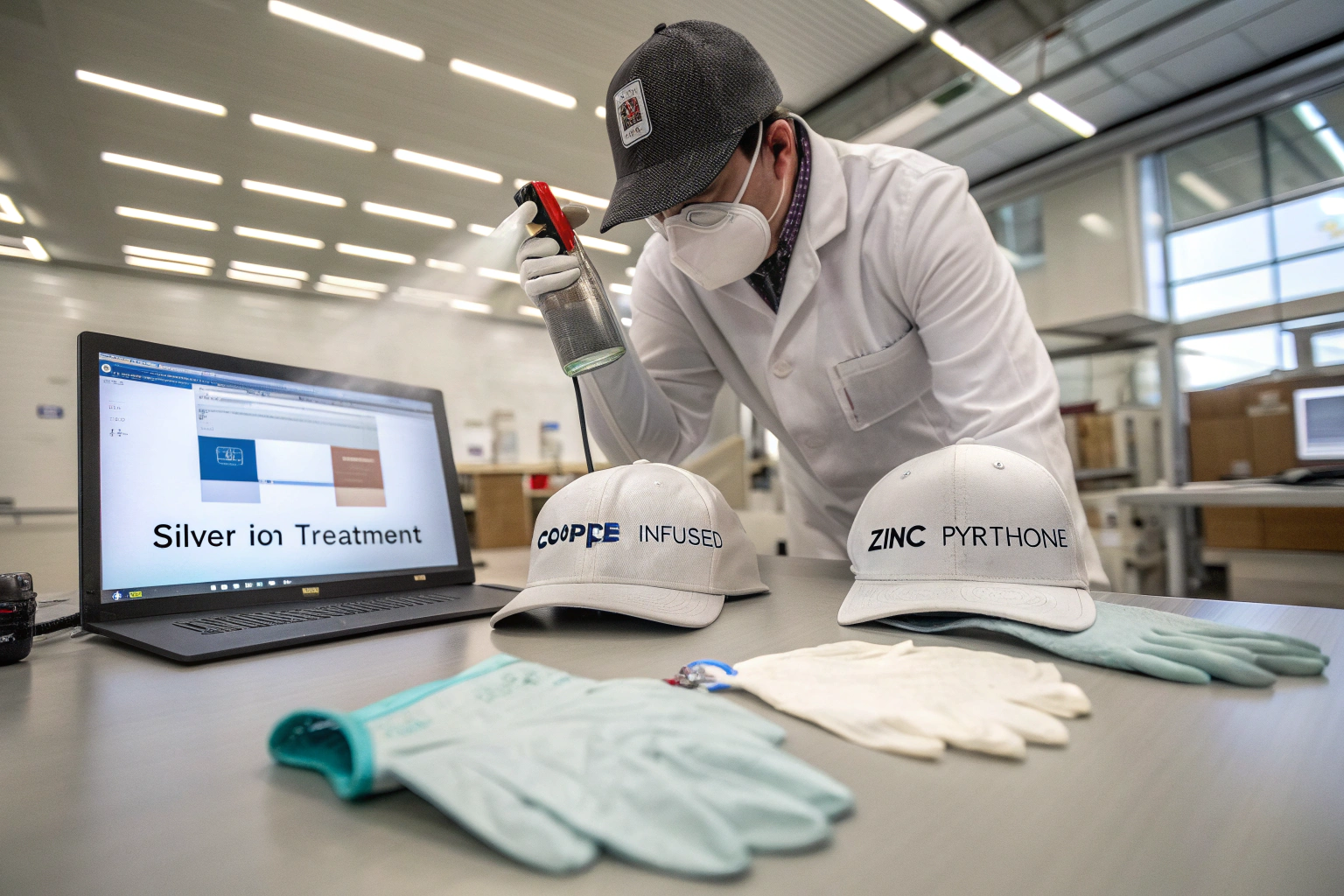
I have been manufacturing gloves and hats for over 15 years. For most of that time, anti-bacterial treatments were rare. They were used only in medical or industrial applications. Then the world changed. Consumers became aware of germs. They wanted products that were not just comfortable but also hygienic. I remember a client who came to me in 2020. She was a buyer for a major outdoor brand. She said, "My customers are worried about bacteria on their gloves. They touch door handles. They touch their faces. Can you make gloves that fight bacteria?" I said yes. Then I had to learn about anti-bacterial treatments. I visited textile labs. I studied silver ions, copper, and other technologies. I learned what works and what does not. Today, I want to share what I have learned about anti-bacterial treatments for gloves and hats.
The anti-bacterial treatments available for gloves and hats include silver ion technology, copper-infused materials, zinc pyrithione, quaternary ammonium compounds, and chitosan. Silver ion technology is the most common. Silver ions disrupt bacterial cell walls, preventing growth. It is effective against a broad spectrum of bacteria. Copper-infused materials use copper ions. Copper has natural antimicrobial properties. It is durable and long-lasting. Zinc pyrithione is an antifungal and antibacterial agent. It is often used in textiles. Quaternary ammonium compounds are applied as a coating. They provide immediate antimicrobial action. Chitosan is a natural treatment derived from shellfish. It is biodegradable and eco-friendly. Each treatment has different durability, cost, and effectiveness. The choice depends on the material, the intended use, and the target market.
You might be thinking, "Are these treatments really necessary for everyday gloves and hats?" The answer is that consumers are asking for them. They want products that are not only functional but also hygienic. A hat that resists bacteria stays fresher longer. A glove that kills germs gives peace of mind. At Shanghai Fumao, we offer a range of anti-bacterial treatments. We have tested them. We know their strengths. Let me walk you through the options.
How Does Silver Ion Technology Work?
Silver ion technology is the most established anti-bacterial treatment. It has been used for years in medical textiles. I remember the first time I saw it. A textile engineer explained how silver ions work. They disrupt the bacteria's cell wall. They prevent reproduction. It sounded like science fiction. But it is real.
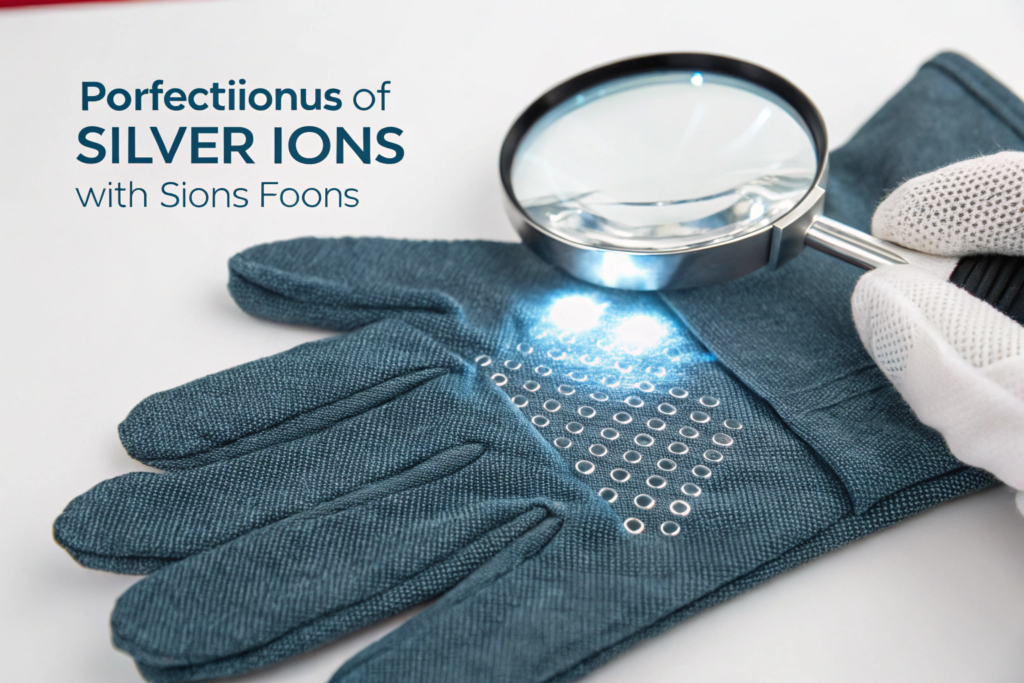
Silver ion technology works by releasing silver ions that disrupt bacterial cell walls and inhibit enzyme function. The silver ions are embedded in the fabric or applied as a coating. When bacteria come into contact with the silver ions, the ions penetrate the cell wall. They interfere with the bacteria's ability to reproduce. They also disrupt essential cellular functions. The result is that bacteria are killed or prevented from growing. Silver ion treatments are effective against a broad spectrum of bacteria, including E. coli, Staphylococcus, and MRSA. The treatment is durable. It can last for the life of the product with proper care. Silver ion technology is commonly used in gloves, hats, and other accessories.
I want to explain how the silver ions are applied. There are two main methods. The first is embedding. Silver ions are incorporated into the fiber during manufacturing. This is the most durable method. The silver is part of the fiber. It will not wash out. The second is coating. The finished fabric is treated with a silver-based solution. This is less expensive. But the treatment may wash out over time. We use both methods. For high-end products, we recommend embedded silver.
What Are the Benefits of Silver Ion Treatment?
The benefits are numerous. Broad-spectrum effectiveness. It works against many types of bacteria. Durability. Embedded silver lasts the life of the product. Safety. Silver ions are non-toxic to humans. They are used in medical dressings. Odor control. By killing bacteria, it reduces odor. This is especially important for gloves and hats worn during activity. Versatility. Silver ion treatment works on many materials: cotton, polyester, wool, and synthetics. We offer silver ion treated gloves and hats.
What Are the Limitations of Silver Ion Treatment?
The limitations include cost. Silver ion treatment adds cost. Embedded silver is more expensive than coated. The treatment may affect the feel. Some treatments can make the fabric slightly stiffer. The effectiveness can diminish if the product is washed with harsh detergents or bleach. It is also less effective against viruses. For bacterial protection, it is excellent. For viral protection, other treatments may be needed. We are transparent about these limitations.
What Is Copper-Infused Technology?
Copper has been used for centuries for its antimicrobial properties. Ancient civilizations used copper vessels to store water. Today, copper is being woven into textiles. I was skeptical at first. Copper in a hat? Would it be heavy? Would it discolor? The technology has advanced. Copper-infused fabrics are lightweight and comfortable.
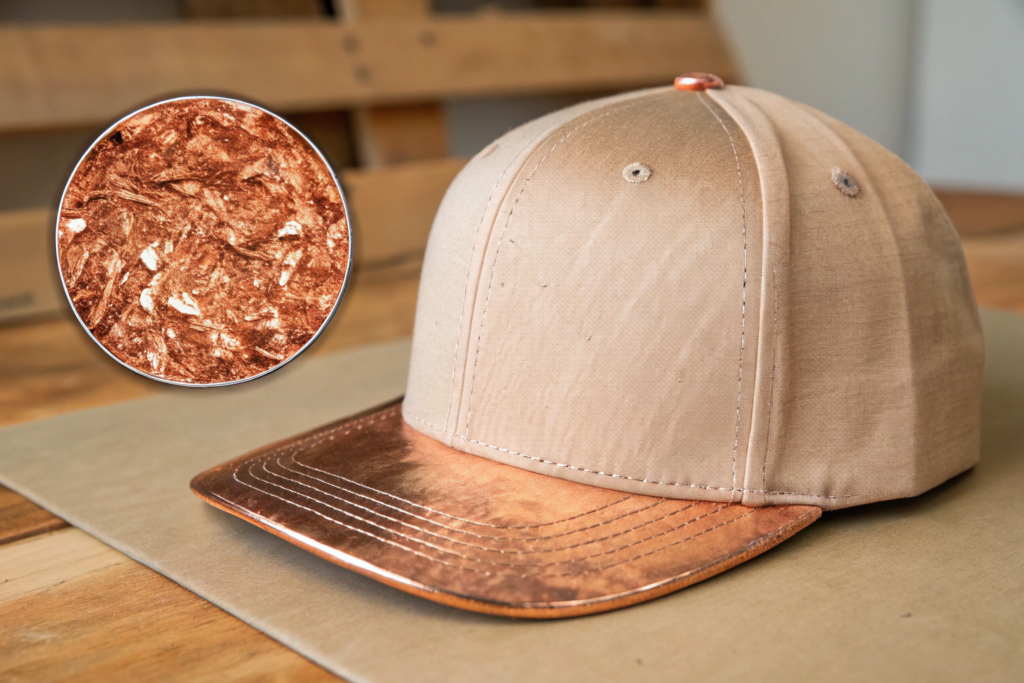
Copper-infused technology embeds copper particles into the fabric fibers. Copper has natural antimicrobial properties. It disrupts bacterial cell membranes and interferes with their metabolism. Copper is effective against a broad spectrum of bacteria. It is also effective against some viruses. Copper-infused fabrics are durable. The copper is embedded in the fiber, so it does not wash out. The treatment is permanent. Copper-infused fabrics also have a subtle metallic sheen. This can be a design feature. Copper is also naturally odor-resistant. It is ideal for gloves and hats that are worn frequently.
I want to share a story about a client who chose copper. They were an outdoor brand. Their customers hiked, climbed, and skied. Their gloves got sweaty. They got smelly. Copper treatment solved the problem. The gloves stayed fresher. The customers loved them. Copper was a key selling point.
How Does Copper Compare to Silver?
Copper and silver are both effective. Silver has a longer history in textiles. It is more widely available. Copper is also effective. It has the added benefit of being antiviral for some viruses. Copper has a distinctive color. It can be a design element. Silver is neutral. It does not affect color. Copper is more expensive than silver. The choice depends on the application. For a premium product, copper is a differentiator. For a mass-market product, silver is more cost-effective. We offer both copper-infused and silver-treated options.
What Are the Best Applications for Copper-Infused Gloves and Hats?
Copper is ideal for high-sweat applications. Gloves for hiking, skiing, or cycling. Hats for running or outdoor work. The copper kills bacteria that cause odor. It also has a premium association. Consumers perceive copper as high-tech and natural. It is also used in medical textiles. For brands targeting active consumers, copper is a strong selling point. We help clients select the right copper-infused products.
What Are Zinc Pyrithione and Quaternary Ammonium Treatments?
Silver and copper are not the only options. Zinc pyrithione and quaternary ammonium compounds are also used. They are often applied as a coating. I have used both. They are effective. They are less expensive. But they are less durable.
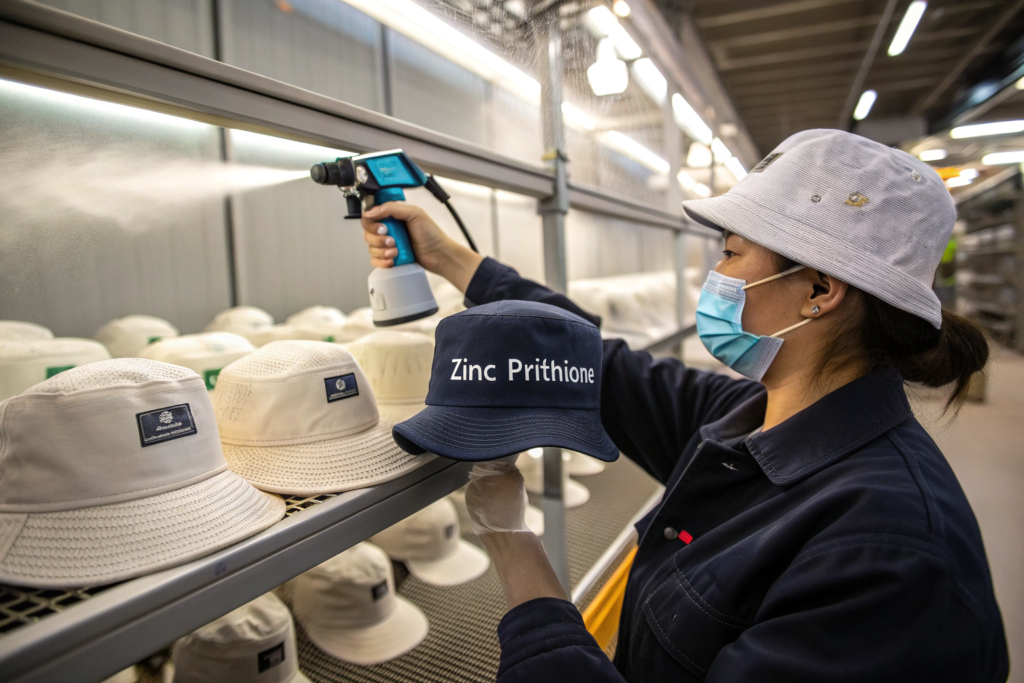
Zinc pyrithione is an antifungal and antibacterial agent. It is commonly used in dandruff shampoos. In textiles, it is applied as a coating. It is effective against bacteria and fungi. It is particularly good for odor control. The treatment is not permanent. It may wash out over time. Quaternary ammonium compounds (quats) are a class of chemicals with antimicrobial properties. They are applied as a coating. They provide immediate antimicrobial action. They are effective against bacteria and some viruses. The treatment is not permanent. It may degrade with washing. Both treatments are less expensive than silver or copper. They are suitable for products that are not washed frequently.
I want to explain the trade-off. Permanent treatments like embedded silver cost more. They last the life of the product. Coated treatments like zinc pyrithione cost less. But they may not last as long. For a hat that is worn occasionally and not washed often, a coated treatment may be sufficient. For a glove that is worn daily and washed frequently, a permanent treatment is better. We help clients choose based on the use case.
How Durable Are Coated Treatments?
Coated treatments are less durable than embedded treatments. They can wash out over time. The number of washes varies. Some treatments last 20 washes. Some last 50 washes. The manufacturer should provide test data. We test our coated treatments. We provide wash durability data. For products that will be washed frequently, we recommend embedded silver or copper. For products that are dry-cleaned or rarely washed, coated treatments are adequate. We offer zinc pyrithione treated and quat treated options.
Are These Treatments Safe for Skin?
Yes, when applied correctly. Zinc pyrithione is used in shampoos. It is safe for skin contact. Quaternary ammonium compounds are used in disinfectant wipes. They are safe for skin contact in the concentrations used in textiles. All treatments should be tested for skin irritation. We require safety data from our suppliers. We test for skin sensitivity. Our safety certifications are available.
What Are Natural Anti-Bacterial Treatments?
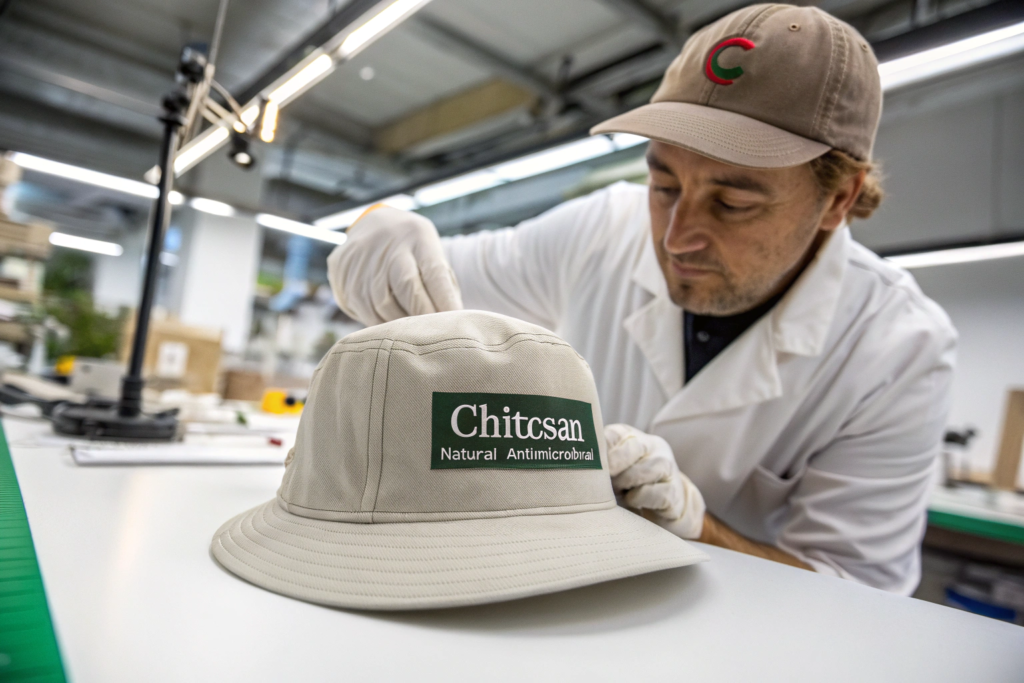
Not all consumers want chemicals. Some want natural solutions. There are natural anti-bacterial treatments. Chitosan is one. It comes from shellfish. It is biodegradable. I have used it for eco-conscious brands. It works. It is not as strong as silver. But it appeals to a specific market.
Natural anti-bacterial treatments include chitosan, bamboo charcoal, and plant-based extracts. Chitosan is derived from chitin, found in shellfish shells. It has natural antimicrobial properties. It is biodegradable and non-toxic. It is effective against bacteria and fungi. Bamboo charcoal has natural adsorption properties. It can absorb odors and inhibit bacterial growth. It is often blended with other fibers. Plant-based extracts like tea tree oil, eucalyptus, and lavender have natural antimicrobial properties. They can be applied as finishes. The effectiveness of natural treatments is generally lower than synthetic treatments. But they appeal to consumers seeking natural, eco-friendly products.
I want to share a story about chitosan. A client wanted a line of eco-friendly hats. They did not want silver or copper. We used chitosan. The hats were treated with a chitosan finish. They had natural antimicrobial properties. They were biodegradable. The client sold them to a niche market. The customers appreciated the natural approach.
How Effective Are Natural Treatments Compared to Synthetic?
Natural treatments are less effective than synthetic treatments. Silver and copper have strong, proven antimicrobial properties. Natural treatments have weaker effects. They may reduce bacterial growth but not eliminate it. They are often combined with other natural ingredients to enhance effectiveness. For brands that prioritize natural ingredients, the trade-off is acceptable. For brands that prioritize maximum protection, synthetic treatments are better. We offer both. We help clients choose based on their brand values.
What Are the Best Applications for Natural Treatments?
Natural treatments are best for eco-friendly, niche products. A hat for a yoga brand. A glove for an organic lifestyle brand. The natural story is a selling point. The effectiveness is secondary. For these markets, the natural origin is more important than the strength of the antimicrobial effect. We work with clients to develop natural treatment lines.
Conclusion
Anti-bacterial treatments for gloves and hats are now a mainstream option. Silver ion technology is the most common. It is durable and effective. Copper-infused materials offer natural antimicrobial properties and a premium story. Zinc pyrithione and quaternary ammonium treatments are affordable and effective for products that are not washed frequently. Natural treatments like chitosan appeal to eco-conscious consumers.
Choosing the right treatment requires balancing durability, cost, effectiveness, and market appeal. Test the treatment. Verify the claims. Communicate the benefits to consumers.
At Shanghai Fumao, we have the expertise to help you select and apply the right treatment. We offer a range of options. We test rigorously. We provide documentation. We want your gloves and hats to be not only stylish and comfortable but also hygienic.
Your customers are asking for protection. Let us help you provide it.Please contact our Business Director, Elaine, at elaine@fumaoclothing.com to discuss adding anti-bacterial treatments to your gloves and hats. We can help you select the right treatment and provide the testing and documentation you need.