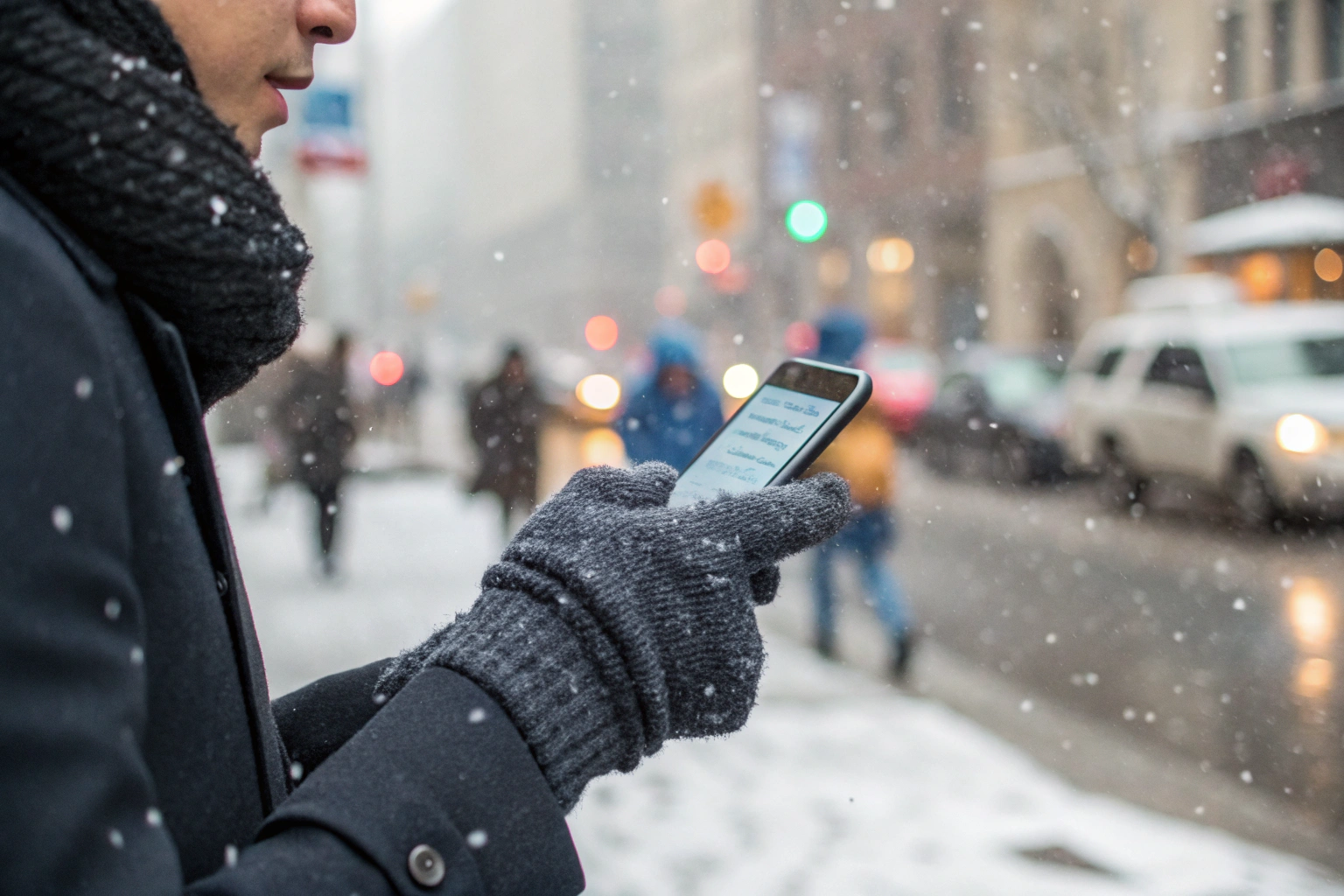
Have you ever stood in the freezing cold, removed your glove to answer an urgent phone call, and felt your fingers go numb within seconds? I have. It happened to me during a warehouse inspection last January. The phone rang. I pulled off my thick wool glove. I swiped the screen. I missed the call because my frozen fingertip did not register on the touchscreen. I stood there, holding a useless smartphone and a useless glove. The problem was not the cold. It was the disconnect between my winter protection and my digital life. The glove was designed for a world before smartphones. It failed at its only modern job.
AceAccessory is a professional manufacturer and exporter of accessories. The 2026 glove trends for smartphone-compatible winter wear center on full-hand conductive knitting, invisible nanotechnology coatings that replace bulky fingertip pads, and hybrid constructions that combine weatherproof membranes with seamless touchscreen sensitivity across all five fingers.
The days of the awkward, shiny patch on the index finger are over. Consumers in 2026 demand a glove that looks like a premium fashion accessory but functions like a touchscreen stylus. They want to scroll, type, and zoom without exposing a single millimeter of skin. As a factory owner in Zhejiang who develops these gloves for European and American tech-wear brands, I can tell you exactly what materials and methods are winning. Let me break down the trends that will define your next season’s bestseller.
Why Is Full-Hand Conductivity Replacing Single-Finger Patches?
The single-finger patch was the first generation. It solved the index finger problem. But it created a new one. The patch was a different material. It felt stiff. It peeled off after a few washes. It looked ugly. It screamed "I am a gadget glove." The 2026 consumer does not want to scream that. They want a quiet, invisible technology.
Full-hand conductivity is the new standard. The entire glove is made from conductive yarn. The yarn is a blend of merino wool, nylon, and a microscopic silver-coated fiber. The silver fiber is wrapped around the nylon core. It is invisible to the naked eye. But it creates a continuous conductive circuit from the palm to all five fingertips. You can use any finger. You can use your knuckle. You can use the side of your palm to swipe. The glove behaves exactly like a bare hand. The technology is in the spinning, not in a sewn-on patch. We use a seamless, whole-garment knitting machine. It knits the glove in one piece. The conductivity is uniform across the entire surface. This is the trend that wins the "best touchscreen gloves" review categories. It eliminates the "dead zones" that frustrate users.
How Does Silver-Coated Nylon Create Invisible Conductivity?
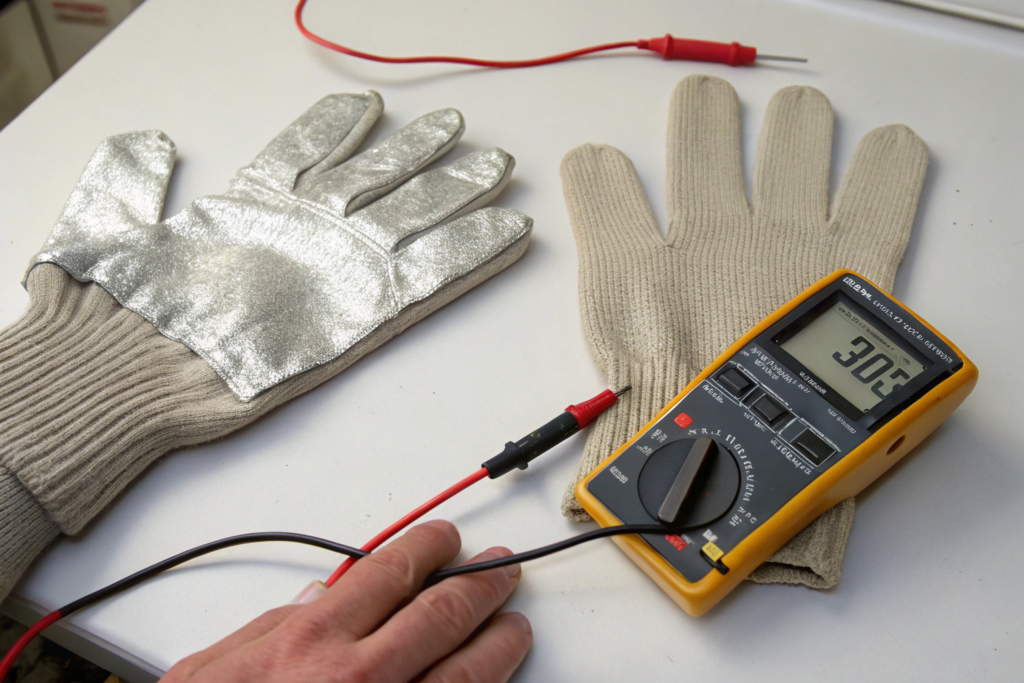
Silver is the most conductive element on earth. A thin, nano-scale layer of pure silver is chemically bonded to a nylon filament. This filament is then twisted with other yarns.
The silver layer is only a few microns thick. It does not change the color or the softness of the fabric. A black glove remains black. A cashmere glove remains soft. The silver fiber makes up less than 5% of the total yarn content. But it forms a conductive mesh. Your finger’s bioelectricity, the tiny electrical charge on your skin, passes through the wool to the silver mesh. The mesh transfers it to the screen. The screen’s capacitive sensor detects the signal. It registers a touch. The technology is completely washable. The silver is bonded at the molecular level. It does not wash out. We test our yarn for 100 wash cycles without loss of conductivity. This is verified by an independent lab using the AATCC test method.
What Is the Difference Between Resistive and Capacitive Glove Screens?
Modern smartphones use capacitive screens. They sense the electrical field of your skin. A standard wool glove blocks this field. The screen stays dead.
A resistive screen responds to pressure. You could press it with a stick. Those screens are almost extinct. Capacitive screens require a conductor. The silver yarn is that conductor. It bridges the gap between your skin and the screen. The critical specification is the surface resistivity. Our conductive yarn has a resistivity of less than 10 ohms per square inch. This is low enough to trigger even the most sensitive iPhone screen. Cheaper conductive yarns have a higher resistance. They work poorly in cold weather when the skin is dry. Our silver-coated yarn performs consistently down to minus 20 degrees Celsius. This technical specification defines the user experience. It is the detail that professional glove buyers measure with a conductivity meter.
How Are Nanotechnology Coatings Revolutionizing Leather Touch Gloves?
Leather is a natural insulator. It blocks electricity. Traditionally, a leather touchscreen glove was impossible without a patch. The 2026 trend is a nanotechnology treatment that transforms the leather itself into a conductor.
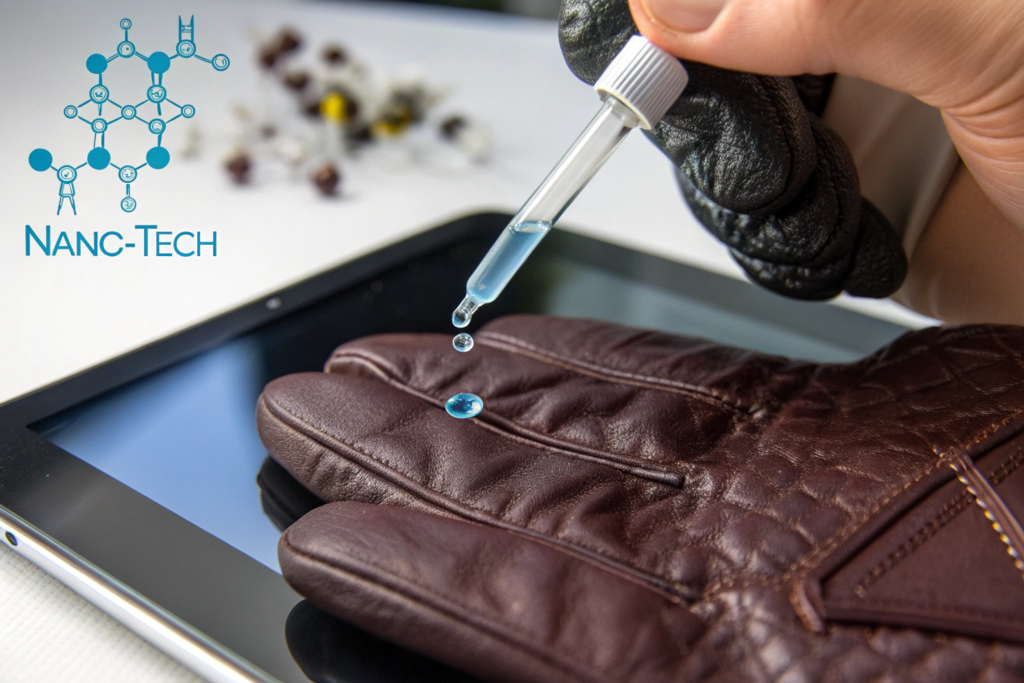
The treatment is a conductive polymer coating. It is applied in a vacuum chamber. The leather glove is placed inside. A plasma treatment cleans the leather surface. Then a vapor of conductive polymer, often a PEDOT:PSS compound, is introduced. The vapor bonds to the collagen fibers of the leather. It creates a conductive skin on the surface. The leather remains breathable. It remains soft. It looks identical. But it now conducts the bioelectric charge. The entire surface of the leather glove becomes touchscreen-compatible. This is the ultimate luxury solution. An Italian nappa leather glove that works perfectly with a smartphone. It is invisible, washable, and durable. It represents the high end of the 2026 market.
Does the Nano-Coating Change the Feel or Color of the Leather?
A bad coating makes the leather feel sticky or rubbery. A good nano-coating is invisible. The polymer layer is less than 100 nanometers thick. A human hair is 80,000 nanometers thick.
It is too thin to feel. It does not block the natural pores of the leather. The hand still breathes. The natural grain and texture of the leather are fully visible. The color does not change because the coating is completely transparent. We perform a crocking test, rubbing the leather 1,000 times. The conductivity and the color must remain unchanged. This is the premium standard. It allows a luxury leather glove to compete with a technical sport glove. It brings the heritage of leather craftsmanship into the digital age.
How Durable Is the Conductive Polymer Bond?
Early nano-coatings washed off in the rain. The 2026 generation is cross-linked. The polymer molecules are chemically bonded to the leather’s collagen.
We test the gloves in a simulated rain chamber. The glove is soaked and flexed 5,000 times. The surface resistivity must stay below the threshold. We also test against salt water, to simulate melted street snow. The coating is resistant to salt corrosion. This durability is the critical breakthrough. It means a luxury leather driving glove can now be worn in a snowstorm. It can answer a call. It can adjust the car’s touchscreen navigation. It has moved from a novelty to a reliable tool. This is the trend that is convincing traditional leather brands to embrace the technology.
What Are the Best Materials for Wet-Weather Smart Gloves?
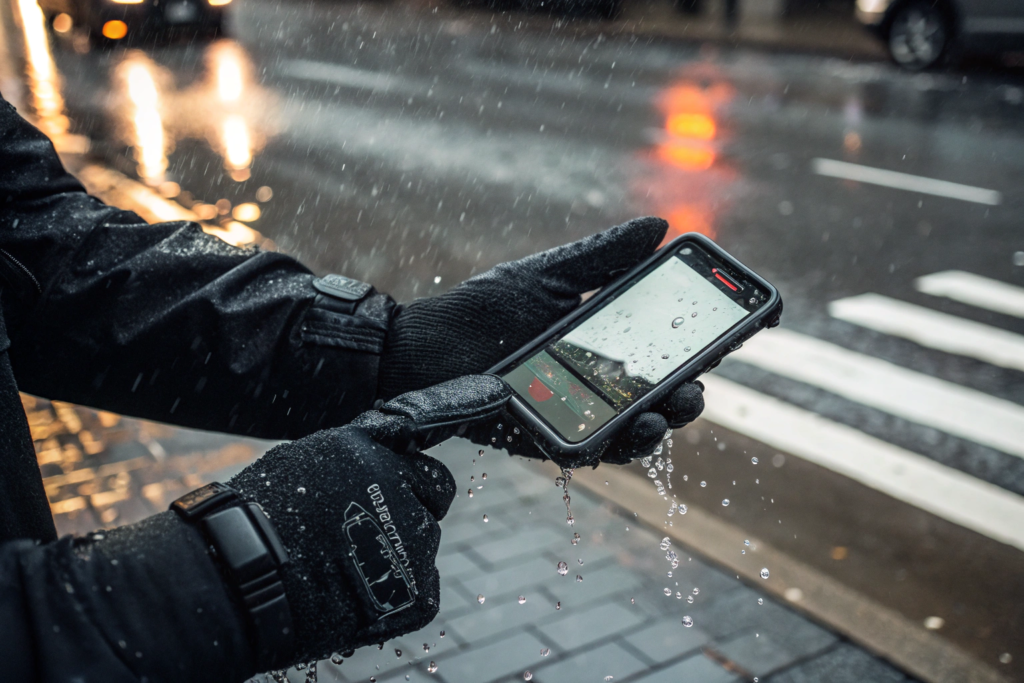
Rain is the enemy of touchscreens. A water droplet on the screen causes a false touch. A wet glove becomes unresponsive because the water creates a short circuit across the conductive fibers. A 2026 wet-weather smart glove must solve the water problem at the material level.
The first material is hydrophobic conductive yarn. We take the silver-coated nylon and add a Durable Water Repellent finish at the yarn level, before knitting. The DWR is a fluorocarbon-free polymer. It makes each individual fiber water-hating. Water beads up and rolls off the glove’s surface. The silver fiber stays dry. A dry conductive fiber works perfectly on a wet screen. The second material is a waterproof-breathable membrane insert. This is a thin, microporous film laminated between the outer shell and the inner fleece lining. The pores are small enough to block liquid water but large enough to let water vapor escape. The hand stays dry from the inside and the outside. The glove is now a fully waterproof, submersible touchscreen tool. This is the trend for outdoor sports and winter cycling.
How Does Hydrophobic Treatment Affect Conductive Performance?
Water is conductive. If the entire glove surface is wet, the touchscreen cannot distinguish the finger from the palm. The screen goes crazy. It zooms in and out uncontrollably.
The hydrophobic yarn isolates the water droplets. The screen only senses the distinct touch of the fingertip. The DWR treatment must be carefully calibrated. Too much repellency, and the yarn becomes too insulated. It blocks the electrical signal. We balance the DWR at a 90/10 ratio. 90-degree water contact angle. 10-ohm surface resistivity. This is the "sweet spot" for wet-weather performance. It is a proprietary formula developed in our fabric lab. We test it under a water spray while operating a smartphone. The test must be flawless for 10 minutes of continuous use. This is the standard that defines a genuine outdoor smart glove.
What Is the Best Lining for Thermal Regulation with Touchscreen?
A thick, fleece lining keeps the hand warm. But it moves between the finger and the outer shell. It creates a "lag" in the touch response.
The 2026 trend is a bonded conductive lining. We glue a thin layer of merino wool directly to the conductive outer shell. No separate loose liner. The finger’s heat is trapped close to the shell. The electrical signal passes through a single, unified fabric layer. It is instant and precise. The merino wool wicks sweat and dries fast. The bonded construction eliminates the "shifting" feeling that loose liners have. It is a slim, technical construction. It feels like a second skin. It is the perfect thermal management system for a high-performance smart glove. It is a specific construction that we offer for our premium athletic and driving glove clients.
How Does Seamless Knitting Technology Fit Into Smart Glove Design?
A seam is a dead zone for conductivity. If the conductive yarn is broken by a stitched seam, the electrical circuit stops. Seamless knitting solves this by eliminating the seam entirely.
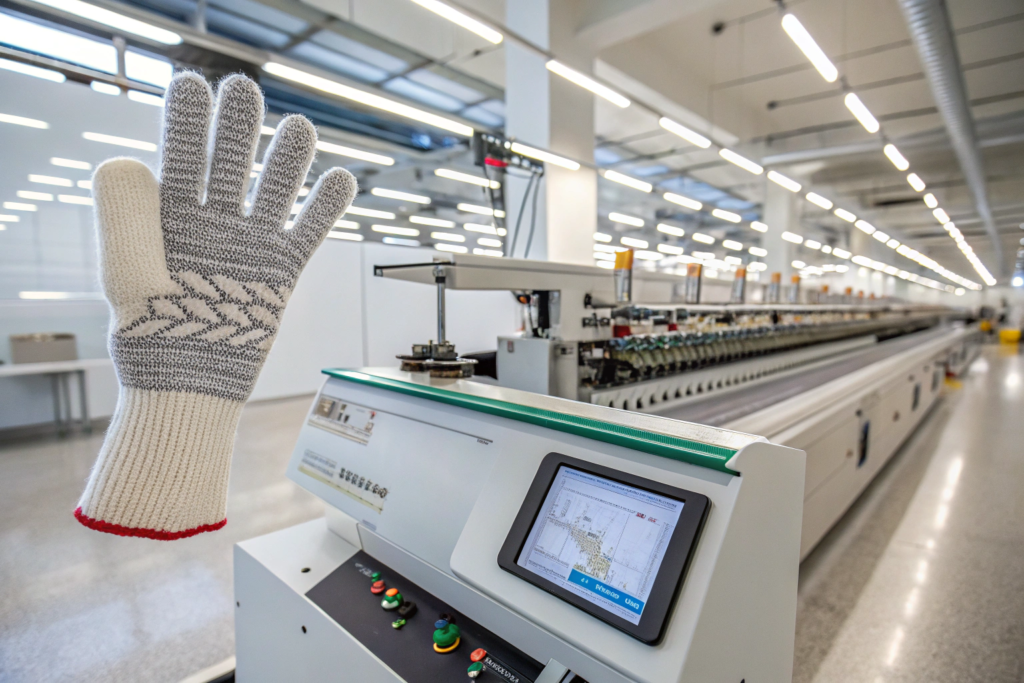
A whole-garment knitting machine creates the glove in three dimensions. It starts at the cuff. It knits the wrist, the palm, and each finger continuously. No cutting. No sewing. The conductive yarn runs in an unbroken spiral from the thumb to the pinky. The signal flow is uninterrupted. This technology also allows for engineered zones. The machine can knit a denser, warmer stitch on the back of the hand. It can knit a thinner, more sensitive stitch on the fingertip. It can add a ribbed cuff. All in one continuous process. This is the pinnacle of smart glove manufacturing. It produces a lightweight, durable, and fully functional touchscreen glove that fits like a second skin. It is the zero-waste, high-performance future of the industry.
Why Are Engineered Knit Zones a Key 2026 Trend?
A glove has different needs on different parts of the hand. The palm needs grip. The back needs stretch. The fingertip needs sensitivity.
Seamless knitting allows us to program these zones digitally. We use a silicon grip dot matrix on the palm, knitted directly into the fabric. We use a mesh ventilation zone between the fingers. We use a high-density conductive zone exactly on the fingertip pad. These zones are not added later. They are integral to the glove’s structure. This zonal engineering is invisible. The consumer just feels a glove that breathes, grips, and touches perfectly. It is the ultimate expression of functional design. It is a major selling point for tech-savvy, performance-oriented consumers.
How Does Seamless Construction Improve Durability?
A stitched seam is a failure point. The thread wears out. The hole appears at the index finger seam.
A seamless glove has no thread to fail. The finger is a single, continuous knitted tube. It cannot unravel from the tip. It distributes stress evenly across the whole hand. The conductive yarn is never cut. It maintains its circuit integrity for the life of the glove. This durability makes the higher initial cost of seamless gloves an investment. They outlast three pairs of stitched gloves. This is a powerful value story for retail buyers. It shifts the purchase decision from price to cost-per-wear. It is the premium positioning strategy for the 2026 smart glove market.
Conclusion
The 2026 smartphone-compatible winter glove is no longer a compromise. It is the perfect fusion of material science and digital lifestyle. The trends are clear. Full-hand silver yarn conductivity replaces ugly single-finger patches. Invisible nanotechnology coatings make luxury leather touchscreen-capable. Hydrophobic yarns and waterproof membranes conquer the rain. Seamless 3D knitting eliminates dead zones and creates engineered zones for grip, warmth, and sensitivity. The glove has evolved from a passive insulator to an active digital interface.
In our Zhejiang factory, we have invested in these four technologies. Our knitting machines can produce seamless conductive gloves with zonal engineering. Our finishing department applies the nano-coating and the DWR treatment. Our design team can match the technical performance to your brand’s specific aesthetic. We make the glove that lets your customer never take their hand out of their pocket again.
If you are planning your Winter 2026 collection and want to integrate these conductive technologies, I invite you to contact our Business Director, Elaine. She can send you our conductive yarn sample book, the nano-coating test reports, and the seamless knit pattern options. She can arrange a video call to walk you through the whole-garment knitting process. Send her an email at elaine@fumaoclothing.com. Let’s make a glove that keeps your customers connected in the cold.