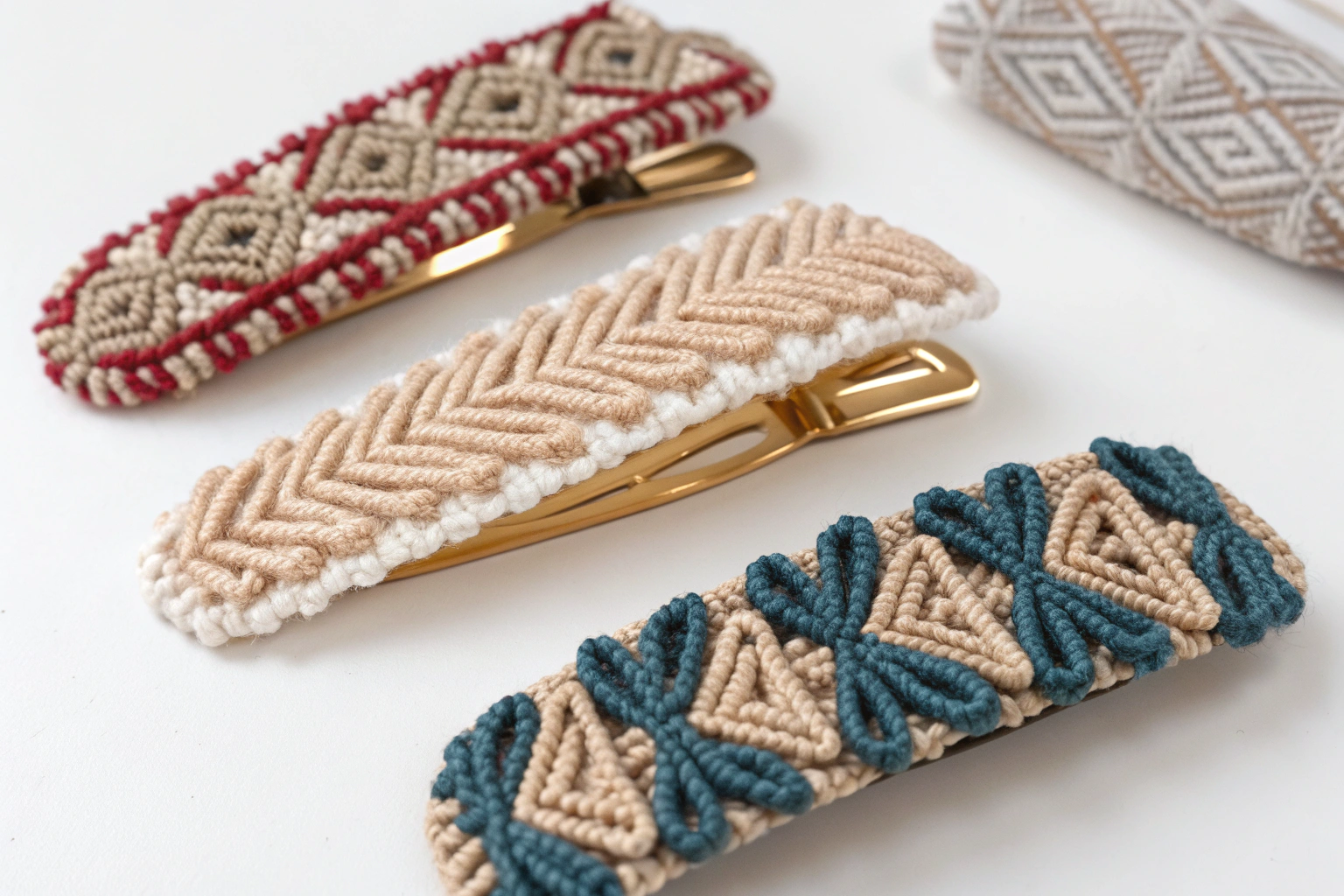
The fashion industry is constantly seeking unique, artisanal products that stand out from mass-produced items. Hand-knitted hair clips represent a growing niche that combines traditional craftsmanship with modern accessories. Many retailers wonder if this trend has staying power or is just a passing fad.
The employment and commercial prospects for hand-knitted hair clips are remarkably strong, driven by consumer demand for unique, sustainable, and artisan-crafted fashion accessories. This niche market offers opportunities for artisans, small businesses, and larger manufacturers who can effectively scale handmade production while maintaining quality and authenticity. The market for handmade accessories continues to grow as consumers seek personalized fashion items with character and story.
Let's examine why this particular accessory category presents such promising opportunities and how businesses can capitalize on this trend effectively.
What Market Demand Exists for Hand-Knitted Accessories?
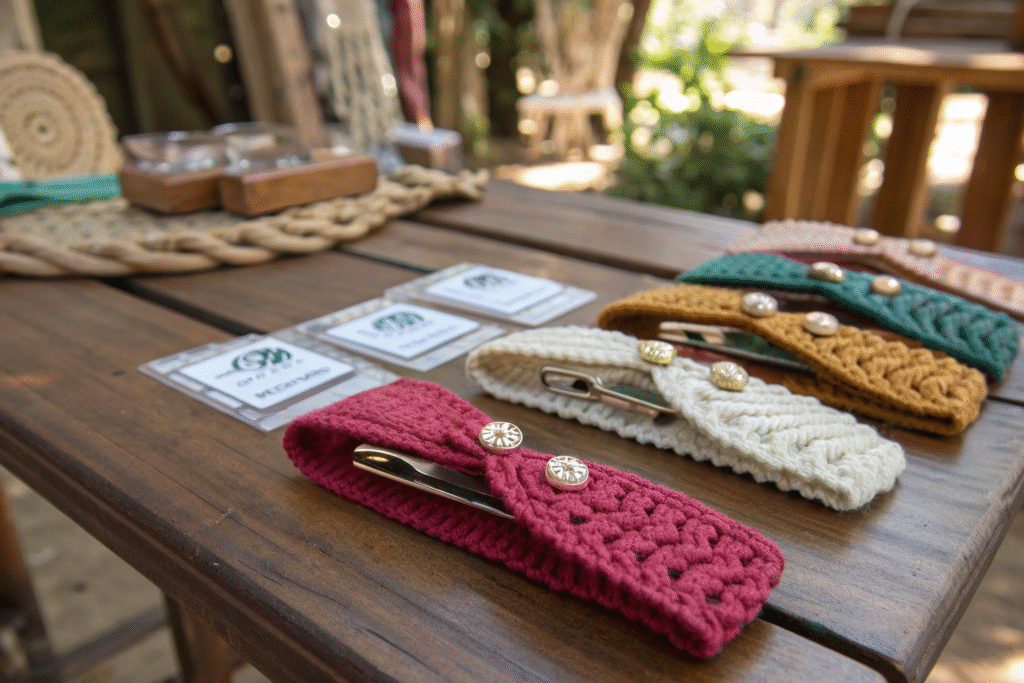
Current consumer trends strongly favor handmade and artisanal products across multiple demographics. The market for hand-knitted hair clips has expanded significantly, driven by several converging factors that suggest long-term viability rather than temporary trend status.
The demand for hand-knitted accessories has grown consistently over the past five years, with particular acceleration post-pandemic as consumers placed greater value on unique, non-mass-produced items. Market research indicates that consumers are willing to pay 20-40% premiums for handmade fashion items compared to their machine-made counterparts. This trend is particularly strong among Millennial and Gen Z consumers who value authenticity, sustainability, and supporting small businesses and artisans. The visual nature of platforms like Instagram and TikTok has further driven demand, with hand-knitted hair clips frequently appearing in fashion influencer content.
How Large is the Handmade Accessories Market?
The global handmade accessories market represents a substantial and growing segment within the broader fashion industry. According to recent analyses, the market for handmade products is expected to continue its growth trajectory, with handmade accessories capturing an increasing share. The appeal of handmade items crosses multiple product categories, with hair accessories maintaining a strong position due to their affordability as entry-point luxury items and their ability to express personal style without committing to larger, more expensive fashion pieces.
What Consumer Demographics Drive This Demand?
Primary demand for hand-knitted hair clips comes from fashion-conscious consumers aged 16-35, but significant interest extends across age groups. The table below illustrates key consumer segments and their purchasing motivations:
| Consumer Segment | Primary Motivations | Price Sensitivity |
|---|---|---|
| Gen Z (16-24) | Unique designs, self-expression, sustainability | Medium |
| Millennials (25-40) | Artisan support, quality materials, craftsmanship | Low-Medium |
| Parents | Natural materials, safety, unique children's items | Medium |
| Fashion Enthusiasts | Trend alignment, collectibility, Instagrammability | Low |
Can Hand-Knitted Production Be Scaled Commercially?
A common concern about hand-knitted products is whether production can be scaled to meet commercial demand without sacrificing the handmade qualities that make them valuable. With proper organization and resource management, scaling is absolutely achievable.
Commercial-scale production of hand-knitted hair clips is not only possible but increasingly common among successful accessories businesses. The key lies in implementing organized production systems that maintain quality and artisan techniques while increasing output. This involves training programs for artisans, standardized processes for consistent results, and quality control measures that preserve the handmade character while ensuring product durability and reliability.
What Production Models Support Scaling?
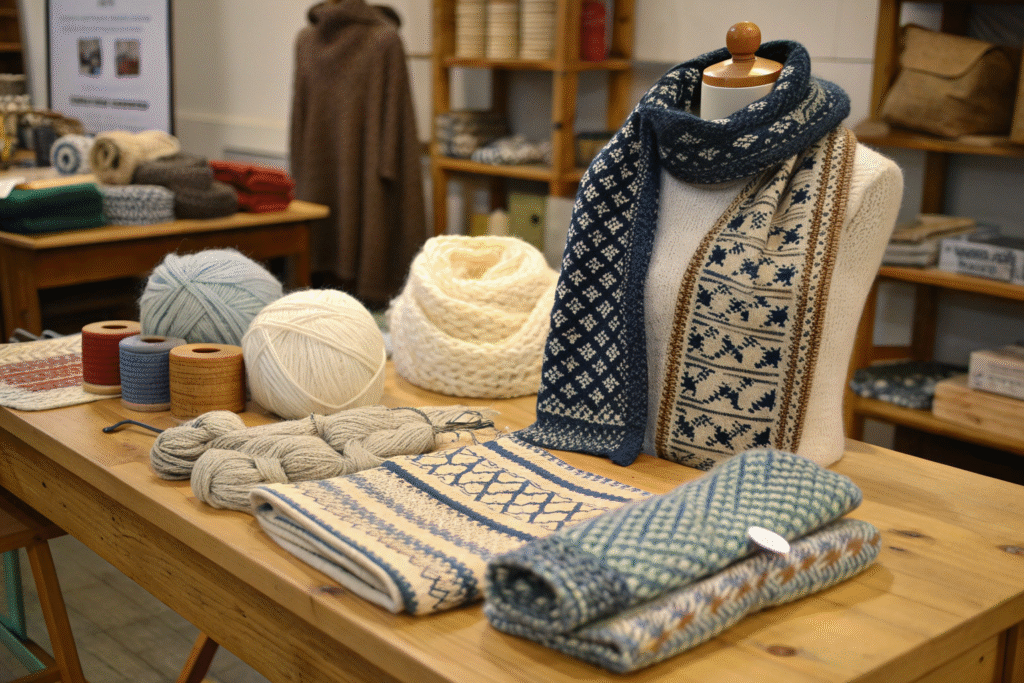
Several production models have proven effective for scaling hand-knitted accessories while preserving their artisanal qualities. The community artisan model, where trained artisans work from centralized workshops or their homes following specific design guidelines, allows for significant scaling while maintaining handmade techniques. Other manufacturers use a hybrid approach where certain components are machine-made while the distinctive knitted elements remain entirely handmade. This approach balances efficiency with the authentic handmade appeal that consumers value.
How Do You Maintain Quality Consistency at Scale?
Maintaining consistent quality across larger production runs requires implementing clear quality standards and thorough training programs. Successful manufacturers develop detailed specifications for materials, stitching techniques, finishing, and final appearance. Regular quality checks at multiple stages of production help identify variations early. At our facility in Zhejiang, we've established a comprehensive training program for artisans alongside a multi-point inspection system that ensures each hand-knitted hair clip meets our quality standards while retaining its unique handmade character.
What Skills and Training Are Needed for Artisans?
The production of hand-knitted hair clips requires specific artisan skills that combine traditional techniques with contemporary fashion sensibilities. Understanding these requirements helps in developing effective training and employment structures.
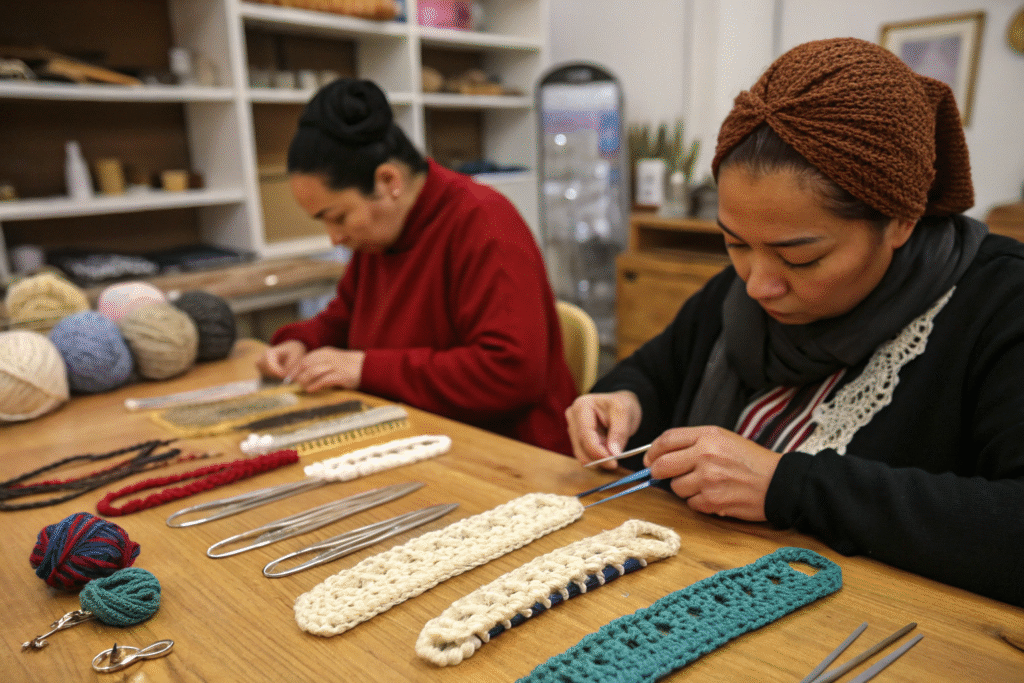
While basic knitting skills provide a foundation, producing commercial-quality hand-knitted hair clips requires additional specialized training. Artisans need expertise in working with various yarn types and weights, understanding tension consistency, mastering miniature knitting techniques suitable for hair clip dimensions, and learning finishing methods that ensure durability. Additionally, color theory knowledge and the ability to follow specific design patterns accurately are essential for maintaining product consistency across production runs.
Which Technical Skills Are Most Important?
The most critical technical skills include proficiency in multiple knitting stitches, consistency in tension control, mastery of small-scale knitting techniques, and expertise in secure assembly methods. Artisans must produce pieces that are not only beautiful but durable enough for daily wear. Technical understanding of how different yarn materials behave and appropriate backing attachment methods are equally important. These skills can typically be developed through focused training programs lasting several weeks, making this field accessible to individuals with basic crafting experience.
How Can Artisans Develop Business and Design Skills?
Beyond technical production skills, artisans interested in developing their own businesses need additional capabilities in design development, pricing strategies, and marketing. Understanding current color trends, seasonal fashion directions, and target market preferences is crucial for creating commercially successful designs. Business skills including cost calculation, pricing strategies, and basic marketing—particularly for online platforms like Etsy or social media—enable artisans to build sustainable independent businesses. Many successful artisans combine production for larger manufacturers with developing their own original lines.
How Profitable is the Hand-Knitted Hair Clip Business?
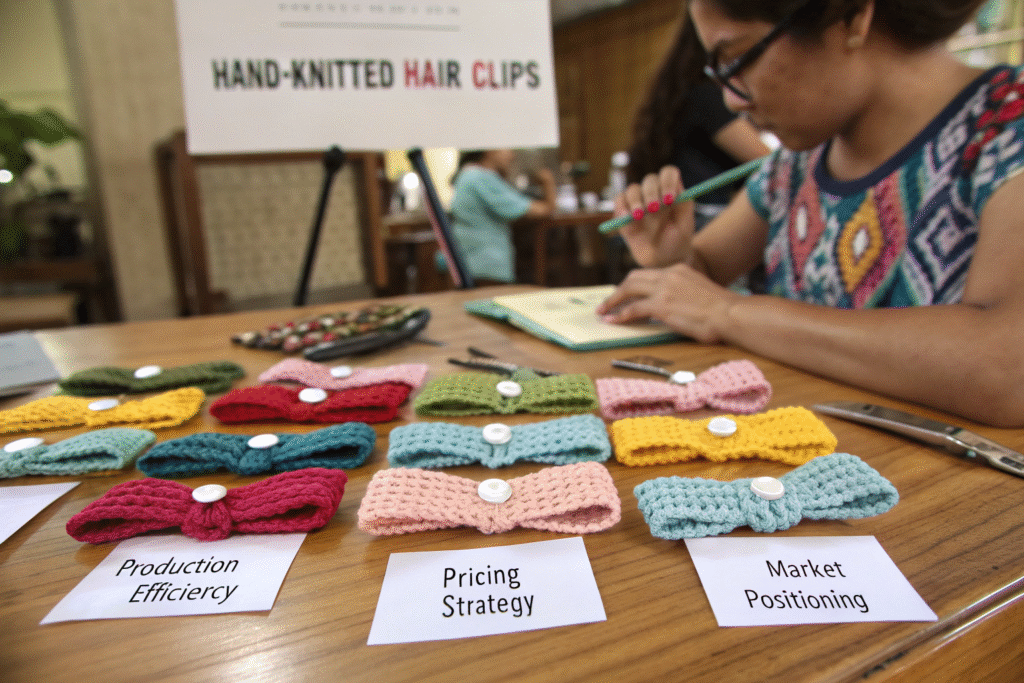
The economic viability of hand-knitted hair clips depends on multiple factors including production efficiency, pricing strategy, and market positioning. When properly managed, this niche offers attractive profitability.
Hand-knitted hair clips can generate healthy profit margins, typically ranging from 40-60% at wholesale level and even higher for direct-to-consumer sales. The key profitability drivers include production efficiency, material cost management, and effective market positioning that emphasizes the handmade value proposition. Lower production overhead compared to machine-manufactured items (no heavy machinery investment) combined with consumer willingness to pay premium prices creates favorable economic conditions for businesses in this space.
What Pricing Strategies Maximize Profitability?
Effective pricing for hand-knitted hair clips should reflect the handmade labor investment while remaining accessible to target consumers. Most successful businesses use value-based pricing that accounts for materials, labor time, design complexity, and market positioning. Limited edition designs or custom color options typically command 20-30% price premiums. Offering collections at various price points—from simpler everyday styles to intricate statement pieces—helps capture broader market segments while maximizing overall profitability through mixed-margin strategies.
What Are the Primary Cost Components?
Understanding cost structure is essential for profitability. The main components include:
- Materials (yarn, clips, backings, packaging)
- Artisan labor (typically the largest cost)
- Overhead (workspace, utilities, management)
- Marketing and sales expenses
- Platform fees (for online marketplaces)
Businesses that optimize their material sourcing without compromising quality, implement efficient production processes, and develop direct sales channels typically achieve the strongest financial performance. The growing consumer preference for handmade and sustainable products continues to support favorable pricing dynamics in this market segment.
Conclusion
The employment and business prospects for hand-knitted hair clips remain strong and continue to grow as consumers increasingly value artisan craftsmanship, unique designs, and sustainable production methods. This market offers diverse opportunities ranging from artisan entrepreneurship to scaled manufacturing operations. Success requires balancing authentic handmade techniques with business fundamentals including production efficiency, market-aware design, and strategic pricing. The emotional connection consumers form with handmade accessories, combined with the practical affordability of hair clips as fashion accessories, creates a sustainable market niche with promising long-term prospects.
If you're considering adding hand-knitted hair clips to your product line or developing a complete collection, our manufacturing expertise can help you capitalize on this growing trend efficiently. We combine artisan skills with commercial production capabilities to deliver beautiful, profitable products. Contact our Business Director Elaine today at elaine@fumaoclothing.com to discuss how we can help you develop a successful hand-knitted accessories collection.