Keeping up with fashion trends has always been challenging for accessory manufacturers and retailers. Traditional methods often lead to overstocking unpopular items or missing opportunities on trending products. The fashion industry loses billions annually due to poor demand forecasting and inventory mismanagement.
AI-driven demand prediction analyzes social media trends, search data, sales history, and market signals to forecast which fashion accessories will become popular. This technology helps manufacturers and retailers make data-informed decisions about production, inventory, and marketing, significantly reducing risks and maximizing opportunities in the fast-changing fashion market.
Let me explain how AI is transforming fashion forecasting and how you can leverage these technologies to stay ahead in the competitive accessories market.
What data sources fuel AI fashion accessory prediction?
AI systems need diverse data streams to generate accurate predictions. Relying on a single data source creates blind spots, while combining multiple data types provides a comprehensive view of emerging trends and consumer preferences.
The most valuable data sources for accessory prediction include social media content, search engine trends, e-commerce patterns, historical sales data, and visual recognition analysis from fashion shows and street style.
How does social media analysis predict accessory trends?
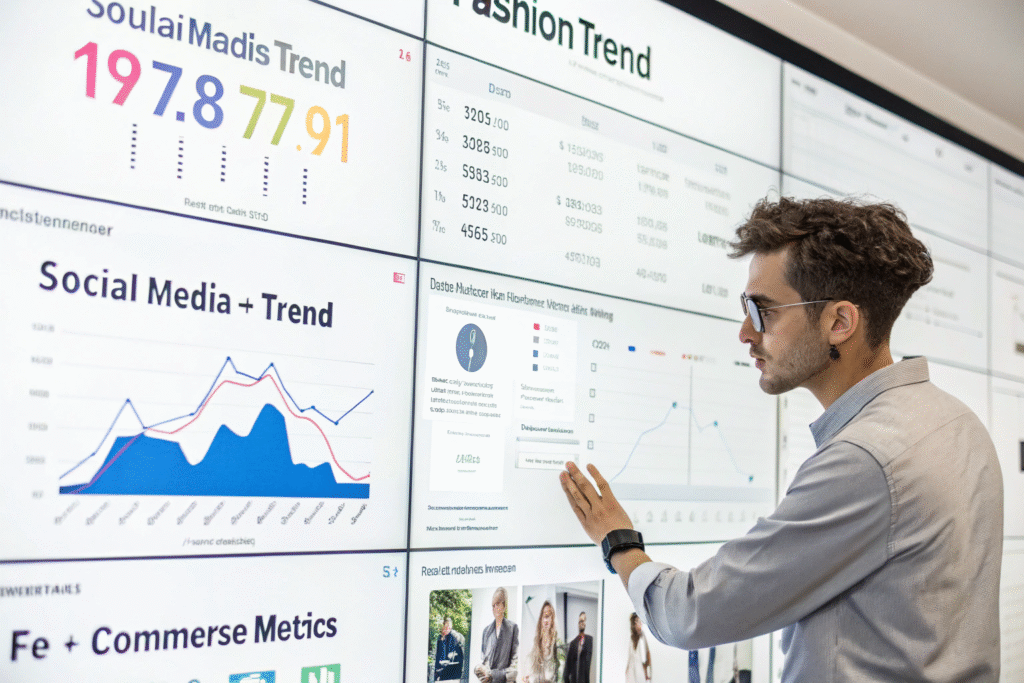
Social media platforms like Instagram, TikTok, and Pinterest provide real-time signals about emerging accessory preferences. AI algorithms analyze hashtags, engagement rates, and visual content to identify which items are gaining traction. For example, when hair clip designs start appearing frequently in fashion influencer posts with high engagement, this signals rising demand. Our AI tools monitor these platforms 24/7, detecting patterns human analysts might miss across millions of posts.
Why is search data crucial for demand forecasting?
Search engine data from Google and e-commerce platforms reveals consumer intent before purchases occur. When search volumes for specific terms like "wide hair bands" or "minimalist necklaces" increase significantly, this indicates growing interest. AI systems correlate these search trends with historical sales data to predict which accessories will see increased demand. This approach helped us anticipate the recent surge in pearl-embellished hair accessories three months before peak demand.
How can manufacturers implement AI prediction tools?
Implementing AI prediction requires both technological infrastructure and organizational adaptation. Many manufacturers struggle with where to start, concerned about costs and technical complexity. However, gradual implementation with focused applications delivers quick wins and builds momentum for broader adoption.
Successful implementation involves selecting the right tools, integrating them with existing systems, training teams, and establishing processes for acting on AI insights.
What are the entry points for AI in accessory manufacturing?
Manufacturers can start with cloud-based AI platforms that require minimal technical infrastructure. These services offer pre-built models for fashion forecasting that can be customized for specific product categories like hair accessories or scarves. Beginning with a single product line allows teams to learn and adjust processes before expanding AI integration. We started with predicting demand for our baseball caps collection, achieving 30% better sell-through rates in the first season.
How much historical data is needed for accurate predictions?
The quality of data matters more than quantity for effective AI predictions. While 2-3 years of sales data provides a solid foundation, even 12 months of detailed records can generate valuable insights when combined with external trend data. The key is having consistent, well-organized information about products, sales, and inventory movements. Clean, categorized data about your accessory lines enables more accurate predictions than vast but messy datasets.

How does AI improve inventory and production planning?
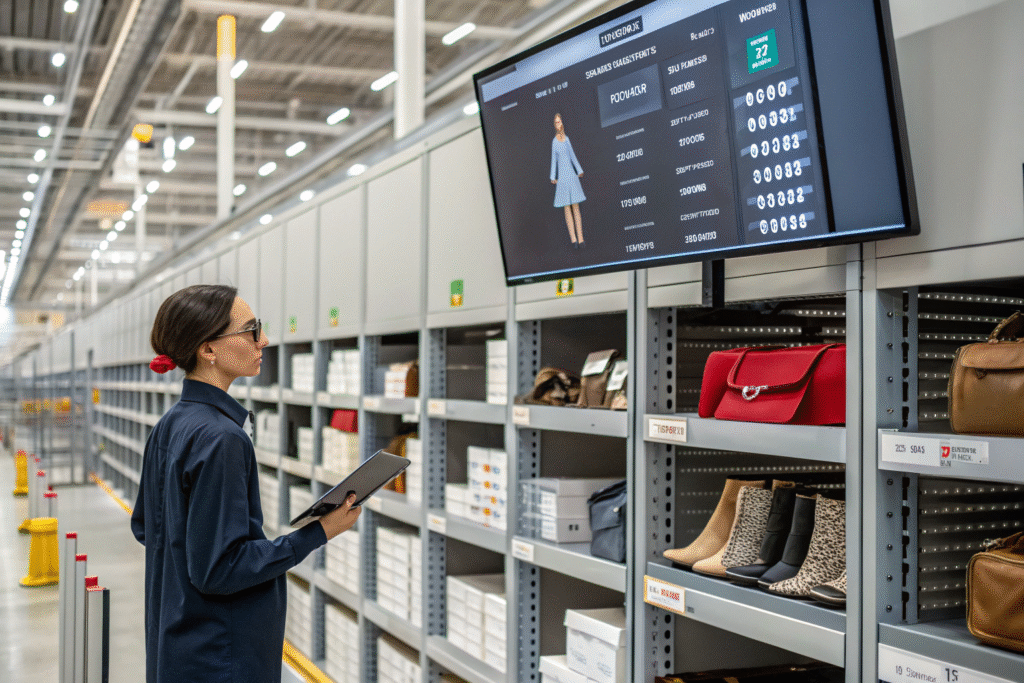
Inventory management represents one of the biggest challenges in the fashion accessory business. Stockouts mean lost sales, while overstock leads to costly markdowns. AI transforms this balancing act from guesswork to science-based decision making.
AI systems optimize inventory levels by predicting demand patterns at granular levels, considering factors like regional preferences, seasonal variations, and emerging micro-trends.
Can AI really reduce overstock and stockouts?
Yes, companies using AI-driven inventory management typically reduce overstock by 20-30% while decreasing stockouts by up to 65%. The systems analyze countless variables including weather patterns, local events, and economic indicators that influence accessory purchases. For example, our system predicted increased demand for lightweight scarves in specific regions based on early spring weather forecasts, allowing optimized distribution that maximized sales while minimizing leftover inventory.
How does AI enhance production scheduling?
AI tools create more accurate production plans by predicting demand timing and volume. This allows manufacturers to schedule production runs more efficiently, reduce rush charges, and optimize workforce planning. For our hair accessory lines, AI forecasting helps us plan material procurement and production capacity months in advance, ensuring we can meet demand peaks for trending items without excessive pre-season inventory buildup.
What are the limitations and challenges of AI prediction?
While AI offers tremendous benefits, understanding its limitations prevents overreliance and disappointment. AI systems are powerful tools but require human oversight and contextual understanding to deliver maximum value.
The main challenges include data quality issues, unexpected market shifts, the creative nature of fashion, and implementation costs for smaller businesses.
How reliable are AI predictions during market disruptions?
AI systems trained on historical data can struggle during unprecedented events like pandemics or sudden economic shifts. During these periods, human oversight becomes crucial for interpreting AI recommendations in context. The most successful companies blend AI insights with human expertise, especially when market conditions deviate significantly from historical patterns. This balanced approach maintains agility while leveraging data-driven insights.
What is the cost-benefit analysis for small manufacturers?
For smaller accessory businesses, comprehensive AI implementation may seem financially daunting. However, many cost-effective solutions now make AI accessible. Cloud-based services offer pay-as-you-go models, and some platforms specifically cater to small and medium-sized fashion businesses. The key is starting with focused applications that address your biggest pain points, such as predicting demand for your best-selling product categories to optimize production and inventory investment.
Conclusion
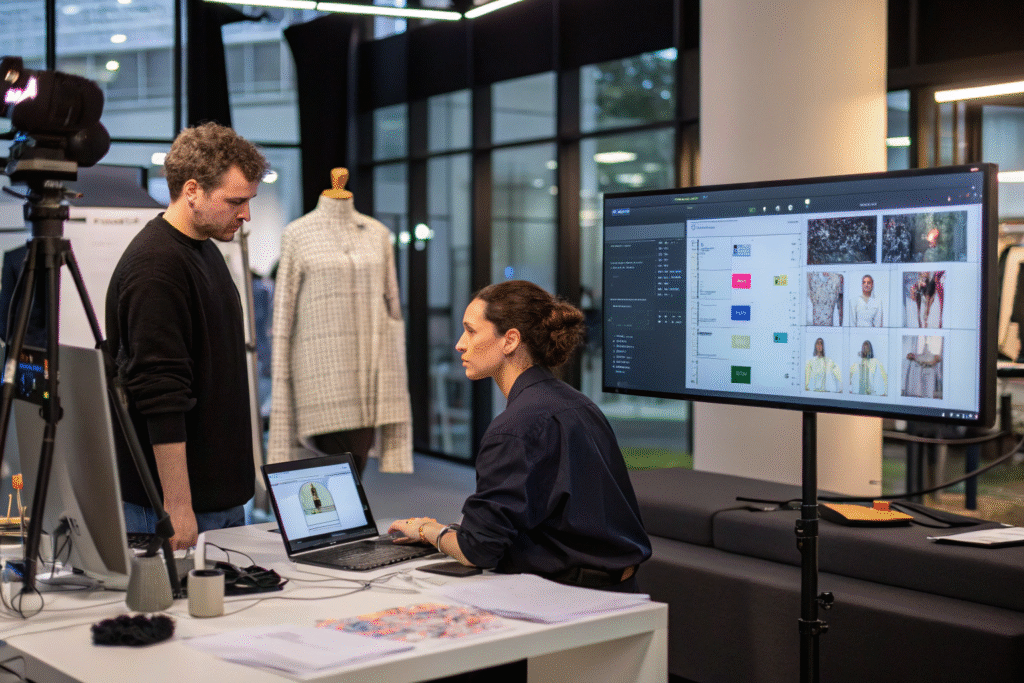
AI-driven demand prediction is transforming how fashion accessory businesses operate, moving the industry from reactive to proactive strategies. By leveraging diverse data sources, manufacturers and retailers can anticipate trends, optimize production, reduce inventory costs, and capture emerging opportunities more effectively.
The most successful implementations combine AI capabilities with human expertise, creating a powerful synergy that respects both data-driven insights and the creative, unpredictable nature of fashion.
If you're looking to incorporate AI-driven forecasting into your accessory business, we invite you to contact our Business Director, Elaine. She can discuss how we use predictive analytics to optimize production and ensure we're manufacturing the right accessories at the right time for our clients. Reach her at: elaine@fumaoclothing.com.