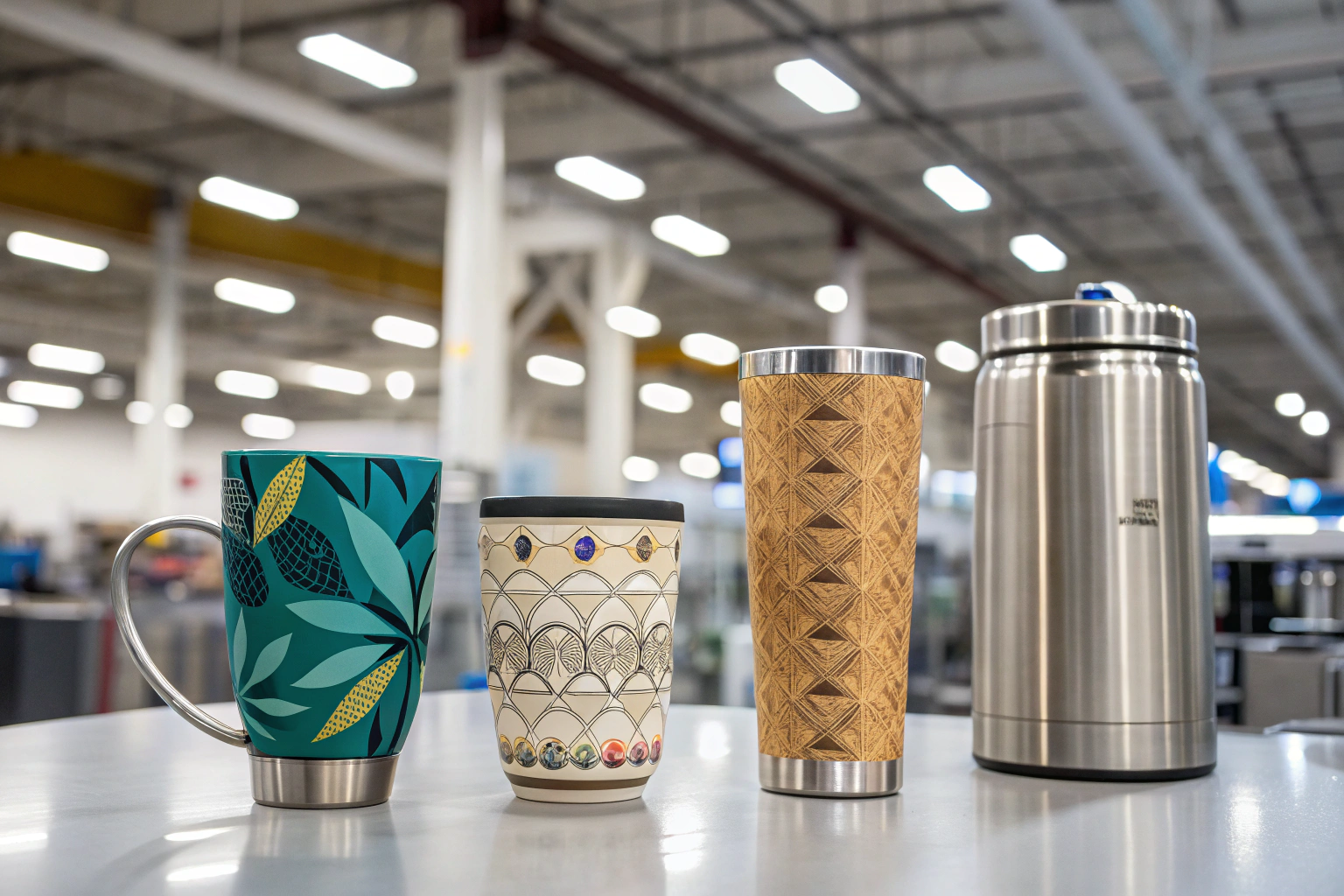
I have been manufacturing accessories for over 15 years. About five years ago, I expanded into custom cups. I learned that cups are different from hair clips or belts. The shapes can be complex. The printing can be intricate. I remember a client who wanted a cup with a 360-degree photographic print. The design wrapped around the entire cup. He also wanted a faceted shape, not a smooth cylinder. I said yes. Then I had to figure out how. I visited glass factories. I learned about mold making. I discovered new printing techniques. Today, I want to share how to source custom cups with complex printing and shapes.
To source custom cups with complex printing and shapes, focus on the manufacturing process, the printing method, and the material. Complex shapes require custom molds. The mold is a one-time investment. It allows you to create unique, branded shapes. Complex printing requires advanced techniques. Full-color sublimation prints 360-degree designs. UV printing prints on any surface, including glass and metal. Screen printing is for simple, bold designs. The material determines what is possible. Ceramic works with sublimation and screen printing. Glass works with UV printing and etching. Stainless steel works with sublimation and laser engraving. Work with a manufacturer who has experience with complex projects. At AceAccessory, we have developed expertise in custom cups. We can help you bring your vision to life.
You might be thinking, "I have a design for a cup. How hard can it be?" The answer is that complex cups require specialized processes. A standard cylinder is easy. A faceted shape is hard. A single-color logo is easy. A 360-degree photo is hard. At Shanghai Fumao, we have invested in the capabilities to handle complex projects. Let me walk you through the process.
How Do You Create Complex Cup Shapes?
The shape of the cup is determined by the mold. A standard cylinder uses a standard mold. A complex shape requires a custom mold. I have learned that the mold is the key.
Complex cup shapes require custom molds. The mold is a metal form that shapes the cup. For ceramic cups, the mold is made of plaster or metal. For glass cups, the mold is made of metal. For stainless steel cups, the mold is made of metal. The mold is a one-time investment. It can cost $500 to $5,000 depending on the complexity. The mold can be used for thousands of cups. Once the mold is made, you can produce the unique shape repeatedly. Complex shapes include faceted surfaces, hexagonal forms, tapered bodies, and sculpted handles. The mold allows you to create a cup that is uniquely yours.
I want to share a story about a custom mold. A client wanted a cup shaped like a diamond. The sides were faceted. We created a mold. It cost $2,000. The client ordered 5,000 cups. The mold cost per cup was $0.40. The unique shape made the cup a bestseller.
What Shapes Are Possible with Custom Molds?
Almost any shape is possible. Faceted. Hexagonal. Octagonal. Tapered. Fluted. Sculpted handles. The limitation is the manufacturing process. For ceramic, undercuts are difficult. For glass, very sharp angles are difficult. We advise on design for manufacturability.
How Long Does Mold Making Take?
Mold making takes 4 to 8 weeks. Complex molds take longer. The mold must be designed, machined, and tested. Plan ahead. We provide mold making timelines.
What Printing Methods Are Best for Complex Designs?
The printing method determines the look of your design. A simple logo is easy. A complex, full-color photo is hard. I have learned to match the method to the design.
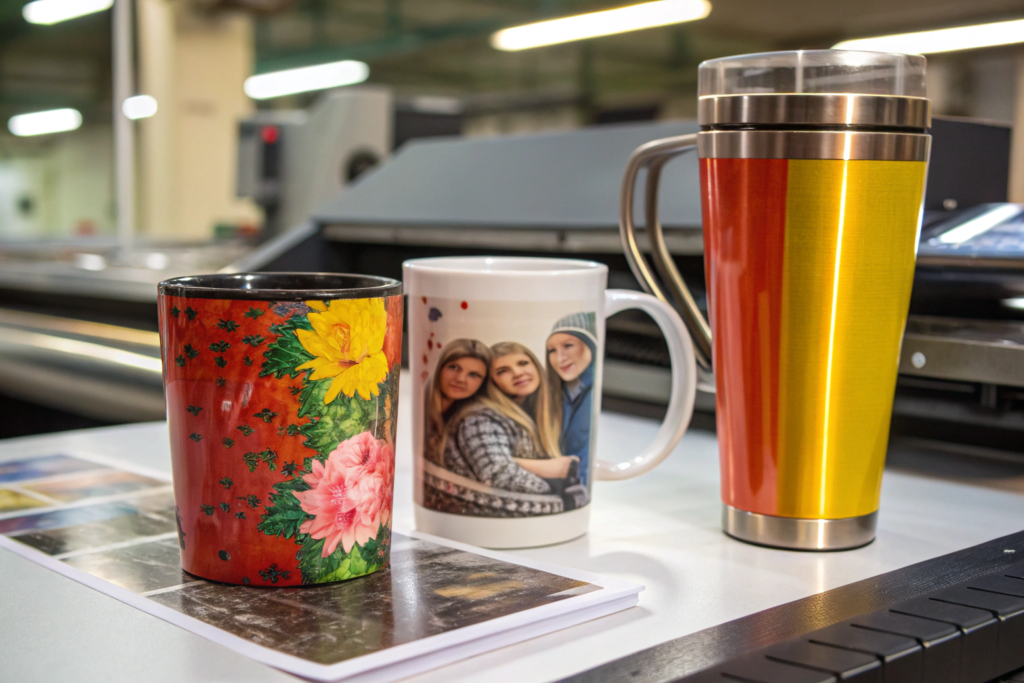
The best printing methods for complex designs are sublimation, UV printing, and screen printing. Sublimation is ideal for full-color, photographic designs. The design is printed on transfer paper. It is then heat-pressed onto the cup. The ink becomes part of the surface. It is durable and vibrant. Sublimation works on ceramic and coated stainless steel. UV printing uses ultraviolet light to cure ink onto the surface. It works on almost any material: glass, metal, plastic, and wood. It is ideal for complex designs on glass. Screen printing is for simple, bold designs with few colors. It uses stencils and ink. It is durable and cost-effective for large runs. For complex designs, sublimation and UV printing are best.
I want to share a story about sublimation. A client wanted a cup with a photo of a city skyline. The photo wrapped around the entire cup. We used sublimation. The result was vibrant. The colors were sharp. The client was thrilled.
What Is Full-Color Sublimation?
Full-color sublimation prints any design. Photos, gradients, and complex artwork. The design wraps around the cup. There is no seam. It is the best method for photographic prints. We use sublimation printing for complex designs.
What Is UV Printing?
UV printing breathes life directly onto the cup's surface, a process that transforms ordinary vessels into vibrant canvases with pinpoint precision. This versatile technique seamlessly works its magic on a variety of materials, from the smooth, cool touch of glass to the sleek, metallic sheen of metal and the pliable, everyday feel of plastic. The ink, a rich, fluid medium, undergoes a remarkable transformation as it is instantly cured by intense UV light, locking in colors and details with unwavering durability—resisting smudges, scratches, and the wear of daily use.
How Do You Choose the Right Cup Material for Complex Projects?
The material affects the shape, the printing, and the cost. I have learned to match the material to the project.
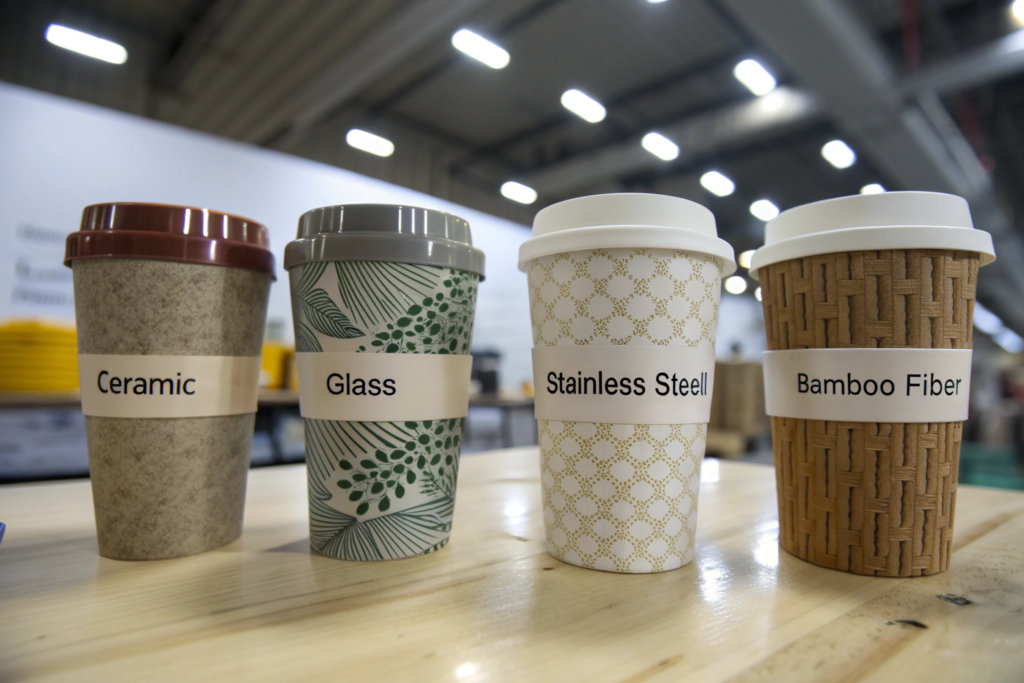
The best materials for complex cups are ceramic, glass, stainless steel, and bamboo fiber. Ceramic is versatile. It works with sublimation and screen printing. It can be molded into complex shapes. It is affordable. Glass is elegant. It works with UV printing and etching. Complex shapes are possible but require careful mold design. Stainless steel is durable. It works with sublimation and laser engraving. Complex shapes are possible but the material is harder to mold. Bamboo fiber is eco-friendly. It works with sublimation. Complex shapes are possible. The choice depends on your design, your budget, and your target customer.
I want to share a story about material choice. A client wanted a luxury cup. He chose glass. The cup was elegant. The UV print was sharp. Another client wanted a durable cup for outdoor use. He chose stainless steel. The cup was tough. The sublimation print was vibrant.
What Material Is Best for Full-Color Printing?
Ceramic emerges as the premier choice for full-color sublimation, where its porous yet receptive surface becomes a canvas for extraordinary vibrancy. The colors, when transferred, burst forth with an intensity that seems to glow from within, each hue saturated and rich, as if the very essence of the design has been woven into the ceramic's fabric. The surface, smooth and unbroken, provides an impeccable backdrop that allows these vivid colors to shine without distraction, creating a finish that is both luxurious and enduring. Stainless steel, too, proves to be a worthy contender when enhanced with a special coating—a thin, protective layer that transforms its typically sleek, metallic surface into a receptive medium.
What Material Is Best for Complex Shapes?
Ceramic, with its malleable clay base and transformative firing process, stands unrivaled when it comes to crafting intricate, complex shapes. From the delicate, lace-like patterns of hand-thrown pottery to the sweeping, organic curves of sculptural vases, ceramic allows artisans to mold every nuance with remarkable precision. The molding process, whether through wheel-throwing, slip casting, or hand-building, offers a flexibility that feels almost intuitive—clay yields gently to the touch, responding to pressure and form with a tactile responsiveness that invites endless creativity.
How Do You Ensure Quality in Complex Cups?
Complex cups have more potential for errors. The shape must be consistent. The print must align. I have learned to inspect carefully.
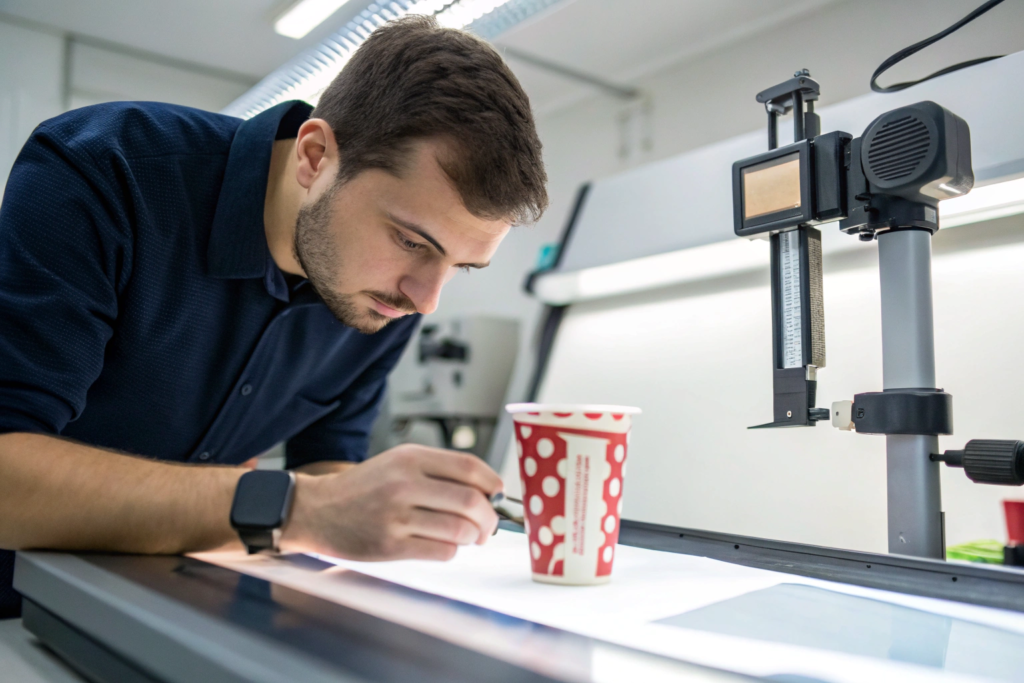
Ensuring quality in complex cups requires checking shape consistency, print alignment, and surface finish. The shape must match the mold. No warping. No asymmetry. The print must align with the shape. For a faceted cup, the print should line up with the facets. The colors must be accurate. No bleeding. No fading. The surface finish must be smooth. No bubbles. No scratches. The cup must be food safe. Test for lead and cadmium. Use AQL sampling. Inspect the first piece. Inspect during production. Inspect the final batch.
I want to share a story about quality. A client ordered faceted glass cups. The first batch had misaligned prints. The design did not line up with the facets. We rejected the batch. The factory corrected the process. The second batch was perfect.
What Are the Common Defects in Complex Cups?
Shape warping, where once-perfect edges curl and twist like a leaf caught in a gentle breeze, print misalignment that leaves jagged, mismatched lines as if the printer’s hand faltered mid-stroke, color variation that bleeds and fades unevenly, turning vibrant hues into dull, inconsistent patches—these are the common defects that mar the beauty of creation. Bubbles trapped within glass, glistening like tiny, trapped stars beneath a translucent surface, distorting light and clarity; scratches that snake across the surface, leaving behind a trail of rough, unyielding texture that catches the eye and betrays imperfection. These flaws, subtle yet undeniable, demand close inspection. Look for them, with a discerning gaze and a practiced touch, to ensure that what is produced meets the standards of quality and artistry it aspires to be.
How Do You Test for Food Safety?
Cups must be tested for lead and cadmium leaching. Ceramic glazes can contain heavy metals. Glass is generally safe. Stainless steel is safe. Use an accredited lab. We provide food safety test reports.
Conclusion
Sourcing custom cups with complex printing and shapes is challenging but rewarding. The key is the mold. Complex shapes require custom molds. The key is the printing method. Full-color sublimation and UV printing are best for complex designs. The key is the material. Ceramic, glass, stainless steel, and bamboo fiber each have strengths.
Quality is essential. Check shape consistency, print alignment, and food safety.
At Shanghai Fumao, we have the expertise. We have the partners. We are ready to help you create unique, complex cups. Your brand deserves cups that stand out. Let us help you make them. Please contact our Business Director, Elaine, at elaine@fumaoclothing.com to discuss your complex cup project. We can help you create custom molds and prints that bring your vision to life.