When I first learned that over 8 million tons of plastic waste enter our oceans each year, I knew that as a manufacturer, I could not stay on the sidelines. Many brands are now looking for sustainable sourcing options. But finding reliable suppliers of recycled ocean plastic accessories is not always straightforward. The demand is high, and quality varies greatly.
If you want to source accessories made from recycled ocean plastic materials, the key is to work with manufacturers who can guarantee both sustainability and product quality. This means verifying their supply chain, understanding the certification process, and ensuring the final products meet your market’s safety and style standards.
The good news is that with the right partner, you can secure consistent production, achieve your environmental goals, and still meet your price targets. Let’s explore exactly how you can do this.
Understanding the Benefits of Recycled Ocean Plastic Accessories
Many retailers now prioritize eco-conscious sourcing. However, some hesitate due to doubts about durability or aesthetics. Customers might assume recycled plastic looks dull or feels uncomfortable. In reality, advanced processing transforms ocean plastic into high-quality materials that rival virgin plastics in strength and beauty.
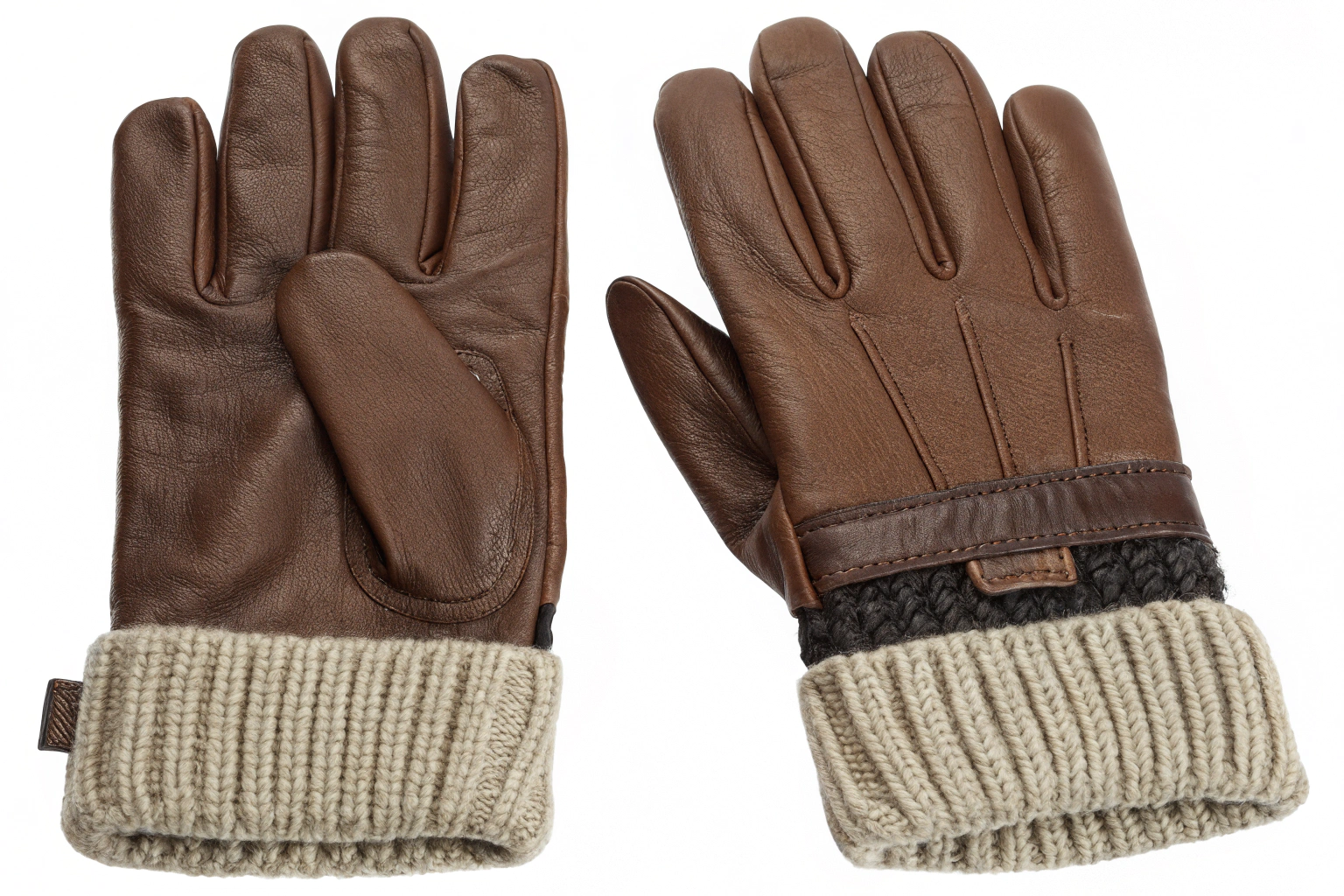
Recycled ocean plastic can be turned into fashionable, durable accessories that appeal to eco-conscious consumers without sacrificing style or comfort. Our experience shows that when brands highlight the environmental story behind the product, sales often increase.

Why Is Consumer Demand Growing for These Accessories?
Eco-conscious shoppers in the U.S. and Europe increasingly demand sustainable products. Platforms like Statista report year-on-year growth in consumer willingness to pay more for eco-friendly goods. This trend is particularly strong in categories like fashion accessories.
How Does It Compare to Virgin Plastic in Quality?
Modern recycling technologies, such as advanced polymer filtration, allow us to create accessories with smooth textures, vibrant colors, and durability that matches — and sometimes exceeds — virgin plastic. Certifications from bodies like Global Recycled Standard assure clients of quality and sustainability.
Finding Reliable Suppliers for Recycled Ocean Plastic
The sourcing process starts with identifying suppliers that not only work with recycled ocean plastics but also have transparent supply chains. Many factories claim to use ocean plastic but actually blend it with cheaper materials. This can lead to compliance issues in markets with strict regulations.
To find reliable suppliers, check for certifications, visit production sites if possible, and request detailed material composition reports. This ensures your products meet both environmental and safety standards.

What Certifications Should You Look For?
The Global Recycled Standard (GRS) and Ocean Bound Plastic Certification are the most recognized. These confirm the origin and traceability of recycled materials.
How to Vet a New Supplier Quickly?
Use platforms like Alibaba and filter by verified GRS suppliers. Then, arrange a video call to assess their facilities, production capabilities, and responsiveness. This helps identify trustworthy partners without lengthy delays.
Managing Production and Quality Control
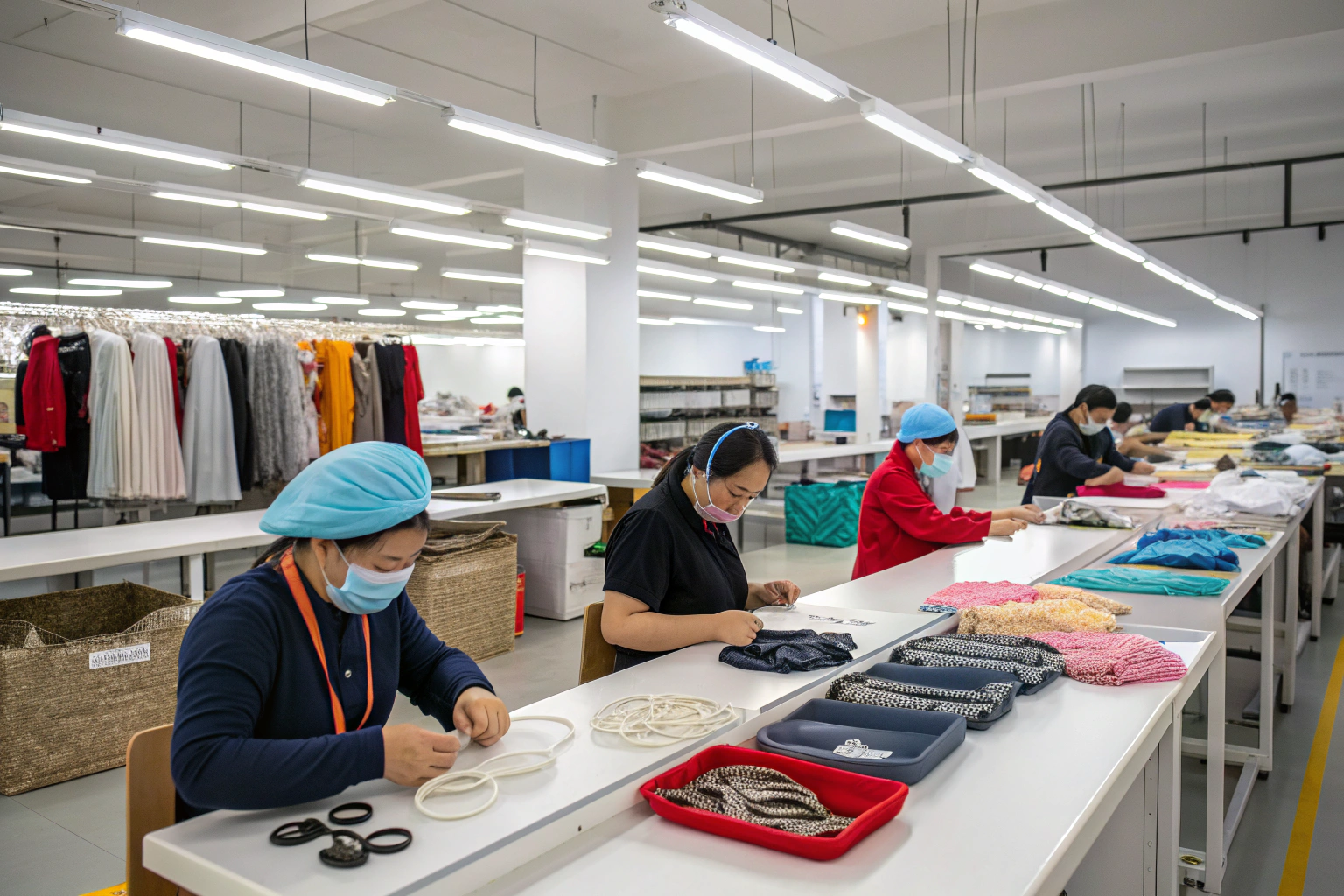
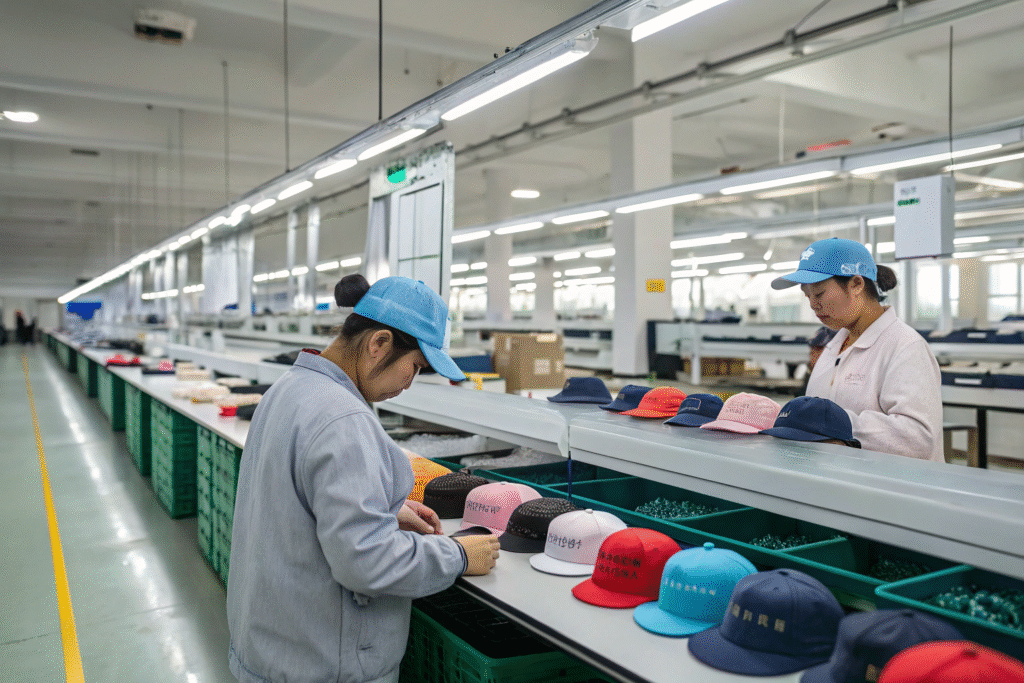
Even the best materials can be wasted if production is inconsistent. That’s why we emphasize in-house quality control. Our project managers monitor every step — from raw material sorting to final packing — to ensure consistent output.
Quality control for recycled ocean plastic accessories requires strict inspection processes, color consistency checks, and durability testing to meet market standards. This protects your brand reputation and customer satisfaction.
How Do You Ensure Color Consistency in Recycled Materials?
By working with certified dye houses and conducting batch-by-batch color fastness testing, we ensure every shipment matches the approved color samples.
What About Durability Testing?
We run tensile strength tests, UV exposure tests, and simulated wear tests according to ASTM standards. These prove the accessories can handle daily use without losing shape or color.
Logistics and Pricing Strategies
Many buyers fear that sourcing recycled ocean plastic products will be more expensive or slower to ship. While the base material cost can be higher, efficiencies in production and logistics often offset this.
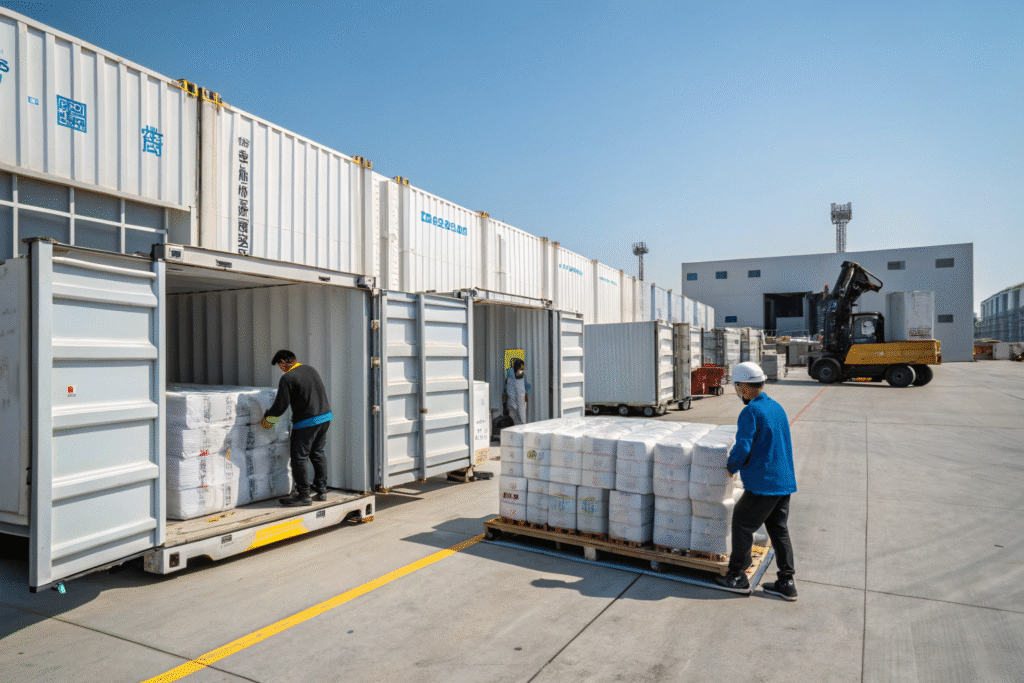
Smart logistics planning, combined with bulk ordering and seasonal scheduling, helps keep costs competitive while ensuring timely delivery. Our experience shows that by optimizing container loads and shipping schedules, brands save both money and time.
How Can You Reduce Tariff Costs for U.S. Shipments?
Working with suppliers who understand U.S. tariff codes can help classify goods under categories that avoid additional duties.
What Shipping Options Work Best for Eco Accessories?
For U.S. and European markets, combining sea freight with final-mile rail or truck delivery reduces emissions and costs compared to air freight, while still meeting retail timelines.
Conclusion
Sourcing accessories made from recycled ocean plastic is no longer a niche choice — it’s becoming a mainstream market requirement. The right approach combines verified suppliers, strict quality control, and smart logistics planning. This ensures your products meet sustainability goals without compromising on quality, style, or delivery times.
If you want to create your own sustainable accessory line, we can help from concept to shipment. Contact our Business Director Elaine at elaine@fumaoclothing.com to start your project with Shanghai Fumao today.